
The Biotope Approach: Aquarium Mastery on Replicating Natural Habitats for Tetra Breeding Triumphs

Welcome to Aquarium Mastery!
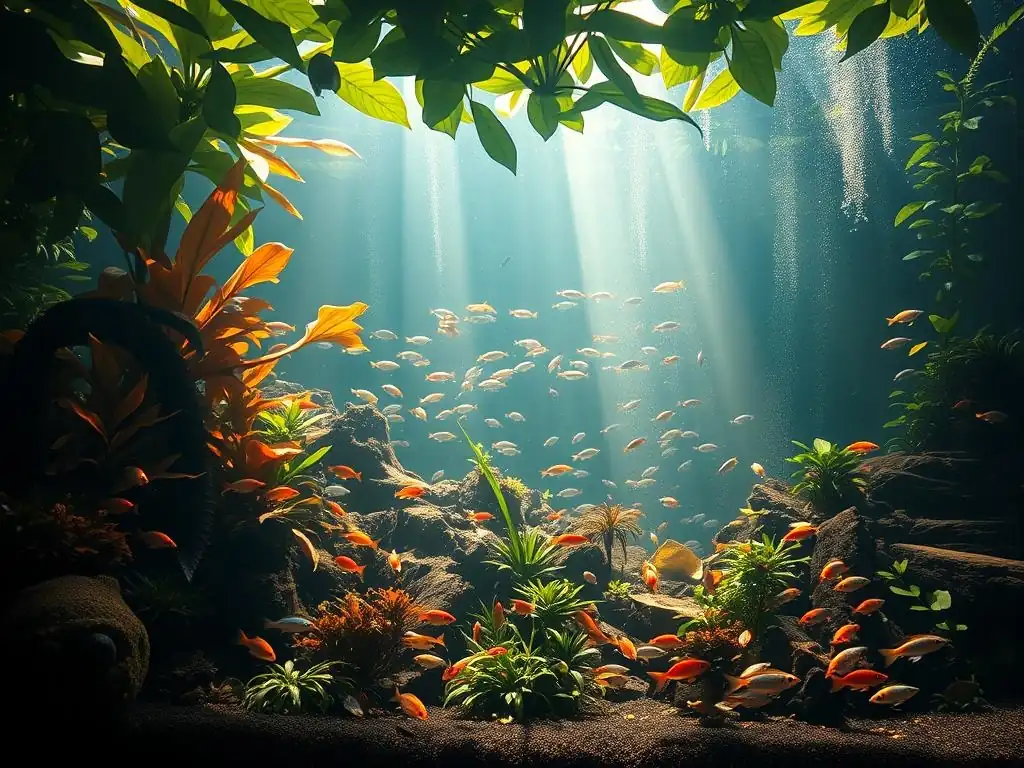
Ever wondered how to unlock the secrets to successful tetra breeding by mimicking their natural environment? Dive in and discover the biotope approach to aquarium keeping! Learn how to craft the perfect ecosystem to encourage your tetras to thrive and reproduce, and prepare to witness a captivating spectacle in your own living room. Let's explore the art of biotope aquariums and achieve breeding triumphs together!
- The Biotope Approach: Aquarium Mastery Replicating Natural Habitats for Specific Tetra Breeding
- Understanding the Biotope Aquarium for Tetra Breeding
- Selecting the Right Biotope for Your Specific Tetra Species
- Setting Up Your Breeding Biotope Aquarium
- Plant Selection for Your Biotope
- Introducing and Conditioning Your Tetras for Breeding
- Spawning and Raising Fry in the Biotope Aquarium
- Troubleshooting Common Biotope Aquarium Breeding Issues
- Advanced Biotope Aquarium Techniques for Tetra Breeding
- Conclusion: Mastering Tetra Breeding Through the Biotope Approach.
-
Frequently Asked Questions
- How does the biotope approach specifically benefit tetra breeding in aquariums?
- What are the key elements to consider when replicating a tetra's natural biotope for breeding?
- Why is water chemistry so crucial for successful tetra breeding in a biotope aquarium?
- What are some common mistakes aquarists make when attempting to breed tetras in a biotope aquarium?
- How can AquariumMastery.com help me learn more about setting up a successful tetra biotope aquarium for breeding?
- Final Reflection: The Enduring Allure of Nature's Blueprint
- Unleash Your Tetra Breeding Potential!
The Biotope Approach: Aquarium Mastery Replicating Natural Habitats for Specific Tetra Breeding
Understanding the Biotope Aquarium for Tetra Breeding
What is a Biotope Aquarium? Replicating Natural Habitats
A biotope aquarium is a specialized aquatic setup meticulously designed to replicate a specific natural habitat, encompassing its precise water chemistry, flora, and even co-existing fauna. Unlike a general community tank, the primary goal of a biotope is not merely aesthetic appeal but to create a functional, self-sustaining ecosystem that mirrors a particular slice of nature, whether it's a slow-moving Amazonian tributary or a clear mountain stream. This approach demands extensive research into the chosen environment, ensuring that elements like substrate, hardscape, plant species, lighting, and water parameters are as true to the original as possible.
The core principle behind a biotope aquarium is to provide the inhabitants with an environment that perfectly matches their evolutionary needs, reducing stress and encouraging natural behaviors. For species like tetras, which often originate from highly specific and stable environments, this replication is crucial.
By accurately mimicking their native waters – for instance, the soft, acidic, tannin-stained blackwater of the Rio Negro – a biotope aquarium creates an ideal setting for the fish to thrive, display their full coloration, and, most importantly for our goal, enter breeding condition. This precise environmental match is fundamental to successful biotope aquarium breeding tetra projects.
Why Choose a Biotope Setup for Breeding Specific Tetras? Benefits Explored
Opting for a biotope setup for breeding specific tetras offers significant advantages over conventional breeding tanks, primarily by fostering a sense of security and natural comfort for the fish. When tetras are housed in an environment that closely mirrors their ancestral home, their stress levels decrease dramatically.
This reduced stress directly translates into improved health, enhanced vitality, and a greater propensity to engage in natural behaviors, including courtship and spawning. Many tetra species, such as the popular Neon Tetra ( Paracheirodon innesi) or the Lemon Tetra ( Hyphessobrycon pulchripripinnis), are notoriously shy and will only breed when they feel completely secure and undisturbed within their surroundings.
Furthermore, a biotope aquarium provides the precise environmental cues that trigger spawning in many tetra species. For instance, the subtle changes in water chemistry, the presence of specific leaf litter, or the particular light intensity found in their natural habitat can act as powerful stimuli for reproduction.
In a well-designed biotope aquarium breeding tetra setup, the fish are not just surviving; they are thriving and responding to the environmental signals that their species has evolved with over millennia. This leads to higher success rates in egg production and often, due to the naturalistic environment, better survival rates for the delicate fry as they have ample micro-fauna and infusoria to feed on initially.
The Link Between Biotope Aquariums and Successful Spawning
The connection between a biotope aquarium and successful spawning in tetras is profound, rooted in the evolutionary adaptations of these fish to their specific natural environments. Many tetra species require very precise conditions to be triggered into breeding. For example, some species from the Amazon basin, like the Cardinal Tetra, naturally spawn during the rainy season when water levels rise, temperatures might slightly drop, and the influx of rainwater causes a significant softening of the water and a reduction in pH. Replicating these subtle yet critical environmental shifts within a biotope tank can effectively cue the fish for reproduction.
A true biotope aquarium breeding tetra setup provides these intricate environmental triggers that are often absent in a general community tank. The presence of specific substrates, such as fine sand or a bed of leaf litter, offers ideal spawning sites for egg scatterers like many tetras.
The water parameters, meticulously matched to their native waters—for instance, a pH of 5.5 and a GH of 1-2 dGH for many Hyphessobrycon species—are not just for survival but are essential for egg viability and successful fertilization. Without these precise cues and conditions, many sensitive tetra species simply will not breed, making the biotope approach an indispensable tool for dedicated aquarists aiming for breeding triumphs.
Selecting the Right Biotope for Your Specific Tetra Species
Researching Natural Habitats: Key to Biotope Aquarium Success
Thorough research into the natural habitat of your target tetra species is the absolute cornerstone of a successful biotope aquarium, especially when the goal is breeding. This initial investigative phase should delve deeply into various aspects of their native environment: geographical location, average water parameters (including temperature range, pH, general hardness [GH], and carbonate hardness [KH]), the composition of the substrate, the dominant plant species, the types of hardscape (wood, rocks), and even the typical lighting conditions and water flow. Understanding these nuances is paramount, as subtle variations can significantly impact the comfort and breeding readiness of your tetras.
Reliable sources for this information include scientific papers on ichthyology, reputable field reports from aquarists and biologists, and established online databases or forums dedicated to specific fish species. For instance, if you are planning a biotope aquarium breeding tetra project for Black Neon Tetras ( Hyphessobrycon herbertaxelrodi), you would research their natural range in the upper Paraguay River basin in Brazil, discovering their preference for slow-moving, clear to slightly turbid waters with a pH typically between 6.0 and 7.5, and temperatures around 23-27°C (73-81°F).
This level of detail ensures that your replicated environment provides the exact conditions needed to encourage natural behaviors and successful spawning.
Common Biotopes: South American Rivers and Streams
South America is the undisputed origin point for the vast majority of popular tetra species found in the aquarium hobby, making its diverse river and stream biotopes central to any biotope aquarium breeding tetra endeavor. These environments vary widely but often share common characteristics crucial for tetra survival and reproduction.
Many tetras originate from blackwater environments, such as the Rio Negro in Brazil, characterized by soft, extremely acidic water (pH often below 6.0) stained dark with tannins from decaying organic matter. These waters typically have very low mineral content, with GH often near 0-2 dGH, and temperatures ranging from 24-29°C (75-84°F).
Other common South American biotopes for tetras include clearwater and whitewater rivers. Clearwater rivers, like some tributaries of the Tapajós, feature more neutral pH (6.5-7.5), slightly higher hardness, and clear visibility, often with sandy or gravel substrates and dense aquatic vegetation.
Whitewater rivers, such as the main Amazon channel, are characterized by high sediment loads, resulting in turbid, murky water, and often more variable parameters. Understanding these distinctions is critical, as a species like the Lemon Tetra ( Hyphessobrycon pulchripripinnis) from clearwater tributaries would struggle in the conditions preferred by a Cardinal Tetra ( Paracheirodon axelrodi) from blackwater environments, highlighting the importance of species-specific biotope selection.
Specific Biotope Examples: The Rio Negro Biotope for Cardinal Tetras
A prime example of a highly effective biotope for biotope aquarium breeding tetra is the replication of the Rio Negro for Cardinal Tetras ( Paracheirodon axelrodi). The Rio Negro, a major tributary of the Amazon, is renowned for its iconic blackwater, which is characterized by exceptionally soft water with a near-zero general hardness (GH 0-1 dGH) and a remarkably acidic pH, often ranging from 4.0 to 6.0.
Temperatures in their natural habitat typically hover between 26-29°C (79-84°F). The riverbed is often composed of fine, dark sand, overlaid with a thick layer of leaf litter from surrounding rainforest trees, such as Terminalia catappa (Indian Almond) leaves, which further contribute to the water's color and chemistry by releasing tannins and humic acids.
To faithfully replicate this environment for Cardinal Tetra breeding, the aquarium setup should feature a fine, dark sand substrate, generously covered with dried leaf litter, such as Indian Almond leaves, oak leaves, or beech leaves. These leaves not only contribute to the water's characteristic blackwater appearance and chemistry but also provide essential infusoria and micro-organisms for newly hatched fry. Lighting should be dim and diffused, mimicking the dense canopy overhead in their natural habitat.
Hardscape elements should primarily consist of driftwood and root structures, providing ample hiding spots and breaking up lines of sight. Filtration should be gentle, avoiding strong currents, and ideally, a sponge filter or a low-flow hang-on-back filter with peat filtration can be used to maintain the soft, acidic conditions crucial for successful Cardinal Tetra spawning.
Setting Up Your Breeding Biotope Aquarium
Tank Size and Dimensions for Optimal Tetra Breeding
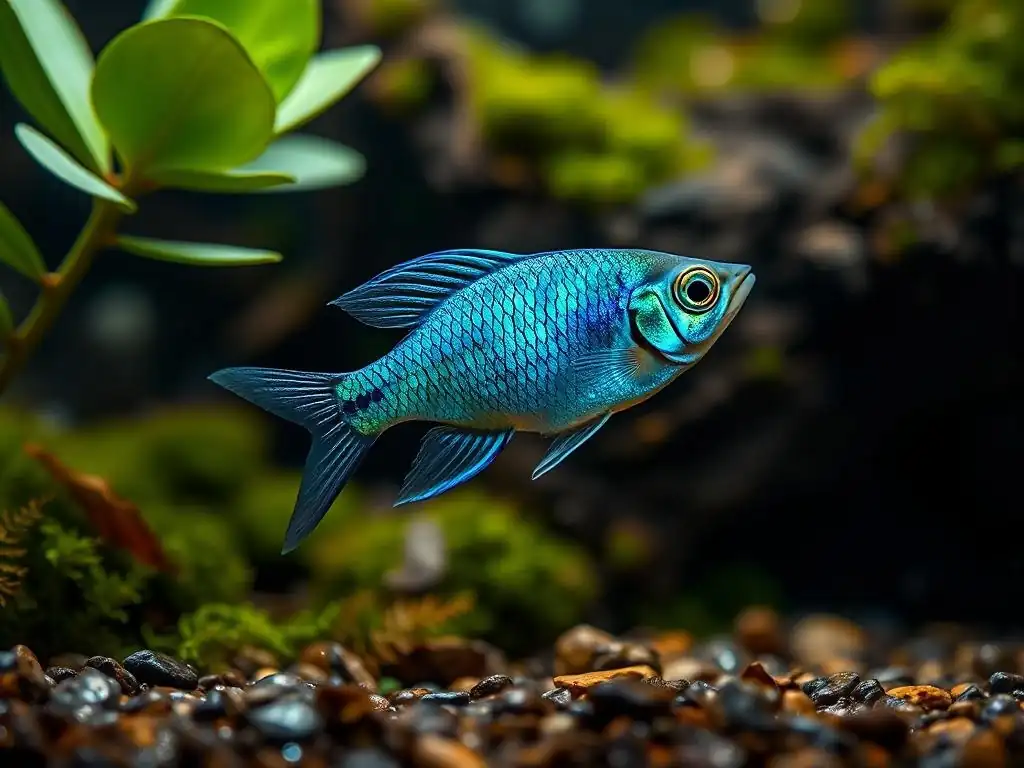
The selection of tank size and dimensions is a critical consideration for optimal biotope aquarium breeding tetra success, as it directly impacts the comfort, space for courtship, and successful raising of fry. While many tetra species are small, a common misconception is that a tiny tank is sufficient for breeding. In reality, a larger footprint is generally more beneficial than just volume.
For most small to medium-sized tetras (e.g., Neon Tetras, Cardinal Tetras, Ember Tetras), a tank of at least 10 to 20 gallons (approximately 38 to 76 liters) is recommended for a dedicated breeding pair or a small group. A 20-gallon long tank (30 inches long x 12 inches wide x 12 inches high) is often preferred over a 20-gallon high due to its greater surface area, which allows for more swimming space and better gas exchange.
For larger tetra species or those that engage in more elaborate courtship rituals, such as Congo Tetras ( Phenacogrammus interruptus), a tank of 30 gallons (approximately 114 liters) or more might be necessary to provide adequate space for a small breeding group. The horizontal dimensions are particularly important for egg-scattering species, as it allows for a wider spread of eggs and provides more area for the parents to perform their spawning dance without feeling confined.
Ample space also helps in maintaining stable water parameters, as larger water volumes are more forgiving of minor fluctuations, which is crucial for sensitive tetra eggs and fry.
Substrate Selection: Mimicking the Natural Riverbed Environment
The choice of substrate is a fundamental element in replicating a natural riverbed environment within a biotope aquarium breeding tetra setup. For many South American tetras, a fine, inert sand substrate is the most appropriate choice. Sand mimics the soft, silty bottoms of their native rivers and streams, providing a natural feel for the fish and allowing them to sift through it without injury.
Dark-colored sand is often preferred as it helps to reduce stress in shy species by minimizing reflections and making their colors appear more vibrant. It also provides a natural backdrop that enhances the overall aesthetic of the biotope.
In addition to sand, the strategic inclusion of leaf litter is vital for many tetra biotopes, especially blackwater environments. A layer of dried, natural leaves such as Indian Almond (Catappa) leaves, oak leaves, or beech leaves not only releases beneficial tannins and humic acids that condition the water to the desired soft, acidic parameters but also provides crucial hiding places for fry and cultivates a micro-fauna of infusoria, which serves as an initial food source for newly hatched fry.
This organic layer also helps to mimic the natural decaying matter found on the riverbed, contributing to the overall realism and functionality of the breeding biotope.
Water Parameters: Achieving Ideal Conditions for Spawning
Temperature, pH, and Water Hardness Considerations
Achieving precise water parameters is arguably the most critical factor for successful biotope aquarium breeding tetra projects, directly influencing their health, comfort, and spawning readiness. Temperature is a key trigger; for many Amazonian tetras, a consistent temperature between 25-28°C (77-82°F) is ideal, mimicking their tropical native waters. However, some species might require a slight temperature drop, simulating a "rainy season," to induce spawning.
pH is equally vital; most popular tetras, like Neons and Cardinals, thrive and breed in acidic to very acidic conditions, typically ranging from pH 5.0 to 6.5. Deviations from this range can stress the fish and prevent successful egg development.
Water hardness, specifically General Hardness (GH) and Carbonate Hardness (KH), is another non-negotiable parameter. Many tetras originate from soft water environments with very low mineral content (GH often below 5 dGH, sometimes even 0-1 dGH, and KH near zero). This soft water is crucial for egg viability, as eggs laid in hard water often fail to hatch due to osmotic pressure issues.
Maintaining these specific low hardness levels, along with the correct pH, is paramount. Regular testing with reliable kits is essential to monitor and adjust these parameters, ensuring the water perfectly matches the specific biotope requirements of the tetra species you intend to breed.
Utilizing Natural Water Chemistry Elements
To truly replicate the complex water chemistry of natural tetra biotopes, aquarists should utilize natural elements that contribute to the desired parameters. For blackwater biotopes, the strategic introduction of botanicals is indispensable. Dried Indian Almond (Catappa) leaves, alder cones, and various types of driftwood (e.g., Mopani, Malaysian, Cholla wood) naturally release tannins and humic acids.
These compounds not only stain the water to the characteristic dark tea color but also gently lower the pH and soften the water, mimicking the conditions of forest streams and floodplains. For example, a single 6-inch Indian Almond leaf can significantly impact the water chemistry in a 10-gallon tank over several days.
Beyond botanicals, incorporating reverse osmosis (RO) or deionized (DI) water, remineralized to specific low hardness levels, is often necessary to achieve the ultra-soft water required by many sensitive tetra species for successful breeding. Tap water, especially in regions with hard water, is rarely suitable without extensive treatment.
Peat filtration is another highly effective method; placing peat moss in a filter bag within the filtration system can further lower pH and soften water. These natural and controlled methods are far superior to chemical additives, as they provide a stable and biologically active environment that encourages the natural behaviors and physiological processes necessary for successful biotope aquarium breeding tetra projects.
Lighting and Filtration: Maintaining a Healthy Biotope Ecosystem
Lighting in a biotope aquarium designed for biotope aquarium breeding tetra should mimic the natural conditions of their native habitat, which is often dim and filtered. Many tetras originate from heavily vegetated areas or blackwater rivers where the dense canopy above allows very little direct sunlight to penetrate. Therefore, moderate to low-intensity lighting, often with a warmer color spectrum (e.g., 4000K-6500K), is generally appropriate.
This not only reduces stress on the fish but also discourages excessive algae growth, which can be problematic in nutrient-rich, low-flow biotope setups. Timers should be used to maintain a consistent photoperiod, typically 8-10 hours per day, simulating natural day-night cycles.
Filtration for a tetra breeding biotope should prioritize gentle water movement and biological stability over strong mechanical filtration. Sponge filters are an excellent choice due to their minimal current, large surface area for beneficial bacteria, and ease of cleaning without disturbing eggs or fry. Air-driven sponge filters also provide crucial oxygenation without creating excessive turbulence.
For larger setups, a hang-on-back filter with a pre-filter sponge on the intake to protect fry, or a canister filter run at a low flow, can be used, often with filter media like peat to help maintain water chemistry. The goal is to maintain pristine water quality without creating a turbulent environment that could stress breeding pairs or wash away delicate eggs and fry, ensuring a stable ecosystem for successful reproduction.
Hardscape and Decor: Recreating Natural Hiding Places
Choosing Appropriate Rocks, Wood, and Leaf Litter
The selection of hardscape elements—rocks, wood, and leaf litter—is fundamental to recreating the natural structure and feel of a biotope aquarium breeding tetra setup. For many South American tetra biotopes, driftwood is a cornerstone. Types like Malaysian driftwood, Mopani wood, and especially spider wood or cholla wood, are excellent choices.
They release beneficial tannins that contribute to the desired blackwater appearance and chemistry, provide surfaces for beneficial biofilm growth, and offer intricate networks of branches and crevices that serve as natural hiding spots for adult fish and future fry. Ensure all wood is thoroughly cleaned and pre-soaked to prevent excessive initial tannin release or buoyancy issues.
Rocks, while less prominent in typical blackwater Amazonian biotopes, can be used sparingly in clearwater or rocky stream setups. If using rocks, opt for inert types like basalt, slate, or river stones that will not alter water parameters significantly. Avoid limestone or other calcium-rich rocks if aiming for soft, acidic water.
Finally, a generous layer of natural leaf litter (e.g., Indian Almond leaves, oak leaves, beech leaves) is indispensable. These leaves break down slowly, releasing humic acids and tannins, creating a natural substrate for infusoria, and providing crucial hiding places and spawning surfaces for many tetra species. This multi-layered approach to hardscaping creates a dynamic and authentic environment essential for successful tetra breeding.
Avoiding Toxic Materials in Your Biotope Aquarium
When setting up a biotope aquarium breeding tetra tank, it is paramount to avoid introducing any materials that could be toxic or harmful to the sensitive fish and their delicate eggs and fry. This includes being vigilant about the source and type of all hardscape elements.
Never use rocks collected from unknown outdoor sources, especially those with visible mineral deposits or a powdery texture, as they might leach harmful substances or dramatically alter water chemistry (e.g., limestone can raise pH and hardness, which is detrimental for soft-water tetras). Similarly, ensure any wood used is specifically sold for aquarium use or is known to be non-toxic and thoroughly prepared (boiled or soaked) to remove sap, pesticides, or other harmful compounds.
Beyond rocks and wood, be cautious with any decorative items not explicitly designed for aquariums. Many craft store items, painted ornaments, or plastics can leach chemicals, heavy metals, or dyes into the water, leading to fish stress, illness, or even death. Even seemingly inert materials like certain types of glues or sealants can be toxic until fully cured.
Always opt for aquarium-safe silicone or glues if assembly is required. Furthermore, when collecting natural leaf litter, ensure it comes from a pesticide-free source and is thoroughly rinsed. Prioritizing safety and using only proven aquarium-safe materials is a non-negotiable step to ensure a healthy and productive breeding environment for your tetras.
Plant Selection for Your Biotope
Native Plants: Recreating the Natural Environment
Selecting native plant species is a crucial step in authentically recreating the natural environment for a biotope aquarium breeding tetra setup. For most South American tetras, this means focusing on plants commonly found in the Amazon basin and its tributaries. Common choices include various Echinodorus species (Amazon Swords), such as Echinodorus bleheri or E. parviflorus, which often grow along riverbanks.
Other suitable plants might include Cabomba furcata or Myriophyllum aquaticum, which are found in slower-moving waters. Floating plants like Phyllanthus fluitans (Red Root Floater) or Salvinia natans are excellent for mimicking the surface vegetation of blackwater environments, providing shade and additional cover.
The benefit of using native plants extends beyond aesthetic authenticity; these plants are naturally adapted to the specific water parameters (e.g., soft, acidic water for many Amazonian species) that are ideal for your tetras. They also contribute to the ecosystem by absorbing nitrates, oxygenating the water, and providing natural foraging grounds and security for the fish.
For instance, a dense thicket of Cabomba can offer ideal spawning sites for egg-scattering tetras, while the roots of floating plants provide excellent cover for fry. Researching the specific plants found in your chosen biotope (e.g., the Rio Negro, or a specific clearwater stream) ensures that the plant selection not only looks natural but also functions ecologically within your breeding setup.
Plant Placement: Providing Shade and Spawning Sites
Strategic plant placement within a biotope aquarium breeding tetra setup is vital for providing both essential shade and optimal spawning sites, mimicking the natural conditions that encourage reproduction. Tall, bushy plants like larger Echinodorus species should be positioned in the background or along the sides to create a sense of depth and security, offering hiding spots for adult tetras.
Densely planted areas, particularly with fine-leaved plants such as Cabomba, Myriophyllum, or even Java Moss ( Taxiphyllum barbieri) if adaptable to the biotope's parameters, are crucial for egg-scattering tetras. These plants provide a soft, intricate structure where eggs can adhere and be protected from predation by the parents.
Floating plants are indispensable for creating the dim, shaded conditions preferred by many shy tetra species. A dense canopy of Red Root Floaters or Dwarf Water Lettuce ( Pistia stratiotes) can effectively filter light, replicating the overhead tree cover of their natural habitats. This subdued lighting reduces stress on the breeding pair and encourages them to feel secure enough to spawn.
Furthermore, the roots of floating plants offer excellent cover for newly hatched fry, providing a safe haven from potential predators and a rich source of infusoria. By combining background, midground, and floating plants thoughtfully, you create a multi-layered environment that supports the entire breeding cycle, from courtship to fry development.
Maintaining Plant Health in the Biotope Aquarium
Maintaining the health of plants in a biotope aquarium breeding tetra setup is crucial for the overall stability and success of the ecosystem. Healthy plants contribute to water quality by absorbing nitrates and phosphates, provide oxygen, and create the natural structure vital for tetras and their fry. To ensure plant vitality, providing adequate, but not excessive, lighting is necessary; while many tetra biotopes are dim, plants still require sufficient light for photosynthesis. A full-spectrum LED light with a timer set for 8-10 hours typically works well for most low to moderate light plants.
Nutrient availability is another key factor. While a rich substrate can provide some nutrients, supplementary liquid fertilizers tailored for aquatic plants may be necessary, especially if the biotope aims for very soft water which naturally lacks minerals. However, care must be taken not to over-fertilize, as excess nutrients can lead to algae blooms, which are detrimental to a breeding tank.
Regular, small water changes also help replenish essential trace elements. Finally, consistent water parameters—temperature, pH, and hardness—that match both the tetras' and the plants' natural requirements are paramount. For instance, plants native to soft, acidic Amazonian waters will not thrive in hard, alkaline conditions, impacting the authenticity and functionality of the biotope.
Introducing and Conditioning Your Tetras for Breeding
Selecting Healthy Breeding Stock for Your Biotope Aquarium
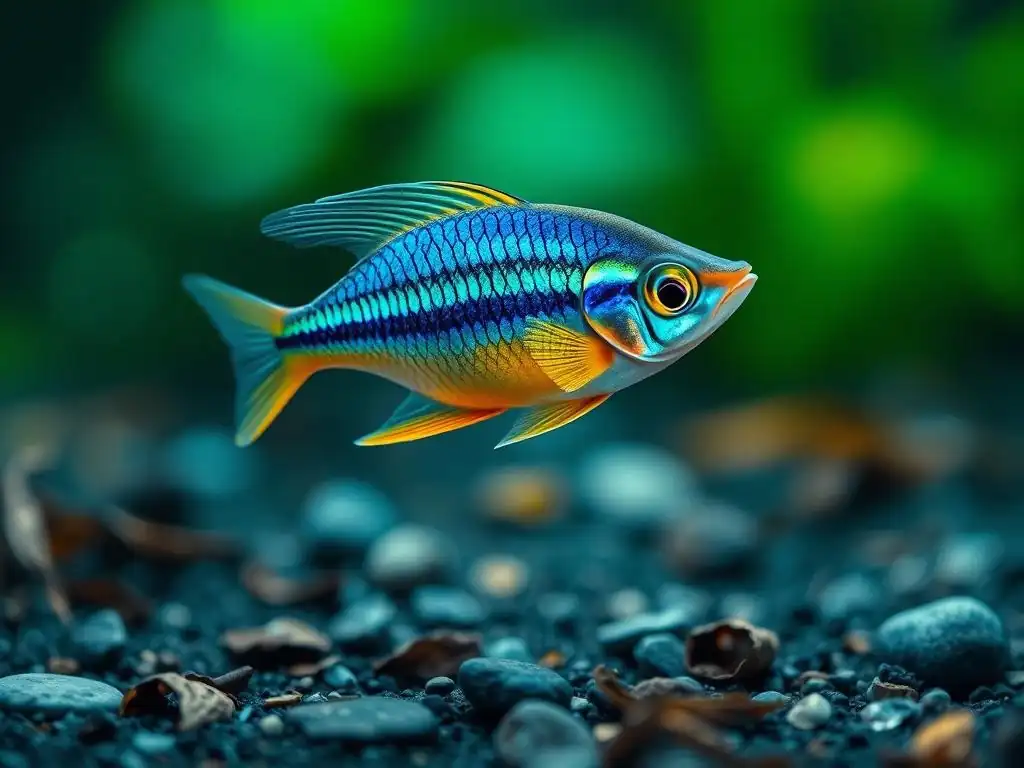
The success of any biotope aquarium breeding tetra project hinges significantly on the quality and health of the initial breeding stock. Always select tetras that exhibit vibrant coloration, active swimming behavior, and a healthy appetite. Avoid fish that appear listless, have clamped fins, faded colors, or any visible signs of disease such as white spots, fin rot, or unusual growths. Ideally, acquire fish from a reputable breeder or store that maintains excellent water quality and healthy stock, as this reduces the risk of introducing diseases into your meticulously prepared biotope.
For many tetra species, it is beneficial to start with a small group of 6-10 individuals rather than just a single pair. This allows the fish to naturally pair off and reduces stress, as tetras are schooling fish and feel more secure in numbers. Observe the group closely to identify potential breeding pairs—females are typically fuller-bodied, especially when gravid, while males might be more slender and intensely colored. Ensuring genetic diversity within your group can also lead to more robust and healthy offspring, contributing to long-term breeding success.
Quarantine and Acclimation: Preparing Tetras for the Biotope
Before introducing any new tetras into your established biotope aquarium breeding tetra setup, a rigorous quarantine process is absolutely essential. This step prevents the introduction of diseases that could devastate your carefully balanced biotope and endanger your existing fish. A separate quarantine tank, typically 10-20 gallons, should be set up with basic filtration (sponge filter), a heater, and minimal decor.
New fish should be housed here for at least 2-4 weeks, during which they can be observed for any signs of illness. During this period, it's advisable to perform preventative treatments if necessary, but avoid broad-spectrum medications unless a specific disease is identified.
Following quarantine, proper acclimation is crucial to minimize stress when transferring the tetras to the biotope tank. The drip acclimation method is highly recommended for sensitive species like tetras, as it slowly adjusts them to the biotope's specific water parameters (temperature, pH, and hardness).
This involves slowly dripping water from the biotope tank into the fish's container over an hour or two, gradually equalizing the water chemistry. This gentle transition reduces the shock of environmental change, ensuring the fish are as comfortable and healthy as possible when they finally enter their carefully prepared breeding biotope, ready to thrive and potentially spawn.
Conditioning Tetras: Simulating Seasonal Changes for Spawning
Conditioning tetras for breeding in a biotope aquarium involves simulating the subtle environmental cues that trigger spawning in their natural habitats, often mimicking seasonal changes. For many Amazonian tetras, this means a combination of factors. A high-quality, varied diet rich in protein is paramount; feed live foods such as daphnia, brine shrimp, and micro worms, supplemented with frozen alternatives and high-quality flakes or pellets. This robust feeding regimen helps females develop eggs and males produce viable milt, signalling that conditions are favorable for reproduction.
Beyond diet, manipulating water parameters can be a powerful conditioning tool. For instance, a slight drop in temperature (by 1-2°C) combined with a series of small, soft-water changes (using RO or DI water) can simulate the onset of the rainy season, which is a major spawning trigger for many species. This "rainy season" effect also dilutes existing hormones and pheromones, refreshing the water and further encouraging breeding.
The presence of dense vegetation or spawning mops within the biotope provides ideal sites for egg deposition. By combining optimal nutrition with these environmental manipulations, you significantly increase the likelihood of successful biotope aquarium breeding tetra endeavors, encouraging the fish to enter their natural spawning cycles.
Spawning and Raising Fry in the Biotope Aquarium
Recognizing Spawning Behavior in Your Biotope Setup
Recognizing spawning behavior in your biotope aquarium breeding tetra setup is key to successful propagation. While specific behaviors vary slightly between species, general patterns often emerge. Males typically become more vibrant in coloration and may engage in elaborate courtship displays, chasing females or performing a "dance" where they quiver and display their fins.
Females, particularly when gravid, will appear noticeably plumper with eggs. In species like Neon or Cardinal Tetras, spawning often occurs at dawn, with the pair quivering side-by-side, releasing eggs and milt simultaneously. The eggs, which are usually clear and adhesive, are scattered among fine-leaved plants or leaf litter.
Observing these subtle cues requires patience and a keen eye. Some tetras, like Emperor Tetras ( Nematobrycon palmeri), may build small "nests" or choose specific broad leaves for egg deposition. Others, like Black Neon Tetras, prefer to scatter eggs over moss or spawning mops. Post-spawning, many tetra species are egg-eaters, so immediate action to protect the eggs is often necessary. The naturalistic environment of a biotope, with its ample hiding spots and appropriate substrate, can sometimes offer a degree of protection, but close monitoring is crucial to ensure the survival of the precious eggs.
Protecting Eggs and Fry from Predation
Protecting eggs and fry from predation is a critical challenge in biotope aquarium breeding tetra, especially since many tetra species are opportunistic egg and fry eaters, including the parents themselves. In a dedicated breeding biotope, the primary strategy involves providing abundant natural cover.
Dense clumps of fine-leaved plants like Java Moss ( Taxiphyllum barbieri), Cabomba, or spawning mops strategically placed throughout the tank offer excellent surfaces for eggs to adhere to and intricate hiding spots for newly hatched fry. The natural leaf litter layer on the substrate also provides vital refuge and a rich source of infusoria for the fry to graze on.
Despite ample cover, for maximum fry survival, it is often necessary to remove the adult breeding pair shortly after spawning is observed. This can be done carefully using a fine-mesh net. Alternatively, if the biotope is large enough and densely planted, some aquarists opt for a "hands-off" approach, relying on the natural environment to protect a small percentage of the fry.
However, for serious breeders, transferring the eggs or raising the fry in a separate, dedicated "fry grow-out" tank—often with identical water parameters to the biotope—is the most effective method to ensure a higher survival rate. This temporary separation prevents predation and allows for targeted feeding of the delicate fry.
Feeding Fry: First Foods and Growth Strategies
Feeding newly hatched tetra fry in a biotope aquarium breeding tetra setup requires specific attention, as their mouths are incredibly tiny, and they require microscopic food sources initially. For the first few days post-hatching, the fry will absorb nutrients from their yolk sacs. Once free-swimming, typically within 24-48 hours, their first food should be infusoria—microscopic organisms naturally present in mature, well-established biotope aquariums, especially those with leaf litter. Infusoria can also be cultured separately using decaying vegetable matter (e.g., banana peel or lettuce leaves) in a jar of aquarium water.
As the fry grow, typically within a week, they can graduate to slightly larger foods. Newly hatched brine shrimp nauplii are an excellent next step, providing essential protein and encouraging rapid growth due to their high nutritional value. Micro worms are another suitable option.
Feeding should be frequent, small amounts several times a day, to ensure a constant supply of food for the rapidly developing fry. As they continue to grow, typically after 2-3 weeks, they can be introduced to finely crushed high-quality flake food or specialized fry pellets. Consistent water quality during this critical growth period, through small, frequent water changes, is paramount to prevent disease and ensure optimal development.
Maintaining Water Quality During Fry Development
Maintaining impeccable water quality during the critical fry development stage in a biotope aquarium breeding tetra is paramount for their survival and healthy growth. Tetra fry are extremely sensitive to fluctuations in water parameters and accumulating waste products. The small size of the fry means that even tiny amounts of ammonia or nitrite can be lethal. Therefore, frequent, small water changes are essential. Daily or every-other-day water changes of 10-20% are often recommended, using aged or pre-conditioned water that perfectly matches the biotope's parameters (temperature, pH, and hardness). This prevents shock and maintains stability.
Overfeeding is a common cause of water quality degradation, as uneaten food quickly breaks down into harmful compounds. While fry need constant access to food, feed very small amounts multiple times a day and siphon out any uneaten food immediately using a small airline tubing. Gentle filtration, such as an air-driven sponge filter, is ideal as it provides biological filtration without creating strong currents that could harm the delicate fry.
Regular monitoring of ammonia, nitrite, and nitrate levels using a reliable test kit is non-negotiable. Proactive water quality management minimizes stress, reduces the risk of disease, and ensures the best possible outcome for your precious tetra fry.
Troubleshooting Common Biotope Aquarium Breeding Issues
Preventing Algae Blooms in the Biotope Aquarium
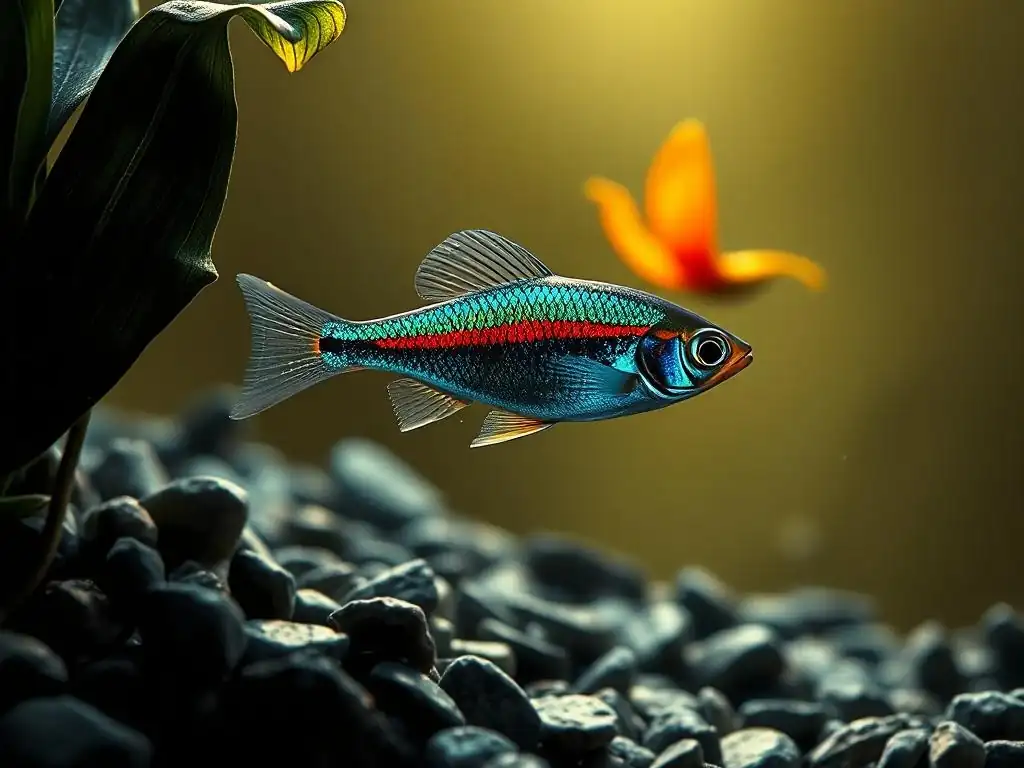
Preventing algae blooms is a common challenge in any aquarium, but particularly in a biotope aquarium breeding tetra setup where specific lighting and nutrient conditions are maintained. The primary causes of algae are often an imbalance of light and nutrients. To mitigate this, ensure your lighting duration is appropriate, typically 8-10 hours per day, and that the intensity is not excessive for the biotope's requirements (often dim for blackwater tetras). Overly strong lighting can quickly fuel rampant algae growth.
Nutrient control is equally important. Overfeeding, insufficient water changes, and decaying organic matter (including excessive leaf litter breakdown without proper maintenance) can lead to an accumulation of nitrates and phosphates, which are prime algae fertilizers. Regularly siphon out uneaten food and detritus from the substrate.
Perform consistent, small water changes to dilute nutrient levels. Healthy, thriving aquatic plants within the biotope will also compete with algae for nutrients, acting as natural algae inhibitors. In severe cases, a temporary black-out period (2-3 days of complete darkness) can help reset the tank, but addressing the root cause is crucial for long-term prevention.
Addressing Water Quality Problems Affecting Tetra Health
Addressing water quality problems is critical in a biotope aquarium breeding tetra setup, as poor parameters can quickly lead to stress, disease, and breeding failure. The most common issues include elevated ammonia, nitrite, or nitrate levels. Ammonia and nitrite are highly toxic to fish, particularly sensitive tetras and their fry. High nitrate, while less immediately lethal, indicates accumulating waste and can suppress breeding and lead to chronic health issues. Regular testing with reliable liquid test kits is the first step to identify these problems.
If ammonia or nitrite are detected, immediate action is required. Perform a significant water change (e.g., 50%) using aged, temperature-matched, and properly conditioned water. Reduce feeding or stop it temporarily. Ensure your filtration system is functioning correctly and that beneficial bacteria are established (this takes time in a new tank).
For high nitrates, increasing the frequency or volume of water changes is the most effective solution. Ensure the biotope's specific pH and hardness requirements are consistently met; deviations can cause osmotic shock. Addressing these parameters proactively, rather than reactively, is key to maintaining a stable and healthy environment conducive to tetra breeding.
Identifying and Treating Tetra Diseases in the Biotope
Identifying and treating tetra diseases in a biotope aquarium breeding tetra can be challenging, as the naturalistic setup makes observation more difficult, and medications can sometimes impact beneficial bacteria or plants. Common tetra diseases include Ich (white spot disease), fin rot, velvet, and various bacterial or fungal infections. Symptoms to watch for include white spots on the body or fins, frayed fins, cloudy eyes, cottony growths, labored breathing, darting, scratching, loss of appetite, or abnormal swimming patterns. Early detection is crucial for successful treatment.
Upon identifying a sick fish, the first step is often to move it to a separate quarantine or hospital tank to prevent the spread of disease to the rest of the biotope. This also allows for targeted medication without harming the delicate biotope ecosystem or beneficial bacteria. Always accurately diagnose the disease before administering medication, as incorrect treatment can worsen the condition.
Follow medication instructions precisely, including dosage and duration. Maintaining pristine water quality in both the biotope and hospital tank is paramount during treatment, as clean water aids recovery. Prevention through proper quarantine of new fish, stable water parameters, and a high-quality diet remains the best defense against disease in your valuable tetra breeding stock.
Advanced Biotope Aquarium Techniques for Tetra Breeding
Using Blackwater Extracts to Simulate Natural Conditions
Utilizing blackwater extracts is an advanced technique for simulating the precise natural conditions required for successful biotope aquarium breeding tetra, particularly for species originating from the Amazon's iconic blackwater rivers. These extracts, derived from peat, dried leaves, or bark, contain humic acids, fulvic acids, and tannins.
When added to the aquarium, they naturally lower the pH and soften the water, mimicking the soft, acidic, and tannin-stained environment that many tetras, such as Cardinal Tetras ( Paracheirodon axelrodi) or Neon Tetras ( Paracheirodon innesi), are adapted to. This not only enhances their coloration and reduces stress but also provides the specific chemical cues necessary to trigger spawning.
Beyond the chemical benefits, blackwater extracts inhibit the growth of harmful bacteria and fungi, which can be particularly beneficial for protecting delicate tetra eggs from fungal infections. They also contribute to the dim, subdued lighting conditions preferred by many shy species. While natural leaf litter and driftwood also release tannins, concentrated blackwater extracts provide a more controlled and consistent method for achieving the desired water chemistry and coloration. Regular, small additions of these extracts, often after water changes, help maintain stable parameters, creating an optimal and highly authentic biotope for promoting the breeding success of sensitive blackwater tetra species.
Employing Live Foods to Enhance Breeding Success
Employing live foods is an advanced and highly effective technique to significantly enhance breeding success in a biotope aquarium breeding tetra setup. Live foods are superior to processed foods for conditioning breeding pairs because they provide a complete nutritional profile, are highly palatable, and stimulate natural hunting behaviors, which contributes to the fish's overall vitality and readiness to spawn. For adult tetras, excellent live food options include daphnia, brine shrimp (both adult and nauplii), micro worms, grindal worms, and small insect larvae like mosquito larvae.
The high protein and fat content of live foods helps female tetras develop robust egg sacs and males produce vigorous milt. The act of hunting also provides mental stimulation and physical exercise, keeping the breeding stock in prime condition. For example, feeding a breeding pair of Lemon Tetras ( Hyphessobrycon pulchripripinnis) live daphnia for several weeks can often trigger spawning.
For newly hatched fry, infusoria and newly hatched brine shrimp nauplii are indispensable first foods due to their microscopic size and high nutritional value. Culturing these live foods at home ensures a continuous, fresh, and disease-free supply, making them an invaluable asset for any serious tetra breeding project.
Creating a Dynamic Ecosystem to Encourage Natural Behaviors
Creating a dynamic ecosystem within a biotope aquarium breeding tetra setup goes beyond simply replicating static water parameters; it involves fostering an environment where natural behaviors are encouraged and thrive. This means incorporating elements that allow tetras to express their full behavioral repertoire, from foraging and schooling to courtship and spawning. For instance, providing varied water flow, perhaps a gentle current in one area and stiller water in another, allows fish to choose their preferred micro-habitats. The inclusion of diverse hardscape (wood, rocks) and dense, varied plant growth creates complex structures for exploration, hiding, and establishing territories.
A dynamic ecosystem also implies the presence of beneficial micro-organisms. A mature biotope with leaf litter, for example, will develop a rich community of infusoria and other microfauna that serve as natural food sources for fry and foraging opportunities for adults.
Introducing appropriate, non-predatory invertebrates, such as small snails or harmless detritus worms, can also contribute to the ecosystem's health by breaking down waste and providing natural clean-up. By fostering a truly dynamic and interactive environment, the biotope not only supports the physical needs of the tetras but also stimulates their natural instincts, significantly increasing the likelihood of successful breeding and raising of robust offspring.
Conclusion: Mastering Tetra Breeding Through the Biotope Approach.
Frequently Asked Questions
How does the biotope approach specifically benefit tetra breeding in aquariums?
The biotope approach allows you to create a natural environment that mimics the tetra's native habitat. This reduces stress and encourages natural breeding behaviors, ultimately leading to increased success. It also provides optimal conditions for fry survival.
What are the key elements to consider when replicating a tetra's natural biotope for breeding?
Focus on replicating the water chemistry, including pH and hardness, using appropriate substrates and botanicals. Also, consider the lighting and water flow to mimic their natural environment. Finally, research the specific plant species and leaf litter found in their native habitat.
Why is water chemistry so crucial for successful tetra breeding in a biotope aquarium?
Tetras are sensitive to water parameters, and incorrect chemistry can inhibit spawning. Replicating their natural water conditions through proper pH, hardness, and temperature ensures optimal egg development and fry survival, thus increasing breeding success.
What are some common mistakes aquarists make when attempting to breed tetras in a biotope aquarium?
Common errors include failing to accurately research the tetra's specific biotope requirements. Overlooking the importance of water parameters and neglecting to provide suitable hiding places and spawning substrates are also frequent mistakes.
How can AquariumMastery.com help me learn more about setting up a successful tetra biotope aquarium for breeding?
AquariumMastery.com offers detailed articles on biotope setup, specific tetra species profiles, and water chemistry management. We also provide troubleshooting guides to address common breeding challenges.
Final Reflection: The Enduring Allure of Nature's Blueprint
The journey into biotope aquariums, as we've explored, is more than just recreating a pretty picture; it's about understanding and respecting the delicate balance of nature. This pursuit of authenticity, of mirroring the wild in our glass boxes, resonates deeply in a world increasingly disconnected from the natural world. The success we've seen in breeding tetra within these carefully crafted ecosystems underscores the power of mimicking nature's design, proving that true mastery lies in understanding and embracing its inherent wisdom.
The biotope approach has profoundly influenced how we perceive aquariums, shifting the focus from mere decoration to a deeper appreciation of ecological interconnectedness. Personally, witnessing the vibrant life flourish in a biotope aquarium, knowing it's a microcosm of a real, threatened environment, instills a sense of responsibility and wonder. In nature, nothing exists alone.
- Rachel Carson. This quote perfectly encapsulates the essence of the biotope aquarium: a reminder that every element, from the substrate to the smallest invertebrate, plays a crucial role in the overall health and vitality of the system.
As we conclude, I invite you to reflect on the lessons learned from the biotope approach. Consider how you can apply this understanding of natural harmony, not just in your aquarium, but in your own life. Embrace the principles of observation, patience, and respect for the environment.
Let the success of breeding tetra in a biotope aquarium inspire you to cultivate your own "ecosystem" of well-being, fostering balance and harmony in all aspects of your life. The beauty and success of a biotope aquarium are a testament to the power of understanding and emulating nature; let that power guide you to create a more fulfilling and sustainable future.
Unleash Your Tetra Breeding Potential!
Thanks for diving into the world of biotope aquariums and tetra breeding. We hope you've discovered new insights into replicating natural habitats to unlock breeding success! Now, let's turn that knowledge into action:
- Embark on Your Biotope Build: Identify a specific tetra species and begin researching its natural habitat. Document your findings and start planning your biotope aquarium design. This is your primary action!
- Share Your Vision: Join our Aquarium Mastery community forum and post your planned biotope design. Let's collaborate and refine your ideas!
- Think Outside the Tank: Research local streams and rivers. Could you ethically and sustainably collect natural elements (leaves, wood) similar to those in your chosen tetra's habitat for your aquarium?
Ready to transform your aquarium into a tetra breeding paradise?