
The "Old Tank Syndrome" Myth: How Consistent Cleaning Prevents Disaster

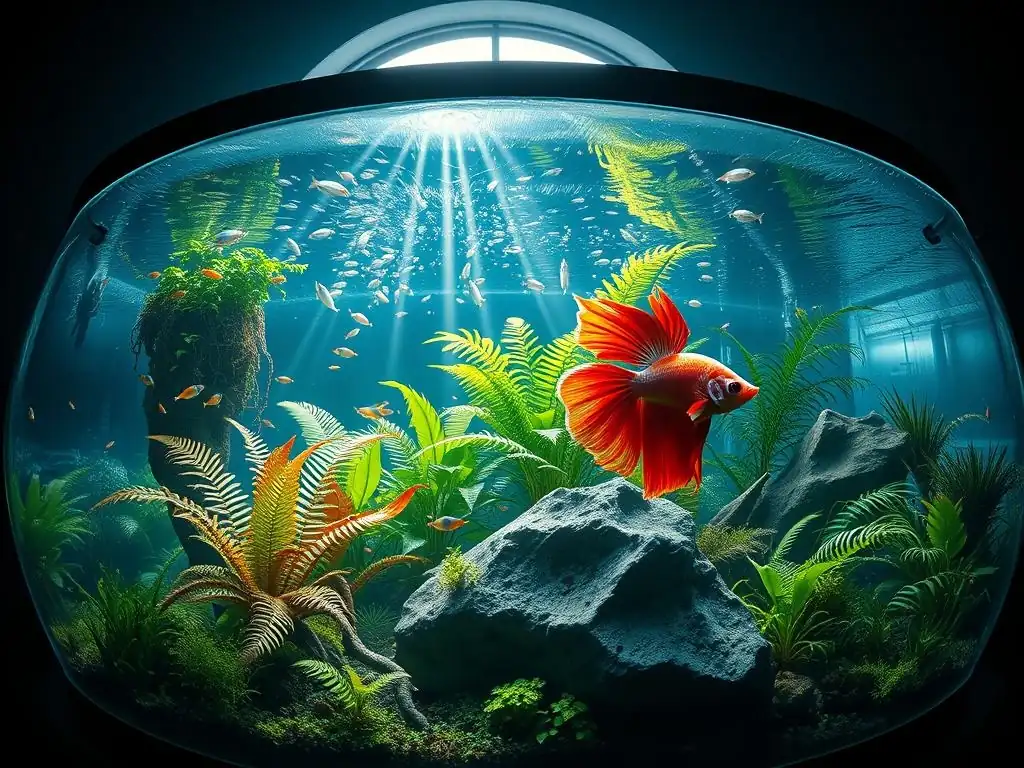
Welcome to Aquarium Mastery, where we unlock the secrets to thriving aquatic ecosystems! Ever heard of "Old Tank Syndrome"? It's a scary term, but what does it really mean? Dive in to discover how consistent aquarium water maintenance prevents this common pitfall and ensures a vibrant, healthy environment for your finned friends. Explore this article and many more to master the art of aquarium keeping!
- Debunking the "Old Tank Syndrome" Myth: The Power of Consistent Aquarium Maintenance
- Understanding Water's Role in Aquarium Health
- The Dangers of Neglecting Consistent Aquarium Cleaning
- Consistent Aquarium Water Maintenance Prevents Disaster
- Step-by-Step Guide to Performing a Partial Water Change
- Choosing the Right Water Treatment and Filtration
- Benefits of Consistent Aquarium Maintenance
- Troubleshooting Common Aquarium Maintenance Issues
- Beyond the Basics: Advanced Aquarium Water Management
- Debunking Myths About Aquarium Cleaning
- Conclusion: Consistent Aquarium Water Maintenance is Crucial for Aquatic Longevity
-
Frequently Asked Questions
- What is "Old Tank Syndrome" and how is it related to consistent aquarium water maintenance?
- Why is consistent aquarium water maintenance so crucial for preventing "Old Tank Syndrome"?
- What are some key indicators that my aquarium might be suffering from the effects of neglected consistent aquarium water maintenance?
- Besides water changes, what other aspects of consistent aquarium water maintenance are important?
- How frequently should I perform consistent aquarium water maintenance to prevent "Old Tank Syndrome"?
- Final Reflection: The Enduring Power of Prevention
- Dive Deeper: Transform Your Tank Today!
Debunking the "Old Tank Syndrome" Myth: The Power of Consistent Aquarium Maintenance
Understanding Water's Role in Aquarium Health
Defining Water's Functions: Habitat, Waste Dilution, Chemical Balance
Water is far more than just a medium for fish to swim in; it is the lifeblood of an aquarium ecosystem, serving multiple critical functions. Firstly, it provides the essential habitat, supporting the physiological processes of all aquatic inhabitants, from fish and invertebrates to plants and beneficial bacteria. The physical properties of water, such as temperature and density, directly influence the comfort and metabolic rates of these organisms. Without stable and appropriate water conditions, aquatic life cannot thrive, leading to stress, weakened immune systems, and ultimately, disease.
Secondly, water acts as a natural diluent for metabolic wastes produced by fish, uneaten food, and decaying plant matter. Ammonia, nitrite, and nitrate are continuously produced, and while a healthy nitrogen cycle processes these compounds, their accumulation can quickly become toxic if not properly managed. Water changes are crucial for diluting these dissolved organic compounds and nitrates, preventing them from reaching harmful concentrations. This constant dilution is a cornerstone of maintaining a healthy and stable aquatic environment, directly impacting the well-being and longevity of the tank's inhabitants.
The Real Issue: Accumulation of Toxins and Organic Waste
The concept often termed "Old Tank Syndrome" isn't a mysterious phenomenon but a direct consequence of the gradual accumulation of harmful substances in an aquarium due to inadequate maintenance. Over time, fish waste, uneaten food, and decaying plant material break down, releasing ammonia and nitrites. While the beneficial bacteria in the filter convert these into less toxic nitrates, nitrates themselves accumulate and, in high concentrations (e.g., above 40-50 ppm for most freshwater tanks), become detrimental to fish health, causing stress, stunted growth, and increased susceptibility to disease.
Beyond nitrates, other dissolved organic compounds, phosphates, and heavy metals can build up. These substances can lower the pH, reduce the water's buffering capacity, and contribute to the growth of nuisance algae. For instance, a tank neglected for months might show a steady decline in pH from 7.5 to 6.0, coupled with nitrate levels soaring over 100 ppm, leading to fish gasping at the surface, lethargy, and a dull appearance. This toxic soup, rather than the tank simply being "old," is the true culprit behind the health decline observed in poorly maintained aquariums.
The Dangers of Neglecting Consistent Aquarium Cleaning
Ammonia and Nitrite Spikes: Threatening Aquatic Life
Neglecting consistent aquarium cleaning, particularly regular water changes and filter maintenance, directly leads to dangerous spikes in ammonia and nitrite levels. Ammonia, a highly toxic compound excreted by fish and produced from decaying organic matter, can rapidly burn fish gills, causing internal damage and suffocation even at concentrations as low as 0.25 ppm. If the beneficial bacteria responsible for the nitrogen cycle are overwhelmed by a sudden influx of waste or if water changes are infrequent, these levels can quickly escalate, leading to widespread fish mortality.
Following an ammonia spike, nitrite levels often rise as the first stage of beneficial bacteria convert ammonia into nitrite. Nitrite, while slightly less toxic than ammonia, prevents the blood cells of fish from absorbing oxygen, leading to "brown blood disease" and severe respiratory distress. Levels above 0.5 ppm can be lethal. A common scenario is a new aquarist who neglects weekly water changes, resulting in their fish exhibiting rapid gill movements, gasping at the surface, and ultimately dying within days due to unchecked ammonia and nitrite accumulation. Consistent aquarium water maintenance prevents these acute poisoning events.
Nitrate Accumulation: Stunting Growth and Causing Stress
While nitrates are the least toxic of the nitrogenous compounds, their chronic accumulation due to infrequent water changes poses significant long-term threats to aquarium inhabitants. Levels consistently above 40 ppm, and especially above 80 ppm, can cause chronic stress, suppress the immune system, and inhibit fish growth, particularly in juvenile fish. For example, a common goldfish that should reach 8-10 inches in a well-maintained tank might only grow to 3-4 inches if kept in water with perpetually high nitrates.
High nitrate levels also make fish more susceptible to common diseases like fin rot and ich, as their immune systems are compromised. Furthermore, plants may struggle to thrive, and nuisance algae, such as green hair algae or staghorn algae, often proliferate in nutrient-rich water. This creates an unsightly and unhealthy environment. Consistent aquarium water maintenance prevents the insidious buildup of nitrates, ensuring a healthier and more vibrant ecosystem where fish can reach their full potential and plants can flourish.
pH Imbalance: Stressing Fish and Invertebrates
Another critical danger of neglecting consistent aquarium cleaning is the gradual shift and instability of water pH. As organic matter decays and nitrates accumulate, they contribute to the acidification of the water, causing the pH to drop over time. This is particularly problematic in tanks with soft water or low buffering capacity (KH). A stable pH is crucial for the physiological processes of aquatic organisms; rapid or extreme fluctuations can cause severe osmotic shock, leading to stress, organ damage, and even death.
For instance, many popular freshwater fish, like livebearers or African cichlids, thrive in alkaline water (pH 7.5-8.5), while others, such as Discus or many Tetras, prefer acidic conditions (pH 6.0-7.0). If a tank's pH slowly drifts from its optimal range due to neglected water changes, fish will experience chronic stress, exhibiting dull coloration, lethargy, and susceptibility to disease. Invertebrates like snails and shrimp are especially sensitive to pH swings and may perish. Regular water changes replenish essential buffers and dilute acidic compounds, ensuring stable pH levels.
Algae Blooms and Disease Outbreaks: Ecosystem Collapse
The neglect of consistent aquarium cleaning inevitably leads to an unsightly and often dangerous proliferation of nuisance algae and an increased risk of devastating disease outbreaks. Excess nutrients, particularly nitrates and phosphates from decaying organic matter, act as fuel for various types of algae, including green hair algae, brown diatoms, and even problematic black beard algae. These blooms not only diminish the aesthetic appeal of the tank but also compete with beneficial plants for nutrients and can even suffocate them if severe enough.
More critically, a dirty, nutrient-rich environment stresses fish and weakens their immune systems, making them highly vulnerable to pathogens. Common diseases like Ich (white spot disease), fin rot, and bacterial infections often manifest in tanks with poor water quality. For example, a single sick fish introduced into a pristine tank might recover quickly, but in a neglected tank with high organic loads, the disease can spread rapidly and decimate the entire fish population. Consistent aquarium water maintenance prevents these ecological collapses by keeping nutrient levels in check and maintaining a robust, healthy environment that supports strong immune systems.
Consistent Aquarium Water Maintenance Prevents Disaster
Establishing a Regular Water Change Schedule
Establishing and adhering to a regular water change schedule is the single most impactful routine in preventing aquarium disasters. For most freshwater community tanks, a weekly or bi-weekly partial water change of 25-30% of the tank volume is highly recommended. This frequency ensures that accumulating nitrates and other dissolved organic compounds are consistently diluted, preventing them from reaching toxic levels. For example, a 55-gallon tank would benefit from a 15-gallon water change every week.
The specific frequency and volume may vary based on tank size, stocking density, filtration efficiency, and the sensitivity of the species kept. Heavily stocked tanks or those with messy eaters like goldfish might require more frequent changes, possibly 30-40% twice a week. Conversely, very lightly stocked, heavily planted tanks might tolerate a 20% bi-weekly change. Regularity is key; even a small, consistent water change is far more beneficial than a large, infrequent one. This systematic approach forms the backbone of effective aquarium husbandry.
The Importance of Maintaining Proper Water Parameters
Beyond just changing water, actively maintaining proper water parameters is crucial for the health and longevity of aquatic life. This involves regularly testing key parameters such as ammonia, nitrite, nitrate, pH, and temperature. For example, many tropical fish thrive in temperatures between 75-80°F (24-27°C) and a neutral pH of 6.8-7.5. Deviation from these optimal ranges, even if toxins are diluted, can cause significant stress.
Understanding the specific requirements of the fish and plants in your tank is paramount. For instance, African cichlids require hard, alkaline water (pH 7.8-8.5, GH 10-20 dGH), while Discus prefer soft, acidic water (pH 6.0-6.8, GH 1-5 dGH). Consistent aquarium water maintenance prevents long-term parameter drift by replenishing minerals, buffering capacity, and diluting harmful substances, thereby creating a stable and species-appropriate environment. Regular testing allows aquarists to identify and correct imbalances before they become critical.
Filter Media Maintenance: Removing Organic Waste
While water changes dilute dissolved waste, proper filter media maintenance is essential for physically removing solid organic waste and supporting the beneficial bacteria that process nitrogenous compounds. Mechanical filter media, such as sponges, filter floss, or pads, trap uneaten food, fish waste, and plant debris. If these are not regularly rinsed or replaced, they can become clogged, reducing water flow and efficiency, and eventually breaking down, releasing trapped pollutants back into the water column.
Chemical filtration, like activated carbon, adsorbs dissolved organic compounds that cause discoloration and odors. This media becomes saturated over time and needs periodic replacement, typically every 2-4 weeks, to remain effective. Biological filter media provides surface area for beneficial bacteria. When cleaning biological media, it is crucial to rinse it gently in old tank water to avoid killing these essential bacteria. A common mistake is rinsing all filter media in chlorinated tap water, which can crash the nitrogen cycle.
Monitoring Water Chemistry: Preventing Imbalances
Consistent monitoring of water chemistry is a proactive measure that allows aquarists to identify potential problems before they escalate into full-blown crises. Regular testing with reliable liquid test kits for ammonia, nitrite, and nitrate, as well as pH, GH (general hardness), and KH (carbonate hardness), provides invaluable insights into the tank's health. For instance, if nitrate levels are consistently creeping up despite regular water changes, it might indicate overfeeding, overstocking, or a need for larger or more frequent water changes.
Beyond the nitrogen cycle parameters, monitoring KH is particularly important as it indicates the water's buffering capacity, which directly influences pH stability. A declining KH can signal an impending pH crash. For example, if your tank's KH drops below 4 dKH (71.6 ppm CaCO3), your pH is at risk of significant fluctuations. Proactive adjustments, such as adding a buffer or increasing water change frequency, can then be made. This diligent approach to water chemistry ensures a stable and healthy environment, as consistent aquarium water maintenance prevents sudden and detrimental shifts.
Step-by-Step Guide to Performing a Partial Water Change
Step 1: Gathering Necessary Tools and Supplies
Before initiating a partial water change, gather all the required tools and supplies to ensure a smooth and efficient process. This typically includes a gravel vacuum (siphon), a clean bucket (dedicated solely for aquarium use), a thermometer, a water conditioner/dechlorinator, and optionally, a clean towel. For larger tanks, a longer siphon hose and a larger bucket or direct drain/fill system might be necessary. Ensure your bucket is free from soap residues or any chemicals that could harm your fish.
Additionally, have your new water prepared. If using tap water, ensure it's at a similar temperature to your tank water (within 2-3 degrees Fahrenheit) to prevent temperature shock to your fish. For example, if your tank is 78°F, aim for new water between 76-80°F. If you're using RO/DI water, ensure it's remineralized appropriately for your fish species before proceeding. Having everything ready minimizes stress on your aquatic inhabitants and streamlines the process.
Step 2: Preparing New Water
Preparing the new water correctly is a crucial step to avoid shocking your fish. First, fill your clean bucket with tap water. Immediately add a high-quality water conditioner or dechlorinator according to the manufacturer's instructions for the volume of water you are treating. This neutralizes chlorine and chloramine, which are lethal to fish and beneficial bacteria. For a 5-gallon bucket, you might use 5 drops of a concentrated conditioner.
Next, use a thermometer to check the temperature of the prepared water and compare it to your aquarium's temperature. Adjust the new water's temperature by adding small amounts of hot or cold water until it closely matches the tank's temperature. A difference of more than 2-3°F (about 1-2°C) can cause significant stress or even death to sensitive fish. For instance, if your tank is 76°F and your tap water is 60°F, you'll need to slowly warm the new water to avoid a sudden temperature drop in the tank.
Step 3: Siphoning Old Water and Substrate Cleaning
This step involves removing the old, nutrient-rich water and simultaneously cleaning the substrate. Submerge the wide end of your gravel vacuum into the tank, creating a siphon. Direct the narrow end into your dedicated bucket. Move the gravel vacuum slowly through sections of the substrate (gravel or sand), allowing detritus, uneaten food, and fish waste to be sucked up while the heavier substrate falls back down. Focus on areas where waste accumulates, such as under decorations or around plants.
Continue siphoning until you have removed the desired volume of water, typically 25-30% of the tank's total volume. For example, in a 20-gallon tank, aim to remove 5-6 gallons. Be mindful not to suck up any fish or invertebrates; if they get too close, temporarily lift the siphon. This process effectively removes dissolved pollutants and physically cleans the tank bottom, significantly improving water quality and preventing the buildup of harmful organic matter.
Step 4: Cleaning or Replacing Filter Media (If Necessary)
While not always done with every water change, this is the ideal time to perform routine maintenance on your filter media, if needed. Mechanical filter media (sponges, floss) should be rinsed regularly to prevent clogging and the breakdown of trapped detritus. Crucially, always rinse mechanical filter media in the old tank water you just siphoned off, not in chlorinated tap water. This preserves the beneficial bacteria colonizing the media.
If your filter uses chemical media like activated carbon, check the manufacturer's recommendations for replacement frequency, typically every 2-4 weeks. If it's time, replace the old carbon with fresh media. Avoid rinsing or replacing biological media unless it is severely clogged, and if so, only rinse it gently in old tank water. Over-cleaning or replacing biological media can disrupt the nitrogen cycle. Remember, consistent aquarium water maintenance prevents many issues, and proper filter care is a key component.
Step 5: Replenishing Water and Final Checks
Once the old water has been removed and any necessary filter maintenance is complete, it's time to slowly add the prepared new water back into the aquarium. Pour the new water gently to avoid disturbing the substrate or stressing the fish. Using a small cup or pouring onto a decoration or your hand can help diffuse the flow. For larger tanks, a python-style water changer can make this process much easier and less messy.
After refilling, ensure all equipment, such as heaters and filters, are plugged back in and functioning correctly. Observe your fish for a few minutes to ensure they are reacting positively to the fresh water. Finally, perform a quick visual inspection of the tank, ensuring all decorations are in place and there are no leaks. Consider performing a quick water test (e.g., for ammonia, nitrite, nitrate) within 24 hours, especially if you're new to the routine or suspect any issues, to confirm parameters are stable.
Choosing the Right Water Treatment and Filtration
Selecting Appropriate Water Conditioners and Dechlorinators
Selecting the right water conditioner and dechlorinator is fundamental for safe tap water use in aquariums. Tap water typically contains chlorine and/or chloramine, both of which are highly toxic to fish, invertebrates, and the beneficial bacteria essential for the nitrogen cycle. A good quality water conditioner will instantly neutralize these chemicals, making the water safe. Some conditioners also detoxify heavy metals, reduce fish stress with protective slime coat enhancers, or even bind ammonia and nitrite temporarily.
For example, products like Seachem Prime or API Tap Water Conditioner are widely used and highly effective. When choosing, consider the ingredients; look for products that specifically state they neutralize both chlorine and chloramine. Always follow the manufacturer's dosing instructions precisely for the volume of water you are treating, not just the tank volume. Using an appropriate and reliable conditioner is the very first step in ensuring that consistent aquarium water maintenance prevents immediate chemical poisoning.
Choosing High-Quality Filter Media
The choice of filter media significantly impacts water clarity and quality. Filter media is broadly categorized into mechanical, biological, and chemical. Mechanical media, such as filter floss, sponges, or coarse pads, physically trap particulate matter like uneaten food and fish waste. High-quality mechanical media will have a large surface area to trap debris effectively without rapidly clogging. For example, a dense foam sponge can trap more fine particles than loose filter floss.
Biological media, like ceramic rings, bio-balls, or porous sponges, provides an immense surface area for beneficial bacteria to colonize, facilitating the nitrogen cycle by converting toxic ammonia and nitrite into less harmful nitrate. Look for highly porous materials that offer extensive surface area per volume. Chemical media, such as activated carbon, specialized resins, or phosphate removers, absorb dissolved pollutants, odors, and discoloration. The quality of chemical media determines its absorption capacity and longevity. A good quality activated carbon, for instance, will remain effective for about 2-4 weeks, whereas cheaper alternatives might saturate in days.
Understanding RO/DI Water vs. Tap Water
The choice between using tap water and Reverse Osmosis/Deionized (RO/DI) water depends heavily on your local tap water quality and the specific needs of your aquarium inhabitants. Tap water is convenient but can be inconsistent in quality, containing varying levels of hardness, pH, nitrates, phosphates, and sometimes even heavy metals. While water conditioners neutralize chlorine/chloramine, they don't remove other undesirable elements. For example, if your tap water consistently has nitrate levels of 20 ppm, using it for water changes will make it difficult to keep tank nitrates below 40 ppm.
RO/DI water, on the other hand, is virtually pure water, stripped of almost all dissolved solids, including minerals, nitrates, phosphates, and heavy metals. This purity makes it ideal for sensitive setups like saltwater reef tanks, planted aquariums requiring specific nutrient dosing, or freshwater tanks with species that demand very soft, acidic water (e.g., Discus, certain Tetras).
However, RO/DI water must be remineralized to provide essential minerals for freshwater fish and to establish appropriate hardness and buffering capacity. Choosing RO/DI water, when properly remineralized, allows for precise control over water parameters, making consistent aquarium water maintenance prevents unexpected parameter swings due to source water inconsistencies.
Benefits of Consistent Aquarium Maintenance
Extended Aquatic Life Span and Health
One of the most significant benefits of consistent aquarium maintenance is the dramatic extension of the lifespan and overall health of your aquatic inhabitants. Fish kept in stable, clean, and toxin-free water experience far less stress, which directly translates to a stronger immune system and increased resilience against diseases. For example, a Neon Tetra, typically living 3-5 years in a well-maintained tank, might only survive 6-12 months in a neglected setup due to chronic stress and disease susceptibility.
Regular water changes and filter cleaning prevent the buildup of harmful ammonia, nitrite, and high nitrates, which are silent killers that slowly weaken fish over time. By providing an optimal environment, fish exhibit their natural behaviors, vibrant colors, and full growth potential. This proactive approach ensures that your fish and invertebrates not only survive but truly thrive, offering a more rewarding experience for the aquarist.
Improved Water Clarity and Stability
Consistent aquarium water maintenance prevents the common issues of cloudy water, unpleasant odors, and fluctuating water parameters, leading to superior water clarity and stability. Regular partial water changes dilute dissolved organic compounds that cause yellowing and odors, while routine filter maintenance removes particulate matter that contributes to cloudiness. For instance, a tank receiving weekly 25% water changes will almost always have crystal-clear water compared to a tank with infrequent changes that might suffer from a persistent hazy appearance.
Moreover, consistent maintenance helps stabilize crucial water parameters like pH, GH, and KH. Water changes replenish buffering capacity that is naturally depleted over time, preventing sudden pH crashes. This stability is vital for all aquatic life, as even slight, rapid changes can cause significant stress. A stable environment reduces the likelihood of "old tank syndrome" symptoms, ensuring a consistently healthy and aesthetically pleasing aquarium display.
Reduced Disease Outbreaks and Algae Issues
Perhaps the most practical benefit of consistent aquarium water maintenance is the substantial reduction in the frequency and severity of disease outbreaks and nuisance algae issues. A clean, stable environment with low toxin levels significantly boosts the immune systems of fish, making them far less susceptible to common pathogens like Ich, fin rot, and bacterial infections. For example, many disease outbreaks are directly triggered by poor water quality and the resulting stress on fish.
Similarly, algae thrives on excess nutrients, particularly nitrates and phosphates. Regular water changes effectively remove these excess nutrients, starving out nuisance algae like green hair algae, diatoms, and black beard algae. A tank with weekly water changes and proper filtration is far less likely to experience an overwhelming algae bloom than a neglected one. This proactive approach saves aquarists considerable time, effort, and money on treatments and labor-intensive cleaning, as consistent aquarium water maintenance prevents these widespread problems from taking root.
Optimal Ecosystem Balance and Vibrant Display
Ultimately, consistent aquarium water maintenance leads to an optimally balanced ecosystem and a truly vibrant, aesthetically pleasing display. When water parameters are stable, toxins are kept at bay, and nutrients are managed, all components of the aquarium ecosystem – fish, plants, and beneficial bacteria – can flourish in harmony. Fish display their best colors and natural behaviors, plants grow lush and green without being smothered by algae, and the water remains crystal clear.
This balanced state creates a self-sustaining miniature world that is not only beautiful to behold but also resilient to minor fluctuations. The tank becomes a source of calm and enjoyment rather than a constant battle against problems. For example, in a well-maintained planted tank, plants will show vigorous growth and pearling, while fish will exhibit active swimming and breeding behaviors, indicating a thriving environment. This holistic health is the ultimate reward of diligent aquarium care.
Troubleshooting Common Aquarium Maintenance Issues
Difficulty Siphoning Water: Solutions
Difficulty establishing or maintaining a siphon during water changes is a common frustration for aquarists. One primary cause is an insufficient initial prime; ensure the tubing is completely filled with water before flow begins. If using a gravel vacuum, ensure the wide end is fully submerged and the bucket is placed lower than the tank to allow gravity to do its work. Sometimes, air bubbles get trapped in the hose, breaking the siphon. To fix this, try raising the hose slightly to allow the bubbles to move out, or re-prime the siphon.
Another issue can be a kink in the tubing or debris partially blocking the intake. Check the entire length of the hose for kinks and ensure the gravel vacuum's intake is clear of large pieces of substrate or plant matter. For aquarists struggling with manual siphoning, consider investing in a self-priming gravel vacuum or a water change system like a Python no-spill cleaner, which connects directly to a faucet, simplifying both draining and refilling, and making consistent aquarium water maintenance prevents the hassle of traditional methods.
Cloudy Water After Water Change: How to Resolve It
Experiencing cloudy water immediately after a water change can be alarming but is often a temporary issue with straightforward causes. One common reason is stirring up fine particles from the substrate during siphoning, especially with sand or very fine gravel. These particles will eventually settle. To mitigate this, siphon more gently and avoid digging too deep into the substrate, or try pouring the new water onto a plate or decoration to minimize disturbance.
Another cause can be a bacterial bloom, which occurs when a sudden influx of fresh, dechlorinated water provides a temporary boost to heterotrophic bacteria, leading to a milky cloudiness. This usually resolves itself within 24-48 hours as the bacterial population stabilizes. Ensuring the new water is temperature-matched and dechlorinated correctly helps. If cloudiness persists or is accompanied by ammonia/nitrite spikes, it might indicate an issue with your filter's biological capacity or insufficient beneficial bacteria. Increasing aeration and reducing feeding can also help resolve bacterial blooms.
Sudden pH Swings After Water Change: Corrective Actions
Sudden pH swings after a water change are a serious concern and typically indicate a significant difference in pH or buffering capacity (KH) between the old tank water and the new tap water. For example, if your tank's pH is 6.5 and your tap water is 8.0 with high KH, a large water change can cause a rapid pH increase, shocking your fish. To correct this, always test the pH and KH of your tap water before performing water changes.
If your tap water's parameters are vastly different from your target tank parameters, you have several options. For slight differences, smaller, more frequent water changes (e.g., 10-15% daily for a few days) can help acclimatize the tank gradually. For significant disparities, consider using RO/DI water and remineralizing it to match your desired parameters precisely. Alternatively, for tap water, you might need to pre-treat it by aerating it for 24 hours to off-gas CO2 (which can raise pH) or use pH-buffering products, always adding them to the new water before it enters the tank.
Beyond the Basics: Advanced Aquarium Water Management
While standard test kits for ammonia, nitrite, nitrate, and pH are fundamental, advanced water testing can uncover hidden issues that impact long-term aquarium health. For example, testing for phosphate levels is crucial in planted tanks and reef aquariums, as high phosphates contribute to nuisance algae outbreaks. Levels above 0.1 ppm can trigger significant algae growth. Similarly, a General Hardness (GH) test measures calcium and magnesium, vital for fish osmoregulation and plant growth, while Carbonate Hardness (KH) indicates buffering capacity and pH stability.
For saltwater aquariums, advanced tests for alkalinity, calcium, and magnesium are indispensable for coral health and growth. Regular testing for trace elements like iron in planted tanks can identify deficiencies impacting plant coloration and growth. Utilizing high-quality liquid test kits over unreliable test strips provides more accurate readings. Sending water samples to a professional lab for comprehensive analysis can also reveal issues like heavy metal contamination or unexpected dissolved organic compounds that standard kits don't detect, providing a deeper understanding of your water chemistry.
Deep Substrate Cleaning: When and How to Do It
While regular gravel vacuuming during water changes removes surface detritus, a deep substrate cleaning goes further to address accumulated waste within the substrate bed. This is particularly important for tanks with fine gravel or sand where waste can settle deep, leading to anaerobic pockets and the release of hydrogen sulfide gas (rotten egg smell), which is highly toxic. Deep cleaning should be done sparingly, perhaps every 3-6 months, or if you notice excessive detritus buildup or foul smells emanating from the substrate.
To perform a deep clean, gently stir sections of the substrate with your gravel vacuum or a dedicated substrate rake during a water change. Aim to loosen and siphon out trapped waste without completely disrupting the beneficial bacteria living within. For sandy substrates, gently skim the surface with the siphon to remove detritus, as digging too deep can release a cloud of fine particles. Avoid deep cleaning the entire substrate at once, as this can crash the nitrogen cycle by removing too much beneficial bacteria. Focus on one-third to one-half of the substrate during a single cleaning session.
Beneficial Bacteria Additives: Considerations
Beneficial bacteria additives, often sold as "cycling starters" or "stability solutions," can be a valuable tool in aquarium management, though their use requires understanding. These products contain live cultures of nitrifying bacteria (Nitrosomonas and Nitrobacter) that are crucial for converting ammonia and nitrite into nitrate. They are primarily useful for jump-starting the nitrogen cycle in new tanks, allowing for faster and safer fish introduction, or for recovering from a bacterial die-off (e.g., after a power outage or medication use).
While these additives can accelerate the cycling process (reducing the typical 4-6 week cycle to potentially 1-2 weeks), they are not a substitute for consistent aquarium water maintenance. They establish a bacterial colony, but regular water changes are still necessary to dilute nitrates and other pollutants. High-quality products, like Seachem Stability or API Quick Start, can significantly reduce the risk of ammonia and nitrite spikes during tank setup or after disruptions, providing a safety net that helps consistent aquarium water maintenance prevents initial cycling challenges.
Debunking Myths About Aquarium Cleaning
Myth: "Old Tank Syndrome" is Inevitable
One of the most persistent myths in the aquarium hobby is the notion of "Old Tank Syndrome" as an unavoidable consequence of a tank aging. This myth suggests that older tanks inherently become problematic, leading to fish deaths and declining health, regardless of care. However, as discussed, this is a misinterpretation. "Old Tank Syndrome" is not an inherent aging process but rather the cumulative result of neglected maintenance, specifically the long-term buildup of nitrates, phosphates, and dissolved organic compounds.
A well-maintained aquarium, even one decades old, can remain perfectly healthy and stable. Many aquarists successfully keep tanks thriving for 10, 20, or even 30+ years by adhering to consistent water change schedules, proper filtration, and regular monitoring. The "syndrome" is simply a manifestation of poor husbandry, not an age-related disease. Consistent aquarium water maintenance prevents the conditions that lead to this perceived "syndrome," demonstrating that longevity and vitality are achievable with diligent care.
Myth: Water Changes Are Only for Dirty Tanks
Another common misconception, particularly among beginners, is that water changes are only necessary when the tank looks visibly dirty, cloudy, or when fish appear stressed. This often leads to infrequent and reactive water changes rather than proactive maintenance. The reality is that many harmful pollutants, such as ammonia, nitrite, and especially nitrates, are invisible to the naked eye. A tank can appear crystal clear while harboring dangerously high levels of these toxins.
For example, a tank with 80 ppm of nitrates might look pristine, but its inhabitants are under chronic stress. Waiting for visible signs of distress or algae blooms means the problem has already escalated. Regular, proactive water changes, typically weekly or bi-weekly, are essential for diluting these invisible pollutants before they reach harmful concentrations. This preventative approach is the cornerstone of healthy aquarium keeping, proving that consistent aquarium water maintenance prevents problems before they become visible.
Myth: Over-Cleaning Harms Beneficial Bacteria
The fear of "over-cleaning" and harming beneficial bacteria is a significant deterrent for many aquarists when it comes to maintaining their tanks. While it's true that beneficial bacteria (which convert ammonia and nitrite) reside primarily in the biological filter media and, to a lesser extent, in the substrate and on tank surfaces, proper cleaning methods do not typically harm them. The myth often leads to aquarists avoiding necessary water changes or filter maintenance.
In reality, rinsing mechanical filter media gently in old tank water preserves the vast majority of beneficial bacteria. Water changes themselves primarily dilute dissolved toxins and remove some suspended bacteria, but they do not eliminate the established colonies within the filter. Consistent aquarium water maintenance prevents the buildup of waste that would otherwise overwhelm and eventually kill beneficial bacteria due to oxygen deprivation or extreme pH swings. The true danger lies in under-cleaning or using harsh chemicals, not in routine, responsible maintenance.
Conclusion: Consistent Aquarium Water Maintenance is Crucial for Aquatic Longevity
Frequently Asked Questions
"Old Tank Syndrome" isn't a recognized scientific term, but rather a layman's phrase describing the negative effects of neglecting regular water changes and maintenance. It occurs when harmful substances accumulate over time, leading to poor water quality.
Why is consistent aquarium water maintenance so crucial for preventing "Old Tank Syndrome"?
Regular water changes dilute accumulated nitrates, phosphates, and other unwanted substances. This keeps the water chemistry stable and prevents the build-up of toxins harmful to fish.
What are some key indicators that my aquarium might be suffering from the effects of neglected consistent aquarium water maintenance?
Indicators include poor fish health, excessive algae growth, and drastically altered water parameters (pH, ammonia, nitrite, nitrate). These symptoms often point to "Old Tank Syndrome".
Besides water changes, what other aspects of consistent aquarium water maintenance are important?
Besides regular water changes, gravel vacuuming, filter cleaning, and monitoring water parameters are crucial. These actions ensure the entire system functions optimally.
How frequently should I perform consistent aquarium water maintenance to prevent "Old Tank Syndrome"?
The frequency depends on tank size, fish load, and filter effectiveness, but a general guideline is 10-25% water change weekly or bi-weekly. Consistent monitoring and testing are key to establishing the right schedule.
Final Reflection: The Enduring Power of Prevention
The insights shared throughout this article underscore a fundamental truth: consistent aquarium water maintenance prevents the catastrophic consequences of "Old Tank Syndrome." This isn't just about keeping fish alive; it's about understanding the delicate balance of an ecosystem and proactively safeguarding its health, a principle that resonates far beyond the glass walls of a fish tank.
This understanding has deeply influenced how we approach not only aquarium keeping, but also broader environmental stewardship. The realization that small, consistent actions can prevent large-scale problems is a powerful lesson applicable to many facets of life. As the renowned oceanographer Sylvia Earle once said, No water, no life. No blue, no green.
This simple yet profound statement reminds us that the health of our aquatic environments, whether in a tank or the ocean, is inextricably linked to our own well-being.
Now, consider the lessons learned here. How can you apply the principle of consistent maintenance and proactive prevention to other areas of your life? Perhaps it's in nurturing relationships, maintaining your physical health, or even contributing to a healthier planet. Embrace the power of consistent effort, and you'll find that even small actions can create a ripple effect of positive change, preventing future "disasters" and fostering a thriving environment for yourself and the world around you.
Dive Deeper: Transform Your Tank Today!
Thanks for exploring the truth behind "Old Tank Syndrome" and learning how consistent care can prevent aquatic disasters! Now, let's put that knowledge to work and ensure your underwater world thrives.
Here’s how you can immediately improve your aquarium:
- Implement a 25% weekly water change schedule. This is the single most effective action you can take to maintain water quality and prevent the build-up of harmful substances.
- Carefully review your substrate and consider gently vacuuming to remove debris during your next water change to improve long-term cleanliness.
- Share this article with fellow aquarists! Help debunk the "Old Tank Syndrome" myth and spread the word about proactive aquarium maintenance.
Ready to commit to a consistent cleaning schedule and see your aquarium flourish?