
LPS Lusciousness: Unveiling TopTier Foods for Fleshy, Colorful & Thriving LPS Corals

Welcome to Aquarium Mastery!
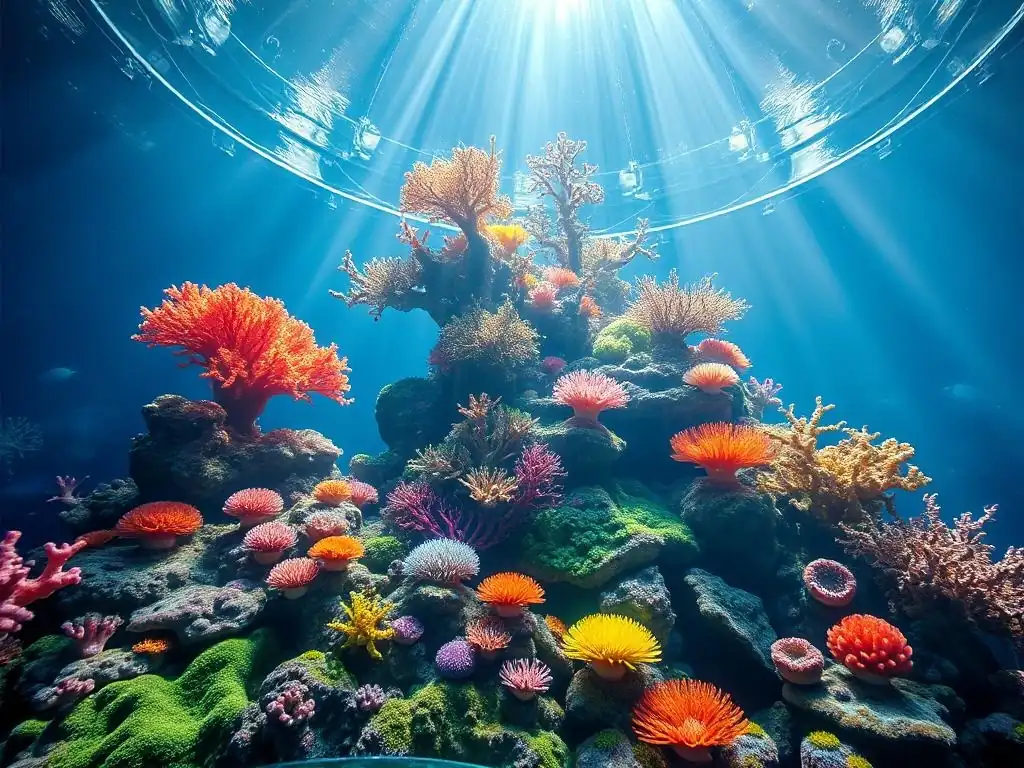
Ever wondered how to unlock the vibrant colors and thriving health of your Large Polyp Stony (LPS) corals? You've come to the right place. Dive into our comprehensive LPS coral food guide to discover the secrets to feeding these fleshy beauties for optimal growth and breathtaking displays. Get ready to elevate your reef tank game!
- LPS Coral Feeding: Achieving Vibrant Colors & Healthy Growth
- The Ultimate LPS Coral Food Guide: Choosing the Right Food for Your Reef
- Top LPS Coral Food Choices for a Flourishing Reef Aquarium
- Understanding LPS Coral Nutritional Needs
- Maximizing Color and Growth: Advanced LPS Coral Feeding Strategies
- Troubleshooting Common LPS Coral Feeding Problems
- Conclusion: Nurturing a Thriving LPS Coral Reef
- Frequently Asked Questions
- Final Reflection: Cultivating Vibrant Reefs
- Ignite Your LPS Growth!
LPS Coral Feeding: Achieving Vibrant Colors & Healthy Growth
The Ultimate LPS Coral Food Guide: Choosing the Right Food for Your Reef
This guide explores the best LPS coral foods available, ensuring your corals thrive. We'll delve into the nutritional needs of LPS corals and recommend top products. Learn how to choose the right food and feeding strategies.
Top LPS Coral Food Choices for a Flourishing Reef Aquarium
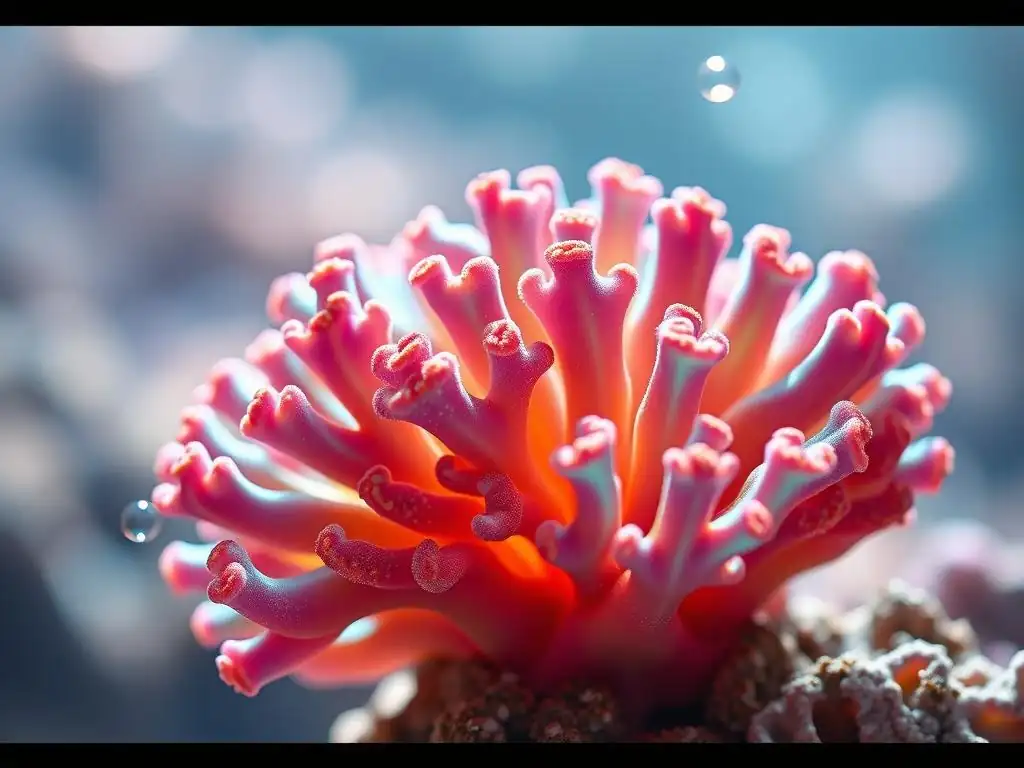
Discover our curated list of the best LPS coral foods available, each offering unique benefits. We'll cover key features, pricing, and why each product stands out.
1. Reef Roids: Enhanced Polyp Extension & Coloration
- Key Features: Ultra-fine powder, promotes polyp extension, enhances coloration.
- Benefits: Easy to target feed, delivers a concentrated dose of nutrients, suitable for Acan Lords, Blastomussa, and Trachyphyllia.
- Price Point: $29.99 - $34.99
- Why it's Top Tier: A staple in the reefing community for boosting coral health and color. Fine particle size allows for easy uptake.
- Affiliate Opportunity: Amazon, Bulk Reef Supply.
Reef Roids has earned its reputation as a top-tier LPS coral food due to its unique composition and the visible results it delivers. Composed primarily of marine plankton, this ultra-fine powdered food boasts a particle size ranging from 150 to 250 microns, making it perfectly digestible for the mouths of many LPS corals like Acanthastrea and Euphyllia. Hobbyists frequently observe dramatic polyp extension within hours of feeding, a clear indicator of nutrient uptake and coral vitality. This immediate response is highly valued, especially when assessing the health and feeding behavior of newly introduced or recovering corals.
The efficacy of Reef Roids extends beyond mere polyp extension; its rich nutritional profile, including proteins, fatty acids, and natural pigments, directly contributes to enhanced coloration and robust growth. For instance, many Scolymia and Trachyphyllia corals show more vibrant reds and oranges after consistent feeding with this LPS coral food. It's particularly effective when target-fed directly to individual polyps, ensuring minimal waste and maximum absorption. This precision feeding method allows aquarists to provide a concentrated nutrient boost, which is crucial for the demanding growth rates of some LPS species.
2. Benepets Reef Feeds: All-in-One LPS Coral Nutrition
- Key Features: Blend of marine proteins, amino acids, and vitamins.
- Benefits: Supports growth, improves immune function, and enhances coloration. Specifically formulated for LPS corals.
- Price Point: $34.99 - $39.99
- Why it's Top Tier: Offers a complete nutritional profile in a single product, simplifying feeding routines.
- Affiliate Opportunity: Online vendors, highlight bulk purchase options.
Benepets Reef Feeds stands out as an all-encompassing LPS coral food solution, designed to provide a broad spectrum of nutrients in one convenient product. Its formula combines high-quality marine proteins, a diverse array of essential amino acids, and a comprehensive vitamin complex. This holistic approach ensures that LPS corals receive not just basic sustenance but also the specific building blocks required for optimal tissue development, skeletal growth, and vibrant coloration. The blend is carefully balanced to support the complex metabolic processes of corals, leading to improved overall health and resilience against environmental stressors.
One of the primary advantages of Benepets Reef Feeds is its ability to simplify the feeding regimen for reef aquarists. Instead of mixing multiple supplements, this single LPS coral food product provides a complete nutritional profile, making it an excellent choice for both novice and experienced keepers seeking efficiency without compromising coral health.
Regular feeding with Benepets has been observed to contribute to significantly faster growth rates in corals like Goniopora and Favia, with some users reporting noticeable size increases of 1-2 cm per month under optimal conditions. Furthermore, the robust immune support derived from its vitamin content can help corals recover more quickly from fragging or minor tissue damage, leading to a more flourishing reef.
3. Fauna Marin LPS Grow and Color: Targeted Nutrition for Optimal Health
- Key Features: Specialized formula with specific amino acids and trace elements.
- Benefits: Promotes rapid growth, intensifies color, and supports skeletal development.
- Price Point: $44.99 - $49.99
- Why it's Top Tier: Designed for serious reef keepers looking for advanced nutrition solutions. Precise formulation caters to specific needs.
- Affiliate Opportunity: Specialized aquarium stores carrying Fauna Marin products.
Fauna Marin LPS Grow and Color is a highly specialized LPS coral food meticulously formulated for aquarists who prioritize accelerated growth and intensified coloration in their demanding LPS specimens. This product goes beyond basic nutrition by incorporating a precise blend of specific amino acids, such as L-lysine and L-methionine, which are critical for protein synthesis and tissue repair in corals.
Furthermore, it contains vital trace elements like iodine, strontium, and potassium, all of which play a crucial role in enhancing pigmentation, strengthening the coral skeleton, and supporting critical enzyme functions. For high-value corals like Chalices and Symphyllia, this targeted nutrition can make a significant difference in their long-term vitality and aesthetic appeal.
The advanced formulation of Fauna Marin LPS Grow and Color is designed to be readily absorbed by LPS corals, ensuring that these essential nutrients are efficiently utilized for metabolic processes. Many dedicated reef keepers have reported a noticeable increase in growth rates, sometimes exceeding 1.5 cm per month for fast-growing LPS like Duncanopsammia, alongside a significant deepening of their natural colors within weeks of consistent use.
This LPS coral food is particularly beneficial for systems aiming for rapid propagation or for those housing corals that show signs of nutrient deficiency despite regular feeding. Its premium price point reflects the scientific rigor behind its development and the concentrated, high-impact benefits it offers to discerning aquarists.
4. Polyp Lab Medic: Boosting Coral Immunity and Recovery
- Key Features: Contains natural immunostimulants and wound-healing compounds.
- Benefits: Strengthens coral immune systems, aids in recovery from stress or injury, and prevents infections.
- Price Point: $24.99 - $29.99
- Why it's Top Tier: Crucial for maintaining overall coral health and resilience, not a primary food source.
- Affiliate Opportunity: Emphasize its use as a preventative measure alongside regular feeding.
Polyp Lab Medic is a unique product in the realm of coral care, distinguishing itself not as a primary LPS coral food, but as a vital supplement aimed at bolstering coral immunity and facilitating recovery. Its formulation includes natural immunostimulants, such as beta-glucans, which are known to activate and strengthen the innate immune responses of corals, making them more resilient to pathogens and environmental stressors.
This product is invaluable for corals undergoing stress from shipping, fragging, or battling common ailments like brown jelly disease or tissue necrosis. While it doesn't provide caloric nutrition, its role in preventing and mitigating health issues is paramount for maintaining a thriving LPS collection.
Consider Polyp Lab Medic as a preventative and restorative tool in your reefing arsenal. For instance, when introducing new LPS corals to your system, a dip or short-term dosing with Medic can help reduce acclimation stress and ward off potential infections.
Similarly, if a Favia coral shows signs of tissue recession due to unknown causes, or after manual intervention like pest removal, regular dosing with Medic can significantly aid in tissue regeneration and prevent secondary infections. Its primary benefit lies in its ability to fortify the coral's natural defenses, allowing them to allocate more energy towards growth and coloration rather than fighting off disease, thus complementing the nutritional benefits provided by a quality LPS coral food.
Understanding LPS Coral Nutritional Needs
Delve deeper into the specific dietary requirements of LPS corals, including essential nutrients, feeding frequency, and proper feeding techniques.
The Importance of Amino Acids and Trace Elements for LPS Coral Growth
Amino acids are the fundamental building blocks of proteins, which are essential for every aspect of LPS coral physiology, including tissue growth, polyp extension, and enzyme production. Corals can absorb these vital compounds directly from the water column, often through their epidermal layers, or obtain them by consuming particulate matter and small prey.
A deficiency in specific amino acids, such as L-lysine or L-methionine, can manifest as stunted growth, poor tissue development, or even tissue recession, where the coral tissue pulls away from its skeleton. Ensuring your LPS coral food guide includes options rich in a complete amino acid profile is crucial for vibrant and healthy corals.
Beyond amino acids, trace elements play indispensable roles as cofactors in numerous metabolic processes and are critical for skeletal calcification and pigment production. Elements like iodine contribute to vibrant coloration and overall coral health, while strontium is directly incorporated into the aragonite skeleton, promoting robust growth. Potassium is vital for nutrient transport and tissue integrity.
These elements are continuously depleted in a closed reef system through coral uptake, skimming, and filtration. Therefore, their consistent replenishment, either through high-quality LPS coral food or dedicated supplements, is vital to prevent deficiencies that could lead to brittle skeletons, faded colors, or reduced resilience against disease.
Target Feeding vs. Broadcast Feeding: Choosing the Right Method
Target feeding involves directly delivering food to individual coral polyps using a pipette or turkey baster, typically after turning off powerheads to minimize water movement. This method is highly effective for larger-polyped LPS corals such as Scolymia, Trachyphyllia, Fungia, and Euphyllia, which have mouths large enough to ingest specific food particles.
The primary advantage of target feeding is that it ensures each coral receives a precise and concentrated dose of nutrients, minimizing waste and preventing competition from fish or other tank inhabitants. While it can be more time-consuming, especially in a tank with numerous LPS colonies, it is often preferred for ensuring the optimal health and growth of high-value or more demanding specimens.
In contrast, broadcast feeding involves dispersing the LPS coral food into the water column, allowing the corals to filter feed or capture particles as they drift by. This method is generally less labor-intensive and can benefit a wider range of tank inhabitants, including smaller-polyped corals, microfauna, and filter feeders. However, broadcast feeding carries a higher risk of nutrient pollution if too much food is introduced, potentially leading to elevated nitrates and phosphates, which can fuel nuisance algae growth.
To mitigate this, it's advisable to turn off protein skimmers for 30-60 minutes after broadcast feeding to allow corals maximum uptake time. This method is more suitable for mixed reef tanks where a variety of corals and invertebrates can benefit from the distributed nutrients.
Maximizing Color and Growth: Advanced LPS Coral Feeding Strategies
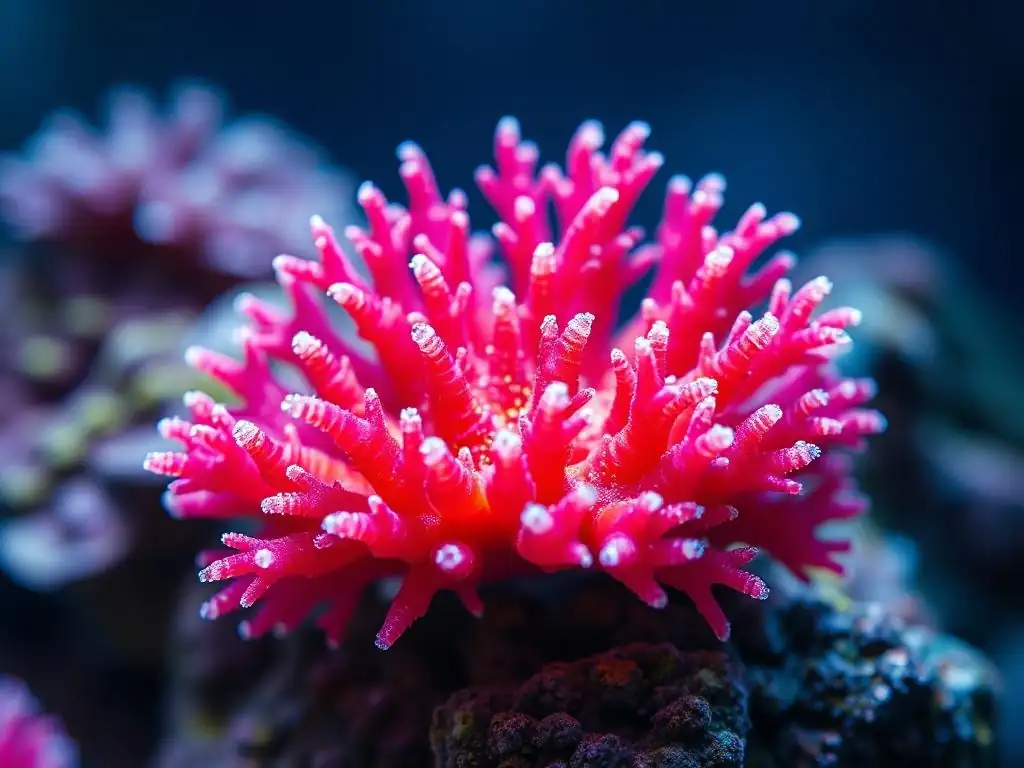
Explore advanced feeding techniques and strategies to achieve optimal color and growth in your LPS corals.
Supplementing with Coral Vitamins: A Guide to Enhanced Coloration
Supplementing your LPS coral food regimen with specialized coral vitamins can significantly enhance coloration, improve immune function, and boost overall vitality. Vitamins act as essential cofactors in countless metabolic reactions within coral tissues, supporting everything from energy production to cellular repair. For instance, B vitamins are crucial for energy metabolism, while Vitamin C acts as a powerful antioxidant and plays a role in collagen synthesis, which is vital for tissue health.
Vitamin E, another potent antioxidant, helps protect coral cells from oxidative stress. These micronutrients directly contribute to the production of vibrant pigments within the coral tissue, leading to more intense and striking colors.
When choosing coral vitamins, look for products specifically formulated for marine aquariums, such as Brightwell Aquatics Vitamarin-M or Seachem Reef Plus. The typical dosage for these supplements is often around 5ml per 50 gallons of water, applied once or twice per week, though it's crucial to always follow the manufacturer's specific instructions.
It's important to remember that vitamins are supplements to a robust LPS coral food guide, not a replacement for primary nutrition. They optimize the utilization of consumed nutrients and support physiological processes that lead to enhanced coloration and growth, especially when combined with a diverse feeding strategy and stable water parameters.
The Role of Water Parameters in LPS Coral Feeding
Optimal water parameters are foundational to the success of any LPS coral feeding strategy, as they directly influence a coral's ability to metabolize nutrients and grow. Alkalinity (dKH) and calcium (Ca) are paramount, as they are the primary building blocks for the coral's aragonite skeleton.
If alkalinity levels drop below approximately 7.0 dKH or calcium falls below 400 ppm, corals cannot efficiently calcify, regardless of how much food they consume. Maintaining stable levels, typically within the ranges of 8-10 dKH and 420-450 ppm calcium, ensures that the biochemical machinery for skeletal growth is functioning optimally, allowing corals to effectively convert consumed food into new tissue and skeleton.
Magnesium (Mg) also plays a critical role by influencing the availability of both calcium and alkalinity. Optimal magnesium levels, generally around 1300-1400 ppm, help prevent calcium and alkalinity from precipitating out of the water, making them more available for coral uptake. Furthermore, while corals require nutrients, excessive levels of nitrates (e.g., above 20 ppm) and phosphates (e.g., above 0.1 ppm) can negatively impact their health and feeding efficiency.
High nitrates and phosphates can inhibit calcification, promote nuisance algae growth that competes with corals for light and space, and even lead to reduced polyp extension or tissue recession. Regular testing and maintenance of these key parameters are as vital as the LPS coral food itself for fostering a thriving reef environment.
Troubleshooting Common LPS Coral Feeding Problems
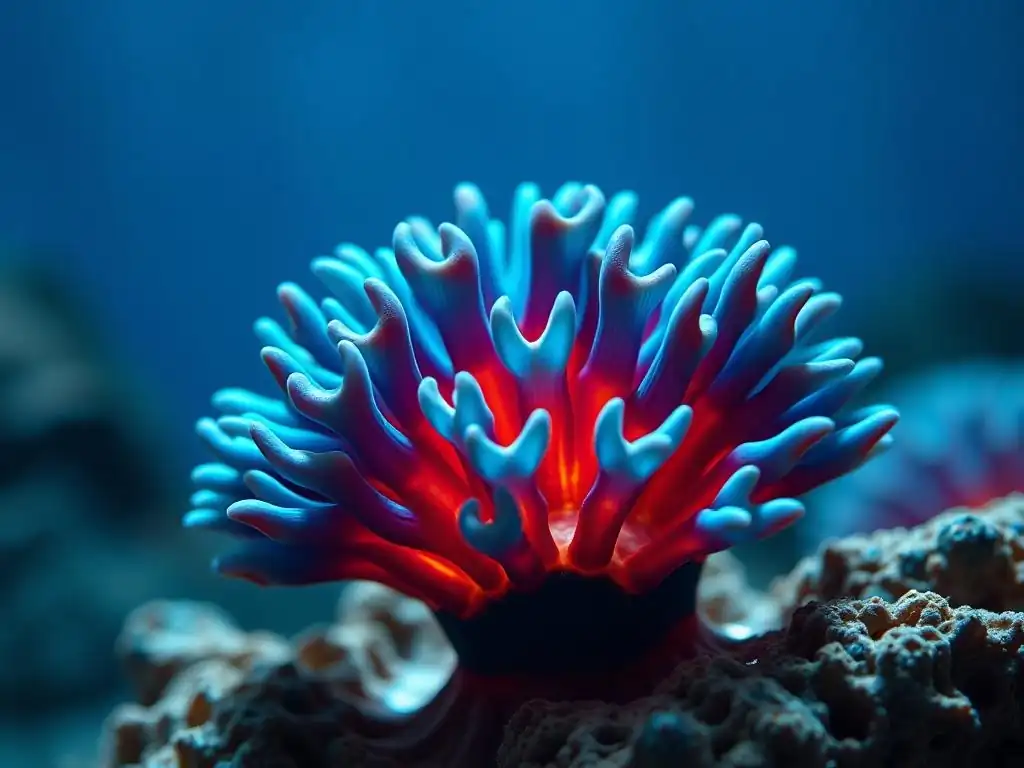
Address common issues related to LPS coral feeding, such as poor polyp extension, tissue recession, and algae growth.
Identifying and Addressing Nutritional Deficiencies
Identifying nutritional deficiencies in LPS corals often requires careful observation of their behavior and appearance. Common symptoms include consistently poor polyp extension, where the coral polyps remain retracted or only partially extended even during feeding times, indicating a lack of interest or inability to capture food. Tissue recession, characterized by the coral tissue pulling away from its skeleton, particularly at the base or edges, is a more severe sign that the coral is not receiving adequate nutrients or is under significant stress.
Faded coloration, slow or no noticeable growth, and increased susceptibility to disease can also point towards a nutritional shortfall, even if other water parameters appear stable. For example, a Favites colony that looks "pinched" or a Blastomussa that lacks its characteristic puffy appearance may be suffering from insufficient nutrition.
To address identified nutritional deficiencies, several strategies can be employed. Firstly, evaluate your current LPS coral food type and feeding frequency. If you're feeding infrequently (e.g., once a week), consider increasing it to every other day or 3-4 times a week for a period.
Varying the type of food, incorporating different particle sizes and nutrient profiles (e.g., a mix of amino acids, fine powders, and frozen foods like mysis shrimp), can ensure a broader spectrum of nutrients. For corals showing severe recession, targeted feeding directly to their mouths with a highly concentrated, easily digestible food like Reef Roids or a liquid amino acid blend can be highly effective. Always ensure that water parameters like alkalinity and calcium are stable before concluding that the issue is solely nutritional, as imbalances can mimic deficiency symptoms.
Conclusion: Nurturing a Thriving LPS Coral Reef
Nurturing a thriving LPS coral reef hinges on a comprehensive understanding of their nutritional requirements and the implementation of effective feeding strategies. This LPS coral food guide has highlighted the importance of selecting high-quality foods that provide essential proteins, amino acids, and trace elements crucial for robust growth, vibrant coloration, and strong immune function. From the fine particulate nature of Reef Roids promoting polyp extension to the all-in-one nutrition of Benepets Reef Feeds and the targeted benefits of Fauna Marin LPS Grow and Color, each product offers unique advantages for different reefing goals.
Beyond the choice of food, mastering feeding techniques, understanding the benefits of supplementation, and maintaining stable water parameters are equally vital. By consistently providing a balanced diet, employing appropriate feeding methods, and addressing potential deficiencies promptly, aquarists can cultivate a lush, colorful, and resilient LPS coral display. Remember that every reef tank is a unique ecosystem, and observing your corals' responses to different foods and feeding schedules will ultimately lead to the most successful and flourishing reef aquarium.
Frequently Asked Questions
What are LPS corals and why do they need specific food?
LPS corals, or Large Polyp Stony corals, are fleshy corals that require specific foods because they have larger polyps and rely more on direct feeding than on photosynthesis alone. This ensures optimal color and growth.
What types of food are best for LPS corals?
A variety of foods work well, including coral-specific pellets or flakes, frozen foods like mysis shrimp or brine shrimp, and reef roids. These provide the necessary nutrients for healthy growth and coloration.
How often should I feed my LPS corals?
Feeding frequency depends on the coral species and tank conditions, but generally, feeding 2-3 times per week is a good starting point. Observe your corals for signs of overfeeding or underfeeding.
How do I target feed my LPS corals?
Target feeding involves using a turkey baster or feeding pipette to deliver food directly to the coral's polyps. This ensures that the coral receives the maximum benefit from the food.
What are the signs of overfeeding or underfeeding LPS corals?
Overfeeding can lead to algae blooms and poor water quality. Underfeeding can result in pale coloration and slow growth. Regular observation and water testing are key to maintaining healthy LPS corals.
Final Reflection: Cultivating Vibrant Reefs
The journey through understanding the nutritional needs of LPS corals, as detailed in this LPS coral food guide, underscores the delicate balance required for thriving reef ecosystems. Today, as coral reefs face unprecedented challenges from climate change and pollution, providing optimal nutrition becomes even more critical. The knowledge shared here isn't just about keeping corals alive; it's about empowering aquarists to actively participate in their preservation, fostering resilience and promoting vibrant growth in these vital marine organisms.
This exploration into LPS coral nutrition has profoundly impacted our understanding of responsible reef keeping. It's a reminder that our aquariums are not just decorations, but miniature ecosystems that demand our careful attention and informed decisions. In the end, we will conserve only what we love; we will love only what we understand; and we will understand only what we are taught.
- Baba Dioum. This quote perfectly encapsulates the importance of education and understanding in fostering a genuine appreciation and commitment to coral conservation.
Now, armed with this knowledge of LPS coral nutrition, I invite you to reflect on your own role in the future of our reefs. Consider how you can apply these principles to your own aquariums, share this information with fellow hobbyists, and advocate for sustainable practices that protect these precious ecosystems. Let us all strive to be responsible stewards, ensuring that the beauty and biodiversity of LPS corals continue to flourish for generations to come.
Ignite Your LPS Growth!
Thank you for diving into the world of LPS corals! We hope you've gained valuable insights into nurturing these fascinating creatures. Now, let's transform that knowledge into vibrant action!
Here's how you can take the next step:
- Commit to a target feeding schedule. Start small, observe closely, and adjust as needed to find the perfect balance for your LPS.
- Explore the diverse range of LPS-specific foods available. Don't be afraid to experiment with different brands and formulations to discover what your corals relish.
- Share your LPS feeding successes (and challenges!) with the Aquarium Mastery community. What unexpected foods have your LPS gone wild for?