
Hide & Seek Masters: Providing Essential Security Spots for Butterflyfish

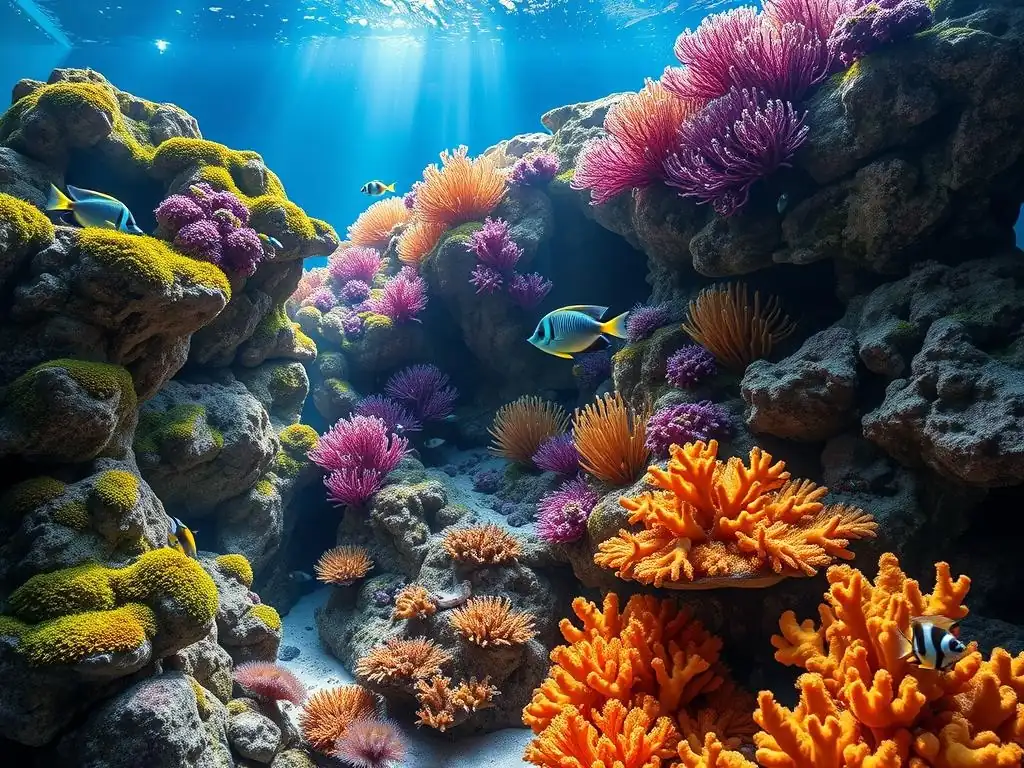
Welcome to Aquarium Mastery!
Ever wondered why your Butterflyfish is playing an endless game of hide-and-seek? Dive in to discover the secrets to creating the perfect, secure haven for these dazzling reef inhabitants. Our article on Butterflyfish hiding tank spots unlocks the key to understanding their behavior and provides essential insights for a thriving aquarium ecosystem. Ready to transform your tank into a Butterflyfish paradise? Let's explore!
- Butterflyfish Sanctuaries: Essential Hiding Places for a Thriving Reef
- Understanding the Butterflyfish Need for Secure Retreats
- Designing and Implementing Ideal Butterflyfish Refuges
- Macroalgae Havens: Natural Hiding Places for Butterflyfish
- Minimizing Stress and Maximizing Butterflyfish Comfort: Beyond Hiding Places
- Monitoring Butterflyfish Behavior: Identifying Stress and Adjusting Refuges
- Conclusion: Ensuring a Safe and Thriving Environment for Your Butterflyfish with Adequate Refuge
-
Frequently Asked Questions
- How important are hiding spots for butterflyfish in a home aquarium?
- What kind of structures can serve as effective hiding spots for butterflyfish?
- What are the potential consequences of not providing adequate hiding places?
- How do I know if my butterflyfish are using the hiding spots effectively?
- Can I overdo it with hiding spots? Is there such a thing as too much cover?
- Final Reflection: The Art of Sanctuary
- Unleash Your Inner Reef Architect!
Butterflyfish Sanctuaries: Essential Hiding Places for a Thriving Reef
Understanding the Butterflyfish Need for Secure Retreats
Why Butterflyfish Require Ample Hiding Spaces in Aquariums
Butterflyfish, renowned for their vibrant colors and distinctive patterns, are inherently shy and delicate creatures in their natural reef habitats. In the wild, they constantly navigate intricate coral formations, rocky crevices, and overhangs, utilizing these structures for protection from predators like larger fish (e.g., groupers, sharks) and as secure resting spots. This innate behavior of seeking cover is deeply ingrained, making the availability of ample Butterflyfish hiding tank spots crucial for their well-being in a captive environment. Without these natural retreats, they often feel exposed and vulnerable.
This need for security extends beyond predator avoidance; it's also about establishing territory and finding quiet zones away from the hustle and bustle of reef life. A well-designed aquarium that mimics their natural environment, replete with varied hiding places, allows Butterflyfish to exhibit their natural behaviors, such as foraging and exploring, knowing that a safe haven is always nearby. This sense of security significantly contributes to their overall health and longevity, preventing chronic stress that can compromise their immune systems.
The Link Between Butterflyfish Stress and Lack of Hiding Spots
When Butterflyfish are deprived of adequate Butterflyfish hiding tank spots, they experience chronic stress, which manifests in several observable ways. Physically, stressed Butterflyfish may exhibit faded colors, clamped fins held close to their body, rapid gilling (indicating labored breathing), or a general lethargy. Prolonged stress significantly weakens their immune system, making them highly susceptible to common saltwater diseases such as Marine Ich (Cryptocaryon irritans) or Marine Velvet (Amyloodinium ocellatum), which can quickly become fatal in a compromised fish.
Behaviorally, a lack of secure retreats can lead to a range of issues, from extreme timidity where the fish constantly hides, even in plain sight, to erratic swimming patterns or even aggression towards tank mates, often out of fear or territorial disputes over limited safe zones. Some individuals might refuse food, leading to malnutrition and further weakening.
For instance, a Copperband Butterflyfish (Chelmon rostratus) known for its shyness might waste away if it cannot find sufficient cover, as it will be too stressed to forage for food effectively. This constant state of anxiety not only diminishes their quality of life but also dramatically shortens their lifespan compared to well-adjusted individuals.
Designing and Implementing Ideal Butterflyfish Refuges
Rockwork Structures: Building Natural Butterflyfish Shelters
Selecting Aquarium-Safe Rocks for Butterflyfish Habitats
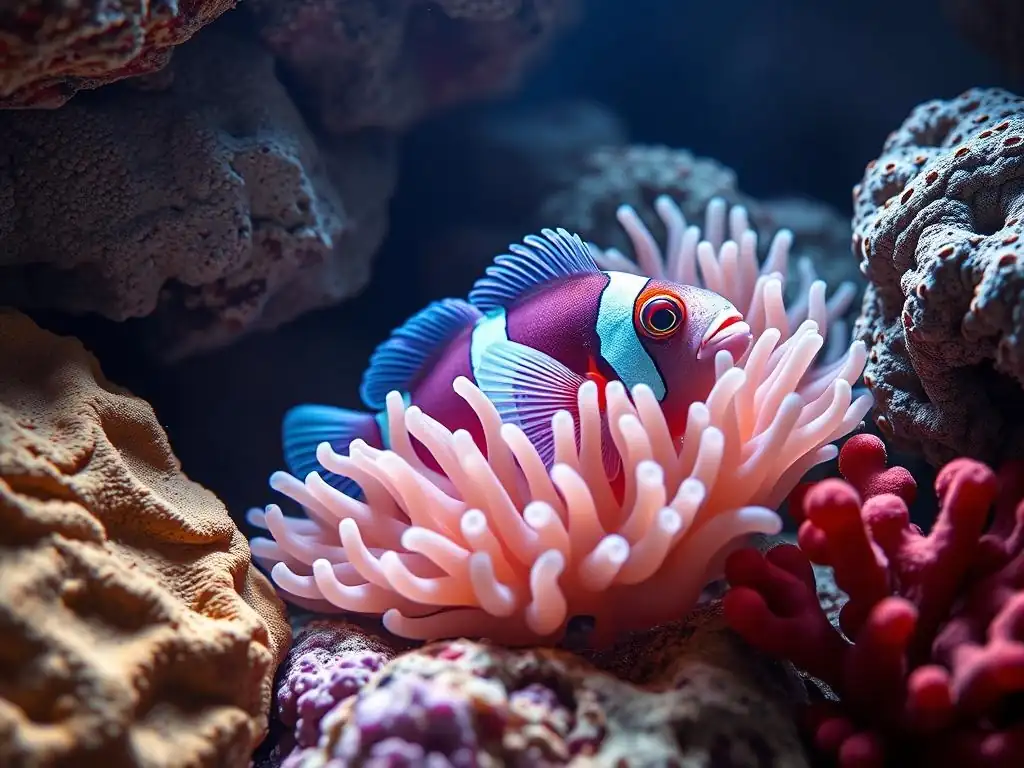
The foundation of any thriving reef aquarium, especially one housing Butterflyfish, lies in the quality and type of rockwork. Live rock is highly recommended for creating Butterflyfish hiding tank spots due to its porous nature, which offers excellent biological filtration, and its natural appearance. When selecting live rock, prioritize pieces with natural holes, caves, and crevices, avoiding those with sharp edges that could potentially injure delicate fins. Cured live rock is preferable to uncured to prevent ammonia spikes.
The quantity of live rock is also crucial; a general guideline for a saltwater tank is to use 1 to 1.5 pounds of live rock per gallon of water. For example, a 75-gallon aquarium would benefit from approximately 75 to 112.5 pounds of carefully chosen live rock. This not only ensures ample surface area for beneficial bacteria but also provides a multitude of potential hiding spots, swim-throughs, and territorial boundaries for your Butterflyfish and other inhabitants. Ensure all rock is stable and securely stacked to prevent collapses.
Arranging Rocks to Maximize Hiding Spots and Minimize Aggression
Strategic arrangement of rockwork is key to maximizing Butterflyfish hiding tank spots and promoting a peaceful environment. Create a varied landscape with multiple caves, overhangs, and tunnels that offer both deep retreats and quick escape routes. It is beneficial to break up lines of sight across the tank, which can reduce aggression between tank mates and allow shy Butterflyfish to feel more secure. Consider creating "islands" of rockwork rather than a single continuous wall, providing distinct territories.
When stacking rocks, ensure stability by using aquarium-safe epoxy or cement, especially for taller structures. Design the rockwork to have open areas for swimming, but also dense sections where fish can disappear from view. For instance, a "Swiss cheese" style rock structure with numerous interconnecting holes provides excellent, complex hiding opportunities. By providing several distinct Butterflyfish hiding tank spots, you allow each fish to claim its own territory, reducing stress and fostering a more natural behavioral display.
Coral Placement Strategies: Integrating Hiding Places with Corals
Choosing Coral Species That Offer Butterflyfish Protection
Integrating corals into the aquarium design can significantly enhance the available Butterflyfish hiding tank spots, provided the chosen coral species are compatible and offer suitable shelter. Large Polyp Stony (LPS) corals like Favia, Blastomussa, or Scolymia, with their robust, often multi-lobed structures, can create natural nooks and crannies. Similarly, large soft corals such as Sarcophyton (Leather Corals) or Sinularia (Finger Corals) can grow into substantial formations, providing ample cover within their folds.
It is vital to select corals that are not highly aggressive or possess powerful stinging capabilities that could harm the delicate Butterflyfish. Also, be mindful of the Butterflyfish species you keep; certain types, like the Copperband Butterflyfish, are known to nip at corals, especially Montipora or Aiptasia, which they sometimes consume. For such species, choose very robust corals or non-corallivorous Butterflyfish types. A well-chosen coral can serve as both an aesthetic centerpiece and a functional refuge.
Strategic Coral Placement for a Balanced Ecosystem and Security
Strategic placement of corals is essential to create effective Butterflyfish hiding tank spots while maintaining a balanced ecosystem. Position larger corals near or within rockwork to extend existing hiding opportunities, forming natural overhangs or secluded pockets. Consider the specific lighting and flow requirements of each coral species to ensure their health, as healthy corals contribute to a stable environment. For example, a large branching Montipora or Acropora placed in an area with strong flow and light can provide an intricate network of branches that smaller Butterflyfish can dart through for safety.
Furthermore, aim to create different layers of hiding opportunities throughout the water column. While rockwork often provides lower and mid-level cover, strategically placed corals can offer mid-to-upper level security. This multi-layered approach ensures that Butterflyfish feel secure regardless of their position in the tank. For instance, a large mushroom coral (Discosoma spp.) at the sand bed can offer a simple, effective hide, while a towering Euphyllia (Hammer or Torch coral) provides more complex cover higher up.
Artificial Caves and Structures: Augmenting Natural Hiding Spots
Selecting Safe and Aesthetically Pleasing Artificial Caves
While natural rockwork and corals are ideal, artificial caves and structures can serve as valuable supplements to enhance Butterflyfish hiding tank spots. When selecting these, prioritize products made from aquarium-safe, non-toxic materials such as inert ceramic, resin, or high-grade PVC, ensuring they will not leach harmful chemicals into the water. Critically, inspect all artificial decor for any sharp edges or rough surfaces that could potentially injure the delicate fins and bodies of Butterflyfish.
Choose items that mimic natural rock formations or provide appealing architectural elements. There is a wide variety of artificial decor available, from realistic replica reef rock inserts that blend seamlessly with live rock to more decorative sunken shipwrecks or ancient ruins. The key is to select pieces that offer genuine enclosed spaces or deep crevices that a Butterflyfish can retreat into, rather than just superficial details. A well-chosen artificial cave can provide a deep, dark refuge that some shy species prefer.
Integrating Artificial Structures Seamlessly into the Aquarium Landscape
For artificial structures to be effective Butterflyfish hiding tank spots, they must be integrated seamlessly into the overall aquarium landscape, avoiding a disjointed or unnatural appearance. Place these structures to extend existing rock formations, fill gaps in the aquascape, or provide additional cover in areas where natural rock is sparse. For example, a large artificial cave could be nestled against the back wall of the tank, partially obscured by live rock, to create a deep, secure retreat that feels natural.
Ensure that the placement of artificial structures does not impede water flow, create dead spots where detritus can accumulate, or make it difficult to clean the tank. They should be stable and not prone to toppling over. By strategically blending artificial elements with natural live rock and corals, you can significantly increase the total available Butterflyfish hiding tank spots without compromising the aesthetic appeal or ecological balance of your reef aquarium.
Macroalgae Havens: Natural Hiding Places for Butterflyfish
Utilizing Macroalgae for Butterflyfish Security and Water Quality
Selecting Suitable Macroalgae Species for Butterflyfish Tanks
Macroalgae can be an excellent addition to a Butterflyfish tank, providing both natural Butterflyfish hiding tank spots and contributing to water quality through nutrient export. Suitable species include Chaetomorpha (commonly known as "chaeto"), Gracilaria, and various types of Caulerpa (e.g., Caulerpa prolifera, Caulerpa racemosa). Chaetomorpha is particularly favored for its spaghetti-like structure, which offers dense cover, and its non-invasive growth pattern.
While Caulerpa species can also provide good cover and nutrient export, they require more careful management as they can go "sexual" (release spores) if conditions fluctuate, potentially releasing stored nutrients back into the water. Gracilaria, with its fine, branching structure, also offers good hiding opportunities. When selecting, consider the specific needs of your Butterflyfish; some species, like the Lemon Butterflyfish (Chaetodon miliaris), might occasionally graze on certain macroalgae, making it a dual-purpose addition.
Planting and Maintaining Macroalgae to Maximize Hiding Coverage
To maximize the effectiveness of macroalgae as Butterflyfish hiding tank spots, it should be planted or placed in areas where it can grow into dense clumps, providing substantial cover. In the main display tank, macroalgae can be anchored to rockwork or placed in a designated area where it can flourish without being constantly disturbed. For example, a dense clump of Chaetomorpha in a corner or behind a rock structure can offer an immediate and effective refuge.
Regular maintenance, including trimming, is essential to prevent macroalgae from overgrowing and to ensure continued nutrient export. For instance, in a 50-gallon tank, a basketball-sized clump of Chaetomorpha can effectively reduce nitrates by up to 5-10 ppm per week, while simultaneously providing excellent cover. This trimming also encourages denser growth, creating more intricate Butterflyfish hiding tank spots. Ensure adequate lighting for the macroalgae if it's in the display or a dedicated refugium to support its growth and health.
Minimizing Stress and Maximizing Butterflyfish Comfort: Beyond Hiding Places
Maintaining Optimal Water Parameters for Butterflyfish Well-being
Beyond providing ample Butterflyfish hiding tank spots, maintaining stable and optimal water parameters is paramount for the long-term health and comfort of these delicate fish. Key parameters include salinity, which should be kept consistently between 1.023 and 1.025 specific gravity (SG), mimicking natural reef conditions. Temperature should remain stable within the range of 75-82°F (24-28°C), with minimal fluctuations. The pH level should be maintained between 8.1 and 8.4, and alkalinity (dKH) between 8-12 dKH to ensure buffering capacity.
Crucially, ammonia and nitrite levels must always be undetectable (0 ppm), and nitrates should be kept as low as possible, ideally below 10 ppm, with phosphates below 0.03 ppm. Regular water changes, typically 10-20% weekly or bi-weekly depending on bioload, using high-quality RO/DI water and a reputable marine salt mix, are essential for maintaining these pristine conditions. Consistent monitoring with reliable test kits helps prevent stress-inducing swings in water chemistry.
Choosing Compatible Tank Mates to Reduce Butterflyfish Stress
The selection of compatible tank mates is a critical factor in reducing stress for Butterflyfish, regardless of how many Butterflyfish hiding tank spots are available. Avoid highly aggressive or overly boisterous species that might constantly harass or outcompete Butterflyfish for food and space. Examples of unsuitable tank mates include certain damselfish (e.g., Yellowtail Damselfish, Three Stripe Damselfish), large triggerfish, or aggressive dottybacks.
Instead, opt for peaceful community fish that share similar water parameter requirements and temperament. Good choices often include most clownfish species, gobies, blennies, certain tangs (e.g., Yellow Tang, Kole Tang), and other smaller, non-aggressive reef fish. Introducing less aggressive species first can help establish a more tranquil environment. Overcrowding should also be avoided; for instance, in a 100-gallon tank, it's generally best to limit to one or two Butterflyfish, depending on their species and size, alongside a carefully selected, peaceful community of other fish.
Providing a Balanced Diet to Support Butterflyfish Health and Resilience
A varied and nutritious diet is fundamental to supporting the health, resilience, and vibrant coloration of Butterflyfish, making them less susceptible to stress-related issues. Offer a diverse array of high-quality foods, including marine-specific flakes and pellets, along with a variety of frozen foods such as mysis shrimp, brine shrimp (preferably enriched), spirulina-enriched foods, and finely chopped seafood. Some species, like the Copperband Butterflyfish, may require specialized live foods such as blackworms or small clams to entice feeding.
Feeding frequency is also important; small, frequent feedings (2-3 times daily) are often more beneficial than large, infrequent ones, as they mimic natural grazing behaviors and ensure all fish receive adequate nutrition. Observe your Butterflyfish during feeding to ensure they are actively eating and not being outcompeted by more aggressive tank mates. A well-fed Butterflyfish with a robust immune system is far better equipped to handle any minor stressors, even if it means venturing out from its Butterflyfish hiding tank spots.
Monitoring Butterflyfish Behavior: Identifying Stress and Adjusting Refuges
Recognizing Signs of Stress in Butterflyfish
Diligent observation of your Butterflyfish's behavior is crucial for identifying early signs of stress and ensuring their well-being. Visual cues of stress often include clamped fins, where the fins are held close to the body instead of being fanned out, or rapid gilling, indicating labored breathing. Fading colors, the appearance of dark blotches, or the onset of white spots (Ich) are also strong indicators of a compromised immune system due to stress.
Behaviorally, a stressed Butterflyfish might exhibit extreme timidity, constantly hiding and refusing to emerge even during feeding, or conversely, display erratic swimming patterns, darting frantically around the tank. They might rub against decorations or substrate, a common sign of irritation or parasites exacerbated by stress. Aggression towards other fish or, conversely, being constantly bullied by tank mates, also points to an underlying stressor, often related to inadequate Butterflyfish hiding tank spots or territorial disputes.
Adjusting Hiding Spot Placement Based on Butterflyfish Behavior Observations
Once you identify signs of stress, evaluating and adjusting the Butterflyfish hiding tank spots should be a primary consideration. If a Butterflyfish is constantly visible and appears agitated, it likely feels exposed. In such cases, adding more rockwork, creating additional caves, or strategically placing larger corals can provide the necessary cover. Conversely, if a fish is always in one specific spot and rarely ventures out, it might indicate a lack of varied or accessible hiding options, suggesting the need for more diverse retreats throughout the tank.
Observe interactions between your Butterflyfish and other tank mates. If a particular area of the tank becomes a conflict zone, adding more hiding spots in that vicinity can help diffuse aggression by providing multiple escape routes and reducing direct confrontations. For example, if a Pyramid Butterflyfish (Hemitaurichthys polylepis) is being chased by a more dominant Tang, ensuring several clear and accessible escape tunnels through the rockwork can significantly reduce its stress levels.
Aggression among tank mates, often exacerbated by a lack of sufficient Butterflyfish hiding tank spots, requires immediate intervention. If one fish is consistently bullying a Butterflyfish, consider rearranging the aquascape to break up established territories and create new, neutral zones with additional cover. In severe cases, where aggression persists and the Butterflyfish remains highly stressed, it may be necessary to rehome one of the aggressors or the bullied fish to ensure its survival and well-being.
Disease outbreaks, frequently a consequence of prolonged stress from inadequate hiding places, necessitate a multi-pronged approach. While treating the specific disease (e.g., with appropriate medications for Ich or Marine Velvet), it is equally important to address the underlying stressors. This means not only improving water quality and ensuring compatible tank mates but also critically re-evaluating and enhancing the available Butterflyfish hiding tank spots. A healthy, secure environment is the best defense against illness and promotes robust recovery.
Conclusion: Ensuring a Safe and Thriving Environment for Your Butterflyfish with Adequate Refuge
Frequently Asked Questions
How important are hiding spots for butterflyfish in a home aquarium?
Hiding spots are extremely important for butterflyfish. They provide essential security and reduce stress, especially when introducing new fish or during acclimation. A stressed butterflyfish is more susceptible to disease.
What kind of structures can serve as effective hiding spots for butterflyfish?
Effective hiding spots include live rock structures, caves created with aquarium-safe rocks, and dense plant growth (for freshwater tanks). Ensure there are enough options to accommodate all butterflyfish in the tank.
What are the potential consequences of not providing adequate hiding places?
Insufficient hiding places can lead to increased stress levels, aggression among tankmates, and a weakened immune system in butterflyfish. This can result in diseases, and poor overall health.
How do I know if my butterflyfish are using the hiding spots effectively?
Observe your butterflyfish. They should retreat to hiding spots when feeling threatened or stressed, but also emerge to explore and feed. Consistent hiding without emerging could indicate a problem.
Can I overdo it with hiding spots? Is there such a thing as too much cover?
While ample cover is good, too much can hinder swimming space and water circulation. Maintain a balance, ensuring butterflyfish have safe havens while allowing for open swimming areas and proper filtration.
Final Reflection: The Art of Sanctuary
The delicate dance between predator and prey, explored through the lens of butterflyfish and their need for secure havens within the aquarium, resonates far beyond the glass walls of a fish tank. Understanding the intricacies of their environment, and providing the right "hiding tank spots," isn't just about aesthetics; it's about fostering a thriving ecosystem where these vibrant creatures can flourish, mirroring the broader responsibility we have towards preserving biodiversity in all its forms.
This exploration into the ideal habitats for butterflyfish has profoundly underscored the importance of mindful observation and proactive intervention in creating balanced environments. We often underestimate the impact of seemingly small details, like the placement of a rock or the density of coral, on the well-being of an entire species. In the end, we will conserve only what we love; we will love only what we understand; and we will understand only what we are taught.
- Baba Dioum. This quote perfectly encapsulates the journey of understanding the needs of butterflyfish and, by extension, the needs of our planet.
As you consider the information presented in this article, I invite you to reflect on the ways you can become a more conscious creator of safe spaces, not just for butterflyfish, but in all aspects of your life. Whether it's fostering a supportive community, designing a more sustainable lifestyle, or simply offering a listening ear to someone in need, remember the lessons learned from these "Hide & Seek Masters" and strive to cultivate environments where all can thrive, find refuge, and ultimately, flourish.
Unleash Your Inner Reef Architect!
Thank you for exploring the fascinating world of butterflyfish and their unique security needs. We hope you've gained valuable insights into creating a thriving environment for these reef inhabitants. Now, let's turn that knowledge into action!
Here are a few steps you can take to further enhance your understanding and contribute to the well-being of butterflyfish:
- Design and implement at least three uniquely structured hiding spots within your aquarium, focusing on simulating natural reef crevices and overhangs.
- Delve deeper into the specific species of butterflyfish you keep (or plan to keep) and research their preferred hiding spot characteristics – substrate type, light levels, flow rates, etc.
- Share your before-and-after pictures of your aquarium's redesigned hiding places on social media with the hashtag #ButterflyfishHideout and inspire others to create safer reefs.
What surprising material will you use to craft the ultimate butterflyfish sanctuary?