
Can You Train a Butterflyfish to Be Reef Safe? The Uncomfortable Truth

Welcome to Aquarium Mastery!
Ever wondered if you could really train a butterflyfish to be reef safe? It's a question that sparks a lot of debate in the saltwater aquarium hobby. Dive in with us as we explore the fascinating – and sometimes frustrating – world of reef compatibility, specifically when it comes to reef safe butterflyfish training. Prepare to uncover the uncomfortable truth and discover what you really need to know before adding one of these stunning fish to your reef tank.
- Understanding Butterflyfish Behavior and Reef Compatibility
- Challenges in Reef-Safe Butterflyfish Keeping: Common Problems and Solutions
- Selecting Butterflyfish for a Reef Environment
- Creating an Ideal Butterflyfish Habitat for Reef Safety
- Feeding Strategies for Reef-Safe Butterflyfish: Ensuring Success
- Conclusion: The Commitment Required for Reef-Safe Butterflyfish Keeping
-
Frequently Asked Questions
- Can you really train a butterflyfish to be reef safe?
- What makes butterflyfish so risky for reef tanks?
- Are there any butterflyfish species that are consistently reef safe?
- What are the consequences of introducing a non-reef-safe butterflyfish to a reef tank?
- If I can't train them, what are my options if I want a butterflyfish?
- Final Reflection: The Delicate Dance of Responsibility
- Ignite Your Reef Journey: What's Next?
Understanding Butterflyfish Behavior and Reef Compatibility
Butterflyfish exhibit diverse social behaviors in their natural habitats, ranging from solitary existences to forming stable pairs or even small groups. For instance, the Copperband Butterflyfish ( Chelmon rostratus) is predominantly solitary or found in pairs, meticulously picking at pests like Aiptasia anemones. Conversely, some species within the Chaetodon genus, such as the Ornate Butterflyfish ( Chaetodon ornatissimus), are known to form pairs and forage together. Understanding these innate social structures is crucial for successful integration into an aquarium, as forcing a solitary species into a crowded tank can induce significant stress.
This stress, often manifesting as increased aggression or withdrawn behavior, can inadvertently contribute to undesirable actions like nipping at corals. A stressed butterflyfish might become more prone to opportunistic feeding or exhibit erratic behavior that impacts other tank inhabitants. Therefore, providing an environment that aligns with their natural social preferences is paramount for their well-being, directly influencing their compatibility within a delicate reef system, far more than any attempts at "reef safe butterflyfish training."
Dietary Habits: Why Some Butterflyfish Eat Corals
The primary reason many butterflyfish are considered non-reef-safe stems directly from their natural dietary habits. Many species are corallivores, meaning their diet largely consists of coral polyps. This can be obligate (strictly coral-eating) or facultative (eating corals along with other invertebrates or algae). For example, the Ornate Butterflyfish ( Chaetodon ornatissimus) and the Saddleback Butterflyfish ( Chaetodon ephippium) are well-documented obligate corallivores, known to actively consume both soft and large polyp stony (LPS) corals in a reef aquarium.
Attempting "reef safe butterflyfish training" with these species is almost always futile because consuming corals is an instinctive and necessary part of their diet. Even if they accept prepared foods, their natural drive to graze on polyps remains strong. Other species, like the Raccoon Butterflyfish ( Chaetodon lunula), are more generalist feeders but still frequently target stony coral polyps, especially if underfed or if their preferred natural foods are unavailable. This inherent dietary predisposition makes true reef compatibility a significant challenge, often resulting in damage to valuable coral colonies.
Water Quality and Tank Parameters: Maintaining a Stable Environment for Reef Inhabitants
Maintaining pristine and stable water quality is fundamental for the health of any marine fish, including butterflyfish, and is especially critical in a mixed reef environment. Key parameters include salinity (typically 1.025-1.026 specific gravity), temperature (75-82°F or 24-28°C), pH (8.1-8.4), alkalinity (8-12 dKH), calcium (400-450 ppm), and magnesium (1200-1350 ppm). Fluctuations in these parameters can cause immense stress to both fish and corals, weakening immune systems and making inhabitants more susceptible to disease.
For butterflyfish, consistent water quality reduces stress, which in turn can mitigate behaviors like fin nipping or opportunistic coral grazing. A butterflyfish housed in a tank with unstable parameters, for instance, might become lethargic, refuse food, or, conversely, become agitated and start picking at corals out of distress. While "reef safe butterflyfish training" attempts to modify behavior, ensuring a consistent and healthy environment through diligent water parameter management is a far more effective strategy for promoting a peaceful and compatible reef tank.
Challenges in Reef-Safe Butterflyfish Keeping: Common Problems and Solutions
Feeding Difficulties: Transitioning to Prepared Foods
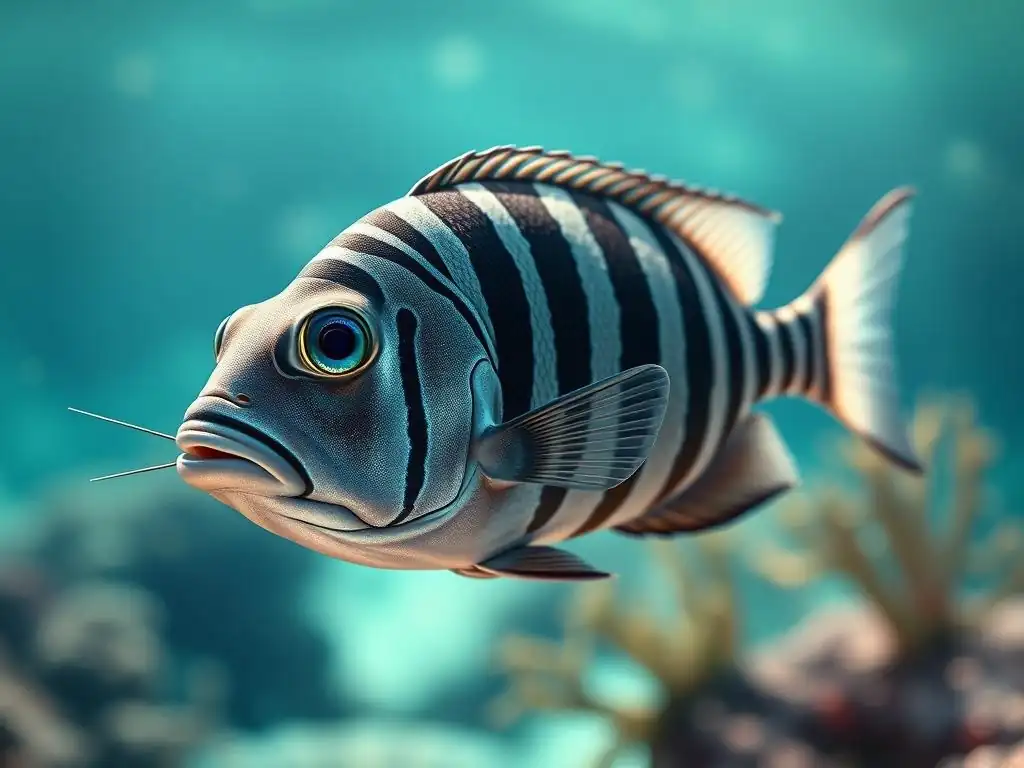
Many butterflyfish, particularly wild-caught specimens, present significant feeding challenges in captivity due to their specialized natural diets. Species like the Copperband Butterflyfish ( Chelmon rostratus), which naturally feeds on tube worms and Aiptasia anemones, are notoriously difficult to acclimate to prepared foods. They often refuse common aquarium fare like flake foods or pellets, sometimes leading to starvation if not addressed promptly. This finickiness is a major hurdle for aquarists aiming for "reef safe butterflyfish training," as a hungry fish is more likely to forage on corals.
To overcome these difficulties, aquarists often employ strategies such as offering a wide variety of frozen foods (e.g., mysis shrimp, brine shrimp, finely chopped clam or seafood), using live foods (like blackworms or live brine shrimp) as a bridge to prepared diets, and target feeding with a pipette or turkey baster to ensure the fish receives adequate nutrition. Patience and persistence are key, as it can take several weeks for a butterflyfish to consistently accept non-live foods. Ensuring a consistently full belly is the most effective deterrent against coral nipping, rather than any behavioral training.
Disease Susceptibility: Prevention and Treatment Strategies in Reef Systems
Butterflyfish are often delicate and can be highly susceptible to common saltwater diseases such as Marine Ich ( Cryptocaryon irritans) and Marine Velvet ( Amyloodinium ocellatum), especially when stressed by shipping, poor water quality, or incompatible tank mates. A robust quarantine protocol, typically lasting 4-6 weeks in a separate observation tank, is absolutely essential before introducing any butterflyfish into a display reef. This allows for observation, deworming, and potential treatment without jeopardizing the main tank's inhabitants.
Treating diseases in a reef aquarium presents a significant challenge because many effective medications, such as copper-based treatments, are highly toxic to corals and invertebrates. For instance, if a Chaetodon kleinii (Klein's Butterflyfish) in a 100-gallon mixed reef tank develops Ich, it would necessitate removing the fish to a hospital tank for treatment, as treating the main display tank would wipe out the coral population. Prevention through proper quarantine, stable water parameters, and a nutrient-rich diet that boosts the fish's immune system is therefore paramount, as "reef safe butterflyfish training" does not extend to disease resistance.
Aggression and Compatibility Issues: Managing Interactions in a Reef Tank
While many butterflyfish are generally peaceful towards other fish species, their compatibility within a reef tank extends beyond just other fish; it crucially involves corals and invertebrates. Some butterflyfish can exhibit territorial aggression towards conspecifics or similar-looking species, particularly in smaller tanks. For example, two different species of Chaetodon butterflyfish might clash if introduced simultaneously without adequate space. Careful selection of tank mates is vital to prevent stress and aggression.
Beyond inter-fish aggression, the primary compatibility concern for "reef safe butterflyfish training" lies with corals. Even species generally considered "reef-safe" like the Klein's Butterflyfish ( Chaetodon kleinii) can become opportunistic coral nippers if underfed, stressed, or if they develop a taste for certain polyps. Managing these interactions involves providing ample swimming space, numerous hiding spots within the aquascape, and ensuring consistent, varied feeding. This proactive management of the environment and diet is far more effective than trying to "train" a fish out of its natural instincts.
Selecting Butterflyfish for a Reef Environment
Chaetodon auriga (Auriga Butterflyfish): A Relatively Safer Choice
The Auriga Butterflyfish, Chaetodon auriga, is a striking species that can grow up to 9 inches and is often considered one of the more "reef-safe" butterflyfish, though with significant caveats. Its natural diet primarily consists of tube worms, anemones, and various small invertebrates. While it may occasionally nip at certain soft corals or LPS (large polyp stony) corals, it is generally less destructive than obligate corallivores. Aquarists report varied success, with some keeping them in mixed reefs without issue, while others observe occasional coral nipping, particularly if the fish is underfed.
Success with an Auriga Butterflyfish in a reef tank hinges on careful observation and consistent feeding. A well-fed Auriga is less likely to forage on corals out of hunger. For example, in a 150-gallon reef system, an Auriga might coexist peacefully with SPS (small polyp stony) corals but might occasionally sample fleshy LPS corals like Blastomussa or Favia. It represents a species where "reef safe butterflyfish training" is largely about management and providing abundant alternative food sources, rather than altering its inherent drive to pick at sessile invertebrates.
Chaetodon lunula (Raccoon Butterflyfish): A More Challenging Option
The Raccoon Butterflyfish, Chaetodon lunula, easily identified by its distinctive black band across the eyes, is a popular but highly challenging choice for a reef aquarium. Growing up to 8 inches, this species is primarily nocturnal in the wild, feeding on a wide array of worms, crustaceans, and, notably, coral polyps. Its natural dietary preference makes it a significant threat to most stony corals, and often soft corals as well.
Despite its appeal, the Raccoon Butterflyfish is generally not recommended for a dedicated reef tank. While some aquarists might attempt to keep them in large, well-established FOWLR (Fish Only With Live Rock) systems, introducing them to a tank with valuable corals is a considerable risk. Any attempts at "reef safe butterflyfish training" to deter them from eating corals are highly unlikely to succeed, as consuming polyps is an ingrained part of their feeding behavior, driven by instinct rather than a lack of alternative food.
Chaetodon kleinii (Klein's Butterflyfish): Often Considered Reef-Safe
The Klein's Butterflyfish, Chaetodon kleinii, is one of the few butterflyfish species frequently recommended for reef aquariums. Reaching a smaller size of about 5 inches, its natural diet includes various algae, crustaceans, and notably, nuisance Aiptasia anemones, making it a desirable addition for some reef keepers looking for a biological pest control solution. Its propensity for eating Aiptasia has earned it a reputation as a relatively "reef-safe" choice.
However, even the Klein's Butterflyfish is not 100% guaranteed reef-safe. While it rarely bothers SPS corals, it may occasionally nip at LPS corals or certain soft corals, especially if underfed or if Aiptasia is scarce.
For example, a Klein's Butterflyfish might successfully eradicate an Aiptasia outbreak in a 90-gallon reef tank, but then start to pick at a torch coral if its hunger isn't satisfied by frequent feedings of prepared foods. This highlights that "reef safe butterflyfish training" is less about teaching them not to eat corals, and more about ensuring their nutritional needs are met through appropriate and consistent feeding.
Creating an Ideal Butterflyfish Habitat for Reef Safety
Tank Size and Aquascaping: Providing Ample Swimming Space and Hiding Places
Providing an appropriately sized aquarium and thoughtful aquascaping are foundational for keeping butterflyfish healthy and minimizing their potential for coral nipping. A minimum tank size of 75-100 gallons is generally recommended for a single small butterflyfish species, with larger species or multiple individuals requiring 125 gallons or more. This generous space reduces stress and territorial aggression among tank inhabitants.
Aquascaping should incorporate ample live rock structures that offer numerous crevices, caves, and overhangs for hiding and exploration, while also leaving open swimming areas. For instance, a 180-gallon tank designed with multiple rock islands and plenty of negative space allows a Copperband Butterflyfish to forage naturally and retreat when needed, reducing its stress levels. A less stressed fish is less likely to exhibit undesirable behaviors, including opportunistic feeding on corals, making environmental management far more effective than any "reef safe butterflyfish training."
Lighting and Flow: Replicating Natural Reef Conditions
To ensure the well-being of butterflyfish in a reef environment, the lighting and water flow should closely mimic their natural coral reef habitats. Moderate to strong lighting, suitable for the corals being kept, is generally appropriate for butterflyfish, as they are accustomed to the bright conditions of shallow reefs. Water flow should be varied, providing both strong currents in some areas for active swimming and calmer zones for rest and foraging.
Stable lighting cycles and consistent flow patterns contribute significantly to a butterflyfish's overall health and comfort. Sudden or drastic changes can induce stress, potentially leading to increased susceptibility to disease or erratic behaviors, including coral nipping. For example, maintaining consistent LED lighting with a natural dawn-to-dusk cycle and using powerheads to create turbulent yet varied flow patterns throughout a 120-gallon reef tank provides an optimal environment. These stable conditions are more impactful for preventing coral predation than any attempts at "reef safe butterflyfish training."
Compatible Tank Mates: Avoiding Aggressive or Predatory Fish
Selecting appropriate tank mates is crucial for the peaceful coexistence of butterflyfish within a reef aquarium. It is imperative to avoid highly aggressive or predatory species that could bully or stress the butterflyfish, such as certain triggerfish, large angelfish, or aggressive groupers. Such interactions can lead to chronic stress, fin nipping, and poor health for the butterflyfish, potentially forcing them into defensive or opportunistic feeding behaviors.
Furthermore, consider the feeding habits of other tank mates. Fast-eating or highly competitive species, like some tangs or wrasses, can outcompete slower-feeding butterflyfish for food. This can leave the butterflyfish undernourished and more inclined to pick at corals out of hunger.
For instance, in a 100-gallon reef tank, a peaceful pairing of a Klein's Butterflyfish with a small school of peaceful anthias or chromis is generally more successful than pairing it with a boisterous large tang that consumes all available food quickly. Responsible selection of tank mates is a key aspect of successful "reef safe butterflyfish training," as it contributes to a stress-free environment.
Feeding Strategies for Reef-Safe Butterflyfish: Ensuring Success
Frequent Feeding: Minimizing Nipping Behavior
The single most effective strategy to minimize coral nipping by butterflyfish in a reef aquarium is consistent and frequent feeding. Many butterflyfish, even those considered "reef-safe," may opportunistically pick at corals if they are hungry. Providing small, frequent meals throughout the day (e.g., 2-4 times daily) keeps their bellies full and reduces their natural inclination to forage on corals for sustenance.
This approach directly addresses the myth of "reef safe butterflyfish training." It's not about training them not to eat corals, but rather about ensuring they are too satiated to feel the need to. For example, feeding a mix of frozen mysis shrimp and brine shrimp in small portions every few hours in a 75-gallon reef tank can significantly reduce the likelihood of a Copperband Butterflyfish nipping at its resident LPS corals, compared to feeding only once or twice a day.
Variety of Foods: Offering a Balanced Diet
Offering a diverse and balanced diet is essential for the long-term health and well-being of butterflyfish, and it indirectly contributes to their reef compatibility. A varied diet ensures they receive all necessary nutrients, strengthens their immune system, and can encourage them to accept prepared foods more readily. Include high-quality frozen foods like mysis shrimp, brine shrimp, finely chopped clam, marine algae, and specialized butterflyfish pellets or flakes.
A broad dietary offering also helps satisfy their natural foraging instincts, potentially distracting them from corals. For instance, enriching frozen foods with vitamin supplements, such as Selcon, can provide essential fatty acids and vitamins that are often lacking in captive diets, promoting overall vitality. This comprehensive nutritional approach is a far more reliable method for achieving "reef safe butterflyfish training" outcomes than any behavioral conditioning.
Target Feeding: Ensuring All Individuals Get Enough Food
In a bustling reef aquarium, shy or newly introduced butterflyfish can easily be outcompeted for food by more aggressive or faster-eating tank mates. Target feeding, using a turkey baster or a long pipette, allows aquarists to deliver food directly to the butterflyfish, ensuring it receives adequate nutrition without having to compete. This is particularly important for species that are slow feeders or easily intimidated.
Ensuring consistent food intake for every individual is a critical component of successful "reef safe butterflyfish training" in a practical sense. If a butterflyfish is consistently underfed due to competition, it is far more likely to resort to picking at corals out of desperation. For example, in a 120-gallon tank with a mix of tangs and wrasses, carefully squirting mysis shrimp near a Klein's Butterflyfish ensures it doesn't miss out on meals, thereby reducing its motivation to nip at nearby soft corals.
Conclusion: The Commitment Required for Reef-Safe Butterflyfish Keeping
Long-Term Care: Maintaining a Healthy and Thriving Butterflyfish Colony in a Reef System
Keeping butterflyfish in a reef environment is a significant long-term commitment that demands consistent vigilance and proactive management. It involves continuously monitoring their behavior, meticulously maintaining water parameters, and assessing their overall health. Even with species considered "reef-safe," there's always a risk that an individual fish might unpredictably develop a taste for corals, especially if stressed or underfed. Aquarists must be prepared for this possibility, which might necessitate rehoming the fish if coral damage becomes unacceptable.
Ultimately, achieving "reef safe butterflyfish training" is largely a misnomer; success hinges on careful environmental control and diligent husbandry rather than altering an animal's innate instincts. This includes providing consistent, varied feeding, maintaining pristine water quality, offering ample space with appropriate aquascaping, and selecting compatible tank mates. It is a continuous effort to provide an environment where the butterflyfish thrives without resorting to coral predation.
Research and Preparation: Understanding the Specific Needs of Your Chosen Species
Thorough research and meticulous preparation are non-negotiable for anyone considering adding a butterflyfish to a reef tank. It is imperative to fully understand the specific dietary habits, maximum adult size, natural temperament, and established reef compatibility of any butterflyfish species before purchase. Relying solely on general advice or anecdotal evidence can lead to devastating consequences for a carefully cultivated reef system.
Preparation extends beyond just theoretical knowledge. It includes having a dedicated quarantine tank ready for new arrivals, stocking a variety of appropriate foods, and having a contingency plan in place should the fish begin to nip at corals. A responsible aquarist understands that "reef safe butterflyfish training" in the behavioral sense is largely a myth; true success comes from informed choices, dedicated care, and the proactive creation of an environment that minimizes the drivers for undesirable behaviors, rather than attempting to re-educate a fish's natural instincts.
Frequently Asked Questions
Can you really train a butterflyfish to be reef safe?
No, training a butterflyfish to be reef safe is generally considered highly improbable. While some individuals may show less interest in corals, it's unreliable and unpredictable.
What makes butterflyfish so risky for reef tanks?
Butterflyfish are natural coralivores, meaning their instinct is to feed on coral polyps and other invertebrates. This behavior is hardwired and difficult to change.
Are there any butterflyfish species that are consistently reef safe?
Unfortunately, there are no truly "reef safe" butterflyfish species. Some are considered less likely to cause damage, but even these can nip at corals under certain circumstances.
What are the consequences of introducing a non-reef-safe butterflyfish to a reef tank?
The consequences can range from minor coral irritation to complete coral devastation. Butterflyfish can stress corals, leading to bleaching and ultimately death.
If I can't train them, what are my options if I want a butterflyfish?
Consider setting up a fish-only aquarium or a fish-only-with-live-rock (FOWLR) tank. These environments are better suited for butterflyfish without risking your coral.
Final Reflection: The Delicate Dance of Responsibility
The exploration of whether we can truly train a butterflyfish to be reef safe, as we've seen, reveals a deeper truth about our responsibility as stewards of the marine environment. The complexities and inherent risks associated with attempting to alter a butterflyfish's natural instincts highlight the ethical considerations that must guide our actions in the aquarium hobby. It's not just about what can be done, but what should be done, considering the well-being of the animal and the delicate balance of the reef ecosystem.
This journey into the potential, and ultimate improbability, of "reef safe butterflyfish training" has underscored the profound impact our choices have on the natural world. It's a stark reminder that our desire for a beautiful reef tank should never come at the expense of an animal's innate needs or the health of the reef itself. In the end, we will conserve only what we love; we will love only what we understand; and we will understand only what we are taught.
- Baba Dioum. This quote perfectly encapsulates the need for education and empathy in our interactions with the natural world, urging us to prioritize understanding over acquisition.
As we conclude this exploration, I invite you to reflect on your own role in the aquarium hobby and beyond. Are you prioritizing the well-being of the animals in your care? Are you making informed decisions based on ethical considerations and a deep understanding of the ecosystems you are impacting? Let this article serve as a catalyst for mindful engagement, encouraging you to choose compassion and sustainability in all your interactions with the natural world, ensuring a vibrant and thriving future for our reefs and the creatures that call them home.
Ignite Your Reef Journey: What's Next?
Thank you for diving into the complex world of butterflyfish and reef compatibility! We hope this article shed light on the challenges and ethical considerations involved. Now, let's translate that knowledge into action.
- Commit to responsible aquarium keeping: Before considering any fish, research its needs thoroughly and ensure your tank can provide a suitable, long-term home.
- Share this article with fellow reef enthusiasts to spark informed discussions about fish compatibility.
- Explore alternative reef-safe fish options that align with your tank's ecosystem and your ethical values.
What steps will you take to ensure your aquarium reflects responsible and ethical practices?