
Food Storage Secrets: Keeping Your Fish Food Fresh, Potent, and Safe

Welcome to Aquarium Mastery, fellow aquarist! Ever wondered if you're truly maximizing the nutritional value of your fish food? Our latest article dives deep into the secrets of fresh fish food storage, uncovering the best practices to keep your aquatic companions thriving. Ready to unlock the keys to potent, safe, and undeniably delicious meals for your finned friends? Let's get started!
- Optimizing Fish Food Storage: Maintaining Nutrition and Quality
- The Importance of Proper Fish Food Storage for a Healthy Aquarium
- Factors Affecting Fish Food Quality
- Best Practices for Fish Food Storage: A Step-by-Step Guide
- Different Types of Fish Food and Their Specific Storage Needs
- Identifying Spoiled Fish Food: Signs to Watch Out For
- Extending Fish Food Shelf Life: Tips and Tricks
- Debunking Common Myths About Fish Food Storage
- Maintaining a Fish Food Inventory: Ordering and Usage
-
Frequently Asked Questions
- What is the best way to store fresh fish food to maintain its nutritional value?
- How long can I safely store fresh fish food in the refrigerator?
- Can I freeze fresh fish food, and if so, how does that impact its quality?
- What are the signs that fresh fish food has gone bad and should not be fed to my fish?
- Does the type of container matter for storing fresh fish food?
- Final Reflection: Preserving the Essence of Aquatic Life
- Unleash the Full Potential of Your Fish Food!
Optimizing Fish Food Storage: Maintaining Nutrition and Quality
The Importance of Proper Fish Food Storage for a Healthy Aquarium
Why Proper Fish Food Storage Matters for Aquarium Health
Proper fresh fish food storage is not merely a matter of convenience; it is a fundamental aspect of responsible aquarium husbandry that directly impacts the health and longevity of your aquatic inhabitants. When fish food is stored correctly, its vital nutrients, such as proteins, vitamins, and essential fatty acids, are preserved, ensuring that your fish receive the complete dietary benefits intended by the manufacturer.
Conversely, improper storage can lead to rapid degradation, turning what should be a nourishing meal into a source of potential harm, depleting crucial vitamins like Vitamin C and E, which are vital for immune function and overall vitality.
Beyond nutritional integrity, effective fresh fish food storage also prevents the growth of harmful pathogens like mold and bacteria. These microscopic invaders thrive in suboptimal conditions, particularly in the presence of moisture and warmth. Contaminated food can introduce dangerous toxins into your aquarium, leading to a range of health issues from digestive upset and lethargy to severe infections and even mortality. By safeguarding the food's quality, you create a healthier, more stable environment for your fish, reducing the likelihood of disease outbreaks and maintaining the vibrant ecosystem of your tank.
The Impact of Degraded Fish Food on Your Fish
Feeding fish degraded food can have a profound and detrimental impact on their health, often manifesting in subtle ways before becoming critically apparent. Nutrient deficiencies are a primary concern; for instance, the rapid oxidation of fats in stale food can deplete essential Omega-3 fatty acids, which are crucial for immune response and proper organ function. Similarly, vital vitamins like Vitamin B complex and Vitamin C are highly susceptible to degradation, leading to weakened immune systems, poor growth, and in some cases, specific deficiency diseases such as scoliosis or fin erosion in susceptible species.
Furthermore, spoiled fish food can introduce harmful substances into the aquarium. Mold growth on damp food can produce mycotoxins, which are highly toxic to fish, causing liver damage, organ failure, and general malaise. Even if not overtly toxic, degraded food can be difficult for fish to digest, leading to internal blockages, bloating, and increased stress. These issues not only compromise the well-being of individual fish but can also pollute the aquarium water, contributing to poor water quality and potentially exacerbating other tank problems. Maintaining proper fresh fish food storage is therefore paramount to avert these risks.
Understanding Fish Food Degradation: A Quick Overview
Fish food degradation is a complex process driven primarily by chemical and biological reactions that diminish its nutritional value and palatability. The most significant chemical process is oxidation, where oxygen in the air reacts with fats and fat-soluble vitamins (A, D, E, K), causing them to break down and become rancid. This not only destroys essential fatty acids but also creates off-flavors and potentially harmful byproducts. Heat significantly accelerates this oxidation, meaning warmer storage temperatures lead to faster degradation.
Biological degradation primarily involves the growth of microorganisms, such as mold and bacteria, which thrive in the presence of moisture. These organisms consume nutrients from the food, produce waste products, and can generate toxins. For example, certain molds can produce aflatoxins, which are highly toxic to aquatic life. The combined effects of oxidation and microbial activity transform fresh, nutritious food into a less palatable, less beneficial, and potentially hazardous substance, underscoring why proper fresh fish food storage is essential for every aquarist.
Factors Affecting Fish Food Quality
Exposure to Light: The Enemy of Fish Food Nutrients
Light, particularly ultraviolet (UV) light from direct sunlight or even intense indoor lighting, is a significant antagonist to the nutritional integrity of fish food. UV radiation triggers photochemical reactions that break down sensitive vitamins, such as Vitamin A (retinol), Vitamin D, and especially Vitamin B complex vitamins like riboflavin. These vitamins are crucial for fish vision, bone development, and metabolic processes. The degradation of these light-sensitive compounds means that even if the food appears visually unchanged, its actual nutritional potency can be severely compromised.
Beyond vitamins, light exposure also accelerates the oxidation of fats and pigments within the fish food. For instance, carotenoids, which are responsible for enhancing the vibrant colors of many fish species (e.g., reds, oranges, yellows), are highly susceptible to light degradation. When these pigments break down, fish may lose their natural coloration, appearing dull or faded. This process also contributes to the rancidity of fats, leading to unpalatable food and potential digestive issues for fish. Therefore, ensuring fresh fish food storage in opaque containers and dark environments is critical.
Moisture and Humidity: Creating a Breeding Ground for Mold
Moisture is arguably the single greatest threat to the quality and safety of dry fish food. Even small amounts of moisture absorption can dramatically accelerate spoilage. When dry flakes or pellets absorb humidity from the air, they become clumpy and lose their crisp texture. More critically, this increased moisture content provides an ideal environment for the proliferation of mold, yeast, and bacteria. For example, dry fish flakes typically have a moisture content of 6-8%; if this increases to just 10-12%, the risk of mold growth escalates significantly within days, especially in warmer conditions.
The presence of mold is particularly concerning because certain species, such as Aspergillus flavus, can produce mycotoxins like aflatoxin. These toxins are highly dangerous to fish, even in minute quantities, potentially causing liver damage, immune suppression, and even death. High humidity levels in storage environments (e.g., above 60% relative humidity) directly contribute to moisture absorption by the food, making it imperative to store fish food in consistently dry conditions. Implementing effective fresh fish food storage strategies focused on moisture control is non-negotiable for fish health.
Temperature Fluctuations: Accelerating Fish Food Decomposition
Temperature plays a critical role in the rate of chemical reactions, and fish food degradation is no exception. Higher temperatures accelerate the oxidation of fats and the breakdown of heat-sensitive vitamins (e.g., Vitamin C, some B vitamins). For instance, storing fish food at room temperature (around 22°C or 72°F) can cause it to degrade twice as fast as food stored in a cool pantry (around 15°C or 59°F). This means that a package of food might lose a significant portion of its nutritional value within a few months if kept in a warm area, even if unopened.
Beyond just high temperatures, significant temperature fluctuations are also highly detrimental. When a container of fish food is moved from a cool environment to a warmer one, or vice versa, condensation can form inside the packaging. This condensation introduces moisture directly to the food, creating localized damp spots that are perfect breeding grounds for mold and bacteria, even if the overall storage environment is generally dry. Consistent, cool temperatures are therefore essential for effective fresh fish food storage and maintaining its quality over time.
Air Exposure: Leading to Oxidation and Nutrient Loss
Air exposure is a primary catalyst for the degradation of fish food, particularly through the process of oxidation. Oxygen in the air readily reacts with the unsaturated fatty acids (lipids) present in fish food, leading to rancidity. This chemical reaction not only destroys these essential fatty acids, including vital Omega-3s, but also generates undesirable off-flavors and potentially harmful free radicals. Once a bag of fish food is opened, the food is immediately exposed to ambient oxygen, and this destructive process begins, accelerating rapidly if the food is not re-sealed properly.
Furthermore, air exposure contributes to the breakdown of fat-soluble vitamins (A, D, E, K) that are crucial for fish health. Vitamin E, for example, acts as a natural antioxidant in food, but prolonged exposure to air depletes its protective capacity, leaving other nutrients vulnerable. The greater the surface area exposed to air—such as with flakes compared to pellets—the faster this oxidative degradation occurs. Therefore, minimizing air contact through airtight containers is a cornerstone of maintaining fresh fish food storage and preserving its nutritional potency.
Best Practices for Fish Food Storage: A Step-by-Step Guide
Choosing the Right Storage Containers: Airtight and Opaque Options
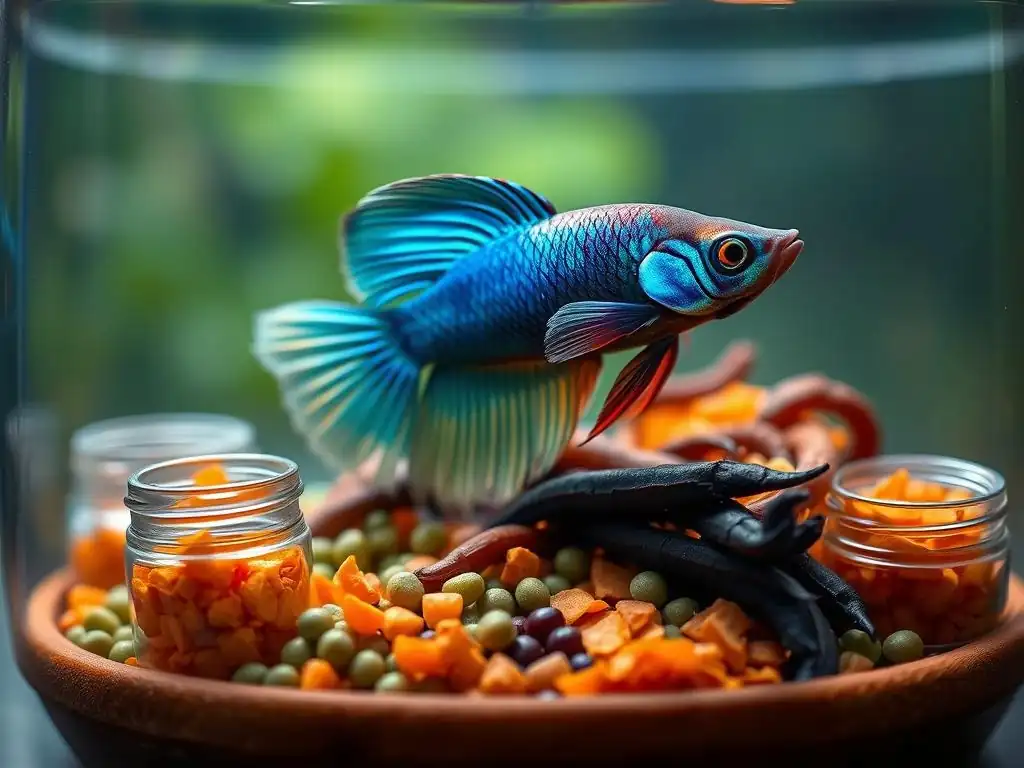
Selecting the appropriate storage containers is the first and most critical step in preserving the quality of your fish food. The ideal container should be made of food-grade material, such as glass or opaque plastic, and must be genuinely airtight. Airtight seals are crucial to prevent the ingress of moisture, which leads to mold growth and clumping, and to block oxygen, which causes fats to become rancid and vitamins to degrade. A container that "feels" sealed but isn't truly airtight will still allow air exchange over time.
Opaque containers are equally important because they block light, especially harmful UV rays, from reaching the food. Light exposure can rapidly destroy light-sensitive vitamins (like Vitamin A and C) and pigments (carotenoids) essential for fish health and vibrant coloration. For practical fresh fish food storage, consider using small, dark, screw-top jars for your daily portion, and a larger, completely opaque, airtight bin for the bulk supply. This two-tiered approach minimizes the exposure of the main food supply to environmental elements during frequent feeding.
Ideal Storage Locations: Temperature and Humidity Control
The location where you store your fish food significantly impacts its longevity and nutritional integrity. The optimal environment is cool, dark, and dry. Aim for a consistent temperature range, ideally between 10-20°C (50-68°F). Temperatures significantly above this range accelerate chemical degradation processes, such as fat oxidation and vitamin breakdown. Avoid storing food near heat sources like radiators, direct sunlight through windows, or even close to the aquarium lights, which can generate considerable heat.
Humidity control is equally vital. High humidity levels, often found in kitchens, laundry rooms, or bathrooms, can lead to moisture absorption by dry foods, promoting mold growth and nutrient loss. A dry pantry shelf, a dedicated cabinet in a cooler part of the house, or even a basement (provided it's dry and not prone to flooding) are generally suitable locations. The goal is to minimize exposure to fluctuating temperatures and high moisture, ensuring your fresh fish food storage remains effective and the food stays potent for longer.
Portioning Fish Food: Minimizing Exposure to the Elements
A common mistake aquarists make is repeatedly opening the main container of fish food several times a day for feeding. Each time the container is opened, the entire supply of food is exposed to ambient air, moisture, and light, accelerating its degradation. To combat this, a highly effective strategy for fresh fish food storage is to portion out a smaller, manageable amount of food for daily or weekly use into a separate, smaller, airtight dispenser.
For example, transfer a week's worth of flakes or pellets into a small, opaque, airtight container that you use for daily feedings. The bulk of your fish food can then remain sealed in its larger, primary storage container, only being opened periodically (e.g., once a week or every two weeks) to replenish the smaller dispenser. This significantly reduces the overall exposure of the main food supply to environmental factors, preserving its freshness and nutritional value over a much longer period.
Labeling and Dating: Tracking Food Age
Accurate labeling and dating of your fish food are simple yet incredibly effective practices for maintaining optimal fresh fish food storage and ensuring your fish receive the freshest possible nutrition. Upon purchasing a new container of food, immediately write the purchase date on the packaging with a permanent marker. If the product has a "best by" or expiration date, also note this clearly. Even more importantly, once you open a package, write down the date it was opened.
This detailed labeling system allows you to easily track the age of your food and adhere to the "First-In, First-Out" (FIFO) principle, ensuring you use older stock before newer stock. Dry fish flakes, for instance, typically retain their peak nutritional value for about 6-12 months after opening, while pellets might last a bit longer. By knowing precisely when the food was opened, you can avoid feeding degraded or nutritionally compromised food, thereby safeguarding the health and well-being of your aquatic pets.
Different Types of Fish Food and Their Specific Storage Needs
Dry Fish Food Storage: Flakes, Pellets, and Freeze-Dried Options
Dry fish foods, encompassing flakes, pellets, and freeze-dried varieties, represent the most common forms of aquarium nutrition and, as such, require meticulous fresh fish food storage practices. While the overarching principles of cool, dark, and dry storage in airtight containers apply to all of them, their physical forms dictate subtle differences in their vulnerability to degradation. Flakes, with their large surface area, are most susceptible to oxidation and moisture absorption, necessitating stringent sealing.
Pellets, being denser and having a smaller surface-to-volume ratio, offer slightly better resistance to rapid spoilage but still demand rigorous airtight storage to prevent rancidity and nutrient loss. Freeze-dried foods, having minimal moisture content, are less prone to microbial growth but are highly hygroscopic, meaning they readily absorb moisture from the air, which can quickly degrade their quality. Understanding these nuances is key to optimizing fresh fish food storage for each dry food type.
Proper Storage of Fish Flakes to Maintain Nutritional Value
Fish flakes are perhaps the most popular type of dry fish food, but their thin, airy structure makes them highly susceptible to degradation. Their large surface area exposes more of the food to oxygen, accelerating lipid oxidation and vitamin breakdown. Furthermore, their porous nature allows them to readily absorb moisture from the air, leading to clumping and creating an environment ripe for mold and bacterial growth.
To maintain their nutritional value, flakes should be stored in small, airtight, and opaque containers immediately after purchase. Transferring them from their original, often flimsy, packaging into robust, sealed containers is crucial. For optimal fresh fish food storage, consider using a small, dark, screw-top jar for daily feeding portions, while keeping the bulk supply in a larger, dark, hermetically sealed container in a cool, dry pantry. This minimizes exposure and significantly prolongs their potency.
Best Practices for Storing Fish Pellets and Avoiding Degradation
Fish pellets, while denser and less prone to crumbling than flakes, still require diligent fresh fish food storage to prevent degradation. Their compact form offers some inherent protection against rapid oxidation compared to flakes, but they are still vulnerable to moisture absorption and the effects of air exposure over time. Nutrient loss, particularly of fat-soluble vitamins and essential fatty acids, remains a significant concern if not stored properly.
The best practice for storing fish pellets involves transferring them into high-quality, airtight containers made of opaque material. This prevents both oxygen ingress, which leads to rancidity, and light exposure, which degrades sensitive nutrients. Keeping them in a consistently cool and dry environment, ideally below 20°C (68°F), further slows down chemical degradation processes. Regular checks for any signs of clumping or off-odors are also advisable to ensure their continued quality.
Preserving Freeze-Dried Fish Food: Maximizing Shelf Life
Freeze-dried fish foods, such as bloodworms, brine shrimp, or tubifex worms, undergo a process that removes nearly all moisture, making them highly stable against bacterial and fungal growth. This low moisture content contributes to an exceptionally long shelf life, often several years, if stored correctly. However, their primary vulnerability lies in their extreme hygroscopic nature; they will rapidly absorb moisture from the surrounding air once exposed.
To preserve freeze-dried fish food and maximize its shelf life, it is paramount to keep it absolutely dry and protected from humidity. Always ensure the container is hermetically sealed immediately after each use. Storing them in a cool, dry place is essential. For added protection, some aquarists opt to place a food-grade desiccant packet (like silica gel) inside the container, ensuring it does not come into direct contact with the food, to absorb any residual moisture and maintain optimal fresh fish food storage conditions.
Frozen Fish Food Storage: Maintaining Quality and Preventing Thawing
Frozen fish foods, including popular options like brine shrimp, bloodworms, and mysis shrimp, offer excellent nutritional profiles very close to live foods. However, their quality and safety are entirely dependent on maintaining a consistently frozen state. They must be stored in a dedicated freezer compartment, ideally at or below -18°C (0°F), to halt enzymatic activity and microbial growth effectively.
The most critical aspect of fresh fish food storage for frozen varieties is preventing thawing and refreezing. Each thaw-freeze cycle damages the cellular structure of the food, leading to significant nutrient loss and an increased risk of bacterial contamination. For instance, repeated thawing can reduce the integrity of delicate proteins and fatty acids. Therefore, ensure the freezer door is tightly sealed, and avoid storing frozen food in areas of the freezer that experience frequent temperature fluctuations, such as near the door.
Storing Frozen Fish Food: Avoiding Freezer Burn and Nutrient Loss
Freezer burn is a common issue with frozen fish food, occurring when the food's surface is exposed to air within the freezer, leading to dehydration and oxidation. This manifests as dry, discolored patches (often white or grayish) and results in a loss of flavor, texture, and nutritional value. To prevent freezer burn, it is crucial to minimize air exposure. Keep frozen food in its original, sealed, freezer-safe packaging.
If the original packaging is not airtight or has been damaged, transfer the food to a heavy-duty freezer bag or an airtight, freezer-safe container. For large blocks of frozen food, consider portioning them into smaller, sealed bags before freezing. This allows you to remove only the amount needed for feeding, minimizing the exposure of the bulk supply to air each time you open the package, thus ensuring excellent fresh fish food storage.
Thawing Frozen Fish Food Safely: Preventing Bacterial Growth
Thawing frozen fish food safely is as important as its initial storage to prevent the proliferation of harmful bacteria that could be introduced into your aquarium. The cardinal rule is never to thaw frozen fish food at room temperature, as this provides an ideal environment for rapid bacterial growth within a short period. This practice can lead to serious health issues for your fish.
The safest and most recommended method is to thaw a small, single-serving portion of the frozen food in a cup of aquarium water or dechlorinated tap water immediately before feeding. This rapid thawing method minimizes the time the food spends in the "danger zone" where bacteria multiply quickly. Once thawed, any unused portion should be discarded immediately; never refreeze thawed food, as this further degrades its quality and increases bacterial risk. Adhering to these thawing guidelines is crucial for safe fresh fish food storage.
Live Fish Food Storage: Short-Term Solutions for Maximum Nutrition
Live fish foods, such as brine shrimp, daphnia, microworms, and blackworms, offer unparalleled nutritional benefits due to their high protein content and natural digestibility. However, their "storage" is essentially about maintaining their viability and health until consumption, making it a short-term solution focused on culturing or temporary holding rather than preservation. The goal is to keep them alive and active to deliver maximum nutritional impact.
For most live foods, this involves replicating their natural environment as closely as possible. This includes providing appropriate water conditions (temperature, salinity for marine live foods), adequate aeration, and often, a suitable food source for the culture itself. For instance, maintaining a daphnia culture requires feeding them green water or yeast solution. The continuous provision of a healthy, active live food source is the ultimate form of fresh fish food storage, ensuring your fish receive the most potent nutrition available.
Maintaining Live Fish Food Cultures: Tips for Maintaining Quality
Maintaining live fish food cultures, such as daphnia or microworms, involves consistent care to ensure a continuous supply of high-quality, nutritious food. The key aspects include providing a suitable environment, consistent feeding of the culture, and regular maintenance. For daphnia, this means culturing them in a container with dechlorinated, aged water, feeding them green water (algae) or a diluted yeast solution, and ensuring adequate indirect light. Overfeeding the culture should be avoided, as it can lead to water quality issues.
Periodic maintenance, such as siphoning off detritus from the bottom of the culture vessel and performing small water changes, helps prevent the buildup of ammonia and other waste products that can harm the culture. Monitoring the culture for signs of stress or decline, such as reduced reproduction or lethargy, allows for timely intervention. A well-maintained culture will reproduce robustly, providing a steady stream of active, healthy live food, which is the pinnacle of fresh fish food storage for maximum nutritional benefit.
Culturing Daphnia: A Guide to Live Food Storage
Culturing Daphnia, often referred to as water fleas, is a popular method for providing a continuous supply of highly nutritious live food for many small to medium-sized fish. To "store" Daphnia, you essentially maintain a thriving culture. A simple setup involves a clear container, such as a 5-gallon bucket or a small aquarium, filled with dechlorinated or aged tap water. Daphnia thrive in temperatures between 20-25°C (68-77°F) and prefer indirect light, which encourages the growth of the green algae they feed on.
Their diet typically consists of green water (algae), spirulina powder, or a very dilute solution of baker's yeast. Feed sparingly to avoid fouling the water. Harvest daphnia using a fine-mesh net as needed, and perform small, regular water changes (e.g., 10-20% weekly) to maintain water quality and prevent the buildup of waste. A healthy daphnia culture can be a self-sustaining source of nutrient-rich, fresh fish food storage, providing an excellent supplement to your fish's diet.
Identifying Spoiled Fish Food: Signs to Watch Out For
Visual Cues: Changes in Color and Texture
The most immediate indicators of spoiled fish food are often visual. Fresh dry flakes should have a vibrant, consistent color, typically reflecting the ingredients, and a crisp, airy texture. If you notice discoloration, such as flakes turning darker, developing white or green fuzzy patches (a clear sign of mold), or appearing faded, it's time to discard them. Pellets might look powdery, develop white spots, or lose their uniform color.
Texture changes are also significant. Dry food that has absorbed moisture will become clumpy, stick together, or feel excessively soft and pliable rather than firm. This indicates moisture ingress, which accelerates spoilage. For frozen foods, look for excessive ice crystals, which can indicate thawing and refreezing, or large areas of white discoloration, which is a sign of freezer burn. Any of these visual cues suggest that your fresh fish food storage has failed and the food's quality is compromised.
Smell Test: Detecting Rancidity and Mold
While visual cues are important, the smell test is often the most definitive way to identify spoiled fish food, especially for detecting rancidity or early mold growth. Fresh fish food should have a mild, pleasant "fishy" or earthy aroma, or sometimes a slight algal smell, depending on its composition. It should never smell strong or offensive.
A distinct, unpleasant odor is a strong indicator of degradation. A smell akin to stale oil, old crayons, or even paint thinner signifies that the fats in the food have oxidized and become rancid. This rancid smell is a clear sign that the food has lost significant nutritional value and can be harmful to fish.
A musty, moldy, sour, or putrid smell indicates bacterial or fungal growth, making the food entirely unsuitable for consumption. Trust your nose: if it smells "off" in any way, err on the side of caution and discard it, reinforcing the need for diligent fresh fish food storage.
Fish Behavior: Reduced Appetite and Poor Health Indicators
Sometimes, the first sign of degraded fish food comes not from the food itself, but from the fish's reaction to it. If your fish, who usually eagerly consume their meals, suddenly become finicky, show a reduced appetite, or spit out the food after taking it, the food might be stale or unpalatable. Fish are often more sensitive to the taste and smell of spoiled food than humans.
Long-term feeding of nutritionally deficient or contaminated food can lead to more serious health issues. You might observe signs such as lethargy, faded coloration, clamped fins, digestive upset (e.g., bloating or stringy white feces), or an increased susceptibility to common aquarium diseases. If these symptoms appear without other obvious causes, it's crucial to examine your fresh fish food storage practices and the quality of the food you are offering. Promptly replacing old food can often resolve these issues before they escalate.
Extending Fish Food Shelf Life: Tips and Tricks
Using Desiccants: Absorbing Moisture and Preventing Clumping
Desiccants are substances that absorb moisture from the air, and they can be a valuable tool in extending the shelf life of dry fish food, particularly in humid environments. Food-grade silica gel packets or oxygen absorbers can be placed inside larger, airtight containers of dry fish food (ensuring they do not come into direct contact with the food itself). Their primary function is to capture any residual moisture or oxygen within the container, preventing clumping, mold growth, and oxidation.
These small packets are especially beneficial for bulk quantities of food that are not consumed quickly or for those living in regions with consistently high humidity. By actively reducing the internal moisture content, desiccants help maintain the food's dry, free-flowing consistency and significantly slow down the degradation processes that lead to spoilage. Always ensure any desiccant used is specifically labeled as "food safe" to avoid introducing harmful chemicals. This is a proactive step for advanced fresh fish food storage.
Vacuum Sealing: Removing Air and Preventing Oxidation
Vacuum sealing is one of the most effective methods for extending the shelf life of dry fish food by dramatically reducing its exposure to oxygen, the primary driver of fat oxidation and vitamin degradation. By removing the air from the packaging, you create an anaerobic environment that significantly slows down spoilage processes, preserving the food's nutritional integrity for much longer periods than conventional storage.
This method is particularly useful for purchasing larger quantities of fish food in bulk, allowing you to portion it into smaller, vacuum-sealed bags. Once a vacuum-sealed bag is opened for use, the remaining food should be transferred to a standard airtight container for daily access. While it requires an initial investment in a vacuum sealer, the extended freshness and reduced waste make it a worthwhile consideration for serious aquarists committed to optimal fresh fish food storage.
Refrigeration: Slowing Down Decomposition (When Appropriate)
Refrigeration, typically at temperatures around 4°C (40°F), can slow down the rate of most chemical and biological degradation processes in fish food. For certain specialized foods, like liquid vitamin supplements, opened jars of gel food, or some live food cultures, refrigeration is explicitly recommended or even necessary. The cooler temperatures inhibit the growth of many bacteria and molds, and slow down the oxidation of fats and breakdown of vitamins.
However, refrigeration is not universally recommended for all dry fish foods due to a significant drawback: the high humidity typically found inside refrigerators. Opening a cold container of dry food in a warmer room causes condensation to form inside, introducing moisture directly to the food. This moisture can negate the benefits of the cold, promoting mold growth and clumping. Therefore, if you choose to refrigerate dry food, it must be in a truly hermetically sealed, airtight container to prevent any moisture ingress. This nuanced approach to fresh fish food storage is crucial.
Debunking Common Myths About Fish Food Storage
Myth: Fish Food Never Expires
This is a widespread and dangerous misconception among aquarists. While dry fish food may not "spoil" in the same visible way as fresh produce, its nutritional value degrades significantly over time, even if the package remains unopened. The fats oxidize, leading to rancidity, and vital vitamins (especially heat-sensitive ones like Vitamin C and B complex) break down. Most manufacturers provide a "best by" date for a reason, indicating the period during which the food retains its peak nutritional potency.
Once a package of dry fish food is opened, its shelf life dramatically shortens, typically to 6-12 months for flakes and pellets. Beyond this period, the food may appear visually acceptable but provides little nutritional benefit and can even be detrimental. Feeding fish nutritionally deficient food can lead to health problems over time, such as poor growth, faded colors, and a weakened immune system. Therefore, always prioritize fresh fish food storage and respect expiration dates to ensure your fish receive proper nutrition.
Myth: Storing Fish Food in the Refrigerator is Always Best
This myth is perpetuated by the general understanding that cold temperatures preserve food, but it overlooks a critical environmental factor: humidity. While refrigeration (around 4°C or 40°F) does slow down chemical degradation, refrigerators are inherently humid environments. When a cold container of dry fish food is taken out of the refrigerator and exposed to warmer room air, condensation forms inside the container.
This condensation introduces moisture directly to the dry food, creating pockets of dampness that are ideal breeding grounds for mold and bacteria, and leading to clumping. Unless the dry food is stored in a truly hermetically sealed and completely airtight container that prevents any moisture exchange, refrigeration can actually accelerate spoilage for many dry fish foods. For most flakes and pellets, a cool, dark, dry pantry is a far better option for fresh fish food storage than a refrigerator, which is only consistently beneficial for frozen foods or specific liquid supplements.
Myth: You Can Judge Fish Food Quality by Appearance Alone
While visual cues like mold, extreme discoloration, or clumping are indeed clear indicators of spoiled fish food, relying solely on appearance to assess quality is a significant oversight. Fish food can appear perfectly normal and even smell acceptable, yet have undergone substantial nutritional degradation. For instance, the oxidation of essential fatty acids and the breakdown of sensitive vitamins often occur without any immediate visible changes to the food.
The loss of critical nutrients, such as Omega-3s or Vitamin C, can render the food nutritionally deficient, even if it looks fine. This means your fish could be eating "empty calories" or missing out on vital components for their health, leading to deficiencies over time that are not immediately attributable to the food. A comprehensive approach to assessing food quality involves considering its appearance, smell, the fish's reaction to it, and, most importantly, adhering strictly to proper fresh fish food storage guidelines and expiration dates.
Maintaining a Fish Food Inventory: Ordering and Usage
Calculating Fish Food Needs: Avoiding Overstocking
Effective fresh fish food storage begins with smart purchasing. Overstocking fish food is a common mistake that often leads to waste and the eventual feeding of stale, nutritionally compromised food. To avoid this, it's crucial to estimate your fish's consumption rate. For a small community tank, a 100g container of flakes might last 2-3 months, while a larger, heavily stocked cichlid tank might consume a 500g container of pellets in a similar timeframe.
Calculate how much food your tank typically consumes within a reasonable period, and purchase quantities that can be used up within the recommended shelf life after opening, generally 6-12 months for most dry foods. Buying smaller quantities more frequently is often preferable to buying large bulk containers that sit for extended periods, risking degradation. This proactive approach to inventory management ensures you always have fresh, potent food on hand without unnecessary waste.
Rotating Fish Food Stock: First-In, First-Out (FIFO) Method
The "First-In, First-Out" (FIFO) method is a cornerstone of efficient fresh fish food storage and inventory management. This principle dictates that you should always use your oldest fish food stock before opening and using newer purchases. When you acquire a new container of fish food, place it behind or beneath the existing stock in your storage area.
This simple rotation strategy ensures that food is consumed within its peak freshness window, preventing older food from sitting unused and degrading beyond its optimal nutritional value. By consistently applying the FIFO method, you minimize waste, reduce the likelihood of feeding stale food, and guarantee that your fish consistently receive the most potent and beneficial nutrition available. It's a fundamental practice for any aquarist serious about their fish's health.
Managing Food Variety: A Feeding Schedule Example
While proper fresh fish food storage for individual food types is important, managing a variety of foods is equally crucial for comprehensive fish nutrition. Different food formulations offer varying nutrient profiles, and a diverse diet helps ensure all nutritional needs are met, preventing deficiencies and promoting robust health. Instead of buying a single large container of one food type, consider purchasing smaller containers of 2-3 different high-quality foods.
For example, a feeding schedule could involve:
- Monday, Wednesday, Friday: A high-quality flake food providing general nutrition.
- Tuesday, Thursday: A small pellet food, often denser in protein and specific nutrients, for variety.
- Saturday, Sunday: A freeze-dried treat (e.g., bloodworms or brine shrimp) or occasional frozen food for enrichment and targeted nutrition.
This approach ensures a balanced diet while still allowing you to consume each food type within its optimal shelf life. By rotating foods, you provide a broader spectrum of nutrients, enhance palatability, and maintain the excitement of feeding time for your fish, all while adhering to excellent fresh fish food storage practices.
Frequently Asked Questions
What is the best way to store fresh fish food to maintain its nutritional value?
The best way is to use airtight containers in a cool, dark place. This helps prevent oxidation and degradation of nutrients.
How long can I safely store fresh fish food in the refrigerator?
Generally, fresh fish food can be stored in the refrigerator for 3-5 days. Always check for spoilage signs before feeding.
Can I freeze fresh fish food, and if so, how does that impact its quality?
Yes, freezing extends shelf life, but can slightly impact texture. Freeze in small portions to avoid thawing and refreezing.
What are the signs that fresh fish food has gone bad and should not be fed to my fish?
Signs include foul odor, discoloration, or mold. Also, a slimy texture indicates spoilage.
Does the type of container matter for storing fresh fish food?
Yes, airtight containers are crucial. Avoid containers that leach chemicals or allow air exposure.
Final Reflection: Preserving the Essence of Aquatic Life
The journey to understanding fresh fish food storage is more than just a technical exercise; it's a commitment to the well-being of our aquatic companions. The principles we've explored, from airtight containers to temperature control, are not merely guidelines, but essential practices that directly impact the vitality and longevity of the fish we cherish. By prioritizing proper storage, we ensure that every feeding is a source of nourishment and not a potential hazard.
This dedication to preserving the quality of fish food reflects a deeper appreciation for the delicate balance of aquatic ecosystems. It's a reminder that even the smallest details, like how we store fish food, contribute to the overall health and happiness of our underwater worlds. The care of one fish may not change the world, but for that one fish, the world changes forever.
This quote encapsulates the profound impact we can have on individual lives through mindful actions.
Now, as you close this article, consider how you can translate these principles into your own aquariums. Take a moment to evaluate your current storage practices and identify areas for improvement. Embrace the responsibility of providing the best possible care for your fish, knowing that your efforts will be rewarded with vibrant colors, playful behaviors, and a thriving aquatic environment. Let's all strive to be conscientious custodians of these delicate ecosystems, one carefully stored flake at a time.
Unleash the Full Potential of Your Fish Food!
Thank you for diving deep into the world of fish food storage with us! Now that you're equipped with the knowledge to keep your aquatic friends happy and healthy, it's time to put that knowledge into action.
Here are a few ways to maximize the benefits for your finned companions:
- Immediately implement a new storage routine using the tips provided, and observe the impact on your fish's vitality. A good start is to transfer open fish food to an airtight container.
- Experiment with storing smaller portions in the fridge and compare the results with room temperature storage. What works best for your fish and their food?
- Share your newfound wisdom! Post a picture of your improved fish food storage setup on social media using #AquariumMastery, and inspire others to elevate their aquarium keeping.
What surprising difference have you already noticed since improving your fish food storage practices?