
Identifying Different Lionfish Species: A Visual Guide for Aquarists

Welcome to Aquarium Mastery!
Ever been captivated by the striking beauty of a lionfish but struggled to tell one species from another? You're not alone! Our comprehensive Lionfish Species Identification Guide is here to help. Dive in and unlock the secrets to distinguishing these fascinating creatures, ensuring you can confidently identify and appreciate the diverse world of lionfish. Ready to become a lionfish identification expert? Let's get started!
- Identifying Lionfish Species: A Visual Guide for Aquarists
- Introduction to Lionfish Species Identification for Aquarium Keepers
- Understanding Lionfish Morphology: Key Features for Identification
- Common Lionfish Species: A Visual Identification Guide
- Lionfish Identification by Geographic Region: A Helpful Tool
- Advanced Lionfish Identification Techniques
- Lionfish Identification Challenges and Potential Pitfalls
- Lionfish Care Considerations Based on Species Identification
- Conclusion: Mastering Lionfish Species Identification for Aquarium Success
-
Frequently Asked Questions
- How can I differentiate between a Volitan lionfish and a Radiata lionfish?
- What are the key characteristics to look for in a juvenile lionfish to aid in species identification?
- Is it possible to identify lionfish species based solely on their size?
- What are the potential dangers of misidentifying a lionfish species in an aquarium setting?
- Where can I find more detailed information and high-resolution images to assist with lionfish species identification?
- Final Reflection: Unveiling the Beauty and Responsibility
- Dive Deeper: Become a Lionfish Identification Expert!
Identifying Lionfish Species: A Visual Guide for Aquarists
Introduction to Lionfish Species Identification for Aquarium Keepers
Why Accurate Lionfish ID Matters for Your Saltwater Tank
Accurate lionfish species identification is paramount for the safety of both the aquarist and the fish, as well as for the overall health of the aquarium ecosystem. Lionfish possess venomous dorsal, pelvic, and anal spines, and misidentification can lead to improper handling, resulting in painful stings that typically cause localized pain, swelling, and redness, though severe reactions are rare. Furthermore, each lionfish species has unique care requirements, and failing to correctly identify a species can lead to inappropriate tank conditions, inadequate diet, or incompatible tank mates, directly impacting the lionfish's well-being and longevity in captivity.
Beyond immediate care, precise lionfish identification plays a critical role in ethical aquarium keeping and conservation, particularly concerning invasive species. The Red Lionfish ( Pterois volitans) and Devil Firefish ( Pterois miles) are well-known invaders in the Atlantic Ocean, causing significant ecological damage. Aquarists who can accurately identify these species can ensure they are not inadvertently contributing to the problem through improper disposal or release, reinforcing responsible practices within the hobby. A robust lionfish species identification guide helps prevent such ecological missteps.
The Importance of Lionfish Species Knowledge in Aquarium Care
Comprehensive knowledge of specific lionfish species directly influences critical aspects of aquarium care, from initial tank setup to long-term maintenance. For instance, the adult size of a Pterois volitans can exceed 18 inches (45 cm), necessitating a tank of at least 125-180 gallons (470-680 liters) to provide adequate swimming space and minimize aggression. In contrast, a dwarf species like Dendrochirus biocellatus typically reaches only 5 inches (13 cm), thriving in a 30-50 gallon (113-190 liter) aquarium. Understanding these size differences through accurate lionfish species identification prevents overcrowding and stress.
Furthermore, dietary requirements vary among lionfish species, impacting feeding protocols. Larger Pterois species consume sizable prey such as silversides or shrimp a few times a week, while smaller Dendrochirus species require more frequent feedings of smaller items like mysis shrimp or chopped krill. Knowing the precise lionfish species allows aquarists to tailor feeding regimens, ensuring optimal nutrition and preventing issues like malnutrition or obesity. This detailed species knowledge is fundamental to providing a thriving environment and is a core component of any effective lionfish species identification guide.
Understanding Lionfish Morphology: Key Features for Identification
Lionfish Fin Identification: Spines, Rays, and Markings
The fins of lionfish are perhaps their most striking and informative features for lionfish species identification. All lionfish possess venomous spines in their dorsal, pelvic, and anal fins, which are used for defense. The number of these spines (typically 13 dorsal, 3 anal, 2 pelvic) is generally consistent across species, but their length and the overall presentation can vary.
More critically, the soft rays in the dorsal, anal, and pectoral fins, along with specific markings on these fins, offer crucial diagnostic clues. For example, the pectoral fins are often elaborate and fan-like, with distinct patterns that differ between Pterois and Dendrochirus genera.
Beyond the basic structure, the patterns and coloration on the fins are vital for distinguishing species. Many lionfish exhibit intricate banding, spotting, or reticulated patterns on their fins. The Dendrochirus zebra, for instance, is named for the distinctive dark bands that run across its rounded pectoral fins and other fins. Similarly, the presence or absence of ocelli (eye-spots) on the fins, such as those prominently displayed on the dorsal fin of Dendrochirus biocellatus, serves as a definitive marker for lionfish species identification. Careful observation of these fin details is indispensable for accurate identification.
Body Shape and Coloration Variations in Lionfish Species
While lionfish share a generally elongated and somewhat compressed body shape, subtle variations in their overall silhouette and proportions can aid in lionfish species identification. Pterois species, such as Pterois volitans and Pterois miles, tend to be more robust and can grow significantly larger, with a more streamlined predatory profile. In contrast, Dendrochirus species, often referred to as dwarf lionfish, are typically smaller, with a more compact body and often a less elongated appearance, adapting to their preference for hiding in crevices.
Coloration and body patterns are among the most immediate visual cues for lionfish identification. Many species display a striking array of vertical bands, spots, or mottled patterns designed for camouflage or warning. The Pterois volitans is characterized by prominent reddish-brown to maroon vertical stripes, while the Dendrochirus biocellatus exhibits a more mottled brown and tan pattern. It is important to note that coloration can vary with the fish's mood, age, and even specific geographic location, but the fundamental patterning usually remains consistent enough to serve as a reliable guide for lionfish species identification.
Head and Facial Features: Distinguishing Characteristics of Lionfish
The head and facial features of lionfish provide a wealth of unique characteristics for precise lionfish species identification. One of the most prominent features is the presence and morphology of supraorbital tentacles, which are fleshy appendages located above the eyes. Pterois volitans typically exhibits long, often branched, supraorbital tentacles, while Pterois miles may have shorter, unbranched ones, or even just small fleshy flaps. The presence or absence and specific shape of these tentacles are often key distinguishing points.
Further examination of the head reveals additional diagnostic features. The presence and pattern of dermal flaps or cirri around the mouth, chin, and eyes can be species-specific. For example, the Dendrochirus biocellatus, also known as the Fu Manchu Lionfish, is named for its distinctive, often branched, fleshy cirri around its chin and mouth, giving it a "bearded" appearance. Markings around the eyes and on the snout, such as stripes or spots, also contribute to the overall facial signature that helps in the accurate lionfish species identification process.
Common Lionfish Species: A Visual Identification Guide
Pterois volitans (Red Lionfish) Identification: Characteristics and Habitat
Pterois volitans, commonly known as the Red Lionfish, is one of the most widely recognized and largest lionfish species, frequently reaching lengths of 15 to 18 inches (38-45 cm) in captive environments, with wild specimens occasionally exceeding 20 inches (50 cm). Its native range spans the vast Indo-Pacific, extending from Western Australia across Southeast Asia to Japan and the South Pacific islands. This species is also notable for its significant invasive presence in the Western Atlantic Ocean, Caribbean Sea, and Gulf of Mexico, where it has established thriving populations.
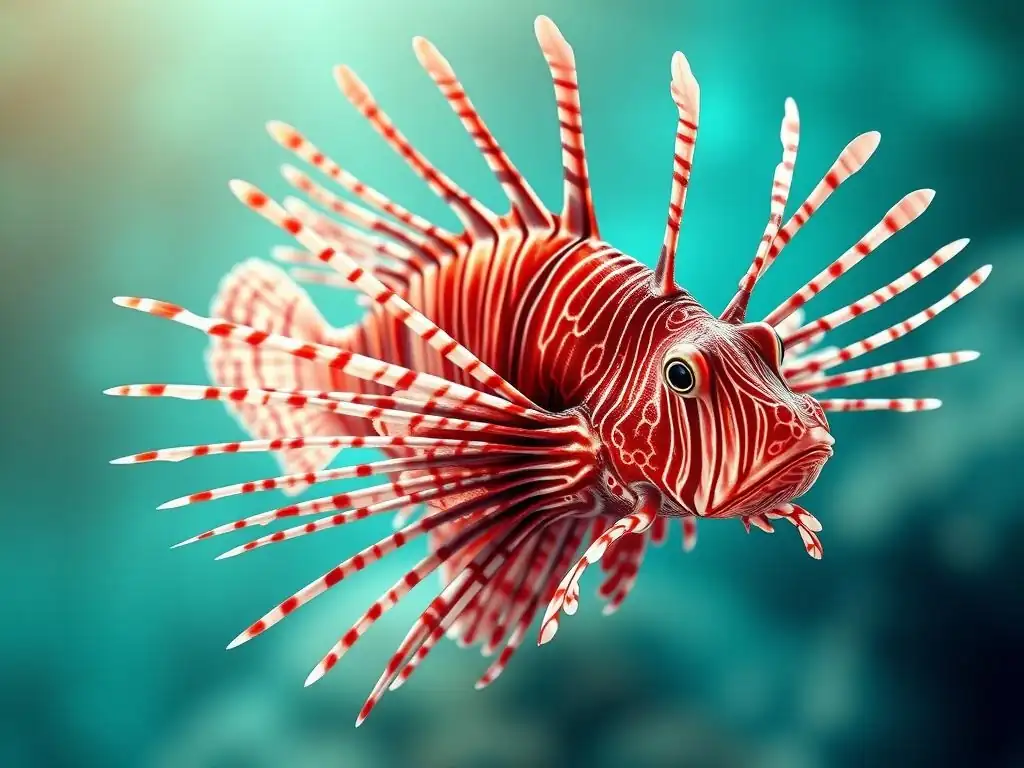
Visually, the Red Lionfish is characterized by its robust body and extraordinarily elaborate, fan-like pectoral fins that spread out majestically. Its coloration typically features prominent reddish-brown or maroon vertical stripes set against a cream or white background, creating a striking contrast. A key characteristic for lionfish species identification is the presence of long, often branched, supraorbital tentacles positioned above each eye, along with distinctively mottled or banded patterns on its dorsal and anal fins.
Red Lionfish Color Patterns and Fin Structure
The color patterns of the Red Lionfish ( Pterois volitans) are a primary visual cue for its lionfish species identification. Its body is adorned with numerous, broad, vertical stripes that alternate between dark reddish-brown or maroon and lighter cream or white bands. These stripes extend across the body and onto the dorsal and anal fins, creating a complex, reticulated pattern. The caudal fin (tail fin) often exhibits a mottled appearance or faint banding, which can differentiate it from closely related species.
In terms of fin structure, Pterois volitans possesses 13 venomous dorsal spines, followed by 10-11 dorsal soft rays. It also has 3 anal spines and 6-7 anal soft rays. The pectoral fins are exceptionally large, semi-transparent, and feather-like, often displaying subtle spotting or banding near their base. The elongated dorsal and pectoral fin rays contribute to its dramatic, flowing appearance, making it a distinctly recognizable species within any lionfish species identification guide.
Distinguishing Pterois volitans from Other Lionfish
The most common challenge in lionfish species identification for Pterois volitans is differentiating it from its close relative, Pterois miles (Devil Firefish). A critical distinguishing feature lies in the number of dorsal fin soft rays: P. volitans typically exhibits 10-11 soft rays, whereas P. miles generally has 9-10. While this requires careful observation, it is a reliable meristic count. Furthermore, the supraorbital tentacles of P. volitans are usually longer and more distinctly branched compared to the shorter, less branched tentacles often seen on P. miles.
Another subtle yet helpful distinction for lionfish species identification involves the caudal fin. P. volitans frequently displays a more intricate, reticulated pattern or small dark spots on its caudal fin, which are typically less pronounced or entirely absent in P. miles. The overall body coloration of P. volitans also tends to be a richer red or maroon, often with more intricate banding, contrasting with the more brownish or subdued tones often found in P. miles.
Pterois miles (Devil Firefish) Identification: Key Differences
Pterois miles, commonly known as the Devil Firefish or Common Lionfish, is frequently confused with Pterois volitans due to their similar appearances. This species is predominantly native to the Indian Ocean, with its range extending from the Red Sea and East Africa to parts of Indonesia. Like P. volitans, P. miles has also established itself as an invasive species in the Atlantic Ocean, largely due to releases from the aquarium trade. It generally reaches a slightly smaller maximum size than P. volitans, typically around 12-14 inches (30-35 cm) in captivity.
The Devil Firefish shares the robust body shape and prominent, fan-like fins characteristic of the Pterois genus. However, subtle differences in coloration and fin features are crucial for lionfish species identification. Its overall body color often leans towards a darker brownish-red or maroon, with less vibrant white or cream banding compared to P. volitans. Its supraorbital tentacles are typically shorter and less branched, sometimes appearing as simple, fleshy flaps, which can be a key visual identifier.
Devil Firefish vs. Red Lionfish: A Comparative Analysis
The most reliable method for lionfish species identification between Pterois miles and Pterois volitans, aside from genetic analysis, is counting the soft rays in the dorsal fin. P. miles consistently possesses 9-10 dorsal soft rays, a crucial distinction from the 10-11 soft rays typically found in P. volitans. This meristic count is a cornerstone for accurate differentiation in any comprehensive lionfish species identification guide.
Visually, Pterois miles tends to have fewer, wider dark bands on its body compared to the more numerous and intricate banding of Pterois volitans. The caudal fin of P. miles is usually clear or exhibits only very faint, indistinct markings, generally lacking the prominent spots or reticulations often observed on P. volitans. While both species have large, fan-like pectoral fins, those of P. miles may appear slightly less elaborate in their patterning compared to the often more detailed markings on P. volitans.
Identifying Pterois miles Through Fin and Body Markings
For lionfish species identification of Pterois miles, careful attention to its body and fin markings is essential. The vertical dark bands on its body are typically broader and less numerous than those of Pterois volitans, often appearing as 5-6 distinct bands across the main body. These bands are usually a darker brown or maroon, and the lighter inter-band areas may not be as starkly white or cream as seen in P. volitans.
The fins also provide important clues. While the pectoral fins are large and fan-like, they often display fewer distinct spots or intricate patterns compared to Pterois volitans. The dorsal and anal fins will still exhibit banding, but it might be less elaborate or more diffused. Ultimately, the combination of a generally darker, less intricately banded appearance, shorter supraorbital tentacles, and the definitive dorsal soft ray count are the most reliable indicators for accurate Pterois miles lionfish species identification.
Dendrochirus zebra (Dwarf Lionfish/Zebra Lionfish) Identification
Dendrochirus zebra, commonly known as the Zebra Lionfish or Dwarf Zebra Lionfish, is a significantly smaller species than the Pterois lionfish, making it a popular choice for aquarists with more modest tank sizes. This species typically reaches a maximum size of only about 7-8 inches (18-20 cm) in length. Its native range is widespread across the Indo-Pacific, from the Red Sea and East Africa to Fiji and the Great Barrier Reef, where it inhabits shallow reef environments and rubble zones.
The Zebra Lionfish is instantly recognizable by its distinctive appearance, which gives it its common name. It features numerous, narrow, and often wavy dark bands (usually black or dark brown) that alternate with lighter bands (white or yellowish) across its entire body and fins. Unlike the elongated, feather-like pectoral fins of Pterois species, Dendrochirus zebra possesses more rounded, fan-shaped pectoral fins with prominent, often dark-banded rays. This unique banding pattern is a definitive feature for lionfish species identification.
Zebra Lionfish Size and Distinctive Striping Patterns
The smaller adult size of Dendrochirus zebra is a primary distinguishing factor for lionfish species identification, immediately setting it apart from the larger Pterois species. While juvenile Pterois can be small, their body proportions and developing fin structures hint at their eventual larger stature. An adult Zebra Lionfish rarely exceeds 8 inches, solidifying its status as a true dwarf lionfish, a key consideration for aquarists.
The striping pattern of the Zebra Lionfish is perhaps its most defining visual characteristic. The bands are remarkably numerous, narrow, and closely spaced, often appearing somewhat irregular or wavy, covering the entire body, dorsal, anal, and caudal fins. Critically, these distinct dark bands also extend prominently onto the rays of its broad, rounded pectoral fins, creating a visually striking "zebra" effect. This intricate and widespread banding is unique among lionfish and serves as a reliable visual cue for lionfish species identification.
Identifying Dendrochirus zebra Based on Fin Ray Count
For precise lionfish species identification, particularly when distinguishing Dendrochirus zebra from other dwarf lionfish, fin ray counts are invaluable. This species typically possesses 13 dorsal spines, followed by 9-10 dorsal soft rays. In its anal fin, it usually has 3 spines and 5-6 soft rays. While its size and distinctive striping are strong visual indicators, these meristic counts provide definitive confirmation for accurate identification.
The pectoral fins of Dendrochirus zebra are also highly distinctive and aid in lionfish species identification. They are broad and rounded, typically supported by 17-18 unbranched rays. These rays often have visible dark bands running perpendicularly across them, further enhancing the zebra-like appearance that gives the species its name. This combination of small adult size, dense wavy striping, and specific fin ray counts makes Dendrochirus zebra relatively straightforward to identify for experienced aquarists.
Dendrochirus biocellatus (Ocellated Lionfish) Identification
Dendrochirus biocellatus, commonly known as the Ocellated Lionfish or Fu Manchu Lionfish, is one of the smallest lionfish species available to aquarists, typically reaching a maximum size of only about 5 inches (13 cm). Its native habitat is the Indo-Pacific, where it prefers to reside in rocky crevices, rubble zones, and under ledges in shallow coastal waters, often blending seamlessly with its surroundings due to its camouflage.
The most striking and definitive feature for lionfish species identification of the Ocellated Lionfish is the presence of two prominent, dark ocelli (eye-spots), usually edged in white or yellow, located on the posterior part of its dorsal fin, near the caudal peduncle. Its body coloration is generally mottled brown, tan, and white, providing excellent camouflage against rocky substrates, and it conspicuously lacks the bold stripes seen in many other lionfish species. It also often exhibits distinctive fleshy cirri (tentacles) above its eyes and on its chin, which are often branched, contributing to its "Fu Manchu" moniker.
Ocellated Lionfish Unique Markings and Fin Structure
The defining characteristic for lionfish species identification of Dendrochirus biocellatus is undeniably the pair of large, distinct ocelli on its dorsal fin. These ocelli are typically black with a contrasting white or yellow ring, serving as a "false eye" to deter potential predators. No other lionfish species consistently displays such prominent and specifically located ocelli, making this an unmistakable visual cue for identification.
Beyond the ocelli, the Ocellated Lionfish's fin structure also provides clues. Its pectoral fins are less elaborate and more rounded than those of the Pterois species, often displaying a mottled pattern rather than stripes or spots. It typically has 13 dorsal spines and 9-10 dorsal soft rays, and 3 anal spines with 5-6 anal soft rays. The distinctive branched dermal cirri on its head and chin further contribute to its unique appearance, aiding in its precise lionfish species identification.
Identifying Dendrochirus biocellatus Based on Ocelli
The presence and specific location of the two prominent ocelli on the dorsal fin are the most reliable visual markers for accurate lionfish species identification of Dendrochirus biocellatus. These eye-spots are typically quite large in proportion to the fish's overall body size, making them highly conspicuous. When observing a potential Ocellated Lionfish, the primary focus should be on confirming these distinct markings.
While other fish species might possess eye-spots, the precise pairing and placement on the posterior dorsal fin of this dwarf lionfish are unique to Dendrochirus biocellatus. Combined with its small adult size (generally under 5 inches) and its mottled, camouflaged body pattern that lacks prominent banding, these ocelli provide a definitive means for lionfish species identification. This ensures aquarists can confidently distinguish this fascinating, smaller species from its larger, striped relatives.
Lionfish Identification by Geographic Region: A Helpful Tool
Identifying Lionfish Native to the Indo-Pacific Region
The Indo-Pacific region, a vast marine area stretching from the Red Sea and East Africa across the Indian Ocean to the central Pacific, is the native epicenter for the overwhelming majority of known lionfish species. This includes iconic species like Pterois volitans (Red Lionfish), Pterois radiata (Radiant Lionfish), and all species within the Dendrochirus genus, such as Dendrochirus zebra and Dendrochirus biocellatus. Understanding this extensive native range can significantly aid in lionfish species identification, especially if the specimen's origin is known or suspected to be wild-caught from these waters.
Within the Indo-Pacific, some lionfish species exhibit more localized distributions, providing additional clues for precise lionfish identification. For example, Pterois miles is primarily native to the Indian Ocean, including the Red Sea, while Pterois volitans has a broader distribution across the entire Indo-Pacific. If a lionfish is known to originate from a specific part of this region, such as the Red Sea, P. miles would be a more likely native candidate than P. volitans, although both are now widespread due to human activity.
Lionfish Species Found in the Atlantic Ocean: Identification Clues
The Atlantic Ocean presents a unique and simplified scenario for lionfish identification, as Pterois volitans and Pterois miles are the only two lionfish species that have established significant invasive populations here. These species were introduced through aquarium releases and now dominate the lionfish presence across the Western Atlantic, Caribbean Sea, and Gulf of Mexico. Consequently, any lionfish encountered or sourced from these Atlantic waters is almost certainly one of these two species or a hybrid of them.
This geographic context drastically streamlines the lionfish species identification process for specimens from the Atlantic. Aquarists acquiring lionfish from suppliers who collect from these invasive populations should primarily focus on differentiating Pterois volitans from Pterois miles using the detailed morphological differences, particularly the soft ray count in the dorsal fin, as previously discussed. This regional understanding is a powerful and practical tool for lionfish identification, especially in the context of managing invasive populations.
Advanced Lionfish Identification Techniques
Using Meristics for Precise Lionfish Species Identification
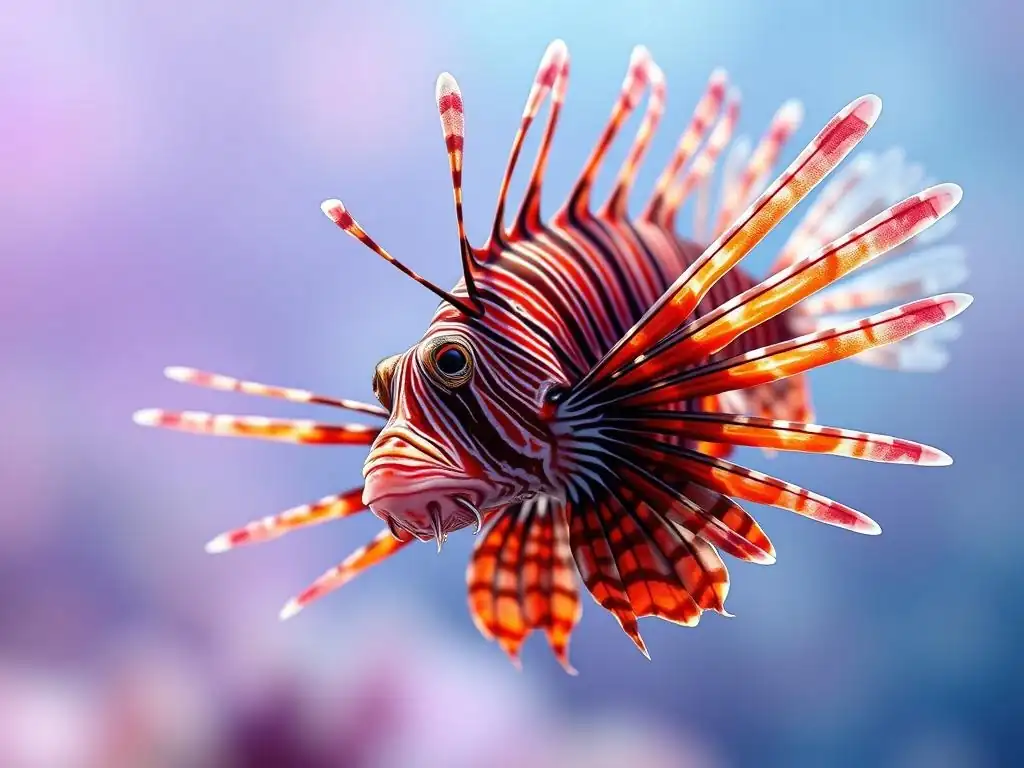
Meristics is a quantitative method involving the counting of specific anatomical features on a fish, providing objective data crucial for precise lionfish species identification. This technique is particularly valuable for distinguishing between closely related species that share similar visual characteristics or for identifying potential hybrids. For lionfish, the most commonly utilized meristic counts involve the number of soft rays in the dorsal and anal fins, and sometimes the pectoral fin rays.
A prime example demonstrating the utility of meristics is the differentiation between Pterois volitans and Pterois miles. As noted, P. volitans typically possesses 10-11 dorsal soft rays, while P. miles usually has 9-10. This singular meristic count often serves as the definitive distinguishing feature between these two otherwise visually similar species. While requiring careful observation, potentially with magnification, meristic counts are indispensable for accurate lionfish species identification beyond general visual cues.
Genetic Testing and DNA Barcoding for Lionfish Identification
Genetic testing, particularly DNA barcoding, represents the most definitive and accurate method for lionfish species identification available today. This technique involves analyzing a small, standardized segment of DNA, often the mitochondrial cytochrome c oxidase subunit I (COI) gene, from a tissue sample. The unique sequence of this "barcode" region acts as a genetic fingerprint, enabling identification down to the species level with high confidence.
While not practical for the average home aquarist, DNA barcoding is widely employed in scientific research, fisheries management, and for verifying species authenticity in the commercial trade. It can definitively resolve ambiguous identifications, confirm the presence of hybrids, and accurately track the origin and spread of invasive populations. For instance, extensive DNA barcoding studies have confirmed that the vast majority of invasive Atlantic lionfish are indeed Pterois volitans, with a smaller proportion of Pterois miles, solidifying our understanding of their spread and aiding in targeted management efforts for lionfish species identification.
Lionfish Identification Challenges and Potential Pitfalls
Hybrid Lionfish Identification: Understanding Mixed Traits
One significant challenge in lionfish species identification, particularly within invasive populations, is the occurrence of hybrids. The Red Lionfish ( Pterois volitans) and Devil Firefish ( Pterois miles) are known to interbreed in the Atlantic Ocean, producing offspring that exhibit a complex blend of morphological traits from both parent species. These hybrids can present with a combination of fin patterns, body coloration, and supraorbital tentacle characteristics that do not cleanly fit either parent species, making visual identification based on typical characteristics extremely difficult.
For instance, a hybrid might display a dorsal soft ray count that falls between the typical ranges of P. volitans (10-11) and P. miles (9-10), or show a mix of their caudal fin patterns. In such ambiguous cases, even experienced aquarists may struggle to make a definitive lionfish species identification. Meristic counts, while generally reliable, can also become less conclusive. Ultimately, genetic testing is often the only definitive way to confirm a hybrid, highlighting a significant potential pitfall for precise lionfish identification in certain contexts.
Identifying Juvenile Lionfish: Coloration and Pattern Changes
Identifying juvenile lionfish presents unique challenges for lionfish species identification due to their smaller size and often different coloration or patterning compared to their adult counterparts. Many lionfish species undergo ontogenetic color changes as they mature, meaning their appearance can shift significantly over time. A juvenile might lack the prominent markings, fully developed fins, or characteristic body proportions that are definitive for adult forms, frequently leading to misidentification.
For example, juvenile Pterois volitans may exhibit less defined stripes or proportionally larger fins than adults, which can be misleading. Similarly, some dwarf lionfish juveniles might have subtle differences in their ocelli or fin patterns that are not fully developed. Aquarists must be aware that a small lionfish might not perfectly match adult identification guides, requiring careful observation of developing features and, where possible, comparison with known juvenile patterns to ensure accurate lionfish species identification.
Lionfish Care Considerations Based on Species Identification
Dietary Needs Varying Among Lionfish Species
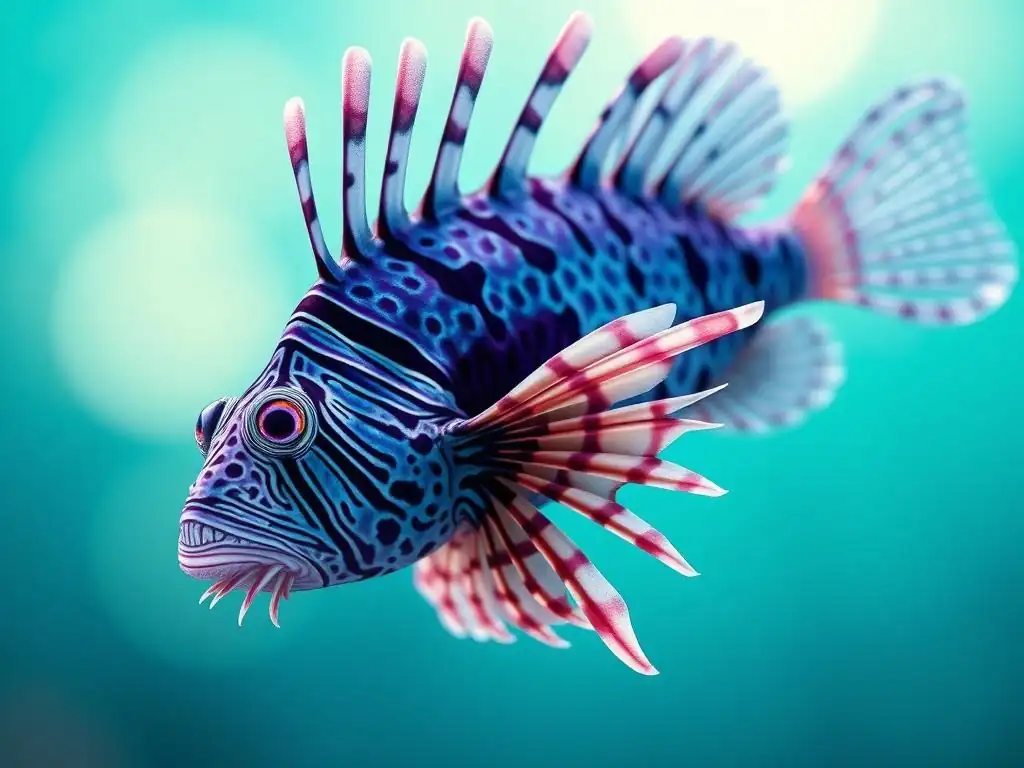
Accurate lionfish species identification is paramount for providing appropriate dietary care, as their specific nutritional requirements can vary significantly by species, primarily due to their adult size and mouth gape. While all lionfish are predatory carnivores, larger species like Pterois volitans and Pterois miles require substantial prey items, such as silversides, shrimp, or even small feeder fish, typically fed several times a week. An adult P. volitans might consume 3-5 silversides per feeding, two to three times weekly, ensuring adequate caloric intake.
In contrast, dwarf lionfish species such as Dendrochirus zebra or Dendrochirus biocellatus, due to their smaller mouths and stomachs, necessitate smaller, more frequent meals. They thrive on diets of mysis shrimp, chopped krill, or small pieces of fish flesh, often requiring daily feedings to meet their metabolic demands. Feeding the wrong size or type of food, or at incorrect frequencies, can lead to nutritional deficiencies, stunted growth, or digestive issues, underscoring why precise lionfish identification is critical for their long-term health and vitality.
Tank Size Requirements for Different Lionfish Species
The adult size of a lionfish species directly dictates its minimum tank size requirement, making accurate lionfish species identification a foundational step in aquarium planning. A large species like Pterois volitans, which can comfortably reach 18-20 inches (45-50 cm) in length, demands a substantial aquarium. A minimum of 125-180 gallons (470-680 liters) is typically recommended to accommodate its full growth, provide adequate swimming space, and manage the significant bioload produced by such a large predator.
Conversely, dwarf lionfish species, such as Dendrochirus zebra (max 8 inches/20 cm) or Dendrochirus biocellatus (max 5 inches/13 cm), can be comfortably housed in significantly smaller tanks. A 30-50 gallon (113-190 liter) aquarium might be suitable for a single dwarf lionfish, provided it includes adequate filtration and appropriate rockwork for hiding. Housing a large species in an undersized tank leads to chronic stress, stunted growth, increased aggression, and rapidly deteriorating water quality, all preventable issues with proper lionfish identification and meticulous planning.
Conclusion: Mastering Lionfish Species Identification for Aquarium Success
Resources for Further Lionfish Identification and Learning
For aquarists committed to mastering lionfish species identification, a variety of valuable resources are readily available. Comprehensive ichthyology databases, such as FishBase.org, offer detailed morphological descriptions, meristic counts, and distribution maps for virtually all known lionfish species. Specialized online marine aquarium forums and dedicated lionfish enthusiast communities often feature experienced members who can provide visual identification assistance based on shared photographs, offering practical, real-world insights.
Additionally, high-quality reference books focusing on marine fish identification and specific lionfish care guides can offer in-depth information, detailed anatomical diagrams, and numerous photographic examples to aid in lionfish species identification. Participating in local aquarium club meetings or attending workshops on marine fish identification can also provide invaluable hands-on learning opportunities and foster connections with experts in the field, further enhancing an aquarist's ability to confidently identify diverse lionfish species.
The Future of Lionfish Identification in Aquarium Keeping
The future of lionfish species identification in aquarium keeping is poised to see increased integration of advanced technologies and a heightened emphasis on ethical sourcing and responsible practices. While traditional visual and meristic identification methods will remain foundational, the growing accessibility of genetic tools, even if not directly for hobbyists, will increasingly influence commercial supply chains, ensuring more accurately labeled specimens enter the trade and bolstering the reliability of lionfish species identification.
Furthermore, as global awareness of invasive species issues continues to grow, there will be a sustained push for precise lionfish identification to prevent the accidental introduction or release of problematic species into non-native environments. Educational initiatives will likely highlight the subtle yet critical differences between Pterois volitans and Pterois miles more prominently for aquarists. Ultimately, a deeper and more accurate understanding of lionfish species identification contributes significantly to more responsible aquarium keeping, supporting both the long-term health and welfare of captive fish and the ecological integrity of natural marine ecosystems.
Frequently Asked Questions
How can I differentiate between a Volitan lionfish and a Radiata lionfish?
Volitan lionfish generally have more prominent pectoral fin rays and a darker coloration, whereas Radiata lionfish often feature distinct white stripes radiating from their eyes. Careful observation of fin ray length and coloration patterns is key.
What are the key characteristics to look for in a juvenile lionfish to aid in species identification?
Juvenile lionfish can be trickier, but focusing on the pattern of stripes and spots is crucial. The shape and size of their fins relative to their body can also provide clues.
Is it possible to identify lionfish species based solely on their size?
While size can be a factor, it's not a reliable sole indicator. Lionfish grow at different rates depending on their environment and diet. Coloration and fin patterns are far more definitive.
What are the potential dangers of misidentifying a lionfish species in an aquarium setting?
Misidentification can lead to inappropriate care and feeding, potentially harming the fish. Some species have specific environmental needs that, if unmet, can cause stress and disease.
Where can I find more detailed information and high-resolution images to assist with lionfish species identification?
AquariumMastery.com offers a comprehensive Lionfish Species Identification Guide with detailed descriptions and high-resolution images. Refer to reliable sources and compare multiple characteristics for accurate identification.
Final Reflection: Unveiling the Beauty and Responsibility
The ability to accurately identify lionfish species, as highlighted throughout this guide, is not merely an academic exercise; it's a crucial skill for responsible aquarists and conservationists alike. The increasing popularity of these captivating creatures in home aquariums necessitates a deeper understanding of their individual needs and potential impact on the delicate ecosystems they might inadvertently enter. This knowledge empowers us to make informed decisions, contributing to both the well-being of these animals and the preservation of our oceans.
The allure of lionfish, with their striking patterns and graceful movements, is undeniable. However, this beauty comes with a responsibility to understand their origins and potential ecological consequences. The ability to differentiate between species allows for more targeted conservation efforts and informed purchasing decisions, preventing the unintentional introduction of invasive species into non-native environments. In the end, we will conserve only what we love; we will love only what we understand; and we will understand only what we are taught.
- Baba Dioum. This quote underscores the vital role of education in fostering a sense of stewardship towards these magnificent creatures and the ecosystems they inhabit.
Now, armed with this visual guide and a deeper understanding of lionfish species, I invite you to reflect on your own role in their story. Consider the impact of your choices, whether you are an aquarist, a diver, or simply an admirer of marine life. Let this knowledge inspire you to advocate for responsible practices, support conservation efforts, and contribute to a future where the beauty of lionfish is celebrated responsibly, ensuring the health and balance of our oceans for generations to come.
Dive Deeper: Become a Lionfish Identification Expert!
Thank you for exploring the fascinating world of lionfish with us! We hope you've gained a newfound appreciation for these captivating creatures and the importance of accurately identifying them. Now, let's put your knowledge to the test and contribute to responsible aquarium keeping.
Here's how you can take your lionfish expertise to the next level:
- Put your skills to the test: Use our guide to identify lionfish in your local aquarium store and share your findings with the staff! You could help them properly label their specimens and educate other hobbyists.
- Explore lionfish-related forums and online communities. Share photos and challenge others to identify the species. Become a go-to resource for accurate identification!
- Consider documenting your lionfish observations. Start a species log or journal, recording key characteristics and behaviors for different species you encounter.
What unique characteristic have you noticed that helps you distinguish between different lionfish species? Share your insights in the comments below!