
The Herbivore's Feast: Why a PlantBased Diet is Crucial for Tang Vitality

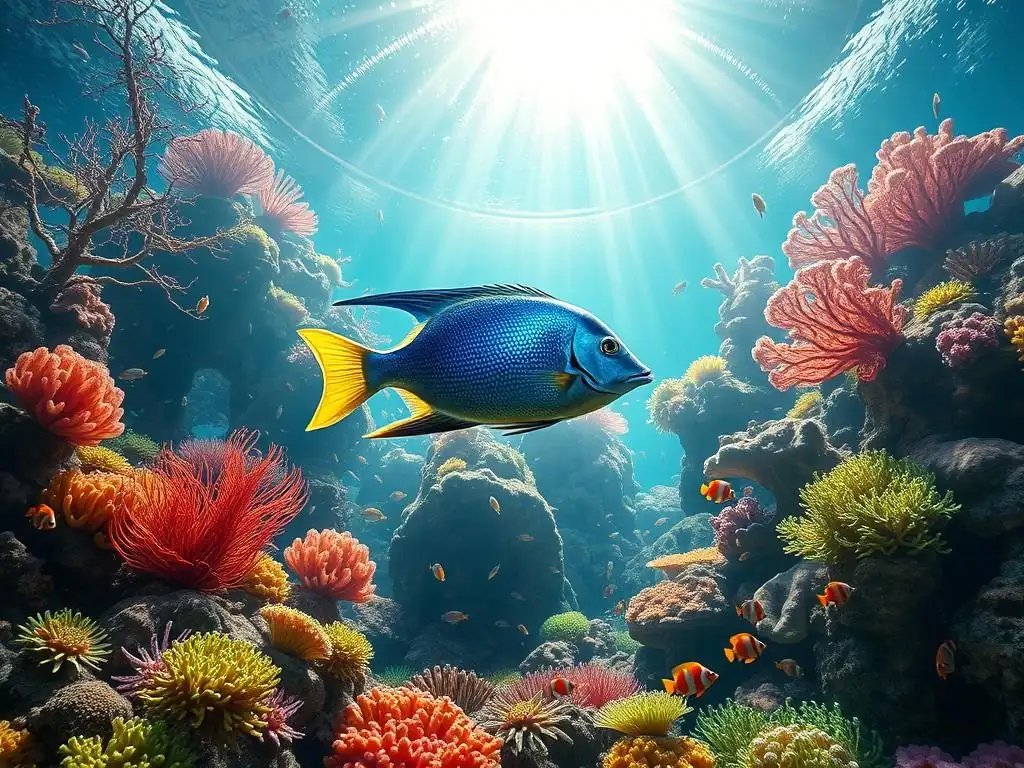
Welcome to Aquarium Mastery!
Ever wondered if your vibrant Tang is truly thriving? The secret lies in their diet. Dive into our Tang Fish Diet Guide and unlock the key to a healthier, happier herbivore. Discover why a plant-based feast is crucial for their vitality, and learn how to provide the perfect nutritional balance. Ready to transform your Tang's life? Let's begin!
- Understanding the Dietary Needs of Tang Fish: A Comprehensive Guide
- Creating the Ideal Tang Fish Diet Guide: What to Feed Your Herbivorous Friend
- The Role of a Proper Diet in Algae Control within Your Saltwater Aquarium
- The Risks of an Inadequate Tang Diet: Health Problems and Solutions
- Feeding Strategies for Tangs: Maximizing Nutrient Intake and Minimizing Waste
- Choosing the Right Foods: A Tang Fish Diet Guide Checklist
- Maintaining a Healthy Tang Aquarium: Beyond the Diet
- Troubleshooting Common Tang Feeding Issues
- Conclusion: Ensuring a Vibrant and Healthy Life for Your Tang Through Proper Nutrition
-
Frequently Asked Questions
- How important is algae in a Tang fish's diet?
- What are some good examples of food sources for Tangs in an aquarium setting?
- What happens if a Tang fish doesn't get enough plant-based food?
- How often should I feed my Tang fish with algae or plant-based foods?
- Can I feed my Tang fish meat-based foods, and if so, how much?
- Final Reflection: Sustaining Life, One Leaf at a Time
- Nourish Your Tangs: Embrace the Herbivore's Advantage!
Understanding the Dietary Needs of Tang Fish: A Comprehensive Guide
Why a Plant-Based Diet is Essential for Tang Health and Longevity
Tangs, also known as Surgeonfish, are obligate herbivores in their natural reef environments. Their digestive systems are specifically adapted for processing large quantities of plant matter, featuring a long gut designed for the slow digestion and absorption of nutrients from algae. Feeding a Tang a diet high in animal protein, such as excessive amounts of meaty foods like brine shrimp or mysis shrimp, can lead to severe health complications. These can include fatty liver disease, digestive blockages, and nutrient malabsorption, significantly shortening their lifespan and diminishing their vitality. A proper Tang fish diet guide emphasizes low-fat, high-fiber, plant-based nutrition.
A consistent plant-based diet provides Tangs with essential vitamins, particularly Vitamin C, which is crucial for immune function, tissue repair, and overall stress resilience. It also supplies vital trace elements like iodine, iron, and calcium, naturally found in marine algae. These nutrients are fundamental for maintaining vibrant coloration, robust finnage, and a strong immune system, allowing species like the Yellow Tang ( Zebrasoma flavescens) to potentially live for over 15 years in a well-maintained aquarium environment. Without these specific plant-derived nutrients, Tangs become highly susceptible to common diseases and exhibit signs of chronic malnutrition.
The Importance of Algae in a Tang's Natural Diet
In the wild, Tangs are constant grazers, spending the majority of their day consuming benthic microalgae and macroalgae from coral reefs and rocky substrates. This continuous grazing habit is not just about feeding; it's fundamental to their digestive physiology, ensuring a steady flow of material through their long guts and facilitating optimal nutrient extraction. Species such as the Kole Tang ( Ctenochaetus strigosus) are particularly adept at consuming detritus, diatoms, and cyanobacteria, playing a vital role in reef ecology.
This natural grazing behavior underscores why a substantial portion of a captive Tang's diet must consist of marine algae. Wild Tangs can spend anywhere from 6 to 8 hours a day actively foraging, consuming an estimated 3-5% of their body weight in algae daily. Their specialized mouthparts and digestive enzymes are tailored to break down plant cell walls efficiently. Replicating this dietary foundation in the home aquarium is paramount for their long-term health and ensures they receive the complex carbohydrates, fiber, and specific micronutrients that are largely absent in meaty foods.
Creating the Ideal Tang Fish Diet Guide: What to Feed Your Herbivorous Friend
Essential Plant-Based Food Sources for Tangs in Captivity
Types of Marine Algae for Tangs: A Nutritional Breakdown
A diverse range of marine algae is crucial for a complete Tang fish diet guide. Green algae, such as Ulva (sea lettuce) and Enteromorpha, are excellent sources of Vitamin C, various B vitamins, and trace minerals. Red algae, including Porphyra (commonly found in Nori sheets) and Gracilaria, offer a different nutritional profile, often containing higher protein levels and beneficial polysaccharides that aid digestion and immune function. Brown algae, like Sargassum, also contribute to a varied diet, although they are less commonly available as commercial fish food.
Providing a variety of algae types helps ensure that Tangs receive a broad spectrum of nutrients, preventing single-source deficiencies. Each species of algae offers a unique blend of vitamins, minerals, and amino acids. For instance, while Spirulina is a popular supplement for its high protein and vitamin content, it is a cyanobacterium, not a true algae, and should complement, not replace, traditional marine algae. A varied diet mimics the diverse grazing opportunities Tangs encounter on natural reefs, promoting optimal health and vibrant coloration.
Seaweed Sheets: A Convenient and Nutritious Option
Dried seaweed sheets, most commonly unseasoned Nori, are a staple in any comprehensive Tang fish diet guide due to their convenience and high nutritional value. These sheets are typically made from Porphyra or Ulva algae and can be easily clipped to the side of the aquarium using a veggie clip, allowing Tangs to graze naturally throughout the day. It is critical to use only human-grade, unseasoned Nori, ensuring it is free from salt, oils, spices, or any other additives that are harmful to marine fish.
A standard 8x7 inch sheet of unseasoned Nori can provide continuous grazing for a medium-sized Tang for several hours, depending on its appetite and tank mates. This dried seaweed is a concentrated source of essential nutrients, including iodine, iron, calcium, and a robust profile of vitamins A and C. Regular feeding of seaweed sheets helps maintain the Tang's digestive health, supports a strong immune system, and contributes to the vibrant coloration for which Tangs are highly prized.
Supplementing with Vegetables: A Balanced Approach
While marine algae should form the cornerstone of a Tang's diet, certain terrestrial vegetables can be offered sparingly as a supplemental food source. Blanched spirulina-enriched zucchini slices, broccoli florets, or spinach can provide additional fiber and some vitamins. These vegetables should be thoroughly rinsed and blanched (briefly boiled, then cooled) to soften them and make them more digestible for the fish. They can be offered using a veggie clip or weighted down to sink.
However, it is important to understand that terrestrial vegetables lack the precise marine-specific nutrients and cellular structures found in marine algae, which Tangs are naturally adapted to process. They should never constitute the primary diet. For example, excessive spinach can interfere with calcium absorption due due to its high oxalate content. Aim to offer these vegetables as an occasional treat, perhaps once or twice a week, to add variety rather than relying on them as a significant portion of the Tang fish diet guide.
Avoiding Dietary Deficiencies in Tangs: Recognizing the Signs
Recognizing the early signs of dietary deficiencies in Tangs is crucial for prompt intervention. Common indicators include faded or dull coloration, lethargy, a noticeable decrease in appetite, and increased susceptibility to parasitic infections like Ich ( Cryptocaryon irritans). For example, a Tang lacking sufficient Vitamin A may exhibit cloudy eyes or show signs of poor tissue repair, such as slow healing of minor fin nips.
Long-term nutritional deficiencies can lead to more severe and irreversible health issues. A Tang consistently fed an inadequate diet may develop a sunken belly, indicating severe malnutrition, or exhibit stunted growth compared to their potential size. Chronic lack of essential nutrients weakens their immune system, making them prone to secondary bacterial infections and overall diminished vitality. Regular observation of your Tang's appearance, behavior, and feeding habits, alongside adherence to a comprehensive Tang fish diet guide, is vital for proactive care.
The Role of a Proper Diet in Algae Control within Your Saltwater Aquarium
Tangs as Natural Algae Grazers: Optimizing Their Diet for Tank Health
Tangs are renowned for their natural ability to graze on nuisance algae in saltwater aquariums, making them valuable members of a clean-up crew. When provided with a consistent and appropriate plant-based diet, Tangs, particularly species like the Yellow Tang or the Naso Tang ( Naso lituratus), are more inclined to actively graze on undesirable algae such as green hair algae, diatoms, and cyanobacteria. A well-fed Tang is an active grazer; a hungry or malnourished Tang may become listless and less effective at algae control.
Optimizing a Tang's diet with high-quality marine algae encourages their innate grazing behaviors. This not only keeps the fish healthy but also significantly reduces the need for manual algae removal, contributing to a cleaner and more stable aquarium environment. For instance, a single adult Yellow Tang, properly fed and housed, can effectively manage moderate algae growth in a 75-gallon aquarium, demonstrating the symbiotic benefit of their natural diet within a captive ecosystem.
Preventing Algae Overgrowth with a Balanced Tang Diet
A well-structured Tang fish diet guide contributes indirectly but significantly to preventing algae overgrowth in the aquarium. When Tangs are adequately nourished with their preferred plant matter, they are less likely to pick at corals or starve, maintaining their health and their function as efficient algae controllers. This also helps in reducing the excess nutrients that would otherwise accumulate in the water column and fuel the growth of nuisance algae.
Furthermore, a healthy Tang, supported by a consistent supply of appropriate algae, produces waste that is more easily processed by the tank's biological filtration system. This contributes to maintaining stable water parameters, such as low nitrates and phosphates, which are crucial for inhibiting the growth of undesirable algae. By ensuring your Tangs are well-fed on a plant-based diet, you foster a more balanced ecosystem, leading to a clearer, more aesthetically pleasing, and healthier reef environment.
The Risks of an Inadequate Tang Diet: Health Problems and Solutions
Nutritional Deficiencies and Tang Health: A Direct Link
An inadequate Tang fish diet directly compromises their immune system, making them highly susceptible to a range of diseases. If a Tang's diet lacks essential fatty acids, specific vitamins (like Vitamin C or A), or vital trace elements, their protective slime coat can become weakened, leaving them vulnerable to external parasites such as marine Ich ( Cryptocaryon irritans) and bacterial infections. This weakened state means they struggle to fight off pathogens that a healthy fish would easily repel.
Beyond immediate illness, chronic malnutrition can lead to severe long-term health issues, drastically shortening a Tang's lifespan and reducing its overall vitality. For instance, consistently feeding a Tang a diet predominantly composed of meaty foods can result in fatty liver disease, a condition where the liver becomes overwhelmed and unable to properly metabolize nutrients, leading to organ failure and premature death. This underscores the critical importance of a species-appropriate diet.
Lateral Line Erosion (HLLE) and Dietary Imbalance
Lateral Line Erosion (HLLE) is a debilitating condition characterized by pitting and erosion along the lateral line and head of marine fish, particularly Tangs. While often exacerbated by poor water quality, stray voltage, and activated carbon use, a primary contributing factor is a severe deficiency in essential nutrients, notably Vitamin C, Vitamin A, and certain trace elements such as iodine. The erosion progresses slowly, causing significant disfigurement and discomfort for the fish.
Preventing and treating HLLE largely hinges on dietary correction. Providing a diet rich in fresh, high-quality marine algae and vitamin-enriched foods is paramount. Aquarists have reported significant improvements in HLLE symptoms within 6 to 12 months of consistent feeding with a high-quality, varied herbivorous diet, alongside optimal water conditions. Soaking foods in vitamin supplements like Selcon or Vita-Chem, which contain crucial fatty acids and vitamins, is often recommended as part of the recovery process.
Fin Rot and Immune System Weakening
Fin rot, a common bacterial infection characterized by frayed, tattered, or deteriorating fins, frequently afflicts fish with compromised immune systems. In Tangs, a diet lacking essential nutrients directly weakens their immune response, making them easy targets for opportunistic bacteria that cause fin rot. A Tang with a nutrient deficiency may struggle to produce sufficient antibodies or maintain a healthy, intact slime coat, which acts as a vital barrier against pathogens.
A robust immune system, fueled by a balanced Tang fish diet guide, is the first line of defense against bacterial infections like fin rot. Ensuring adequate intake of Vitamin C (ascorbic acid) and Omega-3 fatty acids, commonly found in high-quality marine algae and fortified foods, can significantly enhance a Tang's resilience to common diseases. Proper nutrition not only prevents the onset of fin rot but also aids in faster recovery from stress, minor injuries, or existing infections.
The most effective strategy for preventing diet-related illnesses in Tangs is proactive and consistent provision of a varied, high-quality plant-based diet. From the moment a Tang is introduced to the aquarium, it should have access to a diverse array of marine algae, supplemented with appropriate herbivore pellets or flakes. This foundational approach builds a strong immune system and supports all bodily functions, minimizing susceptibility to common ailments.
If a Tang begins to show signs of a diet-related illness, the first and most critical step is to thoroughly review and rectify its feeding regimen. This might involve increasing the frequency of seaweed offerings, incorporating new types of algae, or enriching existing foods with liquid vitamin supplements (e.g., soaking Nori in a few drops of Selcon before feeding). Simultaneously, ensuring pristine water quality and a low-stress environment will support the fish's recovery and overall healing process.
Feeding Strategies for Tangs: Maximizing Nutrient Intake and Minimizing Waste
Frequency and Portion Size: Optimizing Feeding Schedules for Tangs
Tangs are natural grazers, meaning they consume small amounts of food almost continuously throughout their active hours. To mimic this natural behavior and ensure optimal nutrient intake, it is ideal to provide access to plant matter throughout the day. Offering a fresh piece of seaweed (e.g., a 2x3 inch piece of unseasoned Nori for a 4-inch Tang) 2-3 times daily, or leaving a veggie clip with seaweed for continuous grazing, is often recommended as part of a comprehensive Tang fish diet guide.
This strategy of small, frequent feedings prevents large fluctuations in blood sugar levels, supports their naturally active metabolism, and reduces waste. When food is consumed in smaller portions over time, less uneaten food breaks down in the water, thereby minimizing nutrient pollution and maintaining better water quality. Overfeeding, particularly with flake or pellet foods in large quantities, can lead to excess nutrients, fostering nuisance algae growth and compromising the overall health of the aquarium.
Introducing New Foods: A Gradual Approach to Dietary Changes
Tangs can sometimes be finicky eaters, especially when newly introduced to an aquarium or when presented with unfamiliar food items. To encourage acceptance of new foods, begin by offering them alongside familiar and preferred foods. For example, if your Tang readily consumes Nori, you might try attaching a small piece of spirulina-enriched flake food or a blanched vegetable alongside the Nori on the veggie clip.
Patience is a key component when introducing new foods. Some Tangs may take several days, or even weeks, to accept a new dietary item. It is important to continue offering small amounts consistently, without starving the fish into eating, as this can further weaken them. Observing other fish in the tank eagerly consuming the new food can also act as an encouragement for a hesitant Tang to try it, leveraging their natural curiosity and competitive instincts.
Supplementation Strategies: Vitamins and Minerals for Tang Health
While a varied and high-quality plant-based diet is the cornerstone of Tang health, certain vitamin and mineral supplements can provide an additional boost, particularly during periods of stress, recovery from illness, or for newly acquired fish. Liquid vitamin supplements, such as Selcon or Vita-Chem, can be soaked into dried foods (like Nori or pellets) a few times a week, ensuring the fish receive concentrated doses of essential nutrients.
Iodine, in particular, is a vital trace element for marine fish, playing a crucial role in thyroid function, metabolism, and overall immune health. While some iodine is present in marine algae, some aquarists choose to supplement iodine directly into the aquarium water or ensure their chosen seaweed products are fortified. Always adhere strictly to the product's instructions for dosage, as excessive supplementation can be detrimental. A well-rounded Tang fish diet guide will often include recommendations for appropriate supplementation.
Choosing the Right Foods: A Tang Fish Diet Guide Checklist
Selecting High-Quality Algae and Seaweed Products
When selecting algae and seaweed products for your Tangs, prioritize quality and purity. Look for products specifically marketed for marine herbivorous fish, or opt for human-grade, unseasoned Nori. It is paramount to avoid any products that contain added sugars, salts, oils, artificial preservatives, or flavorings, as these ingredients are harmful and can lead to long-term health issues in fish. Always check the ingredient list carefully.
Consider the source and processing of the seaweed. Reputable brands often provide information on how their algae are sourced and processed, ensuring they are free from heavy metals, pesticides, or other pollutants. For example, some premium marine flake foods will explicitly list the types and percentages of algae included, such as Spirulina platensis or Chlorella vulgaris, indicating a commitment to quality and specific nutritional content.
Understanding Ingredient Labels: What to Look for and Avoid
Understanding ingredient labels on commercial fish foods is essential for any responsible aquarist following a Tang fish diet guide. For herbivorous Tangs, the first few ingredients on the list should always be plant-based, such as spirulina, kelp, various algae meals (e.g., Porphyra or Ulva meal), or other vegetable proteins. Look for a crude protein content typically ranging from 30-45% and a crude fat content under 10% for herbivore-specific formulas.
Conversely, avoid foods where "fish meal," "shrimp meal," or other animal proteins are listed as the primary ingredients. While a small amount might be acceptable as a binder or supplementary protein, they should not dominate the ingredient list for a herbivorous species. Furthermore, steer clear of products containing artificial dyes, BHA/BHT preservatives, or vague "animal by-products." Prioritize natural, whole ingredients that closely mimic a Tang's wild diet.
Maintaining a Healthy Tang Aquarium: Beyond the Diet
Water Quality Parameters and Their Impact on Tang Health
Beyond a meticulous Tang fish diet guide, pristine and stable water quality is arguably the most critical factor for Tang health. Tangs are sensitive to fluctuations in water parameters. It is imperative to maintain stable salinity (1.023-1.026 specific gravity), temperature (74-80°F or 23-27°C), pH (8.1-8.4), and undetectable levels of ammonia and nitrite. Nitrate levels should be kept consistently low, ideally below 20 ppm, through regular maintenance.
Consistent water changes (e.g., 10-20% bi-weekly) and robust filtration, including a high-quality protein skimmer and ample live rock, are essential to remove waste products and maintain optimal water chemistry. Poor water quality significantly stresses Tangs, weakening their immune systems and making them highly susceptible to diseases, even if their diet is otherwise perfect. A healthy environment complements a healthy diet.
The Importance of a Proper Tank Size and Environment
Tangs are highly active swimmers and require ample space to thrive. The minimum tank size for a single Yellow Tang, which can reach up to 8 inches in length, is generally considered to be 75-100 gallons. Larger species, such as the Blue Tang ( Paracanthurus hepatus), often require 120 gallons or more due to their active nature and potential adult size. Overcrowding leads to chronic stress, increased aggression, and compromised health.
A well-aquascaped tank with plenty of live rock provides essential hiding spots, grazing surfaces, and defined territories, mimicking their natural reef environment. Ensure there are open swimming areas alongside crevices and caves for refuge. This thoughtful environment reduces stress, encourages natural behaviors like grazing and exploration, and contributes significantly to the Tang's overall well-being and longevity.
Selecting Compatible Tank Mates for Herbivorous Tangs
Careful selection of tank mates is crucial to prevent aggression and ensure all Tangs receive adequate nutrition. Avoid housing overly aggressive species that might bully your Tang, or introducing multiple Tangs into a tank that is too small, as this often leads to territorial disputes and stress. Peaceful community fish that do not directly compete for the same food sources are generally the best choice.
For instance, housing a single Tang is often more successful in tanks under 180 gallons, unless you are attempting to keep a schooling species like the Kole Tang in a very large system with appropriate numbers. If considering multiple Tangs, it is often recommended to introduce them simultaneously or choose species with different body shapes and temperaments to minimize aggression. A harmonious environment ensures that your herbivorous Tangs can graze peacefully and maintain their health.
Troubleshooting Common Tang Feeding Issues
Picky Eaters: Encouraging Tangs to Accept New Foods
Some newly introduced Tangs, particularly wild-caught specimens, may initially refuse prepared foods, relying solely on grazing the tank's live rock. To encourage them to accept new foods, try soaking dried foods (like Nori or pellets) in appetite stimulants such as garlic extract or a specialized vitamin supplement. Offering a variety of algae types (green, red, brown) can also entice them with different textures and flavors.
Patience and consistency are paramount. Avoid the temptation to starve the fish into eating, as this can severely weaken their immune system and overall health. Instead, continue to offer small amounts of preferred foods while gradually introducing the new items. Observing other healthy tank mates eagerly consuming the new food can often encourage a reluctant Tang to try it, as they learn by example.
Competition for Food: Ensuring All Tangs Get Adequate Nutrition
In multi-fish aquariums, dominant Tangs or other aggressive tank mates can monopolize food sources, preventing more timid fish from getting adequate nutrition. To ensure all Tangs receive their share, employ multiple feeding strategies. Use several veggie clips placed in different areas of the tank for seaweed, or scatter flake/pellet food in various locations simultaneously. This forces the dominant fish to move around, giving others a chance.
Consider the feeding order, especially if one fish is particularly aggressive. You might feed the most assertive fish a small portion of its preferred food first to distract it, then introduce the main feeding for the rest of the tank. This ensures that even the shyer Tangs have an opportunity to graze and consume the crucial plant-based diet necessary for their long-term health and vitality.
Recognizing and Addressing Dietary Changes Due to Illness
A sudden and significant decrease in appetite or a complete refusal to eat is often one of the earliest and most telling signs of illness in Tangs. A healthy Tang, following a proper Tang fish diet guide, will typically exhibit a robust and consistent appetite for plant-based foods. Observe for other accompanying symptoms, such as labored breathing, clamped fins, unusual spots, or changes in coloration.
If illness is suspected, the immediate action should be to isolate the affected fish if possible to prevent the spread of disease and to allow for targeted treatment. Consult a reliable marine fish health guide or an experienced aquarist to accurately diagnose the issue. While dietary changes are critical for long-term health, an acute illness may require specific medication or environmental adjustments in addition to supportive nutritional care to aid in recovery.
Conclusion: Ensuring a Vibrant and Healthy Life for Your Tang Through Proper Nutrition
Frequently Asked Questions
How important is algae in a Tang fish's diet?
Algae is extremely important for Tangs. They are primarily herbivores, and algae provides essential vitamins, minerals, and fiber necessary for their health and digestion.
What are some good examples of food sources for Tangs in an aquarium setting?
Good food sources include live rock algae, Nori seaweed, and high-quality vegetable-based flake or pellet foods. Supplementing with blanched vegetables like spinach or zucchini is also beneficial.
What happens if a Tang fish doesn't get enough plant-based food?
A lack of plant-based food can lead to malnutrition, disease susceptibility, and even Lateral Line Erosion (HLLE). Tangs require a constant supply of vegetation for proper digestion and overall well-being.
How often should I feed my Tang fish with algae or plant-based foods?
Tangs should be fed multiple small meals throughout the day, rather than one large feeding. This mimics their natural grazing behavior and ensures a constant supply of plant matter for digestion.
Can I feed my Tang fish meat-based foods, and if so, how much?
While small amounts of meaty foods may be tolerated, they should be kept to a minimum. Tangs are not equipped to digest large amounts of protein, and an excess can lead to digestive issues and health problems.
Okay, here's a final reflection designed to close your article, "The Herbivore's Feast: Why a Plant-Based Diet is Crucial for Tang Vitality," while keeping the "Tang fish diet guide" keyword in mind and adhering to the structure you provided:
Final Reflection: Sustaining Life, One Leaf at a Time
The journey through understanding the dietary needs of Tangs reveals a profound truth: a plant-based approach is not just beneficial, but essential for their vibrant health and longevity. As we've seen, neglecting this crucial aspect can lead to devastating consequences, highlighting the urgent need for aquarists to embrace a more informed and compassionate approach to Tang care. This isn't simply about following a "Tang fish diet guide"; it's about understanding the fundamental requirements of these magnificent creatures.
The impact of our choices as aquarists reverberates far beyond our tanks. The health and well-being of Tangs, and indeed all aquarium inhabitants, are a direct reflection of our commitment to responsible stewardship. The shift towards prioritizing plant-based diets represents a growing awareness of the interconnectedness of life within our aquariums. The greatness of a nation and its moral progress can be judged by the way its animals are treated.
- Mahatma Gandhi. This quote, though often applied to terrestrial animals, holds equal weight when considering the delicate ecosystems we create within our homes.
Ultimately, the "Herbivore's Feast" is more than just a dietary recommendation; it's an invitation to cultivate a deeper understanding and respect for the life we choose to nurture. As you continue your journey as an aquarist, remember the lessons learned here. Let the principles of a plant-based diet guide your choices, ensuring that your Tangs thrive in an environment that honors their natural needs. Consider how you can further refine your approach, sharing your knowledge and inspiring others to embrace a more sustainable and compassionate path in the world of aquarium keeping.
Nourish Your Tangs: Embrace the Herbivore's Advantage!
Thank you for diving into the world of plant-based nutrition for your Tangs. We hope you now understand the crucial role a herbivorous diet plays in their vitality and longevity. It's time to put that knowledge into action and witness the vibrant transformation in your aquarium!
Here's how you can start:
- Transition to a predominantly plant-based diet. Prioritize nutrient-rich algae sheets (nori) and high-quality spirulina flakes as the foundation of their meals.
- Explore uncommon green foods. Supplement the diet with unexpected leafy greens such as dandelion greens (organic and thoroughly rinsed) or finely chopped kale.
- Join the Aquarium Mastery community. Share your Tang's dietary improvements and progress, exchanging valuable tips and experiences with fellow aquarists.
What's the first green delicacy you'll be introducing to your Tangs this week to enhance their health?