
Sexing Dwarf Gouramis: Telling Males from Females with Confidence

Welcome to Aquarium Mastery!
Ever wondered if you're raising a pair of Dwarf Gouramis or just a dynamic duo of the same gender? Unlocking the secrets to sexing Dwarf Gouramis doesn't have to be a guessing game. Dive in to our comprehensive guide and learn proven techniques to confidently identify males from females. Discover the subtle clues and key differences that will empower you to create a thriving and balanced aquarium environment. Ready to become a Dwarf Gourami sexing expert? Let's get started!
- Introduction to Dwarf Gourami Sexing
-
Visual Cues: Identifying Male Dwarf Gouramis
- Brighter Colors: A Key Indicator of Male Dwarf Gouramis
- Dorsal Fin Shape: Distinguishing Male Gouramis
- Anal Fin Shape: Male Gouramis' Pointed Anal Fin
- Subtler Colors: Female Dwarf Gourami Characteristics
- Dorsal Fin Shape: The Rounded Fin of Female Gouramis
- Body Shape: Female Gourami's Rounder Abdomen
- Behavior as a Sexing Indicator: Observing Dwarf Gourami Interactions
- Dwarf Gourami Breeding and Sexing: A Closer Look
- Advanced Dwarf Gourami Sexing Techniques
- Common Mistakes in Dwarf Gourami Sexing and How to Avoid Them
- Confirming Your Sexing: Observing Long-Term Behavior
- Conclusion: Mastering Dwarf Gourami Sexing Techniques
-
Frequently Asked Questions
- How can I reliably determine the sex of my Dwarf Gourami?
- What differences in color typically exist between male and female Dwarf Gouramis?
- Are there any behavioral differences that can help in sexing Dwarf Gouramis?
- At what age can I accurately sex Dwarf Gouramis?
- Besides visual cues, are there any other methods for sexing Dwarf Gouramis?
- Final Reflection: Unveiling the Secrets of the Dwarf Gourami
- Unveil Your Gourami Expertise!
Introduction to Dwarf Gourami Sexing
Why Accurate Sexing Matters for Dwarf Gouramis
Accurate sexing of Dwarf Gouramis ( Colisa lalia or Trichogaster lalius) is fundamental for several reasons, impacting both breeding success and the overall health of your aquarium. Misidentifying sexes can lead to significant issues, such as unwanted aggression between males, particularly in smaller tanks. For instance, two male Dwarf Gouramis housed in a tank under 20 gallons (approximately 75 liters) are highly likely to engage in territorial disputes, which can result in fin nipping, stress, and even fatalities for the weaker individual.
Furthermore, precise sexing is crucial for aquarists aiming to breed these beautiful fish. An incorrect male-to-female ratio, such as having too many males or not enough females, can lead to excessive stress on the females from constant male harassment, hindering successful spawning. The ideal breeding setup often involves one male with two or three females to distribute the male's attention and ensure a more harmonious breeding environment. Understanding dwarf gourami sexing techniques guide is thus an essential skill for any serious aquarist.
Understanding Dwarf Gourami Anatomy for Sex Identification
Identifying the sex of Dwarf Gouramis primarily relies on observing distinct anatomical and behavioral differences. These fish typically grow to an adult size of about 2 to 2.5 inches (5 to 6 cm), making subtle variations in their appearance significant. The key anatomical features to focus on include their coloration, the shape and length of their dorsal and anal fins, and their overall body shape.
It is important to note that sexing Dwarf Gouramis is not always straightforward, especially when dealing with young specimens or fish that are stressed. Their characteristics may not be fully developed or might be temporarily suppressed. Therefore, a comprehensive approach that considers multiple visual cues and behavioral patterns is far more reliable than relying on a single trait. This holistic perspective is central to mastering dwarf gourami sexing techniques guide.
Visual Cues: Identifying Male Dwarf Gouramis
Brighter Colors: A Key Indicator of Male Dwarf Gouramis
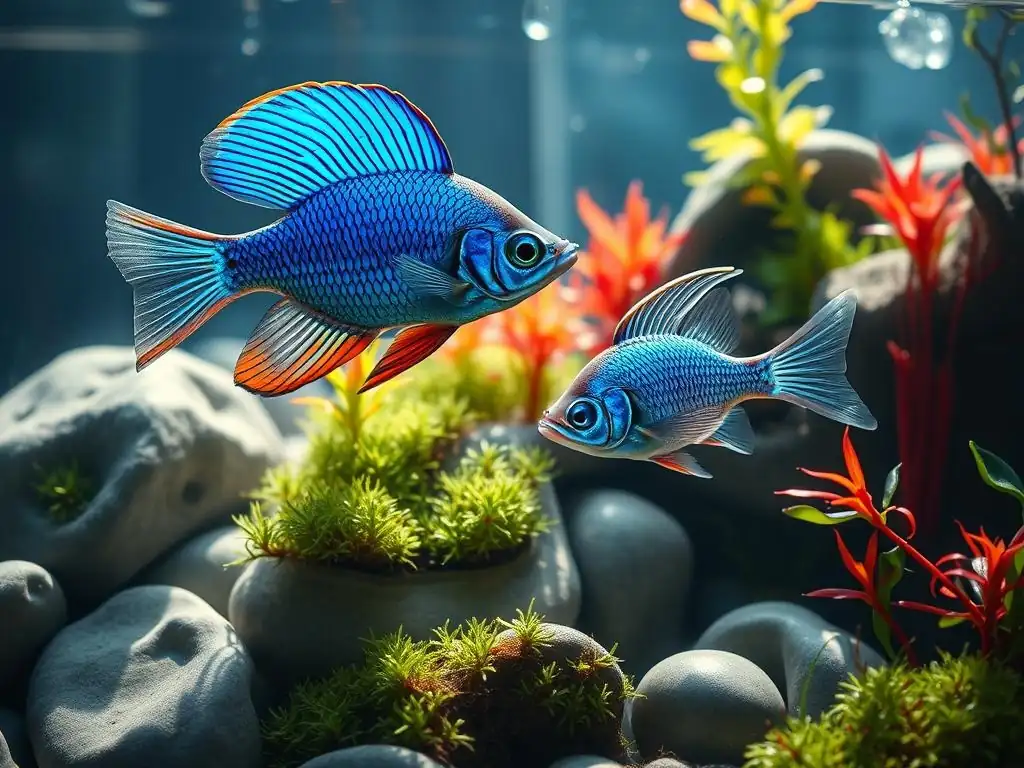
One of the most striking and reliable indicators of a male Dwarf Gourami is its vibrant and intense coloration. Males typically display a much richer palette of hues compared to their female counterparts. For example, a male Flame Dwarf Gourami will exhibit brilliant red-orange and iridescent blue stripes, while a Powder Blue Dwarf Gourami male will be almost entirely covered in a dazzling, uniform iridescent blue.
This vivid coloration serves as a primary display for attracting females and asserting dominance over rival males. While the intensity of these colors can fluctuate based on the fish's health, stress levels, and breeding condition, a healthy and confident male will consistently exhibit significantly brighter and more defined patterns than any female. Observing these distinct color patterns is a foundational step in effective dwarf gourami sexing techniques guide.
Dorsal Fin Shape: Distinguishing Male Gouramis
The shape of the dorsal fin (the fin on the fish's back) provides another clear visual cue for identifying male Dwarf Gouramis. Males typically possess a dorsal fin that is noticeably longer, more pointed, and often extends further back towards the caudal (tail) fin. This fin often tapers to a distinct point, giving it an elongated or almost triangular appearance.
In contrast to the female's rounded dorsal fin, a healthy male's dorsal fin might extend nearly to the base of its tail, showcasing a more pronounced and angular shape. This characteristic is one of the most consistent and easily observable differences, making it a highly reliable marker when employing dwarf gourami sexing techniques guide.
Anal Fin Shape: Male Gouramis' Pointed Anal Fin
Similar to the dorsal fin, the anal fin (the fin located on the underside, behind the belly) also offers a strong indicator of a male Dwarf Gourami. Male anal fins are typically longer and more pointed than those of females. They often display a distinct "spiky" or "serrated" appearance along their edges, extending further back and ending in a sharp tip.
This elongated, pointed shape of the anal fin, combined with the dorsal fin characteristics, provides compelling evidence for male identification. For instance, a male's anal fin will have a clearly defined, sharp tip, differentiating it from the more rounded and shorter anal fin found in females. Observing this combination of fin shapes significantly enhances the accuracy of your dwarf gourami sexing techniques guide.
Subtler Colors: Female Dwarf Gourami Characteristics
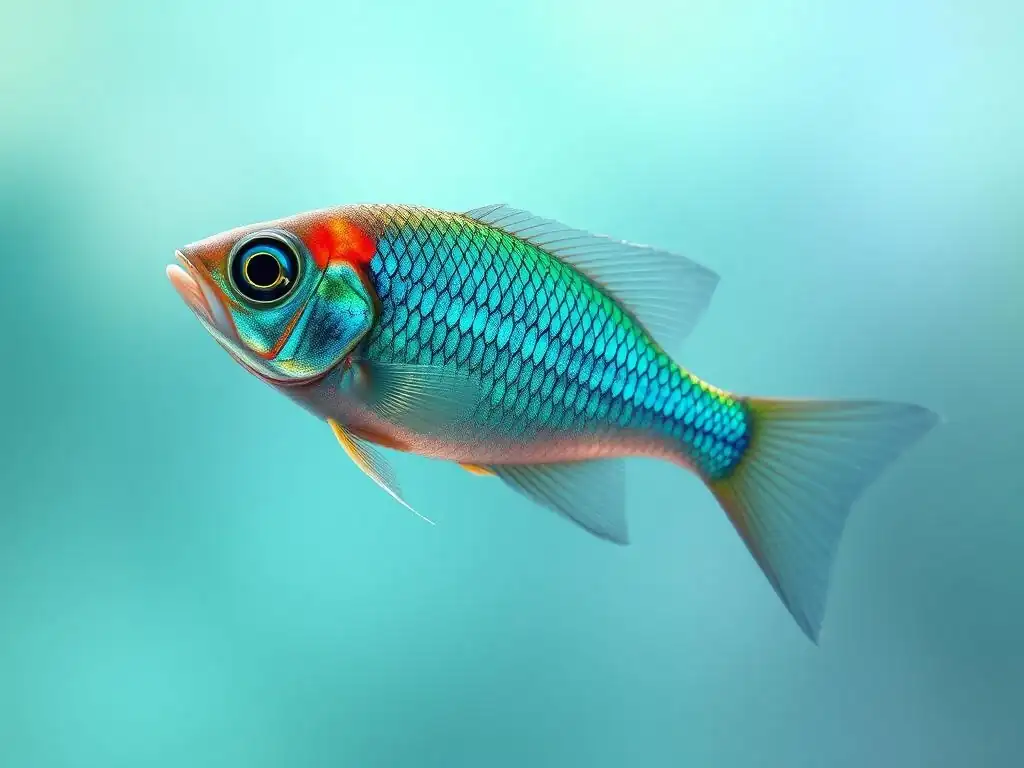
In stark contrast to the males, female Dwarf Gouramis are characterized by their generally duller and more subdued coloration. They typically exhibit a more muted palette, often appearing silvery-grey, pale brown, or a very light blue, with faint or almost imperceptible striped patterns. They notably lack the brilliant reds, blues, and iridescent oranges that define the males.
This less flashy appearance is a common trait among many fish species where the male is the primary displayer. While a female might show some faint markings, their colors will never achieve the intensity or vibrance of a healthy male, even when they are in optimal breeding condition. Recognizing these subtle color differences is a crucial part of effective dwarf gourami sexing techniques guide.
Dorsal Fin Shape: The Rounded Fin of Female Gouramis
The dorsal fin of a female Dwarf Gourami presents a distinct contrast to that of the male. Females typically have a dorsal fin that is shorter and noticeably more rounded. It lacks the elongated, pointed tip seen in males and does not extend as far back along the body.
This rounded or semicircular shape of the dorsal fin is a consistent and reliable characteristic for female identification. When comparing a male and a female, the female's dorsal fin will appear distinctly curved and less angular, making it a key visual marker in your dwarf gourami sexing techniques guide.
Body Shape: Female Gourami's Rounder Abdomen
Another significant visual cue for identifying female Dwarf Gouramis is their body shape, particularly their abdomen. Females tend to have a noticeably plumper and rounder body, which becomes even more pronounced when they are gravid (carrying eggs). This difference in girth is often visible when viewed from above or directly from the side.
This roundness is directly related to their reproductive function, accommodating the development of eggs. While a non-gravid female might not appear as conspicuously round, she will generally still possess a less streamlined and more robust build compared to the more slender male. During the breeding season, a female can swell significantly, sometimes nearly doubling the girth of her midsection, offering a clear indicator for dwarf gourami sexing techniques guide.
Behavior as a Sexing Indicator: Observing Dwarf Gourami Interactions
Male Aggression and Territoriality in Dwarf Gouramis
Observing the behavior of Dwarf Gouramis can provide valuable clues for sex identification, especially in a tank setting with multiple individuals. Male Dwarf Gouramis are known for their territorial behavior, particularly towards other males of their species. This can manifest as fin flaring, chasing, and even aggressive nipping. A dominant male might claim a specific area within the aquarium, such as a dense plant cluster or a decorative cave, and actively defend it from perceived rivals.
This territoriality is most evident when males are housed together or when a male is establishing dominance. If you observe two fish consistently engaging in chasing and flaring displays, it is a strong indication that both are males, especially if one exhibits more vibrant coloration and the other shows signs of stress. This behavioral pattern is an important aspect of a comprehensive dwarf gourami sexing techniques guide.
Female Gourami Behavior During Breeding Season
Female Dwarf Gouramis generally exhibit more docile behavior compared to their male counterparts. During the breeding season, when a female is ready to spawn, her behavior will shift to become more receptive to a male's advances. She might approach a male's newly constructed bubble nest, or display submissive postures indicating her willingness to breed.
While females do not display the same territorial aggression as males, they can show signs of stress if constantly harassed by an overly aggressive male. Observing a male actively attempting to "court" a fish, or a fish swimming calmly near a male's bubble nest without being chased, can be a strong indicator of their respective sexes. Such interactions provide crucial behavioral context for successful dwarf gourami sexing techniques guide.
Dwarf Gourami Breeding and Sexing: A Closer Look
Preparing for Breeding: Sexing Becomes Crucial
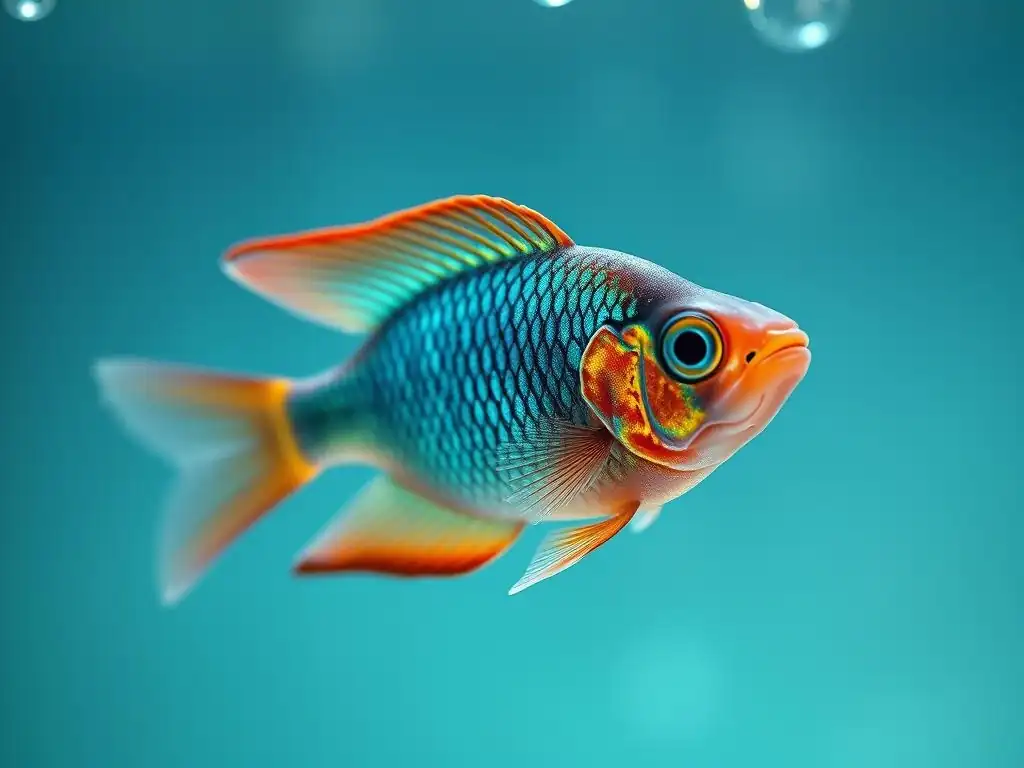
For aquarists aspiring to breed Dwarf Gouramis, precise sexing is not just helpful but absolutely crucial for success. Establishing an appropriate male-to-female ratio is paramount; a common recommendation is one male to two or three females. This ratio helps to distribute the male's attention, reducing undue stress on any single female and increasing the likelihood of successful egg laying. Attempting to initiate a breeding program without correctly identified sexes will likely prove futile and stressful for the fish.
Beyond sexing, creating the ideal breeding environment also enhances the fish's natural characteristics, making sexing easier. This includes providing specific water parameters, such as slightly acidic water (pH 6.0-7.0) and a stable temperature around 80°F (26-27°C), along with a high-quality diet. Optimal conditions encourage the development of full coloration and finnage, refining your dwarf gourami sexing techniques guide.
Sexing Young Dwarf Gouramis: Challenges and Tips
Sexing juvenile Dwarf Gouramis presents a significant challenge due to their underdeveloped characteristics. Young fish often lack the vibrant colors and distinctive fin shapes that become prominent in adults. It can be nearly impossible to reliably distinguish sexes until they reach a size of approximately 1.5 inches (3.8 cm) or are several months old, as their sexual dimorphism is not yet fully expressed.
Patience is key when attempting to sex young Gouramis. It is often advisable to wait until they mature further. When acquiring young fish, a practical strategy is to purchase a small group, perhaps four to six individuals. This increases the probability of obtaining both sexes. As they grow and their adult characteristics begin to emerge, you can then separate them based on the clearer visual cues, improving the accuracy of your dwarf gourami sexing techniques guide.
Advanced Dwarf Gourami Sexing Techniques
Vent Examination: A More Precise Method
For aquarists seeking a highly precise method for sexing Dwarf Gouramis, particularly when visual cues are ambiguous, a vent examination can be employed. The vent, or urogenital opening, is located just in front of the anal fin. In male Dwarf Gouramis, the vent is typically smaller and more pointed. Conversely, in females, the vent is larger, more rounded, and may appear slightly protruded, especially when she is gravid or nearing spawning.
This method requires careful handling to avoid stressing the fish and is generally recommended for experienced aquarists. To perform a vent examination, gently net the fish and place it in a clear container with a small amount of tank water. Observe the vent area using a magnifying glass. While effective, this technique should be used judiciously, as improper handling can cause unnecessary stress to the fish, even though it offers a highly accurate dwarf gourami sexing techniques guide.
Common Mistakes in Dwarf Gourami Sexing and How to Avoid Them
Misinterpreting Stress Colors as Sex Differences
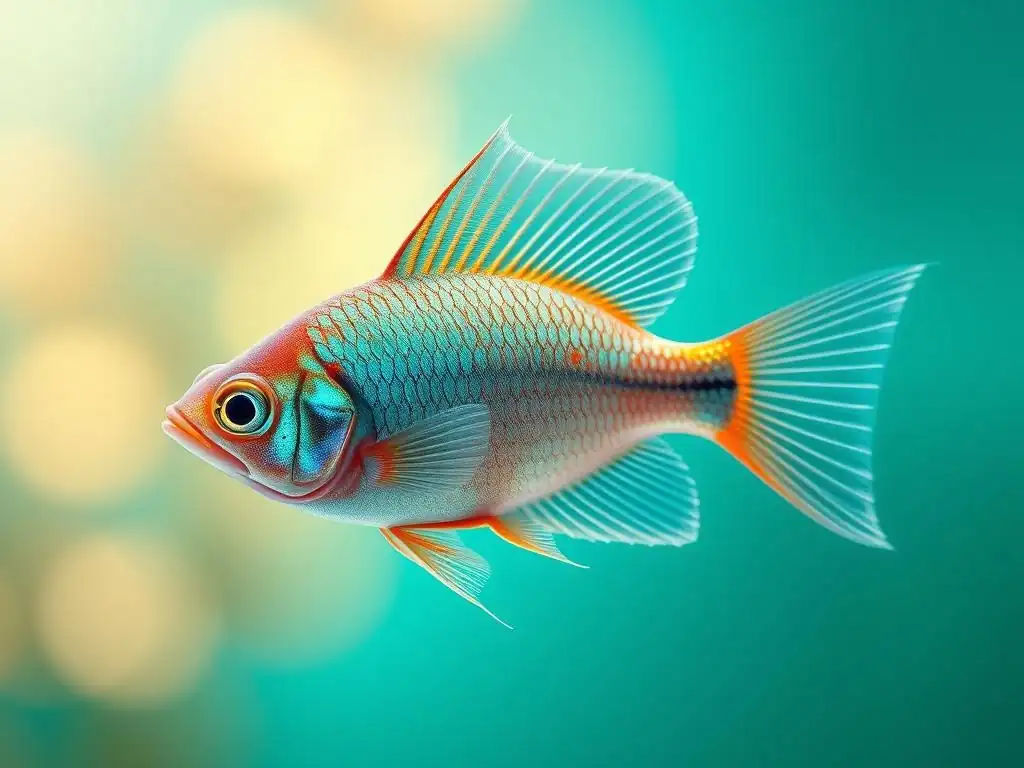
A common mistake in dwarf gourami sexing is misinterpreting temporary color changes caused by stress as inherent sex differences. When a male Dwarf Gourami is stressed due to poor water quality, a new tank environment, or aggressive tank mates, it can temporarily lose its vibrant coloration, appearing duller and potentially similar to a female. This can lead to an incorrect sex identification.
To avoid this pitfall, it is crucial to observe your fish in a calm, established environment where they feel secure and healthy. Allow newly acquired fish several days, or even a few weeks, to acclimate to their new surroundings before attempting to sex them based on color. A healthy, unstressed male will consistently display his true, vibrant colors, providing a more reliable visual cue for your dwarf gourami sexing techniques guide.
Relying Solely on One Characteristic for Sexing
Another frequent error is relying on a single characteristic for sexing Dwarf Gouramis. While features like bright coloration or pointed fins are strong indicators, no single trait is 100% reliable on its own. For instance, a male might occasionally display a slightly rounded dorsal fin, or a female might exhibit faint hints of color, leading to potential misidentification if only one aspect is considered.
To achieve accurate sexing, it is imperative to look at a combination of factors. Evaluate the fish's overall coloration, the distinct shapes of both its dorsal and anal fins, its body shape, and its observed behavior. The more characteristics that align and point towards a specific sex, the higher your confidence level in the identification. This holistic approach, combining multiple visual and behavioral cues, is the most effective dwarf gourami sexing techniques guide.
Confirming Your Sexing: Observing Long-Term Behavior
Monitoring Growth Rates and Physical Changes
Confirming your initial sexing of Dwarf Gouramis can be achieved through long-term observation of their growth rates and physical changes. Males often grow slightly larger than females and will continue to develop their full, vibrant coloration and distinct finnage over several months as they mature. Females, on the other hand, will typically remain a bit smaller and retain their more subdued coloring and rounded fin shapes throughout their lives.
It's not uncommon for a fish initially thought to be a female to develop clear male characteristics as it reaches full maturity, though the reverse is less common. Continuous monitoring of these developmental changes over time provides a valuable means of validating your initial sexing attempts and refining your understanding of dwarf gourami sexing techniques guide.
Observing Spawning Behavior to Confirm Sex
The most definitive method for confirming the sex of Dwarf Gouramis is by observing their spawning behavior. Male Dwarf Gouramis are bubble nest builders; they will construct intricate nests, often under floating plants or broad leaves, using air bubbles and plant debris. Once the nest is complete, the male will actively attempt to entice a female to the nest.
During spawning, the female will approach the nest, and the pair will engage in a unique "embrace" where the male wraps his body around the female, pressing out the eggs. Seeing a fish actively constructing a bubble nest or participating in the characteristic spawning embrace unequivocally confirms its sex. While this method requires specific breeding conditions and patience, it provides the ultimate confirmation for your dwarf gourami sexing techniques guide.
Conclusion: Mastering Dwarf Gourami Sexing Techniques
Frequently Asked Questions
How can I reliably determine the sex of my Dwarf Gourami?
The most reliable method is to observe the dorsal fin shape. Males have a pointed dorsal fin, while females have a rounded one. Size and color can be secondary indicators, but are often unreliable.
What differences in color typically exist between male and female Dwarf Gouramis?
Generally, males display more vibrant colors and intricate patterns compared to females. Females tend to be duller and less colorful, often appearing more silvery or grey.
Are there any behavioral differences that can help in sexing Dwarf Gouramis?
During breeding season, males will build bubble nests and display courtship behavior. Females will become noticeably plumper with eggs. However, these behaviors are not always consistent.
At what age can I accurately sex Dwarf Gouramis?
It's usually easier to sex them once they reach sexual maturity, which is around 3-4 months old. Before this age, the differences in fin shape and color may not be as pronounced.
Besides visual cues, are there any other methods for sexing Dwarf Gouramis?
While not practical for most hobbyists, DNA testing is the most accurate method. However, visual observation of the dorsal fin remains the easiest and most accessible technique.
Final Reflection: Unveiling the Secrets of the Dwarf Gourami
The ability to confidently distinguish between male and female Dwarf Gouramis, as explored throughout this guide, is more than just a matter of curiosity; it's about responsible fishkeeping and fostering a thriving aquatic ecosystem. Understanding these subtle differences allows aquarists to make informed decisions about stocking, breeding, and overall tank management, ultimately contributing to the well-being of these beautiful creatures.
This seemingly niche topic has a profound impact on the aquascaping community. The ability to accurately sex Dwarf Gouramis empowers hobbyists to create balanced and harmonious environments, preventing aggression and promoting successful breeding. It's a testament to the dedication and passion of aquarists who strive to understand the intricacies of their underwater world. The devil is in the details, but so is salvation.
This quote perfectly encapsulates the importance of mastering even the smallest aspects of fishkeeping, like sexing Dwarf Gouramis, to achieve true success.
Now, armed with the knowledge from this guide, I encourage you to look beyond the surface of your aquarium. Observe your Dwarf Gouramis with a newfound appreciation for their subtle differences. Apply these techniques, share your experiences, and contribute to the collective understanding of these fascinating fish. Let's continue to learn and grow together, ensuring a brighter future for Dwarf Gouramis and the aquariums they inhabit.
Unveil Your Gourami Expertise!
Thank you for diving into the world of Dwarf Gouramis! We hope you’re now feeling more confident in distinguishing between males and females. Ready to put your knowledge to the test?
Here are a few actionable steps you can take:
- Carefully examine your own Dwarf Gouramis using the characteristics described in the article. Try identifying them first without looking back at the guide!
- Share this article with fellow aquarium enthusiasts to spread the knowledge and spark discussions within the community.
- Take a close-up photo of your gouramis and post it in an aquarium forum asking for help sexing them - a great way to get a second opinion and hone your skills!
What subtle characteristic did you find most helpful in sexing your Dwarf Gouramis? Share your experiences in the comments!