
HiFin Swordtails: A Line Breeder's Guide to Enhancing Fin Development

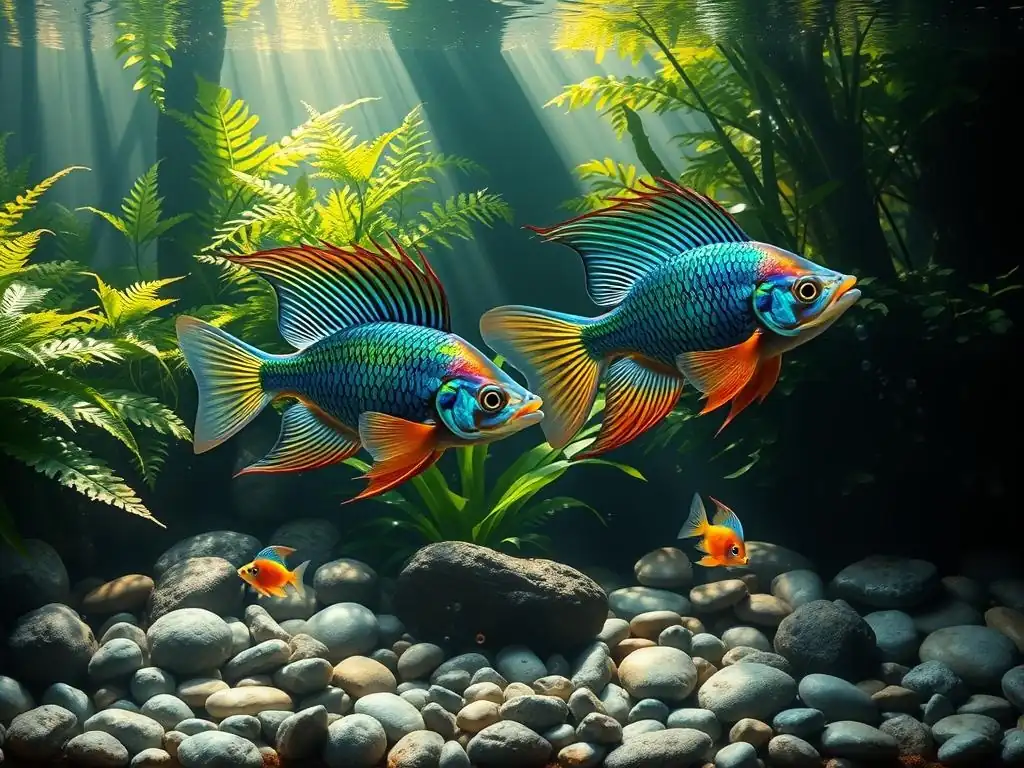
Welcome to Aquarium Mastery!
Ever wondered how to unlock the full potential of your HiFin Swordtails? We're diving deep into the secrets of HiFin Swordtail fin development, offering a line breeder's guide to achieving breathtaking results. Get ready to transform your understanding and elevate your breeding game! Let's explore the fascinating world of these stunning fish and discover how to nurture their magnificent fins.
- Introduction to HiFin Swordtails and Fin Development Goals
- Genetics and Selective Breeding for Superior Finnage
- Environmental Factors Influencing Fin Growth
- Line Breeding Techniques for HiFin Swordtails
- Addressing Common Fin Development Problems in HiFin Swordtails
- Advanced Techniques for HiFin Swordtail Fin Enhancement
- Showcasing and Judging HiFin Swordtails
- Conclusion: The Art and Science of HiFin Swordtail Fin Development
-
Frequently Asked Questions
- How does selective breeding impact HiFin Swordtail fin development?
- What role does water quality play in HiFin Swordtail fin development?
- What are the ideal tank parameters for HiFin Swordtail fin development?
- What type of food promotes healthy fin development in HiFin Swordtails?
- Are there any specific diseases that can negatively impact HiFin Swordtail fin development?
- Final Reflection: Sculpting Aquatic Elegance
- Unleash the Majesty: Elevate Your HiFin Swordtail Line Today!
Introduction to HiFin Swordtails and Fin Development Goals
Understanding the Allure of HiFin Swordtails
HiFin Swordtails, a captivating variant of the popular Xiphophorus hellerii, stand out in the freshwater aquarium hobby primarily for their dramatically exaggerated finnage. Unlike their wild counterparts, these selectively bred swordtails boast dorsal fins that can reach impressive heights, often resembling a majestic sail, and elongated caudal fin extensions (swords) that add to their elegant silhouette. This unique aesthetic appeal, combined with their vibrant coloration—ranging from brilliant reds and oranges to deep blacks and subtle marbling—makes them a highly sought-after species for both casual aquarists and dedicated line breeders.
The fascination with HiFin Swordtails stems from the challenge and reward of developing truly exceptional specimens. Breeders are drawn to the potential for genetic manipulation to enhance specific traits, particularly the HiFin Swordtail fin development. A well-bred HiFin Swordtail, with its towering dorsal fin and perfectly straight, extended sword, can command significant attention in competitions and among collectors, showcasing the breeder's skill and dedication. Their active nature and relatively peaceful temperament also make them excellent inhabitants for community tanks, further contributing to their widespread popularity.
Defining "Ideal" Fin Development in HiFin Swordtails: A Breeder's Perspective
From a line breeder's perspective, "ideal" HiFin Swordtail fin development is a precise combination of height, shape, and proportion. For the dorsal fin, the gold standard is often a tall, broad, and erect fin that extends significantly above the fish's body, ideally reaching a height equivalent to or even exceeding 1.5 times the fish's body depth. This fin should be free of kinks or folds, maintaining a smooth, sail-like or rectangular profile, and should not droop or collapse. The rays within the fin should be strong and evenly spaced, supporting the membrane fully.
The caudal fin, or tail, is equally critical, particularly the "sword" extension from which the species derives its name. An ideal sword should be long, straight, and rigid, extending horizontally from the lower lobe of the caudal fin. In prime specimens, this sword can measure 50% to 70% of the fish's body length.
It should be free of bends, splits, or frayed edges, tapering smoothly to a point. Beyond individual fin characteristics, the overall proportionality of the fins to the body is paramount; a balanced fish with impressive, yet harmonious, finnage is the ultimate goal in HiFin Swordtail fin development.
Setting Realistic Goals for Fin Height and Shape in Your Breeding Program
Establishing realistic goals is fundamental for any successful HiFin Swordtail breeding program focused on fin enhancement. Expecting show-quality fins in the first generation is often impractical, as significant improvements in HiFin Swordtail fin development typically require multiple generations of selective breeding.
A pragmatic approach involves setting incremental targets, such as aiming for a 10-15% increase in dorsal fin height or sword length in successive generations, rather than a dramatic leap. For instance, if your foundation stock has an average dorsal fin height of 1.2 times body depth, a realistic short-term goal might be to consistently produce offspring with a 1.3-1.4 times body depth ratio within two to three generations.
Furthermore, consider the genetic variability within your initial stock. If your starting fish exhibit only moderate fin development, the path to exaggerated fins will be longer. It's crucial to understand that while selective breeding can push traits, there are genetic limits.
For example, pushing for excessively long swords might sometimes lead to structural weaknesses or difficulty in swimming for the fish. A long-term goal might involve a breeding cycle of 3-5 years to consistently produce fish with dorsal fins reaching 1.8 times body depth and swords approaching 70% of body length, ensuring these enhancements do not compromise the fish's health or vitality.
Genetics and Selective Breeding for Superior Finnage
The Genetic Basis of Fin Development in Swordtails
The exceptional fin development seen in HiFin Swordtails is a direct result of specific genetic mutations that have been carefully selected and propagated over many generations. Unlike wild swordtails, which have relatively modest fins, HiFin varieties possess genes that promote exaggerated growth in fin rays and membranes.
While the exact genes are complex and polygenic, involving multiple genes interacting, studies in similar species suggest that certain gene loci control fin size and shape. For instance, research on fin development in zebrafish, a related teleost, has identified genes like fgfr1a and bmp2b that play crucial roles in fin ray branching and overall fin size.
In HiFin Swordtails, the expression of these genes is often enhanced or modified, leading to the characteristic tall dorsal fins and elongated swords. It is believed that these traits are inherited in a semi-dominant or polygenic manner, meaning that multiple genes contribute to the phenotype, and the full expression of the "HiFin" trait may require multiple copies of these beneficial alleles. Understanding this genetic basis is paramount for breeders aiming to consistently produce offspring with superior HiFin Swordtail fin development, as it guides the selection of breeding pairs and the interpretation of results.
Identifying Key Genes Influencing HiFin Characteristics
While specific gene mapping for HiFin characteristics in Xiphophorus hellerii is not as comprehensively documented as in model organisms, breeders operate on the understanding that certain genetic markers or patterns of inheritance are associated with desirable fin traits. The "HiFin" trait itself is generally considered to be inherited, with varying degrees of expression.
Fish with two copies of the "HiFin" allele (homozygous) often exhibit the most extreme fin development, while those with one copy (heterozygous) may show intermediate development. However, environmental factors and modifier genes can significantly influence the final phenotype, meaning not every homozygous individual will express the trait identically.
Breeders often identify "key genes" through phenotypic observation and pedigree analysis. For example, a male HiFin Swordtail consistently producing offspring with towering dorsal fins and straight, long swords, regardless of the female it's paired with, indicates it likely carries strong alleles for HiFin Swordtail fin development. Conversely, a fish that never produces high-finned offspring, even when paired with a strong HiFin partner, might carry recessive genes that suppress the trait. Careful record-keeping of lineage and observed fin traits across generations is the primary method for breeders to infer the presence and strength of these influential genes.
Selective Breeding Strategies for Enhancing Dorsal and Caudal Fin Growth
To enhance dorsal and caudal fin growth in HiFin Swordtails, line breeders employ rigorous selective breeding strategies. The most common approach is inbreeding or line breeding, which involves breeding closely related individuals that exhibit the desired fin characteristics. For instance, pairing a male with an exceptionally tall dorsal fin to a female from the same spawn that also displays above-average fin development, even if her fins are naturally smaller than the male's, can concentrate the desired genes. This strategy aims to increase the homozygosity of the beneficial alleles responsible for HiFin Swordtail fin development.
Another effective strategy is backcrossing, where a superior offspring is bred back to a parent that displayed excellent fin development. For example, if a particularly promising male emerges from a spawn, he might be bred back to his mother, especially if she comes from a strong fin-developing line. This intensifies the presence of the desired genes within the lineage.
Breeders typically maintain multiple breeding lines concurrently to prevent excessive inbreeding depression, which can lead to reduced vigor and fertility. Consistent visual assessment and measurement of fin dimensions across each generation are critical for identifying the best individuals for the next breeding cycle.
Avoiding Common Genetic Pitfalls in HiFin Swordtail Breeding
While selective breeding is essential for enhancing HiFin Swordtail fin development, breeders must be vigilant about common genetic pitfalls. One major concern is inbreeding depression, which can arise from excessive line breeding without the introduction of new genetic material. This can manifest as reduced fertility, smaller broods, higher rates of deformity (e.g., bent spines, crooked swords), weakened immune systems, and overall diminished vitality. To mitigate this, breeders often introduce carefully selected outcrosses from unrelated, high-quality HiFin lines every few generations to refresh the gene pool while retaining the desired fin traits.
Another pitfall is inadvertently selecting for undesirable traits linked to the desired ones. For example, an overly large dorsal fin might sometimes be correlated with a weaker immune system or a propensity for fin clamping due to the sheer weight or drag. Similarly, an extremely long sword could lead to swimming difficulties or increased susceptibility to damage.
Breeders must balance the pursuit of exaggerated finnage with the overall health, vigor, and functionality of the fish. Careful culling of individuals exhibiting deformities or chronic health issues, even if their fins are impressive, is paramount to maintaining a robust and healthy HiFin Swordtail line.
Environmental Factors Influencing Fin Growth
Water Quality: The Foundation for Healthy Fin Development
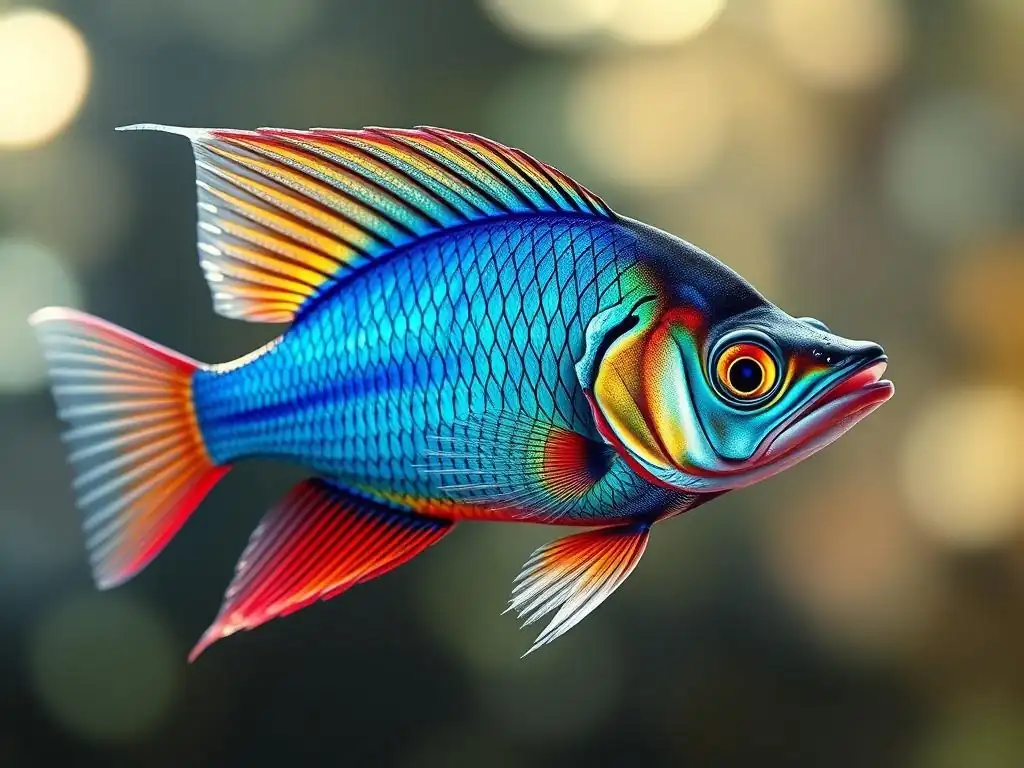
Optimal water quality is the single most critical environmental factor influencing healthy HiFin Swordtail fin development. Poor water conditions, characterized by high levels of ammonia, nitrite, or nitrate, can directly lead to fin erosion, bacterial infections like fin rot, and stunted growth. Swordtails thrive in well-oxygenated, clean water with a stable pH.
For HiFin varieties, maintaining a pH between 7.0 and 8.0 is generally recommended, with a slight preference for alkaline conditions (pH 7.5-7.8). Hardness (GH) should ideally be in the range of 10-25 dGH, as these fish prefer moderately hard to hard water, which provides essential minerals for bone and fin ray development.
Fluctuations in water parameters are equally detrimental. Sudden changes in pH or temperature can stress fish, compromising their immune system and diverting energy away from growth, including fin development. Consistent monitoring using reliable test kits is indispensable. Ammonia and nitrite levels must always be at zero parts per million (ppm), and nitrates should be kept below 20 ppm, ideally closer to 10 ppm for peak health and fin growth. Any deviation from these parameters will significantly impede HiFin Swordtail fin development and overall vitality.
Maintaining Optimal Water Parameters for HiFin Swordtails
To maintain optimal water parameters for HiFin Swordtails, a rigorous and consistent aquarium maintenance schedule is essential. Regular testing of pH, ammonia, nitrite, and nitrate levels should be conducted at least once a week, and more frequently in breeding tanks or during the initial cycling phase. Employing a robust filtration system, including mechanical, biological, and chemical filtration, is crucial for removing waste products and maintaining water clarity. Biological filtration, provided by beneficial bacteria in the filter media, is particularly important for converting toxic ammonia and nitrite into less harmful nitrate.
Temperature stability is also key; HiFin Swordtails prefer temperatures between 72°F and 80°F (22°C-27°C). A reliable aquarium heater with a thermostat will prevent harmful temperature swings. Furthermore, incorporating live plants can assist in nitrate absorption and oxygenation, contributing to a more stable and healthy environment. For breeders focused on HiFin Swordtail fin development, even minor deviations from ideal parameters can lead to subtle stresses that hinder the full expression of their genetic potential, making diligent parameter management non-negotiable.
The Role of Water Changes and Filtration in Fin Growth
Water changes are perhaps the most impactful maintenance activity for promoting robust HiFin Swordtail fin development. Regular partial water changes remove accumulated nitrates, phosphates, and other dissolved organic compounds that can build up even in well-filtered tanks. For breeding tanks with a higher bioload, performing 25-30% water changes twice a week is often more beneficial than a single weekly change. This consistent replenishment of fresh, dechlorinated, and temperature-matched water minimizes stressors and provides a pristine environment that allows fish to allocate energy towards growth and fin development rather than combating poor water quality.
Effective filtration complements water changes by continuously removing particulate matter and processing nitrogenous waste. Mechanical filtration physically removes debris, preventing it from breaking down and polluting the water. Biological filtration, as mentioned, is vital for the nitrogen cycle. Chemical filtration, such as activated carbon, can remove dissolved organic pollutants and odors, further enhancing water clarity and purity. A well-designed filtration system, with flow rates appropriate for the tank size (typically 4-6 times the tank volume per hour), ensures that the water remains consistently clean, providing the ideal foundation for superior HiFin Swordtail fin development.
Diet and Nutrition: Fueling Exceptional Fin Development
Proper diet and nutrition are indispensable for fueling exceptional HiFin Swordtail fin development. Fins, like all other tissues, require a steady supply of high-quality proteins, essential fatty acids, vitamins, and minerals for their growth and structural integrity. A diet lacking in these crucial components will inevitably lead to stunted fin growth, dull coloration, and increased susceptibility to diseases like fin rot, even if water quality is pristine. For breeders, understanding the specific nutritional needs of HiFin Swordtails is as important as understanding their genetics.
A varied diet is key. Relying on a single type of flake food, even a high-quality one, may not provide the full spectrum of nutrients required for optimal HiFin Swordtail fin development. Incorporating a mix of flakes, pellets, frozen foods, and live foods ensures a comprehensive nutritional intake. The protein content of the primary diet should typically be around 35-45%, particularly for growing juveniles and breeding adults, as protein is fundamental for tissue repair and growth.
Essential Nutrients for HiFin Swordtail Fin Growth
For robust HiFin Swordtail fin development, several key nutrients stand out as essential. Proteins are the building blocks of all tissues, including the fin rays and supporting structures. A diet rich in high-quality animal and plant proteins, such as those found in fish meal, spirulina, and shrimp meal, is paramount. Essential fatty acids, particularly Omega-3 and Omega-6, are crucial for cell membrane health, inflammation reduction, and overall vitality, which indirectly supports fin health. These can be sourced from ingredients like krill, marine fish oils, and certain algae.
Vitamins, especially Vitamin A (for vision and immune function), Vitamin C (for collagen synthesis and stress reduction), and Vitamin E (an antioxidant), play vital roles in tissue repair and preventing oxidative damage that can affect fin integrity. B vitamins are important for metabolism and energy production.
Minerals like calcium and phosphorus are necessary for strong bone and fin ray development, while trace elements such as zinc and selenium contribute to overall health and immune function. Ensuring a balanced intake of these nutrients through a varied and high-quality diet directly correlates with the ability of HiFin Swordtails to express their full genetic potential for fin development.
Live Foods vs. Prepared Foods: Which is Best for Fin Enhancement?
While high-quality prepared foods (flakes, pellets) form the backbone of a HiFin Swordtail's diet, the inclusion of live foods can significantly enhance fin development and overall vigor. Live foods such as brine shrimp (Artemia), daphnia, bloodworms, and blackworms offer a rich source of protein, essential fatty acids, and natural digestive enzymes that are often diminished in processed foods.
The act of hunting live food also provides mental stimulation and encourages natural behaviors, contributing to healthier, more active fish. For instance, feeding newly hatched brine shrimp to fry can dramatically improve their growth rates and the initial development of their fins compared to only using powdered fry foods.
However, live foods come with inherent risks, primarily the potential for introducing parasites or diseases into the aquarium. Therefore, sourcing live foods from reputable suppliers or culturing them yourself under sterile conditions is crucial.
Prepared foods, on the other hand, offer convenience, long shelf life, and often a more consistent nutrient profile, with many brands fortifying their products with a full spectrum of vitamins and minerals. The optimal approach for maximizing HiFin Swordtail fin development is a balanced diet that combines a high-quality staple prepared food with regular, controlled supplementation of diverse live or frozen foods, ensuring both nutritional completeness and natural enrichment.
Tank Setup and Environment: Promoting Healthy Finnage
The physical tank setup and environment play a significant, often underestimated, role in promoting healthy HiFin Swordtail fin development. A well-designed habitat minimizes stress, prevents fin damage, and provides ample space for these active fish to grow and display their magnificent finnage without obstruction. Cramped conditions or aggressive tank mates can lead to constant stress, nipping, or physical damage to the delicate fins, which then diverts the fish's energy from growth and maintenance towards healing.
Consideration of water flow, lighting, and even the type of substrate can influence fin health. While HiFin Swordtails appreciate some water movement, excessively strong currents can put undue strain on their large fins, potentially leading to fatigue or even tearing. A balance is required, providing adequate oxygenation without creating a turbulent environment. The overall aim is to create a secure, stimulating, and spacious environment that allows HiFin Swordtails to thrive and fully express their genetic potential for impressive fin development.
Tank Size and Dimensions for HiFin Swordtails
Tank size and dimensions are critical for the optimal HiFin Swordtail fin development. Due to their active nature and potential for significant growth, especially with their elongated fins, swordtails require ample swimming space. A minimum tank size of 20 gallons (approximately 75 liters) is recommended for a small group of HiFin Swordtails, but a 30-gallon (113-liter) or even 40-gallon breeder tank is far more suitable for a breeding project or a larger group, allowing for better water stability and more horizontal swimming area.
The length of the tank is generally more important than its height for swordtails, as they are strong swimmers that appreciate horizontal space. A longer tank, such as a 20-gallon long (30 inches long) or a 40-gallon breeder (36 inches long), provides sufficient room for males to display their swords and for all fish to swim freely without constantly turning. This reduces stress, minimizes accidental fin damage from bumping into tank mates or decor, and allows the fins to grow unimpeded, directly contributing to superior HiFin Swordtail fin development.
Substrate and Decoration Considerations for Optimal Fin Growth
When setting up a tank for HiFin Swordtails, the choice of substrate and decorations should prioritize fin safety and overall fish well-being. Fine-grained sand or smooth, small-sized gravel are ideal substrate choices. Coarse or sharp-edged gravel can abrade or tear delicate fins, especially the long swords, as fish forage or rest near the bottom. A substrate depth of 1-2 inches is usually sufficient for plant rooting and beneficial bacteria colonization without becoming a detritus trap.
Decorations should be chosen with smooth surfaces and no sharp edges. Live plants, such as Java Fern, Anubias, and various stem plants, are excellent choices as they provide natural hiding spots, break up lines of sight (reducing aggression), and improve water quality without posing a fin-snagging risk. Driftwood and smooth rocks can also be incorporated, provided they are free of rough textures or crevices that could damage fins. Overcrowding the tank with too many decorations should be avoided, as it restricts swimming space and increases the likelihood of fin damage, thereby hindering optimal HiFin Swordtail fin development.
Line Breeding Techniques for HiFin Swordtails
Establishing a Strong Foundation Stock for HiFin Breeding
Establishing a strong foundation stock is the cornerstone of any successful HiFin Swordtail breeding program aimed at enhancing fin development. This initial selection critically impacts the potential for future generations. Begin by acquiring 6-10 high-quality individuals from reputable breeders who prioritize HiFin traits. Look for fish that already exhibit promising fin development: tall, erect dorsal fins, and long, straight swords proportionate to their bodies. Observe their swimming behavior; healthy fish should be active and free of any obvious deformities, such as bent spines or crooked mouths, which could be indicative of underlying genetic issues.
Diversity within this initial group, while maintaining high quality, is beneficial. If possible, acquire fish from 2-3 different, unrelated sources to minimize immediate inbreeding and broaden the genetic pool. This allows for future outcrossing if needed, to introduce new vigor without completely diluting the desired HiFin characteristics. Quarantine all new fish for at least 3-4 weeks to ensure they are healthy and free of disease before introducing them to your main breeding tanks. A robust and healthy foundation is indispensable for consistent progress in HiFin Swordtail fin development.
Implementing a Line Breeding Program: Step-by-Step Guide
Implementing a line breeding program for HiFin Swordtails involves a systematic approach to selective breeding over multiple generations.
- Initial Pairing: Select the best male and female from your foundation stock that exhibit the most desirable fin characteristics. Pair them in a dedicated breeding tank.
- Rearing Fry: Once the female gives birth, separate the fry into a grow-out tank. Provide optimal conditions (water quality, diet) to maximize their growth and fin development.
- First Generation Selection (F1): At maturity (typically 3-5 months), carefully evaluate all F1 offspring. Select the top 5-10% of individuals that display the most significant improvements in HiFin Swordtail fin development (e.g., tallest dorsal fins, longest swords, best shape). Discard or rehome those that do not meet your criteria.
- Creating F2 Generations (Brother-Sister Matings & Backcrosses): From the selected F1 individuals, create multiple breeding pairs.
- Brother-Sister Matings: Pair the best male with the best female from the same F1 spawn. This intensifies the desired genes.
- Backcrosses: Consider pairing an exceptional F1 male back to his mother (if she was a top-quality foundation female) or an F1 female back to her father. This can help solidify specific traits from the parental line.
- Repeat and Refine: Continue this process for subsequent generations (F3, F4, etc. ), always selecting the very best individuals for breeding. Maintain detailed records of each pairing and the resulting offspring's characteristics to track progress and identify promising lines. Regularly assess the entire stock for vigor and health, culling any fish showing signs of inbreeding depression or deformities.
Record Keeping and Data Analysis for Tracking Fin Development Progress
Meticulous record keeping and data analysis are absolutely critical for tracking progress in HiFin Swordtail fin development and making informed breeding decisions. Without accurate records, a line breeding program becomes a guessing game. For each breeding pair, document:
- Parental IDs: Unique identifiers for the male and female (e.g., "M-001," "F-002").
- Pairing Date: When the breeding pair was set up.
- Spawn Date: When fry were first observed.
- Number of Fry: Initial count, and number surviving to maturity.
- Environmental Parameters: Key water parameters (pH, temp, hardness) in the breeding and grow-out tanks.
- Diet: Specific foods and feeding schedule.
For the offspring, individual records should include:
- Individual ID: For selected breeders (e.g., "F1-M-003").
- Fin Measurements: Quantify fin height (dorsal) and sword length, perhaps as a ratio to body length. Use a ruler or calipers for precision.
- Fin Shape Description: Notes on straightness of sword, erectness of dorsal, any kinks or imperfections.
- Coloration and Body Shape: Other desirable traits.
- Overall Vigor and Health: Observations on activity level, feeding, disease resistance.
Analyzing this data over generations allows breeders to identify which pairings produce the best HiFin Swordtail fin development, which lines are consistently improving, and which might be stagnating or showing undesirable traits. This data-driven approach is the hallmark of a truly scientific and successful breeding program.
Culling and Selection: Refining Your HiFin Swordtail Line
Culling and selection are perhaps the most challenging, yet essential, aspects of refining your HiFin Swordtail line for superior fin development. "Culling" refers to the removal of individuals that do not meet the breeding goals or exhibit undesirable traits. This is not about cruelty but about maintaining the genetic integrity and health of your line. At each stage of development, from fry to maturity, assess the fish against your established criteria for fin height, shape, and overall health.
- Early Culling: As fry grow, remove any individuals showing obvious deformities (e.g., bent spines, extremely short or deformed fins) or signs of poor vigor. This prevents them from consuming resources that could go to more promising individuals.
- Mid-Stage Culling: At juvenile stage, when fins begin to develop more clearly, remove fish with poor fin development, undesirable body shapes, or weak coloration.
- Final Selection (Breeding Stock): At maturity, make the most critical selections. Only the absolute best individuals, representing the pinnacle of HiFin Swordtail fin development and overall health within that generation, should be chosen as future breeders. This rigorous selection pressure ensures that only the strongest genes for fin development are passed on, steadily improving the line over time. The remaining culled fish can be rehomed as pets, but should not be used for breeding if the goal is to enhance the specific HiFin traits.
Addressing Common Fin Development Problems in HiFin Swordtails
Fin Rot and Infections: Prevention and Treatment
Fin rot is one of the most common and devastating problems affecting HiFin Swordtail fin development, often manifesting as frayed, ragged, or disintegrating fins. It is typically caused by bacterial infections (e.g., Aeromonas, Pseudomonas) that opportunistically attack fins already compromised by poor water quality, injury, or stress. The delicate, exaggerated fins of HiFin Swordtails make them particularly susceptible.
Prevention is paramount and relies on maintaining pristine water conditions: zero ammonia, zero nitrite, and low nitrates (below 20 ppm). Regular partial water changes (25-30% weekly or bi-weekly) and efficient filtration are non-negotiable. Overcrowding and aggressive tank mates that cause fin nipping should also be avoided, as open wounds provide entry points for bacteria.
If fin rot occurs, prompt treatment is essential to prevent further damage and systemic infection. Mild cases can often be resolved by improving water quality drastically and adding aquarium salt (1-2 teaspoons per gallon) which acts as a mild antiseptic and aids osmoregulation. For more severe cases, broad-spectrum antibacterial medications designed for aquarium use (e.g., those containing erythromycin, tetracycline, or furan-2) may be necessary. Always follow the manufacturer's instructions carefully and remove activated carbon during treatment. Early intervention can save the fins and prevent permanent damage to the HiFin Swordtail's prized feature.
Genetic Deformities: Identifying and Eliminating Undesirable Traits
Genetic deformities are a significant concern in line breeding HiFin Swordtails, as intensive inbreeding can inadvertently concentrate undesirable recessive genes. These deformities can directly impact HiFin Swordtail fin development or overall fish health. Common examples include bent spines (scoliosis or lordosis), crooked mouths, missing gill plates, and severely malformed fins that are not merely underdeveloped but structurally abnormal (e.g., permanently clamped fins, severely twisted swords, or fins lacking proper ray support). Such deformities indicate a genetic predisposition and should be rigorously culled from the breeding program.
Identifying these undesirable traits requires careful observation of all offspring from fry stage through maturity. Any fish exhibiting a deformity, no matter how impressive its other fin traits might be, should be removed from the breeding pool. Breeding siblings that consistently produce deformed offspring should be avoided, and their parents might also need re-evaluation.
While occasional deformities can occur randomly, a high incidence points to a genetic issue within the line. Introducing an outcross from a healthy, unrelated HiFin line can help dilute these undesirable genes and improve the overall genetic health and vigor of your stock, thereby promoting more consistent and healthy HiFin Swordtail fin development.
Environmental Stressors: Minimizing Their Impact on Fin Development
Environmental stressors can significantly impede HiFin Swordtail fin development, even in genetically predisposed individuals. Stress diverts a fish's energy away from growth and maintenance towards coping mechanisms, leading to suppressed immune function, stunted growth, and susceptibility to disease. Common stressors include fluctuating water parameters (temperature, pH, hardness), sudden changes in lighting, strong water currents, overcrowding, bullying by aggressive tank mates, and insufficient hiding spots. For instance, a HiFin Swordtail constantly chased by a dominant male or stressed by rapidly changing pH levels will likely have clamped fins, dull coloration, and stunted fin growth, regardless of its genetic potential.
Minimizing these stressors is crucial for optimal HiFin Swordtail fin development. Maintain stable water parameters through consistent maintenance and reliable equipment. Provide adequate tank size to prevent overcrowding, and ensure appropriate tank mates that are peaceful and do not nip fins.
Offer plenty of hiding places using live plants or smooth decorations to provide security. A consistent photoperiod (e.g., 10-12 hours of light per day) and a regular feeding schedule also contribute to a stable and predictable environment. By creating a calm and secure habitat, breeders enable their HiFin Swordtails to thrive and direct their energy towards developing their magnificent finnage.
Advanced Techniques for HiFin Swordtail Fin Enhancement
Hormonal Treatments: Considerations and Risks [Disclaimer: Consult with an Expert]
Disclaimer: The use of hormonal treatments in fish breeding can be complex, carries significant risks, and should only be undertaken after extensive research and, ideally, consultation with an aquatic veterinarian or experienced expert. Improper use can harm fish, lead to undesirable side effects, or result in sterility.
Hormonal treatments, specifically the use of androgens (male hormones), have been explored by some breeders to potentially enhance fin development in certain fish species, including swordtails, by promoting male characteristics. Testosterone, for example, can influence the development of secondary sexual characteristics, which in male swordtails includes the elongated sword and more pronounced dorsal fin. The theory is that early exposure might stimulate more robust fin growth. However, this is a highly controversial and risky practice.
The risks associated with hormonal treatments are substantial. They can lead to sterility in treated fish, deformities, stunted growth in other body parts, and a shortened lifespan. Furthermore, the precise dosage and timing are critical and difficult to control without specialized knowledge, making accidental overdose or adverse effects highly probable. Given the ethical considerations and potential harm to the fish, most reputable HiFin Swordtail breeders prioritize natural selective breeding, optimal nutrition, and pristine water quality as the primary and safest methods for enhancing HiFin Swordtail fin development.
Specialized Diets and Supplements: Exploring Advanced Nutritional Strategies
Beyond a balanced staple diet, breeders looking to push the boundaries of HiFin Swordtail fin development sometimes explore specialized diets and supplements. These strategies aim to provide an extra nutritional boost, particularly for specific compounds believed to support fin growth and color. For example, some breeders incorporate foods rich in Astaxanthin, a powerful antioxidant and carotenoid found in krill, spirulina, and shrimp. While primarily known for enhancing red and orange coloration, Astaxanthin also supports overall fish health and immune function, which indirectly benefits fin integrity and growth.
Other supplements might include specific vitamin complexes (e.g., high doses of Vitamin C or E), or probiotic additives designed to improve gut health and nutrient absorption. Some highly specialized diets might feature higher percentages of specific types of proteins (e.g., marine-derived proteins) or essential fatty acids. However, it's crucial to approach supplementation with caution. Over-supplementation can be detrimental, leading to nutrient imbalances or toxicity. Any specialized diet or supplement should be introduced gradually, and the fish's response carefully monitored. The goal is to fine-tune nutrition to support maximum HiFin Swordtail fin development without compromising overall health.
Outcrossing with Other Swordtail Varieties: Expanding the Gene Pool
While line breeding focuses on intensifying desired traits within a closed population, outcrossing involves introducing genetic material from an unrelated swordtail variety to expand the gene pool. This technique is typically employed to address issues like inbreeding depression (reduced vigor, fertility, or increased deformities) or to introduce entirely new traits, such as a different color pattern, while attempting to retain the superior HiFin Swordtail fin development. For instance, a breeder might outcross a HiFin line showing signs of spinal deformities with a robust, healthy, but non-HiFin swordtail of a different color, then selectively breed back to the HiFin trait.
The strategy involves carefully selecting an outcross partner that is healthy, vigorous, and ideally possesses good body conformation, even if its fins are not "HiFin." The F1 generation from such a cross will typically show a dilution of the HiFin trait but an increase in vigor. Subsequent generations (F2, F3, etc.)
will then be selectively bred, focusing on re-establishing and enhancing the HiFin Swordtail fin development while retaining the improved health and genetic diversity introduced by the outcross. This is a long-term strategy, potentially requiring many generations to stabilize the desired HiFin traits without reintroducing the original problems or unwanted characteristics from the outcross.
Showcasing and Judging HiFin Swordtails
Preparing Your HiFin Swordtails for Competition
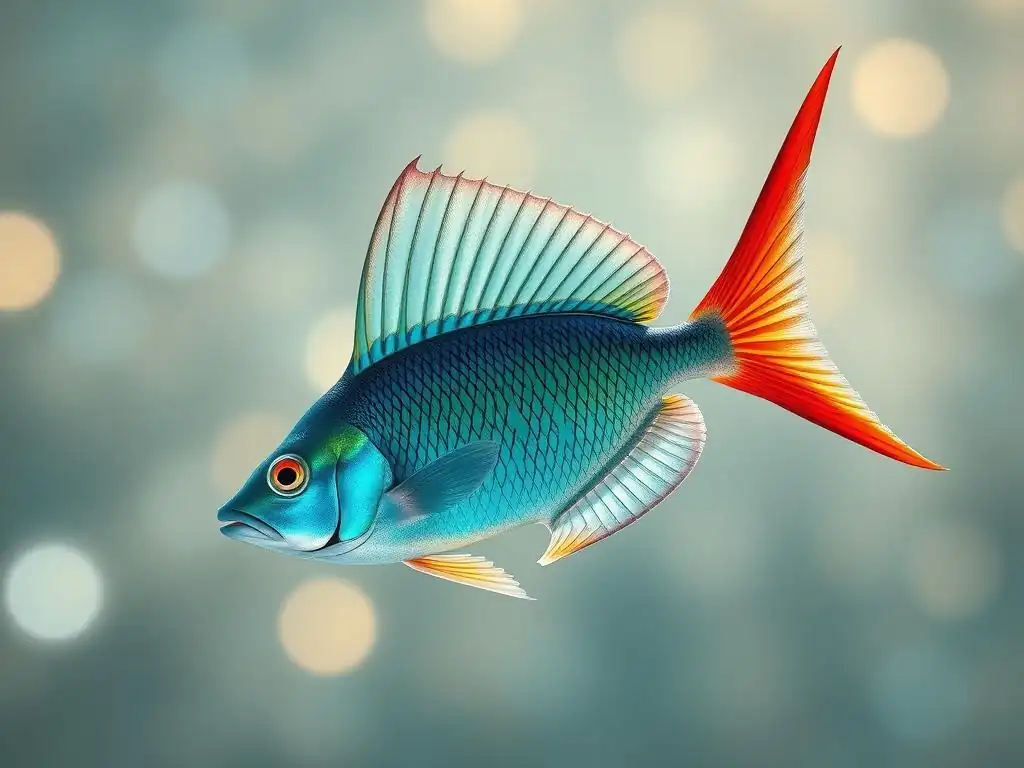
Preparing your HiFin Swordtails for competition requires meticulous attention to detail, ensuring they look their absolute best to highlight their superior fin development. Approximately 2-4 weeks before a show, begin a "conditioning" phase. This involves feeding a highly nutritious and varied diet, including live and frozen foods, several times a day to maximize growth, color, and fin health. Increase the frequency of partial water changes (e.g., 30% every 2-3 days) to maintain pristine water quality, which enhances fin clarity and reduces stress.
During this period, ensure the fish are in a low-stress environment with ample space and no aggressive tank mates to prevent fin nipping or damage. Some breeders will isolate individual show specimens in their own small, clean tanks for optimal conditioning. On the day of the show or transport, fast the fish for 12-24 hours to minimize waste production during transit.
Carefully net and transfer the fish using a soft net or plastic container to avoid fin damage. The goal is to present a healthy, vibrant fish with fully extended, undamaged fins that showcase the culmination of your efforts in HiFin Swordtail fin development.
Understanding Judging Criteria for HiFin Swordtail Fin Development
Understanding the judging criteria for HiFin Swordtail fin development is paramount for success in competitions. While specific criteria may vary slightly between different fish associations (e.g., American Livebearer Association, local aquarium clubs), common points of evaluation for HiFin Swordtails typically include:
- Dorsal Fin:
- Height and Breadth: Should be exceptionally tall and broad, ideally 1.5 to 2 times the body depth.
- Shape: Erect, sail-like or rectangular, free of kinks, folds, or drooping.
- Rays: Strong, evenly spaced, fully supporting the fin membrane.
- Caudal Fin (Sword):
- Length: Long, ideally 50-70% of the body length.
- Straightness: Perfectly straight, no bends or twists.
- Rigidity: Should be firm and not droop.
- Condition: Free of nips, tears, or fraying.
- Proportionality: The fins should be well-proportioned to the body, creating a balanced and aesthetically pleasing fish. Overly large fins that impede swimming or appear disproportionate may be penalized.
- Overall Health and Vigor: The fish should be active, alert, and free of any signs of disease, stress, or physical deformities. Coloration should be vibrant and intense.
Judges will meticulously examine these aspects, often using small measuring tools or visual comparisons, to determine the best representation of superior HiFin Swordtail fin development.
Promoting Your HiFin Swordtail Line: Marketing and Sales Strategies
Once you have successfully developed a line of HiFin Swordtails with exceptional fin development, promoting and selling your fish can be a rewarding endeavor. Effective marketing strategies are crucial to reach potential buyers and establish your reputation as a breeder. Start by building a strong online presence. Create a dedicated section on a website like Aquarium Mastery, or use social media platforms, to showcase high-quality photographs and videos of your best specimens, highlighting their impressive fin development and vibrant colors. Include details about your breeding philosophy, the care you provide, and the specific traits you are focusing on.
Participating in local and national fish shows is an excellent way to gain recognition. Winning awards provides tangible proof of your fish's quality and generates significant interest. Network with other breeders and hobbyists at these events. Consider writing articles or contributing to online forums about your experiences in HiFin Swordtail fin development, sharing insights and establishing yourself as an expert.
Offer educational content, such as care guides specific to your line. Pricing should reflect the quality and rarity of your fish, but also be competitive. Building trust through transparency, excellent customer service, and consistently delivering healthy, high-quality fish will lead to repeat business and positive word-of-mouth referrals.
Conclusion: The Art and Science of HiFin Swordtail Fin Development
Frequently Asked Questions
How does selective breeding impact HiFin Swordtail fin development?
Selective breeding allows aquarists to choose and breed HiFin Swordtails with desirable fin traits, gradually enhancing fin length and overall appearance over generations. This process focuses on reinforcing dominant genes responsible for larger fins.
What role does water quality play in HiFin Swordtail fin development?
Poor water quality can severely hinder fin development. Maintaining pristine water conditions with regular water changes and proper filtration is crucial for healthy fin growth and preventing fin rot.
What are the ideal tank parameters for HiFin Swordtail fin development?
Ideal parameters include a temperature range of 72-78°F, a pH of 6.8-7.8, and low levels of ammonia and nitrites. Consistent monitoring is essential for optimal fin development.
What type of food promotes healthy fin development in HiFin Swordtails?
A varied diet rich in protein and vitamins is essential. Supplementing with live or frozen foods like brine shrimp and daphnia can significantly boost fin growth.
Are there any specific diseases that can negatively impact HiFin Swordtail fin development?
Fin rot, caused by bacteria or fungi, is a common issue. Early detection and treatment with appropriate medications are vital to prevent permanent damage and ensure healthy fin development.
Final Reflection: Sculpting Aquatic Elegance
The journey of selectively breeding HiFin Swordtails, as explored in this guide, is more than just a technical exercise; it's a testament to the power of dedication and observation in shaping living art. The principles of genetics and careful selection, when applied with patience and understanding, can truly unlock the hidden potential within a species, resulting in breathtaking displays of aquatic elegance that captivate hobbyists and enthusiasts alike.
This pursuit of enhanced fin development has profoundly influenced the way we perceive and interact with these vibrant creatures. It's a reminder that even within the seemingly simple world of fishkeeping, there lies a complex interplay of genetics, environment, and human intervention. The best and most beautiful things in the world cannot be seen or even touched - they must be felt with the heart.
- Helen Keller. This quote resonates deeply, reminding us that the true beauty of HiFin Swordtails lies not just in their physical appearance, but in the passion and dedication that fuels their creation.
As you embark on your own journey to enhance HiFin Swordtail fin development, remember that patience and perseverance are your greatest allies. Let this guide serve as a foundation, but allow your own observations and intuition to guide you. Embrace the challenges, celebrate the successes, and never lose sight of the beauty you are striving to create. The future of HiFin Swordtails, and the artistry within their fins, rests in your capable hands.
Unleash the Majesty: Elevate Your HiFin Swordtail Line Today!
Thanks for exploring the world of swordtails with us! We hope you've gained valuable insights into enhancing the beauty and fin development of your prized specimens. Now, let's put that knowledge into action!
Here are a few steps you can take to improve your breeding results:
- Evaluate your current swordtail stock immediately. Identify individuals with the most desirable fin traits and focus on them for your next breeding cycle.
- Consider supplementing your fish's diet with live blackworms. Their high protein content can support better fin growth and overall health.
- Share your experiences! Join our community forum at aquariummastery.com and post pictures of your most impressive swordtails – let's inspire each other!
What specific environmental change will you implement this week to better promote optimal fin development in your swordtails?