
Otocinclus: The Nano Tank Algae Annihilator You Need to Know

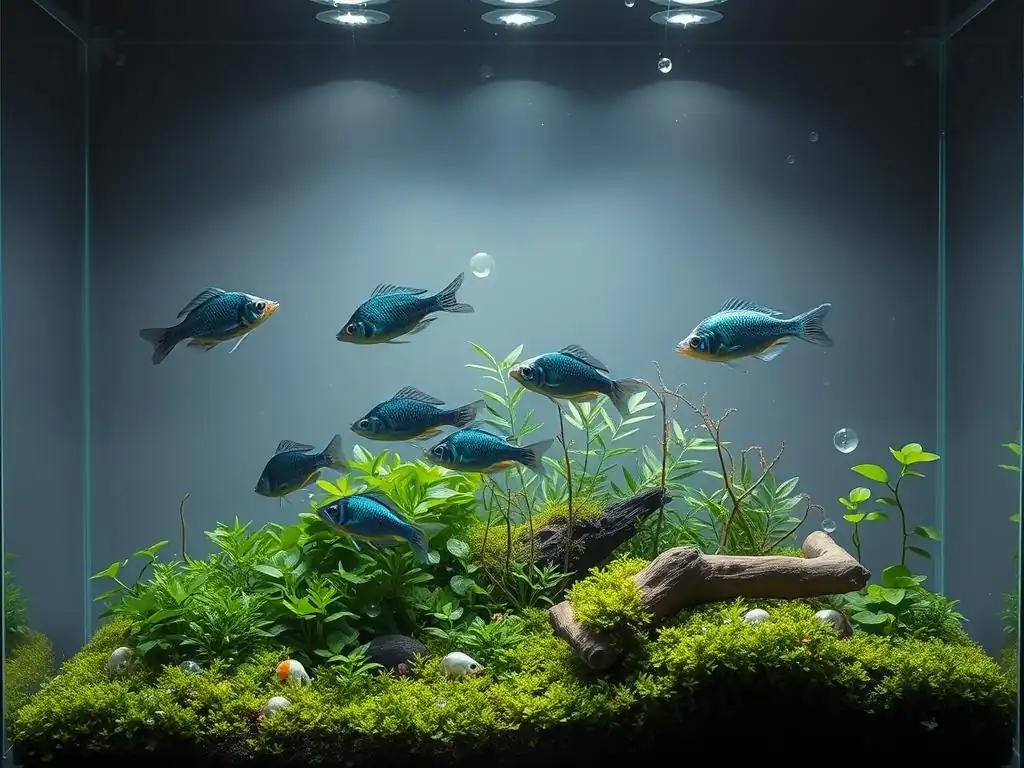
Welcome to Aquarium Mastery!
Ever dreamed of a pristine aquarium, free from unsightly algae? Get ready to meet your secret weapon: the Otocinclus. These tiny algae eaters are more than just cleanup crew; they're fascinating little fish with unique needs. Intrigued? Dive into our comprehensive guide to Otocinclus algae control tips and discover how these amazing nano fish can transform your freshwater tank!
- Understanding Otocinclus and Their Algae-Eating Prowess
- Optimizing Your Tank for Otocinclus Algae Control
- Mastering Otocinclus Algae Control Tips
- Breeding Otocinclus: A Challenging but Rewarding Endeavor
- Common Mistakes to Avoid When Keeping Otocinclus
- Otocinclus: Your Secret Weapon for a Pristine Nano Aquarium
-
Frequently Asked Questions
- How effective are Otocinclus for algae control in a nano aquarium?
- What type of algae do Otocinclus primarily consume?
- How many Otocinclus should I add to my nano aquarium for optimal algae control?
- What are the ideal water parameters for keeping Otocinclus healthy and happy?
- What should I feed my Otocinclus if there isn't enough algae in the tank?
- Final Reflection: The Silent Guardians of Aquatic Harmony
- Unleash Your Tank's Potential: Become an Oto Pro!
Understanding Otocinclus and Their Algae-Eating Prowess
What are Otocinclus Catfish? An Introduction to Otocinclus Species
Otocinclus catfish, often affectionately called "Otos" or "Dwarf Suckermouth Catfish," belong to the genus Otocinclus, a group of small, peaceful freshwater fish native to South America. These diminutive fish typically reach an adult size of only 1.5 to 2 inches (approximately 3.8 to 5 centimeters), making them one of the smallest and most sought-after algae eaters in the aquarium hobby. Their characteristic suckermouth, adapted for scraping algae and biofilm from surfaces, is a defining feature that highlights their specialized feeding habits.
Primarily found in the clear, fast-flowing waters of tributaries and streams across countries like Brazil, Peru, and Argentina, Otocinclus are highly social creatures that thrive when kept in groups. Their natural schooling behavior contributes to their overall well-being and confidence in an aquarium environment. While several species exist within the Otocinclus genus, such as Otocinclus affinis and Otocinclus vittatus, they generally share similar care requirements and an invaluable role in aquarium maintenance: the relentless consumption of soft algae.
Why Otocinclus are Ideal for Nano Aquariums
Otocinclus catfish are uniquely suited for nano aquariums, typically defined as tanks under 20 gallons (around 75 liters), due to their remarkably small size and minimal bioload. Unlike larger plecos or other common algae eaters that can quickly outgrow small tanks or produce excessive waste, Otos maintain a low impact on water quality, making them an excellent choice for maintaining stability in smaller, more sensitive aquatic ecosystems. Their compact build allows them to navigate tight spaces, reaching algae in crevices and on plant leaves that larger inhabitants might miss.
Their flat, streamlined bodies and ventral suckermouth enable them to efficiently graze on surfaces without disturbing plants or substrate. This makes them particularly effective at keeping plant leaves pristine, preventing algae from smothering delicate foliage. For aquarists aiming for a lush, planted nano tank, integrating a small group of Otocinclus can significantly contribute to an aesthetically pleasing and healthy environment, offering effective "Otocinclus algae control tips" without overwhelming the tank's capacity.
The Otocinclus Diet: Algae Consumption and Nutritional Needs
The primary diet of Otocinclus catfish revolves around biofilm and soft green algae, making them obligate grazers that constantly forage for food. They are particularly effective at consuming diatoms, often referred to as brown algae, which commonly appear in new or imbalanced aquariums, as well as softer forms of green algae that cling to glass, decor, and plant leaves. Their specialized mouthparts are designed to scrape these delicate layers, ensuring a thorough clean of various surfaces within the tank.
While their main role is algae consumption, it's crucial to understand that Otocinclus require a consistent and sufficient food source. In a tank with minimal established algae, especially newer setups or those with very efficient filtration, Otos can quickly deplete their natural food supply. In such cases, supplementing their diet with blanched vegetables like zucchini, spinach, or cucumber, as well as high-quality algae wafers designed for bottom feeders, becomes essential to prevent starvation and maintain their health. Providing these supplements is a key component of successful "Otocinclus algae control tips" and ensures their long-term well-being.
Optimizing Your Tank for Otocinclus Algae Control
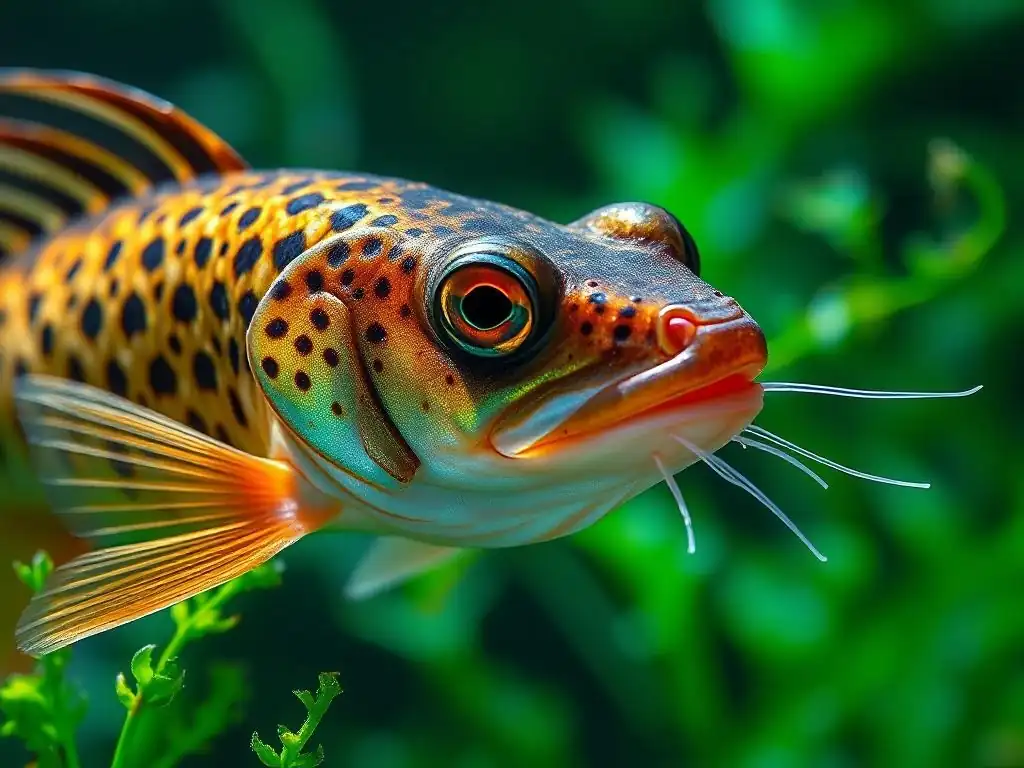
Tank Setup Essentials for Happy and Healthy Otocinclus
Ideal Tank Size for Otocinclus Catfish: Nano Tank Considerations
While Otocinclus are small, they are schooling fish and thrive best when kept in groups of at least 3-5 individuals. For a healthy group, a minimum tank size of 10 gallons (approximately 38 liters) is recommended. This allows sufficient space for them to establish territories, graze freely, and exhibit their natural schooling behaviors, which reduces stress and promotes overall vitality.
Housing a group in a suitably sized tank ensures that the bioload, though small per fish, remains manageable and that there is adequate surface area for algae growth. For larger nano setups, such as a 20-gallon tank, a group of 6-8 Otocinclus can be kept, providing even more effective "Otocinclus algae control tips" while maintaining a stable environment.
Water Parameters: Maintaining a Pristine Environment for Otocinclus
Otocinclus catfish are highly sensitive to fluctuating water parameters and elevated levels of nitrates, making stable and pristine water quality paramount for their survival. The ideal temperature range for Otos is between 72-79°F (22-26°C), with a pH level of 6.0-7.5 and a general hardness (GH) of 3-10 dGH. Consistency in these parameters is far more critical than hitting exact numbers, as sudden changes can induce severe stress or even lead to fatalities.
Regular water changes, typically 20-30% weekly, are essential to keep nitrate levels low and replenish vital trace minerals. A well-cycled aquarium with mature biological filtration is non-negotiable before introducing Otocinclus, as they are particularly vulnerable to ammonia and nitrite spikes. Implementing a robust filtration system, combined with diligent water parameter monitoring, forms the backbone of successful Otocinclus care and effective "Otocinclus algae control tips."
Substrate and Decor: Creating a Natural Habitat for Algae Eaters
The choice of substrate and decor plays a significant role in creating a comfortable and functional habitat for Otocinclus. A fine gravel or sand substrate is ideal, as it prevents injuries to their delicate undersides while they graze along the tank bottom. Sharp-edged gravel or rough decor should be avoided, as these can easily damage their soft bellies and fins.
Incorporating smooth rocks, natural driftwood, and various caves or hiding spots provides essential security and grazing surfaces. Driftwood, in particular, is highly beneficial as it often develops a layer of biofilm and soft algae, offering a natural and constant food source for Otos to graze upon. These elements not only mimic their natural South American riverine habitats but also contribute to the overall effectiveness of "Otocinclus algae control tips" by providing diverse areas for algae to grow and be consumed.
Best Plants for Otocinclus: Promoting Algae Growth and Providing Shelter
Live plants are an invaluable addition to any Otocinclus tank, serving multiple purposes from providing grazing surfaces to offering essential shelter. Species with broad, robust leaves are particularly beneficial, as they offer ample surface area for soft green algae and diatoms to grow, which are the Otos' preferred food sources. Excellent choices include Anubias species, Java Fern ( Microsorum pteropus), and various Cryptocoryne species. These plants are generally hardy and can withstand the gentle grazing of Otocinclus without suffering damage.
Beyond food provision, plants contribute significantly to water quality by absorbing excess nitrates and phosphates, thereby reducing the likelihood of severe algae blooms that are difficult for Otos to manage. Dense planting also creates numerous hiding spots and shaded areas, which are crucial for reducing stress in these shy fish. A well-planted tank not only looks more aesthetically pleasing but also creates a more stable and enriching environment, enhancing the overall effectiveness of "Otocinclus algae control tips."
Otocinclus Tank Mates: Compatible Species for a Peaceful Community
Choosing the Right Tank Mates to Avoid Competition for Algae
Selecting appropriate tank mates is crucial for the well-being of Otocinclus and the effectiveness of your "Otocinclus algae control tips." Given their small size and peaceful nature, Otos thrive in community tanks with other similarly sized, non-aggressive species. Ideal tank mates include Dwarf Rasboras (e.g., Chili Rasboras, Harlequin Rasboras), small Tetras (e.g., Neon Tetras, Ember Tetras), Endler's Livebearers, and other small, peaceful bottom dwellers like pygmy Corydoras. These species typically occupy different areas of the water column and do not compete directly for the algae that Otos consume.
It is imperative to avoid housing Otocinclus with large, aggressive, or overly boisterous fish that might outcompete them for food, harass them, or view them as prey. Similarly, introducing other primary algae eaters, especially larger ones like certain plecos, can lead to severe food competition, potentially starving your Otos. A thoughtful selection of tank mates ensures a harmonious environment where Otocinclus can graze effectively and live stress-free.
Mastering Otocinclus Algae Control Tips
Effective Otocinclus Algae Control Strategies for a Clear Aquarium
Identifying Different Types of Algae in Your Aquarium
Effective "Otocinclus algae control tips" begin with understanding the types of algae present in your aquarium, as Otos have specific preferences. They are highly effective against diatoms, which typically appear as a brownish film on glass, substrate, and decor, especially in newer tanks. They also readily consume soft green algae that forms a thin, fuzzy layer on plant leaves and hard surfaces. These are the primary targets for an Otocinclus cleanup crew.
However, Otocinclus are generally less effective, or entirely ineffective, against tougher or more stubborn algae types such as Black Brush Algae (BBA), Green Hair Algae (GHA), or Green Spot Algae (GSA). While they might graze on some parts of these, they are not a complete solution for severe outbreaks of these resilient forms. Therefore, it's important to set realistic expectations for their algae-eating capabilities and complement their efforts with other strategies if these tougher algae emerge.
How Many Otocinclus Do You Need for Effective Algae Removal?
For effective and sustained algae removal, particularly in nano tanks, it's recommended to keep Otocinclus in groups. A minimum of 3-5 Otos is advisable for a 10-gallon aquarium. This group size promotes their natural schooling behavior, reduces stress, and encourages them to graze more actively across the tank. In larger nano setups, such as 15 or 20-gallon tanks, increasing the group to 6-8 individuals can provide even more comprehensive coverage and more pronounced "Otocinclus algae control tips."
It's crucial not to overcrowd the tank, as this can lead to stress, poor water quality, and insufficient algae supply for the entire group. The number of Otos should always be balanced with the tank size and the actual amount of algae present. A thriving group of Otos will constantly be seen grazing, indicating they have enough food and space to perform their cleaning duties effectively.
Supplementing Algae Control: Nerite Snails and Amano Shrimp
To enhance your "Otocinclus algae control tips" and achieve a truly pristine aquarium, consider supplementing their efforts with other highly effective algae eaters. Nerite snails are excellent companions, known for their ability to scrape tough green spot algae from glass and decor, areas where Otos might not always focus. They also consume diatoms and soft green algae, but their specialized rasping mouthparts make them superior for harder surfaces. Importantly, Nerite snails do not reproduce excessively in freshwater, avoiding population explosions.
Amano shrimp ( Caridina multidentata) are another fantastic addition. These active invertebrates are voracious algae eaters, particularly effective against hair algae and even some types of Black Brush Algae, which Otos typically avoid. Amano shrimp also consume leftover food and detritus, contributing to overall tank cleanliness. A combination of Otocinclus, Nerite snails, and Amano shrimp creates a diverse and highly efficient cleanup crew, tackling a wider spectrum of algae types and ensuring comprehensive algae management.
Preventing Algae Blooms: Proactive Measures for a Healthy Ecosystem
While Otocinclus are excellent at managing existing algae, the most effective "Otocinclus algae control tips" involve proactive measures to prevent severe algae blooms from occurring in the first place. Algae thrives on excess light and nutrients, primarily nitrates and phosphates. Controlling these factors is paramount. Limiting your tank's lighting duration to 8-10 hours per day can significantly curb algae growth, especially if using high-intensity lights.
Regular and consistent maintenance is key: perform weekly water changes of 20-30% to reduce nutrient buildup. Avoid overfeeding your fish, as uneaten food quickly breaks down into nitrates and phosphates. Ensure your filtration system is adequately sized and well-maintained, providing both mechanical and biological filtration. Lastly, incorporating a good density of live plants helps outcompete algae for available nutrients, creating a more balanced and healthy ecosystem where algae struggles to take hold.
Recognizing Signs of a Healthy Otocinclus and Addressing Potential Issues
A healthy Otocinclus is active, constantly grazing, and exhibits clear eyes and unblemished fins. They will have a plump, rounded belly, indicating sufficient feeding. Their coloration should be consistent and vibrant, without any faded patches or unusual markings. Observing these signs is crucial for applying effective "Otocinclus algae control tips" because a healthy Oto is an effective one. Any deviation from these behaviors or appearances warrants immediate investigation, as Otos are sensitive indicators of water quality issues.
Common Otocinclus Diseases and How to Treat Them
Otocinclus are highly susceptible to stress and poor water quality, which often manifest as common fish diseases. Ich ( Ichthyophthirius multifiliis), characterized by small white spots resembling salt grains, and Velvet, which appears as a dusty, yellowish film, are common parasitic infections. Bacterial infections, such as fin rot or body ulcers, can also occur, often due to compromised water conditions.
Treatment for Otocinclus requires caution, as they are scaleless fish and extremely sensitive to many medications. It's often recommended to use half dosages of standard aquarium medications, or opt for natural treatments like increased temperature for Ich (if compatible with tank mates) and enhanced aeration. The most effective treatment, however, is prevention: maintaining pristine, stable water parameters and providing a stress-free environment are the best defenses against disease.
Ensuring Adequate Algae Consumption: Supplement Feeding with Algae Wafers
Despite their reputation as voracious algae eaters, Otocinclus can starve if the tank's natural algae supply is insufficient. This is a crucial consideration for implementing successful "Otocinclus algae control tips." In a clean, well-established tank with minimal algae, or in a newly set up aquarium that hasn't had time to develop a biofilm, supplemental feeding is not just an option but a necessity.
High-quality algae wafers, spirulina tabs, or blanched vegetables like zucchini, cucumber, or spinach should be offered regularly, especially if you notice your Otos spending more time clinging motionless or appearing thin. Placing these food items on a piece of driftwood or a smooth rock can encourage their natural grazing behavior. Ensuring a consistent and varied diet prevents malnutrition, keeps your Otos healthy, and allows them to continue their valuable work as algae annihilators.
Breeding Otocinclus: A Challenging but Rewarding Endeavor
Creating Breeding Conditions for Otocinclus
Breeding Otocinclus in a home aquarium can be challenging but is a rewarding experience for dedicated aquarists. The key to successful breeding lies in replicating their natural breeding triggers, which typically involve a drop in temperature and a change in water chemistry, simulating rainfall in their native habitats. Soft, slightly acidic water (pH 6.0-6.5) with a temperature around 72°F (22°C) is ideal.
Frequent, small water changes (20-30% daily) with cooler water can stimulate spawning behavior. Providing ample broad-leafed plants like Anubias or Java Fern, or smooth surfaces like flat rocks, offers suitable sites for egg deposition. A robust water flow, mimicking their natural fast-moving stream environment, also contributes to creating optimal breeding conditions and can be a subtle "Otocinclus algae control tips" bonus as it prevents stagnant water.
Identifying Otocinclus Eggs and Fry
Once breeding conditions are met, Otocinclus females will typically lay small, clear to yellowish, adhesive eggs, usually scattered individually or in small clusters on plant leaves, tank glass, or decor. These eggs are quite tiny and can be easily overlooked. The male will fertilize them shortly after deposition. Depending on the temperature, the eggs usually hatch within 2-4 days.
The newly hatched fry are incredibly small, even more so than many other fish species, making them extremely delicate and difficult to spot. They often cling to surfaces and are easily mistaken for detritus. Their minute size poses the primary challenge in their successful rearing, as they require microscopic food sources during their initial days.
Raising Otocinclus Fry: Infusoria and Powdered Fry Food
Raising Otocinclus fry is a meticulous process due to their minuscule size and specific dietary needs. For the first few days post-hatching, the fry primarily feed on infusoria – microscopic organisms found in mature aquarium water. Culturing infusoria or using commercial liquid fry foods designed for extremely small fry is essential during this critical period.
As they grow slightly larger, typically after a week or two, they can transition to powdered fry foods specifically formulated for egg-laying fish, or finely crushed high-quality algae wafers. Regular, small water changes are crucial to maintain pristine conditions for the sensitive fry, and a mature sponge filter can provide gentle filtration without the risk of sucking up the tiny fish. Patience and dedication are key to successfully raising Otocinclus fry.
Common Mistakes to Avoid When Keeping Otocinclus
Overcrowding Your Tank: The Dangers for Otocinclus
One of the most common mistakes when keeping Otocinclus, especially in nano tanks, is overcrowding. While they are small, Otos are schooling fish and require a minimum group of 3-5 individuals. Attempting to house too many Otos in an undersized tank, or combining them with too many other fish, leads to increased bioload, rapid deterioration of water quality, and heightened stress levels for the fish.
Overcrowding not only compromises the health of your Otocinclus but also diminishes their effectiveness as algae eaters. Stressed fish are less active and more susceptible to disease. Maintaining a sensible stocking level, adhering to the "10 gallons for a group of 3-5" guideline, is vital for their well-being and ensures they can effectively contribute to your "Otocinclus algae control tips."
Inadequate Algae Growth: Starving Your Algae Eaters
A critical misconception with Otocinclus is viewing them solely as "set and forget" cleaners. Many aquarists assume that if they have algae, Otos will thrive indefinitely. However, Otocinclus are obligate grazers and require a constant supply of biofilm and soft algae. A tank that is too clean, or a newly established tank that hasn't developed sufficient algae, can quickly lead to starvation for these delicate fish.
The most effective "Otocinclus algae control tips" involve understanding that if your tank is consistently spotless, you must supplement their diet. Failing to provide enough food can result in lethargy, emaciation, and ultimately, the loss of your Otos. Always be prepared to offer blanched vegetables or algae wafers if you notice your fish looking thin or if the natural algae growth is sparse.
Ignoring Water Quality: The Importance of Regular Maintenance
Perhaps the most significant mistake, and the leading cause of Otocinclus mortality, is neglecting water quality. Otos are exceptionally sensitive to fluctuations in water parameters, particularly to ammonia, nitrite, and high nitrate levels. They are often among the first fish to show signs of distress or succumb to poor water conditions in an unmaintained aquarium.
Regular and consistent tank maintenance, including weekly water changes of 20-30%, routine testing of water parameters (ammonia, nitrite, nitrate, pH, temperature), and proper filter maintenance, is non-negotiable for their long-term health. Ignoring these fundamental aspects of aquarium care will inevitably lead to stress, disease, and a short lifespan for your Otocinclus, rendering any "Otocinclus algae control tips" ineffective.
Otocinclus: Your Secret Weapon for a Pristine Nano Aquarium
Recap of Otocinclus Algae Control Benefits
Otocinclus catfish stand out as the ultimate secret weapon for maintaining a pristine nano aquarium, offering unparalleled "Otocinclus algae control tips." Their diminutive size ensures a minimal bioload, making them perfectly suited for smaller aquatic environments where larger algae eaters would be problematic. They are highly effective at consuming soft green algae and diatoms, keeping plant leaves and tank surfaces clean without disturbing the aquascape.
Beyond their cleaning prowess, Otos are peaceful, schooling fish that add a dynamic yet harmonious presence to any community tank. Their specialized grazing habits mean they target specific algae types, complementing other cleanup crew members like Nerite snails and Amano shrimp for comprehensive algae management. When properly cared for, Otocinclus are invaluable allies in the quest for a clear, healthy, and aesthetically pleasing aquarium.
Further Resources for Otocinclus Care and Algae Management
For aquarists seeking to master "Otocinclus algae control tips" and ensure the long-term health of their aquatic inhabitants, Aquarium Mastery provides a wealth of detailed guidance. Our comprehensive resources cover every aspect of freshwater fish care, from species profiles and tank setup essentials to water chemistry and troubleshooting common aquarium issues. Delve deeper into our articles on Plecos, Ancistrus & Otocinclus for more specific insights into catfish care and advanced algae management strategies.
Frequently Asked Questions
How effective are Otocinclus for algae control in a nano aquarium?
Otocinclus are highly effective for algae control, especially in nano tanks. They are peaceful algae eaters and can significantly reduce algae growth, making them a valuable addition to your setup.
What type of algae do Otocinclus primarily consume?
Otocinclus mainly eat soft green algae and diatoms. They are less effective on tougher algae types like black beard algae (BBA) or hair algae.
How many Otocinclus should I add to my nano aquarium for optimal algae control?
A good starting point is 3-5 Otocinclus for a standard nano aquarium (5-10 gallons). Adjust the number based on the algae growth and the overall bioload of your tank.
What are the ideal water parameters for keeping Otocinclus healthy and happy?
Otocinclus thrive in stable water conditions with a pH between 6.5 and 7.5, a temperature between 72°F and 78°F, and low levels of ammonia and nitrites. Regular water changes are crucial.
What should I feed my Otocinclus if there isn't enough algae in the tank?
Supplement their diet with algae wafers or blanched vegetables like zucchini or spinach. This ensures they receive adequate nutrition when natural algae sources are depleted.
Final Reflection: The Silent Guardians of Aquatic Harmony
The journey through understanding the Otocinclus, a tiny titan in the fight against algae, reveals more than just practical algae control tips; it highlights the delicate balance within our miniature aquatic ecosystems and our responsibility to maintain that harmony. These unassuming fish, often overlooked, play a crucial role in keeping our nano tanks thriving, reminding us that even the smallest creatures can have a significant impact.
This exploration has underscored the profound influence these little algae eaters have on the overall health and aesthetics of our aquariums. Witnessing their tireless work firsthand has instilled a deeper appreciation for the interconnectedness of life within these enclosed worlds. In nature, nothing exists alone.
- Rachel Carson. This quote resonates deeply when considering the Otocinclus's role; they are not merely cleaners but integral members of a complex community, contributing to its well-being in ways we are only beginning to fully understand.
Now, armed with these insights and practical tips, I invite you to reflect on your own aquariums and the role you play in their ecosystem. Consider the Otocinclus not just as a tool for algae control, but as a symbol of balance and the beauty of natural processes. Embrace the opportunity to create a thriving environment where these silent guardians can flourish, and in doing so, enrich your own understanding and appreciation for the wonders of the aquatic world.
Unleash Your Tank's Potential: Become an Oto Pro!
Thanks for exploring the world of Otocinclus with us! We hope you've discovered how these little algae eaters can transform your nano tank into a thriving ecosystem. Now it's time to take action and see the difference for yourself!
Here's what you can do next:
- Boldly introduce a small group of Otocinclus to your algae-covered tank and watch them work their magic! Remember to quarantine them first.
- Share this article with your fellow aquarium enthusiasts and spark a discussion about the best algae-eating strategies for nano tanks.
- Take a before-and-after photo of your tank after the Otos get to work and share it in an aquarium group!
What's the first alga-covered surface you're excited to see your Otos tackle?