
The Joy of Livebearers: Why They're Perfect for New Aquarists

Welcome to Aquarium Mastery!
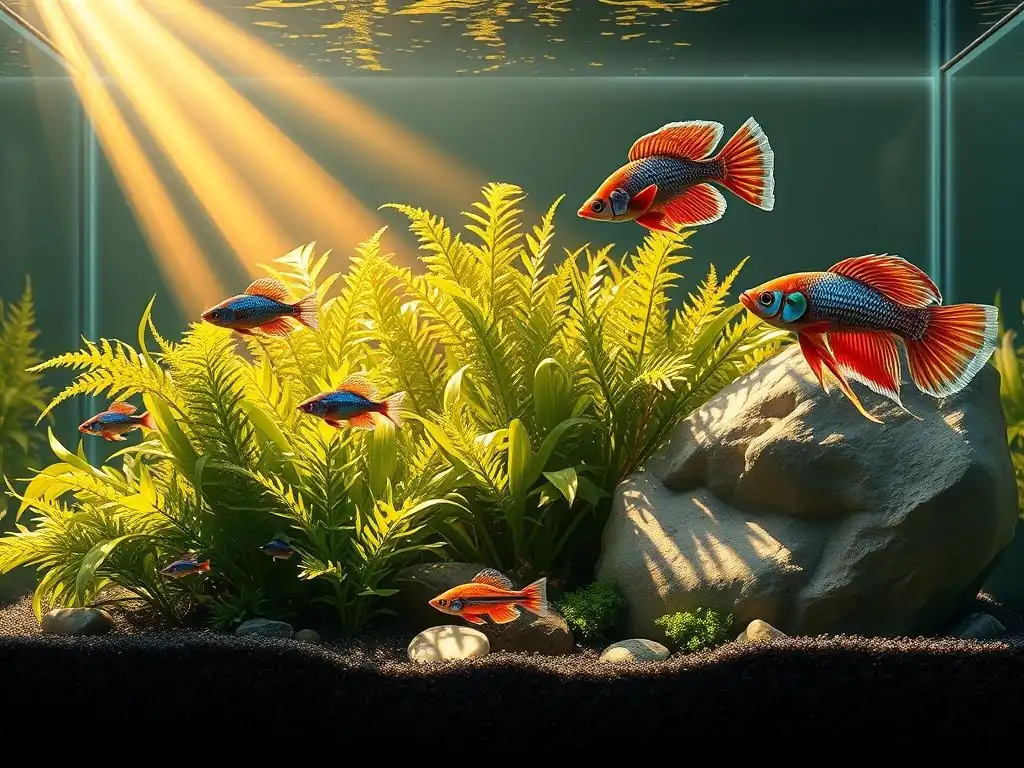
Dive into the fascinating world of aquariums! Ever wondered how to easily bring the magic of underwater life into your home? Our in-depth guides will show you how. Get ready to explore the Joy of Livebearers! If you're just starting your aquarist journey, you're in the right place. Curious to know why these vibrant fish are a fantastic choice for beginners? Let's find out!
- Introduction to Livebearer Fish for Beginners
- Top Reasons Livebearer Fish Are Ideal for New Aquarists
- Popular Livebearer Species for Beginner Aquariums
- Setting Up the Perfect Livebearer Aquarium for Beginners
- Feeding Your Livebearers: A Beginner's Guide
- Livebearer Breeding Basics for Beginners
- Common Problems and Solutions for Beginner Livebearer Keepers
-
Frequently Asked Questions
- How do livebearer fish differ from other types of fish?
- What makes livebearers a good choice for beginner aquarists?
- What are some popular and easy-to-care-for livebearer species?
- What are the key considerations for a livebearer aquarium setup?
- How often should I feed my livebearer fish, and what type of food is best?
- Final Reflection: The Everlasting Appeal of New Life
- Unleash Your Inner Aquarist: Start Thriving Now!
Introduction to Livebearer Fish for Beginners
What are Livebearers and Why Choose Them?
Livebearers are a fascinating group of freshwater fish distinguished by their unique reproductive method: they give birth to live, free-swimming young rather than laying eggs. This includes some of the most popular aquarium species, such as guppies, mollies, platies, and swordtails. Their inherent hardiness, adaptability to a range of water conditions, and active nature make them an excellent entry point into the captivating world of aquascaping and fishkeeping.
Choosing livebearers offers a unique educational experience for new aquarists, allowing them to observe the entire life cycle of fish in their home aquarium. Their generally peaceful temperament, coupled with their vibrant colors and diverse fin shapes, adds significant aesthetic value to any tank. Furthermore, their relatively straightforward care requirements reduce the initial learning curve, making success more attainable for those just starting out.
Livebearer Fish Beginner Guide: A Gentle Introduction to Fishkeeping
Embarking on the journey of fishkeeping can seem daunting, but a Livebearer fish beginner guide simplifies the process, offering a gentle and rewarding introduction. These fish are notably forgiving of minor fluctuations in water parameters, which can be a common challenge for novices. While maintaining stable conditions is always ideal, livebearers tend to be more resilient than many other delicate species, providing a buffer for learning.
The active and social behavior of livebearers provides continuous entertainment and engagement, fostering a deeper connection to the hobby. Observing their interactions, feeding habits, and especially the wonder of live birth, offers immediate gratification and builds confidence in new aquarists. This positive initial experience is crucial for encouraging long-term engagement with the aquatic world, making livebearers an unparalleled choice for a first aquarium.
Top Reasons Livebearer Fish Are Ideal for New Aquarists
Easy Care and Maintenance
Livebearers are renowned for their relatively undemanding care requirements, making them a top choice for new aquarists. They are adaptable to a broad spectrum of water conditions, typically thriving in temperatures between 72-82°F (22-28°C) and a pH range of 6.5-8.0, though specific species may have slight preferences. Their diet is also unfussy, primarily consisting of high-quality flake food supplemented with occasional frozen or live treats.
Unlike some more sensitive species that require precise water chemistry or specialized diets, livebearers are quite hardy. This resilience minimizes the stress of initial setup and ongoing maintenance, allowing beginners to focus on fundamental aspects of fishkeeping like proper feeding habits and regular water changes. For instance, a weekly 25% water change in a properly cycled tank is often sufficient to keep them healthy.
Constant Activity
One of the most engaging aspects of livebearers is their continuous activity within the aquarium. These fish are rarely static, constantly exploring their environment, interacting with tank mates, and darting through plants and decor. This lively behavior transforms an aquarium into a dynamic and captivating display, providing endless opportunities for observation and enjoyment.
The constant movement of livebearers keeps the tank visually interesting, preventing it from appearing stagnant. This active presence is particularly appealing for new aquarists who are eager to see their aquatic inhabitants thriving. Watching a school of guppies navigate the tank or a molly gracefully glide offers a therapeutic and entertaining experience that reinforces the joy of the hobby.
Witnessing Live Birth
The most distinctive and often awe-inspiring characteristic of livebearers is their ability to give birth to fully formed, live young. Unlike egg-laying fish, where eggs can be difficult to spot and protect, witnessing the birth of livebearer fry is a unique and accessible phenomenon for any aquarist. This process typically occurs after a gestation period of approximately 28-35 days, depending on the species and environmental conditions.
Observing tiny, miniature versions of the adult fish emerge and immediately begin swimming and exploring provides an unparalleled educational experience. It offers a direct insight into the reproductive cycles of aquatic life and can be incredibly rewarding. For a Livebearer fish beginner guide, this aspect alone often becomes a highlight, sparking a deeper interest in the biological processes within their aquarium.
Colorful and Varied
Livebearers come in an astonishing array of colors, patterns, and fin shapes, allowing new aquarists to create visually stunning and diverse aquariums. From the iridescent blues and reds of a fancy guppy to the striking black and orange of a sunset platy, there's a livebearer to suit nearly any aesthetic preference. This wide variety ensures that a beginner can easily assemble a vibrant community tank.
The genetic diversity within livebearer species has led to countless cultivated strains, offering everything from long, flowing fins to unique body shapes like the "balloon" molly. This allows for personalization of the aquarium and encourages aquarists to learn about different genetic traits and how they manifest. The sheer beauty and variety make livebearers an endlessly appealing choice for those looking to add a splash of color to their home.
Popular Livebearer Species for Beginner Aquariums
Guppies: The Classic Beginner Livebearer
Guppies (Poecilia reticulata) are arguably the most popular and iconic livebearer, often being the first fish for many new aquarists. Renowned for their vibrant colors, intricate patterns, and elaborate finnage—especially in males—they are a captivating addition to any small community tank. Males typically reach about 1 to 1.5 inches (2.5-3.8 cm), while females are larger, growing up to 2.5 inches (6.4 cm).
Their small size and generally peaceful demeanor make them excellent candidates for smaller aquariums, though a group of at least six is recommended for their social well-being. Guppies are also incredibly prolific breeders, making them ideal for observing the live birth process firsthand. Their hardiness and adaptability to a range of freshwater conditions contribute significantly to their beginner-friendly status.
Guppy Care Tips
- Tank Size: A minimum of 10 gallons is suitable for a small group of 6-8 guppies.
- Temperature: Maintain stable water temperatures between 74-82°F (23-28°C).
- pH: Guppies prefer a slightly alkaline pH, ideally between 7.0-8.0.
- Diet: Feed high-quality flake food as a staple, supplemented with occasional live or frozen brine shrimp, daphnia, or bloodworms. Feed small amounts 2-3 times daily.
- Male-to-Female Ratio: Maintain a ratio of at least two, preferably three, females per male to prevent males from over-harassing individual females.
- Water Quality: Perform weekly 25% water changes and ensure good filtration to keep water parameters stable.
Mollies: Adding Variety
Mollies (Poecilia sphenops, P. latipinna, P. velifera) are another excellent livebearer choice, offering a slightly larger size and a wider range of body and fin shapes than guppies. Common varieties include the black molly, dalmatian molly, sailfin molly, and the unique balloon molly. They can grow up to 3-5 inches (7.6-12.7 cm) depending on the species and sex, with sailfin mollies being the largest.
Mollies are active swimmers and can add significant visual interest to a community tank. While generally peaceful, some male mollies can be a bit territorial with other males, especially in smaller tanks. They are known to appreciate slightly harder, more alkaline water and can even tolerate a small amount of aquarium salt in their water, which can boost their immune system and overall health.
Understanding Molly Fish Needs
- Tank Size: A minimum of 20 gallons is recommended for a small group of mollies due to their larger adult size and active nature.
- Temperature: Maintain temperatures between 72-82°F (22-28°C).
- pH & Hardness: Mollies thrive in moderately hard to hard water with a pH of 7.5-8.5. Adding a small amount of aquarium salt (e.g., 1 teaspoon per 5 gallons) can benefit their health, though it's not strictly necessary for freshwater mollies.
- Diet: A varied diet of high-quality flake food, spirulina flakes, and occasional live or frozen foods like brine shrimp is ideal.
- Social Behavior: Keep mollies in groups of at least three, with a male-to-female ratio similar to guppies to distribute male attention.
Platies: Peaceful and Vibrant
Platies (Xiphophorus maculatus and Xiphophorus variatus) are small, robust, and exceptionally colorful livebearers, known for their peaceful temperament and compact size, typically reaching 1.5-2.5 inches (3.8-6.4 cm). They come in an incredible array of vibrant colors and patterns, including red, orange, yellow, and various mixes like "sunset" or "wag" platies. Their calm nature makes them ideal inhabitants for a diverse community tank.
Platies are highly adaptable and forgiving of minor water parameter fluctuations, making them perfect for beginners. They are also prolific breeders, much like guppies, and observing their fry is a common and enjoyable experience for platy keepers. Their hardiness and ease of care solidify their position as one of the best choices for a Livebearer fish beginner guide.
Platy Fish Care Guide
- Tank Size: A 10-gallon tank is suitable for a small group of 5-6 platies, but a larger tank (20 gallons or more) is always better for stability and a larger group.
- Temperature: Ideal temperature range is 72-78°F (22-26°C).
- pH: Platies prefer slightly alkaline water with a pH between 7.0-8.0.
- Diet: They are omnivores and will readily accept high-quality flake food, small pellets, and occasional treats of frozen or live foods. Spirulina-based foods are beneficial for their color.
- Community Compatibility: Excellent for community tanks due to their peaceful nature. Avoid keeping them with aggressive fin-nipping species.
Swordtails: The Elegant Choice
Swordtails (Xiphophorus hellerii) are named for the distinctive, elongated "sword-like" lower fin on the males, which can add several inches to their body length. These active and elegant livebearers can grow quite large, with males reaching up to 5-6 inches (12.7-15.2 cm) including the sword, and females up to 5 inches (12.7 cm). They are available in a stunning variety of colors, including red, green, black, and pineapple.
While generally peaceful, male swordtails can sometimes exhibit territorial behavior towards each other, especially in smaller tanks. They are excellent jumpers, so a secure lid is essential for their aquarium. Their larger size and active swimming make them a visually impressive addition to a well-sized community aquarium.
Swordtail Fish Care
- Tank Size: Due to their size and activity level, a minimum of 20 gallons is recommended for a small group of swordtails, with 30 gallons or more being ideal for multiple males or a larger community.
- Temperature: Maintain stable temperatures between 72-82°F (22-28°C).
- pH: Swordtails prefer a pH range of 7.0-8.0 and moderately hard water.
- Diet: An omnivorous diet of high-quality flake food, small pellets, and occasional live or frozen foods like bloodworms and brine shrimp. They also appreciate some vegetable matter.
- Social Behavior: Keep swordtails in groups, ideally with more females than males to diffuse male aggression. Provide plenty of hiding spots and plants.
Setting Up the Perfect Livebearer Aquarium for Beginners
Tank Size and Setup Recommendations
For a successful Livebearer fish beginner guide, selecting the appropriate tank size is paramount. While a 10-gallon tank can house a small group of guppies or platies, a 20-gallon long or 29-gallon tank is often recommended as a better starting point for a mixed livebearer community. Larger tanks offer more stable water parameters, more swimming space, and accommodate a greater number of fish, especially considering the prolific breeding of livebearers.
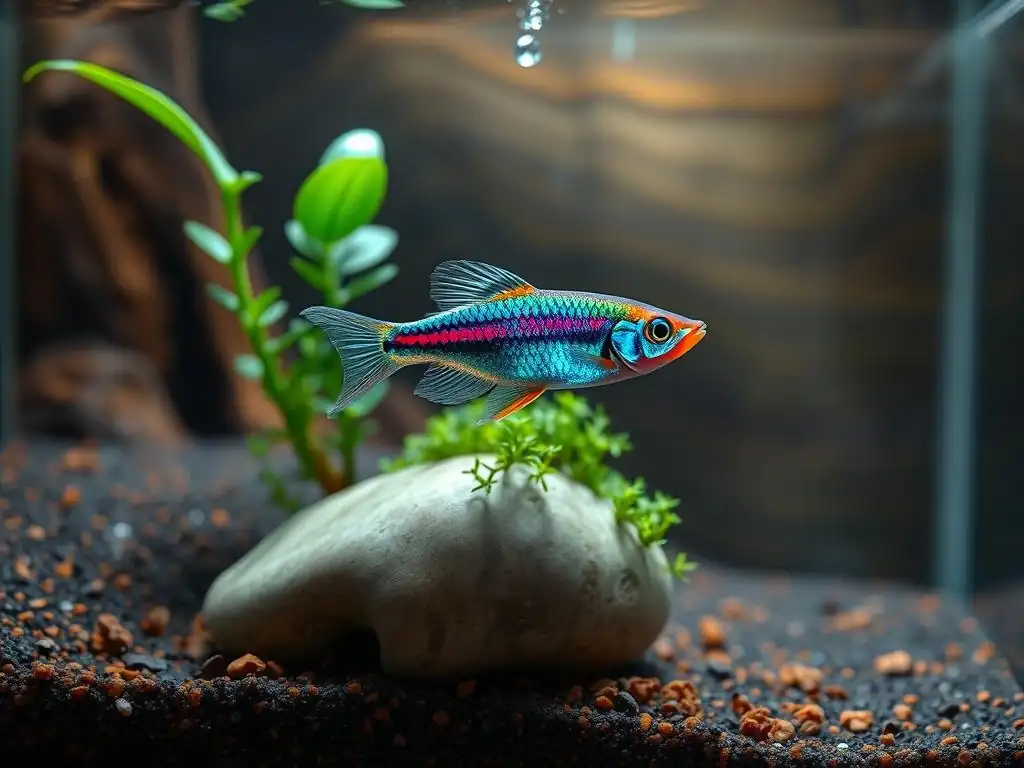
The tank setup should mimic their natural habitat, providing both open swimming areas and plenty of hiding spots. A fine to medium-sized gravel substrate is suitable. Live plants like Java Fern, Anubias, and especially dense plants such as Hornwort or Guppy Grass are highly beneficial. These plants not only help with water quality by absorbing nitrates but also provide crucial hiding places for fry, increasing their survival rate. Driftwood and smooth rocks can also be added for aesthetic appeal and additional shelter.
Essential Equipment
Equipping your livebearer aquarium properly is crucial for maintaining a healthy environment. A reliable filtration system is essential; a hang-on-back (HOB) filter or a sponge filter is excellent for beginner livebearer tanks, providing both mechanical and biological filtration. Ensure the filter flow is not too strong, as livebearers prefer calmer waters.
A submersible heater is necessary to maintain the recommended stable temperature range of 72-82°F (22-28°C). Pair this with an accurate aquarium thermometer to monitor the water temperature consistently. Lastly, a complete liquid-based water testing kit (e.g., for ammonia, nitrite, nitrate, and pH) is indispensable for monitoring water quality, allowing new aquarists to identify and address issues before they become critical.
Water Parameters and Maintaining Water Quality
Maintaining stable and appropriate water parameters is the cornerstone of healthy livebearer care. While livebearers are generally adaptable, consistent conditions are key. Most species thrive in temperatures between 72-82°F (22-28°C) and a pH range of 6.5-8.0, with some mollies preferring slightly higher pH and hardness. Regular monitoring of ammonia, nitrite, and nitrate levels is critical, especially during the initial tank cycling phase.
Once the tank is cycled and beneficial bacteria are established, weekly water changes of 25% are highly recommended to dilute nitrates and replenish essential minerals. Always use a dechlorinator or water conditioner when adding tap water to neutralize chlorine and chloramines. Avoiding sudden, large water changes helps prevent stress to the fish. Consistent water quality is the most effective way to prevent common fish diseases and ensure your livebearers thrive.
Feeding Your Livebearers: A Beginner's Guide
The Right Diet
Providing a balanced and varied diet is fundamental to the health and vibrancy of your livebearers. High-quality flake food, specifically formulated for tropical omnivores, should form the staple of their diet. Look for brands that list fish meal, spirulina, and various vitamins as primary ingredients.
Supplementing their diet with frozen or live foods once or twice a week significantly boosts their nutrition and promotes natural foraging behaviors. Excellent choices include brine shrimp, daphnia, and bloodworms. For herbivorous livebearers like mollies, incorporating spirulina flakes or blanched vegetables (e.g., zucchini, peas) can be highly beneficial. Feeding small amounts 2-3 times daily, rather than one large meal, is ideal to prevent overfeeding and maintain water quality.
Avoiding Overfeeding
Overfeeding is one of the most common mistakes new aquarists make and can lead to a host of problems for livebearers and their tank environment. Excess food quickly decomposes, leading to a spike in ammonia and nitrite levels, which are highly toxic to fish. This also contributes to excessive algae growth and can cause digestive issues or bloat in the fish themselves.
To avoid overfeeding, offer only what your livebearers can consume entirely within 2-3 minutes. Observe their eating habits closely; if food remains on the substrate after this time, you are feeding too much. It's better to underfeed slightly than to overfeed. Skipping a day of feeding once a week can also be beneficial, allowing their digestive systems to clear and reducing the bioload on the tank.
Livebearer Breeding Basics for Beginners
Understanding the Breeding Process
Livebearers are famed for their ability to reproduce rapidly, a key aspect covered in any Livebearer fish beginner guide. Unlike egg-laying fish, livebearers undergo internal fertilization, meaning the female carries the eggs internally until they hatch, and then gives birth to fully formed, free-swimming fry. A single mating can lead to multiple batches of fry over several months, as females can store sperm. The gestation period typically ranges from 28 to 35 days, depending on the species, temperature, and individual fish.
Signs that a female is pregnant include a noticeably swollen abdomen, often becoming more squared-off near the vent, and the appearance of a dark "gravid spot" near her anal fin. As birth approaches, she may become more reclusive or seek out hiding spots. Observing this process is one of the most unique and rewarding experiences for a new aquarist.
Creating a Breeding Environment
While livebearers will breed readily in a community tank, creating an environment conducive to fry survival is essential if you wish to raise them. Dense planting, particularly with fine-leaved plants like Guppy Grass (Najas guadalupensis), Hornwort (Ceratophyllum demersum), or Java Moss (Taxiphyllum barbieri), provides crucial hiding spots for newborn fry to escape predation from adult fish, including their own parents.
Alternatively, a breeding box or net can be used to isolate a pregnant female just before she gives birth. Once the fry are born, the female should be returned to the main tank to prevent her from eating her offspring. While convenient, breeding boxes can be stressful for the female, so providing ample natural cover in the main tank is often a less stressful alternative for both fish and aquarist.
Caring for Livebearer Fry
Newborn livebearer fry are incredibly small but are immediately capable of swimming and seeking food. Their initial diet should consist of very fine, high-protein foods. Finely crushed high-quality flake food is often sufficient, but specialized fry food, baby brine shrimp, or microworms offer superior nutrition for rapid growth. Feed them small amounts several times a day, as their tiny stomachs require frequent replenishment.
Maintaining pristine water quality is paramount for fry survival, as they are highly sensitive to pollutants. Perform small, frequent water changes (e.g., 10-15% every other day) using a small airline tubing to siphon out debris gently. As the fry grow, they can gradually transition to the adult diet. Managing the growing population is a consideration, as livebearers can quickly overpopulate a tank.
Common Problems and Solutions for Beginner Livebearer Keepers
Identifying and Treating Common Diseases
Even with the hardiness of livebearers, new aquarists may encounter common fish diseases. The most prevalent include Ich (Ichthyophthirius multifiliis), characterized by white spots resembling salt grains on the fish's body and fins, and Fin Rot, which causes fins to appear ragged and discolored. Other issues might include fungal infections (cotton-like growths) or bacterial infections (red streaks, ulcers).
The best defense against disease is maintaining excellent water quality through regular water changes and proper tank cycling, as stress from poor conditions weakens a fish's immune system. If disease appears, early detection is key. For Ich, a common treatment involves slowly raising the tank temperature to 82-84°F (28-29°C) for several days, along with Ich-specific medications. Fin Rot and fungal infections often respond to broad-spectrum antibacterial or antifungal treatments. Always follow medication instructions carefully and consider quarantining sick fish in a separate hospital tank to prevent spread.
Preventing Algae Growth
Algae growth is a ubiquitous challenge in aquariums, and while a small amount is natural, excessive algae can be unsightly and indicate an imbalance. Common causes include too much light (e.g., leaving lights on for more than 8-10 hours a day, direct sunlight exposure), overfeeding, and high nitrate or phosphate levels.
To prevent excessive algae, manage your lighting schedule by using a timer to limit illumination to 8-10 hours daily. Reduce feeding amounts to ensure all food is consumed promptly. Regular water changes are crucial for diluting nutrient levels that fuel algae. Introducing live plants can also help, as they compete with algae for nutrients. Certain algae-eating fish (like Otocinclus catfish or Nerite snails, if compatible with your livebearers) can also assist in control.
Managing Livebearer Population Control
The prolific breeding of livebearers, while fascinating, can quickly lead to an overpopulated tank if not managed. A single female guppy can produce 20-50 fry every month, and mollies or swordtails can produce even more. Overpopulation leads to increased bioload, poor water quality, stunted growth, and stressed fish.
Several strategies can help manage the population. One approach is to keep only males or only females, though this eliminates the joy of witnessing live birth. In a community tank, larger, peaceful fish can act as natural predators for some of the fry, naturally culling the population. Alternatively, you can regularly rehome excess fry to local fish stores, friends, or other aquarists. For those truly dedicated to a Livebearer fish beginner guide that includes breeding, setting up a separate grow-out tank for fry and then planning for their future is essential.
Frequently Asked Questions
How do livebearer fish differ from other types of fish?
Livebearers, unlike egg-laying fish, give birth to live young. This means the eggs are fertilized and develop internally within the female, offering a more direct and observable reproductive process.
What makes livebearers a good choice for beginner aquarists?
They are generally hardy and adaptable, tolerating a wider range of water parameters than some other fish. Their easy breeding habits also provide a fascinating introduction to fish reproduction.
What are some popular and easy-to-care-for livebearer species?
Guppies, platies, swordtails, and mollies are all excellent choices for beginners. They are readily available, come in various colors and patterns, and are relatively easy to keep healthy.
What are the key considerations for a livebearer aquarium setup?
A well-filtered and heated aquarium is crucial. Provide plenty of hiding places with plants to offer fry (baby fish) refuge from predation by adults.
How often should I feed my livebearer fish, and what type of food is best?
Feed them small amounts of high-quality flake food or pellets 1-2 times per day. Supplement their diet with occasional live or frozen foods for optimal health and color.
Final Reflection: The Everlasting Appeal of New Life
The journey into aquascaping, especially with the vibrant world of livebearer fish, offers an unparalleled opportunity for beginners to witness the miracle of life firsthand. What began as a simple guide to choosing the right fish has revealed a deeper truth: these creatures are not merely pets, but living classrooms that teach patience, responsibility, and the profound beauty of the natural world.
This exploration of livebearers has underscored their enduring influence on the aquascaping community. The sheer joy of watching tiny fry emerge, grow, and thrive is a deeply rewarding experience that fosters a lifelong appreciation for aquatic life. The best way to observe a fish is to become a fish.
- Jacques Cousteau. This quote encapsulates the immersive experience of keeping livebearers, inviting us to connect with their world and understand their needs.
Now, as you embark on your own aquascaping adventure, remember the lessons learned from these resilient and captivating creatures. Let the vibrant colors and constant activity of livebearers inspire you to create a thriving ecosystem in your own home. Embrace the challenges, celebrate the successes, and allow the joy of new life to enrich your understanding of the delicate balance that sustains us all.
Unleash Your Inner Aquarist: Start Thriving Now!
Thanks for diving into the world of livebearers with us! We hope you’ve discovered why these fascinating fish are a fantastic gateway to the aquarium hobby. Ready to take the plunge?
Here are a few things you can do right now to continue your journey:
- Set up your livebearer aquarium! Choose your species, cycle your tank, and prepare to welcome your new finned friends.
- Explore different livebearer varieties to find the perfect fit for your aquarium's aesthetic.
- Share this article with a fellow beginner and spread the joy of keeping livebearers!
What species of livebearer are you most excited to keep, and why? Share your thoughts in the comments below!