
Lighting the Way to Love: Aquarium Mastery on Optimal Illumination for Tetra Spawning

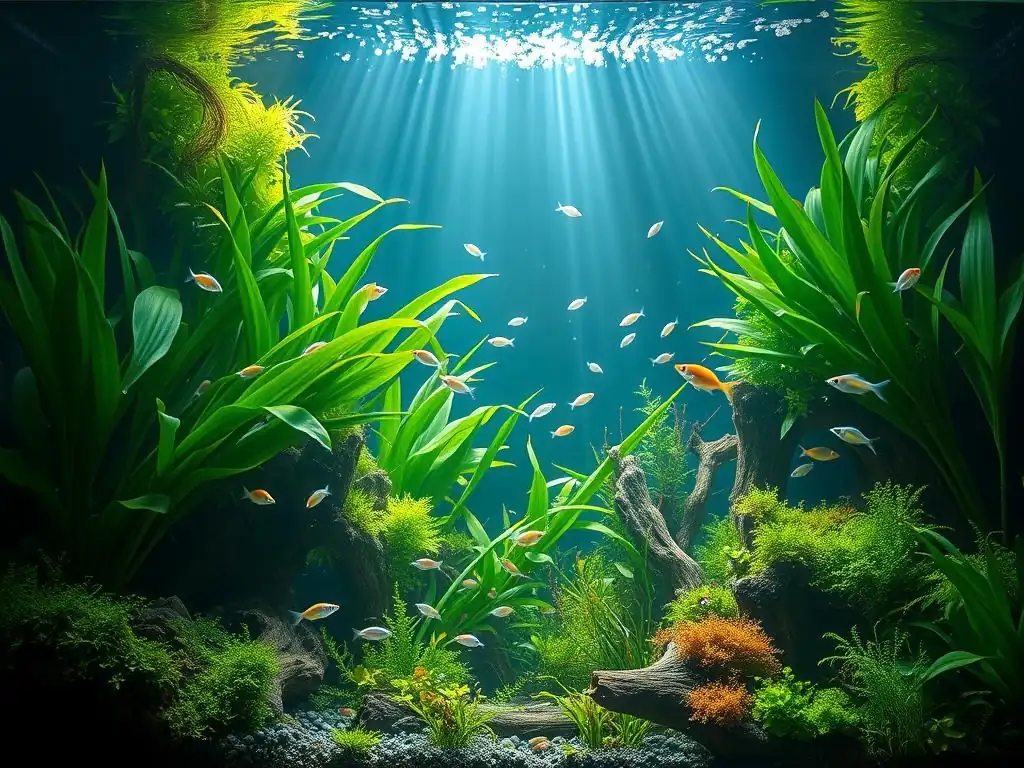
Welcome to Aquarium Mastery, your ultimate guide to creating thriving aquatic ecosystems!
Ever wondered if you're providing the perfect environment for your Tetras to spawn? Discover the secrets to successful breeding in our detailed guide, " Lighting the Way to Love: Aquarium Mastery on Optimal Illumination for Tetra Spawning." We’ll dive into the specific tetra spawning lighting requirements and unlock the secrets to triggering successful spawning events. Get ready to witness the magic of life in your freshwater aquarium – let's illuminate the path to successful breeding!
- Understanding Tetra Spawning: A Lighting-Focused Guide for Aquarium Mastery
- Tetra Spawning Lighting Requirements: Illuminating the Path to Reproduction
- Specific Tetra Species and Their Lighting Preferences for Spawning
- Setting Up Your Tetra Spawning Tank for Optimal Lighting
- Troubleshooting Lighting Issues in Tetra Spawning Tanks
- Beyond Lighting: Other Factors Influencing Tetra Spawning
- Advanced Techniques for Tetra Spawning with Optimized Lighting
- Conclusion: Achieving Tetra Spawning Success Through Masterful Lighting Control
-
Frequently Asked Questions
- What type of lighting is best to encourage Tetra spawning?
- How long should the lights be on each day to promote Tetra spawning?
- Can I use LED lights for Tetra spawning, and if so, what color temperature is ideal?
- How does lighting affect the water chemistry during Tetra spawning?
- Is there a specific light intensity (lumens or PAR) that's considered optimal for Tetra spawning?
- Final Reflection: Illuminating the Path to Life
- Ignite Your Tetra Breeding Journey Now!
Understanding Tetra Spawning: A Lighting-Focused Guide for Aquarium Mastery
Introduction to Tetra Breeding and the Crucial Role of Lighting
Breeding tetras in a home aquarium can be a deeply rewarding experience, transforming a display tank into a vibrant nursery. While factors like water chemistry, diet, and tank setup are commonly discussed, the role of lighting is often underestimated, yet it is profoundly crucial for stimulating successful reproduction in many tetra species. Optimal illumination acts as a primary environmental cue, mirroring the seasonal changes and daily light cycles that trigger natural spawning behaviors in their native habitats.
In the wild, tetras, particularly those from soft, acidic blackwater environments like the Amazon basin, rely on subtle shifts in light intensity and duration to signal favorable breeding conditions, often coinciding with the rainy season when food is abundant and predation risks might be lower for fry. Replicating these nuanced lighting conditions in an aquarium is not merely about providing light; it's about delivering the specific Tetra spawning lighting requirements that prompt these delicate fish to reproduce. Understanding this intricate relationship between light and life cycles is a hallmark of advanced aquarium mastery.
Why Lighting Matters for Successful Tetra Spawning
Lighting plays a multifaceted role in the physiological and behavioral aspects of tetra reproduction. Firstly, light directly influences the fish's circadian rhythm, a biological clock that dictates daily activities including feeding, rest, and, critically, reproductive cycles. An irregular or inappropriate light cycle can disrupt this rhythm, leading to stress and inhibiting the natural urge to spawn. For instance, a consistent 12-hour light cycle followed by 12 hours of darkness can establish a stable environment, but subtle changes within this cycle can be the key to unlocking breeding behavior.
Secondly, the quality and intensity of light affect hormone production in fish. Specific wavelengths of light, particularly those in the red and blue spectrum, are known to stimulate the pituitary gland, which in turn releases hormones essential for gonad development and the final act of spawning. For example, some studies suggest that a warmer light spectrum, mimicking dawn or dusk, can encourage breeding activity. Without these precise light cues, tetras may remain healthy but never enter a reproductive state, underscoring why mastering Tetra spawning lighting requirements is fundamental to any successful breeding program.
Tetra Spawning Lighting Requirements: Illuminating the Path to Reproduction
Defining Optimal Lighting Conditions for Tetra Spawning
Optimal lighting for tetra spawning is a delicate balance, aiming to replicate the natural, often subdued, conditions of their native environments. It’s not about blasting them with the brightest lights; in fact, many tetras hail from waters shaded by dense canopy or stained by tannins, meaning they prefer dimmer, more diffused illumination.
For most common breeding tetras, a light intensity providing a Photosynthetically Active Radiation (PAR) value of approximately 10-20 micromoles per square meter per second (µmol/m²/s) at the substrate level is often sufficient, significantly less than what might be used for a heavily planted display tank (which could be 50+ PAR).
Beyond intensity, the duration of light, or photoperiod, is equally critical. A common starting point for conditioning tetras for spawning is a consistent photoperiod of 10 to 12 hours of light per day. However, simulating a slight seasonal shift, such as increasing the photoperiod by an hour or two over a week or two, can often be the trigger that prompts spawning. This gradual increase mimics the lengthening days of spring or the onset of a rainy season, signaling optimal conditions for egg laying and fry survival.
Spectrum and Intensity: Key Considerations for Tetra Breeding Illumination
The light spectrum, measured in Kelvin (K), influences not only plant growth but also fish behavior and coloration. For stimulating tetra spawning, a spectrum in the range of 4000K to 6500K is generally effective, often favoring the warmer end (4000K-5000K) to mimic the yellow-red hues of natural sunlight filtering through water. Lights with a strong blue component (above 6500K) might make fish colors pop for display, but they can be too harsh for breeding environments, potentially stressing sensitive species.
Intensity, as measured by PAR, must be carefully controlled. Too much light can cause stress, leading to a reluctance to spawn, or even encourage rapid algae growth that fouls the spawning site. For instance, in a 10-gallon breeding tank, a low-wattage LED fixture (e.g., 5-10 watts) positioned appropriately above the water can provide the ideal PAR levels. Conversely, insufficient intensity might fail to trigger the necessary hormonal responses, leaving the fish unmotivated to breed. The goal is to provide enough light to stimulate natural processes without overwhelming the fish, aligning perfectly with their specific Tetra spawning lighting requirements.
The Importance of Photoperiod for Stimulating Tetra Reproduction
The photoperiod, or the duration of light exposure within a 24-hour cycle, is a primary environmental cue for many fish species, including tetras, signaling seasonal changes and readiness for reproduction. Maintaining a consistent photoperiod is fundamental for establishing a stable environment, but manipulating it can be the key to triggering spawning. For instance, many aquarists find success by initially subjecting tetras to a slightly shorter photoperiod, perhaps 8-9 hours of light per day, for a week or two.
Following this initial phase, gradually increasing the photoperiod to 12-14 hours over several days or a week can mimic the lengthening days of late spring or early summer, which often corresponds to peak breeding seasons in their natural habitats. This subtle increase in light duration acts as a powerful hormonal trigger, prompting the fish to condition themselves and prepare for spawning. Automated timers are indispensable for precisely controlling this cycle, ensuring accuracy and consistency in meeting specific Tetra spawning lighting requirements.
Specific Tetra Species and Their Lighting Preferences for Spawning
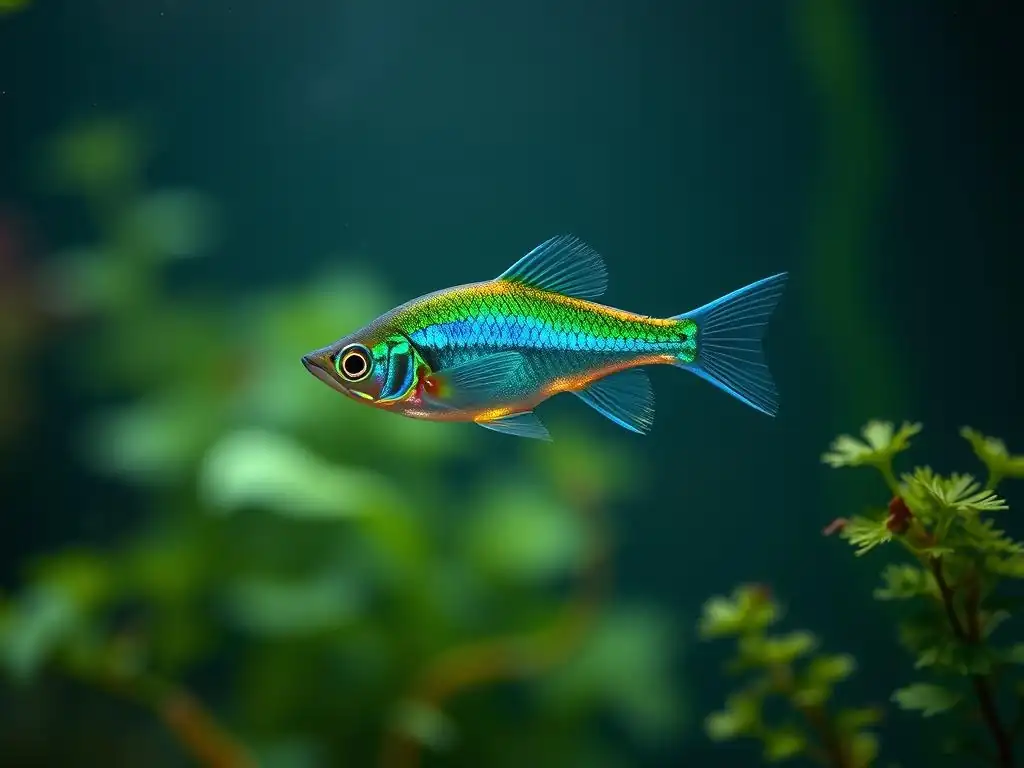
Neon Tetra Spawning Lighting: A Detailed Guide
Neon Tetras (Paracheirodon innesi) are perhaps one of the most popular aquarium fish, and their breeding success is highly dependent on specific lighting conditions. Originating from heavily shaded, blackwater tributaries of the Amazon, Neon Tetras are accustomed to very dim, diffused light. For spawning, the lighting should be exceptionally subdued, often with a PAR value as low as 5-10 µmol/m²/s at the substrate.
To achieve this, many breeders utilize low-wattage LED lights capable of significant dimming, or they use a standard light source with heavy light diffusion. This diffusion can be achieved by placing a fine mesh or several layers of floating plants, such as Amazon Frogbit or Salvinia minima, directly on the water surface. A photoperiod of 10-12 hours is generally effective, but the key is the low intensity, which reduces stress and encourages the typically shy Neons to engage in spawning behavior, fulfilling their unique Tetra spawning lighting requirements.
Cardinal Tetra Breeding: Mastering the Light Spectrum
Cardinal Tetras (Paracheirodon axelrodi) are even more sensitive to light than their Neon cousins, typically inhabiting deeper, darker sections of blackwater rivers where light penetration is minimal. When attempting to breed Cardinal Tetras, light intensity must be extremely low, often in the range of 3-7 µmol/m²/s PAR. Any direct, bright light can cause severe stress and inhibit spawning.
The light spectrum for Cardinals should lean towards the warmer end (e.g., 4000K-5000K) to mimic the filtered light of their native environment, though overall dimness is paramount. Using a light source that allows for precise dimming and a good spread of floating plants is crucial. A consistent photoperiod of 10 hours of very dim light followed by 14 hours of complete darkness is often recommended to encourage these elusive breeders. Mastering these precise Tetra spawning lighting requirements is key to their successful reproduction.
Ember Tetra Reproduction: Optimizing Light Intensity
Ember Tetras (Hyphessobrycon amandae) are small, vibrant fish from clear, slow-moving waters, often with some overhead canopy, making them slightly more tolerant of light than Neons or Cardinals but still preferring moderate to dim conditions for spawning. An optimal PAR range for Ember Tetra spawning is typically 10-15 µmol/m²/s at the substrate level. This allows enough light for any fine-leaved plants used as spawning media, without being overly bright for the fish.
A photoperiod of 10-12 hours is generally effective for Ember Tetras. While they are more robust, sudden changes in light intensity or prolonged periods of excessive brightness can still cause stress and deter spawning. Gradual transitions from darkness to light, ideally over 30-60 minutes using a dimming controller, can significantly enhance their comfort and encourage natural breeding behaviors, meeting their specific Tetra spawning lighting requirements.
Black Skirt Tetra: Lighting for Successful Breeding
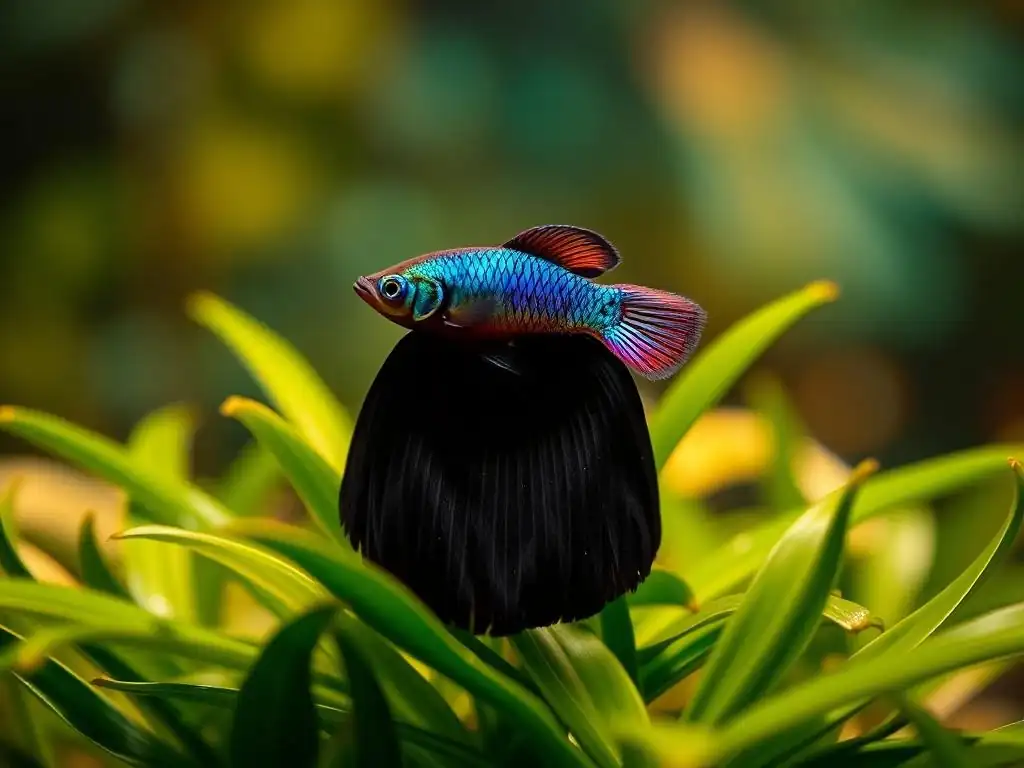
Black Skirt Tetras (Gymnocorymbus ternetzi) are among the hardier and more adaptable tetra species when it comes to lighting, making them a good choice for beginners attempting tetra breeding. While they can tolerate brighter conditions in a display tank, for successful spawning, a moderate light intensity is still recommended. A PAR range of 15-25 µmol/m²/s at the substrate is typically effective, providing ample light for most spawning plants without causing undue stress.
A consistent photoperiod of 10-12 hours is suitable for Black Skirt Tetras. Unlike some of the more sensitive species, they may not require extremely dim conditions, but avoiding direct, harsh light is still advisable. Utilizing floating plants or a slightly shaded area in the tank can provide a comfortable environment for them to scatter their eggs. Their adaptability makes their Tetra spawning lighting requirements somewhat less stringent, but still important for consistent success.
Setting Up Your Tetra Spawning Tank for Optimal Lighting
Choosing the Right Aquarium Light for Tetra Breeding
Selecting the appropriate aquarium light is a pivotal step in meeting Tetra spawning lighting requirements. Modern LED fixtures are highly recommended due to their energy efficiency, longevity, and crucial ability to dim and often adjust spectrum. Look for lights that offer:
- Dimmability: This is paramount for fine-tuning intensity to match the specific needs of sensitive tetra species like Neons or Cardinals. Many quality LED lights can dim down to 1% or 5% of their full output.
- Programmable Timers: Integrated or external digital timers allow for precise control over the photoperiod, ensuring consistency and enabling gradual changes to mimic natural cycles.
- Adjustable Spectrum (optional but beneficial): Some advanced LED units allow for tweaking the color channels (red, green, blue, white) to emphasize warmer tones (4000K-5000K) which can be beneficial for breeding.
While fluorescent lights (T5 or T8) can be used, they offer less control over intensity and spectrum without additional modifications, making LEDs a superior choice for dedicated breeding setups. Avoid overly powerful lights designed for high-tech planted tanks unless they can be significantly dimmed.
Implementing a Lighting Schedule for Tetra Spawning Success
A well-planned lighting schedule is critical for stimulating tetra reproduction. It's not just about turning lights on and off; it's about mimicking the natural progression of day and night, and subtle seasonal shifts. A typical schedule often involves:
- Initial Conditioning: Start with a consistent photoperiod, perhaps 8-9 hours of light per day, for a week or two. This provides a stable baseline.
- Spawning Trigger: Gradually increase the photoperiod by 1-2 hours over the course of several days or a week. For example, if starting at 9 hours, increase to 10 hours for three days, then 11 hours for three days. This simulates the lengthening days of spring.
- Dawn/Dusk Simulation: If your light fixture has a ramp-up/ramp-down feature, utilize it. Instead of an abrupt "on" or "off," allow the light to gradually brighten over 30-60 minutes in the morning and dim over a similar period in the evening. This significantly reduces stress on the fish and encourages more natural behavior.
Using a reliable digital timer is essential for maintaining this precise schedule and fulfilling the specific Tetra spawning lighting requirements.
Creating a Natural Lighting Environment for Tetra Reproduction
Beyond the light fixture itself, modifying the tank environment can greatly enhance the effectiveness of your lighting strategy and create a comfortable, secure space for spawning.
- Floating Plants: Dense floating plants like Amazon Frogbit ( Limnobium laevigatum), Dwarf Water Lettuce ( Pistia stratiotes), or Salvinia minima are invaluable. They diffuse and reduce light intensity, creating shaded areas that many tetras prefer for spawning, particularly species from blackwater environments. A thick layer of floating plants can reduce PAR values by 20-50% or even more, depending on their density.
- Dark Substrate: Using a dark substrate, such as fine black sand or dark gravel, helps to absorb light rather than reflect it, contributing to a dimmer overall environment. This also helps to make the often-transparent tetra eggs more visible against the dark background.
- Driftwood and Caves: Incorporating pieces of driftwood or small caves provides additional shaded hiding spots and visual breaks, further enhancing the feeling of security for the breeding pair. This is particularly important for shy species that prefer to spawn in secluded areas.
By combining the right light fixture with these environmental enhancements, you can create an optimal breeding ground that perfectly aligns with the crucial Tetra spawning lighting requirements.
Troubleshooting Lighting Issues in Tetra Spawning Tanks
Identifying and Addressing Insufficient Lighting
Insufficient lighting in a tetra spawning tank can manifest in several ways, primarily impacting the fish's behavior and their willingness to breed. Common signs include:
- Lack of Spawning Activity: Despite ideal water parameters and conditioning, fish show no interest in breeding.
- Excessive Hiding: Fish constantly remain in shaded areas or hide behind decor, indicating discomfort with the ambient light levels.
- Dull Coloration: While not always solely light-related, fish that are stressed by insufficient light may appear less vibrant.
- Poor Plant Growth (if applicable): If you have fine-leaved plants for spawning media, their stunted growth can indicate very low PAR levels.
To address insufficient lighting, gradually increase the light intensity (PAR) or slightly extend the photoperiod. For instance, if your PAR is below 5 µmol/m²/s for species like Neons, a slight increase to 7-10 µmol/m²/s might be beneficial. Ensure your light fixture is positioned correctly and functioning optimally. Sometimes, simply cleaning the light fixture's lens can make a difference.
Preventing Algae Blooms Due to Excessive Light
While insufficient light can hinder spawning, excessive light is a more common issue in general aquarium keeping and can severely disrupt a spawning tank. Symptoms of too much light include:
- Green Water: A sudden bloom of suspended algae, turning the water cloudy green.
- Film Algae: Green or brown slimy film covering tank surfaces, plants, and decor.
- Hair Algae: Long, stringy green algae strands growing on plants and hardscapes.
Algae blooms are often a sign of an imbalance between light, nutrients, and CO2. To prevent and address them:
- Reduce Photoperiod: Shorten the light cycle to 8-10 hours per day. A common cause of green water is a photoperiod exceeding 12 hours.
- Lower Intensity: Dim the light fixture. If using a high-power light, consider raising it further from the water surface or adding more floating plants to diffuse the light.
- Nutrient Control: Ensure nitrates and phosphates are within acceptable ranges (e.g., nitrates below 20 ppm).
- Increase Plant Mass: Healthy, fast-growing plants compete with algae for nutrients, but ensure they receive enough light to thrive without overdoing it.
Managing Tetra spawning lighting requirements means finding the sweet spot where fish thrive and algae are kept at bay.
Managing Light Shock and Stress in Tetra During Spawning
Tetras, especially those from naturally dim environments, are susceptible to light shock and stress from sudden or overly intense illumination. This can manifest as:
- Erratic Swimming: Darting, bumping into tank walls, or rapid, uncoordinated movements.
- Fin Clamping: Fins held tight against the body, a classic sign of stress.
- Color Loss: Fish appear faded or washed out.
- Refusal to Spawn: Even if conditioned, stressed fish will not engage in breeding.
To prevent light shock and stress:
- Gradual Transitions: Always use a light fixture with a dimming ramp-up/ramp-down feature, or manually turn the light on and off very gradually if no automation is available. Avoid sudden "lights on" or "lights off."
- Appropriate Intensity: Ensure the overall light intensity (PAR) is suitable for the specific tetra species you are breeding. For example, exposing a Cardinal Tetra to 50+ PAR without acclimation can be highly stressful.
- Provide Hiding Spots: Ensure the tank has ample floating plants, driftwood, or caves where fish can retreat to escape direct light.
- Consistent Schedule: Maintain a consistent photoperiod to avoid disrupting their circadian rhythms. Irregular light patterns contribute significantly to stress.
Adhering to their specific Tetra spawning lighting requirements is paramount for their well-being and successful reproduction.
Beyond Lighting: Other Factors Influencing Tetra Spawning
Water Parameters and Their Impact on Tetra Reproduction
While lighting is a critical trigger, water parameters are foundational for tetra health and successful egg hatching. Most popular breeding tetras, particularly those from the Amazon basin, prefer soft, acidic water.
- pH: Generally, a pH range of 5.5 to 6.5 is ideal for many species like Neon and Cardinal Tetras. For instance, Neon Tetra eggs have a significantly higher hatch rate at pH 6.0-6.5 compared to neutral or alkaline water.
- GH (General Hardness): Very soft water is crucial, typically 1-5 dGH (degrees of General Hardness). Hard water can prevent egg fertilization or cause the eggs to "harden" and not hatch. For Cardinal Tetras, a GH below 3 dGH is often necessary.
- KH (Carbonate Hardness): Low KH (0-2 dKH) is usually preferred, as it contributes to the soft, acidic conditions.
- Temperature: A stable temperature, often slightly elevated to around 78-82°F (25.5-27.8°C), can encourage spawning, mimicking warm rainy season conditions.
- Nitrates: Keep nitrates very low, ideally below 5 ppm, through regular small water changes with aged, conditioned soft water.
Substrate and Plant Selection for a Successful Spawning Environment
The physical environment of the spawning tank plays a crucial role in providing a secure place for egg deposition and protection.
- Spawning Mops or Fine-Leaved Plants: Many tetras are egg scatterers. Fine-leaved plants like Java Moss ( Taxiphyllum barbieri), Anacharis ( Egeria densa), or artificial spawning mops (made from nylon yarn) provide an ideal medium for eggs to adhere to. Java moss, for example, offers hundreds of tiny crevices where eggs can fall and be protected from parental predation.
- Spawning Grate: A spawning grate placed a few inches above the bottom of the tank allows eggs to fall through, inaccessible to the parents, thereby significantly increasing fry survival rates.
- Dark Substrate (optional but beneficial): A bare bottom tank is easiest for cleaning and fry collection, but if using substrate, a dark, fine sand or bare bottom can make the often-transparent eggs more visible for removal.
Diet and Conditioning for Breeding Tetras
Proper nutrition is essential to prepare tetras for spawning, ensuring they are healthy and full of viable eggs or milt.
- High-Protein Diet: For at least 1-2 weeks prior to attempting to spawn, feed the breeding pair a high-quality, varied diet rich in protein.
- Live Foods: Live foods are particularly effective in conditioning. Examples include:
- Live Brine Shrimp: Excellent source of protein and highly palatable. Feeding live brine shrimp 2-3 times daily for a week can significantly improve egg quality.
- Daphnia: Also a great live food, especially for smaller tetras, and known to be a good laxative, helping to clear the gut.
- Microworms/Vinegar Eels: Suitable for very small species.
- Frozen Foods: High-quality frozen foods like bloodworms (chopped for smaller mouths), daphnia, or brine shrimp are good alternatives if live food isn't available.
- Frequency: Feed small amounts multiple times a day (2-4 times) rather than one large meal, to ensure maximum absorption and prevent water fouling.
Advanced Techniques for Tetra Spawning with Optimized Lighting
Simulating Natural Light Cycles for Enhanced Breeding
For truly advanced tetra breeding, simulating more nuanced natural light cycles can significantly enhance spawning success and mimic the precise Tetra spawning lighting requirements of their wild habitats. This goes beyond simple on/off timers.
- Sunrise/Sunset Simulation: High-end LED light controllers allow for gradual changes in intensity and spectrum throughout the day, mimicking a natural sunrise and sunset. This means the light slowly brightens over 30-60 minutes in the morning, reaches peak intensity for the mid-day, then gradually dims over another 30-60 minutes in the evening before turning off. This gradual transition is far less stressful for fish than an abrupt on/off, promoting a sense of security and natural behavior.
- Moonlight Cycles: Some controllers even offer a very dim "moonlight" phase during the night hours. While its direct impact on spawning is debated, it can provide a more natural nocturnal environment, reducing stress and allowing for observation of nocturnal activities.
- Seasonal Variation (Subtle): While complex, some breeders will subtly vary the peak intensity or duration of light over months to mimic seasonal changes, triggering spawning at specific times. For example, a slight increase in intensity and photoperiod for a few weeks could simulate the onset of a rainy season.
Using Dimming Controllers for Gradual Light Changes
Dimming controllers are indispensable tools for precise management of Tetra spawning lighting requirements. They allow aquarists to fine-tune light intensity to the exact needs of the species, which often prefer dimmer conditions for breeding.
- Stress Reduction: The primary benefit is the elimination of sudden light changes. An abrupt "lights on" can startle and stress fish, potentially inhibiting spawning. A dimming controller can bring the light up from 0% to 100% (or your desired peak intensity, e.g., 20% of fixture capacity) over a set period, like an hour.
- Precise Intensity Control: Beyond ramp-up/down, dimming controllers allow you to set the maximum intensity very low, perhaps just 10-20% of the fixture's total output, which is often ideal for sensitive blackwater tetras. This level of control is virtually impossible with standard on/off fixtures.
- Energy Efficiency: By dimming the lights, you also reduce energy consumption, making the setup more environmentally friendly and cost-effective.
Many modern LED fixtures come with integrated dimming capabilities and programmable controllers, making this advanced technique accessible to more aquarists.
Monitoring and Adjusting Lighting Based on Tetra Behavior
The most advanced technique for optimizing Tetra spawning lighting requirements involves continuous observation and adjustment based on the fish's behavior. Fish communicate through their actions, and paying close attention can provide invaluable clues.
- Signs of Comfort/Readiness: Observe if the fish are active, displaying vibrant colors, and engaging in courtship rituals (e.g., chasing, fin flaring). If they are, your lighting is likely on point. For instance, male Neons often display brighter colors and engage in more active chasing when ready to spawn.
- Signs of Stress: If fish are constantly hiding, showing faded colors, fin clamping, or darting erratically when the lights are on, the light might be too intense or the transition too sudden. For example, if Cardinal Tetras are consistently huddled at the bottom or behind filters, their light is likely too bright.
- Lack of Spawning Activity: If all other parameters are optimal but no spawning occurs, try subtle adjustments to the lighting. This could involve slightly increasing or decreasing intensity, or extending/shortening the photoperiod by an hour for a few days to see if it triggers a response.
- Algae Growth: Monitor for any signs of excessive algae. If algae begins to bloom, it's a clear indicator that light intensity or duration needs to be reduced, or other nutrient imbalances need addressing.
By becoming a keen observer of your tetras' responses to light, you can fine-tune your setup to perfectly match their needs, leading to more consistent and successful breeding outcomes.
Conclusion: Achieving Tetra Spawning Success Through Masterful Lighting Control
Recap of Key Lighting Principles for Tetra Breeding
Mastering Tetra spawning lighting requirements is a cornerstone of successful reproduction for these captivating fish. We've explored how light is far more than just illumination; it's a critical environmental cue influencing behavior, physiology, and the very act of spawning. Key principles include:
- Intensity Matters: Most breeding tetras prefer dim to moderate light, often with PAR values in the 5-25 µmol/m²/s range, significantly lower than typical display tanks. Overly bright conditions induce stress and inhibit spawning.
- Spectrum Can Influence: While not as critical as intensity or photoperiod, a warmer light spectrum (4000K-5000K) can be beneficial, mimicking natural filtered light.
- Photoperiod is a Trigger: A consistent photoperiod (e.g., 10-12 hours) is essential, but gradual changes (e.g., increasing duration over days) often act as the primary trigger for spawning.
- Species-Specific Needs: Different tetra species have unique preferences. Neons and Cardinals demand extremely dim conditions, while Black Skirts are more tolerant.
- Control is Key: Utilizing dimmable LED lights with programmable timers and ramp-up/ramp-down features allows for precise control, minimizing stress and maximizing the chances of successful breeding.
- Environmental Enhancements: Floating plants and dark substrates further enhance light diffusion and create a secure, natural spawning environment.
By diligently applying these principles, aquarists can create the ideal lighting conditions that encourage their tetras to breed, leading to the rewarding experience of raising new generations.
Further Resources for Advanced Tetra Care and Spawning
Achieving consistent tetra spawning success is a journey of continuous learning and refinement. While optimal lighting provides a vital foundation, it is part of a larger ecosystem of care. For aquarists dedicated to mastering advanced tetra care and breeding techniques, AquariumMastery.com offers a wealth of comprehensive guides and detailed articles.
These resources delve deeper into critical aspects such as precise water chemistry adjustments, specialized feeding regimens for conditioning, effective fry rearing methods, and troubleshooting common issues encountered during the breeding process. Continued exploration of these detailed insights will empower you to further refine your approach and achieve even greater success in your aquatic endeavors.
Frequently Asked Questions
What type of lighting is best to encourage Tetra spawning?
Dim, soft lighting is generally recommended. Avoid bright, direct light, as it can stress the fish and inhibit spawning. Mimicking their natural habitat is key.
How long should the lights be on each day to promote Tetra spawning?
A shorter photoperiod is often beneficial. Aim for around 8-10 hours of light per day, followed by a period of complete darkness to simulate natural conditions.
Can I use LED lights for Tetra spawning, and if so, what color temperature is ideal?
Yes, LEDs are suitable. Choose LEDs with a lower color temperature, around 6500K or less, to provide a softer, more natural light.
How does lighting affect the water chemistry during Tetra spawning?
Intense lighting can cause algae blooms, negatively impacting water quality. Proper lighting, combined with regular water changes, helps maintain a healthy environment.
Is there a specific light intensity (lumens or PAR) that's considered optimal for Tetra spawning?
While not always crucial, aim for a low to moderate light intensity. Too much light can be detrimental, so observe your Tetras and adjust accordingly.
Final Reflection: Illuminating the Path to Life
The intricacies of aquarium lighting, as explored throughout this article, are not merely about aesthetics; they are fundamentally about creating an environment conducive to life itself. Understanding and implementing the optimal lighting conditions for Tetra spawning is a testament to our ability to nurture and support the delicate ecosystems we create within our homes. This knowledge empowers us to move beyond simple fishkeeping and embrace the role of responsible stewards of aquatic life.
This journey into the world of Tetra spawning lighting has profoundly underscored the interconnectedness of all living things, even within the confines of a glass tank. It's a reminder that our actions, however small, can have a significant impact on the well-being of other creatures. In the end, we will conserve only what we love; we will love only what we understand; and we will understand only what we are taught.
- Baba Dioum. This quote resonates deeply, highlighting the importance of continuous learning and the responsibility we bear to understand and protect the natural world, starting with the microcosm we create in our aquariums.
Now, armed with this knowledge of Tetra spawning lighting requirements, I invite you to reflect on your own role in the aquatic ecosystem. Consider how you can apply these principles to not only enhance the lives of your Tetras but also to foster a deeper appreciation for the delicate balance of nature. Let the light that guides Tetra spawning also illuminate your path towards responsible and compassionate stewardship of our planet.
Ignite Your Tetra Breeding Journey Now!
Thanks for exploring the illuminating world of tetra spawning! We hope you’ve uncovered valuable insights to brighten your aquarium endeavors. Ready to witness the magic?
Here are a few sparks to ignite your journey:
- Immediately adjust your aquarium's lighting schedule based on the strategies discussed to mimic the optimal spawning conditions for your tetra species. Monitor their behavior closely for signs of readiness.
- Dive deeper: Research the specific lighting preferences of other egg-scattering fish, and note the key differences to expand your aquarium knowledge.
- Share your lighting setup and any spawning successes (or challenges!) in the comments below. Let's learn from each other's experiences!
What unexpected discoveries have you made about the influence of light on your tetras?