
The Corallivore Conundrum: Feeding Challenges of Specialized Butterflyfish

Welcome to Aquarium Mastery!
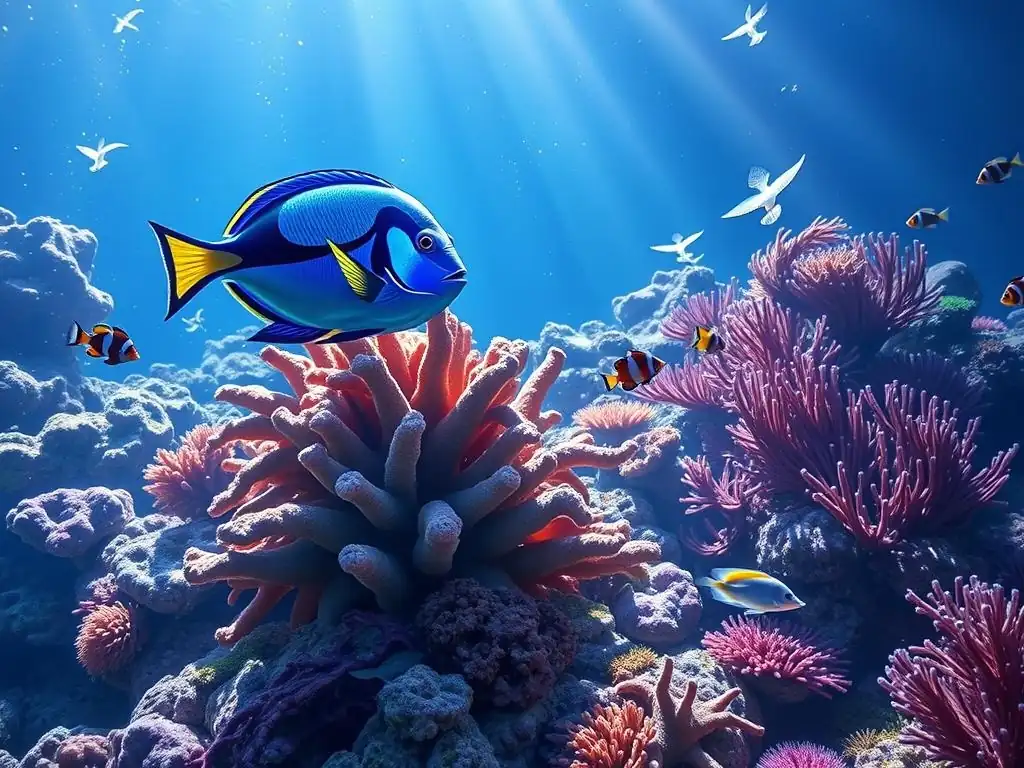
Ever wondered why some stunning Butterflyfish struggle to thrive in even the most meticulously crafted reef tanks? Dive into our latest article, "The Corallivore Conundrum," where we unravel the mysteries behind Butterflyfish coral feeding difficulties. Discover the specialized needs of these beautiful but challenging inhabitants and learn how to overcome the obstacles to their successful care. Intrigued? Let's explore the captivating world of saltwater fish keeping together!
- Understanding the Dietary Needs of Corallivorous Butterflyfish
- The Challenges of Replicating Coral Diets in Aquariums
- Strategies for Addressing Butterflyfish Coral Feeding Difficulties
- Exploring Alternative Food Sources for Corallivorous Butterflyfish
- The Importance of Water Quality and Tank Environment for Corallivores
- Case Studies: Successful Corallivore Butterflyfish Keeping
- The Future of Corallivore Butterflyfish Care in Aquariums
- Choosing the Right Corallivore Butterflyfish: Considerations for Aquarists
-
Frequently Asked Questions
- What makes butterflyfish difficult to feed in a reef aquarium?
- Why are some butterflyfish considered "corallivores"?
- Can all butterflyfish be kept in reef tanks?
- What are some alternative food options for butterflyfish in captivity if live coral is unavailable?
- What are the risks of keeping a butterflyfish in a reef tank knowing it might eat coral?
- Final Reflection: The Fragile Beauty of Specialization
- Dive Deeper: Nurture Your Butterflyfish Brilliance!
Understanding the Dietary Needs of Corallivorous Butterflyfish
The Unique Coral-Dependent Diet of Butterflyfish
Corallivory, the act of feeding primarily on corals, defines a significant group of butterflyfish species. These fish possess highly specialized mouthparts, often elongated snouts, perfectly adapted for nipping off individual coral polyps. In their natural reef habitats, species like the Ornate Butterflyfish ( Chaetodon ornatissimus) and the Chevron Butterflyfish ( Chaetodon trifascialis) spend their entire day grazing on stony corals such as Acropora, Porites, and Pocillopora. For these obligate corallivores, coral is not merely a supplemental food source but the fundamental basis of their diet.
The nutritional value derived from coral is complex and multifaceted. Butterflyfish obtain a rich blend of proteins, essential lipids (including highly unsaturated fatty acids or HUFAs), carbohydrates, and various micronutrients directly from the coral tissue and the symbiotic zooxanthellae residing within it. This intricate nutritional profile, which is crucial for their long-term health and vibrant coloration, is exceptionally challenging to replicate with standard aquarium foods, leading to significant butterflyfish coral feeding difficulties in captivity.
Identifying True Corallivores Among Butterflyfish Species
Distinguishing between true obligate corallivores and facultative corallivores is paramount for any aquarist considering these beautiful fish. Obligate corallivores, such as the aforementioned Chaetodon trifascialis or the Meyer's Butterflyfish ( Chaetodon meyeri), are almost exclusively dependent on live coral and rarely adapt to prepared foods. Their survival in a home aquarium without a constant supply of live coral is highly improbable, often resulting in a slow decline over months.
In contrast, facultative corallivores, including species like the Threadfin Butterflyfish ( Chaetodon auriga) or the Klein's Butterflyfish ( Chaetodon kleinii), will graze on coral but are also known to consume algae, small invertebrates, and readily accept a variety of frozen and even flake foods. Understanding this distinction is critical to avoiding common butterflyfish coral feeding difficulties. For instance, a Chaetodon auriga might thrive in a mixed reef tank with supplemental frozen foods, whereas a Chaetodon trifascialis would perish without dedicated live coral feeding.
Why Coral Feeding is Essential for Specific Butterflyfish
For obligate corallivorous butterflyfish, the continuous consumption of live coral is a biological imperative. Their digestive systems are specifically evolved to process coral polyps, and without this natural diet, they quickly develop severe nutritional deficiencies. These deficiencies manifest as faded coloration, fin erosion, weakened immune systems, susceptibility to disease, and ultimately, a wasting away that leads to premature death. This biological dependency is the primary reason why many aquarists encounter severe butterflyfish coral feeding difficulties.
Beyond nutrition, the act of grazing on coral provides essential behavioral enrichment. Constant pecking and foraging stimulate the fish, reducing stress and promoting natural behaviors. A corallivore that cannot engage in this natural activity may become listless, refuse even offered foods, and fail to thrive, regardless of water quality. The specialized mouthparts of these fish also require the physical action of picking polyps to remain healthy and functional.
The Challenges of Replicating Coral Diets in Aquariums
The Limited Availability of Live Coral in the Aquarium Trade
One of the most significant practical hurdles in keeping obligate corallivorous butterflyfish is the sheer difficulty and expense of sourcing sufficient live coral. A single adult obligate corallivore can consume several small coral fragments, equivalent to a 2-3 inch frag plug, per week. At an average cost of $20-$50 per frag, this can quickly amount to a monthly food bill exceeding $200, making it an unsustainable practice for most hobbyists.
Furthermore, relying on wild-harvested coral for feeding raises ethical and sustainability concerns. While captive-bred and maricultured corals are becoming more available, they are often cultivated for growth and aesthetics rather than as a continuous food source for fish. The sheer volume required to sustain an obligate corallivore means that the demand often outstrips the sustainable supply, exacerbating butterflyfish coral feeding difficulties.
Nutritional Deficiencies When Substituting Coral with Prepared Foods
Despite advancements in fish food formulations, replicating the precise nutritional profile of live coral remains a formidable challenge. Typical frozen foods, flakes, or pellets, even those marketed as "reef formulas," often lack the specific lipid compositions, fatty acids (like EPA and DHA in the correct ratios), and complex carbohydrates found in coral polyps and their symbiotic zooxanthellae. These are crucial for the long-term health and vitality of corallivorous butterflyfish.
The consequence of these dietary shortcomings is often a slow, insidious decline. Fish may initially appear to accept prepared foods, but over time, they will gradually lose weight, exhibit dull colors, and become lethargic. This "slow starvation" is a common outcome for obligate corallivores fed only substitute diets, highlighting the severity of butterflyfish coral feeding difficulties when the natural diet is not provided. Even foods claiming to contain "coral extracts" may not offer the bioavailability or complete spectrum of nutrients necessary.
Difficulty in Meeting Specific Coral Polyp Size Requirements for Butterflyfish
Beyond the nutritional content, the physical characteristics of the food are also critical. Different species of butterflyfish have evolved to feed on corals with specific polyp sizes and textures. For example, a Chaetodon lunulatus might prefer the larger polyps of Pocillopora or Montipora capricornis, while a Chaetodon trifascialis may primarily target the smaller polyps of Acropora species. Providing the correct physical form is essential for acceptance and efficient feeding.
Prepared foods, whether pellets, flakes, or even frozen cubes, typically offer a uniform size and texture that does not mimic the diverse physical properties of live coral polyps. This can lead to rejection or inefficient consumption, as the fish's specialized mouthparts are not engaged in their natural feeding motion. The lack of varied polyp sizes and textures contributes significantly to the overall butterflyfish coral feeding difficulties encountered by aquarists.
Strategies for Addressing Butterflyfish Coral Feeding Difficulties
Providing a Variety of Coral Species and Fragments
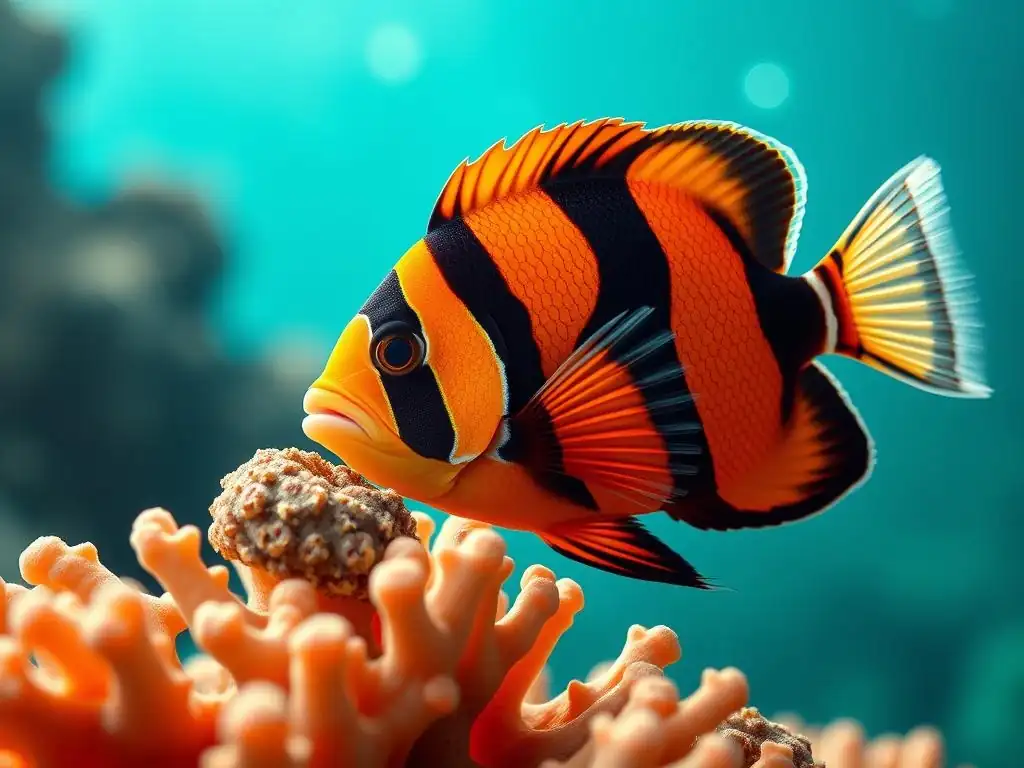
To mitigate butterflyfish coral feeding difficulties, aquarists should aim to provide a diverse selection of stony coral species and fragments. Offering small pieces of Acropora, Montipora, Pocillopora, and Porites can increase the likelihood of acceptance, as different butterflyfish species may have distinct preferences. For instance, an aquarist might introduce 3-5 small frag plugs (e.g., 1-2 inches in diameter) of different SPS corals into a 75-gallon tank weekly, rotating the types to encourage broader consumption.
It is crucial that the coral fragments provided are healthy, unbleached, and free of pests. Stressed or dying coral is not only nutritionally deficient but also less palatable to the fish. Sourcing fragments from reputable, disease-free aquaculture facilities or fellow hobbyists practicing sustainable fragging is recommended to ensure the best possible intake for fish struggling with specialized diets.
Culturing Coral in a Refugium for Butterflyfish Consumption
A highly effective, albeit resource-intensive, strategy to address butterflyfish coral feeding difficulties is to establish a dedicated coral culture system, such as a large refugium or a separate frag tank. This allows the aquarist to grow fast-growing stony corals specifically for the purpose of feeding their corallivorous butterflyfish. A 20-40 gallon refugium, for example, can be outfitted with high-intensity lighting and strong water flow to accelerate the growth of species like Montipora digitata or Seriatopora hystrix.
Once the corals have grown sufficiently, small pieces can be periodically broken off and placed into the main display tank for the butterflyfish to graze upon. This method provides a consistent, fresh, and sustainable supply of natural food, significantly reducing reliance on external sources and offering a practical solution to the ongoing challenge of butterflyfish coral feeding difficulties. Regular maintenance of the refugium's water quality is key to ensuring healthy coral growth.
Supplementing the Diet with Coral-Based Food Alternatives
While live coral remains essential for obligate corallivores, supplementing their diet with commercially available coral-based food alternatives can help bridge nutritional gaps and encourage acceptance of prepared foods. Some manufacturers offer frozen foods that incorporate ground coral skeleton or specialized pellets containing coral-derived proteins and lipids. For example, some gel foods are formulated with high concentrations of marine proteins and fats designed to mimic coral composition.
These alternatives should be viewed as supplements rather than complete substitutes, especially for the most specialized species. They can be particularly useful for facultative corallivores or as a temporary measure to improve the nutritional status of very difficult species during their acclimation period. Offering these foods via a target feeder or pipette directly to the fish can also increase the chances of acceptance, incrementally easing butterflyfish coral feeding difficulties.
Exploring Alternative Food Sources for Corallivorous Butterflyfish
Formulated Foods Designed to Mimic Coral Composition
The aquaculture industry is continuously researching and developing highly specialized formulated foods that attempt to replicate the unique lipid and protein profiles of coral polyps. These often come in gel, paste, or highly refined pellet forms, with some even incorporating extracts from zooxanthellae or specific marine algae to provide a broader spectrum of nutrients. For instance, certain brands market "coral-feeding" pastes that can be adhered to rockwork, allowing the fish to graze naturally.
While these advanced foods represent a significant step forward in addressing butterflyfish coral feeding difficulties, their success rates vary widely depending on the individual fish and species. They can be a valuable component of a varied diet, especially for species that are not strictly obligate corallivores. However, consistent long-term success with these as the sole food source for true obligate species remains a considerable challenge.
The Role of Frozen Foods and Live Invertebrates in a Butterflyfish Diet
For many butterflyfish species, especially facultative corallivores or those showing some adaptability, high-quality frozen foods are indispensable. Enriched mysis shrimp, brine shrimp (especially those enriched with HUFAs), finely chopped clam, scallop, or squid are excellent sources of protein and essential fatty acids. Offering these foods multiple times a day in small portions can ensure consistent intake.
Live invertebrates can also play a crucial role, particularly in stimulating feeding responses in finicky eaters. Small live blackworms, grindal worms, or cultured copepods and amphipods can trigger natural hunting instincts and provide vital nutrients. For example, regularly dosing a tank with live copepods can significantly boost the vitality and immune response of a struggling butterflyfish, helping to overcome initial butterflyfish coral feeding difficulties.
Introducing Algae and Biofilm as Supplemental Food Options
While not the primary diet for corallivorous species, some butterflyfish will graze on algae and the biofilm that naturally develops on live rock. Providing ample established live rock with healthy algal growth can offer supplementary grazing opportunities, contributing to gut health and providing trace elements. This is particularly relevant for species that exhibit omnivorous tendencies or are partially herbivorous.
Aquarists can also offer high-quality spirulina flakes, nori sheets (seaweed), or specialized algae wafers, especially for species known to consume plant matter in the wild. While these won't resolve the fundamental butterflyfish coral feeding difficulties for obligate corallivores, they can round out the diet for more adaptable species and encourage natural grazing behaviors within the aquarium environment.
The Importance of Water Quality and Tank Environment for Corallivores
Maintaining Optimal Water Parameters for Coral and Butterflyfish Health
Exceptional water quality is non-negotiable when attempting to keep corallivorous butterflyfish, especially if live coral is being provided for their diet. Stable parameters are paramount: salinity should be maintained at 1.025-1.026 specific gravity, temperature between 76-78°F (24-25.5°C), pH between 8.1-8.4, alkalinity 8-10 dKH, calcium 400-450 ppm, and magnesium 1300-1400 ppm. These parameters are not only crucial for the health and growth of any live coral being offered but also directly impact the fish's immune system, stress levels, and digestive efficiency.
Poor or fluctuating water quality can severely stress both coral and fish, making the fish less inclined to feed and the coral less palatable. Regular water changes (e.g., 10-20% weekly or bi-weekly) and robust filtration, including a high-quality protein skimmer, a substantial sump, and potentially a refugium, are essential to keep nitrates and phosphates at negligible levels. Maintaining pristine conditions is a foundational step in overcoming butterflyfish coral feeding difficulties.
Providing Adequate Hiding Places and Low-Stress Environments
Butterflyfish, particularly those newly introduced or struggling to adapt, are highly susceptible to stress. A well-designed tank environment with ample live rock formations, caves, and crevices provides crucial security and hiding places. For a single butterflyfish, a minimum tank size of 75-100 gallons is often recommended to allow for sufficient swimming space and to minimize territorial disputes with tank mates.
Careful consideration of tank mates is also vital. Aggressive, overly boisterous, or competitive fish can intimidate butterflyfish, preventing them from feeding adequately. Peaceful community fish or species that occupy different levels of the water column are ideal. A calm, stable environment significantly reduces stress, which is a critical factor in encouraging consistent feeding and overcoming inherent butterflyfish coral feeding difficulties.
Controlling Algae Growth and Preventing Parasites in the Aquarium
While some butterflyfish may graze on certain types of algae, excessive nuisance algae, such as hair algae or cyanobacteria, often indicates underlying water quality issues and can harbor parasites or bacteria. Regular tank maintenance, including siphoning detritus from the substrate, cleaning the glass, and ensuring proper nutrient export, helps maintain a pristine and healthy environment.
Proactive parasite prevention is also essential, as many wild-caught butterflyfish arrive with internal or external parasites that can severely impact their health and willingness to eat. A dedicated quarantine tank (QT) for new arrivals, typically for 4-6 weeks, is highly recommended. This allows for observation, deworming, and potential treatment for external parasites without introducing stress or pathogens to the main display tank. A healthy, parasite-free fish is far more likely to accept food and overcome butterflyfish coral feeding difficulties.
Case Studies: Successful Corallivore Butterflyfish Keeping
Chaetodon lunulatus: Targeted Feeding and Coral Health Maintenance
A successful case involving Chaetodon lunulatus, the Red-tailed Butterflyfish, an obligate corallivore, highlights the dedication required. In a 120-gallon mixed reef tank, the aquarist introduced the fish only after the coral colonies, primarily Pocillopora damicornis and various Acropora species, were well-established and thriving. The fish was observed continuously grazing throughout the day. To ensure a constant food supply, the aquarist maintained a separate 30-gallon frag tank dedicated to growing fast-growing SPS corals.
Small frag plugs of Pocillopora damicornis and Acropora millepora were regularly harvested from the frag tank and placed into the main display. This provided a continuous, fresh source of their natural diet. Additionally, the aquarist slowly introduced a specialized "coral gel" food, offering it via a pipette near the fish several times a week. After initial reluctance, the Chaetodon lunulatus began to accept the supplemental gel, demonstrating that a consistent supply of live coral combined with a low-stress environment and stable parameters can minimize butterflyfish coral feeding difficulties.
Chelmon rostratus: Aiptasia Control and Supplemental Feeding Techniques
The Copperband Butterflyfish ( Chelmon rostratus) is an interesting case, often sought after for its ability to control Aiptasia anemones, a common pest in reef tanks. While not a strict corallivore, they do consume small invertebrates and some soft coral polyps. One successful instance involved a 90-gallon mixed reef tank plagued by a persistent Aiptasia outbreak. The Copperband was introduced, and within a few weeks, it effectively cleared the nuisance anemones from the rockwork.
To ensure the fish's long-term health beyond Aiptasia eradication, the aquarist meticulously transitioned it to a diet of high-quality frozen foods. This included daily feedings of enriched mysis shrimp, enriched brine shrimp, and finely chopped clam meat, offered 2-3 times per day. Initially, live blackworms were used to stimulate feeding and encourage the fish to actively forage. This case illustrates how a specialized feeder can thrive when its specific dietary niche is met and then supplemented with diverse, high-quality alternatives, effectively easing potential butterflyfish coral feeding difficulties.
Forcipiger flavissimus: Adapting to Captivity with Diverse Food Sources
The Longnose Butterflyfish ( Forcipiger flavissimus) is a facultative corallivore with a distinctive elongated snout, primarily feeding on tube worms, small crustaceans, and coral polyps in the wild. A challenging but successful experience involved a Forcipiger flavissimus in a 150-gallon Fish Only With Live Rock (FOWLR) tank. The initial hurdle was getting the fish to accept any non-live food, a common butterflyfish coral feeding difficulty.
The aquarist began by offering live ghost shrimp and small feeder crabs, which immediately triggered a feeding response. Over several weeks, the aquarist gradually introduced frozen mysis shrimp, krill, and finely chopped clam meat, often embedding these within a homemade gel food. The Longnose Butterflyfish eventually learned to pick these prepared foods from the sand bed and rockwork. This success hinged on patience, persistence, and a gradual introduction of a variety of high-quality, protein-rich foods, demonstrating that even somewhat specialized species can adapt with the right approach.
The Future of Corallivore Butterflyfish Care in Aquariums
Advancements in Coral Propagation and Sustainable Sourcing
The future of keeping corallivorous butterflyfish in aquariums looks more promising with continued advancements in coral propagation and sustainable sourcing. The increasing availability of captive-bred and maricultured corals from dedicated coral farms is a significant development. For instance, large-scale aquaculture facilities are now producing thousands of SPS coral frags annually, a substantial increase compared to a decade ago, which could potentially provide a more sustainable and affordable source of live coral fragments for these specialized fish.
Further research and investment into growing specific coral species that are favored by butterflyfish, and doing so at an accelerated rate, could make it much more feasible for aquarists to maintain a continuous, ethically sourced supply. Developing faster-growing, more resilient coral strains specifically for feeding purposes would directly address one of the biggest current butterflyfish coral feeding difficulties.
Ongoing Research on Butterflyfish Nutritional Requirements
Ongoing scientific research into the precise nutritional requirements of various butterflyfish species is crucial for improving their long-term captive care. Researchers are continually analyzing the exact biochemical composition of coral polyps, including their lipid profiles, amino acid content, and trace element concentrations. This detailed understanding helps identify specific nutrients that are often lacking in current substitute diets.
Collaborations between public aquariums, university research programs, and commercial feed manufacturers are vital in translating this scientific knowledge into practical solutions. The goal is to develop more precise, bioavailable formulated foods that can truly sustain obligate corallivores over their natural lifespan, moving beyond current approximations and significantly reducing the inherent butterflyfish coral feeding difficulties.
Developing Innovative Feeding Solutions for Specialized Diets
The future may also see innovative feeding solutions tailored specifically for specialized diets. This could include the development of automated feeding systems capable of dispensing small, frequent portions of specialized gel foods or even live cultured invertebrates throughout the day, mimicking natural grazing patterns. Tank designs might evolve to incorporate dedicated, accessible coral growth areas within the main display, allowing fish to graze continuously on self-replenishing coral.
Furthermore, research might explore the use of advanced probiotic supplements specifically tailored to improve the digestion and nutrient absorption of non-coral diets in butterflyfish. While controversial, selective breeding programs could also be explored to identify and propagate butterflyfish strains that exhibit greater adaptability to prepared foods, ultimately aiming to drastically reduce butterflyfish coral feeding difficulties in captive environments.
Choosing the Right Corallivore Butterflyfish: Considerations for Aquarists
Assessing Your Ability to Provide a Coral-Rich Environment
Before acquiring any corallivorous butterflyfish, potential owners must realistically assess their capacity to provide a suitable, coral-rich environment. This involves a significant financial commitment to purchase and continuously supply live coral fragments, the physical space to set up and maintain a dedicated coral refugium or frag tank, and the substantial time required for meticulous water quality management. For example, sustaining a single obligate corallivore in a 100-gallon tank could easily entail an annual expenditure of several hundreds, if not thousands, of dollars just for coral food.
If providing a consistent and sufficient supply of live coral is not realistically feasible, it is ethically imperative to avoid obligate corallivores. Attempting to keep these specialized fish without their primary food source often leads to a slow, distressing decline and contributes to the unsustainable collection of wild fish. This realistic self-assessment is the first and most critical step in preventing severe butterflyfish coral feeding difficulties.
Understanding the Specific Dietary Needs of Each Butterflyfish Species
It is absolutely crucial for aquarists to conduct thorough research on the specific dietary needs of any butterflyfish species before purchase. Not all butterflyfish are created equal in their dietary demands; some are generalists, while others are highly specialized. For instance, the Saddleback Butterflyfish ( Chaetodon ephippium) is far more adaptable to a variety of prepared foods than the notoriously difficult Raccoon Butterflyfish ( Chaetodon lunula), which often struggles with butterflyfish coral feeding difficulties.
Consulting species-specific profiles (like those found on AquariumMastery.com) and reputable aquarium forums is highly recommended. Understanding whether a particular species is an obligate corallivore, a facultative corallivore, or an omnivore is the single most important factor in predicting its success in a captive environment and preventing future feeding challenges.
The Ethical Implications of Keeping Corallivorous Fish
The decision to keep corallivorous butterflyfish carries significant ethical implications. Keeping an obligate corallivore without the means to sustain its natural diet inevitably leads to suffering, nutritional deficiencies, and premature death. This practice not only causes undue stress to the individual animal but also contributes to the unsustainable collection of wild fish from delicate reef ecosystems.
Responsible aquarism dictates that if an aquarist cannot meet the highly specific and demanding needs of a specialized species, they should choose a more adaptable and less challenging fish. Prioritizing the welfare of the animal over personal desire is paramount. By making informed and ethical choices, aquarists can contribute to the health of the hobby and the well-being of the fish, rather than exacerbating the inherent butterflyfish coral feeding difficulties.
Frequently Asked Questions
What makes butterflyfish difficult to feed in a reef aquarium?
Butterflyfish often have specialized diets, predominantly consisting of coral polyps. Replicating this diet in a captive environment presents a challenge as not all aquariums can provide suitable live coral.
Why are some butterflyfish considered "corallivores"?
"Corallivore" means coral-eating. Certain butterflyfish species have evolved to primarily feed on coral tissue and polyps, making them less adaptable to other food sources.
Can all butterflyfish be kept in reef tanks?
No, definitely not. Many butterflyfish species will consume corals and invertebrates, making them unsuitable for reef aquariums. Researching species is crucial to prevent coral damage.
While not ideal, you can try offering frozen coral substitutes or high-quality meaty foods. However, these are often accepted poorly and may not provide the necessary nutrition for long-term health.
What are the risks of keeping a butterflyfish in a reef tank knowing it might eat coral?
The primary risk is coral predation, leading to stressed, damaged, or even dead corals. This can disrupt the entire ecosystem balance of the reef aquarium.
Final Reflection: The Fragile Beauty of Specialization
The intricate dance between butterflyfish and coral, as explored throughout this article, highlights a crucial truth: specialization, while beautiful and efficient, renders ecosystems incredibly vulnerable. The delicate balance of their feeding habits, so finely tuned to specific coral species, underscores the precariousness of biodiversity in the face of environmental change. Understanding the "Butterflyfish coral feeding difficulties" is not just an academic exercise; it's a vital step in comprehending the broader implications of habitat loss and climate change on our planet's most precious ecosystems.
This exploration into the corallivore conundrum has profoundly impacted my perspective on the interconnectedness of life. Witnessing the specific adaptations and dependencies of these butterflyfish emphasizes the urgent need for conservation efforts. The fate of these vibrant creatures is inextricably linked to the health of coral reefs, and their struggles serve as a stark reminder of our responsibility to protect these fragile environments. In the end, we will conserve only what we love; we will love only what we understand; and we will understand only what we are taught.
- Baba Dioum. This quote perfectly encapsulates the need for education and awareness to drive meaningful change.
Now, I invite you to reflect on your own role in this intricate web of life. Consider the choices you make each day and how they might impact the delicate balance of our planet. Let the "Butterflyfish coral feeding difficulties" serve as a call to action, inspiring you to become a steward of our oceans and a champion for the preservation of biodiversity. Only through collective awareness and responsible action can we ensure a future where these magnificent creatures, and the coral reefs they depend on, continue to thrive.
Dive Deeper: Nurture Your Butterflyfish Brilliance!
Thanks for exploring the fascinating world of corallivorous butterflyfish with us! We hope you've gained valuable insights into their unique dietary needs and the challenges of keeping them healthy. Now, it's time to put that knowledge into action.
- Prioritize experimenting with diverse feeding techniques to mimic their natural grazing behavior, observing closely for acceptance and nutritional balance.
- Share your own experiences and observations about feeding butterflyfish on Aquarium Mastery's community forum to learn from others.
- Consider setting up a small, dedicated "coral propagation" tank to cultivate specific coral species preferred by your butterflyfish for sustainable feeding.
What innovative feeding strategy will you try first to satisfy the unique appetite of your picky butterflyfish?