
Coral Buffet: Which of Your Precious Polyps Are Butterflyfish Targets?

Welcome to Aquarium Mastery!
Ever wondered which corals are safe around those gorgeous butterflyfish you've been dreaming about adding to your reef tank? It's a question every saltwater enthusiast asks! Dive in to discover everything you need to know about butterflyfish coral feeding preferences and ensure your precious polyps survive and thrive. Let's unlock the secrets to a harmonious reef ecosystem together!
- Reef Compatibility: Understanding Fish and Coral Interactions
- Understanding Fish Coral Feeding Preferences in Reef Aquariums
- Identifying Fish Species with a Predilection for Coral Consumption
- A Coral "Hit List": Common Coral Types Targeted by Fish
- Minimizing Coral Damage: Strategies for Keeping Fish and Corals Together
- Fish Feeding Habits: A Deep Dive into Coral Nutrition
- Case Studies: Success and Failure Stories of Keeping Fish with Corals
- Maintaining a Thriving Reef Aquarium with Fish: A Balancing Act
- Conclusion: Responsible Reef Keeping with Fish
-
Frequently Asked Questions
- What exactly are Butterflyfish and why are they relevant to coral reefs?
- Which types of corals are most vulnerable to Butterflyfish predation?
- How can I determine if a Butterflyfish is actively feeding on my corals?
- Are all Butterflyfish equally prone to eating corals?
- What are some strategies to mitigate the risk of Butterflyfish damaging my corals?
- Final Reflection: The Delicate Dance of Survival
- Ignite Your Reef's Brilliance!
Reef Compatibility: Understanding Fish and Coral Interactions
Understanding Fish Coral Feeding Preferences in Reef Aquariums
The Allure and Risk of Keeping Fish in Reef Tanks
The vibrant colors and dynamic movement of fish are often the primary draw for aquarists setting up a saltwater reef tank. Fish add personality and a sense of natural activity, transforming a static coral display into a living, breathing ecosystem. The desire to replicate a slice of the ocean's intricate beauty is a powerful motivator, leading many to seek out a diverse array of fish species to complement their coral gardens.
However, this allure comes with inherent risks. While many fish are considered "reef-safe," a significant number, particularly certain species known for their Butterflyfish coral feeding preferences, view corals not as decoration but as a potential food source. Even seemingly benign fish can occasionally nip at polyps, causing stress, tissue recession, and even death to prized coral colonies, representing a substantial financial and emotional investment for the aquarist.
Why Fish are Drawn to Corals: A Natural Diet
In their natural habitat, corals are a legitimate and abundant food source for a variety of marine fish. Coral polyps are rich in essential nutrients, including lipids, proteins, and carbohydrates, making them a calorically dense meal for specialized feeders. Studies on wild fish populations, such as those conducted on the Great Barrier Reef, have consistently shown coral tissue and mucus to be significant components of the diets of many butterflyfish and angelfish species.
This natural dietary inclination often translates into aquarium behavior. Even when offered a varied diet of prepared foods, the innate instinct to graze or pick at polyps, mucus, or the tiny invertebrates living on coral surfaces can persist. This highlights the critical importance of understanding specific Butterflyfish coral feeding preferences before introducing them into a thriving reef environment.
Identifying Fish Species with a Predilection for Coral Consumption
Obligate Corallivores: Fish That Primarily Eat Coral
Obligate corallivores are species whose primary diet in the wild consists almost exclusively of coral polyps. These fish are generally considered entirely unsuitable for mixed reef aquariums due to their specialized and destructive feeding habits. Examples include the Chevron Butterflyfish ( Chaetodon trifascialis), which predominantly feeds on Acropora polyps, and the Eightband Butterflyfish ( Chaetodon octofasciatus), known for its strict diet of stony coral polyps.
Keeping these species in an aquarium invariably leads to the rapid destruction of coral colonies. Furthermore, their highly specialized diet makes them incredibly challenging, if not impossible, to sustain long-term on prepared foods. This often results in a slow decline due to starvation, or persistent, irreparable damage to the coral inhabitants, making them a clear risk for any reef enthusiast concerned about Butterflyfish coral feeding preferences.
Facultative Corallivores: Fish That Occasionally Nibble on Coral
Facultative corallivores are fish that consume corals as part of a broader diet, or opportunistically when other food sources are scarce. This group includes many popular Chaetodon species, such as the Copperband Butterflyfish ( Chelmon rostratus). While often acquired for their appetite for nuisance pests like Aiptasia anemones, individuals of this species have been observed to occasionally nip at the fleshy polyps of LPS corals or even small SPS polyps, especially if underfed or stressed.
The behavior within this group can be highly variable; some individuals might be perfectly "reef-safe," while others develop a taste for corals. This unpredictability makes them a challenging addition to a coral-rich tank. Thorough observation and ensuring a consistently robust feeding regimen are crucial for these species to minimize the risk of them developing unwanted Butterflyfish coral feeding preferences.
Fish to Avoid if You Want to Keep Most Corals Safe
Beyond obligate corallivores, several other fish species are generally advised against for most coral-dominant reef tanks due to their high propensity for coral consumption. This list often includes larger angelfish from the Pomacanthus and Holacanthus genera, such as the Emperor Angelfish ( Pomacanthus imperator) or Queen Angelfish ( Holacanthus ciliaris), which are notorious for nipping at both LPS and SPS polyps. Certain puffers, like the Valentini Puffer ( Canthigaster valentini), and triggerfish, such as the Picasso Triggerfish ( Rhinecanthus aculeatus), also pose significant threats due to their strong biting capabilities and varied diets that can include invertebrates.
While anecdotal reports of successful keeping exist, the risk associated with these species is substantial. A single fish with a developed taste for coral can quickly decimate a collection that has taken years and significant investment to cultivate. Therefore, for most reef aquarists, avoiding these species is the most prudent approach to safeguard their precious corals, especially when considering the specific dangers posed by certain Butterflyfish coral feeding preferences.
A Coral "Hit List": Common Coral Types Targeted by Fish
LPS Corals: Favored Snacks for Some Fish
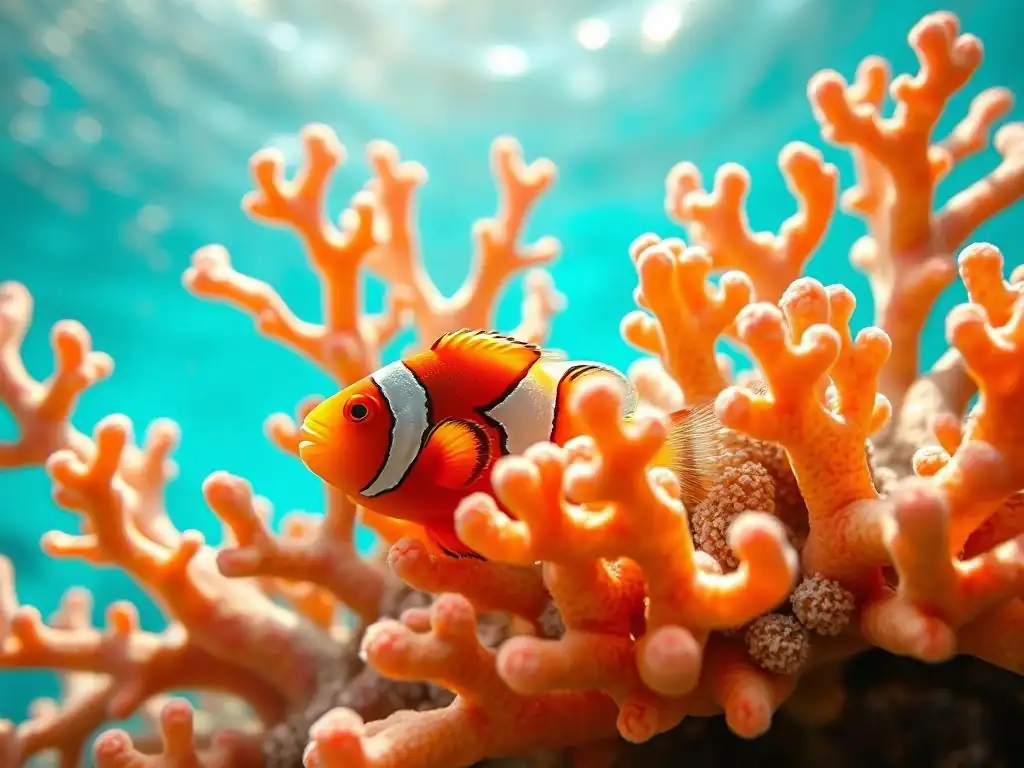
Large Polyp Stony (LPS) corals are frequently targeted by corallivorous fish due to their large, fleshy polyps, which present an easy and substantial meal. Unlike their small polyp counterparts, LPS corals have highly exposed, soft tissues that are readily accessible to nipping fish. Their relatively slower growth rates also mean that damage from predation is often more pronounced and recovery can be a prolonged process, sometimes taking months or even years.
The appeal of LPS corals to fish with specific Butterflyfish coral feeding preferences lies in their soft, nutrient-rich tissues. Even a small amount of persistent nipping can cause significant stress, leading to polyp retraction, tissue recession, and increased susceptibility to bacterial infections or brown jelly disease. This makes LPS corals particularly vulnerable inhabitants in a mixed reef tank with potentially problematic fish.
Brain Corals (Favites, Lobophyllia): A Common Target
Brain corals, including species like Favites and Lobophyllia, are highly susceptible to fish predation due to their prominent, fleshy polyps and relatively open structures. Observations in home aquariums frequently report certain butterflyfish species, and even some angelfish, exhibiting a strong interest in picking at their soft tissues. This behavior often manifests as repeated nipping at the polyps, causing them to retract or show visible bite marks on their surface.
The impact on these corals can be severe, leading to localized tissue necrosis, particularly around the edges of the coral's mouth or septa. Once tissue damage occurs, the coral becomes vulnerable to secondary infections, which can rapidly spread and consume the entire colony. For this reason, careful consideration of Butterflyfish coral feeding preferences is paramount before introducing them alongside these popular LPS corals.
Open Brain Corals (Trachyphyllia): Vulnerable to Grazing
Open Brain Corals, such as Trachyphyllia geoffroyi, are among the most beautiful and sought-after LPS corals, but their large, exposed polyps make them particularly vulnerable to grazing fish. Their delicate, often fluorescent, tentacles are an easy target for fish that enjoy nipping at fleshy tissues. Even a curious "test nip" from a fish can cause significant stress or damage to these highly sensitive corals.
Damage to Trachyphyllia can impair their ability to inflate fully, feed efficiently, and photosynthesize effectively, often leading to a slow decline if the predation persists. Their vibrant colors can also fade under stress. Aquarists often report that even species generally considered "reef-safe" may occasionally take a liking to these corals, underscoring the unpredictable nature of individual fish behavior, especially concerning Butterflyfish coral feeding preferences.
Elegance Corals (Catalaphyllia): Sometimes on the Menu
Elegance Corals ( Catalaphyllia jardinei) are renowned for their long, flowing tentacles and striking coloration, making them a focal point in many reef tanks. However, their very attractiveness can be their downfall. Their delicate, extended tentacles, rich in zooxanthellae and mucus, can be an irresistible temptation for certain fish. While not universally targeted, some aquarists have reported instances of butterflyfish and angelfish picking at their tentacles.
Catalaphyllia are notoriously sensitive to stress and changes in water parameters, and even minor, persistent nipping can cause them to retract, stop feeding, or develop brown jelly disease. Their recovery from such stress can be slow and uncertain. Therefore, while not a primary target for all corallivores, the risk to these fragile beauties should be carefully weighed when considering fish known for their Butterflyfish coral feeding preferences.
SPS Corals: Less Frequently Targeted, But Still at Risk
Small Polyp Stony (SPS) corals, characterized by their tiny polyps and robust, calcified skeletons, are generally less appealing to most corallivorous fish compared to their LPS counterparts. The small size of their polyps means they offer less of a substantial meal, and the hard skeletal structure can make them less accessible for nipping. This often leads aquarists to believe they are entirely safe from fish predation.
However, despite their general resilience, SPS corals are not entirely immune. Some highly specialized corallivores will specifically target SPS polyps, and even generalist grazers might nip at the polyps or the coral's mucus layer if other preferred food sources, such as algae or prepared foods, are scarce. This opportunistic grazing can still lead to polyp retraction, reduced growth, and overall stress for the coral colony.
Acropora: A Possible, Though Less Common, Target
Acropora species, the quintessential SPS corals, are typically less frequently targeted by the majority of reef fish due to their minuscule polyps and hard, often sharp, skeletal structures. However, there are notable exceptions. Obligate corallivores like the Chevron Butterflyfish ( Chaetodon trifascialis) are known to feed almost exclusively on Acropora polyps in the wild, making them a direct threat to any Acropora colony in an aquarium.
Beyond these specialized feeders, some generalist fish might occasionally nip at Acropora polyps or the film algae growing on their branches, especially if their primary dietary needs are not met. While such occasional nipping might not be immediately fatal, persistent stress can inhibit growth, cause tissue recession, and make the coral more susceptible to disease, highlighting that even Acropora are not entirely safe from certain Butterflyfish coral feeding preferences.
Montipora: Risks and Mitigation Strategies
Montipora corals, another popular SPS genus, share similar characteristics with Acropora in terms of their small polyps and hard skeleton, making them generally less attractive to most corallivorous fish. Instances of fish directly consuming Montipora polyps are relatively uncommon compared to LPS corals. However, like Acropora, they can still be at risk from highly specialized feeders or opportunistic grazers.
Mitigation strategies for Montipora and other SPS corals primarily involve ensuring that fish are well-fed with a varied diet, reducing their inclination to pick at corals out of hunger or boredom. Maintaining excellent water quality and stable parameters also promotes robust coral health, making them more resilient to any minor stress or occasional nipping. Regular observation of fish behavior is key to identifying any developing Butterflyfish coral feeding preferences before significant damage occurs.
Soft Corals: Generally Safer, But Not Always Immune
Soft corals, including leathers, mushrooms, and zoanthids, are generally considered safer inhabitants for mixed reef tanks, particularly when fish with potential coral-eating tendencies are present. Many soft corals contain defensive chemicals (terpenoids) or have a tougher, less palatable texture that deters most fish. This makes them a popular choice for aquarists who want to enjoy the aesthetic appeal of corals without the high risk of predation.
However, it is crucial to understand that "generally safer" does not mean "immune." While widespread predation on soft corals is rare, some individual fish, or even certain species not typically associated with coral consumption, can develop an interest. This highlights that even with soft corals, careful observation and understanding of individual fish behaviors are always necessary.
Zoanthids and Palythoas: Potential Interest
Zoanthids and Palythoas are small, colonial soft corals that are popular for their vibrant colors and ease of care. While often touted as "reef-safe" with most fish, some aquarists have reported instances of fish, including certain butterflyfish species or even dwarf angelfish, picking at their polyps. This behavior might be due to their small, meaty appearance, or the biofilm and micro-invertebrates that accumulate on their surface, rather than the coral tissue itself.
The risk is typically lower than with LPS corals, but persistent picking can still lead to polyp retraction, colony recession, or even complete loss of a frag. Aquarists should be vigilant, particularly when introducing new fish, and ensure that their fish are adequately fed to minimize opportunistic grazing. Understanding specific Butterflyfish coral feeding preferences remains vital, even for seemingly innocuous soft corals.
Leather Corals (Sarcophyton, Sinularia): Usually Ignored
Leather corals, such as Sarcophyton (Toadstool Leather) and Sinularia (Finger Leather), are among the safest corals to keep in a mixed reef aquarium alongside a wide variety of fish, even those with known Butterflyfish coral feeding preferences. Their tough, leathery texture and the presence of defensive chemicals make them highly unpalatable to most marine fish. Instances of fish actively consuming or even nipping at leather corals are extremely rare.
These corals often exude a waxy layer or mucus that further deters predation, and they are generally very resilient to environmental stress. Their robust nature and chemical defenses make them an excellent choice for tanks where the primary concern is preventing coral damage from fish, offering a visually appealing and relatively worry-free coral option for aquarists.
Minimizing Coral Damage: Strategies for Keeping Fish and Corals Together
Careful Species Selection: Choosing Fish That Are Less Likely to Eat Coral
The most crucial step in preventing coral damage is meticulous research and careful species selection. Before purchasing any fish, thoroughly investigate its dietary habits and documented reef compatibility. Prioritize species that are genuinely known to be obligate herbivores or planktivores, with no history of coral nipping. Reliable resources, such as detailed profiles on AquariumMastery.com, can provide invaluable insights into specific Butterflyfish coral feeding preferences and general reef safety ratings.
It is advisable to err on the side of caution. If a fish is described as "maybe reef-safe" or "with caution," especially if it belongs to a genus known for corallivory, it's generally best to avoid it in a coral-dominant tank. Investing in "guaranteed" reef-safe species like many gobies, blennies (herbivorous types), cardinalfish, or certain tangs (like Yellow Tangs) significantly reduces the risk of future heartbreak and ensures the long-term health of your coral collection.
Providing Alternative Food Sources: Supplementing Their Diet
Well-fed fish are significantly less likely to develop undesirable coral-nipping habits. A consistent and varied feeding regimen is paramount to satisfying their nutritional needs and natural foraging instincts, thereby reducing the temptation to graze on valuable corals. Supplying ample alternative food sources can divert their attention away from polyps and towards more appropriate dietary items.
This strategy is particularly effective for facultative corallivores or fish that might opportunistically nip. By ensuring a steady supply of their preferred foods, you can often mitigate the risk of them developing or acting on latent Butterflyfish coral feeding preferences. A diverse diet not only keeps fish satiated but also promotes their overall health and vitality.
Offering Frozen Foods: Mysis Shrimp, Brine Shrimp, and Prepared Formulas
Frozen foods are an excellent cornerstone of a varied diet for most marine fish. Mysis shrimp are highly nutritious, rich in protein and essential fatty acids, and are readily accepted by a wide range of species, making them ideal for satisfying hungry fish. Brine shrimp, while less nutritious, can be used to stimulate feeding responses or as a delivery mechanism for nutrient-enrichment products.
Supplementing with high-quality prepared formulas, such as marine flakes or pellets fortified with spirulina and vitamins, ensures a balanced diet. Feeding small amounts 2-3 times a day, rather than one large meal, keeps fish consistently satiated and reduces the likelihood of them seeking out coral polyps between feedings. This consistent nutrient delivery helps manage any potential Butterflyfish coral feeding preferences.
Using Live Rock with Natural Algae and Invertebrates
A mature reef tank with ample live rock provides a natural grazing ground that can significantly reduce the propensity for fish to nip at corals. Established live rock cultivates a thriving microfauna, including copepods, amphipods, and various forms of microalgae. These natural food sources offer continuous foraging opportunities, satisfying the innate desire of many fish to constantly pick and graze.
The presence of a diverse invertebrate population within the live rock can act as a natural "buffet" for omnivorous or even some carnivorous fish, diverting their attention from coral polyps. This natural grazing also contributes to the overall health and stability of the aquarium ecosystem, fostering a more harmonious environment where fish are less likely to develop or act on unwanted Butterflyfish coral feeding preferences.
Creating a "Coral Safe Zone": Separating Vulnerable Corals
For highly prized or particularly vulnerable corals, creating a "coral safe zone" can be a valuable strategy, especially if you wish to keep fish with a known, albeit low, risk of coral nipping. This involves strategically placing sensitive corals in areas that are less accessible or less appealing to potential predators. For instance, placing delicate LPS corals higher up in the rockwork, in areas of strong water flow, or within crevices can make them less convenient targets for grazing fish.
In more extreme cases, or for particularly valuable specimens, a dedicated "frag tank" or a refugium connected to the main system can serve as a completely safe haven. Here, corals can grow out and thrive without any risk of predation. Once the fish's behavior is confirmed to be truly reef-safe over an extended period, or if the fish is eventually re-homed, these corals can then be carefully introduced to the main display.
Observation and Intervention: Monitoring Fish Behavior
Vigilant observation is critical for successful reef keeping. After introducing any new fish, especially those known for variable Butterflyfish coral feeding preferences, closely monitor its behavior for signs of coral nipping. Watch for retracted polyps, visible bite marks on coral tissue, or unusual lingering around specific coral colonies. Even fish initially deemed "reef-safe" can, over time, develop a taste for certain corals.
If coral damage is observed, immediate intervention is necessary. This might involve increasing the frequency and variety of feedings, adding more live rock to provide alternative foraging, or, if the behavior persists and causes significant harm, removing the problematic fish from the reef tank. This proactive approach ensures the long-term health and beauty of your coral inhabitants.
Fish Feeding Habits: A Deep Dive into Coral Nutrition
Fish Gut Content Analysis: What Research Reveals
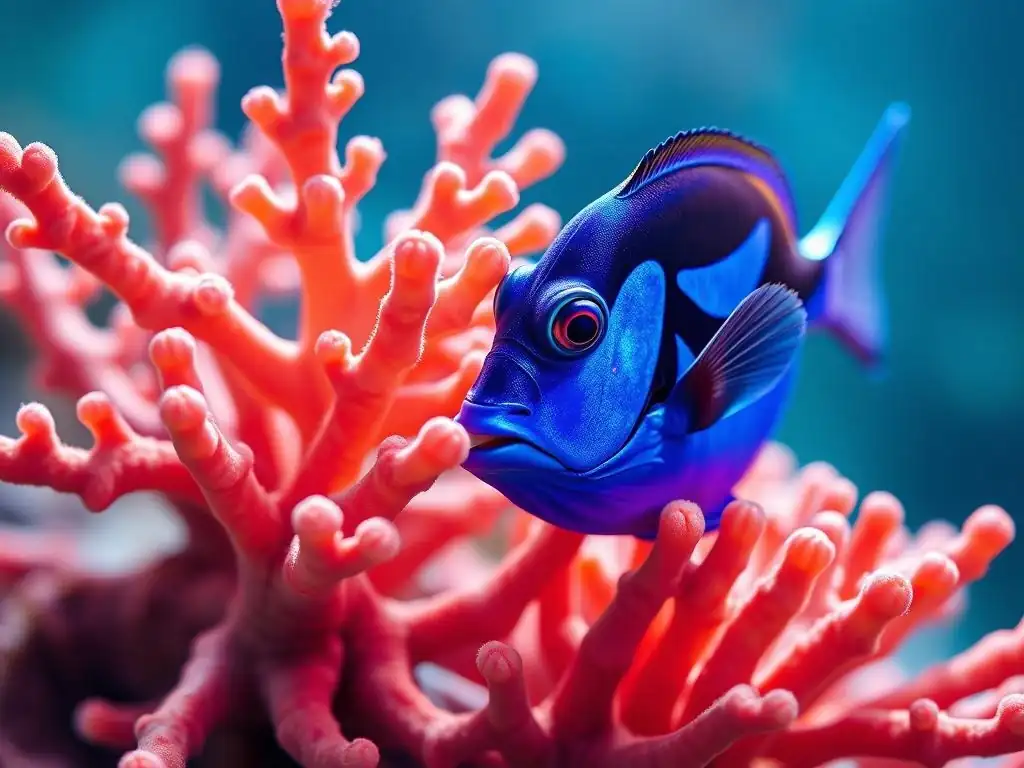
Scientific research, particularly studies involving the gut content analysis of wild marine fish, provides invaluable insights into their natural dietary preferences, including specific Butterflyfish coral feeding preferences. Marine biologists from institutions like the Australian Institute of Marine Science have conducted extensive studies on fish collected from natural coral reefs. These analyses often reveal precise dietary compositions, identifying the types and quantities of food items consumed.
For example, studies on various Chaetodon (butterflyfish) species frequently show a significant presence of coral polyps, coral mucus, and associated micro-invertebrates in their digestive tracts. This direct evidence helps aquarists understand which species are obligate or facultative corallivores, moving beyond anecdotal observations to informed decision-making about species selection for their home aquariums. This data is crucial for predicting potential coral damage.
Visual Cues and Feeding Triggers: How Fish Find Coral
Fish employ a variety of sensory cues to locate and identify their food sources, including corals. Visual cues play a significant role; the vibrant colors, the movement of polyps as they extend, and the general shape of a coral colony can attract a fish's attention. For instance, the fleshy, extended polyps of an LPS coral might visually resemble a desirable food item. Chemical cues, such as compounds released by corals, can also act as feeding triggers, drawing fish towards them.
Beyond direct consumption of polyps, some fish may be attracted to the biofilm, algae, or detritus that accumulates on coral surfaces. They might "test" the coral with a nip to see if it contains any palatable elements. Understanding these feeding triggers can help aquarists manage their tanks, for example, by keeping corals free of excessive algae, which might reduce their appeal to opportunistic grazers with certain Butterflyfish coral feeding preferences.
The Impact of Water Quality on Fish Feeding Behavior
Water quality plays a subtle yet significant role in influencing fish feeding behavior, including their propensity to nip at corals. Poor water parameters, such as persistently high nitrates or phosphates, or fluctuating salinity and temperature, can stress both fish and corals. Stressed corals may respond by producing more mucus, which can be an attractant to certain fish seeking a quick, nutrient-rich snack.
Conversely, stressed fish might become more opportunistic or aggressive in their feeding, seeking out less conventional food sources like coral polyps due to discomfort or perceived hunger. Maintaining stable, pristine water parameters (e.g., nitrates below 10 ppm, phosphates below 0.03 ppm) reduces overall stress on the ecosystem, promoting healthier, more resilient corals and potentially reducing undesirable feeding behaviors in fish.
Case Studies: Success and Failure Stories of Keeping Fish with Corals
Case Study 1: The Yellow Tang and Algae Control
A common success story in reef keeping involves the introduction of a Yellow Tang ( Zebrasoma flavescens) into a tank struggling with nuisance algae, particularly filamentous algae on SPS corals. The tang, being a primarily herbivorous grazer, diligently consumes the algae, effectively cleaning the coral branches and live rock without harming the coral polyps themselves. This not only improves the aesthetics of the tank but also benefits the corals by removing competition for light and nutrients.
The success factors in this scenario are clear: the Yellow Tang's well-documented herbivorous diet aligns perfectly with the need for algae control, and the presence of sufficient algae provides a constant food source. This harmonious coexistence demonstrates that careful species selection based on known dietary habits can lead to mutually beneficial outcomes in a reef environment, where the fish contributes positively without exhibiting detrimental Butterflyfish coral feeding preferences.
Case Study 2: The Clownfish and Anemone Symbiosis
Another classic example of successful fish-invertebrate coexistence is the symbiotic relationship between Ocellaris Clownfish ( Amphiprion ocellaris) and their host anemones, such as the Bubble Tip Anemone ( Entacmaea quadricolor). A pair of clownfish will establish a territory within the anemone's tentacles, gaining protection from predators. Crucially, the clownfish do not harm the anemone; in fact, their interaction is beneficial.
The clownfish help keep the anemone clean, removing detritus and parasites, and their waste products provide nutrients for the anemone. This natural symbiosis illustrates how certain fish species, when paired with appropriate invertebrates, can thrive together without any predatory interactions. This contrasts sharply with the challenges posed by fish with problematic Butterflyfish coral feeding preferences.
Analyzing the Factors that Contribute to Success or Failure
Analyzing these cases reveals common threads for success: thorough research into species-specific dietary needs and behaviors, appropriate species selection that aligns with the tank's inhabitants, consistent and varied feeding to meet nutritional requirements, and maintaining a stable, well-established aquarium environment. In the Yellow Tang example, the fish's natural diet directly addressed a tank problem without harming corals. With clownfish, their unique symbiotic relationship ensures no predatory behavior towards their host.
Conversely, failures often stem from impulse purchases, insufficient research into fish diets (especially concerning specific Butterflyfish coral feeding preferences), inadequate feeding leading to opportunistic nipping, or attempting to keep known corallivores in a mixed reef. Understanding these factors allows aquarists to make informed decisions, significantly increasing their chances of maintaining a thriving, harmonious reef ecosystem.
Maintaining a Thriving Reef Aquarium with Fish: A Balancing Act
The Importance of a Well-Established and Mature Reef Tank
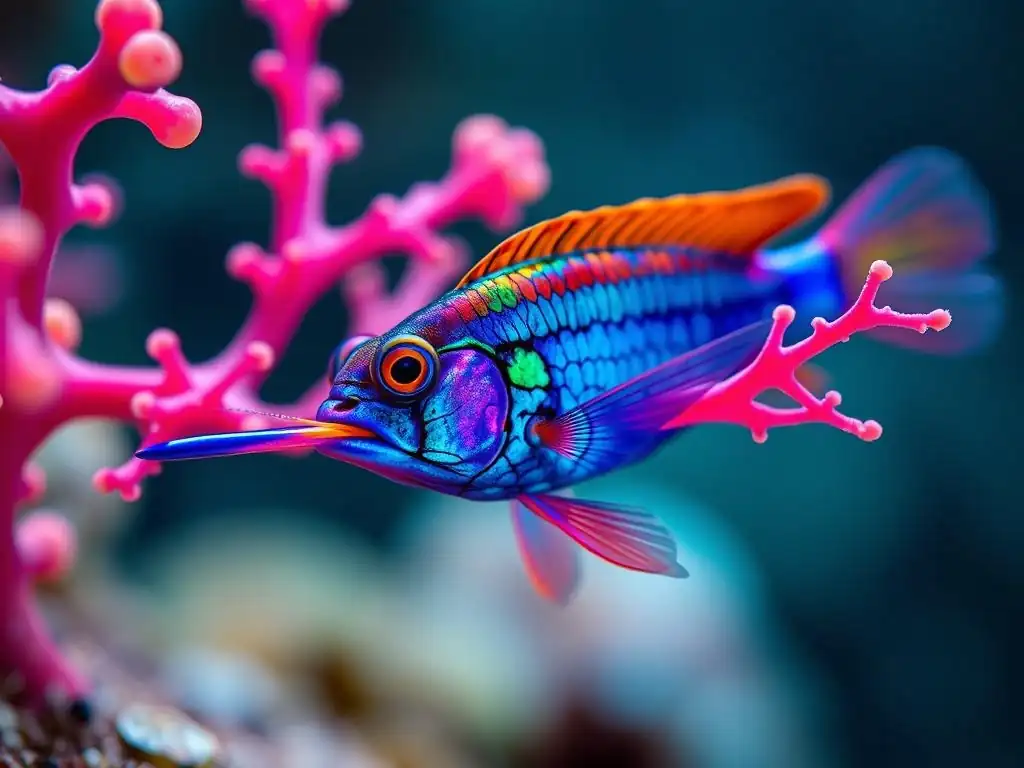
A well-established and mature reef tank (typically one that has been running stably for at least 6-12 months) is fundamental to the long-term success of keeping fish and corals together. A mature system boasts stable biological filtration, minimizing fluctuations in water parameters like ammonia, nitrite, and nitrate. This stability reduces stress on both fish and corals, making them more resilient to minor disturbances or potential interactions.
Furthermore, a mature tank typically has a more robust and diverse microfauna, including copepods, amphipods, and various beneficial microalgae. These natural food sources provide continuous grazing opportunities for many fish, satisfying their innate foraging instincts and potentially reducing their interest in picking at coral polyps. A stable, biologically diverse environment creates a less stressful habitat, contributing to overall health and reducing problematic behaviors related to Butterflyfish coral feeding preferences.
Acclimation and Quarantine: Introducing Fish Safely
Proper acclimation and a strict quarantine protocol are non-negotiable steps for safely introducing any new fish into a reef aquarium. Acclimation, a slow process of matching water temperature and chemistry, minimizes the stress of environmental shock. More critically, a dedicated quarantine tank (ideally 4-6 weeks in duration) allows aquarists to observe new fish in isolation. During this period, fish can be monitored for signs of disease, aggression, and, most importantly, any undesirable behaviors like specific Butterflyfish coral feeding preferences.
Quarantine also provides an opportunity to deworm and prophylactically treat fish for common parasites (e.g., Ich, Velvet) before they can infect the main display. This prevents the introduction of pathogens that could stress the entire system, leading to weakened corals and potentially encouraging opportunistic feeding from stressed fish. This proactive approach safeguards the health of both new and existing inhabitants.
Long-Term Monitoring and Adjustment: Ensuring a Healthy Ecosystem
Maintaining a thriving reef aquarium with fish is an ongoing process that requires continuous long-term monitoring and a willingness to adjust. Regular observation of fish behavior, coral health, and water parameters is essential. Fish behavior can change over time; a fish that was once "reef-safe" might develop a taste for a particular coral, or its dietary needs might shift.
Be prepared to make adjustments based on your observations. This might include modifying feeding routines, introducing new food types, or even considering adding or removing certain fish if they consistently cause damage to corals. In some cases, re-homing a problematic fish to a fish-only system might be the best decision for the overall health of your reef. This proactive and adaptive approach ensures the long-term health, beauty, and harmony of your aquarium ecosystem.
Conclusion: Responsible Reef Keeping with Fish
The Future of Fish in Reef Aquariums: Research and Conservation
The future of keeping fish in reef aquariums is continually shaped by ongoing research into fish diets, behavior, and coral compatibility. Scientific studies, particularly those focusing on specific Butterflyfish coral feeding preferences, provide deeper insights that allow aquarists to make increasingly informed decisions. Furthermore, advancements in sustainable aquaculture are playing a crucial role in providing captive-bred, reef-safe fish, reducing the reliance on wild collection and lessening the environmental impact on natural reef ecosystems.
As responsible aquarists, our commitment extends beyond our glass boxes. By supporting ethical practices, choosing sustainably sourced fish, and staying informed about the latest research, we contribute to the broader conservation efforts aimed at protecting the delicate balance of natural coral reefs around the world. Our actions in the hobby can have a positive ripple effect on marine conservation.
Making Informed Decisions for the Health of Your Aquarium
Ultimately, the key to successfully maintaining a thriving reef aquarium with fish lies in making informed decisions. This begins with thorough research into every fish species you consider, paying particular attention to their specific dietary needs and any known Butterflyfish coral feeding preferences. Understanding a fish's natural behavior and potential impact on your corals is paramount to preventing costly mistakes and ensuring a harmonious environment.
A beautiful and healthy reef aquarium is not merely a collection of fish and corals; it is a meticulously balanced ecosystem, a testament to the aquarist's knowledge, patience, and commitment. By prioritizing education, thoughtful planning, and continuous care, you can create a vibrant underwater world that thrives for years to come, showcasing the delicate beauty of both fish and coral in perfect harmony.
Frequently Asked Questions
What exactly are Butterflyfish and why are they relevant to coral reefs?
Butterflyfish are a family of brightly colored, often patterned fish known for their specialized mouthparts used for picking at small invertebrates. Many species are obligate corallivores, meaning they feed almost exclusively on coral polyps, making their presence a concern for reef aquarists.
Which types of corals are most vulnerable to Butterflyfish predation?
Generally, small polyp stony (SPS) corals like Acropora and Montipora are highly susceptible. Butterflyfish can quickly decimate these corals due to their easily accessible polyps and relatively thin tissue layers.
How can I determine if a Butterflyfish is actively feeding on my corals?
Look for signs of tissue recession or bleaching on your corals, particularly at night or early morning when Butterflyfish are most active. Direct observation of the fish picking at coral polyps is the most definitive sign.
Are all Butterflyfish equally prone to eating corals?
No, some Butterflyfish are considered reef-safe because they primarily feed on algae or other invertebrates besides coral. However, it's crucial to research specific species before introducing them to a reef tank.
What are some strategies to mitigate the risk of Butterflyfish damaging my corals?
Careful species selection is paramount, choosing only those with a history of not targeting corals. Providing a well-established tank with plenty of alternative food sources like algae and small invertebrates can also help.
Final Reflection: The Delicate Dance of Survival
The intricate dance between butterflyfish and coral, as explored in this article, is far more than just an academic exercise; it's a vital lens through which we can understand the fragility of our coral reef ecosystems. The specific feeding preferences of these vibrant fish are not merely a matter of scientific curiosity, but a crucial piece of the puzzle in predicting and mitigating the impact of environmental changes on these invaluable underwater habitats.
The ongoing influence of butterflyfish on coral health is undeniable, and understanding their dietary choices is paramount for effective conservation strategies. Personally, witnessing the beauty and complexity of a healthy coral reef firsthand has instilled a deep sense of responsibility to protect these ecosystems. In the end, we will conserve only what we love; we will love only what we understand; and we will understand only what we are taught.
- Baba Dioum. This quote perfectly encapsulates the importance of continued research and education in fostering a global commitment to coral reef preservation.
As you reflect on the information presented, consider your own role in this delicate balance. What steps can you take, however small, to contribute to the health and resilience of our coral reefs? Whether it's supporting sustainable tourism, reducing your carbon footprint, or simply spreading awareness, remember that every action counts. Let us all strive to be informed stewards of these underwater paradises, ensuring their vibrant future for generations to come.
Ignite Your Reef's Brilliance!
Thanks for diving deep into the world of coral and butterflyfish! We hope you found some valuable insights to protect your reef's delicate balance. Now it's time to put that knowledge into action!
Here are a few things you can do right now:
- Prioritize observation: Closely monitor your butterflyfish and coral interactions daily for any signs of nipping or damage. Early detection is key!
- Research specific butterflyfish species before introducing them to your reef tank. Understand their dietary needs and typical behavior towards corals.
- Share this article with fellow reef keepers! Help them make informed decisions to protect their own coral ecosystems.
Ready to build a thriving and harmonious reef? Which specific coral species will you be keeping a closer eye on this week?