
Identifying Aquarium Algae: Your First Step to a Clearer, Healthier Tank

Welcome to Aquarium Mastery!
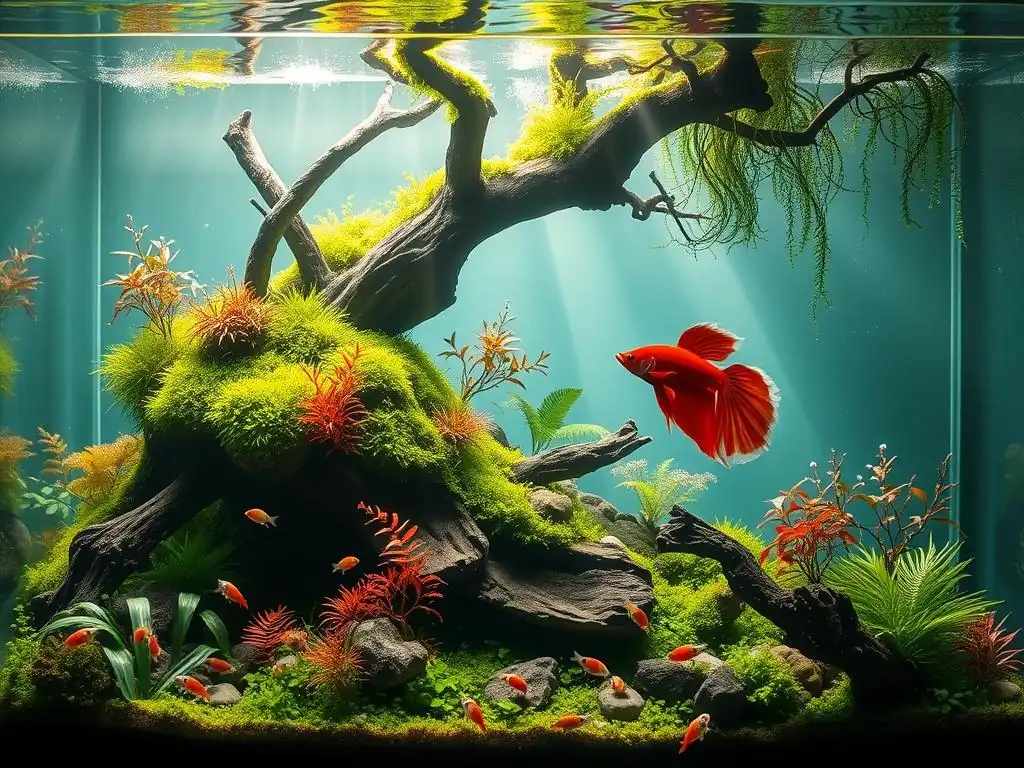
Ever stared into your freshwater tank and wondered, "What is that fuzzy green stuff?" You're not alone! Understanding the different types of algae is the first step to a thriving aquarium. Dive into our comprehensive Freshwater Algae Identification Guide and unlock the secrets to a clearer, healthier underwater world. Curious to know if you have hair algae or green spot algae? Let's find out!
- Why Freshwater Algae Identification is Crucial for Aquarium Health
-
Common Types of Freshwater Algae in Aquariums: A Visual Guide
- Green Algae: Identifying and Managing Green Water and Green Spot Algae
- Brown Algae (Diatoms): Recognizing and Preventing Diatom Blooms
- Black Beard Algae (BBA): Identification and Eradication Strategies
- Blue-Green Algae (Cyanobacteria): Recognizing and Eliminating This Invasive Species
- Thread Algae: Identifying and Managing Stringy Green Algae
- A Step-by-Step Guide to Freshwater Algae Identification
- Freshwater Algae Control: Prevention is Key
- Advanced Algae Control Techniques for Freshwater Aquariums
- Resources for Further Freshwater Algae Identification and Control
-
Frequently Asked Questions
- What is the first step in controlling algae in my freshwater aquarium?
- Why is it important to identify the specific type of algae in my freshwater tank?
- How does AquariumMastery.com's "Freshwater Algae Identification Guide" help me?
- What are some common causes of algae blooms in freshwater aquariums?
- If I identify a harmful type of algae, what should I do next?
- Final Reflection: Embracing the Microscopic World for a Thriving Aquarium
- Transform Your Tank: Banish Algae & Boost Beauty!
Why Freshwater Algae Identification is Crucial for Aquarium Health
Understanding the Impact of Algae Blooms on Your Fish Tank
Algae blooms are more than just an unsightly nuisance; they can significantly impact the delicate balance of your freshwater aquarium ecosystem. These microscopic organisms compete directly with your aquatic plants for essential nutrients like nitrates and phosphates. When algae proliferate, they can consume a substantial portion of the available nutrients, effectively starving your desirable plants and hindering their growth. Furthermore, during nighttime hours, algae, like plants, consume oxygen through respiration, potentially depleting dissolved oxygen levels in the water, which can stress or even suffocate fish if concentrations drop below critical thresholds, often below 4 milligrams per liter (mg/L).
Beyond nutrient competition and oxygen depletion, severe algae blooms can directly affect the health and well-being of your aquarium inhabitants. Dense mats of algae can reduce light penetration, obstructing the view of your fish and potentially leading to stress or difficulty in feeding. Certain types of blue-green algae, or cyanobacteria, can even release toxins into the water, posing a direct threat to fish and invertebrates. A tank with an uncontrolled algae problem often exhibits poor water quality, which can weaken fish immune systems, making them more susceptible to diseases and reducing their overall lifespan.
The Importance of Early Algae Detection and Control
Early detection of algae is paramount in preventing a minor growth from escalating into a full-blown infestation that can be challenging to manage. When you identify the first signs of algae, such as a faint green film on the glass or small brown patches on substrate, you have the opportunity to address the underlying cause with minimal intervention. For example, a small patch of green spot algae can be easily wiped away during routine maintenance, whereas a widespread outbreak might necessitate a complete tank overhaul or the use of chemical treatments.
Accurate freshwater algae identification guide knowledge allows for targeted and effective control strategies. Different types of algae thrive under different conditions and respond to specific treatments. Without proper identification, you might inadvertently apply a solution that is ineffective or even detrimental to your tank. Knowing whether you're dealing with diatoms, green spot algae, or the more stubborn black beard algae (BBA) dictates the precise adjustments needed, from altering lighting schedules and nutrient dosing to introducing specific algae-eating species, saving time, effort, and potential harm to your aquatic environment.
Common Types of Freshwater Algae in Aquariums: A Visual Guide
Green Algae: Identifying and Managing Green Water and Green Spot Algae
Green Water Algae: Causes and Solutions for Cloudy Aquarium Water
Green water algae, scientifically known as a type of phytoplankton, consists of millions of microscopic, free-floating algae cells that cause the aquarium water to appear uniformly cloudy and green. This condition is most commonly triggered by an excess of nutrients, particularly nitrates exceeding 20 parts per million (ppm) and phosphates above 0.5 ppm, often combined with prolonged periods of intense lighting, such as 10 to 12 hours of light exposure daily. The rapid reproduction of these tiny organisms can significantly reduce visibility within the tank, obscuring your fish and decorations.
Effective solutions for green water involve a multi-pronged approach. Performing large, frequent water changes (50% to 70% daily for several days) can help dilute the nutrient load. Reducing the light duration to 6-8 hours per day is crucial, and ensuring all light sources are on a timer prevents accidental over-lighting.
Increasing the mass of fast-growing aquatic plants can outcompete the algae for nutrients. For a rapid solution, a UV sterilizer installed in the filter line can effectively kill free-floating algae cells, often clearing the water within 3 to 5 days, though it doesn't address the root cause of the nutrient imbalance.
Green Spot Algae: Dealing with Stubborn Green Spots on Glass and Plants
Green spot algae (GSA) manifests as small, hard, dark green circular spots that adhere firmly to aquarium glass, slow-growing plant leaves (such as Anubias or Java Fern), and various decorations. Unlike other algae types, these spots are notoriously difficult to remove manually without a dedicated scraper. Their presence often indicates an imbalance in nutrient levels, particularly low phosphates (below 0.05 ppm), or inconsistent carbon dioxide (CO2) levels in planted tanks, frequently exacerbated by strong lighting.
To manage green spot algae, manual removal is often the first step; use a razor blade or a dedicated algae scraper for glass, and gently scrub decorations. For planted tanks, increasing phosphate levels to a target range of 0.1-0.5 ppm can encourage plant growth and reduce GSA. Ensuring stable and consistent CO2 injection (aiming for 25-30 ppm during the light cycle) is also critical for plant health. Additionally, evaluating and potentially reducing the intensity or duration of your aquarium lighting to 8-9 hours per day can help curb its growth.
Brown Algae (Diatoms): Recognizing and Preventing Diatom Blooms
Why Brown Algae Appears in New Aquariums: Understanding the Nitrogen Cycle
Brown algae, more accurately identified as diatoms, are single-celled organisms encased in a silica shell, making them not true algae. They typically appear as a slimy, dusty brown film that coats aquarium glass, substrate, plants, and decorations. This type of growth is exceptionally common in newly set up aquariums, particularly during the initial 2 to 6 weeks of the nitrogen cycling process. Their prevalence in new tanks is largely due to the presence of silicates in tap water and certain substrates, combined with fluctuating nutrient levels as the beneficial bacterial colonies establish themselves.
The appearance of diatoms often signifies a maturing tank as the ecosystem stabilizes. They thrive in environments with high silicates, which can leach from tap water or certain types of sand and gravel. While unsightly, brown algae is generally harmless to fish and plants. As the aquarium matures, the silicate levels naturally deplete, and the beneficial bacteria in the filter become more efficient at processing waste, leading to a natural decline in diatom populations. Therefore, in many cases, patience is key, as the bloom often resolves itself within a few weeks.
Effective Methods for Removing and Preventing Brown Algae Growth
While brown algae typically recedes as a tank matures, there are effective methods to remove and prevent excessive growth. Manual removal is straightforward: the slimy film can be easily wiped off glass surfaces with an algae pad, siphoned from the substrate during water changes, and gently brushed off plant leaves or decorations. Introducing certain algae-eating invertebrates, such as Nerite snails (e.g., Neritina natalensis), can be highly effective; a single Nerite snail can clean several square inches of glass daily, efficiently consuming diatoms.
Preventative measures primarily involve addressing the root causes. If your tap water has high silicate levels, using a reverse osmosis (RO) system or a high-quality water conditioner that targets silicates can help. Thoroughly rinsing new substrates before adding them to the tank can also reduce initial silicate loads. Ensuring the tank is fully cycled and maintaining stable water parameters through regular water changes are fundamental steps. While diatoms are often a temporary phase, consistent good husbandry practices will help minimize their duration and intensity.
Black Beard Algae (BBA): Identification and Eradication Strategies
Identifying Black Beard Algae: Appearance and Common Locations
Black Beard Algae (BBA), also known as brush algae, is one of the most persistent and frustrating algae types for aquarists. It typically appears as dark grey to black, fuzzy tufts, resembling tiny hairs or beards, usually ranging from 0.5 to 2 centimeters in length. The texture is rough and it adheres extremely firmly to surfaces, making it very difficult to remove manually without damaging the underlying plant or decoration. BBA commonly attaches itself to the edges of slow-growing plant leaves (like Anubias, Bucephalandra, or Java Fern), driftwood, rocks, filter intakes, and other aquarium equipment.
The presence of BBA is often a strong indicator of fluctuating or unstable carbon dioxide (CO2) levels in planted aquariums, particularly when CO2 drops below optimal levels (e.g., 15 ppm) or experiences significant swings. Inconsistent nutrient dosing, poor water circulation that creates "dead spots" where CO2 or nutrients don't reach plants effectively, and sometimes even the introduction of infected new plants can contribute to its proliferation. Once established, BBA can quickly spread if the underlying issues are not addressed, making it a key focus for any freshwater algae identification guide.
Controlling Black Beard Algae: Effective Treatment Options
Controlling Black Beard Algae requires a multi-faceted approach focusing on addressing the environmental imbalances. For planted tanks, the most critical step is ensuring stable and consistent CO2 injection, aiming for a concentration of 25-30 ppm throughout the light cycle. Improving water circulation to eliminate dead spots will ensure nutrients and CO2 reach all plants. For localized outbreaks, spot treatment with liquid carbon products (e.g., glutaraldehyde-based solutions) can be highly effective; carefully apply 1-2 ml per 10 liters of tank water directly onto the BBA using a syringe with the filter off for 15-20 minutes.
Manual removal of heavily infected leaves or scrubbing affected decorations can also help reduce the biomass, but it's rarely a complete solution on its own due to BBA's tenacious grip. Siamese Algae Eaters ( Crossocheilus oblongus) are sometimes touted as BBA eaters, but their effectiveness can vary; young SAEs are more likely to graze on it. Long-term prevention hinges on maintaining robust plant growth through balanced nutrients, stable CO2, and appropriate lighting, allowing the plants to outcompete the BBA for resources.
Blue-Green Algae (Cyanobacteria): Recognizing and Eliminating This Invasive Species
Is it Algae or Cyanobacteria? Understanding the Difference
Blue-Green Algae (BGA) is a common misnomer; it is not true algae but rather a type of photosynthetic bacteria known as cyanobacteria. It forms distinctive dark green, blue-green, or sometimes reddish-black slimy mats that can rapidly spread to cover substrate, plant leaves, decorations, and even the water surface. Unlike true algae, cyanobacteria often have a characteristic "fishy" or "earthy" smell and can be easily peeled off surfaces in sheets. This slimy texture and distinct odor are key indicators in the freshwater algae identification guide for differentiating it from other algae types.
Cyanobacteria outbreaks are frequently linked to high levels of organic waste, often resulting from overfeeding or insufficient tank maintenance. Paradoxically, they can also thrive in environments with very low nitrate levels (below 5 ppm) combined with high phosphate levels (above 0.5 ppm), creating an imbalance that favors their growth over true plants. Poor water circulation, which creates anaerobic pockets in the substrate or behind decorations, also contributes to their proliferation, as these bacteria can fix nitrogen from the atmosphere, giving them an advantage when nitrates are scarce.
Treating Cyanobacteria: Methods for a Safe and Effective Removal
Eliminating cyanobacteria requires a multi-pronged approach. The first step is thorough manual removal: siphon off as much of the slimy mat as possible during a large water change (50% or more). Increasing aeration and improving water circulation throughout the tank can help disrupt their growth. A "blackout" period, where the tank is kept completely dark for 3 to 5 days with no feeding, can be highly effective, as cyanobacteria are very light-dependent. During a blackout, ensure adequate aeration with an air stone to maintain oxygen levels for fish.
After the blackout, perform a large water change and resume normal lighting and feeding gradually. Addressing the underlying nutrient imbalance is crucial for long-term prevention. This involves regular and thorough gravel vacuuming to remove organic detritus, reducing overfeeding, and ensuring balanced nitrate and phosphate levels. In severe, persistent cases, specific antibiotics like Erythromycin can be effective, but these should be considered a last resort as they can negatively impact beneficial bacterial colonies in the filter.
Thread Algae: Identifying and Managing Stringy Green Algae
Identifying Thread Algae: Appearance and Common Locations
Thread algae, often referred to as hair algae or stringy green algae, is characterized by its long, fine, hair-like green strands that can grow from a few millimeters to several inches in length. It typically appears as wispy, tangled masses that attach to plant leaves, driftwood, rocks, and occasionally the substrate. Unlike the stubborn grip of Black Beard Algae, thread algae is generally easy to remove manually; it can often be wound around a toothbrush or finger and pulled out of the tank in clumps.
The presence of thread algae often signals an imbalance in the aquarium's nutrient profile or lighting conditions. Common causes include excessive light intensity or duration (e.g., over 10 hours per day), inconsistent or fluctuating carbon dioxide (CO2) levels in planted tanks, and an excess of certain nutrients like iron or nitrates without sufficient plant mass to utilize them. It tends to proliferate rapidly, especially in tanks with vigorous plant growth that isn't fully optimized to outcompete the algae.
Controlling Thread Algae: Effective Treatment Options
Controlling thread algae largely relies on addressing the root causes and consistent manual removal. Physically removing the algae by winding it around a toothbrush or hand during daily or bi-weekly maintenance is highly effective in reducing its biomass. For planted tanks, ensuring stable and consistent CO2 levels (aiming for 20-30 ppm during the light cycle) is crucial, as healthy, thriving plants are the best defense against thread algae. Reviewing and balancing your macro and micro-nutrient dosing, particularly nitrates and phosphates, can also help.
Optimizing your lighting schedule is another key step. Reduce light duration to 8-9 hours per day and ensure the intensity is appropriate for your plants, not excessive. Introducing algae-eating invertebrates like Amano shrimp ( Caridina multidentata) can also aid in control; a group of 5-10 Amano shrimp can significantly graze on thread algae in a 20-gallon tank. Regular water changes (25-50% weekly) will help dilute excess nutrients, further inhibiting its growth.
A Step-by-Step Guide to Freshwater Algae Identification
Step 1: Observe the Algae's Appearance and Location
The initial step in any effective freshwater algae identification guide is careful observation. Begin by noting the algae's color: Is it green, brown, black, blue-green, or reddish? Next, assess its texture: Is it slimy, fuzzy, hard, stringy, or a thin film? Also, observe its growth pattern—does it form spots, mats, individual strands, or a uniform coating? For instance, a dark green, fuzzy growth clinging tenaciously to slow-growing plant leaves typically points towards Black Beard Algae.
Equally important is noting the algae's location within your aquarium. Does it primarily grow on the glass, the substrate, specific plant leaves (distinguishing between new and old growth, or fast-growing vs. slow-growing plants), driftwood, rocks, or aquarium equipment like filter intakes? Brown, easily wiped-off film on new tank surfaces is often diatoms, while small, hard green spots on older plant leaves or the glass might indicate green spot algae. The specific location often provides crucial clues about the underlying cause and the type of algae.
Step 2: Use a Magnifying Glass for Closer Inspection
While naked-eye observation provides a good starting point, a magnifying glass (e.g., 10x or 20x magnification) can reveal critical finer details that are not visible otherwise. This closer inspection helps differentiate between similar-looking algae types and confirms initial suspicions. For example, under magnification, the distinct "beard-like" branching structure of Black Beard Algae becomes clear, helping to distinguish it from other filamentous green algae.
Similarly, examining the individual strands of hair algae can help determine if it's a fine, delicate thread algae or a slightly coarser staghorn algae. For cyanobacteria, a magnifying glass can help confirm its slimy, sheet-like nature and distinct color. This detailed visual examination is a crucial component of any comprehensive freshwater algae identification guide, allowing for a more accurate diagnosis and, consequently, a more effective treatment strategy.
Step 3: Consider Water Parameters and Tank Conditions
Once you have visually identified the algae, the next crucial step is to correlate its presence with your aquarium's water parameters and overall tank conditions. Algae outbreaks are almost always a symptom of an underlying imbalance. Begin by testing your water for key parameters: nitrates, phosphates, pH, general hardness (GH), carbonate hardness (KH), and, if applicable, carbon dioxide (CO2) levels. For instance, very low nitrates (below 5 ppm) combined with high phosphates (above 0.5 ppm) are often associated with cyanobacteria, while high nitrates (above 30 ppm) and phosphates (above 1 ppm) can fuel green water or thread algae.
Beyond water chemistry, assess your tank's environmental conditions. Evaluate your lighting: Is the light duration excessive (e.g., more than 10 hours daily)? Is the intensity too high for your plant mass? In planted tanks, are CO2 levels stable and adequate (20-30 ppm)? Is there sufficient water circulation throughout the tank, or are there "dead spots" where waste accumulates? Poor circulation can contribute to BBA and cyanobacteria. By systematically reviewing these factors, you can often pinpoint the specific imbalance that is favoring the algae growth.
Step 4: Compare Your Findings with Algae Identification Charts and Resources
After observing the algae's appearance, location, and considering your tank's conditions, the final step in accurate freshwater algae identification guide is to compare your findings with reliable identification charts and resources. Numerous reputable aquarium websites, forums, and specialized books offer comprehensive visual guides with detailed descriptions of common algae types, their causes, and typical appearance. Cross-referencing your observations with these established resources helps confirm your diagnosis.
If you remain unsure, leverage the collective knowledge of the aquarium community. Online forums dedicated to planted tanks or general aquarium husbandry are excellent places to seek help; many experienced aquarists can provide accurate identification based on uploaded photos and a description of your tank parameters. Similarly, local aquarium clubs or specialized fish stores often have knowledgeable staff who can offer personalized advice. This collaborative approach enhances the accuracy of your freshwater algae identification guide process, leading to more effective and sustainable solutions.
Freshwater Algae Control: Prevention is Key
Maintaining Optimal Water Chemistry to Prevent Algae Growth
The Role of Nitrates, Phosphates, and CO2 in Algae Blooms
Maintaining optimal water chemistry is foundational to preventing algae growth in freshwater aquariums. Nitrates and phosphates, while essential nutrients for aquatic plants, become potent fuel for algae when present in excess. Consistently high nitrate levels, often above 30 ppm, combined with elevated phosphates (e.g., over 1 ppm), are common culprits behind widespread green water or extensive thread algae blooms. Conversely, very low nitrate levels (below 5 ppm) can ironically favor the growth of cyanobacteria, as these bacteria can fix nitrogen from the atmosphere, giving them a competitive edge over plants.
In planted aquariums, carbon dioxide (CO2) plays a critical role. Insufficient or fluctuating CO2 levels, particularly when they drop below 15 ppm during the light cycle, can significantly stress aquatic plants. Stressed plants cannot efficiently utilize available nutrients, leaving an abundance of these resources for algae to exploit. This imbalance often leads to the proliferation of stubborn types like Black Beard Algae or green spot algae. Therefore, a consistent CO2 concentration, ideally between 20-30 ppm, is crucial for promoting robust plant growth and suppressing algae.
Regular Water Changes and Testing for Optimal Water Parameters
Regular water changes are one of the most effective and fundamental practices for maintaining optimal water chemistry and preventing algae. Performing weekly water changes of 25-50% of the tank volume effectively dilutes accumulated excess nutrients (such as nitrates and phosphates) that fuel algae growth, while simultaneously replenishing essential trace elements that benefit plants and fish. For instance, in a 50-gallon tank, a 25-gallon weekly water change can reduce nitrate levels by approximately 50% over time.
Consistent water testing is equally vital. Regularly monitoring levels of ammonia, nitrite, nitrate, and phosphate, ideally on a weekly or bi-weekly basis, provides crucial insights into your tank's nutrient status. Knowing your precise water parameters allows you to proactively identify imbalances before they lead to significant algae outbreaks. For example, if nitrate levels consistently creep above 20 ppm, it signals a need for larger or more frequent water changes, or a reduction in feeding, directly aiding your freshwater algae identification guide and control efforts.
Proper Lighting for Plant Health and Algae Control
Choosing the Right Light Spectrum and Intensity for Your Aquarium
Proper lighting is a critical factor in both plant health and algae control. Aquatic plants require a specific light spectrum, typically full spectrum with peaks in the red (600-700 nm) and blue (400-500 nm) ranges, to efficiently photosynthesize. The intensity of light, measured in Photosynthetically Active Radiation (PAR), must also be appropriate for the plant species in your tank.
Too little light will starve your plants, making them weak and susceptible to algae, while too much light, especially in the wrong spectrum, can directly fuel explosive algae growth. For medium-light plants, a PAR value of 30-50 µmol/m²/s at the substrate level is often ideal.
When selecting lighting fixtures, opt for high-quality LED systems that offer adjustable intensity and programmable timers. This allows you to tailor the light output precisely to the needs of your specific plants and tank size, rather than providing a generic, potentially excessive, amount of light. Modern LED lights also typically offer a balanced spectrum beneficial for plant growth. Investing in a good light meter or consulting PAR maps for popular fixtures can help ensure you are providing the optimal amount of light, minimizing the excess light that algae thrives upon.
Avoiding Over-Lighting to Minimize Algae Growth
Over-lighting is one of the most common causes of persistent algae problems in freshwater aquariums, particularly green water and green spot algae. While plants require light, they typically photosynthesize efficiently for a specific duration, generally 8-10 hours per day. Providing light for 12 hours or more, or at an excessively high intensity, creates an environment where algae can rapidly outcompete plants for resources, as algae are often more efficient at utilizing light.
To effectively minimize algae growth related to lighting, always use a timer to limit your aquarium's light duration to a maximum of 8-10 hours per day. For tanks prone to algae, a shorter duration, such as 6-7 hours, can be a good starting point. Some aquarists also employ a "siesta period," where lights are on for 4 hours, off for 2-4 hours, then on again for another 4 hours. This break can disrupt algae's photosynthetic cycle while allowing plants to recover, making it an effective strategy in your freshwater algae identification guide and control arsenal.
Biological Algae Control: Utilizing Algae Eaters
Introducing Algae-Eating Fish and Invertebrates to Your Tank
Utilizing algae-eating fish and invertebrates is a natural and often highly effective method of biological algae control, complementing your freshwater algae identification guide and prevention strategies. Certain species possess a natural inclination to graze on various types of algae, helping to keep surfaces clean. For instance, Otocinclus catfish ( Otocinclus affinis or similar species) are excellent for consuming soft green algae and brown diatoms from plant leaves and glass.
Nerite snails ( Neritina natalensis) are renowned for their efficiency in cleaning diatoms and green spot algae from hard surfaces, including glass and decorations. Amano shrimp ( Caridina multidentata) are voracious eaters of hair algae, thread algae, and general biofilm.
When introducing these biological cleaners, it's crucial to ensure they are compatible with your tank's size, water parameters, and existing inhabitants. Overstocking algae eaters can lead to insufficient food for them once the algae is under control, potentially causing them to starve or turn to other food sources, including your plants. For example, while a single Nerite snail can effectively clean a 10-gallon tank, a 50-gallon tank might benefit from 3-5 to maintain broad coverage.
Selecting the Right Algae Eaters for Your Specific Algae Problem
Not all "algae eaters" consume all types of algae, making accurate freshwater algae identification guide knowledge essential for selecting the most effective species. For instance, while many common plecos are sold as algae eaters, most grow too large for typical home aquariums and primarily consume soft green algae or biofilm, often ignoring tougher types once they mature. Chinese Algae Eaters ( Gyrinocheilus aymonieri) also tend to become territorial and less effective at eating algae as they age.
For specific algae problems, consider the following:
- Brown Diatoms & Soft Green Algae: Otocinclus catfish, Nerite snails.
- Green Spot Algae: Nerite snails are highly effective.
- Hair Algae / Thread Algae: Amano shrimp are excellent. Young Siamese Algae Eaters (SAE) ( Crossocheilus oblongus) can also be effective, sometimes even grazing on Black Beard Algae, though their effectiveness varies.
- Black Beard Algae (BBA): While challenging, some reports indicate young SAEs might graze on it, but they are not a guaranteed solution. Florida Flagfish ( Jordanella floridae) are also known to consume BBA.
Always research the specific dietary preferences and tank requirements of any algae eater before adding them to your aquarium.
Mechanical Algae Removal: Cleaning and Maintenance Techniques
Scraping Algae from Glass and Decorations
Mechanical algae removal involves the physical elimination of algae from aquarium surfaces, providing immediate visual improvement and reducing the overall algae biomass in the tank. For glass surfaces, tools like magnetic algae cleaners, razor blades (specifically designed for aquarium glass, not acrylic tanks which scratch easily), or dedicated handheld algae scrapers are highly effective. These tools can efficiently remove tough green spot algae, brown diatoms, and general green film that adheres to the glass, quickly restoring clarity to your viewing panes.
Regular scraping, ideally during your weekly tank maintenance routine, is crucial for preventing significant buildup. For example, a quick 5-minute wipe of the front and side glass during your weekly 25% water change can prevent the accumulation of stubborn green spot algae. For decorations, you can remove them from the tank and scrub them with a dedicated brush (e.g., a toothbrush) under running water, ensuring no soap or chemicals are used. This physical removal reduces the algae's ability to photosynthesize and reproduce, contributing to overall algae control.
Vacuuming Substrate to Remove Algae Debris
Regular gravel vacuuming is a vital mechanical removal technique that directly addresses the nutrient source for many algae types. As uneaten food, fish waste, and decaying plant matter accumulate in the substrate, they break down, releasing nitrates and phosphates that fuel algae growth. Thoroughly vacuuming the substrate with a gravel cleaner during weekly water changes removes this organic detritus, significantly reducing the available nutrients for algae, particularly brown diatoms and cyanobacteria which thrive in nutrient-rich, stagnant areas.
Aim to vacuum at least 25-50% of your substrate surface during each weekly water change. For tanks with heavy feeding or a high bioload, more frequent or extensive vacuuming might be necessary. This process not only removes physical algae debris that may have settled but also prevents the formation of anaerobic pockets in the substrate where harmful bacteria and cyanobacteria can flourish. Consistent substrate cleaning is a cornerstone of effective freshwater algae identification guide and long-term algae prevention.
Advanced Algae Control Techniques for Freshwater Aquariums
Chemical Algae Treatments: When and How to Use Them Safely
Understanding the Risks and Benefits of Chemical Algaecides
Chemical algaecides can be effective tools for severe algae outbreaks, offering a rapid solution when other methods have failed. They typically work by inhibiting the algae's photosynthetic processes or directly killing the algae cells. The primary benefit is their ability to quickly clear widespread, persistent algae that might otherwise overwhelm a tank. For instance, a persistent green water bloom that resists water changes and UV sterilization might respond to a targeted algaecide.
However, algaecides carry significant risks and should always be considered a last resort. They can deplete dissolved oxygen levels as large amounts of algae die off, potentially suffocating fish and invertebrates. Many algaecides are also toxic to sensitive inhabitants, particularly invertebrates like shrimp and snails, and some fish species. Overdosing can lead to a complete collapse of the tank's ecosystem, including beneficial bacterial colonies in the filter. Always read and strictly follow manufacturer instructions for dosage (e.g., 1 ml per 10 gallons) and ensure adequate aeration with an air stone during treatment.
Choosing the Right Algaecide for Your Specific Algae Type
The effectiveness of a chemical algaecide largely depends on accurate freshwater algae identification guide. Different algaecides are formulated to target specific types of algae, and using the wrong product can be ineffective or even harmful. For example, products containing glutaraldehyde are widely used for spot treating stubborn Black Beard Algae (BBA) or hair algae in planted tanks, as they act as a carbon source for plants while being toxic to these specific algae types.
Conversely, algaecides designed for green water often contain different active ingredients that target free-floating algae. Before selecting any chemical treatment, ensure you have precisely identified the algae type (referencing the comprehensive freshwater algae identification guide section). Research the chosen product's active ingredients, its mode of action, and any known sensitivities for your specific fish and invertebrate species. Prioritize products that are plant-safe if you have a planted aquarium, and always start with a reduced dose if unsure, carefully monitoring your tank's inhabitants for any signs of distress.
CO2 Injection and Algae Control in Planted Aquariums
Balancing CO2 Levels to Promote Plant Growth and Suppress Algae
In heavily planted freshwater aquariums, controlled CO2 injection is a highly effective advanced technique for algae control. By consistently maintaining optimal CO2 levels, typically between 25-30 ppm during the light cycle, you significantly boost the growth rate and health of your aquatic plants. Healthy, fast-growing plants act as the best defense against algae by vigorously outcompeting them for available nutrients like nitrates and phosphates. Plants with robust growth cycles efficiently absorb these nutrients, leaving insufficient resources for algae to proliferate.
Moreover, stable CO2 levels prevent the fluctuations that often trigger specific algae types, such as Black Beard Algae (BBA) and green spot algae. When CO2 levels drop or fluctuate erratically, plants become stressed and their photosynthetic efficiency declines, making them vulnerable to algae. Using a CO2 drop checker or a pH controller linked to your CO2 system helps monitor and maintain consistent levels, ensuring your plants thrive and effectively suppress algae.
Avoiding CO2 Imbalances That Can Trigger Algae Blooms
While CO2 injection is beneficial for planted tanks, imbalances can inadvertently trigger algae blooms. Sudden drops or spikes in CO2 levels can severely stress aquatic plants, making them weak and susceptible to algae. For instance, if CO2 injection is inconsistent or turns off too early, plants may "starve" for carbon, allowing algae to seize the opportunity. Conversely, injecting too much CO2 can be dangerous for fish, as levels above 35 ppm can reduce the water's pH too rapidly and cause CO2 narcosis or suffocation.
To avoid these imbalances, ensure your CO2 system is properly calibrated and delivers a consistent flow. It's generally recommended to start CO2 injection 1-2 hours before the lights come on and turn it off 1 hour before the lights go out, allowing CO2 to build up and then dissipate naturally. Regular monitoring with a drop checker (which changes color based on CO2 levels) and slow, incremental adjustments are key to maintaining the delicate balance necessary for healthy plant growth and effective algae suppression.
Resources for Further Freshwater Algae Identification and Control
Online Algae Identification Guides and Forums
The internet offers a wealth of resources for further freshwater algae identification guide and control. Reputable aquarium websites, particularly those specializing in planted tanks, often feature comprehensive visual guides with high-quality images and detailed descriptions of various algae types, their common causes, and effective treatment strategies. These guides are invaluable for cross-referencing your observations and confirming a diagnosis. Many sites also offer interactive tools or flowcharts to help narrow down the possibilities.
Beyond static guides, online aquarium forums and communities provide a dynamic platform for learning and problem-solving. These forums allow aquarists to upload photos of their specific algae problems, receive identification assistance from experienced peers, and get personalized advice based on real-world success stories. Engaging with these communities can provide insights into specific remedies and prevention tips that may not be widely published, offering a collaborative approach to mastering algae control.
Books and Articles on Aquarium Algae Management
For those seeking in-depth knowledge and a more structured approach to algae management, investing in well-regarded books and scientific articles on planted aquariums or general aquarium husbandry is highly recommended. Authors like Tom Barr, Diana Walstad, and Takashi Amano have contributed significantly to the understanding of nutrient cycling, plant health, and algae control in aquatic environments. These resources often delve into the scientific explanations behind algae growth, providing a foundational understanding that goes beyond quick fixes.
These comprehensive texts typically offer detailed, proven strategies for long-term algae prevention, covering topics such as optimal nutrient ratios, advanced CO2 injection techniques, and the complex interplay between light, plants, and algae. They can help aquarists develop a holistic approach to tank management, enabling them to not only identify and treat current algae issues but also to proactively prevent future outbreaks by creating a balanced and robust aquarium ecosystem.
Local Aquarium Shops and Experts for Personalized Advice
When faced with a particularly stubborn or unidentified algae problem, seeking personalized advice from local aquarium shops or experienced aquarists can be incredibly beneficial. Many dedicated fish stores, especially those specializing in planted tanks or advanced aquatics, employ staff members who are passionate and highly knowledgeable aquarists themselves. They often have hands-on experience with a wide range of algae issues and can offer tailored recommendations.
To get the most accurate advice, consider bringing a small water sample from your aquarium for testing. Some shops offer comprehensive water testing services that go beyond basic parameters, providing a more complete picture of your tank's chemistry. Additionally, if possible, bring a small sample of the affected algae (in a sealed plastic bag or container) for direct visual inspection. This allows experts to provide a precise freshwater algae identification guide and suggest the most effective and safe solutions for your specific tank setup and inhabitants.
Frequently Asked Questions
What is the first step in controlling algae in my freshwater aquarium?
The first step is proper algae identification. Knowing what type of algae you're dealing with allows you to tailor your treatment approach effectively. This ensures you're not using the wrong methods, which could harm your fish or plants.
Why is it important to identify the specific type of algae in my freshwater tank?
Different algae species require different control methods. Some algae respond well to increased water changes, while others need specific algaecides or changes in lighting. Proper identification saves time and prevents ineffective treatments.
How does AquariumMastery.com's "Freshwater Algae Identification Guide" help me?
The guide offers visual examples and descriptions of common freshwater algae types. This allows you to compare the algae in your tank to the guide's images and descriptions, leading to accurate identification.
What are some common causes of algae blooms in freshwater aquariums?
Common causes include excess nutrients (from overfeeding or decaying organic matter), excessive light, and poor water circulation. Addressing these factors is crucial for long-term algae control.
If I identify a harmful type of algae, what should I do next?
Once identified, research specific treatment options for that algae type. This might involve adjusting lighting, improving filtration, using algae-eating fish, or applying appropriate algaecides following the manufacturer's instructions.
Final Reflection: Embracing the Microscopic World for a Thriving Aquarium
The journey to a crystal-clear aquarium often begins with understanding the seemingly insignificant – the algae. Mastering freshwater algae identification is not merely about aesthetics; it's about fostering a balanced and thriving ecosystem within your glass walls. By recognizing the different types of algae and their underlying causes, we empower ourselves to become better stewards of our aquatic environments, ensuring the health and happiness of our finned companions.
This understanding extends beyond the confines of our tanks. The principles of balance and observation that we apply to our aquariums mirror the delicate ecosystems that exist in the wider world. Look deep into nature, and then you will understand everything better.
– Albert Einstein. This quote resonates deeply when we consider the interconnectedness of all living things, from the smallest algae bloom to the largest coral reef. By learning to manage algae in our aquariums, we cultivate a deeper appreciation for the complexities of nature and our role in preserving its delicate balance.
Now, armed with this knowledge, I encourage you to look at your aquarium with new eyes. Observe the subtle shifts in color and texture, the patterns of growth, and the behavior of your fish. Embrace the challenge of identifying the algae that may appear, not as a nuisance, but as a valuable indicator of your tank's health.
By actively engaging with your aquarium's ecosystem, you not only create a more beautiful and vibrant environment but also cultivate a deeper connection with the natural world. Let your aquarium be a microcosm of the healthy, balanced world we all strive to create.
Transform Your Tank: Banish Algae & Boost Beauty!
Thanks for diving deep into the world of aquarium algae! We hope you've gained a clearer understanding of how to identify and manage these common aquatic invaders. Now, let's put that knowledge to work and create a thriving ecosystem for your finned friends.
Here are a few actionable steps you can take right away:
- Start your algae identification journey: take photos of the algae in your tank and compare them to the examples provided.: This hands-on approach will solidify your understanding and pinpoint the best course of action.
- Share your algae identification journey and challenges with fellow aquarists in online forums or local clubs. Collective wisdom is powerful!
- Experiment with a new lighting schedule to inhibit algal growth while optimizing plant health. You might be surprised by the positive impact!
Ready to take control of your aquarium's algae situation? What's the first practical step you'll take to create a pristine underwater world?