
Dealing with Dragonfly Nymphs: Identifying and Removing These Unexpected Predators

Welcome to Aquarium Mastery, where we unlock the secrets to thriving aquatic ecosystems! Ever peered into your pristine aquarium and wondered if something unexpected lurks within? Dive into our latest article, "Dealing with Dragonfly Nymphs: Identifying and Removing These Unexpected Predators," to uncover the truth about these stealthy hunters and learn how to protect your precious aquatic life. Could these miniature monsters be the reason your fish are disappearing? Read on to find out!
- Dealing with Planaria in Aquariums: Identifying and Eradicating These Unwelcome Guests
- Understanding Planaria in Aquariums
- Identifying Planaria: A Visual Guide
- The Impact of Planaria on Aquarium Inhabitants
- Prevention is Key: Keeping Planaria Out of Your Tank
- Effective Methods for Removing Planaria from Your Aquarium
- Post-Removal Aquarium Maintenance and Monitoring
- Long-Term Prevention Strategies for a Planaria-Free Aquarium
- Are Detritus Worms Also a Threat to Aquariums? [Detritus Worms vs. Planaria]
- Conclusion: Protecting Your Aquarium from Planaria Infestations
-
Frequently Asked Questions
- How do dragonfly nymphs get into my aquarium?
- What makes dragonfly nymphs such dangerous aquarium predators?
- How can I identify a dragonfly nymph in my aquarium?
- What are the best methods for removing dragonfly nymphs from an aquarium?
- How can I prevent dragonfly nymphs from entering my aquarium in the future?
- Final Reflection: Embracing the Balance of Nature
- Unleash Your Aquarium's Potential: Take Control Today!
Dealing with Planaria in Aquariums: Identifying and Eradicating These Unwelcome Guests
Understanding Planaria in Aquariums
What are Planaria and Why are They in My Aquarium?
Planaria are a type of flatworm, belonging to the class Turbellaria, characterized by their distinctive arrow-shaped head and two eyespots. They are often found in freshwater aquariums and are generally considered a nuisance rather than a beneficial inhabitant. These worms typically enter an aquarium through contaminated live food, new plants, or even on the surfaces of new fish or invertebrates that haven't been properly quarantined. Their presence is usually a strong indicator of an excess of organic waste, such as uneaten food, decaying plant matter, or fish waste, which provides an abundant food source for them.
While a few planaria might go unnoticed, a burgeoning population can quickly become unsightly, covering the aquarium glass and substrate. They are scavengers, feeding on detritus, biofilm, and small organisms. Their rapid proliferation is often a symptom of an imbalanced ecosystem, signaling that feeding habits or cleaning routines may need adjustment. For instance, a tank receiving daily feeds where 20-30% of the food goes uneaten could see a significant planaria bloom within weeks.
The Life Cycle of Planaria: Asexual Reproduction and Regeneration
Planaria possess a remarkable ability to reproduce both sexually and asexually, making them incredibly resilient and difficult to eradicate once established. Asexually, they reproduce primarily through fission, where a single worm can divide into two or more fragments, and each fragment regenerates into a complete, new individual. This regenerative capacity is so profound that even a small piece, as little as 1/279th of the original body, can regrow into a full worm within 7-10 days under optimal conditions.
Their sexual reproduction involves hermaphroditism, meaning each planarian possesses both male and female reproductive organs. They can exchange sperm and lay cocoons containing multiple eggs. These cocoons are typically small, dark, and sticky, often attached to plants, substrate, or decorations, making them hard to spot and remove. A single cocoon can hatch 1-3 new planaria, and given their rapid maturation, a small initial population can explode into hundreds within a month if conditions are favorable, especially in tanks with stable temperatures around 22-25°C (72-77°F).
Why Planaria Pose a Threat to Your Aquarium Ecosystem
While many types of worms in an aquarium are harmless detritivores, planaria can pose a significant threat, especially to vulnerable inhabitants. Their predatory nature is often underestimated. They are known to actively hunt and consume small, slow-moving organisms, particularly at night when many aquarium inhabitants are less active. This makes them a silent danger lurking in the substrate.
The primary concern for aquarists is their impact on shrimp and snail populations, which are often unable to escape their attacks. Beyond direct predation, a dense planaria infestation can compete for food resources with beneficial micro-organisms and even fish fry, potentially impacting the overall health and balance of the aquarium. Moreover, their sheer numbers can be visually unappealing, detracting from the aesthetic enjoyment of the tank and indicating an underlying issue with tank maintenance.
Identifying Planaria: A Visual Guide
Key Characteristics of Planaria
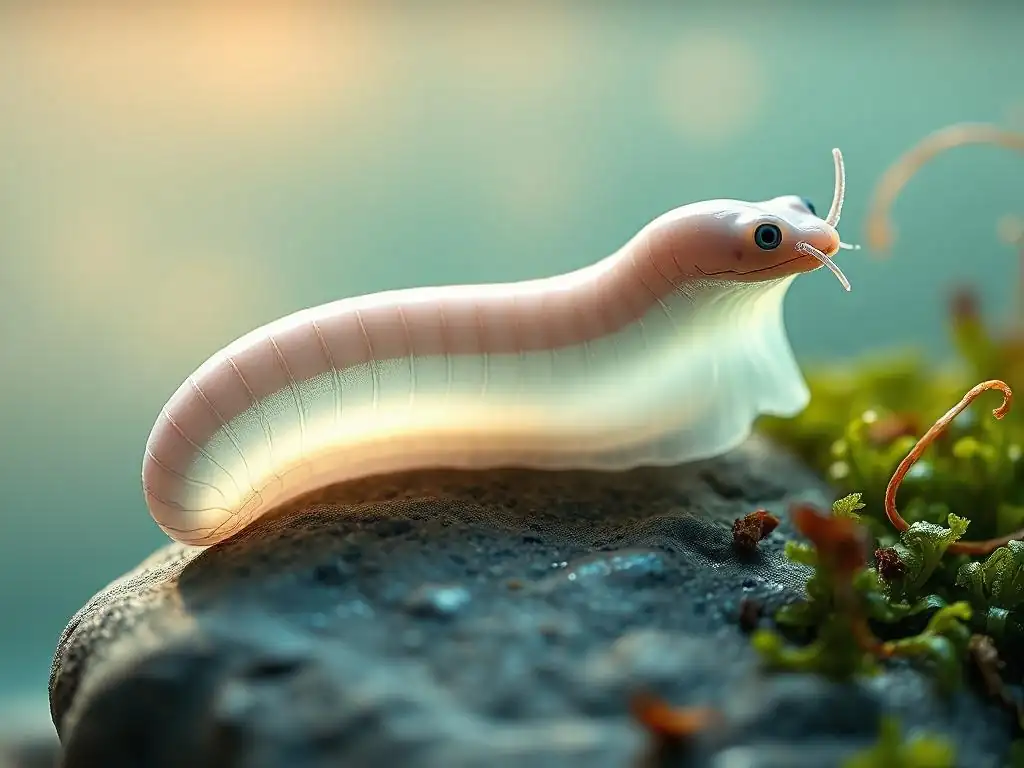
Identifying planaria requires a keen eye, as they can be quite small, ranging from a few millimeters to about 2-3 centimeters in length. The most distinctive feature is their triangular or arrow-shaped head, which differentiates them from other common aquarium worms. They also possess two prominent eyespots, which appear as small dots on their head, giving them a cross-eyed or "googly-eyed" appearance. Their body is typically flattened, unsegmented, and can range in color from white, grey, brown, to even reddish, depending on their diet.
Unlike segmented worms that often wiggle freely in the water column, planaria typically glide smoothly along surfaces using cilia on their underside. They prefer dark, undisturbed areas, so you might spot them on the glass after the tank lights have been off for a while, or congregated on uneaten food. Observing their movement – a characteristic gliding motion rather than a thrashing or undulating swim – is a key indicator of their identity.
Distinguishing Planaria from Other Aquarium Inhabitants (Detritus Worms, etc.)
It's crucial to correctly identify planaria to avoid unnecessary panic or misapplication of treatments. The most common confusion arises with detritus worms (like Tubifex or Grindal worms) and nematodes. Detritus worms are typically thin, round, and often appear as fine white threads either wiggling in the water column or forming clumps in the substrate. They lack the distinct triangular head and eyespots of planaria and are generally harmless, serving as beneficial detritivores. Nematodes are also thin and white, but often much smaller and can appear in masses on the glass.
The key differentiators for planaria are their flat, unsegmented body, the characteristic triangular head, and the presence of two distinct eyespots. If you gently touch a planarian, it will typically contract and try to move away, whereas detritus worms might continue to wriggle. Observing these specific morphological features, especially under slight magnification or with a close-up photo, will help confirm if you are indeed dealing with planaria.
Recognizing the Signs of a Planaria Infestation
Beyond direct visual confirmation of the worms, several signs can indicate a burgeoning planaria infestation. One of the earliest and most common signs is seeing small, flat worms gliding on the aquarium glass, especially in the mornings before the lights come on, or after lights have been off for an hour or two. They tend to congregate around sources of food, so if you see them accumulating on uneaten food particles, it's a strong indicator.
Another sign can be unexplained deaths or stress in your shrimp or snail populations. While not always directly attributable to planaria, an increasing presence of these worms combined with invertebrate losses should raise a red flag. In severe infestations, planaria can cover significant portions of the substrate, decorations, and even plants, making them highly visible and creating a slimy appearance. A count of more than 5-10 worms visible on the glass during a 15-minute observation period in a 10-gallon tank often suggests a significant underlying population.
The Impact of Planaria on Aquarium Inhabitants
How Planaria Affect Shrimp and Small Fish
The impact of planaria on aquarium inhabitants can be severe, particularly for the most vulnerable species. For freshwater shrimp, especially dwarf species like Neocaridina (Cherry Shrimp) or Caridina (Crystal Shrimp), planaria pose a direct and often fatal threat. Planaria are opportunistic predators that can envelop and consume newly hatched shrimp fry, which are tiny and defenseless. They also target molting shrimp, which are temporarily soft-bodied and immobile, making them easy prey. Larger, adult shrimp can also be harassed and stressed, leading to reduced activity, appetite, and increased susceptibility to disease.
While adult fish are generally safe from planaria due to their size and speed, very small fish fry (e.g., guppy or endler fry) or weak, sick, or compromised small fish can be at risk. Planaria are known to secrete a mucus that can trap and suffocate small prey, or they can simply overwhelm them through sheer numbers. For instance, in a study of planarian predation, it was observed that a single large planarian could consume 3-5 newly hatched brine shrimp nauplii within an hour, demonstrating their predatory efficiency on small organisms.
The Risk of Planaria to Snails and Other Invertebrates
Snails are another group of aquarium inhabitants highly susceptible to planaria predation. Small snails, such as bladder snails or ramshorn snails, and especially their eggs, are particularly vulnerable. Planaria can crawl into the snail's shell when it's retracted or attack the snail's soft body, often leading to its demise. Snail eggs, typically laid in gelatinous clutches on surfaces, provide an easy and nutritious meal for the flatworms.
Other invertebrates, such as small crabs or crayfish, might be less affected due to their hard exoskeletons or more robust defense mechanisms, but their vulnerable stages, like newly molted individuals or tiny juveniles, can still be at risk. Even larger snails like Mystery Snails or Nerite Snails can be stressed or harmed if planaria congregate around their operculum (the "door" to their shell) or attempt to feed on their soft body parts. Aquarists have reported losses of entire snail clutches within 24-48 hours in tanks with significant planaria populations, highlighting the urgency of addressing an infestation.
Assessing the Level of Threat in Your Aquarium
Assessing the level of threat posed by planaria in your specific aquarium requires careful observation of both the planaria population density and the vulnerability of your tank inhabitants. A few stray planaria in a heavily stocked community tank with robust adult fish might be less concerning than even a small number in a dedicated shrimp breeding tank. If you observe more than 10-20 planaria on the glass during a single viewing session, or if you notice them actively congregating on food or dead organisms, the infestation is likely significant.
The presence of vulnerable species like shrimp fry, snail eggs, or very small fish fry immediately elevates the threat level, regardless of the planaria count. For example, a 20-gallon shrimp tank with 5 visible planaria might be at higher risk than a 50-gallon discus tank with 20 planaria. Regular monitoring of your invertebrate populations for unexplained losses or reduced activity is crucial for early detection and intervention. A proactive approach based on the specific inhabitants and the observed planaria density is essential to mitigate potential harm.
Prevention is Key: Keeping Planaria Out of Your Tank
Avoiding Overfeeding: Reducing the Food Source for Planaria
One of the most effective and fundamental strategies for preventing planaria infestations is to control feeding habits. Planaria thrive on excess organic waste, and uneaten fish food is a primary contributor to this. Overfeeding provides an abundant and readily available food source for these opportunistic scavengers, allowing their populations to explode. A common guideline is to feed only what your fish or invertebrates can consume within 2-3 minutes, with no food remaining on the substrate.
For instance, if you're feeding flake food, only pinch off a small amount that will be gone within that timeframe. For bottom feeders or invertebrates, target feeding can help ensure food is consumed and not left to decay. Reducing feeding frequency to once a day or even every other day, especially in established tanks, can significantly cut down on excess nutrients. Many aquarists find that decreasing the amount fed by 10-20% often yields noticeable results in reducing organic waste without harming the fish.
Maintaining Good Tank Hygiene: Regular Water Changes and Substrate Cleaning
Beyond feeding, meticulous tank hygiene is paramount in preventing planaria. Regular water changes dilute dissolved organic compounds and remove suspended particles that could serve as food for planaria. A weekly water change of 20-30% is a good general practice for most community tanks. Simultaneously, thorough gravel vacuuming or substrate cleaning is essential. Planaria often reside within the substrate, feeding on trapped detritus and decaying matter.
Using a gravel vacuum to siphon out waste from the bottom layers of the substrate during water changes physically removes a significant portion of their food source and even some planaria themselves. For tanks with sand substrates, gently raking the surface to stir up detritus and then siphoning it can be effective. Skipping substrate cleaning for just a few weeks can allow organic matter to accumulate, creating ideal breeding grounds for planaria, demonstrating the importance of consistency in maintenance routines.
Quarantine Procedures for New Aquarium Additions
The introduction of new aquarium inhabitants or plants is a common pathway for planaria to enter an otherwise clean tank. Implementing strict quarantine procedures can significantly reduce this risk. All new fish, invertebrates, and plants should be quarantined in a separate tank for at least 2-4 weeks before being introduced to the main display tank. During this period, observe them closely for any signs of disease or pests, including planaria.
For plants, a potassium permanganate dip (e.g., 10 mg/L for 10-15 minutes) or a bleach dip (e.g., 1:19 bleach to water solution for 2 minutes, followed by thorough rinsing and a dechlorinator soak) can effectively kill planaria and their eggs on plant surfaces. Similarly, new fish or invertebrates can be inspected visually, and their transport water should never be added directly to the main tank. Carefully netting them out and placing them into the main tank with minimal transfer of water can prevent the introduction of hitchhiking planaria.
Effective Methods for Removing Planaria from Your Aquarium
Manual Removal Techniques: Siphoning and Trapping
For mild planaria infestations, manual removal can be surprisingly effective. Siphoning visible planaria from the glass or substrate during routine water changes is a simple and immediate way to reduce their numbers. A small siphon or airline tubing can be used for precision. However, since planaria are mostly nocturnal and hide in the substrate, this method alone is often insufficient for severe infestations.
A more effective manual technique involves trapping. Planaria are attracted to protein, so a simple trap can be constructed using a small container (like a film canister or a bottle with small holes) baited with a piece of raw meat (e.g., chicken liver, a tiny piece of shrimp, or fish food pellets). Place the trap in the tank overnight.
In the morning, the trap will likely be filled with planaria, which can then be removed and disposed of. Repeating this process daily for several nights can significantly reduce the population. For example, a 10-gallon tank with a moderate infestation might yield 50-100 planaria in a single trap overnight.
Chemical Treatments: Fenbendazole, No-Planaria, and Their Effects
Chemical treatments are often the most potent and rapid solution for severe planaria infestations. Fenbendazole, a common dewormer for pets, is highly effective against planaria. It works by disrupting the parasites' metabolism, leading to their demise. Products like "No-Planaria" (containing active ingredient betel nut palm extract) are specifically formulated for aquarium use and are generally considered safe for fish and plants. Fenbendazole-based products are often dosed at a rate of approximately 0.1-0.2 mg per liter of water.
When using chemical treatments, it's crucial to follow the product instructions precisely. Fenbendazole and similar treatments are highly effective at killing planaria but can be lethal to snails and some sensitive invertebrates (like certain shrimp species) even at recommended doses. Snails should be removed from the tank before treatment. After treatment, a large water change (50-70%) and thorough gravel vacuuming are necessary to remove dead planaria, which can otherwise decompose and cause an ammonia spike. A single treatment course usually lasts 3 days, with noticeable results within 24-48 hours.
Natural Predators of Planaria (Use with Caution)
While some fish are known to occasionally snack on planaria, relying solely on natural predators for complete eradication is generally not recommended, especially for established infestations. Certain fish species, such as some gouramis (e.g., Honey Gourami), smaller cichlids, or even some larger tetras, might consume planaria if they are hungry and the worms are easily accessible. However, their predatory instinct against planaria is often inconsistent, and they typically won't consume enough to wipe out a large population.
Furthermore, introducing a fish solely for pest control can disrupt the existing ecosystem, especially in shrimp or plant-heavy tanks where the "predator" might also eat desirable inhabitants. For example, even a small gourami might pose a threat to shrimp fry. Therefore, using natural predators should be approached with extreme caution and is best considered as a supplementary measure in mild cases, or in tanks where the introduced fish's other dietary needs and compatibility with tank mates are fully understood.
Post-Removal Aquarium Maintenance and Monitoring
Thoroughly Inspecting the Tank for Remaining Planaria
After implementing removal methods, particularly chemical treatments, it's crucial to perform a thorough inspection of your aquarium to ensure all planaria have been eradicated. Planaria eggs are often resistant to chemical treatments, meaning a second wave of hatching could occur days or weeks later. Systematically check all surfaces: the glass, under decorations, on plant leaves, and within the substrate. Use a flashlight to illuminate dark corners, and observe the tank for at least 15-30 minutes, especially after the lights have been off for a while, as planaria are more active in darkness.
Pay close attention to any tiny, newly hatched worms, which might be just a few millimeters long. If any are spotted, it indicates the need for further action, potentially a second round of treatment or continued manual removal. This diligent inspection phase, typically lasting for 1-2 weeks post-treatment, is critical for preventing a recurrence of the infestation.
Cleaning and Sanitizing Aquarium Substrate and Decorations
Following planaria removal, especially after chemical treatment, a comprehensive cleaning of the substrate and decorations is vital. Dead planaria can decompose rapidly, leading to a significant increase in ammonia and nitrite levels, which are toxic to fish and invertebrates. Perform a large water change, typically 50-70%, combined with thorough gravel vacuuming to remove as much of the decaying organic matter and dead worms as possible.
For tanks with sand, gently stir the top layer to release trapped detritus and then siphon it out. Remove and scrub any decorations, rocks, or driftwood that might have accumulated dead worms or still harbor eggs. Boiling or soaking hardscape in a strong salt solution (e.g., 1 cup of salt per gallon of water) for 30 minutes can help sanitize them. For live plants, a gentle rinse in dechlorinated water can remove any clinging debris or dead worms. This rigorous cleaning process helps to restore water quality and eliminates any lingering food sources or potential egg sites.
Monitoring Your Fish and Invertebrates for Signs of Recovery
The period immediately following a planaria infestation and treatment is critical for monitoring the health and recovery of your aquarium inhabitants. Observe your fish for any signs of stress, such as clamped fins, rapid breathing, or unusual lethargy, which could indicate poor water quality from decomposing worms or residual treatment effects. Test water parameters (ammonia, nitrite, nitrate) daily for the first few days, then every other day, to ensure they remain stable and safe.
For invertebrates, particularly shrimp and snails, watch for increased activity, a return to normal feeding behaviors, and the absence of unexplained deaths. If you removed snails for treatment, reintroduce them slowly and monitor their adjustment. A healthy, active tank community is the best indicator that the planaria threat has been successfully neutralized and the ecosystem is returning to balance. Consistent monitoring for at least 2-3 weeks will provide confidence in the long-term success of your eradication efforts.
Long-Term Prevention Strategies for a Planaria-Free Aquarium
Regular Aquarium Maintenance: A Proactive Approach
The most effective long-term strategy for keeping your aquarium free of planaria is consistent, proactive maintenance. This means adhering to a strict schedule of regular water changes, typically 20-30% weekly or bi-weekly, depending on tank size and bioload. Coupled with water changes, thorough gravel vacuuming or substrate cleaning is essential to remove accumulated detritus and uneaten food that serve as a primary food source for planaria.
Beyond the visible aspects, filter maintenance is also crucial. Regularly cleaning or replacing filter media (as per manufacturer recommendations) prevents the buildup of organic waste within the filter itself. A well-maintained filter system ensures efficient removal of impurities, contributing to overall water quality and reducing the availability of food for opportunistic pests like planaria. A commitment to these routine tasks is far more effective than reacting to an infestation after it has taken hold.
Controlling the Food Supply: Targeted Feeding Practices
Controlling the food supply is arguably the single most impactful long-term prevention strategy against planaria. Planaria populations directly correlate with the availability of excess nutrients. Therefore, adopting targeted feeding practices is paramount. Feed only what your fish and invertebrates can consume within 2-3 minutes, ensuring no food settles on the substrate to rot. For bottom feeders, consider using sinking pellets or wafers that are quickly located and consumed.
If you have a mixed community tank, observe how different species feed and adjust accordingly. For example, if you have fast-eating fish and slower bottom dwellers, you might need to feed the bottom dwellers separately or use targeted feeding tools. Skipping a feeding day once a week can also be beneficial, as it encourages fish to scavenge for any remaining food particles and helps to reduce overall nutrient load without harming their health. This precise approach to feeding minimizes the organic waste that fuels planaria growth.
Creating an Unfavorable Environment for Planaria
While planaria can be hardy, certain environmental conditions can make your aquarium less hospitable for them. Maintaining a clean, well-oxygenated tank with stable water parameters is generally unfavorable for large planaria populations. They thrive in environments with low flow and high concentrations of decaying organic matter. Therefore, ensuring adequate water circulation throughout the tank, especially in corners or behind decorations, can help prevent detritus from settling and accumulating.
Avoid overstocking your aquarium, as this contributes to a higher bioload and more waste production. Planting live plants, particularly fast-growing species, can help absorb excess nutrients from the water column, further reducing the food available for planaria. While not a direct eradication method, creating an environment that is clean, balanced, and has minimal excess organic waste will naturally suppress planaria populations and deter future infestations, ensuring a healthier and more aesthetically pleasing aquarium.
Are Detritus Worms Also a Threat to Aquariums? [Detritus Worms vs. Planaria]
Identifying Detritus Worms
Detritus worms are a common sight in aquariums and are often mistaken for planaria, leading to unnecessary concern. Unlike planaria with their distinct triangular heads and eyespots, detritus worms are typically thin, white, and hair-like, ranging from a few millimeters to a couple of centimeters in length. They are segmented worms, often belonging to the families Tubificidae or Naididae. When disturbed, they tend to wriggle vigorously in the water column or within the substrate.
They lack the flat, gliding movement of planaria and do not possess the characteristic head shape or eyespots. You might see them emerging from the substrate, wiggling freely, or forming small clumps, especially in areas with high organic content. Their appearance is more akin to tiny threads or spaghetti, distinguishing them visually from the broader, flatter body of a planarian.
Comparing the Threat Levels of Detritus Worms and Planaria in Aquariums
The key difference between detritus worms and planaria lies in their threat level to the aquarium ecosystem. Detritus worms are generally harmless and, in fact, beneficial. They are scavengers that feed on decaying organic matter, such as uneaten food, fish waste, and dead plant material. By consuming this detritus, they help to break down waste, contribute to the nitrogen cycle, and improve substrate health. A small population indicates a healthy, functioning ecosystem.
Planaria, on the other hand, are predatory flatworms that can actively hunt and consume small, vulnerable aquarium inhabitants like shrimp fry, snail eggs, and small snails. While detritus worms are part of the clean-up crew, planaria are pests that can cause direct harm and indicate an underlying issue with overfeeding or poor sanitation. A visible increase in detritus worms might suggest slight overfeeding, but it doesn't pose the same direct predatory threat as a planaria infestation.
Control Methods for Detritus Worms
While detritus worms are generally harmless, an excessive population can be visually unappealing and may indicate an overabundance of organic waste. Controlling detritus worm populations primarily involves addressing the underlying cause: too much available food. The most effective control methods are similar to the preventative measures for planaria: reducing overfeeding and improving tank hygiene.
Feed less frequently and ensure all food is consumed within a few minutes. Implement regular and thorough gravel vacuuming to remove accumulated detritus from the substrate. Consistent water changes also help reduce dissolved organic compounds. Unlike planaria, chemical treatments are rarely necessary or recommended for detritus worms, as they are not a direct threat. If the food source is reduced, their population will naturally decrease to a manageable level, where they continue to perform their beneficial role as decomposers.
Conclusion: Protecting Your Aquarium from Planaria Infestations
Frequently Asked Questions
How do dragonfly nymphs get into my aquarium?
Dragonfly nymphs are usually introduced inadvertently as eggs or small nymphs on live plants or decorations that haven't been properly quarantined. They can also hitchhike in water from outdoor sources.
What makes dragonfly nymphs such dangerous aquarium predators?
Dragonfly nymphs are voracious ambush predators with a powerful extendable jaw that they use to capture and consume a wide range of aquarium inhabitants, including small fish, shrimp, and invertebrates.
How can I identify a dragonfly nymph in my aquarium?
Look for a long, slender body with three pairs of legs and large eyes. They often have a mottled brown or green coloration and can be difficult to spot as they blend in with their surroundings.
What are the best methods for removing dragonfly nymphs from an aquarium?
Manual removal is the most effective method. Carefully inspect plants and decorations before adding them to your tank. Using a fine-mesh net or turkey baster to catch them is best.
How can I prevent dragonfly nymphs from entering my aquarium in the future?
Quarantine all new plants and decorations in a separate container for several weeks to observe for any unwanted hitchhikers. Avoid using water from outdoor sources in your aquarium.
Final Reflection: Embracing the Balance of Nature
The insights shared in this article highlight the often-unseen complexities within our aquariums, revealing that even seemingly harmless creatures like dragonfly nymphs can pose a significant threat to the delicate ecosystem we strive to create. Understanding the potential for unexpected predators is crucial for responsible aquarium keeping, reminding us that vigilance and informed action are essential for maintaining a thriving aquatic environment.
This journey into the world of dragonfly nymphs underscores the delicate balance that exists within nature, both inside and outside our glass enclosures. It reminds us that even in our controlled environments, the wildness of nature persists, demanding respect and understanding. In nature, nothing is perfect and everything is perfect. Trees can be contorted, bent in weird ways, and they're still beautiful.
- Alice Walker. This quote perfectly encapsulates the unexpected beauty and challenges that come with observing and managing natural systems, even within the confines of an aquarium.
Now, as you return to your own aquariums, consider the lessons learned here. Reflect on the potential for hidden imbalances and the importance of proactive observation. Let this knowledge empower you to create a more harmonious and sustainable environment for your aquatic inhabitants, fostering a deeper appreciation for the intricate web of life that exists all around us.
Unleash Your Aquarium's Potential: Take Control Today!
Thanks for diving into the world of dragonfly nymphs! We hope this article armed you with the knowledge to identify and manage these hidden predators. Now, let's translate that knowledge into action and create a thriving aquarium environment.
Here are a few steps you can take right now:
- Immediately perform a thorough inspection of your aquarium plants and substrate, paying close attention to any new additions. This is your primary defense!
- Share this article with fellow aquarium enthusiasts to help them protect their aquatic ecosystems and prevent potential problems.
- Brainstorm and share your own creative nymph removal techniques in the comments below. Let's learn from each other!
What surprising creatures have you discovered lurking in your aquarium, and how did you handle the situation?