
Sensory Worlds: Creating an Enriching Habitat for Your Blind Cave Tetras

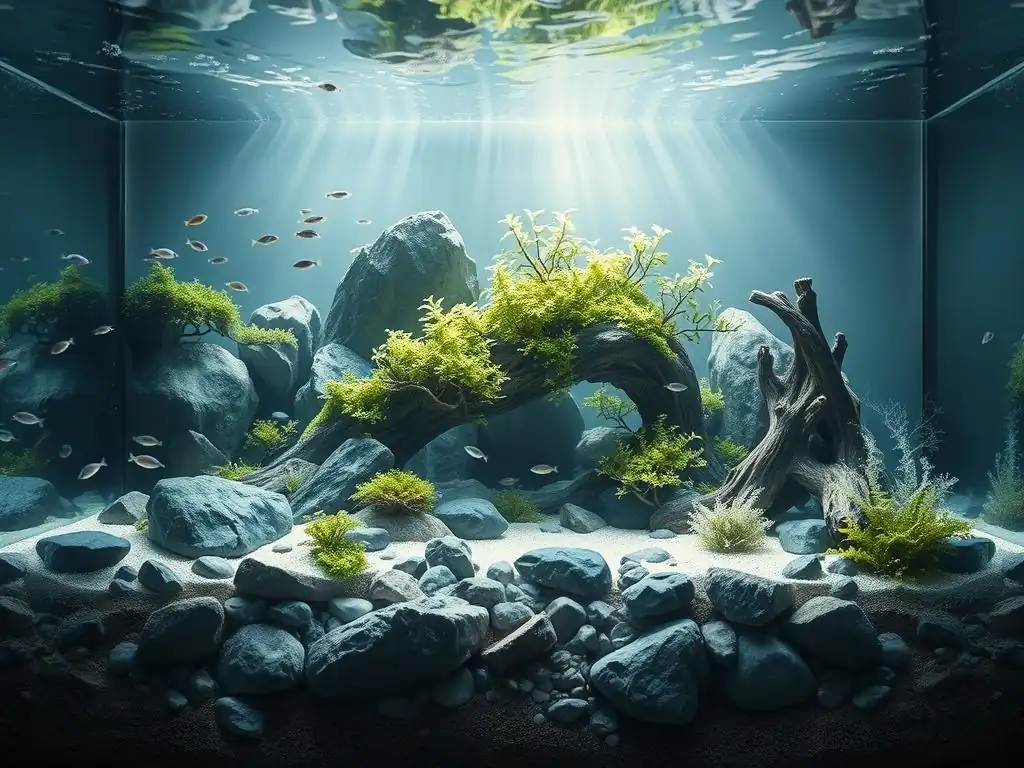
Welcome to Aquarium Mastery!
Dive into the fascinating world of aquarium keeping. Ever wondered how to create a truly enriching environment for unique fish like the Blind Cave Tetra? This article unlocks the secrets to a perfect Blind Cave Tetra habitat setup, guiding you through every step to ensure a thriving and happy community. Get ready to explore a sensory world unlike any other, and let's build the ideal ecosystem for these incredible creatures!
- Blind Cave Tetra Care: Creating a Thriving Aquarium
- Understanding Blind Cave Tetra Biology
- Simulating a Cave Environment in the Aquarium
- Water Quality and Filtration
- Lighting and Algae Control
- Feeding and Nutrition
- Tank Mates: Compatibility and Social Behavior
- Maintaining a Healthy Aquarium
- Breeding Blind Cave Tetras
- Troubleshooting Common Issues
- Ethical Considerations
-
Frequently Asked Questions
- How is a Blind Cave Tetra habitat different from a typical aquarium setup?
- What are the ideal water parameters for Blind Cave Tetras?
- What type of substrate is best for a Blind Cave Tetra tank?
- What kind of decorations should I include in a Blind Cave Tetra habitat?
- What should I feed my Blind Cave Tetras, and how often?
- Final Reflection: Embracing the Unseen World
- Unveil a Hidden Paradise for Your Blind Cave Tetras!
Blind Cave Tetra Care: Creating a Thriving Aquarium
Understanding Blind Cave Tetra Biology
Evolutionary Adaptations: Loss of Sight and Sensory Compensation
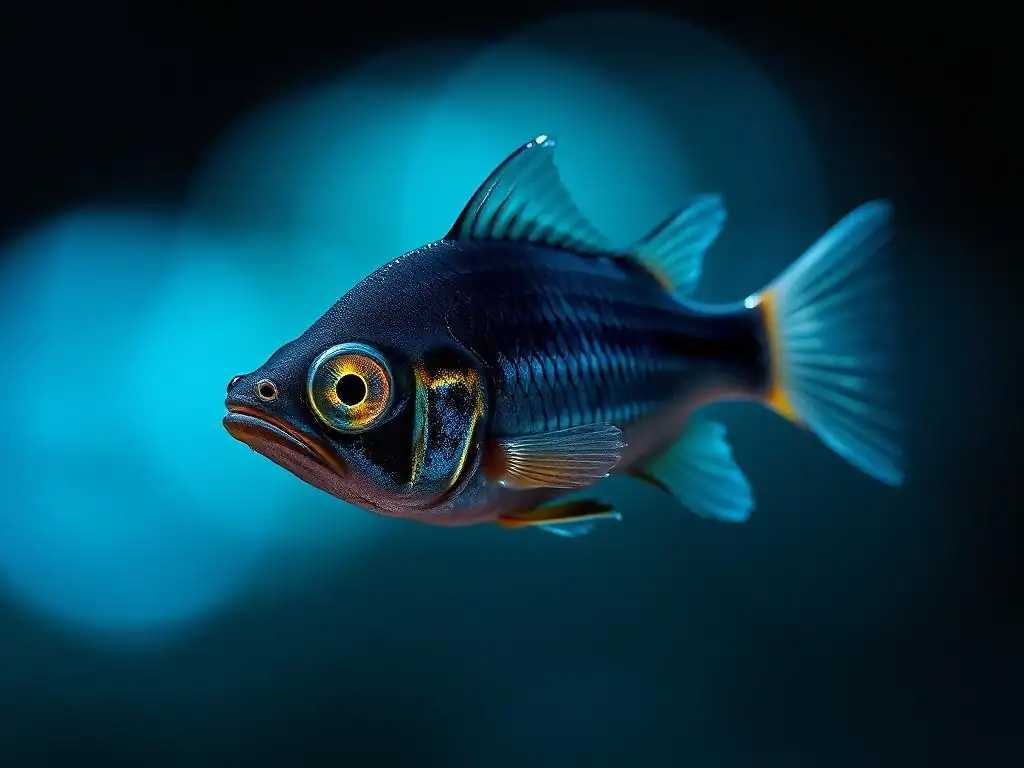
The blind cave tetra, Astyanax mexicanus, represents a fascinating example of evolutionary adaptation. Originating from subterranean cave systems in Mexico, this unique fish species has undergone significant morphological changes to thrive in a perpetually dark environment. Over countless generations, these fish have lost their eyes and pigmentation, resulting in their characteristic albino-like appearance. This loss is a genetic adaptation that conserves energy in an environment where vision offers no advantage.
However, the absence of sight does not hinder their survival; instead, it has led to the remarkable development and heightened sensitivity of other sensory organs. These compensatory mechanisms allow blind cave tetras to navigate, locate food, and interact with their surroundings with remarkable efficiency. Understanding these adaptations is paramount to creating an optimal blind cave tetra habitat setup that caters to their unique sensory world.
Sensory Mechanisms: Lateral Line and Chemosensation
The primary sensory mechanism compensating for the loss of sight in blind cave tetras is their highly developed lateral line system. This system, visible as a faint line along the fish's side, consists of a series of neuromasts – specialized mechanoreceptors that detect vibrations, changes in water pressure, and currents. This allows them to "feel" their way around obstacles, sense the presence of predators or prey, and navigate through complex cave environments by interpreting subtle shifts in water movement.
In addition to the lateral line, blind cave tetras possess an acute sense of chemosensation, encompassing both smell and taste. They utilize chemical cues dissolved in the water to find food, identify conspecifics, and even detect potential dangers. For instance, they can detect amino acids and other organic compounds released by food sources from a considerable distance. This sophisticated chemical detection, combined with their enhanced lateral line, allows them to thrive in the darkness, making the purity and stability of water quality a critical component of their blind cave tetra habitat setup.
Simulating a Cave Environment in the Aquarium
Substrate: Fine Gravel or Sand
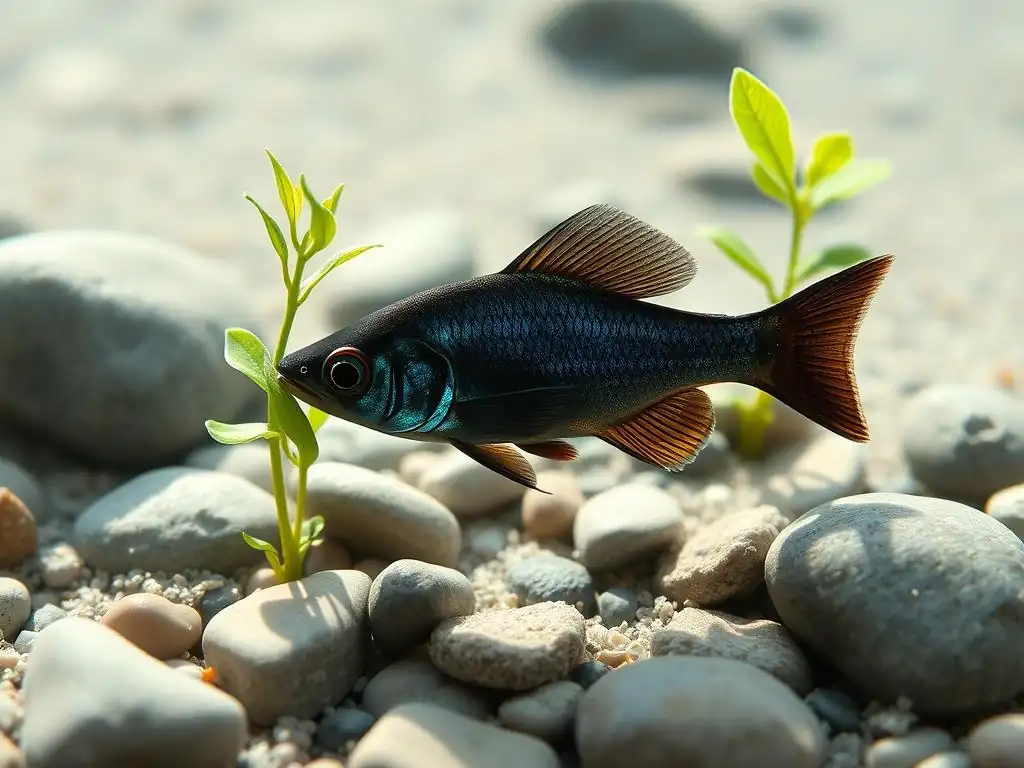
When designing a blind cave tetra habitat setup, the choice of substrate is crucial for their well-being. Fine gravel or sand is highly recommended over coarse or sharp substrates. Blind cave tetras frequently forage along the bottom, relying on their tactile senses and lateral line to locate food particles. Coarse gravel can scratch or damage their delicate skin and sensory organs, leading to stress, infections, and potential injury.
A thin layer of 1 to 2 inches of fine sand or smooth, small-grain gravel provides an ideal foraging ground and allows for the establishment of beneficial bacteria without creating harmful anaerobic pockets. This type of substrate is also easier to keep clean during routine maintenance, preventing the buildup of waste that could compromise water quality and irritate their sensitive systems.
Aquascaping: Smooth Rocks, Caves, and Root Structures
To truly mimic their natural subterranean habitat, the aquascape for a blind cave tetra habitat setup should incorporate numerous smooth rocks, ceramic caves, and driftwood root structures. These elements serve multiple purposes: they provide essential hiding spots, offer navigational cues for the visually impaired fish, and help establish territories within the school. The complexity of the decor allows them to explore and feel secure, reducing stress.
Crucially, all decorations must be entirely smooth and free of any sharp edges or rough surfaces. Blind cave tetras, lacking sight, will frequently bump into or brush against objects as they navigate. Jagged edges from certain types of rock, unfinished driftwood, or poorly molded plastic decorations can cause abrasions, fin tears, or even more severe injuries. Opt for river stones, polished ceramic decor, or well-sanded driftwood to ensure a safe environment.
Avoiding Sharp Edges and Obstacles
The paramount concern in a blind cave tetra habitat setup is the complete absence of sharp edges and overly dense obstacles. Due to their reliance on touch and their lateral line system for navigation, these fish are particularly vulnerable to injury from any abrasive or pointed surfaces within the tank. Common culprits include sharp points on plastic plants, rough edges on certain natural rocks, or even exposed filter intakes without a protective sponge.
Careful placement of decorations is equally important. While providing ample hiding spots and navigational aids, the aquascape should not be overly cluttered. Ensure there are clear, unobstructed swimming paths throughout the tank, particularly in the mid-water column where they spend much of their time. This allows them to move freely and reduces the likelihood of collisions, minimizing stress and preventing physical harm in their unique environment.
Water Quality and Filtration
Maintaining Stable Parameters: Temperature, pH, Ammonia, Nitrite, Nitrate
Maintaining stable water parameters is foundational to a healthy blind cave tetra habitat setup. Rapid fluctuations in temperature or pH can be highly stressful for these sensitive fish. An ideal temperature range is 70-78°F (21-26°C), and a pH between 6.5 and 7.5 is generally suitable. While they can tolerate a range of hardness, consistency is key, typically between 5 and 19 dGH. Most critically, ammonia and nitrite levels must remain at 0 ppm, as even trace amounts are highly toxic. Nitrate levels should be kept below 20 ppm.
Consistent water parameters reduce physiological stress, bolster the fish's immune system, and prevent the onset of diseases. Their heightened sensory perception means that even minor shifts in water chemistry can disorient or irritate them, making stability a non-negotiable aspect of their care. Regular testing with a reliable liquid test kit is essential to monitor these parameters and ensure their blind cave tetra habitat remains pristine.
Filtration: Sponge Filters and Gentle Water Flow
The choice of filtration for a blind cave tetra habitat setup should prioritize gentle water flow. Strong currents can interfere with their highly sensitive lateral line system, causing disorientation, stress, and making it difficult for them to navigate or locate food. Sponge filters are an excellent choice as they provide efficient mechanical and biological filtration without creating turbulent water movement. They are also gentle enough to not harm the fish if they brush against them.
If using hang-on-back (HOB) or canister filters, it is imperative to baffle the outflow or direct it against the aquarium glass to diffuse the current. Spray bars are also effective in distributing water flow gently across the tank. The goal is to ensure crystal-clear, well-oxygenated water while maintaining a calm environment that supports their unique sensory needs, allowing them to thrive in their blind cave tetra habitat.
Regular Water Changes: Maintaining Water Quality
Regular partial water changes are indispensable for maintaining optimal water quality in a blind cave tetra habitat setup. A weekly water change of 25-30% is generally recommended for a well-maintained aquarium. This routine helps to remove accumulated nitrates, phosphates, and other dissolved organic compounds that can build up over time from fish waste and uneaten food. High levels of these compounds can irritate fish gills, suppress their immune system, and contribute to algae growth.
When performing water changes, always use dechlorinated water that is matched as closely as possible to the tank's temperature to avoid shocking the fish. Simultaneously, use a gravel vacuum to siphon out detritus and uneaten food from the substrate. This practice prevents the decomposition of organic matter, which can lead to ammonia and nitrite spikes. Consistent and careful water changes are a cornerstone of a healthy and stable environment for blind cave tetras.
Lighting and Algae Control
Minimal Lighting: Reducing Stress and Algae Growth
Given their evolutionary history in perpetually dark cave environments, blind cave tetras are not adapted to bright light. In an aquarium setting, intense lighting can cause significant stress, leading to reclusive behavior, reduced activity, and a compromised immune system. Therefore, a blind cave tetra habitat setup benefits greatly from minimal or subdued ambient lighting. Often, the ambient light from the room is sufficient for their needs.
Beyond the well-being of the fish, keeping lighting to a minimum also serves as an effective strategy for algae control. Algae require light for photosynthesis, and reducing light intensity or duration naturally inhibits their growth. This means less scrubbing for the aquarist and a more balanced ecosystem within the tank.
Choosing Low-Intensity LED Lighting
If any lighting is desired for viewing purposes or to support very low-light plants (such as Java moss or Anubias), opt for low-intensity LED lights. These lights often come with dimming features or moonlight settings, allowing aquarists to provide subtle illumination without overwhelming the fish. A timer set for 6-8 hours a day is ideal to establish a consistent light cycle without excessive brightness.
Consider using a very dim blue or "moonlight" setting during evening hours if you wish to observe your blind cave tetras when they are most active. This provides just enough light for human visibility without causing distress to the fish, further enhancing the appropriateness of the blind cave tetra habitat setup for their unique needs.
Algae Control: Snails and Manual Removal
While minimal lighting helps prevent excessive algae, some growth is inevitable. For effective and safe algae control in a blind cave tetra habitat setup, consider introducing peaceful algae-eating snails, such as Nerite snails. These invertebrates are excellent scavengers that will graze on algae without disturbing the fish or competing aggressively for food. Ensure they are compatible with your water parameters and other tank inhabitants.
For more stubborn algae patches or general maintenance, manual removal is the safest and most direct method. During your regular weekly water changes, use an aquarium-safe algae scraper or sponge to clean the tank glass and decorations. Avoid using chemical algaecides unless absolutely necessary, as they can sometimes be harsh on sensitive fish and disrupt the beneficial bacterial balance in the aquarium, potentially causing more problems than they solve.
Feeding and Nutrition
Diet: Omnivorous with a Focus on Small Invertebrates
Blind cave tetras are omnivorous, with their natural diet in cave environments consisting primarily of small invertebrates like insect larvae, copepods, and detritus. In the aquarium, replicating this varied diet is crucial for their health and vitality. While they will accept readily available flake foods, a diet rich in high-quality protein from diverse sources will ensure they receive all necessary nutrients and thrive in their blind cave tetra habitat setup.
A balanced diet not only supports their physical health but also contributes to their mental well-being by stimulating their natural foraging behaviors. Relying solely on one type of food can lead to nutritional deficiencies and a lack of enrichment, so variety is key to their long-term care.
Live Foods: Daphnia, Brine Shrimp, and Microworms
Incorporating live foods into the diet of blind cave tetras is highly beneficial. Live daphnia, brine shrimp, and microworms are excellent choices that provide essential nutrients and, more importantly, stimulate their innate hunting instincts. The movement and scent of live prey are easily detected by their heightened lateral line and chemosensory systems, making these foods very appealing and enriching.
When feeding live foods, introduce small quantities that can be consumed within a few minutes to prevent any uneaten food from decaying and fouling the water. Feeding live foods periodically also encourages natural behaviors, which is a significant aspect of creating an enriching blind cave tetra habitat setup. For example, a single adult blind cave tetra can consume dozens of newly hatched brine shrimp in a few minutes, demonstrating their efficient foraging.
Supplementation: High-Quality Flake and Pellet Food
To ensure a complete and balanced diet, supplement live and frozen foods with high-quality sinking flakes or small pellets. Sinking foods are particularly advantageous for blind cave tetras as they are easier for them to locate on the substrate, where they naturally forage. Choose products specifically formulated for omnivorous tropical fish, ensuring they contain essential vitamins, minerals, and proteins.
Feed small amounts multiple times a day (e.g., 2-3 times) rather than one large meal. This reduces competition among tank mates, minimizes the amount of uneaten food decaying in the tank, and ensures all fish have an opportunity to find food. A consistent feeding schedule and varied diet are fundamental to maintaining healthy and active blind cave tetras within their habitat.
Suitable Tank Mates: Peaceful, Similarly Sized Fish
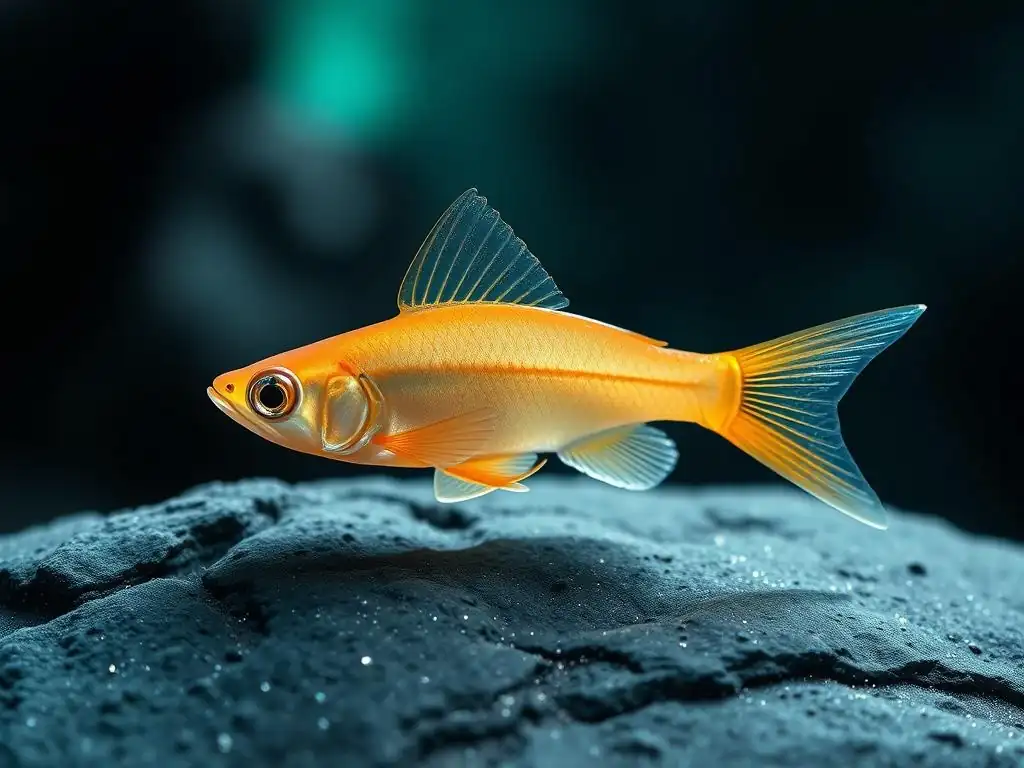
Choosing appropriate tank mates is vital for a harmonious blind cave tetra habitat setup. Ideal companions are peaceful, similarly sized community fish that are not overly boisterous or aggressive. Good examples include other peaceful tetra species like Neon Tetras or Ember Tetras (ensure they don't outcompete for food), various species of Rasboras, and small, docile catfish such as Corydoras species. These fish share similar water parameter requirements and temperaments.
It is crucial to select tank mates that will not aggressively compete for food, especially given the blind cave tetra's visual disadvantage. Slow-moving, bottom-feeding fish are often excellent choices as they occupy different niches in the tank and are less likely to startle or stress the blind tetras. For instance, a group of six Corydoras catfish can coexist peacefully with a school of blind cave tetras in a 20-gallon long tank.
Avoiding Aggressive or Visually Dependent Species
When planning a blind cave tetra habitat setup, it is imperative to avoid tank mates that are aggressive, known fin-nippers, or highly territorial. Species like many cichlids (even some dwarf varieties) or certain types of barbs can cause significant stress or physical injury to the more vulnerable blind cave tetras. Their lack of vision makes them unable to anticipate or react quickly to aggressive movements.
Furthermore, avoid very fast-moving or highly visually oriented fish that might constantly outcompete the blind tetras for food or create erratic movements that could startle their sensitive lateral line system. Fish that rely heavily on visual cues for hunting or social interaction might also find the blind tetras' movements confusing, potentially leading to unintended aggression or stress.
Schooling Behavior: Maintaining a Group of Six or More
Blind cave tetras are highly social fish and exhibit strong schooling behavior. For their well-being and to encourage natural behaviors, it is essential to maintain them in a group of at least six individuals. A larger school, ideally eight to ten or more fish, is even better. This provides security, reduces individual stress, and allows them to display their natural social dynamics within the blind cave tetra habitat setup.
A lone blind cave tetra or one kept in a very small group will often appear stressed, withdrawn, and more susceptible to illness. The presence of a school provides comfort and stability, as they rely on each other for cues and safety. For instance, in a 20-gallon long aquarium, a school of 8-10 blind cave tetras will exhibit confident schooling patterns, swimming together and foraging as a cohesive unit.
Maintaining a Healthy Aquarium
Regular Observation: Identifying Early Signs of Illness
Daily observation is a critical component of maintaining a healthy blind cave tetra habitat setup. Aquarists should make it a routine to spend a few minutes observing their fish for any changes in behavior, physical appearance, or appetite. Look for signs such as lethargy, erratic swimming, unusually prolonged hiding, clamped fins, or labored breathing. Any physical changes like lesions, fungal growths, frayed fins, or unusual discoloration should also be noted immediately.
Due to their lack of vision, blind cave tetras might show subtle signs of distress related to their lateral line function or touch sensitivity. Pay close attention to how confidently they navigate obstacles, locate food, or interact within their school. Early detection of illness significantly increases the chances of successful treatment and prevents the spread of disease to other tank inhabitants.
Quarantine: Isolating New Fish and Treating Illnesses
A separate quarantine tank is an indispensable tool for any responsible aquarist, particularly when adding new fish to a blind cave tetra habitat setup. A 10-gallon tank is often sufficient for quarantining a small group of new tetras for 2-4 weeks. During this period, observe the new fish closely for any signs of disease, such as Ich, fin rot, or parasites. If any symptoms appear, treat them in the quarantine tank before introducing them to the main display tank.
Similarly, if a fish in the main tank shows signs of illness, it should be promptly isolated in the quarantine tank for treatment. This prevents the disease from spreading to healthy tank mates and allows for more targeted medication dosages without disrupting the beneficial bacterial colony in the main aquarium. This proactive approach safeguards the entire community.
Common Health Issues: Ich and Fin Rot
Blind cave tetras, like most freshwater fish, can be susceptible to common aquarium diseases, particularly if water quality is poor or they are stressed. Ich ( Ichthyophthirius multifiliis), commonly known as white spot disease, is a frequent ailment characterized by small, white, salt-like spots on the fish's body and fins. Fin Rot, often caused by bacterial infections, manifests as frayed, ragged, or dissolving fins. Both conditions are often exacerbated by fluctuating water parameters, overcrowding, or inadequate nutrition.
Treatment for Ich typically involves gradually raising the tank temperature (if compatible with all inhabitants) and using specific Ich medications. Fin Rot usually requires improved water quality, regular partial water changes, and a course of antibacterial medication. Always follow medication instructions precisely and ensure proper aeration during treatment. Addressing these issues promptly is crucial for maintaining a healthy blind cave tetra habitat setup.
Breeding Blind Cave Tetras
Breeding Tank Setup: Separate Tank with Spawning Mops
Breeding blind cave tetras requires a dedicated breeding tank to ensure the safety of the eggs and fry. A separate 10-20 gallon aquarium, dimly lit, is ideal. The water should be soft to moderately hard (5-10 dGH) and slightly acidic (pH 6.5-7.0), mimicking their natural spawning conditions. Crucially, the tank should include spawning mops (made from yarn) or dense clumps of fine-leaved plants like Java moss. These provide surfaces for the adhesive eggs to attach to and offer protection.
A sponge filter is recommended for gentle filtration, preventing eggs from being sucked up and maintaining stable water quality without strong currents. The tank bottom can be bare or covered with a thin layer of marbles, which allows eggs to fall through and protects them from being eaten by the parent fish after spawning.
Spawning: Observation and Removal of Adults
To encourage spawning, condition a pair or a small group (e.g., 2 males to 1 female) with a high-protein diet of live foods like Daphnia and bloodworms for several weeks. Spawning typically occurs in the morning, often after a slight temperature increase or a partial water change. The female will scatter numerous small, adhesive eggs among the spawning mops or plants. A single female can lay hundreds of eggs, sometimes 300-500 in one spawning event.
Once spawning is complete, usually within a few hours, it is crucial to immediately remove the adult fish from the breeding tank. Blind cave tetras are known to be egg-eaters and will consume their own progeny if left in the tank. The eggs are typically clear and very small, making them hard to spot, but their presence indicates a successful spawning in your blind cave tetra habitat setup.
Fry Care: Infusoria, Baby Brine Shrimp, and Frequent Water Changes
Blind cave tetra eggs usually hatch within 24-36 hours, depending on temperature. For the first few days, the newly hatched fry will absorb nutrients from their yolk sacs. Once they become free-swimming, they require extremely small, microscopic foods. Infusoria (microscopic organisms) or high-quality liquid fry food are ideal for their initial diet. Feeding small amounts multiple times a day is crucial to ensure consistent nutrient availability.
After about a week, once the fry have grown slightly, they can be transitioned to newly hatched baby brine shrimp, which are highly nutritious and easily consumed. Maintaining pristine water quality is paramount for fry survival; perform small, frequent water changes (10-15% daily) using dechlorinated, temperature-matched water. This meticulous care is essential for the successful rearing of fry in a breeding blind cave tetra habitat setup.
Troubleshooting Common Issues
Water Quality Problems: Ammonia and Nitrite Spikes
Ammonia and nitrite spikes are common and dangerous water quality problems in new or improperly maintained blind cave tetra habitat setups. Symptoms in fish include lethargy, gasping at the surface, rapid gill movement, and reddish gills. These spikes typically occur during the cycling process of a new tank, or due to overfeeding, overstocking, or insufficient filtration in established tanks.
Immediate action is required to remediate these issues. Perform a large partial water change (50% or more) immediately to dilute the toxins. Reduce or cease feeding for a day or two, and ensure adequate aeration in the tank. Adding a beneficial bacteria starter can help to re-establish the nitrogen cycle. Regularly test your water parameters to catch issues before they become critical.
Fin Nipping: Identifying the Cause and Separating Aggressors
Fin nipping can occur in a blind cave tetra habitat setup if tank mates are incompatible, if the tank is overcrowded, or if the fish are stressed. While blind cave tetras are generally peaceful, they can be nipped by more aggressive species, or occasionally, stressed individuals within their own school might nip. Symptoms include ragged, torn, or shortened fins.
Observe your tank closely to identify the specific fish responsible for the nipping. If a known aggressor (e.g., certain barbs or cichlids) is present, it should be removed to a separate tank or rehomed. If it appears to be stress-related within the school, review your tank size, stocking levels, and water quality parameters. Providing ample hiding spots and ensuring a proper school size (six or more individuals) can also help reduce stress-induced nipping.
Algae Blooms: Balancing Light, Nutrients, and Filtration
Algae blooms in a blind cave tetra habitat setup are typically a sign of an imbalance in light, nutrients, or filtration. Common causes include excessive lighting duration (more than 8 hours), high levels of nitrates and phosphates from overfeeding or infrequent water changes, and insufficient biological filtration. Algae can manifest as green, brown, or even black unsightly growths on surfaces.
To address algae blooms, first reduce your lighting duration to 6-8 hours per day. Increase the frequency or volume of your partial water changes to reduce nutrient levels (e.g., 30-40% twice a week). Reduce feeding amounts to prevent excess nutrients from uneaten food. Ensure your filtration system is adequately sized and maintained. Introducing algae-eating snails like Nerite snails can also provide biological control without chemicals, helping to restore balance to the blind cave tetra habitat setup.
Ethical Considerations
Responsible Ownership: Providing Proper Care and Tank Size
Responsible ownership of blind cave tetras entails a commitment to providing a species-appropriate and enriching blind cave tetra habitat setup that meets their unique needs. Given their schooling behavior and active nature, a minimum tank size of 20 gallons (long aquariums are preferable for swimming space) is recommended for a school of 6-8 individuals. This ensures ample room for exploration and reduces stress from overcrowding.
Beyond tank size, responsible ownership includes understanding their specialized sensory adaptations, providing a consistent and pristine water environment, offering a varied and nutritious diet, and proactively managing their health. It's about recognizing that these fish, despite their lack of sight, are complex living beings deserving of the best possible care.
Conservation: Supporting Sustainable Practices
While the broader species Astyanax mexicanus (Mexican Tetra) is not currently considered endangered, specific cave-dwelling populations from which blind cave tetras originate can be vulnerable to habitat degradation, pollution, and over-collection. Supporting sustainable practices in the aquarium hobby is an important ethical consideration.
Aquarists are encouraged to source their blind cave tetras from reputable breeders or suppliers who practice sustainable collection methods or, ideally, offer captive-bred fish. Captive breeding reduces the pressure on wild populations and helps ensure the long-term viability of the species in the hobby. By making informed choices, aquarists contribute to the conservation of these unique fish and the health of their natural environments.
Frequently Asked Questions
How is a Blind Cave Tetra habitat different from a typical aquarium setup?
A Blind Cave Tetra habitat requires a dark environment to mimic their natural cave settings. This means minimal lighting and decorations that provide shade and shelter are crucial.
What are the ideal water parameters for Blind Cave Tetras?
Blind Cave Tetras thrive in stable water conditions with a pH of 6.0-8.0 and a temperature of 68-77°F (20-25°C). Consistent weekly water changes are essential for maintaining water quality.
What type of substrate is best for a Blind Cave Tetra tank?
A smooth substrate, like sand or small gravel, is recommended to avoid injury. Remember, these fish are blind, so abrasive surfaces can cause damage as they navigate the tank.
What kind of decorations should I include in a Blind Cave Tetra habitat?
Include decorations that provide shelter and security, such as smooth rocks, driftwood, and artificial caves. Avoid sharp or jagged edges, which could potentially harm the fish.
What should I feed my Blind Cave Tetras, and how often?
Feed them a varied diet of small, sinking pellets or flakes, supplemented with live or frozen foods like daphnia or brine shrimp. Feed them small amounts twice a day, being mindful that they may take longer to find the food.
Okay, here's a final reflection designed to resonate with readers of your article "Sensory Worlds: Creating an Enriching Habitat for Your Blind Cave Tetras," while also subtly reinforcing the keyword "Blind cave tetra habitat setup":
Final Reflection: Embracing the Unseen World
The journey into crafting a Blind cave tetra habitat setup is more than just assembling rocks and plants; it's about understanding and respecting a unique sensory experience. These fascinating creatures, devoid of sight, navigate a world we can only begin to imagine, relying on heightened senses of touch, smell, and vibration. Recognizing this profound difference is the first step towards providing them with an environment that truly caters to their needs and allows them to thrive.
The dedication required to create a suitable environment for Blind cave tetras reflects a broader appreciation for the diversity of life on our planet. This endeavor has profoundly shifted my perspective on what constitutes a rich and fulfilling existence, highlighting the limitations of our own sensory biases. The best and most beautiful things in the world cannot be seen or even touched - they must be felt with the heart.
- Helen Keller. This quote encapsulates the essence of understanding the Blind cave tetra's world, reminding us that true enrichment lies beyond the visual realm.
Now, consider the lessons learned in crafting your own Blind cave tetra habitat setup. How can you apply this newfound understanding of sensory adaptation to other areas of your life? Perhaps by becoming more attuned to the needs of others, or by appreciating the beauty that exists beyond the surface. Let the creation of this unique aquatic world inspire you to cultivate empathy, embrace diversity, and explore the unseen wonders that surround us.
Thank you for diving into the unique world of Blind Cave Tetras! We hope you found inspiration for creating a thriving environment for these fascinating creatures. Now, let's bring that vision to life.
Here are a few ways to take your Blind Cave Tetra care to the next level:
- Prioritize their well-being by enriching their sensory experience: Begin implementing the suggested habitat improvements, paying close attention to their reactions to the changes.
- Share your aquarium setup and experiences: Post photos and tips on social media using #AquariumMasteryTetras to inspire other enthusiasts.
- Explore alternative feeding methods: Try offering different types of live food and observe how your Tetras respond to enhance their natural foraging behavior.
What subtle changes have you noticed in your Blind Cave Tetras' behavior since enhancing their environment?