
Managing Aggression in Featherfin Cichlid Tanks

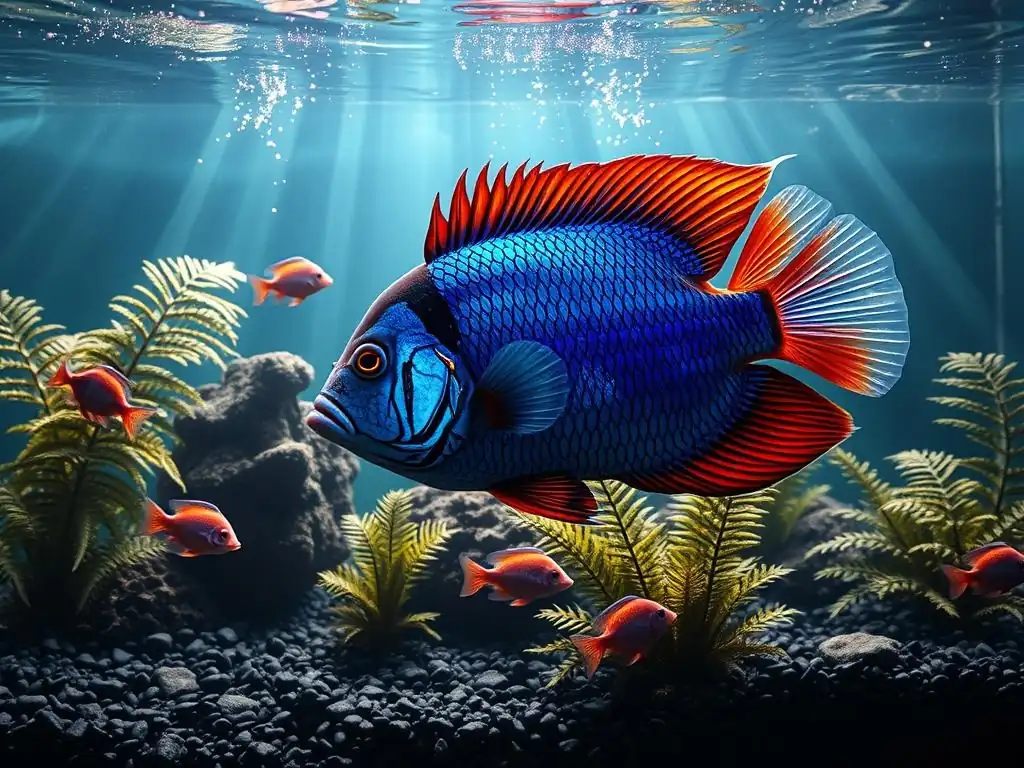
Welcome to Aquarium Mastery, fellow aquarist!
Intrigued by managing aggression in your Featherfin cichlid tank? You're in the right place! Understanding the social dynamics of these fascinating fish is crucial for a thriving aquarium. Dive in to discover practical solutions and expert advice to create a peaceful and harmonious environment for your finned friends. Let's unlock the secrets to a stress-free Featherfin cichlid community, together!
- Managing Aggression in Featherfin Cichlid Tanks: Aquarium Mastery Guide
- Understanding Featherfin Cichlid Aggression: A Key to Peaceful Tanks
-
Featherfin Cichlid Aggression Solutions: Effective Strategies for Tank Harmony
- Optimizing Tank Size and Layout for Reduced Featherfin Cichlid Aggression
- Controlling Featherfin Cichlid Aggression Through Stocking Strategies
- Managing Water Quality to Reduce Featherfin Cichlid Stress and Aggression
- Dietary Considerations: How Food Impacts Featherfin Cichlid Behavior
- Featherfin Cichlid Breeding Aggression: Managing Spawning Behaviors
- Addressing Aggression in Established Featherfin Cichlid Tanks: Troubleshooting
- Long-Term Prevention of Featherfin Cichlid Aggression: Sustainable Strategies
-
Frequently Asked Questions
- How aggressive are Featherfin Cichlids typically?
- What is the minimum tank size recommended for a Featherfin Cichlid?
- What are some effective strategies for reducing aggression in a Featherfin Cichlid tank?
- What type of fish can be kept with Featherfin Cichlids without causing excessive aggression?
- How important is water quality in managing Featherfin Cichlid aggression?
- Final Reflection: Cultivating Harmony in the Aquarium
- Unlock a Peaceful Cichlid Paradise
Managing Aggression in Featherfin Cichlid Tanks: Aquarium Mastery Guide
Understanding Featherfin Cichlid Aggression: A Key to Peaceful Tanks
Identifying Aggression in Featherfin Cichlids: Signs and Symptoms
Featherfin cichlids, primarily species within the Cyprichromis genus from Lake Tanganyika, exhibit various signs when aggression is present in their aquarium. Subtle indicators often include frequent fin nipping, particularly targeting the caudal (tail) and dorsal fins of tank mates. You might also observe rapid color changes, where a dominant male intensifies its hues while a submissive individual may pale significantly or display stress bars. Chasing, though not always resulting in physical contact, becomes more persistent and prolonged, forcing the bullied fish to constantly seek refuge among decor or in open water.
More overt and problematic signs of Featherfin cichlid aggression include direct attacks leading to physical injuries such as torn fins, missing scales, or even lesions on the body. Severely stressed fish may develop clamped fins, exhibit erratic swimming patterns, or spend excessive time hiding, refusing to eat. In extreme cases, chronic aggression can lead to the death of weaker individuals due to stress, starvation, or sustained injury. Recognizing these signs early is crucial for implementing effective Featherfin cichlid aggression solutions.
Why Are My Featherfin Cichlids Fighting? Common Causes of Aggression
The primary driver behind Featherfin cichlid aggression is often territoriality, especially among males vying for breeding rights or prime open-water real estate. While Featherfins are largely open-water swimmers, dominant males will establish vertical columns in the water column as their territory, aggressively defending it from rivals. Insufficient tank space or a lack of visual barriers can exacerbate this, as submissive fish have nowhere to escape the view of the aggressor, leading to constant confrontation.
Other significant causes include improper stocking ratios, particularly an imbalanced male-to-female ratio where too many males compete for too few females, or even a lack of sufficient numbers to dilute aggression across a larger group. Incompatible tank mates, especially those that are overly aggressive, too large, or occupy the same water column space, can also trigger stress and defensive aggression. Furthermore, suboptimal water quality, including fluctuating parameters or high nitrate levels, can stress fish, making them more irritable and prone to aggressive displays.
Featherfin Cichlid Aggression Solutions: Effective Strategies for Tank Harmony
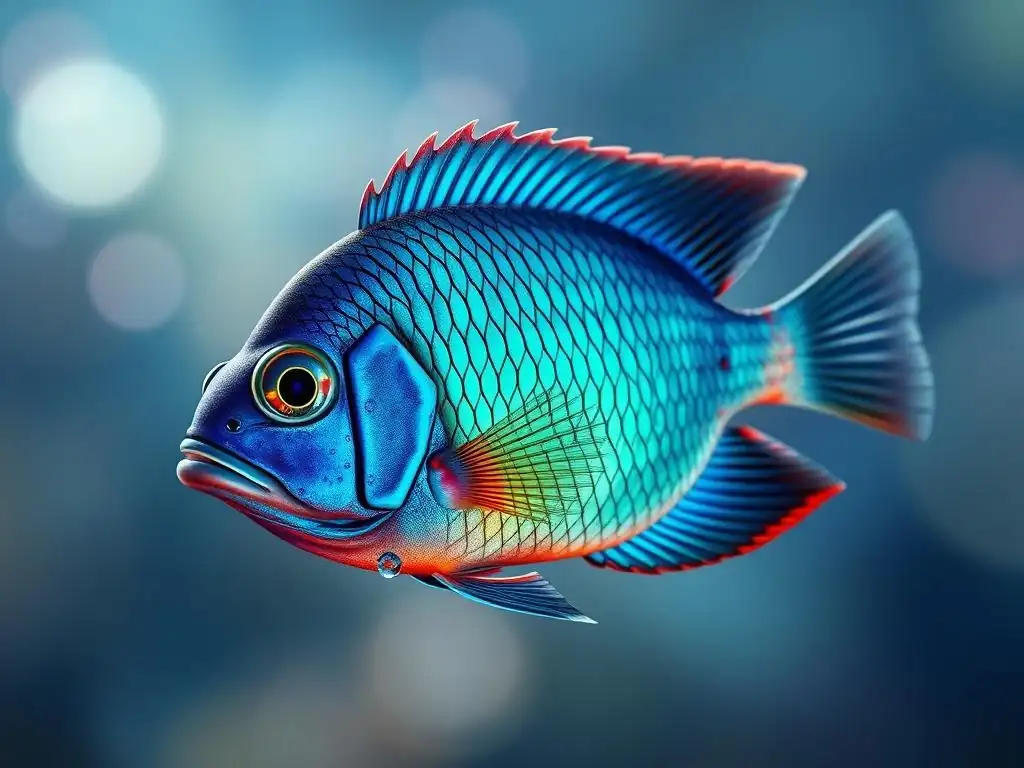
Optimizing Tank Size and Layout for Reduced Featherfin Cichlid Aggression
The Importance of Territory: Creating Distinct Zones in the Aquarium
For Featherfin cichlids, providing ample vertical and horizontal swimming space is paramount to minimizing aggression. A minimum tank size of 75 gallons (approximately 284 liters) is generally recommended for a small group of Cyprichromis, such as 6-8 individuals, with larger tanks being preferable for bigger groups or mixed communities. While they primarily inhabit the open water, dominant males will claim "vertical territories." Creating distinct, open swimming zones allows multiple males to establish their own areas without constant encroachment, effectively diluting territorial disputes and acting as a primary Featherfin cichlid aggression solution.
These distinct zones can be achieved by carefully planning the placement of decor to naturally segment the open water. For instance, creating two or three large, unobstructed swimming areas separated by tall rock structures or strategically placed tall plants can help. This allows subdominant males or females to escape the line of sight of a dominant male, reducing stress and preventing prolonged chasing. The goal is to provide enough personal space for each individual to feel secure without constantly challenging a more dominant fish.
Rockwork and Decor: Minimizing Confrontations with Visual Barriers
While Featherfin cichlids are not rock-dwellers in the same vein as some other Tanganyikan species, strategically placed rockwork and decor are vital for providing visual barriers and refuge. Tall, slender rock structures, such as those made from lace rock or Texas holey rock, can be arranged to create vertical "pillars" that break up the line of sight across the tank. These structures don't necessarily need to offer caves for hiding but should serve as visual obstructions.
Consider designing the tank with multiple, albeit distinct, open areas, with decor acting as natural dividers. For example, a large central rock formation could divide the tank into two or three primary swimming zones. This prevents a single dominant male from seeing and harassing all other males simultaneously. Even tall, robust artificial plants or PVC pipes carefully disguised can serve this purpose, offering safe zones and contributing significantly to long-term Featherfin cichlid aggression solutions.
Controlling Featherfin Cichlid Aggression Through Stocking Strategies
Choosing the Right Number of Featherfin Cichlids: Avoiding Overcrowding
Featherfin cichlids, particularly Cyprichromis species, are schooling fish by nature, and keeping them in appropriate group sizes is a critical Featherfin cichlid aggression solution. A minimum group of 6-10 individuals is often recommended; keeping fewer can concentrate aggression onto one or two individuals, leading to severe bullying. When kept in larger groups, aggression is typically dispersed among many fish, reducing the intensity of attacks on any single individual.
The common recommendation for Cyprichromis is to maintain a ratio of approximately 1 male to 3-4 females. This ensures that a dominant male has multiple females to court, preventing him from relentlessly harassing a single female or other males.
Overcrowding, conversely, can also lead to increased aggression due to limited space and heightened competition for resources. While it might seem counterintuitive, adding too many fish to a tank that is already at its capacity can stress all inhabitants, making them more prone to aggressive displays. Therefore, finding the right balance – enough fish to dilute aggression, but not so many that the tank becomes overstocked – is key. For example, in a 75-gallon tank, a group of 8-10 Featherfins with a healthy male-to-female ratio (e.g., 2 males, 6 females) often works well.
Selecting Compatible Tank Mates: Fish That Coexist Peacefully with Featherfins
Understanding Featherfin Cichlid Compatibility: Mbuna, Synodontis Catfish, Julidochromis
When selecting tank mates for Featherfin cichlids, it is crucial to choose species that share similar water parameter requirements but occupy different niches within the aquarium to minimize competition and aggression. Avoid highly aggressive, boisterous, or bottom-dwelling cichlids like Mbuna from Lake Malawi, as their territorial nature and different dietary needs (often herbivorous) make them unsuitable companions for the peaceful, open-water Featherfins. Mbuna are known for their relentless aggression and would quickly stress or injure Cyprichromis.
Instead, focus on peaceful Tanganyikan cichlids that inhabit the rockwork or substrate, leaving the open water to the Featherfins. Excellent choices include various Julidochromis species (e.g., Julidochromis regani, J. marlieri, or J. transcriptus), which are rock-dwelling cichlids that will establish territories among the decor without competing directly with Featherfins for swimming space.
Similarly, peaceful scavenger catfish like Synodontis multipunctatus or other Tanganyikan Synodontis species are good additions. These catfish are active primarily at night and occupy the lower regions of the tank, further reducing direct competition and contributing to an overall peaceful community as part of comprehensive Featherfin cichlid aggression solutions.
Managing Water Quality to Reduce Featherfin Cichlid Stress and Aggression
Water Parameters and Aggression: The Link Between Water Chemistry and Behavior
Maintaining pristine and stable water parameters is fundamental to reducing stress and, consequently, aggression in Featherfin cichlids. These fish originate from Lake Tanganyika, which is characterized by very stable, hard, and alkaline water. Ideal parameters include a pH range of 8.0-9.0, a general hardness (GH) of 10-20 dGH, and a carbonate hardness (KH) of 10-15 dKH. Any significant fluctuation outside these ranges, or the presence of ammonia or nitrite, can induce severe stress. Stressed fish are more susceptible to disease and often display heightened aggression as a response to their discomfort.
High nitrate levels (above 20 ppm) are also a common stressor that can indirectly contribute to aggression. While Featherfins are relatively hardy, prolonged exposure to suboptimal water conditions weakens their immune systems and makes them irritable. This irritability can manifest as increased chasing, fin nipping, or general intolerance towards tank mates. Therefore, consistent monitoring and maintenance of these specific water parameters are not just about health, but also a crucial Featherfin cichlid aggression solution.
Regular Water Changes: Maintaining a Healthy Environment for Featherfins
Regular and consistent water changes are indispensable for maintaining the stable, high-quality water that Featherfin cichlids thrive in. A recommended routine involves performing weekly or bi-weekly water changes of 25-30% of the tank volume. This practice effectively removes accumulated nitrates, replenishes essential minerals, and helps buffer the water to maintain the desired pH and hardness levels. Neglecting water changes allows toxins to build up and parameters to drift, leading to stress-induced aggression.
When performing water changes, it is vital to ensure that the new water is dechlorinated and matches the temperature and, as closely as possible, the pH and hardness of the existing tank water. Sudden shifts in temperature or chemistry can shock the fish, leading to immediate stress responses that can trigger or exacerbate aggressive behaviors. Using a reliable water conditioner and testing the new water before adding it to the tank are simple yet critical steps in preventing stress and promoting a harmonious environment, serving as a proactive Featherfin cichlid aggression solution.
Dietary Considerations: How Food Impacts Featherfin Cichlid Behavior
Proper Nutrition: Providing a Balanced Diet to Minimize Aggression
Featherfin cichlids are primarily planktivores in their natural habitat, feeding on zooplankton in the open water. Therefore, providing a diet that closely mimics this natural feeding habit is crucial for their health and temperament. A high-quality flake food or small pellet specifically formulated for cichlids should form the bulk of their diet. This should be supplemented with frozen or live foods such as brine shrimp, daphnia, cyclops, or small mysis shrimp. Avoid feeding large, meaty foods or high-protein foods designed for carnivorous cichlids, as this can lead to digestive issues and potentially contribute to aggression.
Nutritional deficiencies or an inappropriate diet can lead to a variety of health problems, including weakened immune systems and lethargy. A fish that is not receiving proper nutrition is more likely to be stressed, irritable, and less resilient to social pressures within the tank. This stress can manifest as increased aggression towards tank mates, or conversely, make them more susceptible to bullying from dominant individuals. Ensuring a varied and balanced diet is a straightforward yet effective Featherfin cichlid aggression solution.
Feeding Strategies: Reducing Competition for Food
The way you feed your Featherfin cichlids can significantly impact their social dynamics and reduce competition-driven aggression. Instead of a single large feeding, opt for multiple small feedings throughout the day (e.g., 2-3 times). This ensures that all fish, including subdominant individuals, have ample opportunity to eat without frantic competition. It also prevents dominant fish from monopolizing the food supply.
Furthermore, dispersing the food over a wide area of the tank surface, rather than dropping it all in one spot, can help. This forces the fish to spread out to feed, reducing direct competition and allowing shy or less dominant individuals to get their share. For larger groups, using multiple feeding points or feeding simultaneously from different ends of the tank can further alleviate food-related aggression. This simple adjustment in feeding strategy is a practical Featherfin cichlid aggression solution that promotes a more peaceful feeding environment.
Featherfin Cichlid Breeding Aggression: Managing Spawning Behaviors
Identifying Breeding Behavior: Understanding Territoriality and Mating Rituals
During breeding periods, male Featherfin cichlids exhibit heightened territoriality and more intense colors. They will often display their fins prominently, shimmering and quivering to attract females. Females, in turn, may become more receptive or, conversely, seek out specific spawning sites, often a flat rock or a clear patch of substrate. Males will aggressively defend their chosen spawning territory from other males and sometimes from non-receptive females. This surge in aggression is a natural part of their reproductive cycle and is typically temporary, lasting as long as the eggs or fry are being protected.
Recognizing these behaviors is important for understanding the root cause of the increased aggression. While it's a natural instinct, it can still lead to stress for other tank inhabitants if the breeding pair's territory infringes too much on existing dynamics. Observing the male's focus on a particular area and the female's presence there can confirm breeding activity. This understanding is the first step in applying targeted Featherfin cichlid aggression solutions for spawning fish.
Creating a Breeding Setup: Providing Adequate Space and Resources
For serious breeders, or if aggression becomes problematic during spawning, setting up a dedicated breeding tank can be an effective Featherfin cichlid aggression solution. A separate tank allows the breeding pair to focus on their offspring without the stress of defending against other tank mates. If breeding in a community tank, ensuring ample space and providing multiple potential spawning sites can help. Featherfins are mouthbrooders, so the female will carry the eggs and fry in her mouth.
Providing a variety of flat rocks or even small ceramic tiles on the substrate can give the pair options for spawning locations, potentially diffusing competition for prime spots. Ensure there are plenty of visual barriers and hiding spots for other tank inhabitants, allowing them to escape the temporary territorial zeal of the breeding pair. This strategic setup helps manage the natural increase in aggression associated with reproduction, promoting a more harmonious environment for all fish.
Addressing Aggression in Established Featherfin Cichlid Tanks: Troubleshooting
Observing and Identifying the Aggressor: Pinpointing the Source of the Problem
When aggression suddenly escalates in an established Featherfin cichlid tank, the first step is careful, prolonged observation to identify the specific individual or individuals initiating the aggression. Spend time quietly watching the tank dynamics. Note which fish is chasing, nipping, or displaying dominance. Is it a particular male? Is it a new fish?
Is it a fish that has recently matured? Pay attention to its size, color intensity, and consistent patterns of aggression. Sometimes, the "victim" might inadvertently be provoking the aggressor by repeatedly encroaching on established territories. Pinpointing the exact source is crucial for effective Featherfin cichlid aggression solutions.
This observation period might need to span several hours or even days to accurately determine the primary aggressor and the nature of the conflict. It’s important not to jump to conclusions, as sometimes a fish that appears to be the victim might actually be the one instigating subtle challenges. Understanding the full dynamic allows for a targeted intervention rather than a generalized approach that may not solve the underlying issue.
Re-arranging the Tank: Disrupting Established Territories
One of the most effective short-term Featherfin cichlid aggression solutions for an established tank is to completely re-arrange the interior decor. Fish, especially cichlids, establish territories based on the existing layout of rocks, plants, and open spaces. By moving all the decor and replacing it in a new configuration, you effectively "reset" all established territories. This disorients the aggressor, forcing it to establish new boundaries and pecking orders, which often leads to a temporary reduction in aggression.
Consider moving all rocks, wood, and even large plants. Clean the substrate if necessary. Then, re-introduce the decor in a completely different pattern. This strategy works because the dominant fish's established "map" of the tank is erased, and it has to spend time re-evaluating its surroundings rather than harassing tank mates. While aggression may eventually resume as new territories are formed, this method often provides a crucial period of peace, allowing stressed fish to recover and a more balanced social structure to emerge.
Temporary Separation: Isolating Aggressive Individuals
If re-arranging the tank does not sufficiently reduce aggression, or if an individual fish is particularly relentless, temporary separation of the aggressor can be a necessary Featherfin cichlid aggression solution. This can be achieved by placing the aggressive fish in a tank divider for a few days or, ideally, moving it to a separate quarantine or "time-out" tank. This isolation allows the bullied fish in the main tank to recover from stress and injuries, and the aggressor to lose its dominant position within the group.
The duration of separation can vary, typically from a few days to a week. Upon reintroduction, the aggressor may no longer be the top fish, or the existing pecking order may have been sufficiently disrupted to prevent a return to severe bullying. However, it's important to note that aggression can sometimes resume upon reintroduction, especially if the underlying causes (e.g., overcrowding, unsuitable tank mates) are not addressed. This method is often a last resort before considering permanent removal or rehoming of a persistently aggressive individual.
Long-Term Prevention of Featherfin Cichlid Aggression: Sustainable Strategies
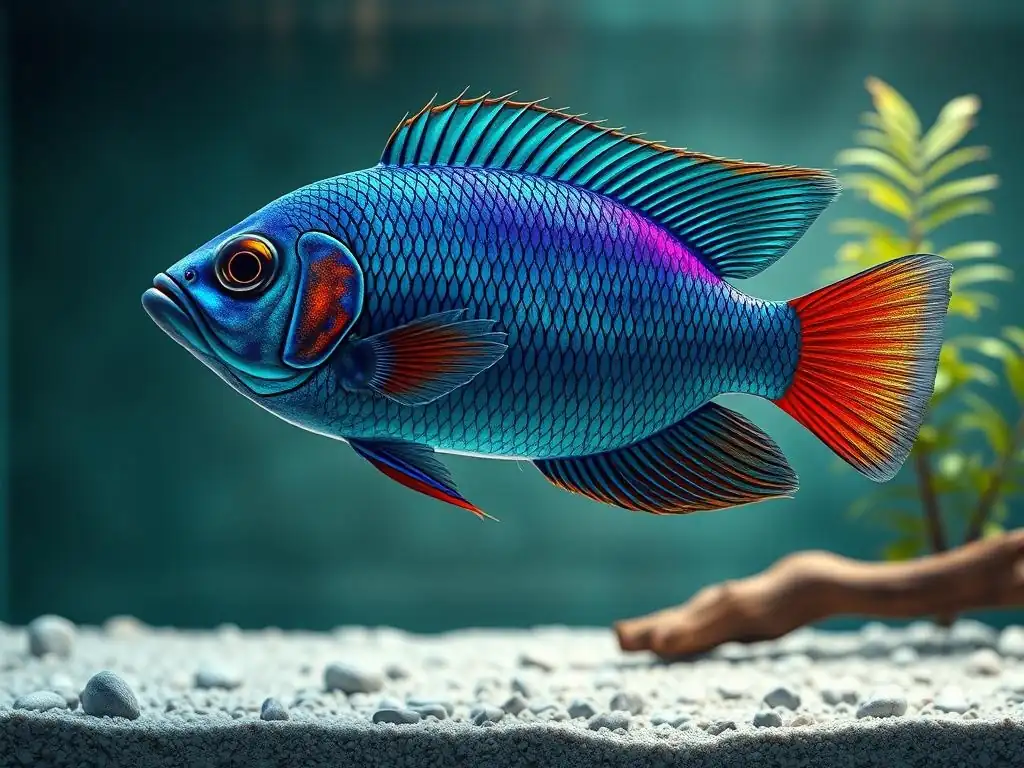
Regular Monitoring: Keeping an Eye on Tank Dynamics
Long-term prevention of Featherfin cichlid aggression relies heavily on consistent and diligent observation of your aquarium. Daily monitoring of fish behavior, fin condition, and overall activity levels is crucial. Pay attention to subtle changes: a fish suddenly hiding more, a slight fraying of fins, or a shift in the male-to-female interaction. Early detection of these signs allows for prompt intervention before minor skirmishes escalate into serious conflicts.
Understand that the dynamics of a fish tank can change over time. Fish mature, establish new social hierarchies, or react differently to environmental shifts. A tank that was peaceful for months might suddenly experience aggression. Regular monitoring helps you understand these evolving dynamics and allows you to proactively adjust strategies, ensuring that minor issues are addressed before they become major problems, proving to be an invaluable Featherfin cichlid aggression solution.
Adjusting Strategies as Needed: Adapting to Changing Tank Conditions
Maintaining a harmonious Featherfin cichlid tank is not a one-time setup; it's an ongoing process of adaptation and adjustment. Be prepared to modify your strategies as needed, based on the evolving conditions within your aquarium. If you notice a particular male becoming overly dominant, you might need to add more females to dilute his aggression, or even consider adjusting the tank decor again to create new territories. Similarly, if water parameters begin to drift, immediate corrective action is necessary.
Flexibility and responsiveness are key to long-term success in managing Featherfin cichlid aggression. This might involve refining your feeding schedule, adding more visual barriers, or even re-evaluating your stocking list if certain tank mates prove incompatible in the long run. Embracing this adaptive approach ensures that you can proactively address potential sources of aggression and maintain a stable, thriving environment for your fish.
The Importance of Patience: Achieving Long-Term Harmony in Your Featherfin Cichlid Tank
Ultimately, achieving and maintaining long-term harmony in a Featherfin cichlid tank requires a significant amount of patience. Fish need time to adjust to their new environment, establish their social structure, and settle into a routine. Introducing new fish, making changes to decor, or even just waiting for juveniles to mature can all temporarily disrupt the tank's peace. Rushing interventions or expecting immediate results can sometimes exacerbate problems rather than solve them.
Consistent application of the Featherfin cichlid aggression solutions discussed – optimizing tank size and layout, careful stocking, maintaining pristine water quality, and appropriate feeding strategies – combined with a patient approach, will lead to a more stable and peaceful environment. Understanding that fish behavior is complex and dynamic allows you to approach challenges with a calm and measured response, leading to a truly thriving and harmonious Featherfin cichlid aquarium.
Frequently Asked Questions
How aggressive are Featherfin Cichlids typically?
Featherfin Cichlids are known to be moderately aggressive, particularly towards similarly sized and shaped fish. This aggression is often amplified in smaller tanks.
What is the minimum tank size recommended for a Featherfin Cichlid?
To minimize aggression, a tank of at least 75 gallons is recommended for a single Featherfin Cichlid, and larger tanks are necessary for multiple individuals or tank mates.
What are some effective strategies for reducing aggression in a Featherfin Cichlid tank?
Overcrowding the tank slightly with dither fish can help diffuse aggression. Providing plenty of hiding places and visual barriers is also crucial.
What type of fish can be kept with Featherfin Cichlids without causing excessive aggression?
Consider robust, fast-moving fish that can hold their own, such as larger tetras or some species of barbs. Avoid slow-moving or docile fish that will be easily bullied.
How important is water quality in managing Featherfin Cichlid aggression?
Maintaining pristine water quality is essential. Poor water conditions can stress fish, leading to increased aggression and susceptibility to disease.
Final Reflection: Cultivating Harmony in the Aquarium
The insights shared throughout this article highlight the crucial need for proactive featherfin cichlid aggression solutions, especially given the increasing popularity of these captivating, yet often challenging, fish in home aquariums. Understanding and implementing the strategies discussed – from tank size and aquascaping to careful selection of tank mates – is not merely about keeping fish alive; it's about fostering a thriving, balanced ecosystem within the confines of glass. The well-being of these magnificent creatures, and the enjoyment of their keepers, hinges on our commitment to responsible fishkeeping practices.
This journey into the dynamics of featherfin cichlid aggression has underscored the profound impact we have on the lives of the animals in our care. It's a responsibility that extends beyond simply providing food and water; it demands empathy, observation, and a willingness to adapt our approaches as needed. As we strive to create harmonious environments for these fish, we learn valuable lessons about patience, understanding, and the interconnectedness of life. The greatness of a nation and its moral progress can be judged by the way its animals are treated.
- Mahatma Gandhi. This quote resonates deeply when considering the ethical dimensions of aquascaping and fishkeeping, urging us to prioritize the well-being of our aquatic companions.
Now, as you step away from this article, consider the role you play in shaping the lives of the creatures around you. Whether you're a seasoned aquarist or just beginning your journey, I encourage you to reflect on the principles we've explored. Apply these featherfin cichlid aggression solutions not just to your tanks, but to your approach to all living beings. By embracing empathy and understanding, you can create a more harmonious and fulfilling world, one aquarium – and one interaction – at a time.
Unlock a Peaceful Cichlid Paradise
Thanks for diving into the world of Featherfin Cichlids! We hope you've gained valuable insights into managing aggression in your tank. Now, let's turn that knowledge into action and create a thriving, harmonious environment for your finned friends.
Here are some immediate steps you can take:
- Prioritize re-evaluating your tank's layout this weekend. Experiment with new rock formations and hiding spots to disrupt established territories and reduce aggression hotspots.
- Consider introducing a school of dither fish – small, active species that help diffuse aggression by distracting the Cichlids and acting as a natural stress reliever.
- Share your unique tank setup ideas with the Aquarium Mastery community – what unconventional decorations or layout tricks have worked for you in minimizing aggression?
What's the first, small change you'll make to your Featherfin Cichlid tank this week to promote peace and harmony?