
Acclimating Your New Lionfish: StressFree Introduction to the Tank

Welcome to Aquarium Mastery, your ultimate guide to thriving aquatic ecosystems!
Ever wondered how to ensure a smooth transition for your new Lionfish into its forever home? Unveiling the secrets to stress-free acclimation is just the beginning. Discover proven methods and expert tips in our comprehensive guide below, and unlock the full potential of your saltwater aquarium. Let's dive in!
- Acclimating Your New Volitan Lionfish: Stress-Free Introduction to the Reef Tank
- Introduction to Volitan Lionfish Acclimation: Ensuring a Smooth Transition
- Preparing for Your Volitan Lionfish's Arrival: Setting the Stage for Success
- Step-by-Step Volitan Lionfish Acclimation Guide: A Stress-Free Method
- Monitoring Your Volitan Lionfish Post-Acclimation: Identifying and Addressing Stress Signs
- Pro Tips for Successful Volitan Lionfish Acclimation: Beyond the Basics
- Long-Term Volitan Lionfish Care: Maintaining a Stress-Free Environment
- Conclusion: Ensuring a Thriving Volitan Lionfish in Your Aquarium
-
Frequently Asked Questions
- How long should I float the bag containing my new lionfish in the aquarium before releasing it?
- What water parameters are most important to monitor during lionfish acclimation?
- Should I use a drip acclimation method for my new lionfish?
- What are some signs of stress in a newly acclimated lionfish?
- How long should I wait before feeding my new lionfish after acclimation?
- Final Reflection: Embracing Harmony in the Aquarium
- Unleash the Majesty: Prepare Your Lionfish Sanctuary!
Acclimating Your New Volitan Lionfish: Stress-Free Introduction to the Reef Tank
Introduction to Volitan Lionfish Acclimation: Ensuring a Smooth Transition
Why Proper Volitan Lionfish Acclimation is Crucial for Reef Tank Health
Proper acclimation is the cornerstone of success when introducing any new aquatic inhabitant, and for a magnificent predatory fish like the Volitan Lionfish (Pterois volitans), it is absolutely critical. These captivating creatures, while hardy once established, are highly susceptible to stress during the transition from the dealer's tank to your home aquarium. The sudden changes in water parameters, light, and environment can trigger a cascade of physiological responses, including a compromised immune system and osmotic shock.
Without a meticulous lionfish acclimation stressfree guide, the chances of your new specimen succumbing to disease or succumbing to stress-related mortality within the first few weeks increase dramatically. Anecdotal evidence among experienced aquarists suggests that up to 40% of new fish losses in saltwater aquariums occur within the first month due to improper acclimation and subsequent stress. This emphasizes why a controlled and gradual introduction is not merely a recommendation but a vital prerequisite for the long-term health and survival of your Volitan Lionfish.
The Importance of Minimizing Stress During Volitan Lionfish Introduction
Minimizing stress during the introduction of your Volitan Lionfish directly correlates with its ability to thrive in its new environment. Stress manifests in various ways, such as faded coloration, clamped fins, erratic swimming, and a refusal to eat, all of which indicate a fish struggling to adapt. An overly stressed lionfish is not only more prone to contracting common saltwater ailments like Ich (Cryptocaryon irritans) or Velvet (Amyloodinium ocellatum) but also may fail to integrate properly into your existing reef ecosystem.
A truly stressfree lionfish acclimation process enhances the fish's natural resilience, allowing its immune system to function optimally. By carefully managing the environmental shift, you enable the lionfish's osmoregulation — the process of maintaining internal salt and water balance — to adjust gradually. This methodical approach ensures that the fish settles in comfortably, begins feeding promptly, and showcases its vibrant colors and characteristic graceful movements, becoming a healthy and captivating focal point of your tank.
Preparing for Your Volitan Lionfish's Arrival: Setting the Stage for Success
Quarantine Tank Setup: A Vital First Step for New Lionfish
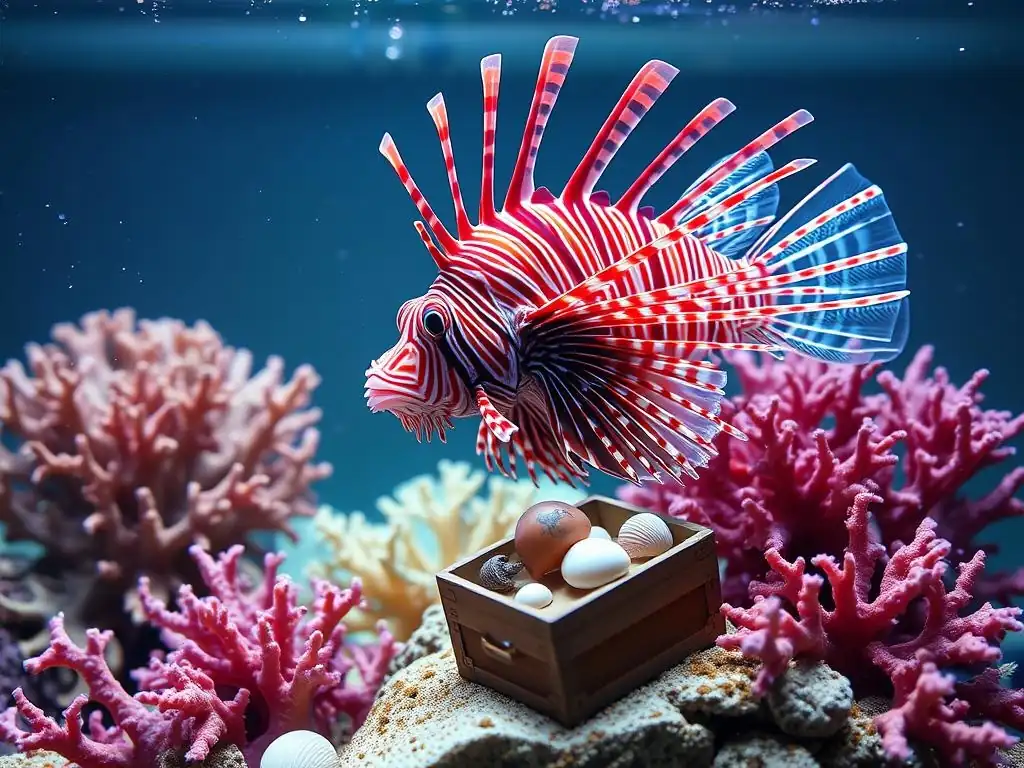
Setting up a dedicated quarantine tank (QT) is an indispensable first step before your Volitan Lionfish even arrives. For a predatory species like the lionfish, which can carry parasites or diseases without showing immediate symptoms, a QT acts as a vital isolation ward. This allows you to observe the fish for any signs of illness, treat it if necessary, and ensure it is eating well before introducing it to your main display tank, thereby safeguarding the health of your existing aquatic community.
A suitable quarantine tank for a juvenile Volitan Lionfish should be at least 20-30 gallons, though larger is always better for adult specimens. Keep the setup simple: a heater to maintain stable temperature (around 78°F or 25.5°C), a sponge filter or hang-on-back filter for biological and mechanical filtration, and a few PVC pipes or inert plastic decor pieces for hiding spots. Avoid substrate, as it can trap waste and medication, making cleaning and treatment more challenging. This foundational quarantine tank setup for lionfish is a cornerstone of any stressfree guide.
Water Parameter Matching: Replicating the Lionfish's Original Environment
The success of your lionfish acclimation stressfree guide hinges significantly on the precise matching of water parameters between the transport water and your quarantine tank. Abrupt changes in salinity, temperature, or pH can cause severe osmotic shock, which is a leading cause of stress and mortality in newly acquired marine fish. Your goal is to make the transition as seamless as possible, mimicking the water conditions the lionfish has been accustomed to.
Ideal water parameters for a Volitan Lionfish include a stable salinity of 1.020-1.025 specific gravity (SG), a temperature range of 75-80°F (24-27°C), and a pH between 8.1 and 8.4. Before beginning the acclimation process, ensure your quarantine tank's water parameters are within these optimal ranges and ideally match those of the water the fish arrived in. This meticulous attention to detail minimizes physiological shock and provides the best possible start for your new predatory addition.
Gathering Essential Acclimation Supplies: Salinity Refractometer, Thermometer, Drip Acclimation Kit, Quarantine Tank, Air Stone
To execute a truly stressfree lionfish acclimation, having the right tools on hand is non-negotiable. Each item serves a specific purpose in ensuring a smooth and safe transition for your new Volitan Lionfish.
- Salinity Refractometer: Far more accurate than a traditional hydrometer, a refractometer provides precise readings of your water's specific gravity, which is crucial for matching parameters.
- Thermometer: A reliable aquarium thermometer is essential for monitoring and ensuring stable temperature conditions in both the transport bag and the quarantine tank.
- Drip Acclimation Kit: Typically consisting of airline tubing and an air control valve, this kit facilitates the slow, controlled introduction of your tank water into the fish's temporary container, gradually equalizing parameters.
- Quarantine Tank: As previously discussed, this dedicated tank provides a safe, isolated environment for observation and recovery.
- Air Stone: An air stone connected to an air pump ensures adequate oxygenation in the temporary acclimation container, preventing oxygen deprivation during the extended drip acclimation process.
Step-by-Step Volitan Lionfish Acclimation Guide: A Stress-Free Method
Step 1: Temperature Acclimation - Floating the Bag
The very first step in this stress-free lionfish acclimation guide focuses on temperature equalization. Upon receiving your Volitan Lionfish, immediately turn off the main aquarium lights, or at least dim them significantly. Carefully place the sealed transport bag containing the lionfish directly into your quarantine tank. Ensure the entire bag is submerged and floating freely, allowing the water temperature inside the bag to slowly adjust to that of your quarantine tank.
Allow the bag to float for approximately 15 to 20 minutes. During this period, the temperatures will gradually equalize, preventing a sudden thermal shock when the fish is eventually introduced to the new water. It is crucial not to open the bag at this stage, as doing so would allow air exchange and a rapid pH shift, which can be detrimental. This simple initial step sets the stage for a much smoother transition.
Step 2: Drip Acclimation - Slowly Introducing Tank Water
Drip acclimation is the superior method for sensitive marine fish like the Volitan Lionfish, as it allows for a very gradual adjustment to new water parameters, primarily salinity and pH. Unlike methods that involve rapidly mixing water, drip acclimation minimizes osmotic shock, which is a major stressor for fish. This process can take anywhere from 45 minutes to over an hour, depending on the initial difference in water parameters.
Setting Up a Drip Acclimation System for Volitan Lionfish
To set up a drip acclimation system for your Volitan Lionfish, first, carefully open the transport bag and gently roll down the edges to create a floatable rim. Place the lionfish and its original water into a clean, appropriately sized bucket or container that is large enough to hold at least double the original water volume. Position this container on the floor or a stable surface below your quarantine tank.
Next, take a piece of airline tubing and tie a loose knot in it, or use an airline control valve, to regulate the flow. Submerge one end of the tubing into your quarantine tank and use a siphon to start a slow drip of water into the bucket containing the lionfish. Aim for a drip rate of about 1 to 2 drops per second. The goal is to slowly double the volume of water in the bucket over a period of 45 to 60 minutes, allowing the lionfish to gradually adapt to the new water chemistry.
Monitoring Water Parameters During Drip Acclimation
Throughout the drip acclimation process, it is vital to continuously monitor the water parameters in the acclimation bucket. Periodically, use your refractometer to check the salinity and your thermometer to confirm the temperature. While the temperature should have equalized during the initial bag floating, the salinity will be gradually increasing as your quarantine tank water drips in.
The objective is to slowly bring the salinity in the bucket as close as possible to that of your quarantine tank. As the water volume in the bucket increases, you may need to remove some water to prevent overflow, but be careful not to remove the lionfish. This discarded water should never be added to your main tank or quarantine tank, as it may contain ammonia buildup from transport or potential pathogens.
Step 3: Introducing the Volitan Lionfish to the Quarantine Tank
Once the drip acclimation process is complete and the water parameters in the bucket closely match those of your quarantine tank, it's time for the final transfer. Carefully net the Volitan Lionfish from the acclimation bucket, taking extreme caution to avoid direct contact with its venomous dorsal spines. Use a fine-mesh net and be gentle, as rough handling can cause additional stress or injury.
Immediately transfer the netted lionfish to the quarantine tank. Do not pour the water from the acclimation bucket into your quarantine tank, as this water is now diluted and potentially contaminated with waste products from transport. Once the lionfish is in the QT, keep the lights dim for the first few hours, providing a calm and secure environment for it to explore and find hiding spots.
Observing Your Lionfish's Behavior Post-Acclimation
After the transfer, take some time to observe your Volitan Lionfish's immediate behavior. Initially, it is common for the fish to be shy, perhaps hiding among the PVC pipes or rockwork you've provided. Look for signs of normal swimming, upright posture, and overall alertness. A healthy, well-acclimated lionfish should begin to explore its new surroundings within a few hours, albeit cautiously.
Conversely, be vigilant for any signs of continued stress, such as rapid or labored breathing, darting movements, rubbing against objects, or staying motionless at the surface or bottom. While some shyness is expected, prolonged signs of distress indicate that the acclimation may not have been entirely stressfree and warrant closer monitoring and potential intervention.
Monitoring Your Volitan Lionfish Post-Acclimation: Identifying and Addressing Stress Signs
Recognizing Signs of Stress in Newly Acclimated Volitan Lionfish
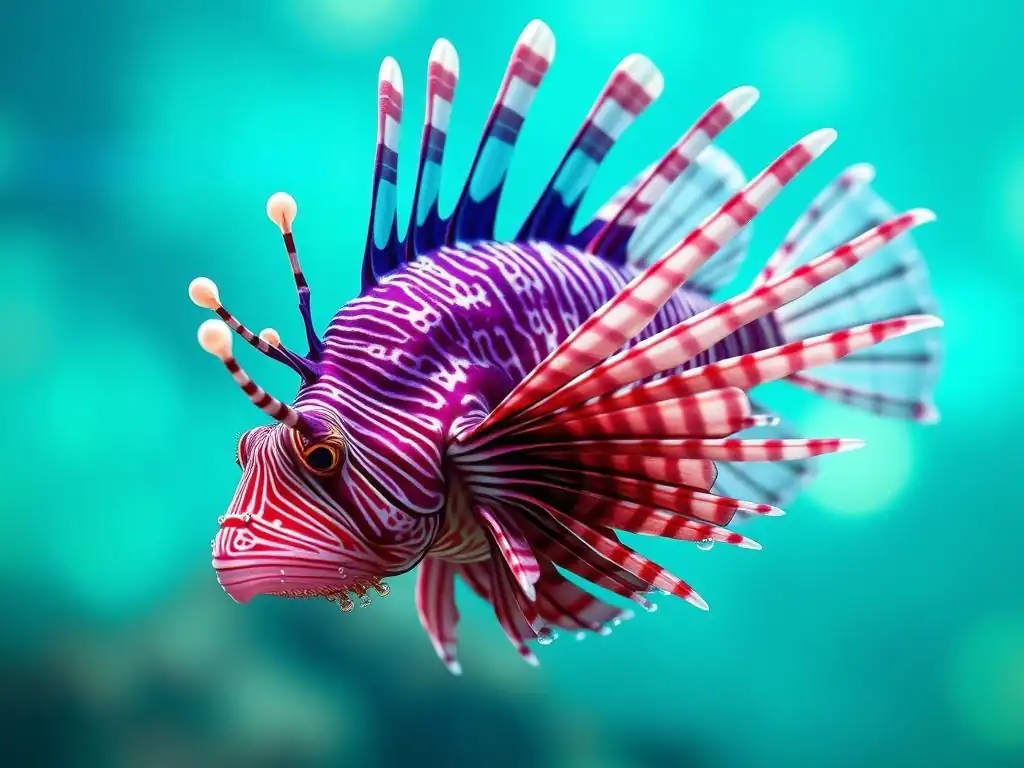
Even after a meticulous lionfish acclimation stressfree guide is followed, it’s crucial to diligently monitor your new Volitan Lionfish for any lingering signs of stress. Early recognition can prevent minor issues from escalating into serious health problems. Look for the following indicators:
- Labored or Rapid Breathing: Gills moving excessively fast, or the fish appearing to gasp at the surface.
- Faded or Darkened Coloration: A healthy lionfish displays vibrant, distinct patterns. Stress can cause colors to dull, lighten, or darken abnormally.
- Clamped Fins or Folded Dorsal Spines: Fins held tightly against the body, or the characteristic dorsal spines not erect when the fish is active.
- Erratic Swimming or Rubbing: Darting movements, swimming into tank walls, or rubbing its body against decor or substrate (often a sign of parasites).
- Excessive Hiding or Lethargy: Remaining motionless in one spot for extended periods, or refusing to come out even for feeding.
- Lack of Appetite: Refusing to eat offered food for more than 24-48 hours after introduction.
Common Post-Acclimation Issues and How to Address Them
Despite best efforts, stress can weaken a lionfish's immune system, making it susceptible to common ailments. Being prepared to address these issues is part of a comprehensive stressfree guide for lionfish care.
Ich (White Spot Disease) and Fin Rot
Ich (Cryptocaryon irritans): This highly common parasitic infection often manifests as tiny white spots resembling salt grains on the fish's body and fins. It's frequently triggered by stress. For Volitan Lionfish, which are generally copper-tolerant, a copper-based medication (e.g., Cupramine, following precise dosing instructions and monitoring copper levels with a test kit) in the quarantine tank is often effective. Alternatively, a fallow period for the main tank (removing all fish for 76 days) combined with treating the lionfish in the QT can eradicate the parasite.
Fin Rot: Characterized by frayed, ragged, or deteriorating fins, often with a white or reddish edge. This is typically a bacterial infection that can take hold when a fish is stressed or injured. Treatment involves broad-spectrum antibacterial medications designed for marine fish (e.g., Furan-2, Maracyn) administered in the quarantine tank. Maintaining pristine water quality in the QT is also essential for recovery, as poor conditions exacerbate bacterial issues.
Gradual Transition to the Main Display Tank: Minimizing Further Stress
After a successful quarantine period of typically 4 to 6 weeks, where your Volitan Lionfish has shown no signs of disease, is eating well, and behaving normally, it's ready for the main display tank. This transition should also be gradual to minimize further stress. If the parameters in your quarantine tank differ significantly from your main display tank, consider performing another drip acclimation process before transfer, especially for salinity.
When transferring, dim the lights in your main display tank significantly for several hours, or even introduce the lionfish at night when other tank inhabitants are less active. This reduced lighting helps the lionfish feel more secure and allows it to explore its new, larger environment without feeling overly exposed. Ensure there are ample hiding spots in the main tank where the lionfish can retreat and feel safe as it adjusts to its permanent home.
Pro Tips for Successful Volitan Lionfish Acclimation: Beyond the Basics
The Benefits of Dimming Lights During Initial Introduction
Dimming the lights during the initial introduction of your Volitan Lionfish, both into the quarantine tank and subsequently into the main display tank, is a simple yet profoundly effective stress-reducing strategy. Lionfish are naturally crepuscular predators, meaning they are most active during dawn and dusk. Bright, sudden lighting can be overwhelming and disorienting for a newly introduced fish, making it feel vulnerable and exposed.
By keeping the lights dim for the first 24 to 48 hours, you create a subdued environment that encourages the lionfish to explore its new surroundings cautiously rather than darting frantically or cowering in a corner. This allows the fish to calmly locate hiding spots and become accustomed to the new visual landscape without added sensory overload. This subtle adjustment significantly contributes to a truly stressfree lionfish acclimation.
Using Stress-Reducing Additives: Seachem StressGuard
While not a substitute for proper acclimation techniques, certain stress-reducing additives can offer an additional layer of protection during the critical acclimation period. Products like Seachem StressGuard are designed to reduce stress and ammonia toxicity, which can be elevated in transport water. StressGuard works by binding to exposed protein in wounds, aiding in healing and reducing the likelihood of primary and secondary infections.
For best results, add Seachem StressGuard to the acclimation bucket (following the manufacturer's dosage, typically 1 capful or 5 mL per 10 gallons / 40 L of water) before beginning the drip acclimation. Continue dosing in the quarantine tank daily for the first few days or until signs of stress subside. This provides a protective slime coat and supports the fish's natural defenses, making the lionfish acclimation stressfree guide even more robust.
Feeding Your Lionfish After Acclimation: Encouraging a Healthy Appetite
Encouraging your Volitan Lionfish to eat promptly after acclimation is a strong indicator of its successful adjustment and overall health. While some initial shyness is normal, a healthy lionfish should show interest in food within 24 to 48 hours of being introduced to its quarantine tank. Start by offering small, high-quality, meaty frozen foods such as mysis shrimp, silversides, or krill.
Use a long feeding tong or skewer to target feed the lionfish, gently wiggling the food in front of its mouth to trigger its predatory instincts. Avoid overfeeding, as uneaten food will quickly foul the water in a bare quarantine tank. If your lionfish was previously fed live feeder fish, gradually transition it to frozen prepared foods, as feeder fish often carry diseases and lack nutritional value, undermining the very goal of a stressfree guide to long-term health.
Long-Term Volitan Lionfish Care: Maintaining a Stress-Free Environment
Maintaining Optimal Water Quality for Lionfish Health
Maintaining pristine water quality is paramount for the long-term health and stress-free living of your Volitan Lionfish. These predatory fish produce a significant bioload, so robust filtration and consistent water changes are essential. Aim for regular water changes of 10-15% weekly or 20-25% bi-weekly, depending on your tank's stocking density and filtration capacity.
Continuously monitor key water parameters: Salinity 1.020-1.025 SG, Temperature 75-80°F (24-27°C), pH 8.1-8.4, Ammonia 0 ppm, Nitrite 0 ppm, and Nitrates below 20 ppm. A high-quality protein skimmer is highly recommended for removing organic waste before it breaks down into harmful compounds. Stable water parameters prevent chronic stress and bolster the lionfish's immune system, ensuring it remains healthy and vibrant for years.
Providing a Suitable Diet for Your Predatory Lionfish
A proper and varied diet is crucial for the long-term well-being of your Volitan Lionfish. These are obligate carnivores that primarily consume other fish and crustaceans in the wild. In the aquarium, their diet should consist predominantly of high-quality, frozen meaty foods. Excellent choices include silversides, various types of marine shrimp (e.g., Mysis, Brine, Krill), squid, and pieces of fish flesh (such as tilapia or cod, ensuring they are marine-sourced and free of thiaminase).
It is strongly advised to avoid feeding live feeder fish (e.g., mollies, guppies, goldfish). These freshwater species are often nutritionally deficient, can carry diseases, and may contain thiaminase, an enzyme that destroys Vitamin B1, leading to severe health issues in marine predators. Adult lionfish typically require feeding 2-3 times per week, while juveniles may need more frequent meals to support their rapid growth.
Creating a Safe and Enriching Tank Environment for Lionfish
Beyond water quality and diet, the physical environment of your Volitan Lionfish's tank plays a significant role in its overall stress levels and health. A single adult Volitan Lionfish requires a minimum tank size of 75-100 gallons to thrive, allowing ample swimming space and room for growth. More importantly, the aquascape must provide plenty of hiding spots and caves constructed from stable live rockwork.
Lionfish appreciate areas where they can retreat and feel secure, especially during the day. Ensure that any tank mates are carefully chosen: they should be large enough not to be considered prey (lionfish will eat anything that fits in their mouth, up to about 2/3 their body size) and not overly aggressive or fin-nipping. Compatible tank mates often include other large, peaceful marine fish such as tangs, puffers, large angelfish, or certain triggerfish species. A well-designed habitat is integral to a truly stressfree guide for lionfish keeping.
Conclusion: Ensuring a Thriving Volitan Lionfish in Your Aquarium
The Rewards of Proper Volitan Lionfish Acclimation and Care
The diligent application of a comprehensive lionfish acclimation stressfree guide and consistent long-term care yields immense rewards. A properly acclimated and well-maintained Volitan Lionfish is not merely a survivor but a thriving, active, and mesmerizing inhabitant of your marine aquarium. These magnificent predators, known for their elaborate fins and striking patterns, can live for 10 to 15 years or even longer in captivity when their needs are met.
By investing the time and effort into a meticulous acclimation process, you significantly increase the chances of your lionfish's survival, with success rates often exceeding 90% when best practices are followed, compared to significantly lower rates without careful attention. The peace of mind that comes from knowing your fish is robust and healthy, coupled with the sheer beauty and unique behavior it brings to your reef tank, makes every step of this stressfree guide worthwhile.
Further Resources for Lionfish Keepers at AquariumMastery.com
For those seeking to deepen their knowledge and ensure the continued success of their Volitan Lionfish or other unique predatory saltwater fish, AquariumMastery.com offers a wealth of additional resources. Explore our detailed species profiles for in-depth information on specific fish, comprehensive water chemistry guides to help maintain optimal parameters, and troubleshooting sections for identifying and addressing common health issues. Our extensive collection of articles provides everything you need to become a true master of aquarium keeping.
Frequently Asked Questions
How long should I float the bag containing my new lionfish in the aquarium before releasing it?
Floating the bag for approximately 15-30 minutes allows the water temperature inside the bag to gradually equalize with the aquarium water, minimizing temperature shock. This is a critical step in reducing stress.
What water parameters are most important to monitor during lionfish acclimation?
Maintaining stable and appropriate water parameters is crucial. Pay close attention to salinity, pH, and temperature, ensuring they match the lionfish's established requirements to prevent stress.
Should I use a drip acclimation method for my new lionfish?
Yes, drip acclimation is highly recommended. This slow and controlled method gradually introduces the lionfish to the aquarium's water chemistry, significantly reducing osmotic shock and overall stress.
What are some signs of stress in a newly acclimated lionfish?
Signs of stress include erratic swimming, loss of appetite, faded coloration, and increased respiration rate. Monitor your lionfish closely for these symptoms in the days following acclimation.
How long should I wait before feeding my new lionfish after acclimation?
It's best to wait at least 24-48 hours before offering food. This allows the lionfish to settle in and recover from the stress of transportation and acclimation, improving the chances of a successful first feeding.
Final Reflection: Embracing Harmony in the Aquarium
The journey of introducing a new lionfish to its aquatic home is more than just a technical process; it's about fostering a thriving ecosystem. Understanding and mitigating the stress of acclimation is paramount to the well-being of these magnificent creatures and the overall health of your tank. By prioritizing a stress-free introduction, we not only ensure the lionfish's survival but also contribute to a more balanced and harmonious aquatic environment.
This guide has hopefully illuminated the path to responsible lionfish ownership, emphasizing the importance of patience and observation. The delicate balance within an aquarium mirrors the fragility of our larger ecosystems, reminding us that every action, no matter how small, has a ripple effect. The greatness of a nation and its moral progress can be judged by the way its animals are treated.
- Mahatma Gandhi. This quote, while often applied to terrestrial animals, resonates deeply with the responsibility we bear towards the aquatic life we choose to keep.
Now, armed with this knowledge, we invite you to reflect on your own role in creating a sustainable and enriching environment for your lionfish. Consider the long-term commitment you've made and strive to continually learn and adapt your practices to best meet their needs. Let this guide be a starting point, not an end, in your journey to becoming a responsible and compassionate aquarist. Embrace the challenge, observe with care, and cultivate a thriving underwater world.
Unleash the Majesty: Prepare Your Lionfish Sanctuary!
Thanks for diving deep into the world of lionfish acclimation! Now that you’re armed with the knowledge to minimize stress and ensure a smooth transition for your new spiky friend, it's time to put that knowledge into action. Let's transform your aquarium into a lionfish paradise.
Here's how to continue your journey:
- Implement your acclimation strategy tonight! Review your planned procedures one last time and prepare all necessary tools. The quicker you adapt, the better your chances of a successful introduction.
- Research compatible tank mates for your lionfish. Understanding which species thrive alongside your new predator will create a balanced and harmonious aquarium ecosystem.
- Share your lionfish acclimation tips with fellow aquarium enthusiasts on social media. Your experiences could help others successfully introduce these fascinating creatures to their tanks.
What specific aspect of your acclimation process are you most excited (or nervous) about putting into practice?