
The Science of Slime: How Clownfish Become Immune to Anemone Stings

Welcome to Aquarium Mastery!
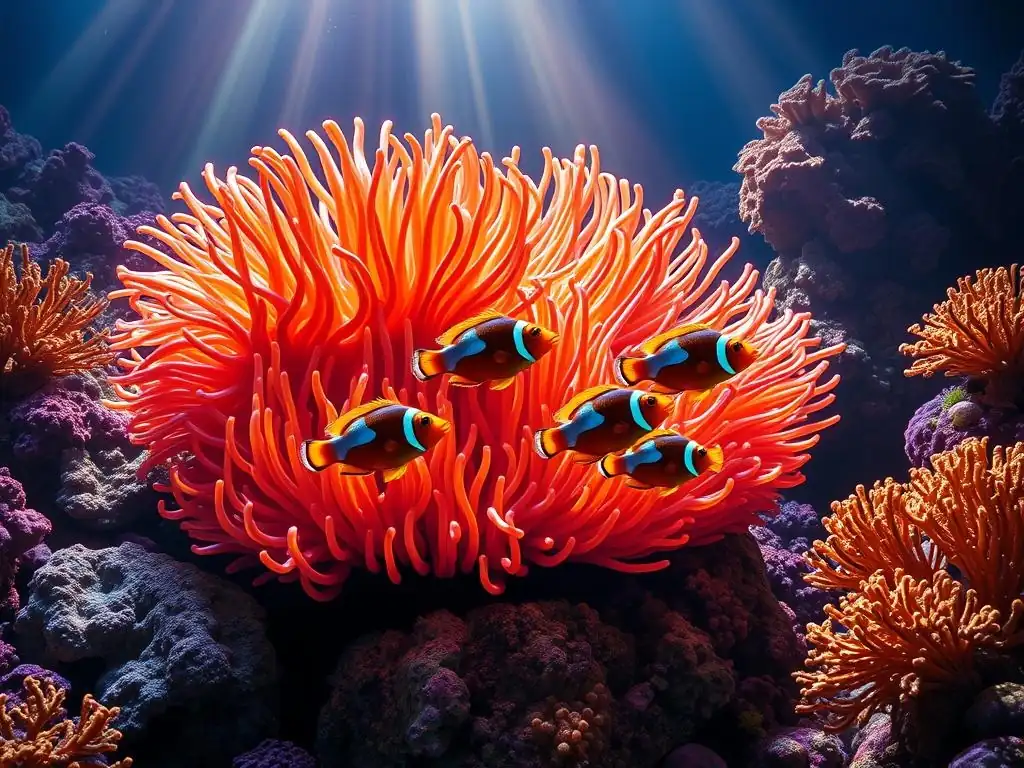
Ever wondered how a vibrant clownfish fearlessly nestles among the stinging tentacles of a sea anemone? Dive into the fascinating world of Clownfish Anemone Sting Immunity and discover the incredible science behind this symbiotic relationship. Are you ready to unravel the mystery of the slime that protects these iconic fish? Let's explore!
- Understanding Clownfish and Anemone Symbiosis
- The Mystery of Clownfish Anemone Sting Immunity: Unlocking the Secrets
- The Role of Slime Coat in Clownfish Anemone Sting Protection
- The Gradual Acclimation Process: Developing Clownfish Anemone Immunity
- The Specific Anemone Species and Clownfish Immunity
- Genetic Factors Influencing Clownfish Anemone Sting Immunity
- Maintaining Clownfish Health for Optimal Anemone Sting Resistance
- Implications for Aquarium Keeping: Replicating Natural Immunity in Captivity
- Future Research: Further Exploring Clownfish Anemone Sting Immunity
-
Frequently Asked Questions
- How do clownfish develop immunity to anemone stings?
- What role does the mucus coating play in clownfish protection?
- Is the clownfish's immunity present from birth, or does it develop over time?
- Can any clownfish species host in any anemone species?
- What happens if a clownfish loses its mucus coating?
- Final Reflection: The Symbiotic Dance of Survival
- Dive Deeper: Start Your Own Symbiotic Journey!
Understanding Clownfish and Anemone Symbiosis
The Mutualistic Relationship Between Clownfish and Sea Anemones
The relationship between clownfish ( Amphiprioninae subfamily) and sea anemones is one of the most iconic examples of mutualism in the marine world. This symbiotic bond, where both organisms benefit, is central to the survival of clownfish in their natural reef habitats. Clownfish gain a secure refuge from predators such as triggerfish and butterflyfish, which are typically deterred by the anemone's potent sting. They also benefit from food scraps left by the anemone, and some studies suggest they may even consume parasites from the anemone's tentacles, contributing to its health.
In return for providing shelter, the clownfish offers several advantages to its host anemone. Clownfish are known to actively clean the anemone, removing debris and uneaten food particles that could otherwise attract harmful bacteria or smother the anemone. Their constant movement within the tentacles also helps aerate the water around the anemone, improving oxygen exchange. Furthermore, the vibrant colors of the clownfish may act as a lure, attracting other fish that then become prey for the anemone, thereby enhancing its feeding efficiency.
Why Anemones Sting: The Nematocyst Defense Mechanism
Sea anemones, belonging to the phylum Cnidaria, are equipped with a sophisticated defense and prey-capture system: nematocysts. These are specialized stinging cells located predominantly on their tentacles. Each nematocyst is a miniature, harpoon-like structure filled with venom and coiled inside a capsule, ready to be discharged upon contact with suitable chemical or mechanical stimuli.
When an unsuspecting fish or invertebrate brushes against an anemone's tentacles, the nematocysts are rapidly deployed. This discharge is incredibly fast, often occurring in microseconds, injecting potent neurotoxins and cytotoxins into the victim. For most marine organisms, this venom causes paralysis or death, allowing the anemone to subdue prey or defend itself effectively against potential threats. The sheer potency of these stings makes the anemone's tentacles a no-go zone for the vast majority of reef inhabitants, highlighting the extraordinary nature of clownfish anemone sting immunity.
The Mystery of Clownfish Anemone Sting Immunity: Unlocking the Secrets
Clownfish Anemone Sting Immunity: A Biological Adaptation
The ability of clownfish to reside safely within the stinging tentacles of sea anemones is not a simple phenomenon but a complex biological adaptation. Unlike most fish that would be paralyzed or killed by an anemone's sting, clownfish have evolved a unique mechanism that prevents the discharge of nematocysts or renders the venom harmless. This specialized clownfish anemone sting immunity is primarily attributed to their distinctive mucus layer, which differs significantly in composition from that of other fish species. It's not an immunological immunity in the traditional sense, but rather a physical and chemical masking.
This remarkable adaptation provides clownfish with an unparalleled ecological advantage. By utilizing the anemone as a fortress, they gain access to a secure habitat largely inaccessible to their predators. This niche allows them to thrive in coral reef ecosystems, demonstrating a highly successful evolutionary strategy. The development of robust clownfish anemone sting immunity is a testament to the power of co-evolution between species.
Common Misconceptions About Clownfish Anemone Sting Resistance
A prevalent misconception is that clownfish are born fully immune to anemone stings. This is incorrect; newly hatched clownfish, or those that have not previously encountered an anemone, are just as susceptible to stings as any other fish. Their clownfish anemone sting immunity is gradually acquired through a process of acclimation and chemical camouflage, which takes time and repeated exposure.
Another common misunderstanding is that the anemone somehow "recognizes" the clownfish and refrains from stinging it. While there is a form of recognition, it's not a conscious decision by the anemone. Instead, the clownfish's specialized mucus layer prevents the nematocysts from firing. The anemone's stinging cells are triggered by specific chemical signals (e.g., certain proteins or lipids) found on the surface of potential prey. The clownfish's mucus either lacks these triggers or actively mimics the anemone's own chemical signature, effectively rendering the clownfish "invisible" to the nematocysts' firing mechanism.
The Role of Slime Coat in Clownfish Anemone Sting Protection
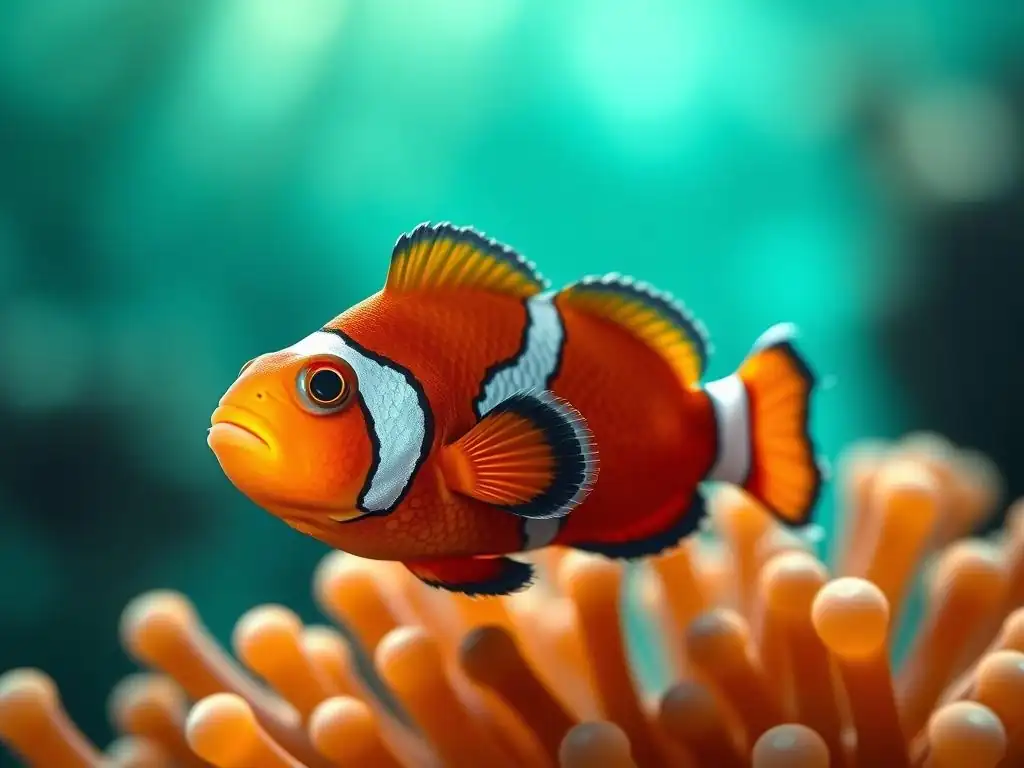
Clownfish Slime: A Complex Mucus Layer
The slime coat, or mucus layer, covering a clownfish's body is far more than just a protective barrier against pathogens and parasites. In clownfish, it is the cornerstone of their extraordinary clownfish anemone sting immunity. This continuous, gelatinous layer is secreted by specialized epidermal cells and is constantly renewed. While all fish possess a mucus layer, the chemical composition and properties of the clownfish's slime are uniquely adapted to allow safe interaction with stinging anemones.
This specialized slime coat acts as a physical and chemical shield. Its thickness and consistency may vary, but its primary function in this context is to prevent the mechanical or chemical triggers that would normally cause an anemone's nematocysts to discharge. Without this unique mucus, a clownfish would be just as vulnerable to an anemone's sting as any other marine creature.
Chemical Composition of Clownfish Mucus: Glycoproteins and Their Role
The secret to clownfish anemone sting immunity lies largely in the intricate chemical composition of their mucus, particularly its high concentration of glycoproteins. Glycoproteins are complex molecules consisting of protein chains with attached carbohydrate (sugar) chains. These molecules are crucial for various biological functions, including cell recognition, immune responses, and structural support. In clownfish mucus, they contribute significantly to its unique viscosity and chemical properties.
Researchers hypothesize that these specific glycoproteins either lack the chemical cues that trigger nematocyst discharge or they actively mask the clownfish's surface, making it chemically indistinguishable from the anemone itself. This "chemical mimicry" or "camouflage" effectively tells the anemone's stinging cells that the clownfish is part of the anemone, preventing them from firing. The exact array of glycoproteins and their precise interactions with anemone venom remain subjects of ongoing scientific investigation.
How the Slime Coat Inhibits Nematocyst Discharge
The mechanism by which the clownfish's slime coat inhibits nematocyst discharge is multi-faceted. Primarily, it acts by preventing the specific chemical and mechanical stimuli that normally activate the stinging cells. When most organisms come into contact with an anemone, their surface molecules (e.g., certain lipids or proteins) act as triggers, causing the nematocysts to rapidly evert and inject venom.
The clownfish's specialized mucus either lacks these specific trigger molecules or, through a process of acclimation, incorporates components from the anemone's own mucus, effectively masking the clownfish's "foreign" chemical signature. Furthermore, the physical properties of the mucus, such as its thickness and slipperiness, may also play a role in reducing the mechanical friction that can sometimes contribute to nematocyst firing. This dual action—chemical camouflage and physical barrier—is critical for the clownfish's robust clownfish anemone sting immunity.
The Gradual Acclimation Process: Developing Clownfish Anemone Immunity
The Importance of Gradual Exposure for Clownfish
The development of clownfish anemone sting immunity is not instantaneous; it is a gradual process requiring repeated, cautious exposure. A clownfish, particularly one that has never encountered an anemone or has been raised in captivity without one, is initially vulnerable to stings. If forced into an anemone without acclimation, it can be severely stung, leading to stress, injury, or even death. This gradual exposure allows the clownfish's physiological mechanisms to adapt and build its protective mucus layer.
During this acclimation period, the clownfish will typically approach the anemone tentatively, making brief, light touches with its fins and then its belly. These initial contacts are crucial for the transfer of mucus and chemical signals between the two organisms. This cautious "testing" behavior minimizes the risk of a full-blown sting while facilitating the necessary changes in the clownfish's slime coat, solidifying its clownfish anemone sting immunity.
How Clownfish Chemically Camouflage Themselves Over Time
One of the leading theories explaining how clownfish develop their clownfish anemone sting immunity is through a process of chemical camouflage or mimicry. As the clownfish makes initial, tentative contact with the anemone, it is believed to gradually acquire small amounts of the anemone's own mucus onto its body. Over time, the clownfish's own mucus production adapts, incorporating or mimicking the chemical signature of the anemone.
This acquired chemical coating, combined with the clownfish's naturally unique mucus composition, effectively makes the clownfish chemically indistinguishable from the anemone itself to the anemone's nematocysts. The stinging cells are thus "tricked" into perceiving the clownfish as part of the anemone, preventing them from discharging. This sophisticated form of chemical blending is a key component of their long-term clownfish anemone protection.
Behavioral Aspects of Clownfish Anemone Acclimatization
The acclimation process is not just physiological; it involves distinct behavioral patterns observed in clownfish. When first introduced to an anemone, a clownfish will exhibit cautious and exploratory behaviors. It typically starts by gently brushing its fins, then its belly, against the anemone's tentacles for very short durations, quickly retreating. This "dance" is repeated many times over hours or even days.
As the clownfish's clownfish anemone sting immunity develops through the chemical exchange, its confidence grows. The duration of contact increases, and the clownfish will begin to fully immerse itself among the tentacles. This progressive behavioral adaptation, from tentative touches to full immersion, directly reflects the physiological changes occurring in the clownfish's slime coat, culminating in complete and comfortable residency within the anemone.
The Specific Anemone Species and Clownfish Immunity
Variations in Anemone Toxicity and Corresponding Clownfish Resistance
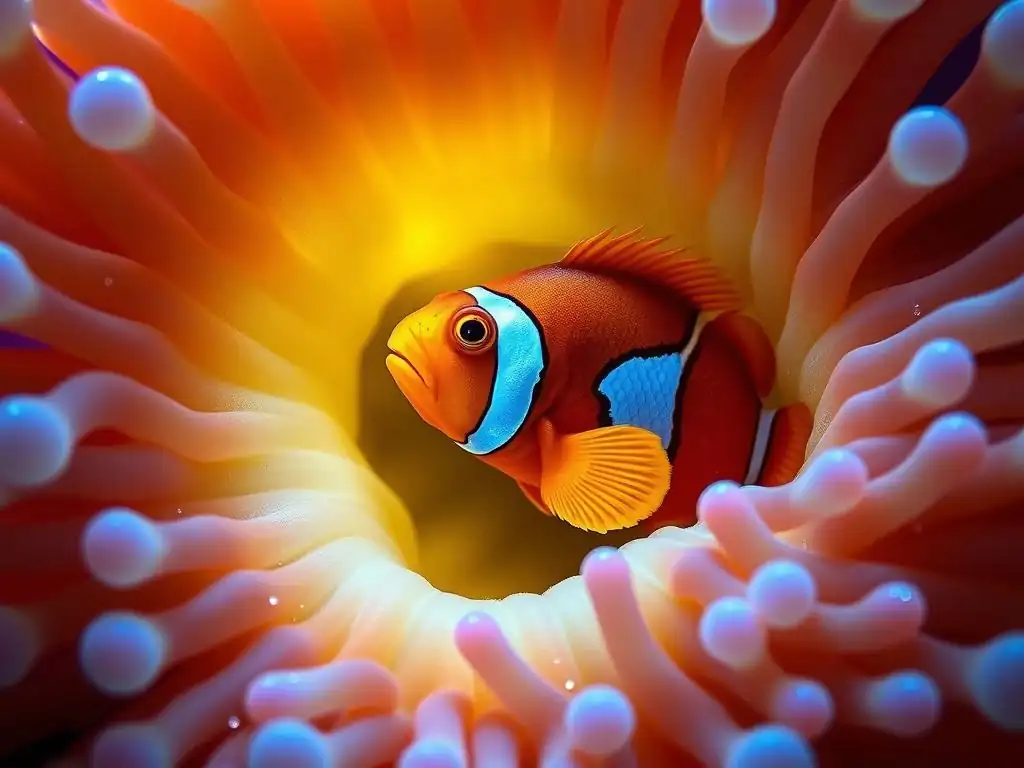
Not all sea anemones are equally toxic, and similarly, not all clownfish species possess the same level of clownfish anemone sting immunity or the ability to host in every anemone species. There is a spectrum of toxicity among host anemones, ranging from relatively mild stings (e.g., Entacmaea quadricolor) to extremely potent ones (e.g., Stichodactyla mertensii). Correspondingly, certain clownfish species have evolved specific adaptations that allow them to host in particular anemone species, indicating a co-evolutionary arms race.
Some clownfish species are considered "generalists," capable of hosting in a wider variety of anemones, while others are "specialists," typically found only with one or two specific host species. This specificity highlights the intricate chemical and physiological compatibility required for successful clownfish anemone sting immunity, as the clownfish's mucus must effectively neutralize or mimic the unique chemical triggers of its specific host anemone.
Common Anemone Hosts for Specific Clownfish Species
There are ten known species of sea anemones that can host clownfish, out of over 1,000 known anemone species globally. These host anemones include the Bubble Tip Anemone ( Entacmaea quadricolor), Magnificent Sea Anemone ( Heteractis magnifica), Sebae Anemone ( Heteractis crispa), Mertens' Carpet Anemone ( Stichodactyla mertensii), and Giant Carpet Anemone ( Stichodactyla gigantea). Each of these anemones presents a unique challenge to clownfish regarding their sting mechanisms and chemical compositions.
The distribution of clownfish species is often closely tied to the presence of their preferred host anemones. For example, some anemones, like the Bubble Tip, are popular hosts for multiple clownfish species due to their relatively manageable toxicity and widespread distribution. The specific pairing of clownfish and anemone is a result of long-term co-evolutionary processes that have optimized clownfish anemone sting immunity for particular symbiotic relationships.
Anemone Species and Associated Clownfish: Heteractis magnifica and Amphiprion ocellaris, Entacmaea quadricolor and Amphiprion percula
Specific examples illustrate the strong host specificity in the clownfish-anemone symbiosis, which underpins the development of clownfish anemone sting immunity. The Magnificent Sea Anemone ( Heteractis magnifica) is a common and preferred host for the Ocellaris Clownfish ( Amphiprion ocellaris), famously known from "Finding Nemo." These two species are frequently found together in the wild, showcasing a well-established symbiotic pair.
Another classic example is the relationship between the Bubble Tip Anemone ( Entacmaea quadricolor) and the Percula Clownfish ( Amphiprion percula). The Bubble Tip Anemone is one of the most popular and robust host anemones for aquarium keeping, and both Amphiprion percula and Amphiprion ocellaris readily host in it. This pairing highlights how the clownfish's specialized mucus has evolved to effectively counter the specific stinging mechanisms of these particular anemone species, ensuring their clownfish anemone protection.
Genetic Factors Influencing Clownfish Anemone Sting Immunity
Heritability of Clownfish Anemone Immunity Traits
While the full development of clownfish anemone sting immunity is an acquired process involving acclimation, the underlying biological machinery that enables this adaptation is undoubtedly influenced by genetic factors. It is believed that the capacity to produce the unique glycoproteins and other compounds necessary for the protective mucus layer is a heritable trait. Clownfish offspring inherit genes that predispose them to developing robust clownfish anemone protection once they undergo the necessary acclimation.
Genetic studies are beginning to unravel the specific genes involved in this incredible adaptation. For instance, populations of clownfish that naturally host in highly toxic anemones may possess genetic variations that allow for the synthesis of more effective mucus components, or for a more rapid and efficient acclimation process. This heritability is crucial for the perpetuation of the species' symbiotic lifestyle.
Genes Involved in Mucus Production and Modification
The production and modification of the specialized mucus layer in clownfish are complex biological processes, likely controlled by a suite of genes. These genes would encode for various proteins involved in mucus synthesis, including mucins (the core proteins of glycoproteins), enzymes responsible for adding carbohydrate chains to these proteins, and transport proteins that move mucus components to the cell surface. Variations in these genes could explain differences in the effectiveness of clownfish anemone sting immunity among individuals or species.
Furthermore, genes involved in stress response and cellular repair might also play a role, as the initial stages of acclimation can be stressful for the clownfish. Understanding these specific genetic pathways could provide deeper insights into the molecular basis of clownfish anemone protection and potentially offer avenues for biomedical research.
Genomic Studies on Clownfish Immunity and Symbiosis
Recent advancements in genomic sequencing technology have opened new doors for understanding the genetic basis of clownfish anemone sting immunity. The sequencing of the Ocellaris Clownfish ( Amphiprion ocellaris) genome, for example, has provided a comprehensive blueprint for researchers to identify genes potentially involved in mucus production, stress tolerance, and immune responses. By comparing the genomes of different clownfish species and even populations, scientists can pinpoint genetic variations linked to their specific host relationships and varying degrees of anemone resistance.
These genomic studies are vital for understanding the co-evolutionary history of clownfish and anemones. They aim to identify the specific genetic adaptations that allow clownfish to overcome the anemone's stinging defenses, providing unprecedented detail into the molecular mechanisms behind this fascinating example of clownfish anemone protection.
Maintaining Clownfish Health for Optimal Anemone Sting Resistance
The Link Between Clownfish Health and Slime Coat Integrity
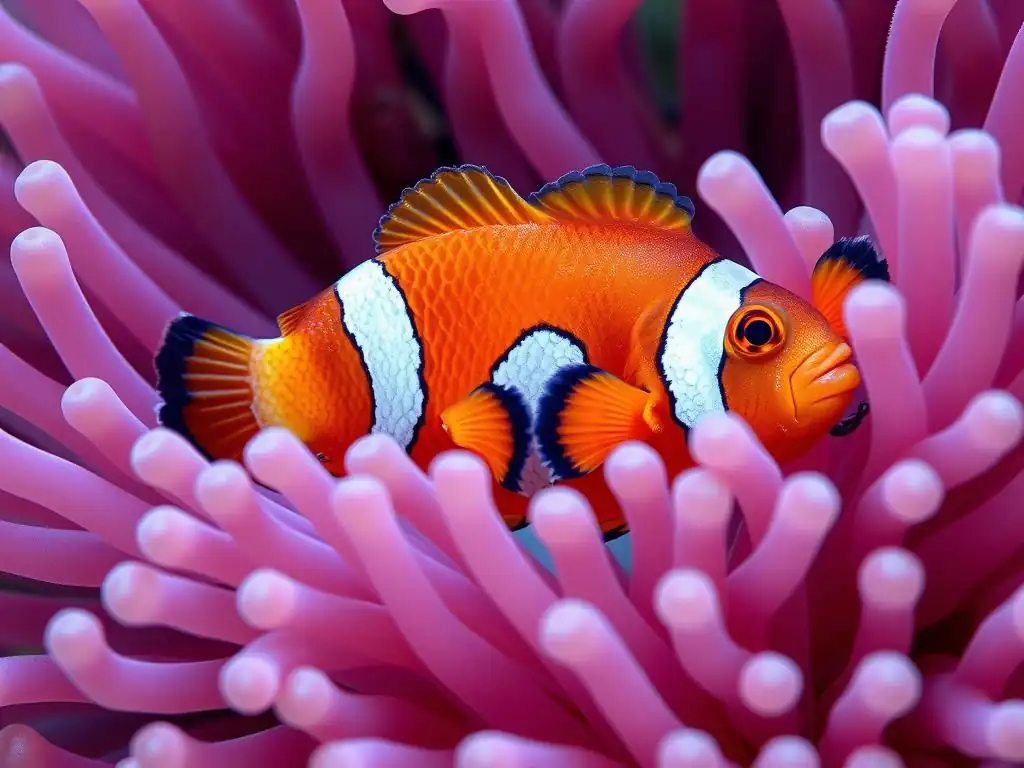
The effectiveness of a clownfish's anemone sting immunity is directly linked to its overall health and the integrity of its slime coat. A healthy clownfish, thriving in optimal conditions, will produce a robust and consistently effective mucus layer. Conversely, a clownfish that is stressed, malnourished, or suffering from disease will have a compromised slime coat. This weakening can reduce its clownfish anemone protection, making it vulnerable to stings from its host anemone, which it would normally tolerate.
A compromised slime coat also makes the clownfish more susceptible to bacterial, fungal, and parasitic infections, as the mucus layer serves as a primary physical and chemical barrier against these pathogens. Therefore, maintaining peak health is paramount for ensuring the clownfish's continued safety within its anemone host.
Nutritional Requirements for Clownfish Slime Production
Proper nutrition is fundamental for a clownfish to produce and maintain a healthy, effective slime coat. The synthesis of the complex glycoproteins that form the backbone of the mucus layer requires a steady supply of high-quality proteins, essential amino acids, and specific vitamins. A diet rich in marine-sourced proteins, such as those found in high-quality marine flakes, pellets, and frozen foods like mysis shrimp, brine shrimp, and spirulina, is crucial.
Vitamins, particularly Vitamin C, play a significant role in overall fish health and immune function, which indirectly supports mucus production. A varied diet ensures the clownfish receives all necessary micronutrients, contributing to a strong immune system and a resilient slime coat, vital for its clownfish anemone sting immunity.
Disease Prevention and Slime Coat Maintenance
Preventing disease is a critical aspect of maintaining a clownfish's robust slime coat and, by extension, its clownfish anemone sting immunity. Stress, often caused by poor water quality, fluctuating parameters, or aggressive tank mates, can significantly suppress a fish's immune system and reduce mucus production. Elevated levels of nitrates, ammonia, or nitrites, sudden temperature swings, or inappropriate salinity can all weaken the clownfish's protective layer.
Regular water changes, consistent monitoring of water parameters (temperature, salinity, pH, alkalinity, calcium, magnesium), and providing a stable, low-stress environment are essential. A clean and stable aquarium environment minimizes the risk of infection and allows the clownfish to allocate its energy towards maintaining a thick, effective slime coat, ensuring its continuous protection from anemone stings and other environmental threats.
Implications for Aquarium Keeping: Replicating Natural Immunity in Captivity
Best Practices for Introducing Clownfish to Anemones in Aquariums
Replicating the natural acclimation process in a home aquarium is crucial for successfully introducing a clownfish to an anemone. First, ensure both the clownfish and the anemone are healthy and well-established in the aquarium. Avoid introducing a stressed or newly acquired fish directly into an anemone. Provide ample space for both, allowing the clownfish to approach the anemone at its own pace.
Observe the clownfish's behavior carefully during the initial interactions. It should make tentative, brushing contacts with the anemone's tentacles. If the clownfish appears highly stressed, rapidly breathing, or constantly attempting to escape the anemone's vicinity, it may be too early or the pairing might not be suitable. Patience is key; forcing the interaction can lead to severe stings and harm to the clownfish, compromising its clownfish anemone sting immunity.
Creating a Stable Environment for Immunity Development
A stable and pristine aquarium environment is paramount for fostering the development and maintenance of clownfish anemone sting immunity in captivity. Fluctuations in water parameters (temperature, salinity, pH, alkalinity, calcium, magnesium) cause stress to clownfish, which can weaken their immune system and compromise the integrity of their protective mucus layer. An unstable environment can hinder the acclimation process and reduce their natural resistance.
Maintaining consistent water quality through regular testing and appropriate husbandry practices (e.g., proper filtration, consistent feeding, regular water changes) minimizes stress on the clownfish. A healthy, low-stress fish is better able to produce and maintain the specialized slime coat necessary for its clownfish anemone protection, ensuring a successful and long-lasting symbiosis.
Monitoring Clownfish-Anemone Interactions in Captivity
Close monitoring of clownfish-anemone interactions in a captive environment is essential for the well-being of both organisms. Aquarists should observe for signs of successful hosting, such as the clownfish comfortably residing within the anemone's tentacles, often rubbing against them without visible distress. A truly acclimated clownfish will use the anemone as its primary shelter, retreating into it when startled or at night.
Conversely, watch for signs of distress, such as the clownfish consistently avoiding the anemone, rapid gill movement, faded coloration, or visible lesions. These could indicate that the clownfish is being stung, or that its clownfish anemone sting immunity is not fully developed or compromised. If prolonged negative interactions occur, it may be necessary to separate the fish and anemone to prevent harm, as not all clownfish will host, and forcing the issue can be detrimental.
Future Research: Further Exploring Clownfish Anemone Sting Immunity
Remaining Questions About the Mechanism of Clownfish Slime
Despite significant advancements in understanding clownfish anemone sting immunity, several fundamental questions about the precise mechanism of their protective slime coat remain. While the role of glycoproteins and chemical mimicry is widely accepted, the exact molecular interactions that prevent nematocyst discharge are still being elucidated. For instance, are there specific receptors on the nematocyst that are blocked by clownfish mucus? What are the precise chemical structures of the glycoproteins responsible for this unique protection?
Furthermore, how does the clownfish's mucus composition adapt to different anemone species with varying venom profiles? Are there subtle differences in the mucus of clownfish that host in highly toxic anemones compared to those in milder hosts? Continued research, especially at the molecular and biochemical levels, is needed to fully uncover these intricate details of clownfish anemone protection.
Potential Biomedical Applications of Clownfish Immunity Research
The unique properties of clownfish anemone sting immunity hold intriguing potential for biomedical applications. Understanding how clownfish mucus disarms potent venoms could lead to the development of novel anti-venom agents for human use, particularly for stings from other venomous marine creatures or even terrestrial snakes and spiders. The specific compounds in the mucus might inspire new pain relievers or anti-inflammatory drugs, given their ability to neutralize neurotoxins.
Moreover, the resilience and protective qualities of the clownfish slime coat could offer insights into developing advanced biomaterials for wound healing, protective coatings for medical devices, or even new approaches to dermatological treatments. The study of clownfish anemone protection offers a unique biological model for innovation in pharmacology and material science.
Future Directions in Clownfish-Anemone Research and Conservation
Future research in clownfish-anemone symbiosis will likely continue to integrate genomic, proteomic, and metabolomic approaches to provide a holistic understanding of their co-evolution. This includes identifying all genes involved in mucus production and modification, characterizing the full suite of proteins and metabolites in the slime, and understanding how environmental factors (like ocean acidification or warming) might impact this delicate symbiosis and the clownfish's clownfish anemone sting immunity.
From a conservation perspective, understanding the nuances of this relationship is crucial. As coral reefs face increasing threats from climate change, the health of host anemones is also at risk. Research into how environmental stressors affect the clownfish's ability to maintain its immunity, or the anemone's ability to host, will be vital for developing effective conservation strategies to protect these iconic and ecologically significant species.
Frequently Asked Questions
How do clownfish develop immunity to anemone stings?
Clownfish don't actually have immunity in the traditional sense. They develop a protective mucus coating that prevents the anemone's stinging cells (nematocysts) from firing. This mucus mimics the anemone's own surface.
What role does the mucus coating play in clownfish protection?
The mucus coating is crucial. It contains specific sugars that prevent the anemone from recognizing the clownfish as prey or a threat, thus inhibiting the stinging response.
Is the clownfish's immunity present from birth, or does it develop over time?
Clownfish are not born with immunity. They gradually acquire it by carefully acclimating to the anemone. They start by brushing against it briefly and repeatedly, building up the protective mucus over time.
Can any clownfish species host in any anemone species?
While some clownfish are generalists, others are highly specific in their anemone preferences. Incorrect pairings can sometimes lead to a clownfish being stung initially, especially if the mucus adaptation hasn't been perfected.
What happens if a clownfish loses its mucus coating?
If a clownfish loses its protective mucus, it can be stung by the anemone. This can happen due to stress, disease, or even aggressive interactions with other fish in the aquarium.
Final Reflection: The Symbiotic Dance of Survival
The intricate relationship between clownfish and anemones, explored throughout this article, isn't just a fascinating biological puzzle; it's a powerful reminder of the interconnectedness of life and the remarkable adaptability of nature. Understanding the science behind clownfish anemone sting immunity offers valuable insights into evolutionary processes and the potential for biomimicry, making it a topic of enduring relevance in a world increasingly focused on sustainable solutions.
This exploration of clownfish immunity underscores the delicate balance within ecosystems and the profound impact even seemingly small creatures can have. Witnessing this symbiotic dance firsthand, whether through scientific research or simply observing these vibrant fish in an aquarium, fosters a deeper appreciation for the complexities of the natural world. In the end, we will conserve only what we love; we will love only what we understand; and we will understand only what we are taught.
- Baba Dioum. This quote perfectly encapsulates the importance of understanding the science behind such phenomena.
Now, consider the lessons learned from the clownfish. How can we, like these resilient creatures, adapt and thrive in the face of adversity? Let the story of their anemone sting immunity inspire you to embrace challenges, seek symbiotic relationships in your own life, and find innovative solutions to the obstacles you encounter. Just as the clownfish has unlocked the secrets of survival, so too can you unlock your own potential for growth and resilience.
Dive Deeper: Start Your Own Symbiotic Journey!
Thank you for exploring the fascinating world of clownfish and anemones! Now that you understand the science behind their incredible relationship, it's time to bring some of that wonder into your own life.
- Take the Plunge: Research and consider setting up a clownfish and anemone tank. Understanding the requirements is crucial, but the joy of watching this symbiotic relationship unfold is truly rewarding!
- Share your newfound knowledge: Discuss these amazing facts with your friends and family or share the article on social media, sparking curiosity in others.
- Think creatively: How can the principles of symbiosis inspire solutions in other areas of your life, from community projects to personal relationships?
What's one small step you can take this week to apply the principles of symbiosis you learned about today, either in your aquarium or beyond?