
The Beginner's Guide to Tetras: Easy Species and Essential Care Tips

Welcome to Aquarium Mastery!
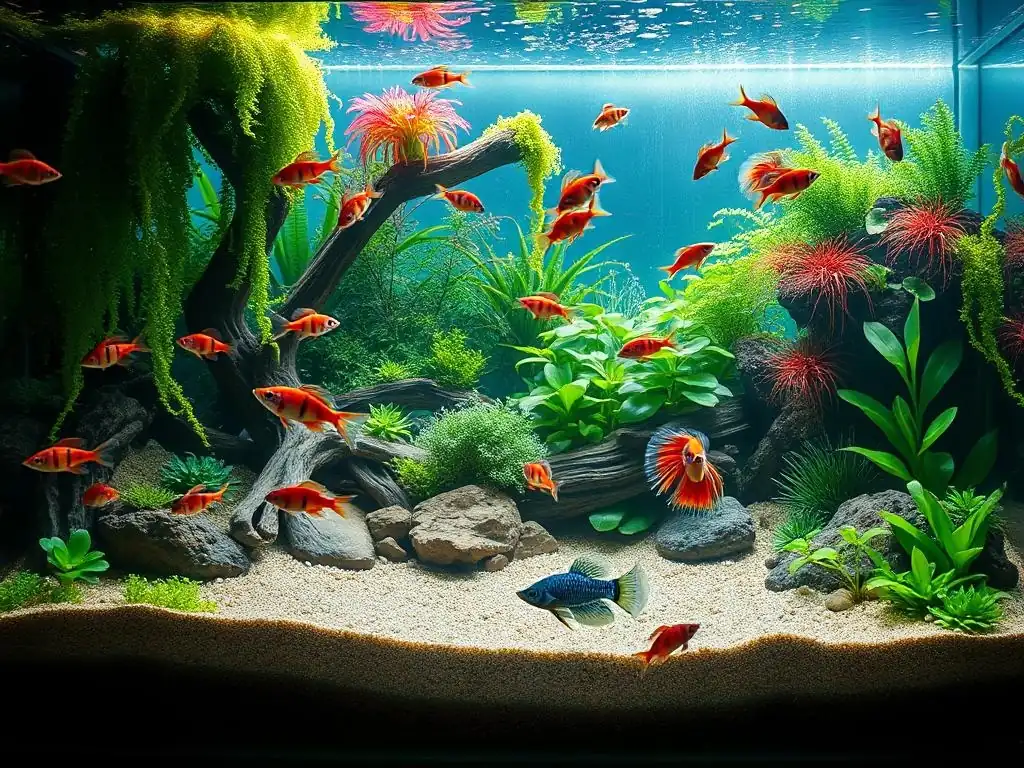
Ever wondered how to create a thriving underwater world with vibrant, schooling tetras? Unlocking the secrets to beginner tetra aquarium care is easier than you think! Dive in and discover everything you need to know about these captivating freshwater fish, from choosing the perfect species to mastering essential care tips. Get ready to transform your aquarium into a dazzling display – your journey to Aquarium Mastery starts now!
- Introduction to Beginner Tetra Aquarium Care
- Selecting the Right Tetras for Your First Aquarium
- Essential Tetra Aquarium Setup Guide
- Tetra Care Basics: Keeping Your Tetras Healthy and Happy
- Tetra Tank Mates: Choosing Compatible Fish
- Troubleshooting Common Tetra Aquarium Issues
- Advanced Tetra Care: Going Beyond the Basics
- Conclusion: Enjoying Your Tetra Aquarium Journey
-
Frequently Asked Questions
- What are the easiest tetra species for beginners to keep in an aquarium?
- What is the ideal tank size for a beginner tetra aquarium?
- What are the essential water parameters to monitor in a tetra aquarium?
- How often should I perform water changes in my beginner tetra aquarium?
- What should I feed my tetras in a beginner aquarium setup?
- Final Reflection: Embracing the Tranquility of Tetra Aquariums
- Unlock Your Tetra Paradise Today!
Introduction to Beginner Tetra Aquarium Care
Why Tetras Are Perfect for New Aquarium Keepers
Tetras are consistently recommended for individuals venturing into the world of fishkeeping, and for good reason. Their generally peaceful temperament and vibrant schooling behaviors make them an immediate visual draw in any freshwater setup. Many popular species, such as Neon Tetras and Black Skirt Tetras, exhibit a remarkable hardiness that allows them to tolerate slight fluctuations in water parameters, a common occurrence in a new aquarium still finding its balance. This resilience makes them forgiving for those still mastering the nuances of beginner tetra aquarium care.
Furthermore, their relatively small size, typically ranging from 1.5 to 2.5 inches, means that a school of six to ten tetras can comfortably thrive in a moderately sized tank, such as a 10 or 20-gallon aquarium, which are popular starting points for new hobbyists. Their active swimming patterns and cohesive schooling provide constant visual interest, turning a simple glass box into a dynamic underwater ecosystem. For those focused on effective beginner tetra aquarium care, their straightforward dietary needs and generally low susceptibility to common diseases when kept in proper conditions further cement their status as an ideal choice.
Understanding Tetra Fish: A Brief Overview
Tetra fish encompass a vast and diverse group of freshwater species belonging primarily to the family Characidae, originating predominantly from the rivers and streams of South America, particularly the Amazon Basin. These fish are characterized by their small to medium size, often possessing a distinctive adipose fin (a small, fleshy fin between the dorsal and caudal fins), and a tendency to form schools in their natural habitats. This schooling instinct is crucial for their well-being in an aquarium setting, as it provides a sense of security and allows them to exhibit their natural behaviors.
While many tetras share common traits, such as an omnivorous diet consisting of small insects, crustaceans, and plant matter, their specific water parameter preferences can vary slightly. Most thrive in soft to moderately hard water with a slightly acidic to neutral pH, typically ranging from 6.0 to 7.5, and temperatures between 72°F and 80°F. Understanding these general requirements is a foundational step in successful beginner tetra aquarium care, ensuring a healthy environment for these captivating fish.
Selecting the Right Tetras for Your First Aquarium
Top 5 Easiest Tetra Species for Beginners
Neon Tetras: A Classic Choice for Beginners
Neon Tetras (Paracheirodon innesi) are arguably the most iconic and popular tetra for beginners. Their distinctive iridescent blue stripe running along their body, complemented by a vibrant red stripe below it, makes them instantly recognizable and visually stunning. These small fish typically reach an adult size of about 1.5 inches (approximately 3.8 cm), making them suitable for tanks as small as 10 gallons when kept in a school of at least six individuals.
For optimal health, Neon Tetras prefer soft, acidic water with a pH between 6.0 and 7.0 and a temperature range of 72-78°F (22-26°C). They are peaceful community fish that thrive in well-planted aquariums, which mimic their natural shaded habitats. Providing a stable environment and consistent water quality is key to their longevity, often living for 3-5 years with proper beginner tetra aquarium care.
Cardinal Tetras: Vibrant and Hardy
Cardinal Tetras (Paracheirodon axelrodi) bear a striking resemblance to Neon Tetras but are often considered even more vibrant due to their red stripe extending the full length of their body, from nose to tail. They are slightly larger, reaching up to 2 inches (about 5 cm) in length, and are known for being a bit hardier than their Neon counterparts once acclimated, making them an excellent choice for those focusing on reliable beginner tetra aquarium care.
These tetras prefer slightly warmer water, ideally between 73-81°F (23-27°C), and soft, acidic conditions similar to Neons (pH 5.5-7.0). Like most tetras, they are schooling fish and should be kept in groups of at least six, though larger schools of 10 or more will display more natural schooling behaviors and reduce stress. Their vivid colors are particularly enhanced against a dark substrate and amidst lush live plants.
Black Skirt Tetras: Unique and Forgiving
Black Skirt Tetras (Gymnocorymbus ternetzi) offer a different aesthetic with their tall, flowing dorsal and anal fins and a silver body marked by two prominent black vertical stripes. They are among the hardiest and most adaptable tetra species, tolerant of a wider range of water parameters than many other tetras, which makes them particularly forgiving for new aquarists. They can reach a size of approximately 2.5 inches (6.3 cm).
These active fish thrive in temperatures from 70-82°F (21-28°C) and a pH range of 6.0-8.0, showcasing their robust nature. While generally peaceful, they can be prone to fin nipping if not kept in sufficiently large schools (at least 5-6 individuals) or if tank mates have very long, flowing fins. Providing ample swimming space and plenty of hiding spots with plants or decorations can help mitigate any potential aggression, ensuring successful beginner tetra aquarium care.
Glowlight Tetras: Peaceful and Beautiful
Glowlight Tetras (Hemigrammus erythrozonus) are admired for their slender body adorned with a distinct, iridescent orange-red stripe that glows brightly, especially in a well-planted aquarium. Reaching a modest adult size of around 1.5 inches (3.8 cm), they are exceptionally peaceful and make excellent additions to community tanks. Their calm demeanor and striking appearance make them a favored choice for those seeking serene beginner tetra aquarium care.
These tetras prefer soft, acidic water with a pH of 6.0-7.0 and a temperature range of 72-78°F (22-26°C), mirroring the preferences of Neon Tetras. Keeping them in schools of six or more allows them to feel secure and exhibit their natural schooling patterns, enhancing their vibrant stripe. They are particularly stunning when viewed against a backdrop of green plants, which highlights their unique coloration.
Lemon Tetras: Active and Engaging
Lemon Tetras (Hyphessobrycon pulchripinnis) are characterized by their translucent, yellowish body, often with a subtle black spot behind the gill plate, and distinctive yellow-tipped fins. They are active and engaging fish, growing up to 1.75 inches (about 4.5 cm) in length. While generally peaceful, they can be slightly boisterous or nippy if not kept in a large enough school.
They prefer slightly harder water than some other tetras, with a pH of 6.0-7.5 and a temperature range of 72-80°F (22-27°C). To ensure their well-being and prevent fin-nipping tendencies, Lemon Tetras should be kept in schools of at least eight to ten individuals. Providing plenty of swimming space and a mix of open areas and planted sections will encourage their natural behaviors, making them a rewarding species for diligent beginner tetra aquarium care.
Factors to Consider When Choosing Tetra Species
Tank Size Requirements for Different Tetra Schools
The size of your aquarium is a critical factor when planning beginner tetra aquarium care, directly influencing the health and behavior of your chosen tetra species. While a 10-gallon tank might accommodate a small school of 6-8 smaller tetras like Neon or Glowlight Tetras, a 20-gallon long aquarium is often considered a more ideal minimum for most tetra species. This larger footprint provides more horizontal swimming space, which is essential for schooling fish that prefer to move in unison.
For slightly larger or more active tetras such as Black Skirt Tetras or Lemon Tetras, a 20-gallon or even 30-gallon tank is highly recommended to ensure adequate space for a school of 6-10 individuals. Overstocking leads to stress, increased aggression, and poor water quality, which are detrimental to fish health. A general guideline is to allow at least 1 gallon of water per inch of adult fish, but for schooling species, prioritizing the school's overall volume and swimming dynamics over individual fish size is crucial.
Temperament and Compatibility with Other Fish
Understanding the temperament of your chosen tetra species is vital for establishing a harmonious community tank. Most tetras, particularly the beginner-friendly species like Neons, Cardinals, and Glowlights, are renowned for their peaceful nature, making them excellent candidates for mixed-species aquariums. They thrive alongside other small, non-aggressive fish such as Corydoras catfish, Otocinclus catfish, dwarf gouramis, and other similarly sized peaceful tetras or rasboras.
However, some tetra species, such as Black Skirt Tetras or Lemon Tetras, can exhibit mild fin-nipping tendencies, especially if kept in insufficient numbers or with tank mates that have long, flowing fins like Guppies or Angelfish. To mitigate this, always keep tetras in appropriately sized schools (generally 6-10 or more) to distribute any potential aggression among themselves and reduce stress. Thorough research into the specific species' temperament and preferred social dynamics is a cornerstone of effective beginner tetra aquarium care, preventing conflicts and fostering a thriving aquatic environment.
Water Parameter Needs for Optimal Tetra Health
Maintaining stable and appropriate water parameters is paramount for the long-term health and vibrancy of your tetras. While many tetras are somewhat adaptable, most species originate from soft, acidic waters in South America. A general range for many beginner tetras includes a pH between 6.0 and 7.5, water hardness (GH) between 3-10 dGH, and a stable temperature between 72°F and 80°F (22-27°C).
Specific species may have narrower optimal ranges; for instance, Neon and Cardinal Tetras typically prefer softer, more acidic water (pH 5.5-7.0, GH 1-5 dGH) and consistent temperatures, whereas Black Skirt Tetras are more tolerant of slightly harder and more neutral water (pH 6.0-8.0, GH 5-15 dGH). Regular testing with a reliable aquarium test kit for pH, ammonia, nitrite, and nitrate levels is essential.
Ammonia and nitrite should always be at 0 ppm, and nitrates should be kept below 20 ppm through consistent water changes. Understanding and meeting these specific needs is a foundational aspect of successful beginner tetra aquarium care.
Essential Tetra Aquarium Setup Guide
Setting Up Your Tetra Tank: A Step-by-Step Approach
Choosing the Right Size Aquarium for Tetras
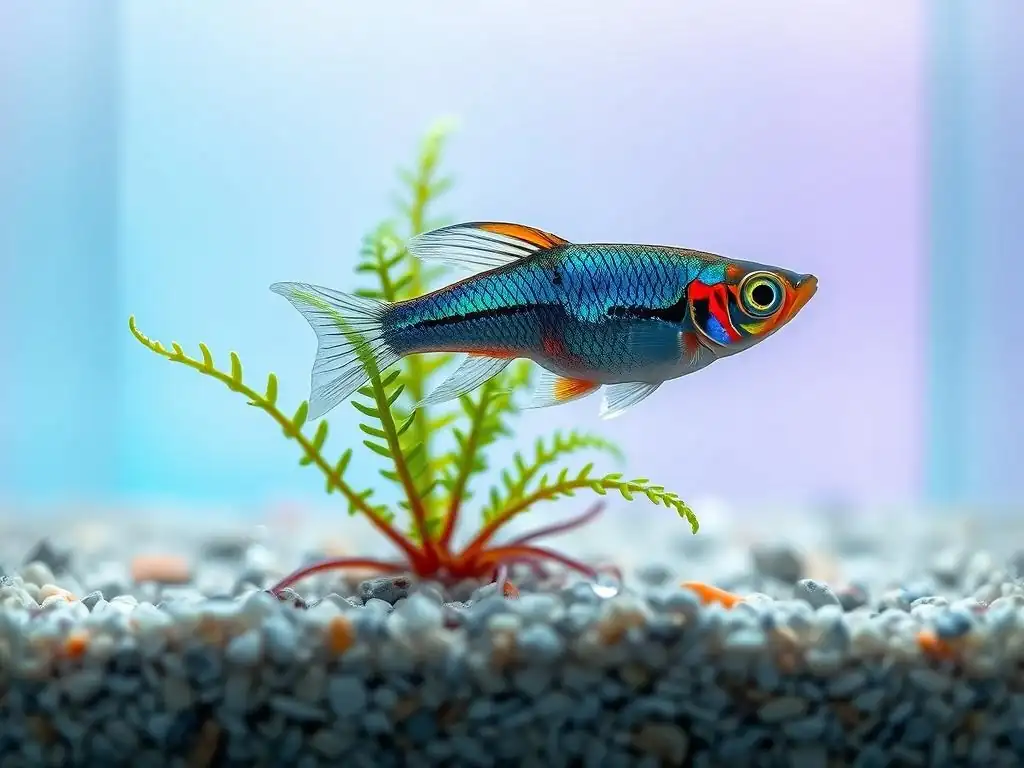
Selecting the appropriate aquarium size is the first crucial step in setting up a healthy environment for your tetras. For a beginner tetra aquarium, a 20-gallon long tank (approximately 24" L x 12" W x 16" H) is often recommended as an excellent starting point. This size provides ample swimming space for a school of 6-10 small to medium-sized tetras, such as Neon Tetras, Cardinal Tetras, or Glowlight Tetras, and offers more stability in water parameters compared to smaller tanks.
While a 10-gallon tank can house a very small school of 6-8 Neon or Glowlight Tetras, it requires more diligent water parameter monitoring due to its smaller water volume, which is less forgiving of fluctuations. For species like Black Skirt Tetras or Lemon Tetras, which are slightly larger or more active, a 20-gallon high or a 29-gallon tank might be even more suitable to accommodate their schooling and activity levels comfortably. Always prioritize slightly larger tanks when in doubt, as they offer greater stability and more options for future additions.
Substrate Selection: What's Best for Tetras?
The choice of substrate plays a significant role in both the aesthetics and functionality of a tetra aquarium. For most tetra species, a fine gravel or sand substrate is ideal. Fine gravel, with a grain size of 1-3 mm, is easy to clean with a gravel vacuum and provides a good base for rooted plants. Sand, on the other hand, mimics the natural riverbed environments of many tetras and prevents detritus from accumulating within the substrate, as waste tends to sit on top.
Using a darker colored substrate, such as black or dark brown gravel or sand, can also significantly enhance the natural colors of your tetras, making their blues, reds, and yellows appear more vibrant. Avoid very coarse or sharp-edged substrates, as these can potentially harm delicate barbels of bottom-dwelling tank mates like Corydoras catfish, which are often kept with tetras. A substrate depth of 1-2 inches is generally sufficient for aesthetics and light planting, ensuring ease of maintenance in your beginner tetra aquarium.
Essential Filtration for a Healthy Tetra Aquarium
Effective filtration is non-negotiable for maintaining pristine water quality, which is vital for beginner tetra aquarium care. A robust filtration system should provide mechanical, chemical, and biological filtration. For tanks up to 20-30 gallons, a Hang-On-Back (HOB) filter is a popular and efficient choice, offering good flow rates and easy media access. Look for models rated for tanks slightly larger than your actual tank size to ensure adequate filtration capacity.
Sponge filters, powered by an air pump, are another excellent option, especially for smaller tanks or as supplemental filtration. They excel at biological filtration and are very gentle, making them ideal for delicate fry or shrimp, which might also inhabit a tetra community tank. Canister filters are generally used for larger tanks (30+ gallons) but offer superior customization and larger media volumes. Regardless of the type chosen, ensure the filter provides sufficient biological media (like ceramic rings or bio-balls) to host beneficial bacteria essential for the nitrogen cycle, keeping ammonia and nitrite at zero.
Lighting Considerations for Tetra Fish Tanks
The lighting setup for a tetra aquarium serves both aesthetic and functional purposes, influencing fish behavior and plant growth. Most tetra species, originating from shaded jungle streams, tend to prefer moderate to dim lighting. Overly bright lighting can stress them, causing them to lose color or hide more frequently. A standard LED light fixture designed for aquariums, providing a soft to moderate intensity, is generally sufficient for a beginner tetra aquarium.
If you plan to incorporate live plants, which are highly beneficial for tetras by providing cover and improving water quality, you'll need lighting that supports plant growth. This often means a light with a specific spectrum (e.g., 6500K) and sufficient PAR (Photosynthetically Active Radiation) levels. A timer is highly recommended to establish a consistent light cycle, typically 8-10 hours per day, which helps prevent excessive algae growth and maintains a natural rhythm for your fish.
Heating and Temperature Control for Tetra Environments
Maintaining a stable and appropriate water temperature is critical for the health and metabolism of tetras. Most popular beginner tetra species thrive within a temperature range of 72°F to 80°F (22-27°C). Fluctuations outside this range or sudden temperature swings can cause significant stress, weaken their immune systems, and make them susceptible to diseases like Ich.
A reliable aquarium heater, appropriately sized for your tank volume, is an essential piece of equipment. As a general rule, you'll need about 5 watts of heating power per gallon of water for tanks in a typical indoor environment. For example, a 100-watt heater is suitable for a 20-gallon tank. Always use an accurate aquarium thermometer to monitor the water temperature daily and ensure the heater is functioning correctly. Consistent temperature is a cornerstone of effective beginner tetra aquarium care.
Creating a Tetra-Friendly Environment
Adding Plants and Decorations for Tetra Comfort
Creating a well-decorated and planted environment is crucial for the well-being of tetras, mimicking their natural habitats and promoting natural behaviors. Live plants are highly beneficial; they offer hiding spots, reduce stress, help oxygenate the water, and absorb nitrates. Excellent beginner-friendly plants include Java Fern, Anubias, Amazon Sword, and various types of Cryptocoryne. These plants are hardy and require moderate lighting, fitting well with typical beginner tetra aquarium care setups.
In addition to live plants, incorporating driftwood, smooth rocks, and artificial decorations can provide further visual interest and additional cover. Driftwood, in particular, can release beneficial tannins that slightly lower pH and provide natural antibacterial properties, creating a more authentic blackwater environment that many tetras prefer. Ensure all decorations are aquarium-safe, have no sharp edges that could injure fish, and are placed to allow ample swimming space, particularly for schooling fish.
Establishing a Proper Nitrogen Cycle in Your Tetra Tank
Establishing a fully functional nitrogen cycle is perhaps the single most important step before introducing any fish into your beginner tetra aquarium. This biological process converts toxic ammonia (from fish waste and decaying food) into less toxic nitrate through the action of beneficial bacteria. Without a complete cycle, ammonia and nitrite levels will spike, leading to severe stress, illness, and even death for your fish.
The most recommended method for beginners is the "fishless cycling" method, which involves adding an ammonia source (like pure ammonia or fish food) to the empty tank and allowing the beneficial bacteria to colonize the filter media over several weeks. During this period, you'll regularly test for ammonia, nitrite, and nitrate. The cycle is complete when ammonia and nitrite consistently read 0 ppm, and nitrates begin to rise. This careful approach ensures a safe and stable environment for your tetras from day one, laying the foundation for successful beginner tetra aquarium care.
Tetra Care Basics: Keeping Your Tetras Healthy and Happy
Tetra Feeding Guide: What and How Much to Feed
Best Types of Food for Different Tetra Species
Providing a varied and nutritious diet is fundamental for the health and vibrant coloration of your tetras. Most tetra species are omnivores, requiring a mix of protein and vegetable matter. High-quality flake food or micro-pellets formulated for small tropical fish should form the staple of their diet. Look for brands that list fish meal or spirulina as primary ingredients and avoid those with excessive fillers.
To supplement their diet and provide essential nutrients, offer freeze-dried foods like bloodworms, brine shrimp, or daphnia once or twice a week. Live or frozen versions of these foods are even better, as they provide natural enrichment and encourage natural hunting behaviors. For species like Neon Tetras, which have smaller mouths, ensure the food particles are appropriately sized. A diverse diet contributes significantly to robust health and bright colors, key indicators of effective beginner tetra aquarium care.
Feeding Schedule and Portion Control for Tetras
Proper feeding habits are crucial for maintaining water quality and preventing health issues in your tetra aquarium. Tetras have small stomachs and are prone to overeating, which can lead to digestive problems and, more significantly, rapidly degrade water quality due to uneaten food decaying. A good feeding schedule involves offering small amounts of food 1-2 times per day.
The key to portion control is to feed only what your tetras can completely consume within 2-3 minutes. Observe them closely during feeding time. If food is left floating or sinking to the bottom after this timeframe, you are likely overfeeding. Remove any uneaten food promptly to prevent it from decaying and releasing harmful ammonia. Consistent and controlled feeding is a simple yet impactful aspect of beginner tetra aquarium care, directly contributing to a stable and healthy environment.
Maintaining Optimal Water Quality for Tetra Fish
Regular Water Changes: A Must for Tetra Health
Regular water changes are the single most effective maintenance practice for ensuring optimal water quality and the long-term health of your tetras. Over time, nitrates, phosphates, and other dissolved organic compounds accumulate in the aquarium water, even with efficient filtration. These compounds, while less toxic than ammonia and nitrite, can still stress fish and inhibit their growth if allowed to build up.
For a beginner tetra aquarium, a weekly water change of 25-30% of the tank's volume is generally recommended. Use a gravel vacuum to siphon out water and remove detritus from the substrate. Always dechlorinate new tap water with a reputable water conditioner before adding it to the tank, as chlorine and chloramines are highly toxic to fish. Matching the temperature of the new water to the tank water is also important to prevent temperature shock. Consistent water changes are indispensable for effective beginner tetra aquarium care.
Monitoring Water Parameters: pH, Ammonia, Nitrite, Nitrate
Consistent monitoring of key water parameters is fundamental to successful beginner tetra aquarium care. Ammonia (NH3/NH4+), nitrite (NO2-), and nitrate (NO3-) are the primary byproducts of the nitrogen cycle, and their levels directly impact fish health. Ammonia and nitrite are highly toxic to fish, even at low concentrations, and should always be at 0 parts per million (ppm) in a cycled tank. Nitrates, while less toxic, should ideally be kept below 20 ppm through regular water changes.
The pH level, which measures the acidity or alkalinity of the water, is also important. Most tetras prefer slightly acidic to neutral water, typically within a pH range of 6.0 to 7.5. Sudden fluctuations in pH can be more harmful than a consistent pH slightly outside the ideal range. Investing in a reliable liquid-based aquarium test kit (rather than test strips, which can be less accurate) and performing weekly tests will provide invaluable insights into your tank's health and allow you to address issues proactively.
Common Tetra Diseases and Prevention
Identifying Signs of Illness in Tetras
Early detection of illness is crucial for successful treatment and preventing the spread of disease in your beginner tetra aquarium. Regular observation of your tetras is key. Common signs of illness include changes in behavior such as lethargy, hiding more than usual, or swimming erratically. Physical symptoms might include clamped fins (fins held close to the body), loss of color or dullness, white spots on the body or fins (often indicative of Ich), fuzzy growths (fungus), frayed or ragged fins (fin rot), and difficulty breathing or gasping at the surface.
Other red flags include a swollen abdomen, sunken eyes, or visible lesions. Any single fish showing these symptoms should be isolated if possible, and water parameters should be immediately checked, as poor water quality is a leading cause of stress and disease. Prompt identification and action are vital components of responsible beginner tetra aquarium care.
Treating Common Tetra Diseases in Beginner Tetra Aquariums
While prevention through excellent water quality and proper feeding is always the best approach, diseases can occasionally occur. One of the most common ailments in freshwater aquariums, including those housing tetras, is Ich (Ichthyophthirius multifiliis), also known as white spot disease. It appears as small, salt-like white spots on the fish's body and fins. Ich is typically treated by gradually raising the water temperature to about 82-84°F (28-29°C) over a few days (if compatible with tank mates and plants) and using an aquarium-safe Ich medication, following the product's instructions carefully.
Other common issues include fin rot (often caused by poor water quality or stress), which manifests as frayed or disintegrating fins, and fungal infections, appearing as white, cotton-like growths. Both can often be treated with broad-spectrum aquarium medications available at pet stores, alongside immediate improvements in water quality. Always ensure you understand the medication's active ingredients and follow dosage instructions precisely, as incorrect use can harm your fish or beneficial bacteria.
Quarantine Procedures for New and Sick Tetras
Implementing a quarantine procedure for new fish is one of the most effective preventative measures in beginner tetra aquarium care, significantly reducing the risk of introducing diseases into your main display tank. A separate quarantine tank, even a simple 5-10 gallon setup with a heater and sponge filter, should be used to house new fish for a period of 2-4 weeks before introducing them to your established community.
During quarantine, observe the new tetras closely for any signs of illness, such as those mentioned previously. If any symptoms appear, you can treat them in the quarantine tank without exposing your main tank inhabitants to potential pathogens or medications.
This also provides a safe space to acclimate new fish to your water parameters gradually. Similarly, if an established tetra shows signs of illness, moving it to a hospital tank (essentially a quarantine tank used for sick fish) for treatment can prevent the disease from spreading and allow for more targeted medication without affecting the main tank's biological filter or sensitive invertebrates.
Tetra Tank Mates: Choosing Compatible Fish
Best Tank Mates for Peaceful Tetra Community Aquariums
Compatible Fish Species for Neon Tetras
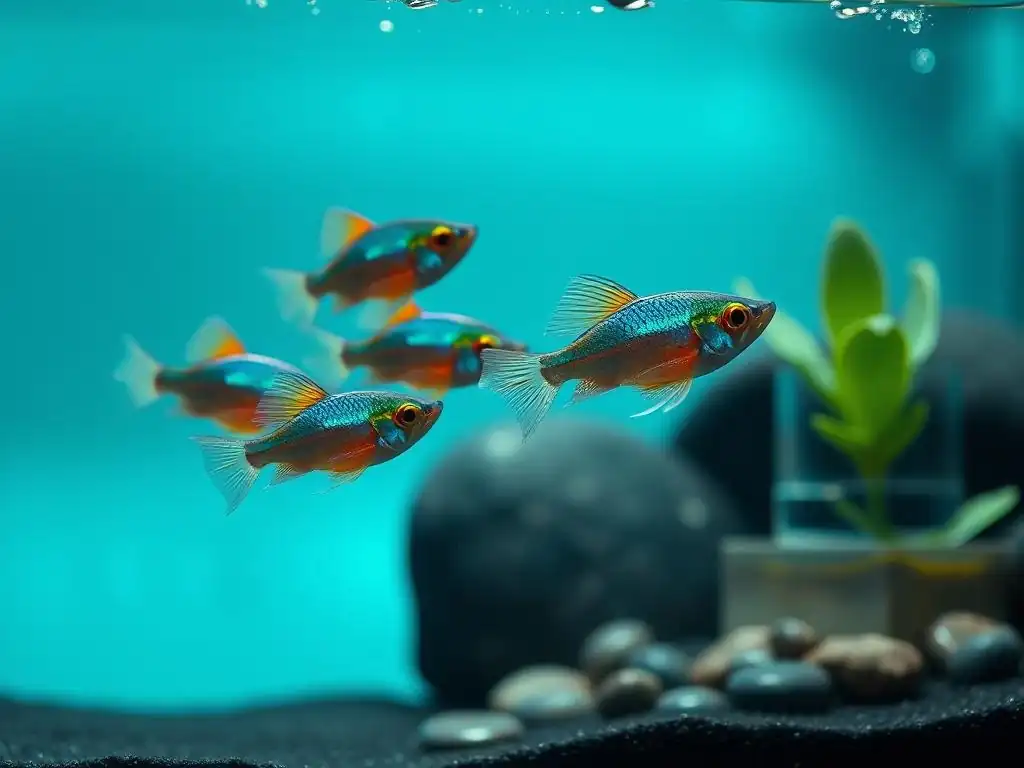
Neon Tetras are among the most peaceful and popular community fish, making their compatibility with other species a key aspect of beginner tetra aquarium care. Ideal tank mates are those that are similarly sized, non-aggressive, and prefer similar water parameters (soft, acidic water, 72-78°F). Excellent choices include other small, peaceful tetra species like Glowlight Tetras, Cardinal Tetras, or Rummy Nose Tetras, which will also appreciate the schooling environment.
Bottom-dwelling fish such as Corydoras catfish (e.g., Panda Corys, Pygmy Corys) are perfect companions, as they occupy a different water column and are known for their peaceful nature. Otocinclus catfish, small algae eaters, also make great tank mates. Additionally, small, peaceful rasboras like Harlequin Rasboras or Chili Rasboras, and even some dwarf gourami species (e.g., Honey Gourami), can coexist peacefully with Neon Tetras, creating a diverse and harmonious community aquarium.
Choosing Tank Mates for Cardinal Tetras
Cardinal Tetras, like their Neon cousins, thrive in peaceful community settings and share similar preferences for soft, acidic water and stable temperatures (73-81°F). When selecting tank mates for Cardinal Tetras, the focus should remain on species that are calm, do not grow excessively large, and will not intimidate or consume these relatively small fish.
Compatible options closely mirror those suitable for Neon Tetras. This includes other serene tetra species such as Glowlight Tetras, Lemon Tetras (in large schools), and even small schools of Ember Tetras. Peaceful bottom-dwellers like various Corydoras species (e.g., Julii Cory, Sterbai Cory) and Otocinclus catfish are excellent choices, as they help keep the substrate clean without bothering the tetras. Small, non-aggressive livebearers like Endler's Livebearers (males only to avoid overpopulation) or peaceful dwarf cichlids, such as German Blue Rams, can also be considered in larger, well-established tanks, provided ample hiding spaces are available.
Fish to Avoid: Aggressive or Incompatible Tank Mates
When planning your beginner tetra aquarium, it's just as important to know which fish to avoid as it is to know which to include. Introducing aggressive or incompatible tank mates can lead to constant stress, fin nipping, injury, or even the death of your peaceful tetras. Large, predatory fish such as Angelfish (especially larger specimens), Oscars, or other large cichlids are generally unsuitable, as they may view tetras as food.
Highly aggressive or semi-aggressive species, even if they are similar in size, should also be avoided. This includes species like Tiger Barbs, which are notorious fin nippers, especially if not kept in very large schools themselves. Some types of larger, more boisterous livebearers might also outcompete tetras for food. Always research the adult size and temperament of any potential tank mate thoroughly before introducing them, ensuring they align with the peaceful and schooling nature of your tetras for successful beginner tetra aquarium care.
Troubleshooting Common Tetra Aquarium Issues
Dealing with Algae Problems in Tetra Tanks
Algae growth is a common issue in many aquariums, including those housing tetras, and while a small amount is natural, excessive algae can be unsightly and indicate an imbalance. The primary causes of algae blooms are too much light (either too intense or on for too long) and an excess of nutrients (nitrates and phosphates) in the water. For beginner tetra aquarium care, addressing these root causes is essential.
To combat algae, start by reducing the duration of your tank's lighting period to 8-10 hours per day. Consider if your light is too powerful for your setup; if so, raise it or reduce its intensity. Increase the frequency or volume of your weekly water changes to export excess nutrients. Ensure you are not overfeeding your tetras, as uneaten food breaks down into nutrients that fuel algae. Introducing certain algae-eating fish like Otocinclus catfish or a few Amano shrimp can also help control minor algae issues, but they are not a substitute for proper maintenance.
Addressing Cloudy Water in Your Tetra Aquarium
Cloudy water is a frequent concern for new aquarists and can arise from several factors in a beginner tetra aquarium. The most common cause in a newly set up tank is a "bacterial bloom," which occurs during the nitrogen cycle as beneficial bacteria rapidly multiply. This cloudiness is typically milky white and usually resolves itself within a few days or weeks as the cycle establishes. Resist the urge to do large water changes during this phase, as it can delay the cycling process.
Other causes of cloudy water include overfeeding, which leads to decaying food and a surge in organic matter; insufficient filtration, where the filter is not effectively removing particulate matter; or a build-up of detritus in the substrate. To address these, ensure you are feeding your tetras sparingly, perform regular small water changes (25% weekly), and ensure your filter is clean and properly sized for your tank. Mechanical filter media should be rinsed or replaced regularly to maintain clear water.
Preventing and Resolving Fin Nipping Among Tetras
Fin nipping, while generally uncommon among the most peaceful tetra species, can occasionally occur, particularly with species like Black Skirt Tetras or Lemon Tetras, or if tetras are stressed. This behavior typically manifests as small nips out of the fins of tank mates, especially those with long, flowing fins. The primary causes are often insufficient school size, leading to increased aggression or stress, or an overcrowded tank.
To prevent fin nipping, always keep tetras in appropriately sized schools, generally 6-10 individuals or more, depending on the species. A larger school provides security and allows any nipping tendencies to be directed towards each other rather than tank mates, diffusing aggression. Ensure the tank is not overcrowded and provides ample hiding spots and visual barriers with plants and decorations.
If nipping occurs, consider increasing the school size of the offending tetra species, reviewing tank mate compatibility, or providing more space. Healthy, well-fed, and unstressed tetras are less likely to engage in such behaviors, highlighting the importance of comprehensive beginner tetra aquarium care.
Advanced Tetra Care: Going Beyond the Basics
Breeding Tetras: A Guide to Successful Spawning
Breeding tetras can be a challenging but rewarding endeavor, often requiring specific conditions that go beyond routine beginner tetra aquarium care. Most tetra species are egg layers and do not exhibit parental care. Successful spawning typically involves setting up a dedicated breeding tank, usually 5-10 gallons, with very soft (GH 0-4 dGH) and acidic (pH 5.0-6.5) water, often achieved through reverse osmosis (RO) water mixed with a small amount of tap water.
The breeding tank should have fine-leaved plants like Java Moss or spawning mops for eggs to adhere to. Conditioning the breeding pair with live foods such as bloodworms and brine shrimp for several weeks can induce spawning. Once eggs are laid, the parents should be removed promptly to prevent them from eating the eggs.
Fry typically hatch within 24-48 hours and are notoriously tiny, requiring microscopic foods like infusoria or specialized liquid fry food for the first few days, before transitioning to newly hatched brine shrimp. While some tetras like Black Skirt Tetras are relatively easier, species like Neon Tetras are notoriously difficult to breed in captivity.
Understanding the nuanced behavior and social dynamics of tetras is a fascinating aspect of moving beyond basic beginner tetra aquarium care. The most prominent characteristic is their strong schooling instinct. In their natural habitats, schooling provides protection from predators and aids in foraging. In the aquarium, a sufficiently sized school (typically 6-10 or more individuals, depending on the species) is crucial for their well-being. When kept in inadequate numbers, tetras can become stressed, shy, or even aggressive, losing their vibrant colors and natural schooling patterns.
Observe their interactions: a healthy school will move cohesively, often darting together. Some species, like Rummy Nose Tetras, exhibit very tight schooling, while others, like Black Skirt Tetras, may be more loosely grouped. Pay attention to individual fish; if one is consistently hiding, being chased, or showing signs of stress outside the group, it might indicate an issue with tank mates, water quality, or insufficient school size. Recognizing these subtle cues allows for proactive adjustments, ensuring a thriving and happy tetra community.
Exploring Different Tetra Species and Their Unique Needs
While the initial focus of beginner tetra aquarium care often centers on the hardiest and most common species, the world of tetras is vast and diverse, offering opportunities for exploration as your experience grows. Beyond the classic Neons and Cardinals, there are hundreds of other captivating species, each with unique characteristics and specific care requirements.
For instance, Rummy Nose Tetras (Hemigrammus rhodostomus) are renowned for their intense red noses and incredibly tight schooling behavior, but they are more sensitive to water parameter fluctuations and prefer very stable, soft, acidic water. Congo Tetras (Phenacogrammus interruptus) are larger, iridescent African tetras that require a bigger tank (30+ gallons) and are less strictly schooling than their South American counterparts.
Emperor Tetras (Nematobrycon palmeri) are stunning, displaying unique fin extensions and a more territorial nature, requiring careful tank mate selection. Exploring these diverse species can lead to a deeper appreciation for the variety within the tetra family and provide new challenges for the experienced aquarist.
Conclusion: Enjoying Your Tetra Aquarium Journey
The Rewards of Keeping Tetras: A Fulfilling Hobby
Embarking on the journey of keeping tetras, guided by diligent beginner tetra aquarium care, is an incredibly rewarding experience. These small, vibrant fish bring a dynamic beauty and captivating social interaction to any freshwater aquarium. Witnessing a school of Neon Tetras darting in unison, or observing the subtle color changes of a peaceful Glowlight Tetra, can be a source of daily tranquility and fascination. Their relatively hardy nature, once their basic needs are met, makes the hobby accessible and enjoyable for newcomers, providing a sense of accomplishment as your aquatic ecosystem thrives.
Beyond their aesthetic appeal, keeping tetras fosters a deeper understanding of aquatic biology and the delicate balance required to maintain a healthy environment. The commitment to consistent water changes, proper feeding, and vigilant observation builds valuable skills and patience. For many, a tetra aquarium becomes more than just a tank of fish; it transforms into a living piece of art and a fulfilling connection to the natural world.
Resources for Further Learning About Tetra Care
The world of aquarium keeping, and specifically beginner tetra aquarium care, is vast and continually evolving, offering endless opportunities for further learning and exploration. While this guide provides a solid foundation, deepening your knowledge will enhance your success and enjoyment. AquariumMastery.com is an excellent resource, offering detailed articles on specific tetra species profiles, advanced care techniques, troubleshooting guides for common issues, and comprehensive information on water chemistry and plant selection.
Engaging with online forums and communities dedicated to aquarists can also provide invaluable insights, allowing you to learn from the experiences of others and ask specific questions. Books on freshwater fishkeeping and specialized tetra guides offer in-depth scientific and practical information. Continuously educating yourself on the latest best practices, researching new species, and understanding the intricate details of aquatic ecosystems will transform your initial foray into tetra keeping into a lifelong, enriching hobby.
Frequently Asked Questions
What are the easiest tetra species for beginners to keep in an aquarium?
The easiest tetra species for beginners often include Neon Tetras, Black Skirt Tetras, and Ember Tetras. These species are generally hardy and adaptable to various water conditions.
What is the ideal tank size for a beginner tetra aquarium?
A 10-gallon tank is often considered the minimum suitable size for a small school of tetras. However, a 20-gallon long tank is preferable as it provides more swimming space and stability for the water parameters.
What are the essential water parameters to monitor in a tetra aquarium?
Maintaining stable water parameters is crucial. Key parameters include a pH between 6.0 and 7.0, a temperature between 72°F and 78°F, and zero ammonia and nitrite levels.
How often should I perform water changes in my beginner tetra aquarium?
Regular water changes are vital. Aim to perform a 25% water change weekly using dechlorinated water to maintain water quality and remove accumulated nitrates.
What should I feed my tetras in a beginner aquarium setup?
Feed your tetras a high-quality flake food formulated for tropical fish. Supplement their diet with small live or frozen foods like daphnia or bloodworms a few times a week for optimal health and color.
Final Reflection: Embracing the Tranquility of Tetra Aquariums
The journey into aquarium keeping, particularly with the vibrant and forgiving tetra, offers a unique opportunity to connect with nature within the confines of our own homes. The simplicity and beauty of a well-maintained tetra aquarium belie the profound lessons it teaches about responsibility, patience, and the delicate balance of ecosystems. This guide, hopefully, has demystified the process and empowered aspiring aquarists to embark on this rewarding adventure.
The allure of tetra aquariums extends beyond mere aesthetics; it's about creating a miniature world, a sanctuary of calm in our often-chaotic lives. My own experience with these shimmering schools has instilled in me a deeper appreciation for the interconnectedness of life and the importance of mindful observation. In every walk with nature one receives far more than he seeks.
- John Muir. This sentiment perfectly captures the quiet joy and profound learning that comes from tending to a thriving tetra aquarium.
Now, armed with the knowledge and inspiration from this guide, I encourage you to take the plunge and create your own underwater haven. Consider the lessons learned, the species discussed, and the essential care tips provided. Let the gentle dance of tetras in your aquarium serve as a constant reminder of the beauty and fragility of life, and inspire you to cultivate a deeper connection with the natural world. Your journey into the world of tetra aquariums is just beginning, and the possibilities are as boundless as the ocean itself.
Unlock Your Tetra Paradise Today!
Thank you for diving into the world of tetras with us! We hope this guide has equipped you with the knowledge to confidently care for these vibrant fish. Ready to take the next step?
- Start your tetra tank! Choose one of the beginner-friendly species mentioned and carefully set up their new home.
- Explore Aquarium Mastery's forum. Share your experiences and connect with other tetra enthusiasts.
- Challenge yourself: Try recreating the natural habitat of your chosen tetra species for an even richer experience.
What species will you choose to begin your tetra journey, and what unique features will you incorporate into their aquarium?