
Creating an Otocinclus Paradise: Tank Setup for Optimal Health & Happiness

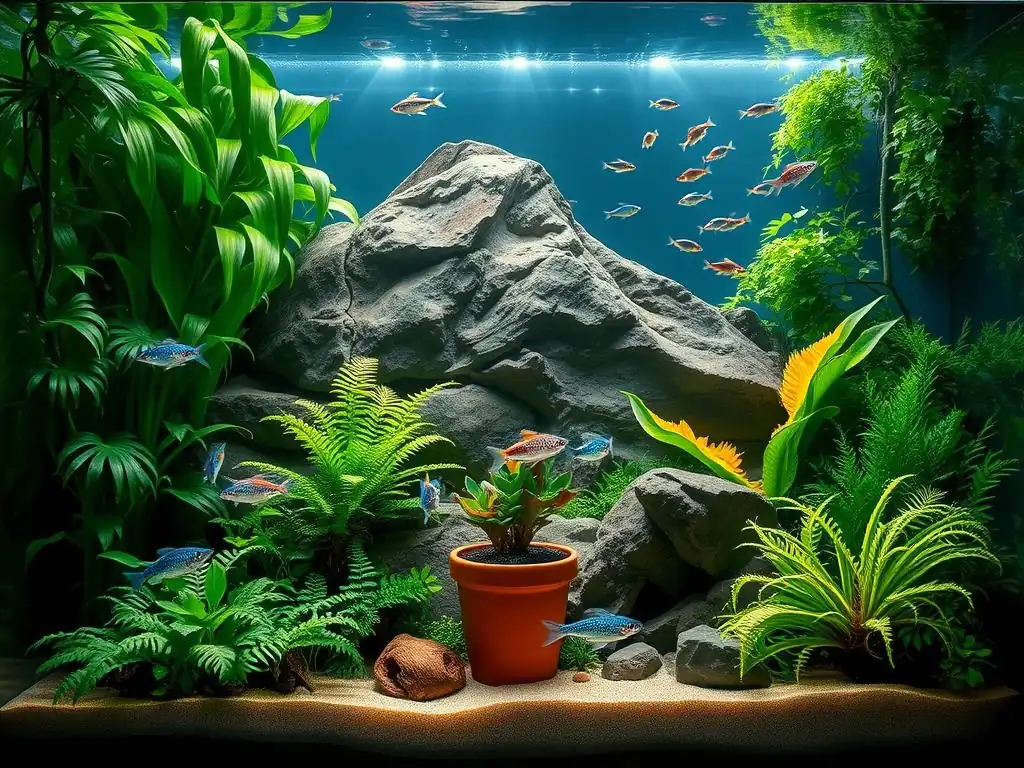
Welcome to Aquarium Mastery!
Ever wondered how to create the perfect underwater paradise for those adorable algae-eating Otocinclus? Our Otocinclus tank setup guide dives deep into crafting the ideal environment for these peaceful fish, ensuring their health and happiness. Ready to unlock the secrets to a thriving Otocinclus community? Let's get started!
- Introduction: Why the Right Otocinclus Tank Setup Matters
- Step-by-Step Otocinclus Tank Setup Guide
- Optimizing Your Otocinclus Tank for Algae Control and Health
- Choosing the Right Tank Mates for Otocinclus
- Troubleshooting Common Otocinclus Tank Issues
- Conclusion: Enjoying Your Otocinclus Paradise
-
Frequently Asked Questions
- What is the ideal tank size for Otocinclus catfish?
- What are the key water parameters to maintain in an Otocinclus tank?
- What type of substrate and decor should I use in an Otocinclus tank?
- What fish are compatible with Otocinclus in a community aquarium?
- How do I ensure my Otocinclus get enough to eat in a new tank?
- Final Reflection: Nurturing Aquatic Harmony
- Cultivate Your Otocinclus Oasis Today!
Introduction: Why the Right Otocinclus Tank Setup Matters
Understanding Otocinclus Needs: A Foundation for a Thriving Aquarium
Otocinclus catfish, often affectionately called "Otos," are small, peaceful, and highly beneficial algae-eating fish native to South America. Their natural habitats are typically clear, oxygen-rich, slow-moving waters with abundant vegetation and driftwood. Understanding these origins is crucial for creating an "Otocinclus paradise" in a home aquarium, as their delicate nature requires specific environmental conditions to thrive. Without a proper Otocinclus tank setup guide, aquarists often overlook critical details that lead to stress, disease, and premature death for these sensitive creatures.
These diminutive fish, typically reaching only 1.5 to 2 inches in length, are highly social and prefer to live in groups of at least six to ten individuals. Their natural diet consists primarily of diatoms and soft algae, which they tirelessly graze from surfaces. Therefore, providing a stable, mature environment with a consistent food source and appropriate hiding places is paramount for their long-term well-being and happiness. A well-planned Otocinclus tank setup guide helps ensure these essential elements are in place from day one.
The Importance of a Species-Specific Otocinclus Tank Guide
While many fish can adapt to a wide range of tank conditions, Otocinclus catfish are an exception due to their susceptibility to poor water quality and stress. A generic aquarium setup often falls short of their specific requirements, leading to high mortality rates, especially within the first few weeks after introduction. This is why a detailed, species-specific Otocinclus tank setup guide is indispensable for any aspiring or experienced aquarist looking to keep these charming fish.
Following a specialized guide ensures that all aspects of the aquarium, from filtration to substrate and plant selection, are tailored to the Otocinclus's unique physiological and behavioral needs. This proactive approach not only significantly increases their chances of survival but also allows them to exhibit their natural behaviors, contributing to a more vibrant and balanced ecosystem within the tank. Ultimately, a precise Otocinclus tank setup guide is the blueprint for creating a healthy, thriving home for these beneficial bottom-dwellers.
Step-by-Step Otocinclus Tank Setup Guide
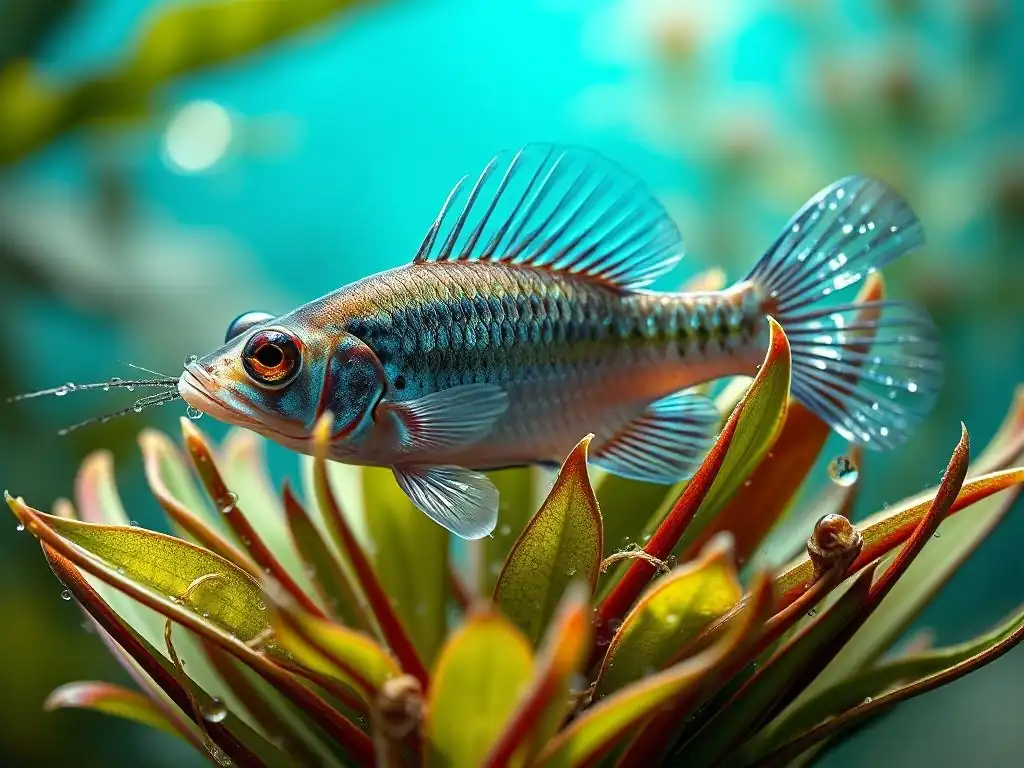
Step 1: Choosing the Right Size Tank for Otocinclus
Minimum Tank Size Recommendations for Otocinclus Schools
Otocinclus catfish are schooling fish, meaning they thrive and feel secure when kept in groups. For a healthy school of at least six to eight Otocinclus, a minimum tank size of 10 to 15 gallons (approximately 38 to 57 liters) is generally recommended. While a 10-gallon tank might seem sufficient for their small individual size, the space is quickly utilized by a group, and the larger water volume of a 15-gallon tank offers greater stability in water parameters, which is critical for Otos.
However, for optimal health and to allow for more stable parameters and a larger school (e.g., 10-12 individuals), a 20-gallon long tank (approximately 76 liters) is often considered ideal. The "long" dimension provides more swimming and grazing surface area, which Otos appreciate. This larger footprint also makes it easier to incorporate dense planting and driftwood, replicating their natural habitat more effectively and enhancing the overall Otocinclus tank setup.
Considering Otocinclus Bioload and Space Requirements
Despite their small size, Otocinclus contribute to the tank's bioload, albeit minimally compared to larger fish. The primary concern with Otos is not their waste production but rather their need for stable water conditions and ample grazing surfaces. A smaller tank, even with fewer fish, is more prone to rapid fluctuations in temperature, pH, and nitrate levels, which are highly detrimental to these sensitive catfish.
Furthermore, while Otos are not active swimmers in the open water column, they are constant grazers, exploring every surface of the tank. A larger tank provides more surface area for biofilm and algae to grow, offering a continuous food source and reducing competition among the school. This ample space also minimizes stress from overcrowding, allowing each Otocinclus to establish its own foraging territory within the group, contributing to a truly successful Otocinclus tank setup.
Step 2: Essential Aquarium Equipment for Otocinclus
Selecting the Best Filter for Otocinclus: Filtration Needs
Effective filtration is paramount for an Otocinclus tank setup, but it must be chosen carefully to avoid creating excessive current, which Otos dislike. A gentle flow is key. Sponge filters are an excellent choice for Otocinclus aquariums.
They provide both mechanical and biological filtration, are very gentle, and offer additional surface area for beneficial bacteria and even some algae growth that Otos can graze on. For tanks 20 gallons or larger, a hang-on-back (HOB) filter can be used, but it's crucial to select one with adjustable flow or to baffle the output with a sponge or spray bar to diffuse the current.
Canister filters can also be suitable for larger Otocinclus setups, again with careful attention to flow reduction. Regardless of the type, biological filtration is the most critical component, as it breaks down harmful ammonia and nitrites. Ensure the filter is adequately sized for the tank volume and that it runs continuously to maintain a stable environment. Regular, but gentle, filter maintenance is necessary to prevent clogs without destroying the beneficial bacterial colonies.
Heaters and Thermometers: Maintaining Stable Water Temperatures
Otocinclus are tropical fish and require stable water temperatures to thrive. The ideal temperature range for an Otocinclus tank setup is between 72°F and 78°F (22°C to 26°C). A reliable aquarium heater, appropriately sized for the tank volume, is essential to maintain this consistency. For a 10-gallon tank, a 25-watt to 50-watt heater is usually sufficient, while a 20-gallon tank might require a 50-watt to 100-watt heater. It's always better to slightly overestimate heater wattage to ensure it can cope with ambient room temperature fluctuations.
Alongside the heater, an accurate thermometer is non-negotiable. Digital thermometers are often preferred for their precision and ease of reading. Place the thermometer at the opposite end of the tank from the heater to get an accurate reading of the overall water temperature. Consistent temperature prevents stress and supports the Otocinclus's metabolism and immune system, making it a vital part of any effective Otocinclus tank setup guide.
Lighting Options for a Planted Otocinclus Tank
Lighting in an Otocinclus tank setup serves multiple purposes: it highlights the fish, supports live plant growth, and encourages the growth of beneficial algae that Otos graze upon. For a heavily planted Otocinclus aquarium, moderate lighting (around 1.5 to 2 watts per gallon for fluorescent lights, or comparable LED output) for 8 to 10 hours a day is generally sufficient. Too much light can lead to an explosion of undesirable green hair algae, while too little will hinder plant growth and beneficial biofilm development.
LED lights are a popular choice due to their energy efficiency, longevity, and adjustability. Many modern LED fixtures allow for spectrum and intensity control, which can be beneficial for specific plant types. Consider a timer to ensure a consistent photoperiod, mimicking natural day-night cycles and preventing algae issues. The right lighting is not just for aesthetics; it's a critical component for a thriving planted Otocinclus tank setup.
Step 3: Substrate and Aquascaping for Otocinclus
Choosing a Safe and Suitable Substrate for Otocinclus
The substrate for an Otocinclus tank setup should prioritize the safety and comfort of these delicate bottom-dwellers. Fine-grained sand or smooth, small gravel (less than 2-3mm) are the best choices. Otocinclus are constantly foraging along the substrate, and sharp or rough gravel can injure their sensitive barbels, leading to infections or difficulty feeding. A dark-colored substrate can also help Otos feel more secure and display their natural coloration more vibrantly.
Avoid substrates that are known to alter water parameters significantly, such as crushed coral, unless specifically aiming for harder water for other inhabitants (which is generally not ideal for Otos). If using a plant-specific substrate, ensure it's capped with a layer of sand or fine gravel to protect the Otocinclus. A clean, fine substrate also makes it easier for uneaten food and detritus to be siphoned during maintenance, contributing to overall water quality in your Otocinclus tank setup.
Creating a Natural Habitat: Driftwood, Rocks, and Hiding Places
Replicating the Otocinclus's natural South American riverine habitat is key to their well-being. This means incorporating plenty of natural décor, specifically driftwood and smooth rocks. Driftwood, such as Malaysian bogwood or Mopani wood, is particularly beneficial as it releases tannins that slightly lower pH and soften water, mimicking their native soft, acidic waters. More importantly, driftwood surfaces develop a biofilm and soft algae layer that Otos love to graze on, serving as a vital food source.
Smooth rocks (e.g., river stones, lava rock) can also provide additional grazing surfaces and structure. Arrange these elements to create numerous hiding places and shaded areas, which Otos will utilize when feeling stressed or resting. Overhanging plants, caves formed by rocks, or crevices in driftwood offer essential refuge. A well-aquascaped Otocinclus tank setup with ample cover reduces stress and encourages natural behaviors.
Live Plants for Otocinclus: Benefits and Recommendations
Live plants are perhaps the most crucial element in an optimal Otocinclus tank setup. They offer numerous benefits: they provide additional grazing surfaces for algae and biofilm, create essential hiding spots, help maintain water quality by absorbing nitrates, and oxygenate the water. Otocinclus are often seen resting on broad plant leaves or darting through dense foliage.
Excellent plant choices for an Otocinclus tank include low-light, hardy species that attach to driftwood or rocks, like Anubias species (e.g., Anubias nana, Anubias barteri), Java Fern (Microsorum pteropus), and various types of aquatic mosses (e.g., Java Moss, Christmas Moss). Stem plants like Water Wisteria (Hygrophila difformis) or Vallisneria species can provide dense background cover. Floating plants such as Frogbit or Dwarf Water Lettuce can also be beneficial, as they diffuse light and create shaded areas, further enhancing the natural feel of your Otocinclus tank setup.
Step 4: Water Chemistry and Cycling Your Otocinclus Tank
Understanding Water Parameters: pH, Ammonia, Nitrite, and Nitrate
Maintaining precise water parameters is non-negotiable for the delicate Otocinclus. They thrive in soft, slightly acidic to neutral water. The ideal pH range is generally between 6.0 and 7.5, with 6.5-7.0 being optimal. Hardness (GH/KH) should be on the softer side, typically below 10 dGH. Most importantly, ammonia (NH3/NH4+) and nitrite (NO2-) levels must be zero, as even trace amounts are highly toxic to Otos. Nitrate (NO3-) levels should be kept consistently low, ideally below 20 ppm, and certainly no higher than 40 ppm.
Regular testing with a reliable liquid test kit (not test strips) is essential to monitor these parameters. Understanding these values is fundamental for any Otocinclus tank setup guide, as deviations can quickly lead to stress, illness, and death for these sensitive fish. Consistent monitoring allows for timely adjustments to prevent issues before they become critical.
The Nitrogen Cycle: Establishing a Healthy Biological Filter
Before introducing any Otocinclus, the aquarium must be fully cycled. The nitrogen cycle is the process by which beneficial bacteria convert toxic ammonia (from fish waste, uneaten food) into less toxic nitrite, and then into even less toxic nitrate. This biological filtration is the cornerstone of a healthy and stable aquarium. Cycling typically takes 4-6 weeks and involves introducing an ammonia source (e.g., pure ammonia, fish food) and waiting for bacterial colonies to establish themselves in the filter media and substrate.
During the cycling process, daily testing for ammonia, nitrite, and nitrate is crucial to track progress. The tank is considered fully cycled when both ammonia and nitrite levels consistently read zero within 24 hours of adding an ammonia source, and nitrates are present. Rushing this process or adding Otos to an uncycled tank is a common mistake that almost always results in their demise, emphasizing the importance of this step in an Otocinclus tank setup guide.
Water Changes: Maintaining Pristine Water Quality for Otocinclus
Even in a fully cycled tank, nitrates accumulate over time and must be removed through regular partial water changes. For an Otocinclus tank setup, weekly water changes of 20-30% are highly recommended to keep nitrate levels low and replenish essential minerals. Always use a reliable water conditioner to neutralize chlorine and chloramines from tap water, which are harmful to fish and beneficial bacteria.
When performing water changes, ensure the temperature of the new water matches the tank water as closely as possible to prevent temperature shock. Gently siphon water from the bottom to remove detritus and uneaten food. While Otos are excellent algae eaters, they do not consume fish waste. Consistent water changes are the most effective method for maintaining the pristine water quality that Otocinclus require to thrive, making them a non-negotiable part of their long-term care.
Step 5: Introducing Your Otocinclus to Their New Home
Acclimation Process: Minimizing Stress During Introduction
Otocinclus are notoriously sensitive to changes in water parameters, making a slow and careful acclimation process absolutely critical for their survival. The drip acclimation method is highly recommended over simply floating the bag. To drip acclimate, place the Otos in a small container with their original bag water. Then, using airline tubing with a knot to control the flow, slowly drip tank water into the container, allowing the tank water to gradually mix with the bag water over 60-90 minutes. The goal is to slowly adjust them to the new pH, temperature, and hardness.
Once the volume of water in the container has roughly quadrupled, net the Otos out and gently release them into the tank, discarding the old bag water. Never pour the bag water directly into your aquarium, as it can contain undesirable pathogens or chemicals. This meticulous acclimation process significantly reduces the stress on Otocinclus, increasing their chances of a successful transition into their new Otocinclus tank setup.
Monitoring Otocinclus Behavior After Introduction
After introducing your Otocinclus, close observation over the next few days is essential. Healthy Otos should immediately begin exploring their new surroundings, grazing on tank surfaces, and forming a loose school. Look for signs of stress, such as clamped fins, rapid breathing, staying motionless at the surface or bottom, or erratic swimming. Pale coloration can also be an indicator of stress or illness.
It's normal for them to be a bit shy initially, but within a few hours, they should start to become more active. Ensure there are plenty of hiding places for them to retreat to if they feel insecure. If any Otos appear lethargic or are not feeding, double-check your water parameters immediately. Consistent monitoring helps identify potential issues early, allowing for quick intervention to maintain the optimal health and happiness of your Otocinclus in their carefully prepared tank setup.
Optimizing Your Otocinclus Tank for Algae Control and Health
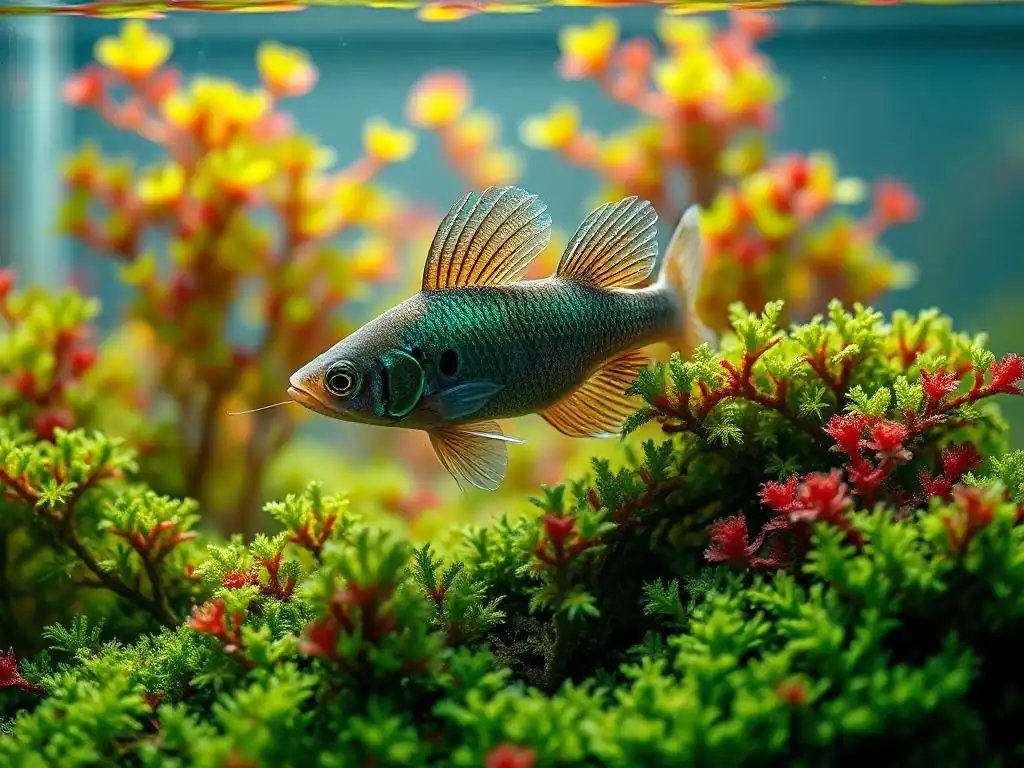
Algae Control Strategies for Otocinclus Aquariums
Encouraging Natural Algae Growth: Creating a Food Source
For Otocinclus, algae isn't just a nuisance; it's a primary food source. Therefore, a successful Otocinclus tank setup guide actively encourages the growth of beneficial, soft algae and biofilm, particularly diatoms (brown algae), which Otos prefer. This can be achieved by providing consistent, moderate lighting (e.g., 8-10 hours daily) and ensuring there are ample surfaces like driftwood, rocks, and plant leaves for algae to colonize. A mature tank with established surfaces will naturally develop these films over time.
Some aquarists even employ specific strategies to cultivate Otocinclus-friendly algae, such as placing a few smooth rocks in a separate, sunlit container filled with tank water for a week or two, allowing algae to grow, and then rotating these "algae rocks" into the main tank. This ensures a continuous supply of their preferred natural diet. This approach minimizes the need for supplemental feeding and promotes natural grazing behaviors, contributing to the Otocinclus's overall health and vitality.
Supplementing Diet: When Algae Isn't Enough
While Otocinclus are excellent algae eaters, relying solely on natural algae growth in a home aquarium can be insufficient, especially in newer or very clean tanks, or with a large school. It's crucial to supplement their diet to ensure they receive adequate nutrition. High-quality algae wafers or spirulina tabs are excellent choices, but offer them sparingly as Otos have small mouths and can be outcompeted by larger fish. Blanched vegetables like zucchini slices, cucumber, or spinach leaves are also highly accepted. Pin them down with an aquarium clip or rock to prevent them from floating away.
Offer supplemental foods a few times a week, preferably after lights out, as Otos are primarily crepuscular/nocturnal grazers. Remove any uneaten food after 12-24 hours to prevent water quality issues. Observing their bellies is a good indicator of their nutritional status; a slightly rounded belly suggests adequate feeding, while a sunken belly indicates undernourishment. A balanced diet is a critical aspect of maintaining the health of your Otocinclus, even within a well-established Otocinclus tank setup.
Maintaining Optimal Water Quality for Otocinclus Health
Regular Testing and Adjustments of Water Parameters
Consistent water quality is the cornerstone of Otocinclus health. This means not just initial cycling, but ongoing vigilance. Weekly testing of pH, ammonia, nitrite, and nitrate levels is paramount. While ammonia and nitrite should always be zero, even slight fluctuations in pH or a gradual increase in nitrates can stress Otos. For example, if nitrates climb above 20 ppm, it's a clear signal that a water change is needed, or that the existing water change schedule might need to be increased.
Adjustments should be made cautiously. If pH deviates too much, investigate the cause (e.g., decaying organic matter, CO2 injection) rather than relying on chemical buffers, which can cause dangerous swings. If hardness is too high, consider using RO water mixed with tap water. The goal is stability; small, consistent efforts in monitoring and adjusting parameters are far better than large, infrequent interventions for an Otocinclus tank setup.
Preventing Common Otocinclus Diseases
Otocinclus are generally hardy once established in a mature, stable tank, but they are susceptible to diseases if water quality declines or they are stressed during acclimation. The most common issues arise from poor water parameters, leading to bacterial infections, fungal growth, or parasitic infestations like Ich (white spot disease). Symptoms often include clamped fins, lethargy, loss of appetite, or visible spots/growths.
Prevention is the best cure. Maintaining pristine water conditions, ensuring a stable temperature, providing a varied diet, and minimizing stress during introduction are the most effective preventive measures. Quarantining new fish for 2-4 weeks before adding them to the main Otocinclus tank setup is also highly recommended to prevent the introduction of pathogens. If disease does occur, prompt diagnosis and treatment, often involving medication and increased water changes, are necessary.
Choosing the Right Tank Mates for Otocinclus
Compatible Fish Species for a Peaceful Community Tank
Choosing appropriate tank mates is crucial for the peaceful and shy Otocinclus. They thrive in a tranquil environment and can become stressed by aggressive or overly boisterous fish. Ideal tank mates are small, peaceful, and do not compete for the same food sources or occupy the same bottom-dwelling niche. Good options include various species of small tetras (e.g., Neon Tetras, Ember Tetras, Green Neon Tetras, Cardinal Tetras), which tend to stay in the mid to upper water column.
Other suitable companions include peaceful rasboras (e.g., Harlequin Rasboras, Chili Rasboras), small livebearers like Endler's Livebearers (if water parameters match), and certain peaceful dwarf cichlids like German Blue Rams, provided the tank is sufficiently large and well-planted to offer territories. Always research the specific needs and temperament of any potential tank mate to ensure it aligns with the gentle nature of your Otocinclus tank setup.
Invertebrate Tank Mates: Shrimp and Snails
Invertebrates make excellent tank mates for Otocinclus, as they are generally peaceful, don't compete for food, and often contribute to tank cleanliness. Various types of freshwater shrimp, such as Cherry Shrimp (Neocaridina davidi), Amano Shrimp (Caridina multidentata), and Ghost Shrimp, are highly compatible. Amano shrimp are particularly beneficial as they also consume algae, complementing the Otocinclus's grazing habits without direct competition.
Snails, too, are great additions to an Otocinclus tank setup. Nerite Snails are fantastic algae eaters and pose no threat to fish or plants. Mystery Snails, Ramshorn Snails, and Trumpet Snails can also coexist peacefully, helping to clean up uneaten food and detritus. Ensure that any snail species chosen is not known to predate on fish or plants, and remember that snails will add to the bioload, so monitor water parameters accordingly.
Fish to Avoid: Aggressive or Competitive Species
Certain fish species are entirely unsuitable as tank mates for Otocinclus due to their aggressive nature, large size, or competitive feeding habits. Any large, predatory fish, such as Cichlids (other than very peaceful dwarf species), Oscars, or even larger Gouramis, should be avoided, as they may view Otocinclus as a food source. Fish known for nipping fins, like some species of Barbs (e.g., Tiger Barbs), can also stress or injure the delicate Otos.
Furthermore, avoid other bottom-dwelling fish that are highly competitive for food, such as larger Plecos (e.g., Common Plecos) or even some species of Corydoras if the tank is too small and food is scarce. While Corydoras are generally peaceful, they can outcompete Otos for sinking foods. The goal is to create a serene environment where the Otocinclus feel safe and can graze without harassment, making careful tank mate selection a vital component of any successful Otocinclus tank setup.
Troubleshooting Common Otocinclus Tank Issues
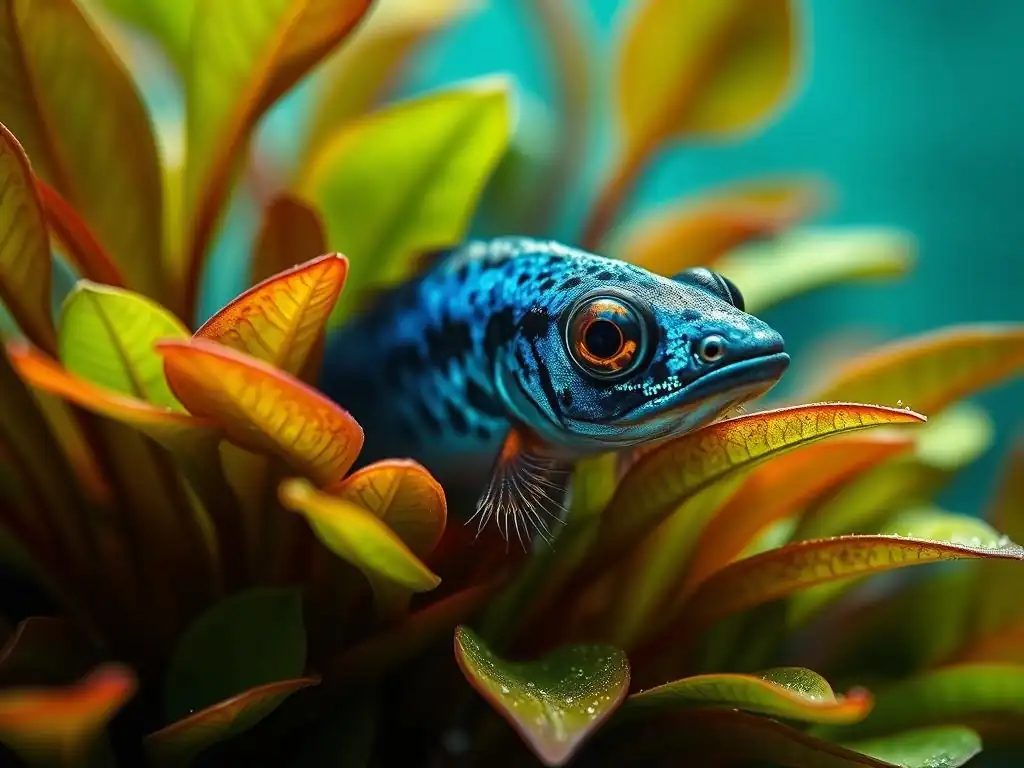
Identifying and Addressing Otocinclus Health Problems
Despite best efforts, Otocinclus can sometimes face health issues, often stemming from environmental stress or poor water quality. Common signs of distress include lethargy, loss of appetite, pale or mottled coloration, clamped fins, rapid breathing, or visible lesions. If an Otocinclus is spending prolonged periods at the surface gasping, it often indicates a lack of oxygen or high ammonia/nitrite levels. If it's at the bottom, motionless, it could be severe stress or illness.
The first step in addressing any health problem is to immediately test all water parameters (ammonia, nitrite, nitrate, pH, temperature). More often than not, an imbalance in water chemistry is the root cause. Perform a partial water change (25-30%) with conditioned, temperature-matched water, and ensure aeration is adequate. If symptoms persist and water parameters are stable, consider specific treatments for common ailments like Ich or bacterial infections, but always research carefully and avoid harsh chemicals that might harm the delicate Otos.
Dealing with Algae Blooms and Imbalances
While Otocinclus are excellent algae eaters, they primarily consume diatoms and soft green algae. They are not effective against all types of nuisance algae, such as stubborn green spot algae, black beard algae (BBA), or hair algae. If your Otocinclus tank setup experiences an explosion of these undesirable algae types, it usually indicates an imbalance in nutrients, light, or CO2. For instance, too much light or excess nitrates/phosphates often fuel green hair algae.
To combat nuisance algae, first identify the cause. Reduce lighting duration (e.g., to 6-7 hours), decrease feeding amounts, and increase water change frequency. Manual removal of algae (scraping, siphoning) is always helpful. For persistent issues like BBA, targeted spot treatments with liquid carbon or hydrogen peroxide (used with extreme caution and proper dilution) can be considered, but always prioritize addressing the underlying cause to maintain a healthy and balanced Otocinclus tank setup.
Maintaining a Stable and Thriving Otocinclus Ecosystem
The key to a long-term, thriving Otocinclus ecosystem is stability and consistency. This means establishing a routine for maintenance and sticking to it. Regular weekly water changes, consistent monitoring of water parameters, and prompt removal of uneaten food are non-negotiable. Avoid sudden, drastic changes to temperature, pH, or tank inhabitants, as these can severely stress Otocinclus.
Continuous observation of your Otos' behavior and the overall tank environment will allow you to anticipate and prevent problems before they escalate. A well-established Otocinclus tank setup, rich in plants and natural decor, with stable parameters and a consistent food source, will not only keep your Otos healthy but also provide a beautiful and engaging piece of nature in your home. Remember that patience and diligence are the greatest allies in creating a truly flourishing Otocinclus paradise.
Conclusion: Enjoying Your Otocinclus Paradise
The Rewards of a Well-Maintained Otocinclus Tank
Creating and maintaining an optimal Otocinclus tank setup is a rewarding endeavor that goes beyond simply keeping fish alive. A well-designed and stable environment allows these fascinating little catfish to truly thrive, exhibiting their natural behaviors—tirelessly grazing on surfaces, schooling together, and occasionally resting on broad plant leaves. Their subtle beauty and diligent algae-eating habits make them a valuable and aesthetically pleasing addition to any peaceful freshwater community tank.
The satisfaction of seeing your Otocinclus healthy, active, and displaying vibrant coloration is immense. They become an integral part of a balanced ecosystem, contributing to the overall cleanliness and biological health of the aquarium. The effort invested in following a comprehensive Otocinclus tank setup guide pays dividends in the form of a thriving, harmonious aquatic display that brings joy and a sense of accomplishment to the aquarist.
Continuous Learning and Improvement in Otocinclus Care
Aquarium keeping, especially with sensitive species like Otocinclus, is a continuous journey of learning and adaptation. Even with the best Otocinclus tank setup guide, unforeseen challenges or new insights may arise. Staying informed about the latest care techniques, understanding the nuances of water chemistry, and observing your fish closely will only enhance your ability to provide the best possible environment.
Engaging with the wider aquarist community, whether through forums, local clubs, or specialized websites like Aquarium Mastery, can provide invaluable knowledge and support. As you gain experience, you'll develop a deeper understanding of your Otocinclus and their specific needs, allowing you to refine your tank setup and care routines further. This commitment to continuous improvement ensures that your Otocinclus paradise remains a healthy, happy, and vibrant home for these delightful little catfish for years to come.
Frequently Asked Questions
What is the ideal tank size for Otocinclus catfish?
Otocinclus are small, peaceful fish, but they still need space. A minimum of 10 gallons is recommended for a small group (4-6), with larger tanks being preferable to allow for more algae growth and a stable environment.
What are the key water parameters to maintain in an Otocinclus tank?
Otocinclus thrive in stable, clean water. Aim for a temperature between 72-78°F, a pH of 6.5-7.5, and keep ammonia and nitrite levels at 0 ppm. Regular water changes are crucial for their health.
What type of substrate and decor should I use in an Otocinclus tank?
A smooth substrate, like sand or fine gravel, is best. Provide plenty of hiding places with driftwood and rocks. Live plants are also beneficial, as they provide algae for grazing and oxygenate the water.
What fish are compatible with Otocinclus in a community aquarium?
Otocinclus are peaceful and do well with other non-aggressive, small fish. Avoid large or boisterous species that might outcompete them for food or stress them out. Good choices include small tetras, rasboras, and shrimp.
How do I ensure my Otocinclus get enough to eat in a new tank?
Otocinclus primarily eat algae. In new tanks, algae growth might be limited. Supplement their diet with algae wafers or blanched vegetables like zucchini and spinach to ensure they receive adequate nutrition.
Final Reflection: Nurturing Aquatic Harmony
The journey of creating an Otocinclus paradise, as detailed in this guide, isn't merely about assembling a tank; it's about fostering a thriving ecosystem. Understanding the delicate balance of their needs is crucial, not just for their survival, but for the overall health and beauty of our aquariums. By prioritizing their specific requirements, we transform a simple glass box into a vibrant, miniature world.
This commitment to responsible aquascaping extends beyond the individual hobbyist. It reflects a growing awareness of our interconnectedness with the natural world and the ethical responsibility we bear towards the creatures in our care. The greatness of a nation and its moral progress can be judged by the way its animals are treated.
- Mahatma Gandhi. This quote resonates deeply, reminding us that even the smallest creatures deserve our respect and thoughtful consideration.
Now, armed with this knowledge, I urge you to reflect on your own aquariums. Are you truly providing an environment where your Otocinclus can flourish? Take the time to reassess, to adjust, and to create a space where these gentle algae eaters can thrive. By doing so, you're not just building a better tank; you're contributing to a more compassionate and sustainable approach to the aquarium hobby, enriching your own life and the lives of these fascinating creatures.
Cultivate Your Otocinclus Oasis Today!
Thank you for diving into the world of Otocinclus care! We hope you found valuable insights into creating a thriving environment for these peaceful algae eaters. Now, it's time to put that knowledge into action and truly elevate your aquarium.
Here are some ways to take your Otocinclus care to the next level:
- Prioritize algae growth by experimenting with lighting schedules and nutrient levels to encourage a natural food source for your Otos.
- Share your Otocinclus success (or challenges!) with fellow enthusiasts on Aquarium Mastery's forum – let's learn together.
- Consider creating a dedicated "Oto Sanctuary" tank, mimicking their natural habitat with driftwood, broadleaf plants, and gentle filtration.
What small change will you make this week to bring your Otos closer to their ideal paradise?