
Betta Mahachaiensis: Uncovering the Secrets of this Unique Wild Type

Welcome to Aquarium Mastery!
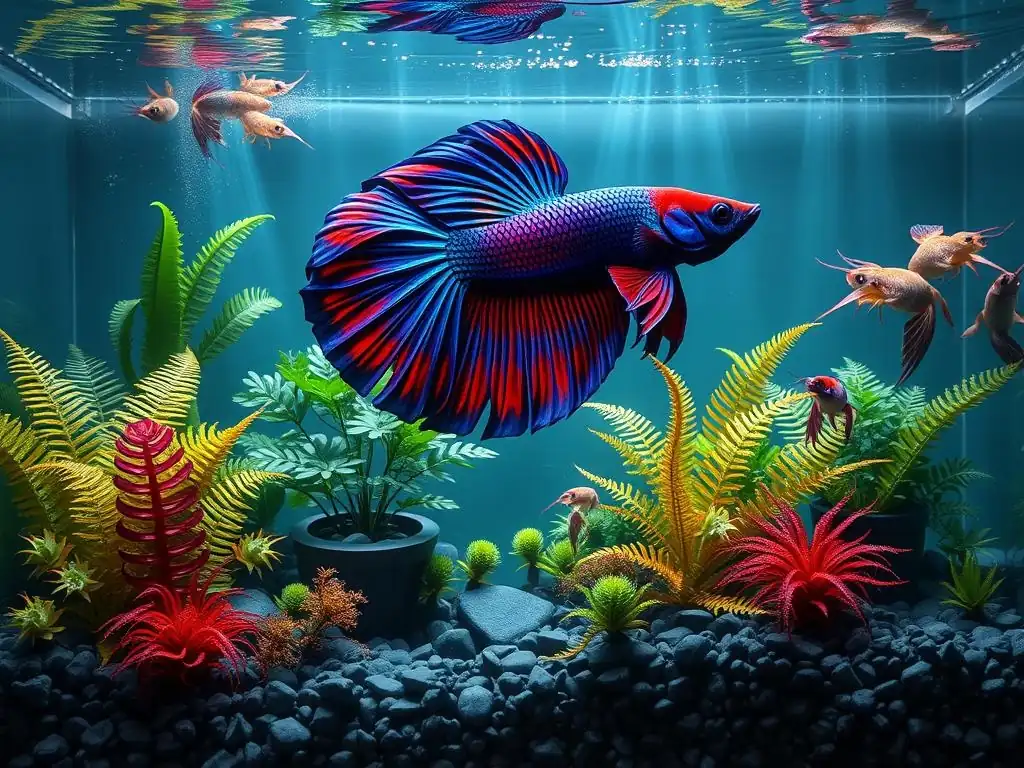
Dive into the captivating world of aquarium keeping and prepare to unlock the secrets of thriving aquatic ecosystems. Ever wondered about the hidden gems within the Betta family? Betta mahachaiensis, a stunning wild type, holds fascinating differences from its more common cousins. Join us as we explore the intricate details of Betta mahachaiensis care, unveiling the unique needs and captivating beauty of this often-overlooked species. Are you ready to master the art of keeping this extraordinary fish? Let's begin!
- Betta Mahachaiensis: Unveiling the Beauty of the Wild Jewel
- Introduction to Betta Mahachaiensis: A Captivating Wild Betta
- Understanding the Natural Habitat of Betta Mahachaiensis
- Setting Up the Ideal Tank for Betta Mahachaiensis
- Betta Mahachaiensis Care: Essential Guidelines
- Breeding Betta Mahachaiensis: A Detailed Guide
- Identifying and Addressing Common Problems with Betta Mahachaiensis
- Where to Find Betta Mahachaiensis: Ethical and Sustainable Practices
- Conclusion: The Allure and Challenge of Betta Mahachaiensis Care
-
Frequently Asked Questions
- What is Betta mahachaiensis and why is it considered a wild type Betta?
- How does Betta mahachaiensis differ from the more common Betta splendens (Siamese Fighting Fish)?
- What are the specific water parameters required for keeping Betta mahachaiensis healthy in an aquarium?
- What type of aquarium setup is recommended for Betta mahachaiensis?
- What do Betta mahachaiensis eat and how often should they be fed?
- Final Reflection: Appreciating the Untamed Beauty
- Dive Deeper into the World of Betta Mahachaiensis!
Betta Mahachaiensis: Unveiling the Beauty of the Wild Jewel
Introduction to Betta Mahachaiensis: A Captivating Wild Betta
Identifying Betta Mahachaiensis: Distinct Characteristics of this Emerald Jewel
Betta mahachaiensis, often hailed as the "Mahachai Betta," is a fascinating wild Betta species distinguished by its unique physical attributes. Unlike the long-finned, flamboyant domesticated Betta splendens, this wild jewel typically exhibits a more streamlined body with shorter, more natural finnage. Its most striking feature is the iridescent green and blue scaling, particularly prominent on the body and opercula (gill covers), which shimmers like polished emeralds under appropriate lighting. Adults generally reach a size of 2 to 2.5 inches (approximately 5 to 6.5 cm) in length, showcasing a robust yet elegant form.
Beyond its vibrant coloration, Betta mahachaiensis can be identified by its specific fin shapes and body markings. The caudal fin is often lance-shaped or rounded, and the ventral fins are typically shorter and less elaborate than those of their captive-bred cousins. Subtle horizontal stripes may be visible on the body, especially when the fish is stressed or displaying. These characteristics, combined with a natural, unexaggerated beauty, make Betta mahachaiensis a sought-after species for aquarists dedicated to authentic Betta care wild type.
Why Betta Mahachaiensis Care Requires Specialized Attention
Caring for Betta mahachaiensis is notably different from the general care provided to common domestic Bettas. As a wild type species, Betta mahachaiensis has evolved to thrive in very specific environmental conditions found in its native habitat. Deviations from these precise parameters can lead to significant stress, weakened immune systems, and increased susceptibility to disease. This necessitates a more informed and dedicated approach to aquarium husbandry, moving beyond the basic requirements often sufficient for commercially bred Betta splendens.
The specialized attention required for Betta mahachaiensis care stems from its need for particular water chemistry, including low-level brackish conditions, and a diet that closely mimics its natural insectivorous intake. Furthermore, these fish are sensitive to fluctuations in water temperature and quality, demanding consistent monitoring and maintenance. Aquarists embarking on Betta care wild type must be prepared for a more rigorous regimen of parameter testing, precise feeding, and environmental enrichment to ensure the health and longevity of these unique aquatic inhabitants.
Understanding the Natural Habitat of Betta Mahachaiensis
Native Environment: Coastal Swamps of Samut Sakhon, Thailand
Betta mahachaiensis originates from a very specific and unique ecological niche: the coastal swamps, drainage ditches, and rice paddies of Samut Sakhon province in central Thailand. This region is characterized by a mix of freshwater and saltwater influences, creating a distinctive low-salinity brackish environment. The natural habitats are often shallow, densely vegetated, and rich in decaying organic matter, such as fallen leaves and wood, which contribute to the water's characteristic "blackwater" appearance and slightly acidic pH.
These environments are typically warm and humid, with water temperatures fluctuating, but generally remaining within a range of 25-30°C (77-86°F). The dense aquatic and emergent vegetation provides ample cover, offering protection from predators and creating territories. The presence of leaf litter not only contributes to the water chemistry but also serves as a foraging ground for small insects and crustaceans, which form the primary diet of Betta mahachaiensis. Understanding these precise conditions is fundamental for effective Betta care wild type.
Water Parameters: Achieving Optimal Brackish Conditions for Thriving Bettas
To successfully keep Betta mahachaiensis, replicating their natural brackish water parameters is paramount. These fish are found in areas where freshwater meets the sea, leading to a consistent, low salinity. The ideal specific gravity for their aquarium should be maintained between 1.002 and 1.005, which corresponds to approximately 2 to 5 parts per thousand (ppt) of salt. This low level of salinity is crucial for their well-being and differs significantly from the pure freshwater conditions typically provided for common Bettas.
In addition to salinity, stable water temperature and pH are vital. The water temperature should consistently be kept within 25-29°C (77-84°F). The pH should range from slightly acidic to neutral, ideally between 6.5 and 7.5, reflecting the influence of decaying organic matter in their natural blackwater habitats. Water hardness (GH) should be soft to moderately hard, typically 5-10 dGH. Consistent monitoring with reliable test kits is essential to maintain these precise conditions, which are the cornerstone of specialized Betta care wild type.
Diet in the Wild: Insectivorous Diet for Optimal Health
In their natural coastal swamp habitats, Betta mahachaiensis are primarily insectivorous, meaning their diet consists predominantly of insects and their larvae. They are agile predators, actively hunting small aquatic insects, mosquito larvae, and various micro-crustaceans that inhabit the dense vegetation and water column. This natural diet is rich in protein, chitin, and essential fatty acids, providing all the necessary nutrients for their growth, vibrant coloration, and overall health.
Replicating this insect-based diet in captivity is crucial for optimal Betta care wild type. A diet lacking these essential components can lead to nutritional deficiencies, weakened immune systems, and dull coloration. Their opportunistic feeding behavior in the wild also indicates that a varied diet is more beneficial than a monotonous one. Providing a diverse range of appropriate live and frozen foods is key to ensuring these wild Bettas thrive in an aquarium environment, supporting their natural instincts and physiological needs.
Setting Up the Ideal Tank for Betta Mahachaiensis
Tank Size and Dimensions: Creating a Spacious Environment
While Betta mahachaiensis are not large fish, providing an appropriately sized tank is essential for their well-being and to facilitate proper Betta care wild type. For a single specimen, a minimum tank size of 5 to 10 gallons (approximately 19 to 38 liters) is recommended. However, a larger tank, such as 15 to 20 gallons (57 to 76 liters), offers greater stability in water parameters and provides more ample swimming space and territory, which can reduce stress and encourage natural behaviors.
When considering tank dimensions, a longer tank is often preferred over a taller, narrower one. This provides more horizontal swimming space, which better mimics their natural shallow water habitats, and increases the surface area for gas exchange. For instance, a 10-gallon "long" tank (20x10x12 inches) is more suitable than a standard 10-gallon tank (20x10x10 inches) or a taller "column" style. Adequate space is fundamental for maintaining a healthy and thriving Betta mahachaiensis.
Water Chemistry: Maintaining Brackish Water Balance
The cornerstone of successful Betta mahachaiensis care is the precise maintenance of brackish water chemistry. Unlike common freshwater Bettas, these wild types require a low level of salinity in their water. This is achieved by adding marine salt (not freshwater aquarium salt) to the water, targeting a specific gravity of 1.002 to 1.005, or roughly 2 to 5 grams of marine salt per liter of water. It is imperative to use a reliable hydrometer or refractometer to accurately measure salinity.
Beyond salinity, stable temperature and pH are critical. The water temperature should be consistently maintained between 25-29°C (77-84°F) using a submersible heater. The pH should ideally be kept between 6.5 and 7.5, reflecting their natural slightly acidic to neutral blackwater environments. Regular testing of ammonia, nitrite, and nitrate levels is also crucial, ensuring a fully cycled tank where ammonia and nitrite remain at zero parts per million (ppm). Consistent water quality is non-negotiable for robust Betta care wild type.
Substrate and Decorations: Replicating the Natural Swamp Habitat
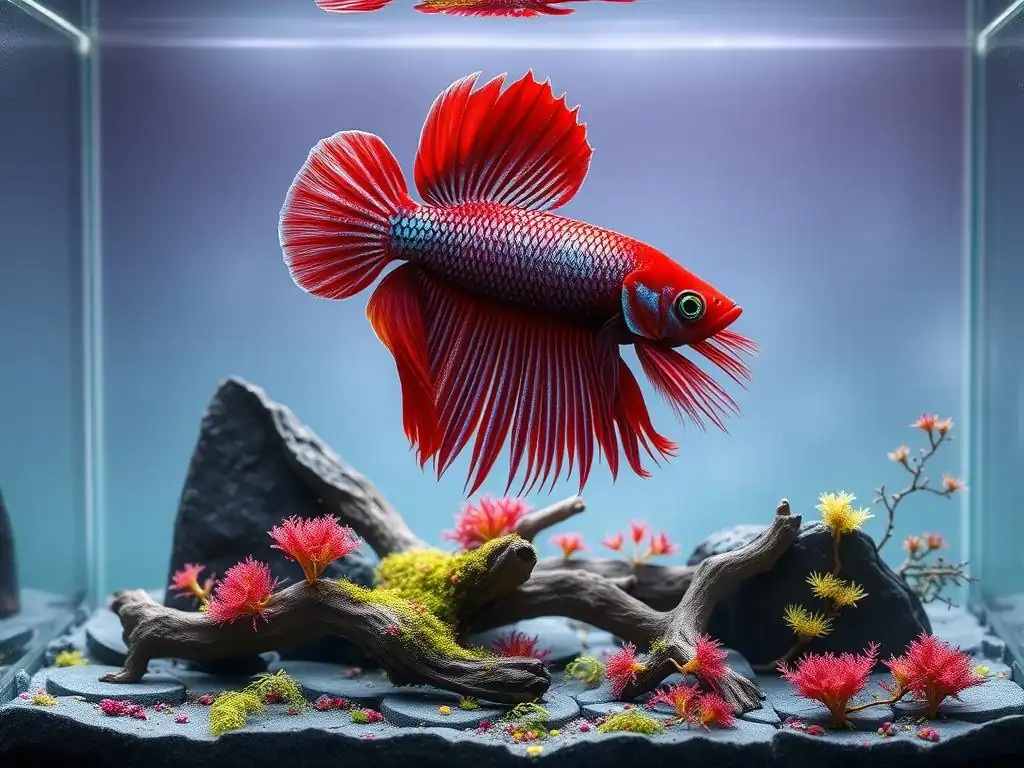
To create an optimal environment for Betta mahachaiensis, the substrate and decorations should closely replicate their natural coastal swamp habitat. A dark, fine-grained substrate such as sand or small, smooth gravel is ideal, as it mimics the natural riverbed and helps to bring out their vibrant coloration. Avoiding sharp or coarse substrates is important to protect their delicate fins and bodies.
Dense planting is highly recommended, as it provides security, hiding spots, and enrichment. Suitable aquatic plants that thrive in low-light, soft water conditions include Java Fern ( Microsorum pteropus), Anubias species, various Cryptocoryne species, and floating plants like Amazon Frogbit ( Limnobium laevigatum) or Dwarf Water Lettuce ( Pistia stratiotes). Additionally, incorporating natural driftwood and Indian almond leaves (catappa leaves) is crucial.
These elements not only offer visual appeal and shelter but also release beneficial tannins, which tint the water a natural tea color, lower the pH, and possess mild antiseptic properties, further mimicking their blackwater habitat. This thoughtful setup is integral to comprehensive Betta care wild type.
Filtration and Aeration: Essential Components for a Healthy Ecosystem
For Betta mahachaiensis, effective yet gentle filtration is paramount. These fish prefer calm water conditions, so strong currents generated by powerful filters should be avoided. A sponge filter, driven by an air pump, is often the ideal choice. It provides excellent biological filtration, mechanical filtration, and gentle water movement without creating excessive turbulence. Alternatively, a small hang-on-back (HOB) filter with a flow reducer or baffle can be used, ensuring the outflow is diffused to minimize current.
While Betta mahachaiensis are labyrinth fish capable of breathing atmospheric air, adequate aeration is still beneficial for overall water health. A sponge filter naturally provides some surface agitation, which aids in oxygen exchange. If using a different filter type, or in heavily planted tanks, a small air stone might be considered to ensure sufficient dissolved oxygen levels, especially in warmer water. Proper filtration and aeration are cornerstones of maintaining a stable and healthy aquatic ecosystem for dedicated Betta care wild type.
Betta Mahachaiensis Care: Essential Guidelines
Diet and Feeding: Providing a Varied Insect-Based Diet
The diet of Betta mahachaiensis in captivity should closely mirror their natural insectivorous diet to ensure optimal health and vitality. A varied diet of high-quality live and frozen foods is essential. Excellent choices include live or frozen bloodworms, blackworms, daphnia, brine shrimp, and mosquito larvae. These foods are rich in protein and nutrients vital for their growth, color, and overall well-being. Feeding live foods can also stimulate their natural hunting instincts, providing valuable enrichment.
While commercial Betta pellets or flakes can be offered as a supplement, they should not constitute the primary diet. Choose small, high-quality formulations designed for carnivorous fish. Feed small amounts one to two times daily, only as much as the fish can consume within a few minutes to prevent overfeeding and water fouling. Overfeeding is a common issue that can quickly degrade water quality and lead to health problems, making careful dietary management a crucial aspect of Betta care wild type.
Water Changes: Maintaining Stable Brackish Water Conditions
Regular and precise water changes are fundamental to maintaining the pristine water quality required for Betta mahachaiensis care. A weekly water change of 20-25% is generally recommended. This routine helps to remove accumulated nitrates, phosphates, and other dissolved organic compounds that can build up over time and negatively impact water quality. Consistency is key, as fluctuating parameters can cause significant stress to these sensitive wild Bettas.
When performing water changes, it is absolutely critical that the new water precisely matches the existing tank water's temperature and, crucially, its specific gravity (salinity). Use a reliable hydrometer or refractometer to measure the specific gravity of both the old and new water. Any sudden shifts in salinity or temperature can shock the fish, leading to stress or illness. Always use a good quality water conditioner to neutralize chlorine and chloramines from tap water before adding it to the tank. Meticulous water changes are a non-negotiable element of successful Betta care wild type.
Tank Mates: Compatibility Considerations for a Peaceful Environment
Choosing tank mates for Betta mahachaiensis requires careful consideration due to their semi-aggressive, territorial nature, especially among males. While generally less aggressive than many domesticated Betta splendens, they can still exhibit territorial behavior. For optimal Betta care wild type, a species-only tank is often the best choice, particularly if you plan to breed them or keep multiple males (which is generally discouraged unless in very large, heavily planted tanks with distinct territories).
If tank mates are desired, select small, peaceful, and non-fin-nipping species that thrive in similar low-level brackish conditions. Examples might include certain small, peaceful gobies (such as Bumblebee Gobies, Brachygobius xanthomelas, which also prefer brackish water), small brackish snails, or perhaps a small school of peaceful, bottom-dwelling brackish fish if the tank is sufficiently large (20+ gallons). Avoid any fast-moving, brightly colored, or fin-nipping fish that could stress or harm the Betta. Always observe new introductions closely for any signs of aggression or distress.
Preventing and Treating Common Diseases: Recognizing and Addressing Ailments
Prevention is the cornerstone of disease management in Betta mahachaiensis care. The most effective way to prevent common ailments like Ich (white spot disease), Velvet (Oodinium), or fin rot is by maintaining impeccable water quality, stable parameters, and providing a nutritious, varied diet. Regularly observing your fish for any subtle changes in behavior, appetite, coloration, or physical appearance (e.g., clamped fins, lethargy, white spots, frayed fins) is crucial for early detection.
Should disease occur, prompt and accurate diagnosis is vital. For parasitic infections like Ich or Velvet, specific medications (e.g., those containing copper sulfate for Velvet, or malachite green for Ich) are often effective. Bacterial infections, often manifesting as fin rot or body ulcers, may require broad-spectrum antibiotics. Always follow medication instructions precisely and consider treating affected fish in a separate hospital tank to avoid medicating the main display tank and to allow for more focused treatment. Quarantining all new fish for at least 2-4 weeks before introduction is also a critical preventative measure for robust Betta care wild type.
Breeding Betta Mahachaiensis: A Detailed Guide
Setting up a Breeding Tank: Mimicking Natural Spawning Conditions
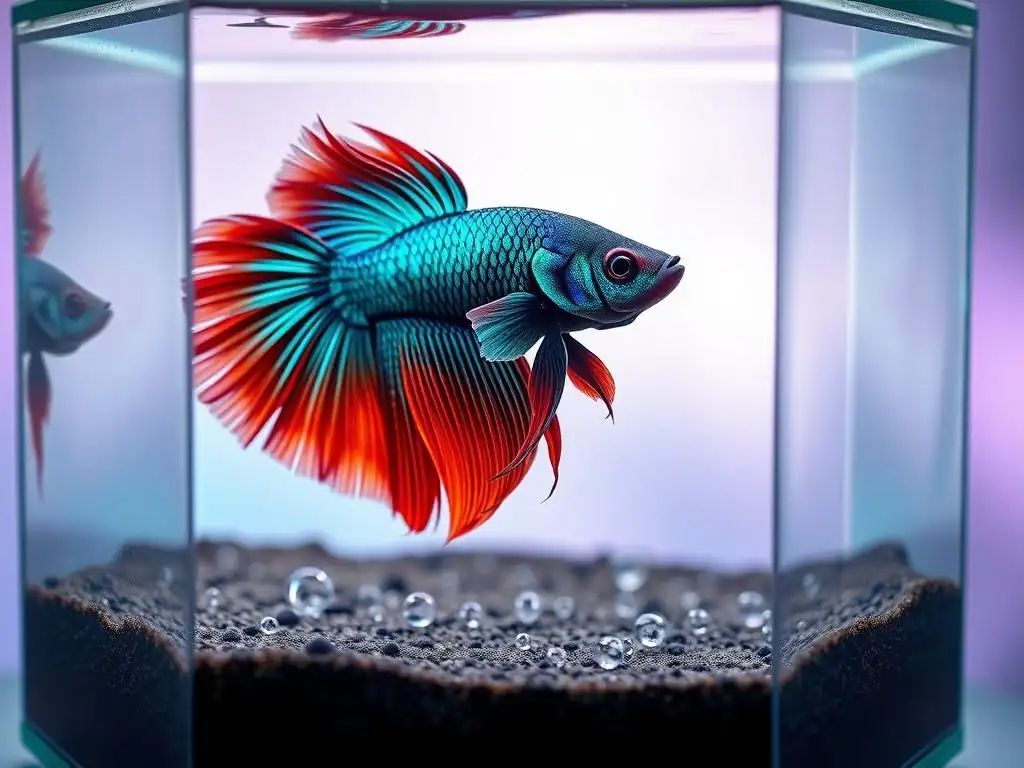
Breeding Betta mahachaiensis can be a rewarding endeavor, but it requires a dedicated setup that closely mimics their natural spawning conditions. A separate breeding tank, typically 5 to 10 gallons (19 to 38 liters) in size, is ideal for a single pair. The water level should be relatively shallow, around 4-6 inches (10-15 cm), as this makes it easier for the male to tend to the bubble nest and for the fry to reach the surface later. The tank should be dimly lit to reduce stress.
Crucially, the breeding tank needs ample hiding spots and floating cover for the female and for the male to build his bubble nest. Live or artificial floating plants (e.g., Indian almond leaves, plastic plant leaves, or even half a styrofoam cup) are excellent choices for nest anchors.
A sponge filter is highly recommended as it provides gentle filtration without creating strong currents that could disturb the delicate bubble nest or harm fragile fry. A bare bottom or a very thin layer of fine sand is often preferred for easy cleaning and fry collection, completing the setup for successful Betta care wild type breeding.
Water Parameters and Conditioning: Preparing for Successful Spawning
Achieving the correct water parameters and conditioning the breeding pair are critical steps for successful Betta mahachaiensis spawning. The water temperature in the breeding tank should be slightly elevated, ideally between 27-29°C (80-84°F), as this often stimulates spawning behavior. Maintain the specific brackish conditions with a specific gravity of 1.002-1.005, and a pH ranging from 6.5 to 7.0, leaning slightly acidic. Soft water, with a GH between 3-8 dGH, is also beneficial for egg development and hatching success.
Prior to introducing the pair, condition them separately for 1-2 weeks with a high-protein diet of live and frozen foods such as blackworms, bloodworms, and brine shrimp. This ensures both the male and female are in peak health and robust condition for the energy-intensive spawning process. Introducing the male first to establish territory, then the female (perhaps initially separated by a divider to gauge compatibility), can help reduce pre-spawning aggression and increase the likelihood of a successful spawn, a key element of advanced Betta care wild type.
Spawning Behavior and Fry Care: Observing and Nurturing the Next Generation
Once the male and female Betta mahachaiensis are conditioned and introduced, the male will typically begin constructing a bubble nest at the surface, often anchored to floating plants or leaves. He will then court the female, engaging in a "nuptial embrace" where the male wraps around the female, and eggs are released and fertilized. The male diligently collects the eggs and places them into the bubble nest. After spawning is complete (which can take several hours), the female should be carefully removed from the breeding tank to prevent her from eating the eggs or being harassed by the male.
The male will then take on the sole responsibility of guarding and tending to the eggs and newly hatched fry. The eggs typically hatch within 2-3 days, and the tiny fry will remain in the nest, absorbing their yolk sacs. Once the fry become free-swimming (usually 3-5 days after hatching), the male should also be removed from the tank to prevent him from consuming them. This delicate phase requires careful observation and minimal disturbance to ensure the survival of the next generation of Betta mahachaiensis.
Raising Betta Mahachaiensis Fry: From Infusoria to Adult Diet
The initial feeding of Betta mahachaiensis fry is critical and requires extremely small food sources. For the first few days after becoming free-swimming, the fry are tiny and can only consume infusoria or specialized liquid fry food. Infusoria can be cultured easily by placing a piece of lettuce or banana peel in a jar of aged tank water a few days prior to the fry hatching. After approximately one week, as the fry grow slightly, they can graduate to newly hatched brine shrimp nauplii or microworms, which are highly nutritious and stimulate growth.
As the fry continue to grow, typically after 2-3 weeks, their diet can be gradually diversified. They can begin to accept finely crushed high-quality flakes or small pellets, and eventually, the same varied live and frozen foods as the adult Bettas. Regular, small water changes (10-15% daily or every other day) are paramount in the fry tank to maintain pristine water quality, as the high feeding frequency can quickly foul the water. Meticulous care during this stage is vital for successfully raising Betta mahachaiensis fry and mastering Betta care wild type breeding.
Identifying and Addressing Common Problems with Betta Mahachaiensis
Velvet Disease and Other Common Ailments
Betta mahachaiensis, like all fish, can be susceptible to various diseases, with Velvet disease (caused by Oodinium parasites) being one of the more common ailments. Velvet manifests as a dusty, yellowish-gold coating on the fish's body and fins, often accompanied by rapid gill movement, lethargy, and scratching against tank decor. Other prevalent issues include Ich ( Ichthyophthirius multifiliis), characterized by small white spots resembling salt grains, and fin rot, where fins appear frayed, ragged, or develop red streaks.
The vast majority of diseases in aquarium fish, including Betta mahachaiensis, are often triggered by poor water quality, sudden parameter fluctuations, stress, or an inadequate diet. Early detection is crucial for effective treatment. For Velvet, medications containing copper sulfate or acriflavine are typically effective. For Ich, increasing water temperature slightly (if safe for the fish) and using malachite green or formalin-based treatments can help.
Bacterial infections like fin rot often respond to broad-spectrum antibiotics. Always follow medication instructions carefully and consider treating in a separate hospital tank to avoid medicating the main display. Proactive Betta care wild type emphasizes prevention over cure.
Understanding and Managing Stress in Wild Bettas
Stress is a significant factor contributing to illness and reduced lifespan in Betta mahachaiensis. Recognizing the signs of stress is vital for proactive Betta care wild type. Common indicators include faded coloration, clamped fins held close to the body, lethargy, hiding excessively, loss of appetite, rapid breathing, or erratic swimming. Identifying and eliminating the source of stress is the first step toward recovery.
Key stressors for Betta mahachaiensis include unstable water parameters (temperature, pH, salinity, ammonia, nitrite, nitrate spikes), aggressive tank mates, insufficient hiding spots, an overly small tank, strong water currents, or overfeeding leading to poor water quality. To manage stress, ensure consistent water parameters through regular testing and precise water changes. Provide ample cover with dense planting and leaf litter. Maintain a peaceful environment, avoid overstocking, and offer a consistent, high-quality diet. A calm and stable environment is paramount for the well-being of these sensitive wild Bettas.
Maintaining Optimal Water Quality: The Key to Preventing Illness
Maintaining optimal water quality is arguably the single most critical factor in preventing illness and ensuring the long-term health of Betta mahachaiensis. A clean, stable environment significantly reduces stress on the fish's immune system, allowing it to naturally resist pathogens. This involves a multi-faceted approach, including consistent monitoring of water parameters and adherence to a strict maintenance schedule.
Regular water changes (20-25% weekly) are essential for removing nitrates and other dissolved pollutants. It is imperative that the new water matches the tank's temperature and specific gravity precisely. Ammonia and nitrite levels must always be zero, indicating a fully cycled nitrogen system. Nitrate levels should be kept below 20 ppm.
Using a high-quality water conditioner to neutralize chlorine, chloramines, and heavy metals from tap water is non-negotiable. Furthermore, regular cleaning of the substrate and filter media (rinsing in old tank water) helps maintain a healthy bacterial colony and prevents organic buildup. Pristine water quality is the ultimate defense in comprehensive Betta care wild type.
Where to Find Betta Mahachaiensis: Ethical and Sustainable Practices
Sourcing Wild Type Bettas Responsibly: Conservation and Sustainability
When seeking to acquire Betta mahachaiensis, ethical and sustainable sourcing practices are paramount. Wild populations of Betta mahachaiensis are susceptible to habitat degradation and unsustainable over-collection, which can threaten their long-term survival in their native environments. Responsible aquarists should prioritize suppliers who demonstrate a commitment to conservation and sustainability.
Look for reputable fish stores or online vendors who can provide clear information about the origin of their fish. Ideally, opt for suppliers who offer tank-bred specimens, as this reduces pressure on wild populations. If wild-caught fish are the only option, inquire about the collection methods to ensure they are sustainable and do not harm the local ecosystem. Supporting businesses that engage in ethical practices helps to promote the conservation of Betta mahachaiensis and their natural habitats, making responsible sourcing an integral part of comprehensive Betta care wild type.
Finding Reputable Breeders: Ensuring Healthy and Genetically Diverse Stock
For the dedicated aquarist interested in Betta mahachaiensis care, finding reputable breeders is often the best and most ethical path to acquiring healthy and genetically diverse stock. Specialized Betta breeders, particularly those focusing on wild types, invest significant time and effort into maintaining healthy breeding lines. These breeders often participate in online forums or communities dedicated to wild Bettas, where their reputation and practices can be vetted by other enthusiasts.
A reputable breeder will typically be transparent about their breeding practices, the lineage of their fish, and the water parameters they maintain. They prioritize the health, genetic diversity, and proper conditioning of their breeding pairs, leading to more robust and adaptable offspring. Inquire about their feeding regimen, any health guarantees, and post-purchase support. Tank-bred Betta mahachaiensis are generally more accustomed to aquarium life, less stressed from transport, and less prone to disease than wild-caught specimens, making them an excellent choice for those committed to mastering Betta care wild type.
Conclusion: The Allure and Challenge of Betta Mahachaiensis Care
Appreciating the Unique Beauty and Behavior of Wild Bettas
Betta mahachaiensis offers aquarists a captivating glimpse into the natural world of wild Betta species, far removed from the exaggerated forms of domesticated Betta splendens. Their unique appeal lies in their striking iridescent green-blue coloration, streamlined body, and natural finnage, which reflects the elegance of their wild origins. Beyond their aesthetic charm, observing their natural behaviors—such as the male's diligent bubble nest building, subtle territorial displays, and efficient hunting techniques—provides a profound appreciation for their specific adaptations and instincts.
Keeping Betta mahachaiensis allows enthusiasts to connect with the authentic essence of these labyrinth fish. Their often calmer demeanor, combined with bursts of engaging activity, makes them a compelling subject for dedicated observation. The satisfaction of maintaining a thriving environment for these wild jewels is immense, fostering a deeper understanding and respect for the intricate balance of aquatic ecosystems.
Mastering Betta Mahachaiensis Care: A Journey of Dedication and Reward
Mastering Betta mahachaiensis care is undoubtedly a journey that demands dedication, research, and meticulous attention to detail. These unique wild types require specific brackish water parameters, a precise insectivorous diet, ample environmental enrichment, and vigilant observation to thrive. It is a commitment that goes beyond basic aquarium keeping, pushing aquarists to replicate a complex natural habitat as closely as possible.
However, the rewards of this dedication are truly fulfilling. Successfully maintaining Betta mahachaiensis provides not only the joy of observing a stunning and fascinating species but also the satisfaction of providing an optimal environment for a creature with specific needs. For those willing to invest the time and effort, mastering Betta care wild type transforms aquarium keeping into a profound and enriching experience, yielding vibrant, healthy fish and a deeper appreciation for the intricate beauty of the aquatic world.
Frequently Asked Questions
What is Betta mahachaiensis and why is it considered a wild type Betta?
Betta mahachaiensis is a wild Betta species native to Thailand. It's considered a wild type because it closely resembles the ancestral forms of domesticated Betta splendens, retaining its natural coloration and behavior.
How does Betta mahachaiensis differ from the more common Betta splendens (Siamese Fighting Fish)?
Unlike the brightly colored and long-finned Betta splendens, Betta mahachaiensis has a more subdued coloration and shorter fins. They are also typically more peaceful than the selectively bred Betta splendens.
What are the specific water parameters required for keeping Betta mahachaiensis healthy in an aquarium?
Betta mahachaiensis prefers slightly acidic water with a pH between 6.0 and 7.0. They also require warm water temperatures, ideally between 78°F and 82°F, and pristine water quality is essential.
What type of aquarium setup is recommended for Betta mahachaiensis?
A planted aquarium with plenty of hiding places is ideal for Betta mahachaiensis. Incorporate elements like leaf litter, driftwood, and dense vegetation to mimic their natural habitat and reduce stress.
What do Betta mahachaiensis eat and how often should they be fed?
Betta mahachaiensis are primarily insectivores. Feed them a diet of small live or frozen foods such as daphnia, bloodworms, and mosquito larvae. Offer small portions once or twice a day.
Okay, here's a final reflection that fits your article about Betta mahachaiensis and aims to resonate with readers interested in wild-type betta care, while also incorporating the requested Markdown formatting:
Final Reflection: Appreciating the Untamed Beauty
The journey into understanding Betta mahachaiensis reveals more than just the intricacies of a specific wild-type betta; it underscores the critical importance of preserving biodiversity within the Betta genus. As we've explored their unique habitat, care requirements, and conservation status, it becomes clear that the future of these magnificent fish, and indeed many other species, rests on our collective awareness and action.
The allure of Betta mahachaiensis lies not only in its rarity but also in its connection to a natural world increasingly threatened by human activity. My own fascination with these fish stems from a deep respect for the delicate balance of ecosystems and the responsibility we have to protect them. In the end, we will conserve only what we love; we will love only what we understand; and we will understand only what we are taught.
- Baba Dioum's words resonate deeply, urging us to learn, appreciate, and ultimately, protect these vulnerable creatures.
Now, as you close this article, I invite you to reflect on your own role in preserving the beauty and diversity of the natural world. Consider how you can contribute to responsible Betta keeping, support conservation efforts, and share your knowledge with others. By embracing a mindful approach to Betta care wild type, you become a steward of these incredible fish and a champion for the preservation of their fragile habitat.
Dive Deeper into the World of Betta Mahachaiensis!
Thank you for exploring the fascinating world of Betta Mahachaiensis with us. We hope you've gained a deeper appreciation for this unique wild betta species and are inspired to learn more. Now, it's time to take action and further your understanding and involvement:
- Embark on a mission to find high-quality, ethically sourced Betta Mahachaiensis for your own aquarium. Research reputable breeders committed to preserving the genetic integrity of this species.
- Share this article with fellow aquarists and betta enthusiasts to spread awareness about the importance of conserving wild betta types.
- Delve into scientific literature and online forums dedicated to Betta Mahachaiensis to uncover even more nuanced aspects of their care and behavior.
What specific aspect of Betta Mahachaiensis care intrigues you the most, and what steps will you take to explore it further?