
Severum Tank Maintenance Made Easy: A Simple Routine for a Happy Fish

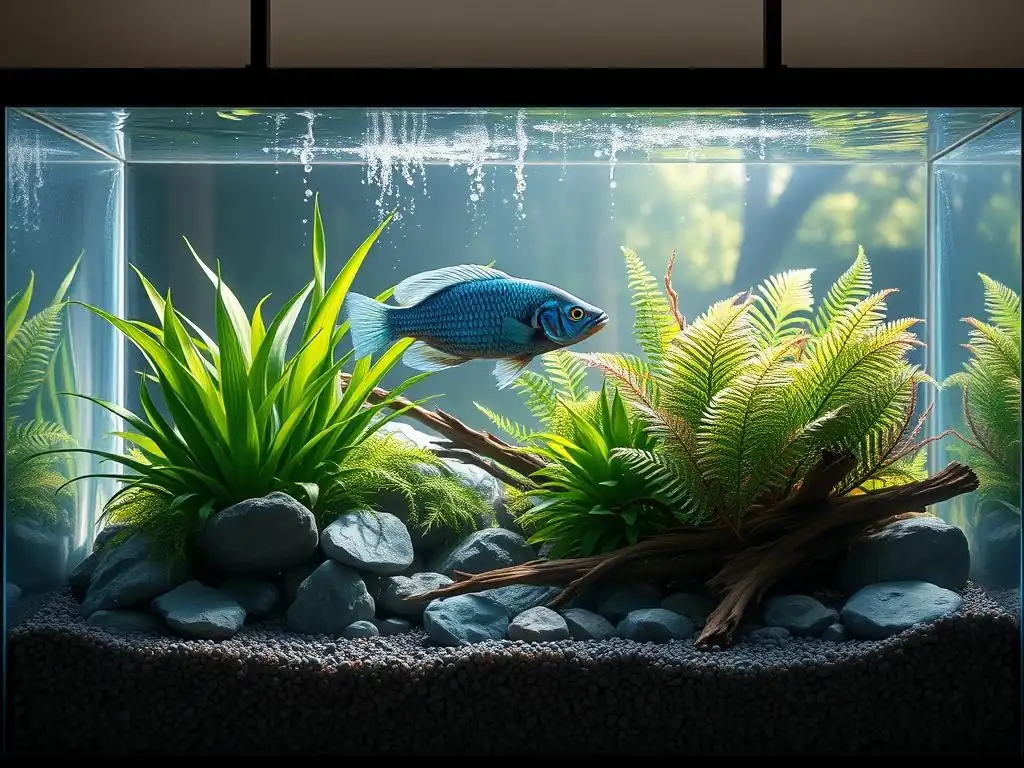
Welcome to Aquarium Mastery!
Curious about keeping your Severum thriving? You've come to the right place! Discover a simple yet effective Severum tank maintenance routine that will keep your fish happy and healthy. Dive in and unlock the secrets to a vibrant and thriving aquarium! Let's get started!
- Severum Tank Maintenance: A Comprehensive Guide
- Importance of a Regular Severum Tank Maintenance Routine
- Establishing a Severum Tank Maintenance Schedule: Step-by-Step
- Essential Tools and Supplies for Severum Tank Maintenance
- Maintaining Optimal Water Parameters for Severum: Key Factors
- Common Severum Tank Maintenance Mistakes to Avoid
- Troubleshooting Common Severum Tank Issues Through Maintenance
- Advanced Severum Tank Maintenance Techniques
- Conclusion: A Healthy Severum is a Vibrant Severum
-
Frequently Asked Questions
- What is the ideal tank size for Severums to ensure proper growth and well-being?
- How often should I perform water changes in my Severum tank?
- What are the key water parameters to monitor for a healthy Severum tank?
- What type of filtration system is recommended for a Severum tank?
- What should I feed my Severums and how often to maintain their health and vibrant colors?
- Final Reflection: Cultivating Harmony Through Routine
- Transform Your Tank: Start Your Severum's Happy Habitat Now!
Severum Tank Maintenance: A Comprehensive Guide
Importance of a Regular Severum Tank Maintenance Routine
Why Consistent Maintenance is Essential for Severum Health
Consistent Severum tank maintenance is the cornerstone of a thriving aquatic environment for these fascinating New World cichlids. Severums, known for their calm demeanor and vibrant colors, are robust fish, but they are also sensitive to fluctuations in water quality. A regular Severum maintenance routine prevents the buildup of harmful toxins like ammonia and nitrite, which can quickly lead to stress, weakened immune systems, and ultimately, severe health issues or even death. For instance, even a slight elevation in ammonia to 0.5 ppm can cause gill damage, while sustained levels above 1.0 ppm are highly lethal.
Beyond preventing immediate threats, a diligent Severum tank maintenance routine supports their long-term well-being and natural behaviors. Healthy Severums will display their full coloration, engage in active swimming, and exhibit natural foraging and social interactions. Neglecting routine care, even for a short period, can result in stunted growth, faded colors, and increased susceptibility to common fish ailments such as fin rot or ich. A well-maintained tank ensures stable parameters, mimicking their natural Amazonian habitats and allowing these impressive fish to reach their full potential, often growing up to 8-10 inches (20-25 cm) in length.
Impact of Water Quality on Severum Fish
Water quality is the single most critical factor influencing the health and longevity of Severum cichlids. These fish originate from soft, acidic waters in South America, and while adaptable, they thrive best within specific parameters: a pH range of 6.0-7.5, a temperature of 75-82°F (24-28°C), and general hardness (GH) between 5-15 dGH. Deviations from these ranges, particularly sudden shifts, can induce severe osmotic stress, impacting their ability to regulate internal salt and water balance. For example, a rapid pH drop from 7.0 to 6.0 can cause immediate distress, leading to erratic swimming and labored breathing.
Poor water quality, characterized by high levels of nitrates, nitrites, and ammonia, is a primary culprit behind many Severum health problems. Ammonia and nitrite are highly toxic, even in small concentrations, directly damaging gill tissues and impairing oxygen uptake.
While nitrates are less toxic, prolonged exposure to levels above 20-40 ppm can still suppress the immune system, making fish vulnerable to opportunistic infections. Implementing a robust Severum tank maintenance routine, including regular water changes and filter cleaning, directly mitigates these risks, ensuring a pristine environment where Severums can thrive, exhibit their natural beauty, and live out their full lifespan, which can extend beyond 10 years with proper care.
Establishing a Severum Tank Maintenance Schedule: Step-by-Step
Step 1: Daily Severum Tank Observation and Feeding
Observing Severum for Signs of Stress or Disease
Daily observation is a fundamental component of any effective Severum tank maintenance routine. Spending a few minutes each day watching your Severums allows you to catch subtle changes in their behavior, appearance, or swimming patterns that could indicate stress, disease, or water quality issues. Look for clamped fins, labored breathing (rapid gill movement exceeding 60-80 breaths per minute), changes in coloration (e.g., darkening or fading), white spots (ich), or any lesions. For instance, an adult Severum that suddenly becomes listless and hides more than usual could be experiencing elevated ammonia levels, even before visual signs of disease appear.
Early detection is crucial for successful intervention. If you notice any concerning symptoms, such as a Severum rubbing against decor or substrate, it might be an early sign of parasites or irritation. Addressing these issues promptly, often through a partial water change and retesting parameters, can prevent minor problems from escalating into serious outbreaks that could affect the entire Severum community. This daily vigilance is a proactive step in maintaining a healthy Severum environment and is far more effective than waiting for obvious signs of illness.
Proper Feeding Practices for Severum: Maintaining Water Quality
Proper feeding is not just about nutrition; it's a critical aspect of maintaining excellent water quality within your Severum tank. Severums are omnivores, requiring a varied diet of high-quality flakes, pellets, and occasional live or frozen foods. The key is to feed small amounts multiple times a day rather than one large meal. This approach ensures that all food is consumed quickly, typically within 2-3 minutes, preventing uneaten food from decaying and contributing to ammonia and nitrate buildup. Overfeeding is a common mistake that quickly degrades water quality, leading to cloudy water and increased biological load.
For example, if you have a 125-gallon Severum tank with a pair of adult Severums, feeding them two to three small pinches of quality cichlid pellets twice a day, rather than a single large serving, will minimize waste. Any food left uneaten after a few minutes should be promptly removed with a fine net. This disciplined approach to feeding directly supports your Severum tank maintenance routine by significantly reducing organic waste and thus stabilizing water parameters, ensuring a cleaner, healthier habitat for your fish.
Step 2: Bi-Weekly Partial Water Changes for Severum Tanks
Determining the Appropriate Water Change Volume
Partial water changes are arguably the most vital aspect of a Severum tank maintenance routine, directly diluting accumulated nitrates, replenishing essential minerals, and improving overall water clarity. For a well-established Severum tank, a bi-weekly (every two weeks) water change of 25-30% of the total tank volume is generally recommended.
For instance, if you maintain a 75-gallon Severum aquarium, a 25% water change would involve removing approximately 18.75 gallons (about 71 liters) of water. However, if your tank is heavily stocked, or if water tests consistently show nitrate levels above 20 ppm, you might consider increasing the frequency to weekly or the volume to 30-40%.
The specific volume chosen should balance the need to remove waste with the desire to avoid large, sudden shifts in water parameters that could stress your Severums. A consistent schedule and volume are more beneficial than sporadic, large changes. For example, a 30% water change every two weeks in a 100-gallon Severum tank (30 gallons removed) will effectively keep nitrates below 20 ppm in most scenarios, provided the tank isn't severely overstocked and feeding is appropriate. This regular dilution is key to preventing the gradual decline in water quality that can lead to long-term health issues for your Severums.
Importance of Water Preparation for Severum
Proper water preparation is paramount when performing water changes for Severum tanks. Tap water, while seemingly clean, often contains chlorine or chloramines, heavy metals, and can have a different temperature and pH than your aquarium water. Chlorine and chloramines are highly toxic to fish and beneficial bacteria, even in trace amounts. Therefore, always treat new water with a high-quality water conditioner that neutralizes these chemicals. For a 20-gallon bucket of tap water, typically 1 teaspoon (5 ml) of a standard conditioner is sufficient, though always follow product instructions.
Temperature matching is equally crucial. A sudden temperature swing of more than 2-3°F (1-2°C) during a water change can induce thermal shock in Severums, weakening their immune system and making them susceptible to disease. Aim to match the temperature of the new water as closely as possible to the tank's current temperature, ideally within 1°F.
Using a dedicated aquarium heater in your water change bucket or allowing the water to sit and acclimate to room temperature can help achieve this. This meticulous attention to water preparation is a non-negotiable part of a successful Severum tank maintenance routine, safeguarding your fish from preventable stress and harm.
Effective Gravel Vacuuming for a Clean Severum Environment
Gravel vacuuming is an essential component of the bi-weekly Severum tank maintenance routine, effectively removing accumulated detritus, uneaten food, and fish waste from the substrate. This organic matter, if left to decompose, contributes significantly to nitrate levels and can even produce harmful gases. To perform effectively, insert the wide end of the gravel vacuum into the substrate, allowing the siphon action to pull water and debris into a bucket while leaving the heavier gravel behind. Focus on high-traffic areas where waste tends to accumulate, such as beneath decorations or in feeding zones.
For instance, in a 75-gallon Severum tank, you might spend 5-10 minutes systematically vacuuming sections of the substrate during each water change. Be thorough but avoid disturbing the entire substrate bed too vigorously, as this can release a sudden burst of trapped detritus and potentially beneficial bacteria into the water column.
If your tank has a bare bottom or fine sand, a simple siphon can be used to skim waste from the surface. Regular and effective gravel vacuuming significantly enhances the overall cleanliness of the Severum tank, directly contributing to stable water parameters and a healthier environment for your fish.
Step 3: Monthly Filter Maintenance for Severum Aquariums
Cleaning Filter Media: Balancing Cleaning and Preserving Bacteria
Filter maintenance is a critical aspect of your Severum tank maintenance routine, ensuring efficient mechanical, chemical, and biological filtration. Biological filter media, such as ceramic rings or bio-balls, house colonies of beneficial bacteria that convert toxic ammonia and nitrite into less harmful nitrate. When cleaning filter media, it is paramount to preserve these bacterial colonies. Always rinse filter media in old tank water that you've siphoned out during a water change, rather than tap water. Tap water contains chlorine, which will kill these vital bacteria.
For example, if you have a canister filter on a 125-gallon Severum tank, during your monthly maintenance, you might gently swish the biological media in a bucket of tank water to dislodge accumulated sludge. Mechanical media, like filter floss or sponges, can be more thoroughly rinsed or replaced if heavily clogged, as their primary role is to trap physical debris. Replace chemical media, such as activated carbon, every 3-4 weeks as its adsorptive capacity diminishes over time. This careful approach ensures that your filtration system remains highly effective without crashing the crucial nitrogen cycle in your Severum aquarium.
Inspecting and Maintaining Filter Components
Beyond cleaning the media, monthly filter maintenance for Severum aquariums also involves inspecting and maintaining the filter components themselves. Check the impeller for any debris or blockages that could hinder its rotation, as a compromised impeller can reduce flow rate or cause the filter to stop working entirely. Clear any accumulated slime or algae from the intake tube and outflow nozzle to ensure optimal water circulation. For hang-on-back filters, ensure the motor is running smoothly and quietly; unusual noises can indicate wear or blockages.
For instance, in a large Severum setup utilizing an external canister filter, you should disconnect and open the canister, checking all O-rings and seals for cracks or signs of wear. A small amount of silicone lubricant can be applied to O-rings to maintain their flexibility and prevent leaks. Ensure all hoses are clear and free of kinks or excessive algae buildup. This comprehensive inspection and maintenance of filter components ensures the longevity of your equipment and, more importantly, the continuous and efficient operation of your filtration system, which is vital for maintaining the stable water parameters Severums require.
Step 4: Quarterly Deep Cleaning and Equipment Check for Severum Tanks
Thorough Substrate Cleaning
Quarterly deep cleaning for a Severum tank involves a more thorough approach to substrate maintenance than routine gravel vacuuming. While bi-weekly vacuuming targets surface debris, a quarterly deep clean aims to address deeper compaction and anaerobic pockets that can form within the substrate, particularly in tanks with fine gravel or sand.
During this process, you might gently stir larger areas of the substrate with your gravel vacuum, allowing more deeply embedded detritus to be siphoned out. Be cautious not to disrupt the substrate too aggressively, as this can release a significant amount of trapped waste and potentially harmful gases, which could stress your Severums.
For a 100-gallon Severum tank, this might involve systematically vacuuming the entire substrate bed in sections, perhaps moving a few decorations to access hidden areas. If you have live plants, exercise care around their root systems. This deeper cleaning helps prevent the accumulation of organic matter that can contribute to persistently high nitrate levels and provides a fresh base for the beneficial bacteria that colonize the substrate. This intensive clean, performed every 3-4 months, complements your regular Severum tank maintenance routine by addressing long-term substrate health.
Inspecting and Cleaning Equipment
A quarterly deep clean is also an opportune time for a comprehensive inspection and cleaning of all aquarium equipment. This goes beyond the monthly filter check. Remove heaters, air pumps, and any powerheads from the tank for a thorough cleaning. Heaters can accumulate a film of algae or mineral deposits; gently wipe them down with a soft cloth or sponge. For instance, a 300-watt heater in a 75-gallon Severum tank should be checked for cracks in the glass and ensure the suction cups are still securely holding it in place.
Inspect airline tubing for blockages or kinks and replace it if it appears brittle or discolored. Check powerhead impellers and cages for any debris or buildup that might reduce their efficiency. Test all electrical connections and ensure drip loops are in place to prevent water from wicking into outlets. This detailed equipment check ensures that all components are functioning optimally and safely, which is paramount for maintaining the stable environment required for healthy Severums. This systematic approach to equipment upkeep is a vital part of a comprehensive Severum tank maintenance routine.
Evaluating and Adjusting Tank Aquascaping
During the quarterly deep cleaning, take the opportunity to evaluate and adjust your Severum tank's aquascaping. Severums are large cichlids that appreciate open swimming spaces but also require hiding spots and visual breaks. Over time, plants may grow too dense, or decor might shift. This is the perfect time to prune overgrown live plants, ensuring they don't block too much swimming space or light, and remove any dead or decaying plant matter. For example, a large Amazon Sword plant in a 125-gallon Severum tank might need its outer leaves trimmed to prevent excessive shading.
Reassess the placement of rocks, driftwood, and caves. Are there still adequate hiding spots for your Severums, especially if you have a pair or group? Are there any sharp edges on decor that could injure your fish? You might rearrange some elements to create new territories or improve aesthetics. This periodic evaluation and adjustment of the aquascape not only keeps the tank visually appealing but also ensures it continues to meet the behavioral and environmental needs of your Severums, contributing to their overall well-being and reducing stress within the Severum community.
Essential Tools and Supplies for Severum Tank Maintenance
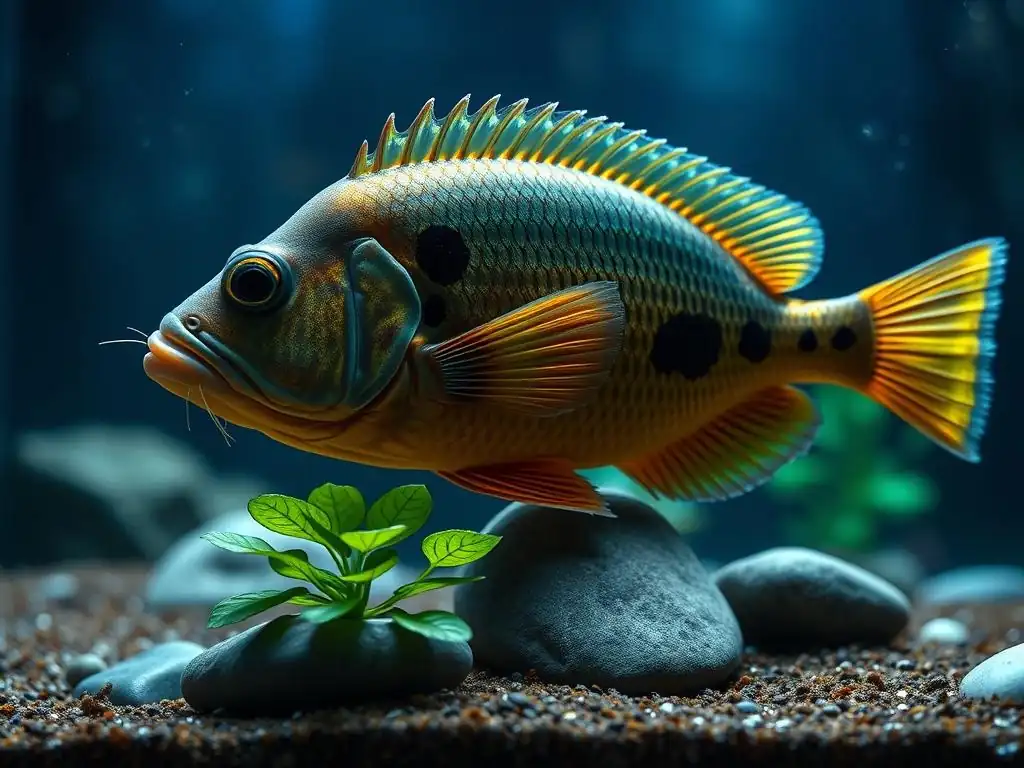
High-Quality Water Testing Kits: Monitoring Water Parameters
A high-quality liquid-based water testing kit is an indispensable tool for any Severum tank maintenance routine. Unlike test strips, liquid test kits provide more accurate and reliable readings for crucial water parameters, including ammonia, nitrite, nitrate, and pH. Severums are sensitive to fluctuations, so precise monitoring is key. For example, testing ammonia and nitrite weekly, and nitrate and pH bi-weekly, allows you to track the nitrogen cycle's stability and identify potential issues before they become critical. Ammonia and nitrite should always read 0 ppm.
Consistent monitoring helps you understand the impact of your Severum maintenance routine on the tank's chemistry. If nitrate levels consistently rise above 20 ppm between water changes, it might indicate a need for larger or more frequent water changes, or perhaps overfeeding. Investing in a comprehensive test kit, such as an API Freshwater Master Test Kit, which typically costs around $25-35, provides hundreds of tests and is far more economical and accurate in the long run than relying on less precise methods. This regular insight into your water parameters is fundamental to successful Severum care.
Gravel Vacuum and Buckets: Facilitating Water Changes
A reliable gravel vacuum and dedicated buckets are fundamental tools for efficient Severum tank maintenance, especially for performing partial water changes and substrate cleaning. A gravel vacuum allows you to siphon water while simultaneously cleaning the substrate of detritus and uneaten food. For a Severum tank, which can range from 75 to over 125 gallons, a larger diameter gravel vacuum (e.g., 2-inch diameter) will make the process faster and more efficient, allowing you to remove more waste per minute of vacuuming.
You will need at least two, preferably three, clean, dedicated 5-gallon buckets. One bucket is for siphoning out dirty tank water, another for preparing new conditioned water, and a third can be used for rinsing filter media in old tank water. It is crucial to use buckets exclusively for aquarium purposes to prevent contamination from household chemicals that could be lethal to your Severums. These simple, yet essential, tools streamline the most frequent task in a Severum tank maintenance routine, making water changes less of a chore and more consistent.
Algae Scrapers: Maintaining Clear Tank Glass
Maintaining clear tank glass is important for aesthetics and for observing your Severums, and an algae scraper is the ideal tool for this task within your Severum tank maintenance routine. Algae growth is a natural occurrence in any aquarium, driven by light and nutrient availability. While some algae can be a food source for certain fish, excessive growth on the glass obscures your view and can indicate an imbalance in the tank. Magnetic algae scrapers are popular as they allow you to clean the glass without getting your hands wet, typically costing between $10-25 depending on size and strength.
For more stubborn algae or spots on acrylic tanks, a scraper with a plastic or razor blade attachment might be necessary. Be cautious with razor blades on glass tanks and avoid them entirely on acrylic to prevent scratches. Regular scraping, perhaps every few days or weekly as needed, prevents algae from building up into thick, unsightly mats. This simple but consistent action significantly enhances the visual appeal of your Severum tank and allows for clearer observation of your fish's health and behavior.
Water Conditioner: Preparing Water for Severum
Water conditioner is an absolute necessity for every Severum tank maintenance routine, as it transforms ordinary tap water into a safe environment for your fish. Tap water typically contains chlorine and/or chloramines, chemicals added by municipalities to make water safe for human consumption, but which are highly toxic to fish and the beneficial bacteria in your aquarium filter. A quality water conditioner instantly neutralizes these harmful substances, usually within seconds of mixing.
Beyond chlorine, many conditioners also detoxify heavy metals that can be present in tap water, such as copper or lead, which are harmful to fish even in trace amounts. Some advanced formulas also include ingredients that help reduce fish stress or boost their natural slime coat, providing an extra layer of protection during water changes.
For instance, a 16-ounce bottle of a popular brand can treat thousands of gallons of water, making it a cost-effective yet critical component. Always add the conditioner to your new water before adding it to the Severum tank to ensure immediate neutralization and protection for your fish.
Maintaining Optimal Water Parameters for Severum: Key Factors
Temperature: Maintaining a Stable and Optimal Temperature
Maintaining a stable and optimal temperature is paramount for the health and comfort of Severum cichlids. These tropical fish thrive in water temperatures ranging from 75-82°F (24-28°C), with 78-80°F (25.5-26.5°C) often cited as ideal for general Severum tank maintenance. Fluctuations outside this range, especially rapid drops, can severely stress Severums, making them susceptible to common ailments like ich (white spot disease). For example, a sudden drop from 78°F to 72°F due to a faulty heater can trigger an ich outbreak within 24-48 hours.
To ensure stability, use a reliable aquarium heater sized appropriately for your tank volume (e.g., a 300-watt heater for a 75-gallon tank, or two smaller heaters for larger tanks like 125 gallons to provide redundancy and even heating). Monitor the temperature daily with an accurate thermometer. If your room temperature fluctuates significantly, consider placing the tank away from direct drafts or windows. Consistent temperature is a non-negotiable aspect of a successful Severum tank maintenance routine, directly impacting their metabolism, immune system, and overall well-being.
pH Level: Maintaining a Stable and Appropriate pH
Maintaining a stable and appropriate pH level is crucial for Severum health, as these fish originate from soft, slightly acidic waters. The ideal pH range for Severums is typically between 6.0 and 7.5. While they can tolerate a slightly wider range, consistency is far more important than hitting an exact number. Sudden or drastic shifts in pH can cause pH shock, severely stressing the fish and damaging their gills, potentially leading to fatalities. For instance, a rapid change from pH 7.0 to 8.0 or 6.0 in a short period can be acutely harmful.
Regularly test your Severum tank's pH using a liquid test kit as part of your Severum tank maintenance routine, ideally bi-weekly. If your tap water pH is outside the ideal range, consider using buffering agents or specialized substrates (like ADA Amazonia for lower pH) to adjust it slowly. Avoid using harsh chemicals to drastically alter pH, as these can cause instability. Instead, rely on consistent water changes with appropriately conditioned water. A stable pH within the acceptable range ensures that your Severums' physiological processes, such as respiration and waste excretion, function optimally.
Ammonia, Nitrite, and Nitrate Levels: Managing the Nitrogen Cycle
Effective management of the nitrogen cycle is the bedrock of any successful Severum tank maintenance routine. Ammonia (NH3/NH4+) and nitrite (NO2-) are highly toxic compounds produced from fish waste and decaying organic matter. In a healthy, cycled aquarium, beneficial bacteria rapidly convert ammonia to nitrite, and then nitrite to less harmful nitrate (NO3-). Both ammonia and nitrite must always be at 0 ppm. Even levels as low as 0.25 ppm can cause significant stress and gill damage to Severums.
Nitrate, while less toxic, still needs to be controlled. Levels ideally should be kept below 20 ppm, though some aquarists aim for below 40 ppm in well-established tanks. High nitrates can suppress the immune system and cause long-term health issues. Regular partial water changes (e.g., 25-30% bi-weekly) are the primary method to dilute nitrates.
Consistent water testing for all three parameters (ammonia and nitrite weekly, nitrate bi-weekly) is essential. If ammonia or nitrite spikes, immediate large water changes (50% or more) and a review of feeding practices or filter function are necessary to protect your Severums. This diligent monitoring and intervention are central to maintaining a healthy Severum environment.
Common Severum Tank Maintenance Mistakes to Avoid
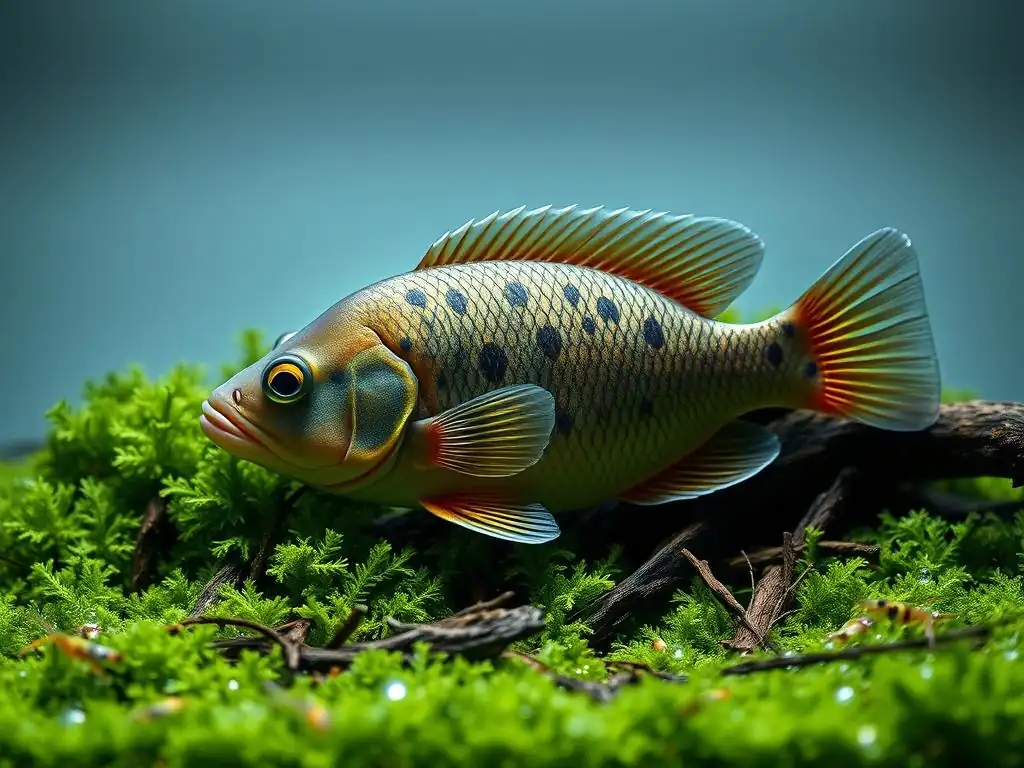
Overfeeding Severum
Overfeeding is one of the most common and detrimental mistakes in Severum tank maintenance. While it might seem harmless, providing more food than your Severums can consume within 2-3 minutes quickly leads to decaying organic matter in the tank. This uneaten food breaks down, releasing ammonia and nitrite, which are highly toxic to fish. For example, consistently leaving uneaten flakes on the substrate of a 75-gallon Severum tank can cause ammonia levels to spike from 0 ppm to 0.5 ppm within 24 hours, stressing the fish and potentially leading to fin rot or other bacterial infections.
Beyond water quality issues, overfeeding can also lead to obesity in Severums, making them more susceptible to swim bladder disorders and other internal health problems. It also puts an excessive strain on the filter system, potentially overwhelming the beneficial bacteria responsible for the nitrogen cycle. To avoid this, feed small amounts, two to three times a day, ensuring all food is consumed. If you see food settling on the bottom, you are feeding too much. Adopting a disciplined feeding strategy is a simple yet profoundly impactful adjustment to your Severum tank maintenance routine.
Neglecting Water Changes
Neglecting regular partial water changes is a critical error that severely compromises Severum health. Water changes are the most effective way to remove accumulated nitrates, replenish essential minerals, and dilute any dissolved organic compounds that can build up over time. If a 100-gallon Severum tank typically requires a 25% bi-weekly water change to keep nitrates below 20 ppm, skipping a single change could see nitrate levels climb to 40 ppm or higher. Consistent high nitrate levels weaken the Severums' immune system, making them prone to diseases and stunting their growth.
Beyond nitrates, water changes also prevent the buildup of invisible pollutants and dissolved organic carbons (DOCs) that contribute to cloudy water, unpleasant odors, and general poor water quality. A consistent Severum tank maintenance routine that includes scheduled water changes, such as 25-30% every two weeks, is non-negotiable for long-term Severum well-being. Failing to adhere to this schedule is a direct path to an unhealthy aquarium and stressed fish, often leading to outbreaks of illnesses like hole-in-the-head disease, which is sometimes linked to poor water conditions.
Over-Cleaning the Filter
While filter maintenance is essential, over-cleaning the filter, particularly the biological media, is a common mistake that can crash the nitrogen cycle in your Severum tank. The beneficial bacteria responsible for converting toxic ammonia and nitrite reside primarily on the biological media and within the substrate.
Rinsing filter media with unconditioned tap water or excessively scrubbing it will kill these vital bacteria, leading to dangerous spikes in ammonia and nitrite. For instance, a complete overhaul of a canister filter, rinsing all media under tap water, can cause ammonia levels to jump from 0 to 2 ppm within hours in a 75-gallon tank.
Instead, when performing monthly filter maintenance, gently rinse mechanical media (like sponges or filter floss) in old tank water removed during a water change. Biological media should only be gently swished in old tank water to dislodge large debris, never scrubbed or rinsed vigorously. Chemical media, such as activated carbon, should be replaced as directed, typically every 3-4 weeks. Understanding the delicate balance of beneficial bacteria is key to proper Severum tank maintenance; maintaining a healthy filter is about careful cleaning, not sterilization.
Using Harmful Chemicals
The indiscriminate use of harmful chemicals, often in an attempt to quickly fix water quality issues or algae problems, is a dangerous mistake in Severum tank maintenance. Products promising instant fixes for cloudy water or severe algae often contain strong chemicals that can strip beneficial bacteria, alter pH drastically, or be directly toxic to sensitive Severums. For example, using harsh algaecides can lead to a massive die-off of algae, which then decomposes and causes a severe ammonia spike, often more detrimental than the algae itself.
Instead of relying on chemical shortcuts, address the root cause of issues through proper Severum tank maintenance. Cloudy water is typically a sign of bacterial bloom due to excess nutrients or an immature filter, best solved with water changes and reduced feeding. Excessive algae usually indicates too much light or high nitrates, best managed by controlling lighting duration (e.g., 8-10 hours daily) and increasing water changes. Always opt for natural solutions and consistent maintenance over chemical quick fixes, as the latter often create more problems than they solve for your Severum aquarium.
Troubleshooting Common Severum Tank Issues Through Maintenance
Cloudy Water: Identifying and Resolving Causes
Cloudy water is a common issue in Severum tanks, and while visually unappealing, it often signals an underlying problem that can be resolved through diligent Severum tank maintenance. The most frequent causes are a bacterial bloom (often appearing milky white), suspended particulates (dust, substrate disturbances), or excessive algae (green cloudiness). A bacterial bloom typically occurs in new tanks (new tank syndrome) or established tanks experiencing an ammonia spike due to overfeeding or inadequate filtration. For instance, if a 100-gallon Severum tank suddenly develops milky cloudiness after adding new fish or missing a water change, it's likely a bacterial bloom.
To resolve cloudy water:
- Test Water Parameters: Immediately check ammonia, nitrite, and nitrate levels. If ammonia or nitrite are present, perform a 50% water change.
- Reduce Feeding: Temporarily reduce feeding by 50% for a few days to minimize organic waste.
- Check Filtration: Ensure your filter is clean and functioning optimally. Rinse mechanical media in old tank water if clogged.
- Increase Water Changes: If nitrates are high, increase the frequency or volume of partial water changes.
- Improve Circulation: Ensure adequate water flow to prevent dead spots where debris can settle.
Consistent Severum tank maintenance, especially regular water changes and careful feeding, is the best preventative measure against cloudy water.
Algae Growth: Prevention and Control
Algae growth is a natural component of any aquarium ecosystem, but excessive or unsightly algae in a Severum tank usually indicates an imbalance, often related to light or nutrient levels. Common types include green spot algae, hair algae, and brown diatom algae. For instance, a Severum tank with green film algae covering the glass and decorations might be receiving too much light or has elevated nitrate/phosphate levels.
To prevent and control algae through Severum tank maintenance:
- Manage Lighting: Limit tank lighting to 8-10 hours per day. Avoid direct sunlight on the tank. Consider a timer for consistency.
- Nutrient Control: The most effective method is consistent partial water changes (e.g., 25-30% bi-weekly) to dilute nitrates and phosphates. Avoid overfeeding, as uneaten food adds nutrients.
- Manual Removal: Use an algae scraper to remove algae from glass during your weekly or bi-weekly Severum maintenance routine. For decor, remove and scrub in old tank water.
- Introduce Algae Eaters (Carefully): While Severums are not primary algae eaters, certain snails or plecos (ensure they are compatible and won't be harassed by Severums) can help manage light algae.
- Maintain Healthy Plants: Live plants compete with algae for nutrients. A thriving planted tank can naturally suppress algae growth.
Addressing the root cause through diligent Severum tank maintenance is far more effective and safer than relying on chemical algaecides.
Fish Diseases: Early Detection and Prevention Through Cleanliness
Early detection and prevention are paramount in managing fish diseases in a Severum tank, and the foundation for both lies in rigorous Severum tank maintenance. A healthy, stable environment significantly reduces stress on fish, strengthening their immune systems and making them less susceptible to pathogens. Many common diseases, such as Ich (Ichthyophthirius multifiliis), fin rot, and bacterial infections, are often triggered by poor water quality, sudden temperature swings, or prolonged stress. For example, an ich outbreak in a Severum tank often follows a period of neglected water changes or a significant temperature drop.
To prevent and detect diseases through effective Severum tank maintenance:
- Consistent Water Quality: Maintain pristine water parameters (0 ammonia, 0 nitrite, low nitrates) through regular partial water changes. Use a quality test kit consistently.
- Stable Temperature: Ensure the heater is functioning correctly and the temperature remains stable within the 75-82°F range.
- Daily Observation: As part of your daily routine, observe your Severums closely for any changes in behavior (e.g., lethargy, erratic swimming, flashing), appearance (e.g., spots, frayed fins, discolored patches), or appetite.
- Proper Nutrition: Feed a varied, high-quality diet to boost their immune system.
- Quarantine New Fish: Always quarantine new Severums or other tank mates for at least 2-4 weeks in a separate tank before introducing them to your main display. This prevents the introduction of diseases.
By adhering to a comprehensive Severum tank maintenance routine, you create a resilient environment that helps your Severums naturally resist disease, minimizing the need for harsh chemical treatments.
Advanced Severum Tank Maintenance Techniques
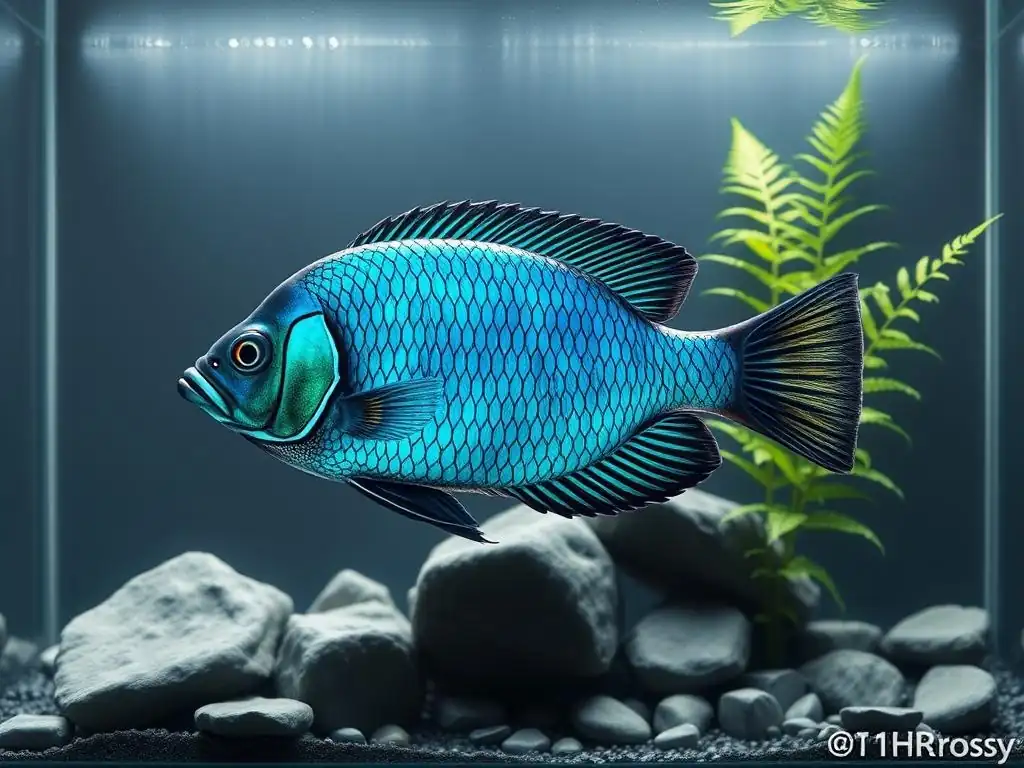
Setting Up a Quarantine Tank
Setting up and utilizing a quarantine tank is an advanced but highly recommended Severum tank maintenance technique that significantly reduces the risk of introducing diseases to your main display aquarium. A quarantine tank is a separate, smaller tank (e.g., 10-20 gallons) used to house new fish, plants, or invertebrates for a period of 2-4 weeks before they are added to your primary Severum tank.
This isolation period allows you to observe new arrivals for signs of illness, treat any detected diseases without exposing your established fish, and ensure they are eating and settling in well. For instance, a new Severum purchased from a pet store might carry Ich, which could devastate an entire established community tank if not quarantined.
A basic quarantine tank setup includes:
- A tank (10-20 gallons is often sufficient for most new Severums).
- A simple sponge filter (pre-cycled with media from your main tank or run with ammonia for a few weeks).
- A heater to match the main tank's temperature.
- A lid and a light.
- A few PVC pipes or simple decorations for hiding spots.
During quarantine, perform regular water changes and monitor water parameters diligently. This proactive approach to Severum tank maintenance is a powerful tool in disease prevention, safeguarding your investment and the health of your existing fish.
Utilizing a UV Sterilizer
Utilizing a UV sterilizer is an advanced Severum tank maintenance technique that can significantly improve water clarity and reduce the presence of free-floating pathogens and algae spores. A UV sterilizer works by passing aquarium water through a chamber containing a UV-C lamp. The UV-C light damages the DNA of single-celled organisms, rendering them unable to reproduce and effectively killing them.
This can be particularly beneficial for Severum tanks, which, being large cichlid setups, can sometimes be prone to bacterial blooms or green water algae. For example, a 25-watt UV sterilizer can effectively treat a 75-125 gallon Severum tank, clearing green water within 3-5 days.
Key benefits of a UV sterilizer in Severum tank maintenance include:
- Disease Prevention: Reduces the concentration of waterborne bacteria, viruses, and parasites, potentially lowering the risk of outbreaks of diseases like Ich or bacterial infections.
- Algae Control: Effectively eliminates free-floating green water algae, leading to crystal clear water.
- Improved Water Clarity: Breaks down dissolved organic compounds that can contribute to cloudy or yellowish water.
While a UV sterilizer is not a substitute for regular Severum tank maintenance (water changes, filtration), it serves as an excellent supplementary tool, especially for those seeking optimal water clarity and an added layer of disease prevention. Ensure proper flow rate through the unit for maximum effectiveness.
Implementing a Water Change System
Implementing a water change system is an advanced Severum tank maintenance technique that can significantly streamline the process, especially for large Severum aquariums (e.g., 125 gallons or more). Manual water changes involving buckets can be labor-intensive and messy for such large volumes. A water change system, often utilizing a Python-style gravel vacuum that connects to a faucet, allows for efficient draining and refilling of the tank without the need for buckets. For instance, draining 30-50 gallons from a 125-gallon Severum tank can take mere minutes with such a system, compared to multiple trips with 5-gallon buckets.
Benefits of an implemented water change system for Severum tank maintenance:
- Efficiency: Drastically reduces the time and effort required for water changes.
- Reduced Mess: Minimizes spills and splashes, keeping your floor dry.
- Temperature Matching: Many systems allow you to easily match the temperature of the incoming tap water to your tank's temperature, reducing stress on your Severums.
- Consistency: Makes it easier to adhere to your regular water change schedule, promoting more consistent water parameters.
While an initial investment, a good water change system (costing from $50-150) quickly pays for itself in convenience and encourages more frequent and thorough Severum tank maintenance, leading to a healthier and more stable environment for your fish.
Conclusion: A Healthy Severum is a Vibrant Severum
Benefits of a Consistent Severum Tank Maintenance Routine
A consistent Severum tank maintenance routine is not merely a chore; it is an investment in the long-term health, vibrancy, and longevity of your Severum cichlids. By diligently adhering to a schedule of daily observations, bi-weekly water changes, monthly filter cleaning, and quarterly deep checks, you create an environment where these magnificent New World cichlids can truly thrive. The benefits extend far beyond just clean water, encompassing a holistic approach to their well-being.
Firstly, a regular Severum maintenance routine ensures optimal water quality, which is the most critical factor for preventing stress and disease. Stable parameters—zero ammonia and nitrite, low nitrates, and consistent temperature and pH—directly translate to robust immune systems and active, healthy fish. Secondly, it promotes natural behaviors and full coloration; a happy Severum will display its stunning patterns and engage in curious exploration of its environment, reaching its full adult size, often 8-10 inches (20-25 cm).
Lastly, it allows for early detection of potential issues, enabling prompt intervention before problems escalate, thereby protecting your entire aquatic community. Embracing a comprehensive Severum tank maintenance routine is the most reliable path to a rewarding and successful Severum keeping experience, ensuring your fish remain vibrant members of your aquatic family for many years, potentially exceeding a decade in lifespan.
Frequently Asked Questions
What is the ideal tank size for Severums to ensure proper growth and well-being?
Severums require a spacious tank, at least 55 gallons for a single fish, and 75 gallons or more for a pair. This provides ample room for them to swim and minimizes stress.
How often should I perform water changes in my Severum tank?
Regular water changes are crucial. Aim for 25-50% water changes every 1-2 weeks. This helps maintain optimal water quality and prevents the buildup of harmful nitrates.
What are the key water parameters to monitor for a healthy Severum tank?
Monitor temperature (75-82°F), pH (6.0-7.5), and ammonia/nitrite levels (0 ppm). Use a reliable test kit to ensure these parameters are within the acceptable range.
What type of filtration system is recommended for a Severum tank?
A robust filtration system is essential due to Severums' bioload. Consider a canister filter or a sump capable of handling at least 5-10 times the tank volume per hour.
What should I feed my Severums and how often to maintain their health and vibrant colors?
Offer a varied diet including high-quality flake food, pellets, and frozen foods like bloodworms and brine shrimp. Feed them 2-3 times a day in small portions they can consume within a few minutes.
Final Reflection: Cultivating Harmony Through Routine
The principles of consistent care outlined in this article extend far beyond the glass walls of an aquarium; they resonate with the broader concept of nurturing any environment for optimal well-being. Just as a well-maintained tank fosters a thriving ecosystem for Severums, so too does mindful attention to detail cultivate harmony in our own lives and communities. The dedication required for a successful Severum tank mirrors the commitment needed to foster growth and stability in any endeavor.
This journey into Severum tank maintenance has underscored the profound impact of consistent, thoughtful action. The act of creating and maintaining a balanced environment, whether for fish or ourselves, is a testament to our capacity for care and responsibility. The best time to plant a tree was 20 years ago. The second best time is now.
This ancient proverb reminds us that consistent effort, even starting small, yields significant rewards over time, transforming potential into flourishing reality.
Now, consider the lessons learned from the world of Severum tank maintenance. How can you apply the principles of routine, observation, and proactive care to other areas of your life? Embrace the power of consistent action, cultivate a keen eye for detail, and proactively address potential challenges. Let the dedication you bring to your Severum tank inspire you to create a more harmonious and thriving environment, not just for your fish, but for yourself and the world around you.
Transform Your Tank: Start Your Severum's Happy Habitat Now!
Thanks for diving into the world of Severum care! We hope you’ve uncovered some golden nuggets to keep your fish thriving. Now, it's time to put that knowledge into action and truly elevate your Severum's aquarium experience.
Here's how you can get started right away:
- Immediately schedule your next partial water change. This is the cornerstone of a healthy Severum tank. Don’t delay - your fish will thank you!
- Explore adding a new, safe enrichment item to your tank. Think along the lines of a large, smooth river stone or a hardy plant species. Observe your Severum's reaction – you might be surprised!
- Share your Severum tank maintenance routine (or struggles!) in the comments below. What unique challenges have you faced, and what creative solutions have you discovered?