
Spotfin Butterflyfish (Chaetodon ocellatus): Atlantic Native – Demystifying Its Aquarium Care

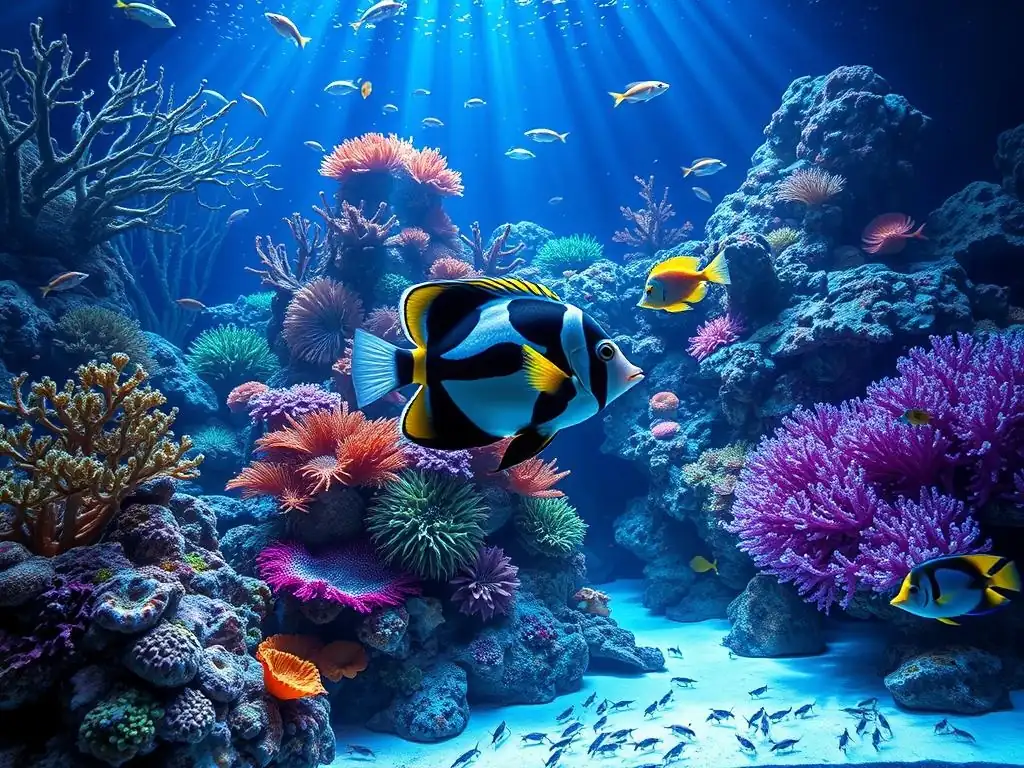
Welcome to Aquarium Mastery! Ever been captivated by the elegant dance of the Spotfin Butterflyfish? This Atlantic beauty can bring a splash of vibrant color to your saltwater aquarium, but understanding its specific needs is key. Intrigued? Dive in as we unravel the secrets to thriving Spotfin Butterflyfish aquarium care, ensuring a happy and healthy life for these fascinating creatures! Read on to unlock the secrets.
- Introduction to the Spotfin Butterflyfish: An AquariumMastery.com Guide
- Understanding the Spotfin Butterflyfish (Chaetodon ocellatus)
- Is the Spotfin Butterflyfish Right for Your Saltwater Aquarium?
- Setting Up the Ideal Aquarium for Spotfin Butterflyfish
- Spotfin Butterflyfish Diet and Feeding Strategies
- Spotfin Butterflyfish Tank Mates: Compatibility and Considerations
- Spotfin Butterflyfish Health and Disease Prevention
- Spotfin Butterflyfish Breeding: Challenges and Possibilities
- Spotfin Butterflyfish Aquarium Care Tips: A Comprehensive Guide
- Spotfin Butterflyfish: Where to Buy and What to Look For
- Conclusion: Mastering the Art of Spotfin Butterflyfish Care
-
Frequently Asked Questions
- What is the ideal tank size for a Spotfin Butterflyfish?
- What are the key water parameters for a Spotfin Butterflyfish aquarium?
- What should I feed my Spotfin Butterflyfish in an aquarium?
- Are Spotfin Butterflyfish reef safe?
- What are some common health issues to watch out for with Spotfin Butterflyfish?
- Final Reflection: Embracing the Delicate Dance of Reef Stewardship
- Dive Deeper: Claim Your Spotfin Aquarium Adventure!
Introduction to the Spotfin Butterflyfish: An AquariumMastery.com Guide
The Spotfin Butterflyfish, scientifically known as Chaetodon ocellatus, is a captivating marine species native to the Western Atlantic Ocean. Renowned for its distinctive markings and graceful swimming, this fish can be a rewarding addition to a well-maintained saltwater aquarium. However, like many butterflyfish, it requires specific care and attention to thrive in a captive environment.
This comprehensive guide from AquariumMastery.com aims to demystify the intricacies of keeping the Spotfin Butterflyfish, providing essential knowledge on its natural habitat, ideal tank conditions, dietary needs, and compatibility with other species. By understanding these critical aspects, aquarists can provide an optimal home for this beautiful Atlantic native, ensuring its health and longevity while navigating the specific Spotfin Butterflyfish aquarium care tips required for its success.
Understanding the Spotfin Butterflyfish (Chaetodon ocellatus)
Native Habitat and Distribution of Chaetodon ocellatus
The Spotfin Butterflyfish is widely distributed throughout the Western Atlantic Ocean, ranging from the coast of Massachusetts in the United States, southward along the Florida Keys, throughout the Gulf of Mexico, and across the Caribbean Sea down to Brazil. This species primarily inhabits clear, warm tropical waters, typically found around coral reefs, rocky outcrops, and sometimes seagrass beds.
They are generally observed at depths ranging from shallow areas of just 1 meter down to approximately 30 meters (about 100 feet). Their natural environment provides a rich tapestry of small invertebrates and algae, which constitute their primary diet. The presence of ample hiding spots within the reef structure is crucial for their survival, offering refuge from predators and a sense of security.
Physical Characteristics and Identifying Features
The Spotfin Butterflyfish is easily recognizable by its striking appearance. Adults typically reach a size of 6 to 8 inches (approximately 15 to 20 cm) in length, exhibiting a laterally compressed, disc-shaped body, characteristic of the butterflyfish family. Their base coloration is a pearly white or silvery hue, often transitioning to a yellowish tint on the dorsal and anal fins, as well as the caudal (tail) fin.
The most distinguishing feature, from which it derives its common name, is a prominent black spot, or "ocellus," located on the posterior part of its dorsal fin. This spot often has a thin white or yellow ring around it, serving as a false eye to deter predators. Another key identifier is a dark, vertical band that runs through the eye, extending from the forehead to the throat, effectively camouflaging its actual eye.
Spotfin Butterflyfish Temperament and Behavior in the Wild
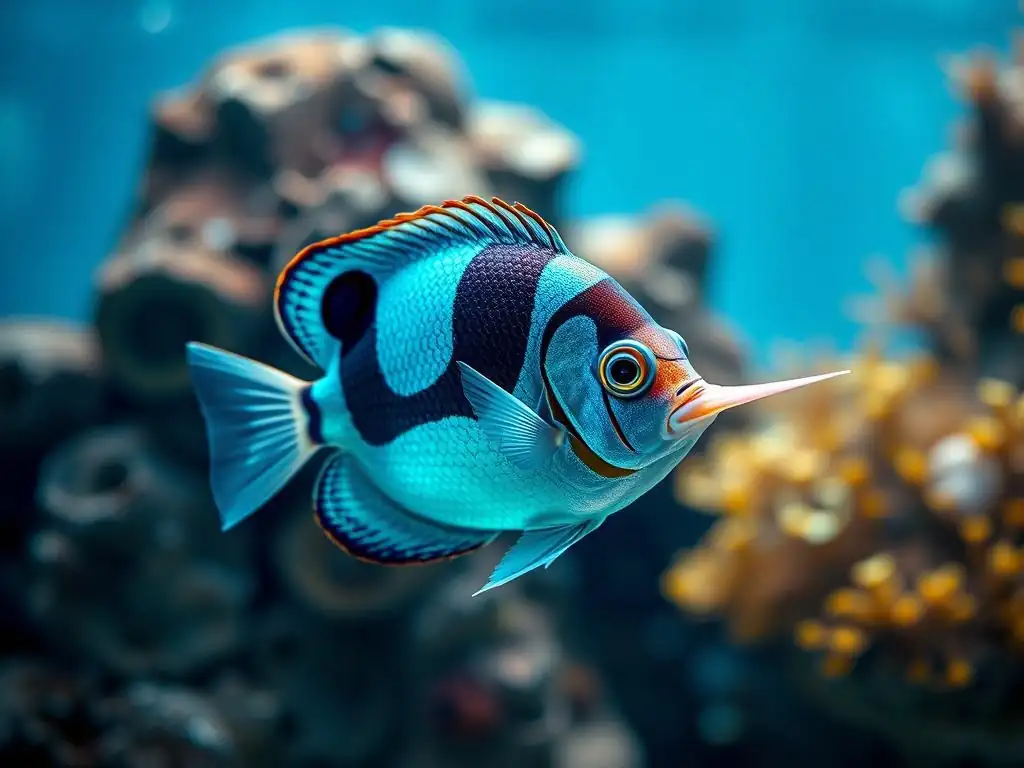
In their natural habitat, Spotfin Butterflyfish are generally observed singly or in pairs, although small aggregations can sometimes be seen. They are diurnal, meaning they are active during daylight hours, diligently foraging for food among the crevices of coral and rockwork. Their specialized, elongated snout allows them to probe into tight spaces to extract small invertebrates.
While generally peaceful towards other species in the wild, they can exhibit territorial behavior towards conspecifics or similar-looking fish, especially during breeding periods. Their natural shyness and tendency to seek cover when threatened are behaviors that often carry over into the aquarium environment, necessitating ample hiding spots and a calm tank setup.
Is the Spotfin Butterflyfish Right for Your Saltwater Aquarium?
Evaluating Your Aquarium's Suitability for Spotfin Butterflyfish
Before introducing a Spotfin Butterflyfish, a thorough assessment of your existing saltwater aquarium is paramount. The tank must be fully cycled and well-established, ideally running for at least six months to ensure stable water parameters and a mature biological filter. A minimum tank size of 75 gallons (approximately 280 liters) is recommended for a single specimen, with larger tanks (125 gallons or more) preferred for a pair or a community setup, providing ample swimming space and reducing potential stress.
Consider the current inhabitants; aggressive species or those that will outcompete the Spotfin Butterflyfish for food are unsuitable. The presence of robust filtration and adequate live rock for hiding and foraging is also critical. These considerations are fundamental Spotfin Butterflyfish aquarium care tips that directly impact the fish's well-being.
Experience Level Required for Spotfin Butterflyfish Keeping
The Spotfin Butterflyfish is generally considered an intermediate to advanced species for home aquarists. While not as notoriously difficult as some other butterflyfish species, they are not recommended for beginners. Their specific dietary needs, susceptibility to stress, and stringent requirements for pristine water quality demand a certain level of experience and dedication.
Beginners might find their initial acclimation and feeding challenging, as they can be finicky eaters. An experienced aquarist will be better equipped to recognize subtle signs of stress or illness, manage water parameters consistently, and implement effective quarantine procedures, all of which are essential aspects of successful Spotfin Butterflyfish aquarium care tips.
Considering the Long-Term Commitment of Spotfin Butterflyfish Care
Keeping a Spotfin Butterflyfish is a significant long-term commitment. In a well-maintained aquarium, these fish can live for 5 to 7 years, with some individuals potentially reaching up to 10 years. This longevity means that daily attention to feeding, consistent water quality testing, and regular tank maintenance will be ongoing responsibilities for many years.
The investment extends beyond the initial purchase of the fish and equipment; it includes continuous costs for high-quality food, salt mix, test kits, and electricity for filtration and heating. Understanding and committing to these ongoing needs is a crucial part of responsible Spotfin Butterflyfish aquarium care tips, ensuring a healthy and thriving environment for your marine inhabitant throughout its lifespan.
Setting Up the Ideal Aquarium for Spotfin Butterflyfish
Tank Size Requirements for a Healthy Spotfin Butterflyfish
Providing adequate space is one of the most critical Spotfin Butterflyfish aquarium care tips. For a single adult Spotfin Butterflyfish, a minimum tank size of 75 gallons (approximately 280 liters) is strongly recommended. This allows for sufficient swimming room and helps to dilute waste products, contributing to more stable water parameters.
If you plan to keep a pair, or integrate the Spotfin Butterflyfish into a larger community tank, a system of 125 gallons (around 470 liters) or more is preferable. Larger volumes of water are inherently more stable, which is highly beneficial for a species sensitive to fluctuations. Ample space also reduces territorial disputes and stress, promoting overall health and natural behavior.
Essential Water Parameters for Spotfin Butterflyfish Success
Maintaining precise and stable water parameters is paramount for the health of any marine fish, and the Spotfin Butterflyfish is no exception. Consistent monitoring and adjustment are fundamental Spotfin Butterflyfish aquarium care tips.
Temperature and Salinity Recommendations
The ideal temperature range for Spotfin Butterflyfish is between 72-78°F (22-26°C). Stability within this range is more important than hitting an exact number; rapid temperature swings can cause significant stress. Salinity should be maintained between 1.020 and 1.025 specific gravity. Many aquarists aim for 1.023-1.025, mirroring natural ocean conditions more closely. Regular use of a reliable refractometer or hydrometer is essential to ensure these parameters remain consistent.
Maintaining Proper pH and Ammonia Levels
A stable pH level between 8.1 and 8.4 is crucial for saltwater environments and for the Spotfin Butterflyfish's well-being. Ammonia (NH3/NH4+) and nitrite (NO2-) levels must always be undetectable (0 ppm), as even trace amounts can be highly toxic. Nitrate (NO3-) levels should be kept as low as possible, ideally below 10-20 ppm, through regular water changes and efficient filtration. A fully cycled tank is a prerequisite before introducing any fish, especially delicate species like the Spotfin Butterflyfish.
Substrate and Aquascaping for a Spotfin Butterflyfish Habitat
When setting up the aquarium for a Spotfin Butterflyfish, the choice of substrate and aquascaping elements plays a vital role in mimicking their natural habitat and supporting their well-being. A fine sand substrate or crushed coral is suitable, allowing for easy cleaning and preventing food particles from getting trapped.
More importantly, the aquascaping should include an abundance of live rock arranged to create numerous hiding spots, caves, and crevices. These structures provide essential refuges for the fish, reducing stress and allowing them to feel secure. Simultaneously, ensure there are also open swimming areas, as Spotfin Butterflyfish are active swimmers. Securely stack live rock to prevent collapses, which could injure the fish or damage the tank.
Essential Equipment for Spotfin Butterflyfish: Filtration, Lighting, and Circulation
Proper equipment is non-negotiable for successful Spotfin Butterflyfish aquarium care tips. Robust filtration is critical: a high-quality protein skimmer is highly recommended to remove organic waste before it breaks down, significantly reducing the bioload. Mechanical filtration (filter socks, sponges) should be used and cleaned frequently, while biological filtration (live rock, bio-media) is essential for the nitrogen cycle. Activated carbon can be employed for chemical filtration to maintain water clarity and remove dissolved organics.
Lighting should be appropriate for a fish-only with live rock (FOWLR) system; moderate intensity is generally sufficient and avoids excessive algae growth. While Spotfin Butterflyfish do not have specific lighting requirements beyond a natural day/night cycle, ensure any corals you might introduce are compatible with the lighting. For circulation, moderate water flow is preferred, avoiding overly turbulent areas. Powerheads should be strategically placed to create varied currents, mimicking natural reef conditions without creating strong direct blasts that could stress the fish. Aim for a turnover rate of 5-10 times the tank volume per hour.
Spotfin Butterflyfish Diet and Feeding Strategies
Natural Diet of the Spotfin Butterflyfish
In their native Atlantic habitats, Spotfin Butterflyfish are primarily micropredators, with a diet consisting mainly of benthic invertebrates. Their specialized, elongated snout is perfectly adapted for probing into the intricate crevices of live rock and coral, where they extract small crustaceans, worms, and other tiny organisms.
They are also known to occasionally nip at the polyps of stony corals and soft corals in the wild. While their exact natural diet can vary slightly based on geographical location and availability, their feeding behavior emphasizes a need for varied, small, and easily digestible prey items, which is a key consideration for successful Spotfin Butterflyfish aquarium care tips.
What to Feed Your Spotfin Butterflyfish in Captivity
Replicating their natural diet in captivity is crucial for the health and vibrancy of Spotfin Butterflyfish. A varied diet of high-quality frozen foods is recommended. Excellent choices include Mysis shrimp, enriched brine shrimp, finely chopped clam, squid, and other marine-based meaty foods. Some aquarists have success with finely chopped fresh shrimp, krill, or scallops.
While commercial marine pellets and flakes can be offered, many Spotfin Butterflyfish may initially ignore them or only accept them after acclimating to the tank and other frozen foods. It's important to note that while they are known to consume nuisance Aiptasia anemones in some aquariums, this behavior is not guaranteed and should not be relied upon as a primary feeding strategy.
Feeding Frequency and Portion Control for Optimal Health
Spotfin Butterflyfish have relatively small stomachs and a high metabolism, necessitating frequent, small feedings. It is best to feed them 2 to 3 times per day. Each feeding should consist of an amount of food that can be consumed entirely within 2-3 minutes. Overfeeding is a common mistake that can quickly degrade water quality, leading to elevated nitrates and phosphates, which in turn can cause stress and illness.
Observe your fish during feeding to ensure all individuals are getting enough food, especially if kept in a community tank where faster eaters might outcompete them. Consistent feeding schedules also help to establish a routine that reduces stress and encourages healthy eating habits, vital for effective Spotfin Butterflyfish aquarium care tips.
Addressing Picky Eating Habits in Spotfin Butterflyfish
It is not uncommon for newly introduced Spotfin Butterflyfish to be shy or reluctant to eat, sometimes taking several days or even weeks to fully acclimate to captive foods. Patience is key. One effective strategy is to start with live brine shrimp, which are highly palatable and can entice even the most finicky eaters to begin feeding. Once they start eating live foods, gradually transition them to frozen options.
Soaking frozen foods in appetite stimulants like garlic extract (e.g., Seachem GarlicGuard) can also be very effective. Offer a variety of foods to discover their preferences and ensure a balanced diet. If a fish continues to refuse food after an extended period, reassess water parameters and look for any signs of stress or illness, as these can also suppress appetite.
Spotfin Butterflyfish Tank Mates: Compatibility and Considerations
Ideal Tank Mates for a Peaceful Community Aquarium
Choosing appropriate tank mates is a critical aspect of Spotfin Butterflyfish aquarium care tips. Spotfin Butterflyfish are generally peaceful but can be shy, so they thrive best with other calm, non-aggressive species that will not outcompete them for food or territory. Good choices include various species of gobies (e.g., watchman gobies), cardinalfish (e.g., Banggai cardinalfish), small non-aggressive wrasses (e.g., six-line wrasses, flasher wrasses), and certain species of clownfish (e.g., Ocellaris or Percula clownfish) that are not overly boisterous.
Other peaceful, similarly sized tangs (if the tank is large enough, 180 gallons+) like Yellow Tangs can also be compatible. The key is to select fish that are not overly active or aggressive feeders, allowing the Spotfin Butterflyfish to get its fair share of food without undue stress.
Fish to Avoid Housing with Spotfin Butterflyfish
Certain fish species are entirely unsuitable as tank mates for the Spotfin Butterflyfish due to their aggressive nature or direct competition. Avoid housing them with highly aggressive fish such as triggerfish, large angelfish (especially those known to be nippy or territorial), most damselfish, and large predatory species that could view the butterflyfish as prey.
Other butterflyfish species are generally not recommended unless the aquarium is exceptionally large (several hundred gallons) and offers ample territory for each. Even then, inter-species aggression can be an issue. If you have a reef tank, exercise caution with corals; while some Spotfin Butterflyfish may be "reef-safe with caution" and ignore corals, others may nip at stony or soft coral polyps, especially if underfed or if their natural diet is not adequately met.
Introducing New Fish to an Established Spotfin Butterflyfish Tank
When introducing new fish to an established aquarium containing a Spotfin Butterflyfish, careful planning and execution can minimize stress and potential aggression. Always quarantine new fish in a separate tank for at least 3-4 weeks to monitor for diseases and ensure they are eating well before adding them to the main display.
Before introducing the new fish, you might consider slightly rearranging the live rock in the main tank. This can temporarily disrupt existing territories, including those of the Spotfin Butterflyfish, making it easier for new inhabitants to settle in without immediate territorial disputes. Introduce new fish during dim lighting or at night to further reduce initial stress and allow them to explore their new surroundings quietly. Closely observe interactions for several days after introduction, being prepared to intervene if aggression occurs.
Spotfin Butterflyfish Health and Disease Prevention
Common Diseases Affecting Spotfin Butterflyfish
Spotfin Butterflyfish, like many marine species, are susceptible to common saltwater diseases, particularly when stressed by poor water quality, inadequate diet, or improper tank mates. The most prevalent issues include marine ich ( Cryptocaryon irritans), which manifests as small white spots resembling salt grains on the body and fins, and marine velvet ( Amyloodinium ocellatum), a highly contagious parasite that appears as a dusty, golden-brown film.
Bacterial infections, often secondary to stress or parasitic infestations, can lead to fin rot, cloudy eyes, or general lethargy. Internal parasites and nutritional deficiencies can also occur, leading to symptoms like emaciation or bloating. Proactive Spotfin Butterflyfish aquarium care tips are essential for prevention.
Recognizing Early Signs of Illness
Early detection of illness is crucial for successful treatment and preventing widespread outbreaks in your aquarium. Regularly observe your Spotfin Butterflyfish for any changes in behavior or physical appearance. Signs of illness include:
- Behavioral changes: Lethargy, loss of appetite, excessive hiding, rapid breathing (gilling), scratching against rocks or substrate ("flashing"), or unusual swimming patterns.
- Physical signs: White spots (ich), a dusty film (velvet), cloudy eyes, clamped fins, frayed or rotting fins, discoloration, bloating, or visible lesions/ulcers on the body.
Any deviation from their normal demeanor should prompt immediate investigation of water parameters and a closer look at the fish.
Quarantine Procedures for New and Sick Fish
A dedicated quarantine tank (QT) is arguably one of the most important Spotfin Butterflyfish aquarium care tips for disease prevention. All new fish, including Spotfin Butterflyfish, should be quarantined for a minimum of 3-4 weeks before being introduced to the main display. This allows you to observe them for signs of disease, treat any latent infections, and ensure they are eating well in a stress-free environment.
If a fish in your main display shows signs of illness, immediately move it to the QT for observation and treatment. Use separate equipment (nets, buckets, siphon) for the QT to prevent cross-contamination. The QT should be simple, with an air stone, heater, and a small piece of PVC pipe for hiding, and should not contain substrate or complex decor that can absorb medication.
Treatment Options for Spotfin Butterflyfish Diseases
Treatment options depend on the specific disease. For external parasites like ich and velvet, common treatments include:
- Hyposalinity: Gradually lowering the specific gravity to 1.008-1.010 for several weeks can effectively kill ich parasites, but may stress some fish and is not effective for velvet.
- Copper-based medications: Highly effective against ich and velvet, but must be used with extreme caution, as copper is toxic at higher concentrations and can be absorbed by live rock. Always use a reliable copper test kit to monitor levels precisely.
- Formalin-based treatments: Effective for velvet and some other external parasites, but require excellent aeration and careful dosing.
Bacterial infections often require antibiotics, which can be administered in medicated food or, in severe cases, as a bath treatment. Always research medications thoroughly, follow dosage instructions precisely, and understand potential side effects. Consult with experienced aquarists or a marine veterinarian if unsure.
Spotfin Butterflyfish Breeding: Challenges and Possibilities
Understanding the Breeding Behavior of Chaetodon ocellatus
The Spotfin Butterflyfish, like most marine butterflyfish species, is a pelagic spawner. This means that during spawning, the male and female release their eggs and sperm into the water column, where fertilization occurs externally. The fertilized eggs are typically buoyant and drift with the currents as part of the plankton.
In the wild, spawning usually occurs at dusk or dawn, with pairs ascending into the water column to release their gametes. Breeding in home aquariums is exceptionally rare and has not been consistently documented by hobbyists. The specific conditions required to induce spawning, as well as the challenges of larval rearing, make it an advanced undertaking.
Setting Up a Breeding Tank (Advanced Aquarists)
For advanced aquarists interested in attempting to breed Spotfin Butterflyfish, a dedicated breeding tank would be necessary. This tank would need to be very large, likely 150 gallons (560 liters) or more, to provide ample space for a pair and to maintain pristine water quality. The setup would need to mimic their natural spawning environment, potentially requiring specialized flow patterns to disperse eggs and keep them suspended.
However, the primary hurdle isn't inducing spawning, but rather the subsequent rearing of the fry. The breeding tank would also need to be entirely free of predators or filter intakes that could harm the delicate eggs or larvae. This level of specialized Spotfin Butterflyfish aquarium care tips for breeding is typically beyond the scope of most hobbyists.
Raising Spotfin Butterflyfish Fry (Extremely Challenging)
Raising Spotfin Butterflyfish fry is considered extremely challenging, if not impossible, for the average home aquarist. The newly hatched fry are minuscule and require microscopic live foods, such as rotifers and various sizes of copepods, which must be cultured continuously. The transition from one food size to another as the fry grow is critical and often fraught with high mortality rates.
Furthermore, the water quality demands for larval rearing tanks are incredibly stringent, requiring constant monitoring and meticulous maintenance. Specialized equipment for larval culture, including green water systems and dedicated fry rearing tanks with gentle filtration, would be essential. To date, there are no widespread reports of successful Spotfin Butterflyfish breeding and rearing by hobbyists, making it a frontier primarily explored by public aquariums and research institutions.
Spotfin Butterflyfish Aquarium Care Tips: A Comprehensive Guide
Maintaining Water Quality for a Thriving Spotfin Butterflyfish
Consistent and impeccable water quality is the cornerstone of successful Spotfin Butterflyfish aquarium care tips. Regular water changes are paramount; a 10-20% water change weekly or bi-weekly helps replenish essential trace elements and remove accumulated nitrates and other pollutants. Always use high-quality RODI (Reverse Osmosis Deionized) water for both top-offs and water changes to prevent the introduction of undesirable substances like phosphates or silicates.
Beyond changes, daily monitoring of key parameters—ammonia, nitrite, nitrate, pH, salinity, and temperature—is crucial. Any deviation from the ideal ranges should be addressed promptly. A robust filtration system, including a protein skimmer, mechanical filtration, and ample live rock for biological filtration, is essential to support these efforts and maintain a stable environment for your Spotfin Butterflyfish.
Regular Tank Maintenance and Cleaning
Beyond water changes, diligent routine maintenance is vital for the long-term health of your Spotfin Butterflyfish. This includes siphoning the substrate weekly to remove detritus and uneaten food, which if left to decay, can significantly impact water quality. Cleaning the aquarium glass or acrylic regularly prevents algae buildup and allows for clear observation of your fish.
Pay close attention to your filtration equipment: protein skimmers should be emptied and cleaned regularly (daily or every few days, depending on skimmate production), and mechanical filter media (filter socks, sponges) should be rinsed or replaced weekly. Checking heaters, powerheads, and other equipment for proper function ensures all systems are running optimally. These routine tasks are fundamental Spotfin Butterflyfish aquarium care tips that contribute directly to a clean and stable habitat.
Monitoring Your Spotfin Butterflyfish's Behavior and Health
Daily observation of your Spotfin Butterflyfish is one of the most effective Spotfin Butterflyfish aquarium care tips you can implement. Spend a few minutes each day watching their swimming patterns, appetite, coloration, and interactions with tank mates. A healthy Spotfin Butterflyfish should be active, alert, and eager to eat.
Any sudden changes in behavior, such as excessive hiding, clamped fins, rapid breathing, refusal to eat, or unusual spots/lesions, are red flags indicating potential stress or illness. Early detection allows for prompt intervention, whether it's adjusting water parameters, addressing aggression from tank mates, or initiating quarantine and treatment for disease. Your attentive observation is often the first line of defense against serious issues.
Troubleshooting Common Spotfin Butterflyfish Care Issues
Even with the best Spotfin Butterflyfish aquarium care tips, issues can arise. Here's how to troubleshoot common problems:
- Loss of Appetite: First, check all water parameters for stability. Offer a variety of preferred foods (e.g., Mysis shrimp, enriched brine shrimp). If the fish is new, give it time to acclimate. Consider using appetite stimulants like garlic extract. If prolonged, check for signs of illness.
- Excessive Hiding/Shyness: Assess tank mates for aggression. Ensure there are enough hiding spots. Check water flow for excessively turbulent areas. Stress can lead to hiding, so identify and remove stressors.
- Disease Outbreaks: If you notice signs of illness (e.g., white spots, velvet), immediately move the affected fish to a quarantine tank for treatment. If multiple fish are affected, consider a full tank treatment (if reef-safe and appropriate for the specific disease) or a fallow period for the main display.
- Fin Nipping (from Spotfin): If your Spotfin Butterflyfish is nipping at corals or tank mates, it may be underfed or stressed. Increase feeding frequency and variety. Reassess tank mates for compatibility. If it consistently nips corals, it may not be reef-safe and might need to be moved to a fish-only tank.
Spotfin Butterflyfish: Where to Buy and What to Look For
Selecting a Healthy Spotfin Butterflyfish from a Reputable Source
When acquiring a Spotfin Butterflyfish, the choice of supplier significantly impacts the health and longevity of your fish. Always purchase from a reputable local fish store (LFS) or a well-regarded online vendor. A reputable source will maintain clean tanks, practice good husbandry, and quarantine their fish upon arrival.
When selecting a fish, look for one that is active, alert, and swimming gracefully. Its eyes should be clear, and its fins should be erect and free of tears or fraying. The body should be full, not pinched or emaciated. Observe it for any visible spots, lesions, or cloudy patches. Crucially, ask to see the fish eat; a Spotfin Butterflyfish that is actively feeding in the store is a strong indicator of good health and easier acclimation. Avoid impulse purchases of fish that appear lethargic, damaged, or are not eating.
Acclimation Process for New Spotfin Butterflyfish
Proper acclimation is a critical step in introducing any new marine fish, especially sensitive species like the Spotfin Butterflyfish, to minimize stress and prevent osmotic shock. The drip acclimation method is highly recommended:
- Dim lights: Dim the lights in your aquarium and the room where you are acclimating the fish.
- Float bag: Float the sealed bag in your aquarium or quarantine tank for 15-20 minutes to equalize temperature.
- Transfer to bucket: Carefully open the bag and transfer the fish and its water into a clean bucket.
- Drip acclimation: Using airline tubing and a knot or valve, slowly drip water from your display tank into the bucket. Aim for 2-3 drips per second.
- Duration: Continue drip acclimation for 60-90 minutes, allowing the water volume in the bucket to roughly triple.
- Transfer fish: Gently net the Spotfin Butterflyfish and place it into your aquarium or quarantine tank. Discard the water from the bucket; never add store water to your display tank.
Understanding the Cost of Spotfin Butterflyfish Ownership
The cost of owning a Spotfin Butterflyfish extends far beyond its initial purchase price. The fish itself typically ranges from $40 to $80 or more, depending on size and availability. However, the true cost lies in setting up and maintaining its ideal habitat. A suitable 75-gallon (or larger) saltwater aquarium setup, including the tank, stand, robust filtration (protein skimmer, sump, pumps), lighting, live rock, substrate, and heating, can easily cost several hundred to several thousand dollars.
Ongoing expenses include high-quality frozen foods ($10-$30/month), marine salt mix ($20-$50/month depending on water change frequency), RODI water filters and media, test kits ($50-$100 for a comprehensive set), and electricity to run all equipment. Potential costs for medications or emergency supplies should also be factored in. Understanding this significant financial commitment is a vital part of responsible Spotfin Butterflyfish aquarium care tips, ensuring you can provide a stable and healthy environment for its entire lifespan.
Conclusion: Mastering the Art of Spotfin Butterflyfish Care
The Spotfin Butterflyfish ( Chaetodon ocellatus) is undeniably a jewel of the Atlantic, bringing vibrant beauty and intriguing behavior to the dedicated saltwater aquarium. While its care requires a commitment beyond that of a beginner species, the rewards of seeing this elegant fish thrive in a well-managed environment are immense. By diligently applying the comprehensive Spotfin Butterflyfish aquarium care tips outlined in this guide – from providing a spacious, stable habitat with pristine water quality to offering a varied, nutritious diet and selecting compatible tank mates – aquarists can significantly increase their chances of success.
Mastering the art of Spotfin Butterflyfish care is a journey of continuous learning and observation. It demands patience, attention to detail, and a proactive approach to potential challenges. However, for those willing to invest the time and effort, the Spotfin Butterflyfish will prove to be a captivating and long-lived inhabitant, truly enhancing the beauty and dynamic ecosystem of your home aquarium.
Frequently Asked Questions
What is the ideal tank size for a Spotfin Butterflyfish?
A minimum of 75 gallons is recommended to provide adequate swimming space. They need room to roam and establish territories, especially if kept with other semi-aggressive fish.
What are the key water parameters for a Spotfin Butterflyfish aquarium?
Maintaining stable water parameters is crucial. Aim for a temperature between 72-78°F (22-26°C), a specific gravity of 1.023-1.025, and a pH of 8.1-8.4.
What should I feed my Spotfin Butterflyfish in an aquarium?
They are primarily carnivores and require a varied diet. Offer a mix of high-quality frozen foods, such as mysis shrimp, brine shrimp, and chopped seafood, supplemented with flake food designed for marine fish.
Are Spotfin Butterflyfish reef safe?
Generally, Spotfin Butterflyfish are not considered reef safe. They may nip at corals and invertebrates, making them better suited for fish-only tanks or fish-only-with-live-rock (FOWLR) setups.
What are some common health issues to watch out for with Spotfin Butterflyfish?
They can be susceptible to diseases like ich (white spot disease) and other parasitic infections. Quarantine new arrivals and maintain excellent water quality to minimize the risk of illness.
Final Reflection: Embracing the Delicate Dance of Reef Stewardship
The journey of understanding and caring for the Spotfin Butterflyfish, as we've explored, is more than just mastering aquarium techniques; it's about recognizing the fragile beauty and interconnectedness of our marine ecosystems. The tips and insights shared here are not merely instructions, but a call to responsible stewardship, urging us to appreciate the delicate balance that sustains these vibrant creatures in their natural habitat and within our own aquariums.
The Spotfin Butterflyfish, with its striking markings and graceful movements, serves as a constant reminder of the wonders that exist beneath the waves. My own fascination with these fish stems from a deep respect for the complexity of reef ecosystems, and a belief that even small actions, like responsible aquarium keeping, can contribute to their preservation. In the end, we will conserve only what we love; we will love only what we understand; and we will understand only what we are taught.
- Baba Dioum. This quote encapsulates the essence of our responsibility: to learn, to understand, and ultimately, to protect.
As you embark on, or continue, your journey of caring for the Spotfin Butterflyfish, I invite you to reflect on the broader implications of your actions. Consider the impact of your choices on the ocean's health and the future of these magnificent creatures. Let the knowledge you've gained here inspire you to become an advocate for responsible aquarium practices and a champion for the preservation of our precious coral reefs. The future of these ecosystems, and the beauty they hold, rests, in part, in our hands.
Dive Deeper: Claim Your Spotfin Aquarium Adventure!
Thanks for exploring the captivating world of the Spotfin Butterflyfish with us. We hope you've gained valuable insights into caring for this beautiful Atlantic native. Ready to transform your aquarium into a vibrant underwater ecosystem?
Here's how to continue your journey:
- Start planning your Spotfin-compatible tank! Research ideal tank mates, water parameters, and aquascaping to create the perfect environment.
- Share this article with fellow reef enthusiasts! Help spread awareness about responsible Spotfin care and conservation.
- Visit your local fish store and ask about sustainably sourced Spotfins. Inquire about their origin and ensure ethical practices.
What's the first step you'll take towards welcoming a Spotfin Butterflyfish into your aquatic family?