
Lymphocystis Uncovered: Is This Lumpy Intruder Harmful to Your Butterflyfish?

Welcome to Aquarium Mastery, your go-to resource for all things aquatic!
Ever noticed strange, cauliflower-like growths on your beloved butterflyfish? Could it be lymphocystis? Dive into our in-depth guide, " Lymphocystis Uncovered: Is This Lumpy Intruder Harmful to Your Butterflyfish?", where we explore Butterflyfish lymphocystis treatment options and provide practical solutions to help your finned friends thrive. Discover everything you need to know about this common ailment and what you can do to combat it, leaving you with a healthier and happier saltwater aquarium. Let's unravel this mystery together!
- Lymphocystis in Butterflyfish: Identification, Treatment, and Prevention
- Understanding Lymphocystis in Butterflyfish
- Causes of Lymphocystis in Butterflyfish
- Treatment Options for Lymphocystis in Butterflyfish
- Preventing Lymphocystis in Butterflyfish
- Differentiating Lymphocystis from Other Diseases
- Long-Term Effects of Lymphocystis
- Caring for Recovering Butterflyfish
- Case Studies: Successful Treatment
- Expert Tips
- Frequently Asked Questions
- Final Reflection: Navigating the Waters of Butterflyfish Health
- Unveil a Healthier Aquarium Today!
Lymphocystis in Butterflyfish: Identification, Treatment, and Prevention
Understanding Lymphocystis in Butterflyfish
What is Lymphocystis?
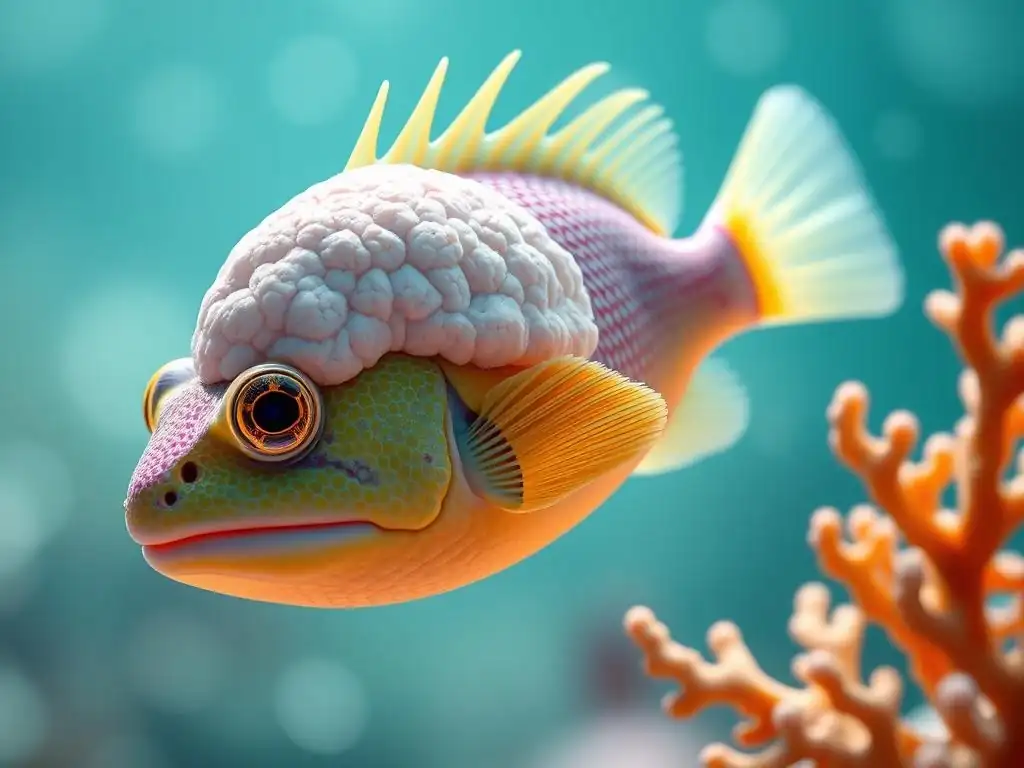
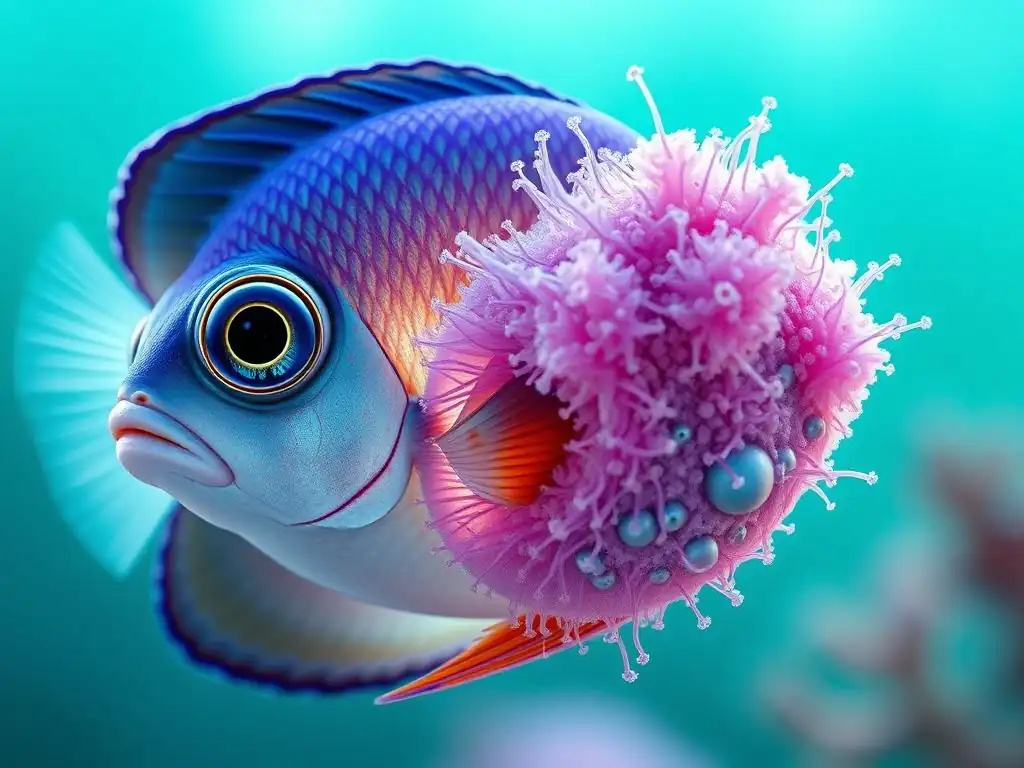
Lymphocystis is a common, chronic viral disease affecting a wide range of marine and freshwater fish species, including the delicate butterflyfish. Caused by an iridovirus, it manifests as characteristic cauliflower-like growths or nodular lesions on the fish's fins, skin, and sometimes the mouth. While visually unappealing and often a cause for concern among aquarists, Lymphocystis is generally considered a benign condition, meaning it is typically non-fatal and does not usually affect the fish's internal organs.
The virus primarily targets fibroblasts, which are cells responsible for producing connective tissue. Infected fibroblasts undergo significant hypertrophy (enlargement), sometimes swelling to thousands of times their normal size, leading to the distinct lumpy appearance. Although it rarely proves fatal on its own, severe cases can impede a butterflyfish's ability to feed, swim, or breathe effectively, making it more vulnerable to secondary infections or stress-related complications.
Identifying Lymphocystis: Visual Symptoms and Diagnosis
Identifying Lymphocystis in butterflyfish relies heavily on visual observation of its unique symptoms. The condition typically begins as small, white, raised spots that resemble tiny grains of salt, but unlike parasitic infections such as Ich, these spots are solid, irregular in shape, and do not fall off. Over time, these small lesions coalesce and grow into larger, more pronounced nodules that often resemble cauliflower or raspberries, ranging in color from white to grey. They are most commonly found on the fins (especially the caudal and pectoral fins), but can also appear on the body, head, and around the mouth.
Diagnosis is primarily made through careful visual inspection. It's crucial to differentiate Lymphocystis from other common ailments like Marine Ich (Cryptocaryon irritans) or Marine Velvet (Amyloodinium ocellatum), which present as uniform, salt-grain-like spots or a dusty, velvety film, respectively, and are typically accompanied by more rapid onset of respiratory distress or flashing behavior.
Lymphocystis, in contrast, develops slowly, and affected fish often continue to behave and feed normally, at least in the initial stages. While a definitive diagnosis can be made via a biopsy examined under a microscope, this is generally impractical for home aquarists, making accurate visual identification paramount.
Causes of Lymphocystis in Butterflyfish
Stress as a Primary Factor
Stress plays a significant role in the susceptibility of butterflyfish to Lymphocystis, as it directly compromises their immune system. Factors such as poor water quality, overcrowding within the aquarium, aggressive tank mates, inadequate diet, or sudden fluctuations in environmental parameters (like temperature or salinity) can induce chronic stress. When a butterflyfish is under stress, its immune response is weakened, making it less capable of fighting off viral infections, including the Lymphocystis iridovirus, which is often latent in aquatic environments.
Butterflyfish, known for their delicate nature, are particularly sensitive to environmental stressors. For instance, species like the Copperband Butterflyfish (Chelmon rostratus) require pristine water conditions and can become highly stressed by elevated nitrates or unstable pH, which in turn makes them more prone to developing visible Lymphocystis lesions. Reducing stressors is a fundamental component of any effective butterflyfish lymphocystis treatment options, as it allows the fish's natural defenses to recover and combat the virus.
Water Quality and Lymphocystis
Suboptimal water quality is a major contributor to stress in butterflyfish and can directly facilitate Lymphocystis outbreaks. Elevated levels of ammonia (NH3), nitrite (NO2), and nitrate (NO3) are particularly detrimental. For instance, nitrate levels consistently above 20 ppm can irritate a butterflyfish's delicate gills and skin, weakening its protective slime coat and making it more vulnerable to viral entry and proliferation. Fluctuations in pH or salinity can also induce osmotic stress, further taxing the fish's immune system.
Maintaining stable and pristine water parameters is paramount for preventing and managing Lymphocystis. Regular water changes, efficient filtration, and routine water testing are essential. A thriving biological filter ensures that ammonia and nitrite remain at undetectable levels (0 ppm), while consistent partial water changes help keep nitrates low. By providing a stable, high-quality aquatic environment, aquarists significantly reduce the likelihood of Lymphocystis flare-ups and support the butterflyfish's natural ability to recover.
Quarantine Procedures for New Fish
The introduction of new fish without proper quarantine is a common pathway for diseases, including Lymphocystis, to enter an established aquarium. The Lymphocystis virus can be present on seemingly healthy fish, lying dormant until stress triggers an outbreak. When a new, infected fish is added directly to a main tank, the virus can quickly spread to existing inhabitants, especially if they are already under some form of environmental stress.
A dedicated quarantine tank, operated for a minimum of 4 to 6 weeks, allows aquarists to observe new butterflyfish for any signs of disease, including the early manifestations of Lymphocystis, before they are introduced to the main display. During this period, the fish can be acclimated to the new water parameters gradually, reducing stress, and any potential infections can be treated without risking the health of the entire tank. This proactive measure is one of the most effective butterflyfish lymphocystis treatment options in terms of prevention, as it breaks the chain of transmission and protects the existing ecosystem.
Treatment Options for Lymphocystis in Butterflyfish
Non-Chemical Approaches
It is important to understand that there is no direct chemical cure for the Lymphocystis virus itself. The most effective approach focuses on strengthening the butterflyfish's immune system, allowing its natural defenses to clear the infection over time. This involves a multi-faceted strategy centered on environmental optimization and supportive care.
Improving Water Quality
The cornerstone of non-chemical butterflyfish lymphocystis treatment options is rigorous water quality management. This means ensuring ammonia and nitrite levels are consistently at 0 ppm, and nitrate levels are kept as low as possible, ideally below 10-20 ppm for marine systems. Implementing a schedule of regular, significant partial water changes—for example, 25-30% weekly—can drastically reduce dissolved organic compounds and nitrates, thereby minimizing stress on the fish.
Beyond chemical parameters, consistent temperature (e.g., 76-80°F or 24-27°C) and stable salinity (e.g., 1.023-1.026 specific gravity) are crucial. A well-maintained filtration system (mechanical, biological, and chemical) will further contribute to a clean and stable environment, directly supporting the butterflyfish's immune response and facilitating the regression of Lymphocystis lesions.
Optimizing Diet and Nutrition
A high-quality, varied, and nutritious diet is vital for bolstering a butterflyfish's immune system, which is essential for combating Lymphocystis. Instead of relying solely on dry flakes, offer a diverse range of frozen foods such as Mysis shrimp, brine shrimp, and finely chopped seafood (like clam or scallop), enriched with vitamin supplements. Specifically, foods fortified with Vitamin C and garlic can enhance immune function and palatability.
Feeding small, frequent meals throughout the day, rather than one large meal, can also help ensure consistent nutrient intake and reduce digestive stress. A well-fed butterflyfish with a robust nutritional foundation is far better equipped to fight off viral infections and recover from Lymphocystis, making dietary optimization a key element among butterflyfish lymphocystis treatment options.
Ultraviolet (UV) Sterilization
While not a direct cure for infected fish, UV sterilization can be a valuable tool in preventing the spread of Lymphocystis within an aquarium. A UV sterilizer works by exposing free-floating pathogens, including viruses, to germicidal ultraviolet light as water passes through it. This light denatures the DNA or RNA of the pathogens, rendering them unable to reproduce and infect other fish.
For Lymphocystis, UV sterilization helps to reduce the viral load in the water column, thereby minimizing the chance of the virus spreading to uninfected tank mates or reinfecting a recovering butterflyfish. Proper sizing of the UV unit for the tank volume and ensuring adequate flow rate through the sterilizer are critical for its effectiveness. It's an excellent preventative measure and supportive aid, though it will not directly remove the lesions from an already infected fish.
Chemical Treatments (Use with Caution)
It is critical to reiterate that there are no known effective chemical treatments that directly target and eliminate the Lymphocystis virus itself from an infected fish. Attempts to treat Lymphocystis with medications designed for bacterial or parasitic infections are generally ineffective and can often cause additional stress to the already compromised butterflyfish, potentially worsening its condition.
Copper-Based Medications: Risks and Considerations
Copper-based medications are widely used in marine aquariums for treating parasitic infections such as Marine Ich (Cryptocaryon irritans) and Marine Velvet (Amyloodinium ocellatum). However, they are not effective as butterflyfish lymphocystis treatment options because Lymphocystis is a viral disease, not a parasitic one. Furthermore, copper is highly toxic to invertebrates, including corals, anemones, and many beneficial crustaceans, making its use in reef tanks problematic.
Even in fish-only systems, copper can be stressful to sensitive fish species like butterflyfish, which may react poorly to the medication, leading to further immune suppression. It has a narrow therapeutic range, meaning the difference between an effective dose and a toxic dose is very small, requiring precise testing and careful monitoring. Therefore, copper should only be used when a specific parasitic infection is definitively diagnosed, and never as a general remedy for Lymphocystis.
Other Treatment Options: Research and Consultation
Beyond copper, various other medications exist for different fish ailments, but none are specifically proven to cure Lymphocystis. Some aquarists might anecdotally suggest treatments for secondary bacterial infections that could arise if Lymphocystis lesions break open, such as broad-spectrum antibiotics. However, administering antibiotics without a confirmed bacterial infection is ill-advised, as it can lead to antibiotic resistance and harm beneficial bacteria in the aquarium's biological filter.
When considering any butterflyfish lymphocystis treatment options, particularly those involving chemicals, it is always best to consult with an aquatic veterinarian or an experienced aquarist with a deep understanding of marine fish diseases. They can provide accurate diagnoses and recommend the most appropriate supportive care strategies. The primary focus should remain on improving water quality, optimizing nutrition, and reducing stress, which are the most reliable methods for helping butterflyfish overcome Lymphocystis.
Preventing Lymphocystis in Butterflyfish
Maintaining a Stable Aquarium Environment
Maintaining a stable and pristine aquarium environment is the most effective preventative measure against Lymphocystis in butterflyfish. This involves ensuring consistent parameters such as temperature (e.g., 76-80°F or 24-27°C), salinity (e.g., 1.023-1.026 specific gravity), and pH (e.g., 8.0-8.4). Sudden fluctuations in these parameters can severely stress butterflyfish, weakening their immune systems and making them vulnerable to viral infections.
Regular and thorough aquarium maintenance is crucial. This includes performing consistent partial water changes (e.g., 20-30% weekly), siphoning the substrate to remove detritus, and ensuring all filtration components (mechanical, biological, and chemical) are functioning optimally and cleaned regularly. An established, well-cycled tank with low nutrient levels and minimal pollutants provides a robust foundation for fish health, significantly reducing the risk of Lymphocystis outbreaks.
Quarantine Procedures
Implementing a strict quarantine protocol for all new fish, invertebrates, and even live rock before introducing them to the main display tank is paramount for disease prevention. A separate quarantine tank, equipped with its own heater, filter, and lighting, should be set up for this purpose. New butterflyfish should reside in this tank for a minimum of 4 to 6 weeks.
During the quarantine period, the fish can be observed daily for any signs of disease, including the slow development of Lymphocystis lesions. This allows for early detection and treatment in isolation, preventing the introduction of pathogens into the main aquarium where they could spread rapidly. It also gives the new fish time to acclimate to captivity and recover from the stress of transport, further bolstering its immune system.
Regular Observation and Early Detection
Daily, diligent observation of your butterflyfish is a simple yet powerful tool for preventing widespread disease and addressing Lymphocystis effectively. Aquarists should make it a habit to spend time watching their fish, noting their behavior, appetite, and physical appearance. Early signs of Lymphocystis, such as tiny, irregular bumps on fins or body, can be subtle and easily missed if not actively looked for.
Prompt action upon early detection is key. If a butterflyfish shows the initial signs of Lymphocystis, isolating the affected fish in a hospital tank can prevent potential spread, though the virus is not highly contagious. More importantly, it allows the aquarist to review and correct any potential stressors in the main tank, such as declining water quality, overcrowding, or dietary deficiencies, which are often underlying causes for the outbreak.
Differentiating Lymphocystis from Other Diseases
Common Butterflyfish Ailments: Comparative Analysis
Accurate identification is crucial for effective treatment, as misdiagnosing Lymphocystis can lead to inappropriate and potentially harmful interventions. Several other common ailments can present with symptoms that might, at first glance, be confused with Lymphocystis, but a careful comparative analysis reveals distinct differences.
- Marine Ich (Cryptocaryon irritans): This parasitic infection appears as small, uniform, white spots resembling grains of salt or sugar, typically spread across the body and fins. Unlike Lymphocystis, Ich spots are highly symmetrical, often appear rapidly, and infected fish frequently exhibit flashing (rubbing against tank decorations) and rapid breathing.
- Marine Velvet (Amyloodinium ocellatum): Another parasitic disease, Velvet manifests as a fine, dusty, yellowish-gold to brownish coating on the fish's skin and gills. It often causes labored breathing, lethargy, and flashing. The appearance is much finer and more widespread than the distinct, lumpy growths of Lymphocystis.
- Bacterial Infections (e.g., Columnaris): Bacterial infections can cause cotton-like growths, open sores, fin rot, or reddening of the skin. While some bacterial lesions might appear raised, they typically lack the distinct "cauliflower" texture of Lymphocystis and are often accompanied by other signs of bacterial distress like rapid tissue decay or cloudy eyes.
- Fungal Infections: True fungal infections are rare in marine fish but can occur as secondary infections on damaged tissue. They usually appear as fuzzy, cotton-like patches that are less defined than Lymphocystis nodules.
Ruling Out Other Potential Causes
Given the lack of a direct chemical cure for Lymphocystis, correctly ruling out other potential causes is paramount to avoid unnecessary and potentially harmful treatments. The characteristic "cauliflower" or "raspberry-like" appearance of Lymphocystis nodules, their slow development, and the generally normal behavior of the infected butterflyfish (unless the lesions are severe) are key diagnostic indicators.
If unsure about the diagnosis, avoid using broad-spectrum medications. Instead, focus on improving environmental conditions: perform a significant water change, test all parameters, ensure the diet is optimal, and reduce any visible stressors. If the fish's condition deteriorates rapidly or other symptoms (like flashing, labored breathing, or severe lethargy) appear, it strongly suggests a different ailment requiring specific intervention. In such cases, consulting with an aquatic veterinarian or experienced aquarist can provide clarity and guide appropriate butterflyfish lymphocystis treatment options for the actual underlying issue.
Long-Term Effects of Lymphocystis
Impact on Feeding and Behavior
In most cases, Lymphocystis is a self-limiting disease, meaning the lesions will eventually regress and disappear on their own, especially with improved environmental conditions. For minor cases, the long-term impact on a butterflyfish's feeding and behavior is often negligible. The fish continues to eat normally, swim actively, and exhibit typical social interactions.
However, if the Lymphocystis lesions become excessively large or develop in critical areas, they can indeed have a significant impact. Growths around the mouth can impede the butterflyfish's ability to open its mouth fully, leading to reduced food intake, weight loss, and eventual starvation. Similarly, large lesions on the fins can impair swimming ability, making it difficult for the fish to navigate, forage, or escape aggressive tank mates.
Growths on the gills, though less common, can compromise respiratory function. In these severe instances, the long-term prognosis can be guarded, as the fish may become lethargic and more susceptible to secondary health issues.
Potential for Secondary Infections
One of the primary long-term concerns with Lymphocystis, particularly in severe or prolonged cases, is the potential for secondary bacterial or fungal infections. The large, hypertrophied cells forming the Lymphocystis nodules can eventually rupture or become abraded, creating open wounds on the fish's skin or fins. These open lesions act as entry points for opportunistic bacteria and fungi that are naturally present in the aquarium water.
A secondary infection can quickly complicate the primary viral condition, leading to more severe symptoms such as fin rot, skin ulcers, or systemic infections. These secondary issues often require specific antibiotic or antifungal treatments, which can add further stress to the already compromised butterflyfish. Therefore, even as the fish recovers from Lymphocystis, vigilant monitoring for signs of secondary infections—such as reddening around the lesions, fuzzy patches, or rapid tissue decay—is crucial to ensure a full and healthy recovery.
Caring for Recovering Butterflyfish
Supportive Care and Monitoring
Caring for a recovering butterflyfish after a Lymphocystis outbreak primarily involves continuing the excellent supportive care that facilitated its initial recovery. This means maintaining pristine water quality with consistent parameters (0 ppm ammonia/nitrite, low nitrates), providing a diverse and nutritious diet rich in vitamins (especially Vitamin C), and ensuring a stress-free environment. Regular, small water changes are particularly beneficial during this period to keep the water clean and stable.
Continuous monitoring is essential. Observe the butterflyfish daily to ensure that the Lymphocystis lesions continue to regress and disappear completely. Pay close attention to its appetite, activity level, and overall coloration, as these are key indicators of its ongoing health. Any signs of lethargy, refusal to eat, or the development of new lesions should prompt an immediate review of tank conditions and potential stressors.
Reintroduction to the Main Tank
Before reintroducing a recovering butterflyfish from a hospital or quarantine tank back into the main display, several criteria should be met to ensure a smooth transition and prevent recurrence or spread of the virus. The most important criterion is the complete disappearance of all visible Lymphocystis lesions. While the virus may remain latent, the absence of active lesions indicates the fish's immune system has successfully suppressed the outbreak.
Additionally, the butterflyfish should be eating vigorously, displaying normal behavior, and showing no signs of stress or other ailments. The main tank's water parameters must be stable and optimal. Reintroduction should be a gradual process, potentially involving floating the fish in a clear container within the main tank for a period to allow it to acclimate to the main tank's environment and tank mates before full release. This careful approach helps minimize stress and ensures the butterflyfish's long-term well-being.
Case Studies: Successful Treatment
Case Study 1: Improved Water Quality and Diet
A seasoned aquarist noticed small, distinct white nodules developing on the fins of their Copperband Butterflyfish (Chelmon rostratus), a delicate species known for its susceptibility to stress. The lesions, resembling tiny pieces of cauliflower, were characteristic of Lymphocystis. The main display tank, a 120-gallon reef system, had slightly elevated nitrate levels (around 35 ppm) and inconsistent weekly water changes of only 10%. The fish's diet consisted primarily of frozen brine shrimp and occasional flakes.
Recognizing the need for an immune system boost, the aquarist immediately increased the frequency and volume of water changes to 25% twice weekly, bringing nitrate levels consistently below 10 ppm within two weeks. They also diversified the Copperband's diet, introducing vitamin-enriched frozen Mysis shrimp and finely chopped clam, offered in small, frequent feedings throughout the day.
Within approximately eight weeks, the Lymphocystis lesions on the Copperband Butterflyfish gradually shrunk and completely disappeared, and the fish's vibrant coloration and active foraging behavior significantly improved. This case underscores how foundational butterflyfish lymphocystis treatment options like pristine water and superior nutrition can lead to successful recovery.
Case Study 2: UV Sterilization and Stress Reduction
In a 75-gallon fish-only saltwater aquarium, a Threadfin Butterflyfish (Chaetodon auriga) developed multiple Lymphocystis growths on its body and around its mouth. The owner noted that the outbreak coincided with the recent introduction of a more aggressive Tang species, which had been occasionally nipping at the butterflyfish's fins. Water quality parameters were generally good, but the persistent harassment was a clear stressor.
To address the situation, the aquarist first rehomed the aggressive Tang to eliminate the primary source of stress for the butterflyfish. Concurrently, they installed a properly sized UV sterilizer (a 25-watt unit for the 75-gallon tank) and ran it continuously to reduce the viral load in the water column and prevent further transmission. While the UV sterilizer wouldn't cure the existing lesions, it created a cleaner environment for healing.
The butterflyfish's diet was also enhanced with a variety of vitamin-enriched frozen foods. Over a period of about twelve weeks, the Lymphocystis growths on the Threadfin Butterflyfish visibly diminished, eventually fading away completely. This example highlights the efficacy of stress reduction and environmental control as critical butterflyfish lymphocystis treatment options.
Expert Tips
Consulting with a Veterinarian or Experienced Aquarist
While Lymphocystis is often a self-limiting condition, there are situations where professional guidance becomes invaluable. If the lesions are extensive, impeding the butterflyfish's ability to eat or swim, or if the fish shows signs of severe distress or secondary infections, consulting an aquatic veterinarian is highly recommended. An aquatic vet can provide an accurate diagnosis, rule out more serious underlying conditions, and offer tailored advice based on your specific aquarium setup and the fish's overall health.
Similarly, reaching out to experienced aquarists—through reputable forums, local aquarium clubs, or specialized fish stores—can provide practical insights and shared experiences. While online resources offer general information, a personal consultation with someone knowledgeable about marine fish diseases and butterflyfish lymphocystis treatment options can offer invaluable, context-specific advice that might not be found in general guides.
Resources for Further Learning
For aquarists keen on deepening their understanding of fish health and diseases, several excellent resources are available. Reputable books such as "The Marine Aquarium Handbook: Beginner to Breeder" by Martin Moe Jr., or more specialized texts like "Diseases of Marine Aquarium Fish" by Robert Clifton, offer comprehensive information on diagnosis, prevention, and management of various fish ailments, including viral infections.
Additionally, scientific journals and university extension sites (e.g., from institutions with aquaculture programs) often provide evidence-based articles on fish pathology. Engaging with well-moderated online communities and forums dedicated to marine aquaria can also be beneficial for learning from collective experiences, though it is always wise to cross-reference advice with established scientific sources to ensure accuracy and reliability.
Frequently Asked Questions
What exactly is lymphocystis in Butterflyfish?
Lymphocystis is a viral disease that manifests as wart-like growths on a fish's skin and fins. It's caused by the Iridoviridae family of viruses and is generally considered a benign, self-limiting condition.
How can I identify lymphocystis on my Butterflyfish?
Look for small, white or grey nodules resembling cauliflower or warts. These growths are typically found on the fins, skin, and sometimes the gills, and are a clear indication of the infection.
Is lymphocystis always harmful to Butterflyfish?
While generally not fatal, severe cases of lymphocystis can impair swimming ability, affect feeding, and increase susceptibility to secondary infections. So, while usually self-limiting, it can become problematic.
What are the primary Butterflyfish lymphocystis treatment options?
There is no specific cure for lymphocystis. Treatment focuses on improving water quality, reducing stress, and providing a nutrient-rich diet to boost the fish's immune system.
Can lymphocystis spread to other fish in my aquarium?
Lymphocystis is contagious, but spread is usually slow. Maintaining excellent water parameters, quarantining new fish, and promptly addressing any signs of illness can help prevent outbreaks.
The journey through understanding lymphocystis in butterflyfish reveals a critical truth: proactive observation and informed care are paramount in maintaining the health of these delicate creatures. While a cure-all "Butterflyfish lymphocystis treatment options" list may seem like the holy grail, the reality is more nuanced, demanding a holistic approach that prioritizes prevention and supportive care.
This exploration has underscored the profound influence of responsible aquarium keeping on the well-being of our aquatic companions. The dedication to understanding and addressing lymphocystis highlights a deeper commitment to ethical fishkeeping, fostering a culture of informed decision-making and preventative action. The greatness of a nation and its moral progress can be judged by the way its animals are treated.
- Mahatma Gandhi. This sentiment resonates deeply when considering the care we provide to the vulnerable butterflyfish in our aquariums.
As we conclude, I invite you to reflect on your own role in the aquarium ecosystem. Are you equipped with the knowledge and dedication to provide the best possible environment for your butterflyfish? Let this understanding of lymphocystis serve as a catalyst for continuous learning and mindful action, ensuring the vibrant health and longevity of these captivating inhabitants of our underwater worlds.
Unveil a Healthier Aquarium Today!
Thank you for diving into the world of lymphocystis with us! Now that you're armed with a deeper understanding of this common aquarium ailment, let's put that knowledge into action to ensure a thriving aquatic environment.
Here's how you can take the next steps:
- Actively monitor your fish for any signs of lymphocystis, especially after introducing new inhabitants to your tank. Early detection is key!
- Consider enhancing your aquarium's water quality through more frequent partial water changes. A pristine environment can significantly boost your fishes' immune systems.
- Share this guide with fellow aquarium enthusiasts! Helping others recognize and address lymphocystis contributes to a healthier aquarium community.
What specific steps will you take this week to improve your aquarium's health and prevent future outbreaks?