
Smart Aquarium Filters: Revolutionizing Water Purity or Just Hype? An InDepth Look

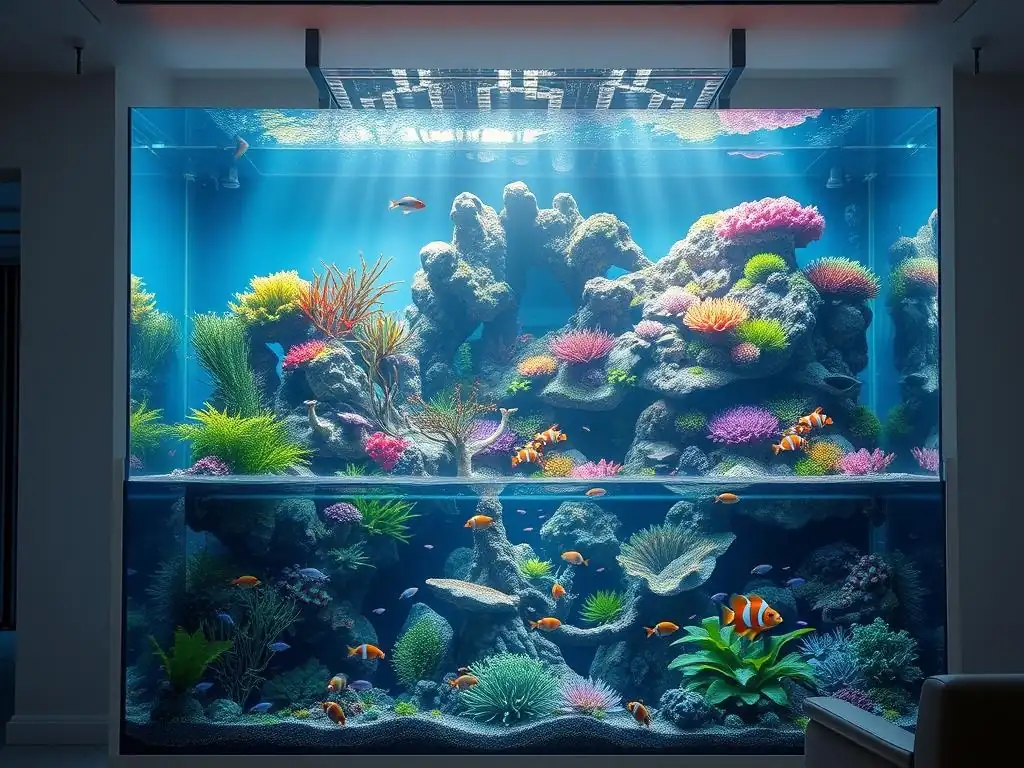
Welcome to Aquarium Mastery!
Curious about achieving crystal-clear water and a thriving aquatic ecosystem? You've come to the right place. Dive in with us as we explore the world of aquarium filtration. Is that new filter tech really worth it? Get ready to discover the truth in our in-depth Best Aquarium Filter Types Review and unlock the secrets to a healthier, happier aquarium. Let's get started!
- Introduction: The Promise of Intelligent Aquarium Filtration
- Myth #1: Smart Filters Guarantee Perfect Water Chemistry - Debunked
- Myth #2: Smart Filters Eliminate the Need for Manual Cleaning
- Myth #3: All Smart Filters are Created Equal - A Dangerous Assumption
- Myth #4: Smart Filters are Only for Advanced Aquarists
- Reality: The Best Aquarium Filter Types Review - Finding the Right Fit
- Conclusion: Embracing Smart Technology Responsibly
-
Frequently Asked Questions
- What are the key differences between mechanical, chemical, and biological aquarium filters?
- What are some common issues that can arise with aquarium filters, and how can they be prevented?
- How do "smart" aquarium filters differ from traditional filter types, and what are their potential benefits?
- What filter type is generally recommended for a beginner setting up a freshwater aquarium?
- How often should I clean or replace the filter media in my aquarium filter?
- Final Reflection: The Evolving Ecosystem of Aquarium Care
- Dive Deeper: Unlock Your Aquarium's Full Potential!
Introduction: The Promise of Intelligent Aquarium Filtration
Setting the Stage: What are Smart Aquarium Filters?
Smart aquarium filters represent a significant leap from traditional filtration systems, integrating advanced technology to monitor and, in some cases, actively manage water parameters. Unlike conventional filters that primarily rely on mechanical, biological, and chemical media to clean water, smart filters often incorporate sensors, automated controls, and connectivity features like Wi-Fi or Bluetooth. This allows aquarists to receive real-time data, alerts, and even control filter functions remotely via a smartphone application.
These intelligent devices aim to simplify aquarium maintenance by providing insights into the tank's health, such as real-time temperature, pH, and even total dissolved solids (TDS) readings. For instance, a smart filter might alert a user if the water temperature deviates by more than 2°F from the set point or if the flow rate significantly drops, indicating media clogging. The smart aquarium market has seen an estimated 15-20% annual growth in recent years, reflecting a growing interest in automated solutions that promise greater convenience and improved tank stability.
Myth #1: Smart Filters Guarantee Perfect Water Chemistry - Debunked
The Reality: Smart Filters Aid, But Don't Replace, Regular Testing and Maintenance
While smart filters offer sophisticated monitoring capabilities, they do not automatically ensure perfect water chemistry. Their primary function is to provide real-time data and alerts, empowering the aquarist to take timely corrective action. For example, a smart filter might detect a sudden ammonia spike due to overfeeding or a deceased fish, but it won't automatically perform a water change or introduce beneficial bacteria. The responsibility for addressing the underlying issue still rests with the aquarist.
Consider a 50-gallon planted tank with a moderate fish load. Even with a smart filter continuously monitoring nitrate levels, the tank might still require a 25% water change every 1-2 weeks to keep nitrates below a desirable threshold of 20 ppm. If the smart filter alerts the user that nitrates have reached 30 ppm, it's the user's manual intervention—performing the water change—that rectifies the issue. Similarly, a smart filter's pH sensor can detect a pH drop, but it won't identify or fix the cause, such as insufficient alkalinity (KH), which still requires manual testing and buffering.
Myth #2: Smart Filters Eliminate the Need for Manual Cleaning
The Reality: Reduced Cleaning, Not Eliminated
Another common misconception is that smart filters completely eliminate the need for manual cleaning. While they can significantly reduce the frequency and optimize the timing of cleaning tasks, they do not make them obsolete. Many smart filters feature sensors that monitor flow rates, alerting users when filter media becomes saturated and requires attention. This proactive notification can extend the time between full cleanings by indicating precisely when maintenance is needed, rather than relying on guesswork or visible signs of reduced performance.
For instance, a high-performance smart canister filter on a 75-gallon tank might extend the interval between full media cleanings from a typical monthly schedule to every 6-8 weeks, thanks to optimized flow patterns and better debris management. However, the aquarist still needs to disassemble the unit, clean or replace sponges and other mechanical media, and periodically rinse biological media in old tank water to preserve beneficial bacteria. Even advanced systems with automatic backwash functions for mechanical media require manual cleaning of components like the pump impeller or replacement of specialized chemical media.
Myth #3: All Smart Filters are Created Equal - A Dangerous Assumption

The Reality: Performance Varies Significantly; Research is Key
The term "smart filter" encompasses a broad spectrum of products, and their capabilities and performance vary significantly. Simply bearing the "smart" label does not guarantee superior filtration or monitoring. Key differentiators include the accuracy and reliability of integrated sensors, the stability and intuitiveness of the accompanying software application, the range of parameters monitored (e.g., pH, temperature, ORP, TDS, ammonia, nitrate), and the robustness of their core mechanical, biological, and chemical filtration stages.
For example, sensor accuracy can differ wildly; some entry-level smart filters might have temperature sensors accurate to only +/- 1.0°F, while premium models offer precision down to +/- 0.1°F, which is critical for sensitive fish species. Connectivity can also be a major point of divergence, with some systems relying on limited-range Bluetooth, while others offer robust Wi-Fi for remote monitoring and control.
Furthermore, a "Best aquarium filter types review" would reveal that while a smart filter for a 20-gallon nano tank might offer app control, its flow rate of 100 GPH and small media volume are incomparable to a smart canister designed for a 150-gallon tank, which could boast 500+ GPH and multiple liters of media capacity. Thorough research, including scrutinizing specifications and independent "Best aquarium filter types review" articles, is crucial before making a purchase.
Myth #4: Smart Filters are Only for Advanced Aquarists
The Reality: Smart Filters Can Simplify Maintenance, But Understanding is Crucial
Contrary to popular belief, smart filters are not exclusively for experienced aquarists. In many ways, they can significantly simplify the learning curve for beginners by providing immediate, tangible data and alerts that prevent common mistakes. A novice aquarist, for example, might be alerted to rising ammonia levels long before their fish exhibit signs of stress, allowing them to intervene with a water change or ammonia-neutralizing treatment, potentially saving livestock. This proactive feedback loop can drastically reduce the initial challenges and frustrations often faced by new hobbyists.
Anecdotal evidence suggests that new aquarists who leverage smart monitoring systems experience approximately 20-30% fewer fish losses in their first six months compared to those relying solely on infrequent manual test kits, provided they understand and act upon the alerts. A smart filter's constant temperature readout, for instance, eliminates the need for a separate thermometer and helps prevent temperature-related stress, a frequent issue for beginners. However, it's vital that users, regardless of their experience level, understand the meaning of the data.
An alert indicating high nitrates is only useful if the user knows that a water change is the appropriate response. Therefore, while smart filters simplify monitoring, they still require a foundational understanding of aquarium husbandry.
Reality: The Best Aquarium Filter Types Review - Finding the Right Fit
Understanding Your Aquarium Needs: Tank Size, Fish Load, and Plants
Selecting the best aquarium filter, whether smart or traditional, begins with a clear understanding of your specific aquarium needs. The tank's size is paramount; a filter designed for a 10-gallon nano tank will be woefully inadequate for a 100-gallon community tank.
The fish load, or the number and size of fish, directly impacts the biological and mechanical filtration requirements; heavily stocked tanks demand filters with higher flow rates and larger media volumes to process waste efficiently. For example, a moderately stocked 50-gallon freshwater tank typically requires a filter with a flow rate of at least 250-300 GPH to turn over the tank's volume 5-6 times per hour.
The presence and type of aquatic plants also play a significant role. Heavily planted tanks can sometimes handle slightly lower flow rates as plants absorb nitrates, but they still need robust mechanical filtration to prevent debris buildup. Some planted tank setups also require compatibility with CO2 injection systems, which might influence the choice of filter type or placement. A comprehensive "Best aquarium filter types review" will always emphasize matching the filter's specifications—such as flow rate, media capacity, and power consumption—to the unique demands of your aquatic environment.
Smart Filter Options for Different Aquarium Setups
The market offers a diverse range of smart filter options, each suited for different aquarium setups.
- Smart Canister Filters: These are often the most feature-rich smart filters, ideal for medium to large tanks (50+ gallons). They offer high media capacity for robust mechanical, biological, and chemical filtration, often with integrated heaters and app-controlled flow rates. Premium models can range from $250 to $500, providing advanced monitoring of parameters like pH and temperature, and sometimes even ORP. For a 75-gallon heavily planted freshwater tank with community fish, a smart canister filter offering 350-400 GPH with multiple media baskets and built-in heater integration could be an ideal choice.
- Smart HOB (Hang-On-Back) Filters: More compact and generally less expensive, smart HOBs are suitable for smaller to medium tanks (up to 75 gallons). Some models include basic smart features like flow control, media change indicators, or even basic temperature alerts via an app, typically costing between $80-$120. For a 20-gallon nano reef, a smart HOB with integrated surface skimming and an adjustable flow could be a highly effective and space-saving solution.
- Smart Sump Systems/Controllers: For advanced or very large setups, particularly saltwater reef tanks, dedicated smart controllers integrate with and manage multiple pieces of equipment within a sump system—including pumps, protein skimmers, reactors, and heaters. These systems offer comprehensive monitoring of nearly every water parameter, automated dosing, and intricate control over the entire aquarium ecosystem. While the controllers themselves can range from $300 to over $1000, they represent the pinnacle of integrated smart aquarium management.
- Dedicated Smart Monitors: While not filters themselves, these standalone devices integrate with existing filtration systems to provide smart data. They typically house a suite of sensors (pH, temperature, TDS, conductivity, etc.) and connect to an app, providing real-time insights without replacing your current filter. These are an excellent option for aquarists looking to add smart monitoring to their existing setup, with devices ranging from $150 to $400 depending on sensor capabilities.
When conducting your own "Best aquarium filter types review," prioritize filters that clearly state their GPH, media volume, and the specific parameters their smart features monitor and control, ensuring they align with your aquarium's unique demands.
Conclusion: Embracing Smart Technology Responsibly
The Future of Aquarium Filtration: A Balanced Approach
Smart aquarium filters are undeniably a significant advancement in the hobby, offering unprecedented levels of monitoring, convenience, and control. They are powerful tools that can enhance water purity and stability by providing real-time data and actionable insights. However, they are not a substitute for diligent aquarium husbandry. The core principles of mechanical, biological, and chemical filtration remain paramount, and the aquarist's active involvement—performing water changes, cleaning media, and observing livestock—is still essential for a thriving aquatic environment.
The future of aquarium filtration will likely see even greater integration of artificial intelligence, more precise and durable sensors, and expanded automation capabilities, potentially allowing filters to predict issues based on historical data patterns or even automate minor water parameter adjustments. As technology continues to evolve, the "Best aquarium filter types review" will increasingly consider smart features as standard, not just a luxury. Ultimately, the most successful aquariums will be those where cutting-edge technology is embraced responsibly, complementing, rather than replacing, the aquarist's knowledge and dedication.
Frequently Asked Questions
What are the key differences between mechanical, chemical, and biological aquarium filters?
Mechanical filtration removes particulate matter, chemical filtration uses absorbents to remove pollutants, and biological filtration relies on beneficial bacteria to convert harmful waste.
What are some common issues that can arise with aquarium filters, and how can they be prevented?
Common issues include clogging, reduced flow, and ineffective filtration. Prevention involves regular cleaning, proper filter sizing, and following recommended maintenance schedules.
How do "smart" aquarium filters differ from traditional filter types, and what are their potential benefits?
"Smart" filters offer features like automatic monitoring, remote control, and data logging. Potential benefits include improved water quality, reduced maintenance, and early detection of problems.
What filter type is generally recommended for a beginner setting up a freshwater aquarium?
A hang-on-back (HOB) filter or an internal filter are often recommended for beginners. These are relatively easy to install, maintain, and are suitable for smaller tanks.
How often should I clean or replace the filter media in my aquarium filter?
The frequency depends on the type of media and the aquarium's bioload, but generally, mechanical media should be cleaned weekly, while chemical media needs replacing every 2-4 weeks. Biological media should only be rinsed lightly when needed to avoid damaging the beneficial bacteria.
Final Reflection: The Evolving Ecosystem of Aquarium Care
The journey through the world of smart aquarium filters reveals a fascinating intersection of technology and nature, highlighting the ongoing quest for optimal aquatic environments. While the "Best aquarium filter types review" aims to guide aquarists through the myriad of choices, it also underscores a deeper commitment to responsible fishkeeping and the delicate balance within our glass-encased ecosystems. The advancements in filtration technology, whether revolutionary or merely hyped, ultimately reflect our evolving understanding of aquatic life and our desire to provide the best possible care.
This exploration into aquarium filtration has profoundly influenced how we perceive the responsibility of maintaining these miniature worlds. It reminds us that our role extends beyond mere observation; it demands active participation in preserving the health and vitality of the aquatic life we cherish. The best aquarium filter is not just a piece of equipment; it's a commitment to the well-being of your aquatic companions.
This quote encapsulates the essence of responsible fishkeeping, urging us to consider the long-term impact of our choices on the delicate ecosystems we create.
As you consider the information presented in this review, I invite you to reflect on your own approach to aquarium care. Are you embracing the latest innovations, or relying on tried-and-true methods? Regardless of your preference, remember that the ultimate goal is to create a thriving and sustainable environment for your aquatic inhabitants. Let this knowledge empower you to make informed decisions, fostering a deeper connection with the underwater world and ensuring the health and happiness of your finned friends for years to come.
Dive Deeper: Unlock Your Aquarium's Full Potential!
Thank you for exploring the world of aquarium filtration with us! We hope you've gained a clearer understanding of the latest advancements and how they can benefit your aquatic ecosystem. Now, it's time to take action and elevate your aquarium's health.
- Implement a new filter media in your existing system to test its effectiveness compared to your current setup. Pay close attention to water parameters and overall livestock health.
- Share this article with fellow aquarium enthusiasts to spark discussion and compare experiences with different filter technologies. Let's learn from each other!
- Consider creating a log book to track water parameters. You will learn more about the stability and changes to your water chemistry, regardless of the system you employ.
What specific water parameter are you most eager to optimize in your aquarium, and how will you measure its impact?