
Aquarium Lighting Spectrum Explained: Kelvin, PAR, & PUR for Dazzling Displays

Welcome to Aquarium Mastery!
Ever wondered if your aquarium lighting is truly bringing out the best in your aquatic ecosystem? Dive in with us as we unravel the mysteries of Kelvin, PAR, and PUR values in our latest deep-dive. Understanding these concepts is crucial for creating a thriving, vibrant underwater world. Ready to illuminate your knowledge and achieve dazzling displays? Let's get started!
- Aquarium Lighting Spectrum: Kelvin, PAR, & PUR for Thriving Aquariums
- Understanding Aquarium Lighting: A Deep Dive into Spectral Properties
- Demystifying Kelvin (K): Correlated Color Temperature in Aquarium Lighting
- PAR (Photosynthetically Active Radiation): Measuring Light Intensity for Aquariums
- PUR (Photosynthetically Usable Radiation): Optimizing Light for Photosynthesis
- Kelvin, PAR, & PUR Values: A Comparative Analysis
- Choosing the Right Aquarium Lighting Based on Kelvin, PAR, and PUR
- Troubleshooting Common Aquarium Lighting Issues
- Advanced Aquarium Lighting Techniques
- Conclusion: Mastering Aquarium Lighting for a Thriving Aquatic Environment
-
Frequently Asked Questions
- What is Kelvin in relation to aquarium lighting?
- What does PAR stand for, and why is it important for aquariums?
- How does PUR differ from PAR in aquarium lighting considerations?
- Why are Kelvin, PAR, and PUR values important when choosing aquarium lights?
- How do I determine the ideal Kelvin, PAR, and PUR values for my aquarium?
- Final Reflection: Illuminating the Depths of Understanding
- Ignite Your Aquarium's Brilliance!
Aquarium Lighting Spectrum: Kelvin, PAR, & PUR for Thriving Aquariums
Understanding Aquarium Lighting: A Deep Dive into Spectral Properties
Why is Aquarium Lighting Spectrum Important?
The spectrum of light, often overlooked by novice aquarists, is a critical factor in the health and vibrancy of any aquatic ecosystem. It dictates not just how your aquarium looks to the human eye, but more importantly, how the inhabitants within it thrive.
Different wavelengths of light penetrate water at varying depths and are absorbed differently by aquatic plants, corals, and even fish, influencing their biological processes from photosynthesis to coloration and stress levels. For instance, blue and red wavelengths are predominantly utilized by photosynthetic organisms, while green light is largely reflected, which is why underwater environments often appear blue.
Beyond the biological necessities, the light spectrum also plays a significant role in controlling undesirable elements like algae. An imbalanced spectrum, or one that provides an excess of wavelengths not efficiently utilized by desired plants or corals, can inadvertently fuel the growth of nuisance algae. Understanding the specific Kelvin, PAR, and PUR values of your lighting allows for precise control, ensuring that energy is directed efficiently to support robust plant growth, vibrant coral coloration, and overall ecological balance, rather than contributing to common aquarium problems.
The Role of Light in Aquarium Ecosystems
Light serves as the fundamental energy source at the base of the food chain in planted and reef aquariums, primarily through the process of photosynthesis. Aquatic plants and the symbiotic algae (zooxanthellae) living within corals convert light energy into chemical energy, producing the sugars and oxygen essential for their survival and growth. Without adequate and appropriate light, these organisms cannot photosynthesize effectively, leading to stunted growth, browning, or even death. For example, a common freshwater plant like Anubias barteri will survive in low light, but its growth and vibrancy will significantly improve under a spectrum optimized for photosynthesis.
Furthermore, light plays a crucial role in the visual perception and well-being of fish. Proper lighting can enhance the natural coloration of fish, making them appear more vibrant and appealing. Conversely, inadequate or overly harsh lighting can induce stress in certain species, leading to faded colors or shy behavior. The daily light cycle also helps regulate the circadian rhythms of aquarium inhabitants, influencing their feeding patterns, breeding behaviors, and overall activity levels, reinforcing the necessity of a well-thought-out lighting strategy using appropriate Kelvin, PAR, and PUR values.
What is Kelvin and How Does it Relate to Aquarium Lighting?
Kelvin (K) is a unit of measurement for correlated color temperature (CCT), which describes the perceived "warmth" or "coolness" of a light source. It's based on the color emitted by a theoretical black-body radiator as it's heated. In aquarium lighting, lower Kelvin values, such as 2,700K to 3,500K, produce a warm, yellowish-red light, similar to an incandescent bulb or a sunrise.
As the Kelvin value increases, the light becomes cooler and bluer. For instance, a 6,500K light mimics natural daylight, while values above 10,000K, extending to 20,000K or even higher, produce a distinct blue or actinic appearance, often associated with deeper ocean environments.
Understanding Kelvin values is essential because it directly impacts the aesthetic presentation of your aquarium and, to some extent, the spectral balance available for biological processes. While Kelvin primarily describes the human perception of light color, it inherently reflects the proportion of different wavelengths present in the light output. For example, a light with a Kelvin value of 14,000K will have a significantly higher percentage of blue wavelengths compared to a 6,500K light, which contains a more balanced spectrum of red, green, and blue.
Kelvin Temperature and the Appearance of Your Aquarium
The Kelvin temperature of your aquarium lighting profoundly influences the visual appeal of your tank, affecting how fish colors, plant foliage, and coral structures are perceived. A light source with a lower Kelvin value, such as 4,000K to 5,000K, will cast a warmer, more yellowish hue, which can enhance red and orange tones in fish and plants, but may make the water appear somewhat dull or "dirty" to some observers. This range is sometimes used for specific aesthetic effects or for planted tanks where red spectrum emphasis is desired.
Conversely, higher Kelvin values, particularly in the 10,000K to 20,000K range, create a crisp, blue-white light that mimics the deep ocean. This spectrum is often favored in reef aquariums because it makes fluorescent corals "pop" and intensifies the blue and purple pigments in fish. For freshwater tanks, a light around 6,500K to 7,500K is generally preferred as it closely resembles natural sunlight, providing a balanced color rendition that makes green plants vibrant and allows the full spectrum of fish colors to be appreciated without an overpowering yellow or blue tint.
Best Kelvin Ranges for Freshwater Aquariums
For most freshwater aquariums, particularly those focusing on plant growth, a Kelvin range of 6,500K to 7,500K is widely considered ideal. This range closely mimics natural daylight, providing a balanced spectrum that supports robust photosynthesis in a wide variety of aquatic plants, from common stem plants like Ludwigia repens to carpeting plants such as Hemianthus callitrichoides. Lights within this spectrum offer a good balance of red and blue wavelengths, which are crucial for chlorophyll absorption, while also providing enough green light for aesthetic appeal without encouraging excessive algae growth.
While 6,500K is a popular baseline, some aquarists might opt for slightly higher Kelvin values, up to 8,000K, to achieve a crisper, whiter look without veering into the overly blue tones of marine lighting. Conversely, lights below 5,000K can appear too yellow or orange, which might be aesthetically unpleasing for many setups and can sometimes promote certain types of algae. The key is to find a Kelvin temperature that not only supports the biological needs of your plants and fish but also creates the desired visual ambiance for your specific freshwater tank setup.
Ideal Kelvin Values for Saltwater and Reef Aquariums
Saltwater and reef aquariums, especially those housing corals, have distinct Kelvin requirements due to the specific light absorption needs of symbiotic zooxanthellae. These photosynthetic algae thrive on the blue end of the spectrum. Consequently, reef keepers typically utilize lighting with higher Kelvin values, ranging from 10,000K to 20,000K, and often supplement this with dedicated actinic (pure blue) lights. A common choice for mixed reef tanks is a 14,000K light, which provides a bright white appearance with a strong blue component, enhancing coral fluorescence and vibrant coloration.
For SPS (Small Polyp Stony) coral dominated tanks, which often require very intense blue light to mimic deeper ocean environments and maximize zooxanthellae activity, lights in the 18,000K to 20,000K range are frequently employed. These higher Kelvin values emphasize the blue wavelengths (around 450-470nm), which are critical for coral health and growth. While lower Kelvin values like 6,500K can be used in fish-only saltwater tanks for a natural appearance, they are generally insufficient for photosynthetic corals due to their lack of adequate blue light, potentially leading to coral browning or starvation.
Choosing the Right Kelvin for Planted Aquariums: Promoting Photosynthesis
Selecting the correct Kelvin for a planted aquarium is paramount for promoting healthy and vigorous photosynthesis. While the human eye perceives white light around 6,500K as "daylight," this spectrum is also highly effective for most aquatic plants because it contains a balanced distribution of wavelengths, including the crucial red (around 660nm) and blue (around 450nm) light that chlorophyll a and b primarily absorb. Many successful planted tanks utilize full-spectrum LED fixtures or T5 fluorescent bulbs rated at 6,500K to 7,000K, providing the necessary energy for plant growth without favoring algae.
For specific effects or to boost the coloration of red-pigmented plants (e.g., Rotala macrandra), some aquarists might incorporate bulbs with slightly warmer Kelvin values or add red-spectrum specific LEDs. However, relying solely on very low Kelvin lights (e.g., 3,000K) can lead to an unnatural yellow appearance and may not provide sufficient blue light for balanced growth. Conversely, lights with excessively high Kelvin values (e.g., 10,000K+) can appear too blue, potentially causing stunted growth in some plants and encouraging certain types of blue-green algae due to an imbalance in the usable light spectrum.
PAR (Photosynthetically Active Radiation): Measuring Light Intensity for Aquariums
What is PAR and Why is it Crucial?
PAR, or Photosynthetically Active Radiation, is a measurement of the amount of light within the visible spectrum (400 to 700 nanometers) that is actually usable by photosynthetic organisms like aquatic plants and corals. Unlike lumens or watts, which measure light perceived by the human eye or total energy consumption, PAR quantifies the light energy that directly drives photosynthesis.
It is typically measured in micromoles of photons per square meter per second (µmol m-2 s-1). Understanding PAR values is crucial because it provides a direct indicator of whether your plants or corals are receiving sufficient light intensity to thrive, preventing issues like stunted growth or bleaching.
The importance of PAR lies in its direct correlation to the rate of photosynthesis. Too little PAR will result in slow or no growth, while excessively high PAR can lead to photoinhibition, where the photosynthetic machinery becomes overwhelmed and damaged. For instance, a low-light plant like Java Fern might only require 15-30 PAR, whereas a high-light demanding coral like an SPS Acropora can thrive in PAR values exceeding 250-400. Therefore, knowing the specific PAR requirements of your aquarium inhabitants is fundamental to providing them with optimal conditions.
How PAR Affects Plant Growth and Coral Health
The intensity of PAR directly dictates the rate at which plants and corals can photosynthesize, thereby influencing their growth rate, coloration, and overall health. For aquatic plants, insufficient PAR leads to slow growth, pale leaves, and "stretching" (etiolation) as they try to reach for more light.
For example, a carpeting plant like Dwarf Hairgrass requires high PAR (50-80 µmol m-2 s-1) to carpet densely; with low PAR, it will grow leggy and sparse. Conversely, excessively high PAR can cause rapid algae growth by providing too much energy to simpler organisms, or even lead to "burning" or photo-damage in sensitive plants.
For corals, PAR is even more critical as their survival is heavily dependent on their symbiotic zooxanthellae. Low PAR values will starve the zooxanthellae, causing corals to lose their color (bleaching) and eventually perish. High PAR, especially if introduced too quickly, can also lead to bleaching as the zooxanthellae become overwhelmed and expelled by the coral host. Different coral types have vastly different PAR requirements: soft corals might thrive at 50-100 PAR, while LPS corals often prefer 100-200 PAR, and many SPS corals demand 250-450+ PAR, illustrating the wide range of PAR values needed across a reef tank.
PAR Values: Understanding Light Intensity Requirements for Different Aquariums
The ideal PAR values vary significantly based on the type of aquarium and its inhabitants. For freshwater planted tanks, the general ranges are:
- Low Light Plants: (e.g., Java Fern, Anubias, Cryptocoryne): 15-30 µmol m-2 s-1. These plants are forgiving and do not require CO2 injection.
- Medium Light Plants: (e.g., Amazon Sword, Vallisneria, most stem plants): 30-50 µmol m-2 s-1. These often benefit from CO2 supplementation for optimal growth.
- High Light Plants: (e.g., Dwarf Hairgrass, Rotala, Glossostigma elatinoides): 50-80+ µmol m-2 s-1. These plants almost always require CO2 injection and nutrient rich substrate to thrive.
For saltwater and reef aquariums, the PAR values are typically higher:
- Soft Corals: (e.g., Zoanthids, Mushrooms, Leathers): 50-100 µmol m-2 s-1.
- LPS (Large Polyp Stony) Corals: (e.g., Hammer, Frogspawn, Torch corals): 100-200 µmol m-2 s-1.
- SPS (Small Polyp Stony) Corals: (e.g., Acropora, Montipora, Stylophora): 200-450+ µmol m-2 s-1. Some very demanding SPS corals can even tolerate bursts of 500-700 PAR.
These PAR values are approximations and can vary depending on water clarity, depth, and specific species, but they provide a crucial guideline for selecting and positioning your lighting.
Measuring PAR in Your Aquarium: Tools and Techniques
Accurately measuring PAR values in your aquarium is the most reliable way to ensure your inhabitants are receiving appropriate light intensity. The primary tool for this is a dedicated PAR meter, such as the Apogee MQ-500 or Seneye Reef, which are designed to measure photosynthetically active radiation directly. These devices typically cost several hundred dollars (e.g., an Apogee MQ-500 usually retails for over $400 USD), making them a significant investment, though some local fish stores or aquarium clubs offer rental services.
To take effective PAR measurements, position the sensor at various depths and locations within your tank, simulating where your plants or corals are placed. For a planted tank, measure at the substrate level and mid-water. For a reef tank, measure at the top, middle, and bottom of your rock work where corals are mounted.
It is important to take multiple readings and average them, as surface agitation and shadowing can cause fluctuations. Measurements should be taken with the light at its peak intensity during the photoperiod to get the most accurate representation of the maximum PAR values your tank receives.
Factors Affecting PAR Levels in Your Aquarium
Several factors can significantly influence the actual PAR values reaching your plants and corals, even with a high-quality light fixture. The type and wattage of the light source are primary drivers; a powerful LED or T5 HO fixture will inherently produce more PAR than a standard fluorescent bulb. The height of the light fixture above the water is also critical; PAR diminishes rapidly with distance – moving a light from 12 inches to 24 inches above the water surface can reduce PAR by 30-50% or more.
Water depth and clarity play a substantial role. Light attenuates (weakens) as it travels through water, with deeper tanks naturally having lower PAR at the bottom. Turbidity from detritus, algae, or even certain water treatments can further reduce light penetration. Surface agitation can cause light to scatter, creating a shimmering effect but potentially reducing overall direct PAR. Lastly, shading from tank decor, rockwork, or other inhabitants can create localized low-PAR zones, which must be considered when placing light-demanding organisms. Regularly cleaning your light fixture's lens and maintaining clear water are simple ways to maximize light delivery.
PUR (Photosynthetically Usable Radiation): Optimizing Light for Photosynthesis
What is PUR and How Does it Differ from PAR?
PUR, or Photosynthetically Usable Radiation, refers to the specific wavelengths within the PAR spectrum (400-700nm) that are most efficiently absorbed and utilized by photosynthetic organisms. While PAR measures the total quantity of light available for photosynthesis, PUR focuses on the quality of that light – specifically, which wavelengths are most effective.
Not all wavelengths within the 400-700nm range are equally efficient; chlorophyll, the primary pigment in plants and zooxanthellae, has peak absorption in the blue (around 430-470nm) and red (around 640-670nm) regions of the spectrum. Green light, for example, is largely reflected, making it less useful for photosynthesis, even though it contributes to the overall PAR value.
The distinction is crucial for optimizing energy efficiency and promoting robust growth. A light fixture might have a high PAR value but a poor PUR spectrum if it emits a significant portion of its light in wavelengths that are not readily absorbed by plants or corals (e.g., too much green or yellow light). Conversely, a light with a lower overall PAR but a highly optimized PUR spectrum can often achieve superior photosynthetic results, leading to healthier growth and potentially lower energy consumption because less energy is wasted on unusable wavelengths.
The Importance of PUR for Efficient Photosynthesis
The significance of PUR lies in its ability to maximize photosynthetic efficiency, ensuring that the energy provided by your lighting is converted into growth as effectively as possible. By focusing light output on the wavelengths that chlorophyll and other accessory pigments primarily absorb, aquarists can achieve robust plant and coral growth with potentially less overall light intensity (lower PAR) compared to a broad-spectrum light that includes many inefficient wavelengths. This optimization means less energy is wasted, reducing electricity consumption and minimizing the potential for nuisance algae, which often thrive on excess light in less efficient spectra.
For example, a high-quality LED fixture designed for planted tanks might incorporate specific red (e.g., 660nm) and blue (e.g., 450nm) diodes, even if the total wattage is moderate. These precisely targeted wavelengths contribute heavily to the PUR, leading to vigorous growth in plants like Rotala rotundifolia or Blyxa japonica. Similarly, reef lights with strong blue peaks around 450-470nm are critical for the health and vibrant coloration of SPS and LPS corals, as these are the wavelengths most efficiently used by their symbiotic zooxanthellae for energy production.
Understanding the PUR Spectrum and its Impact on Aquatic Life
The PUR spectrum is fundamentally shaped by the absorption characteristics of photosynthetic pigments like chlorophyll a and b, which are dominant in aquatic plants and zooxanthellae. These pigments exhibit strong absorption peaks in the blue region (approximately 430-470 nm) and the red region (approximately 640-670 nm). Wavelengths in the green and yellow parts of the spectrum (around 500-600 nm) are largely reflected or transmitted, making them less efficient for photosynthesis, though they contribute to the visual appeal and overall PAR values.
The impact of understanding and optimizing the PUR spectrum on aquatic life is profound. Providing light with a high proportion of PUR-efficient wavelengths leads to healthier, more vibrant plants and corals.
For instance, corals exposed to light rich in their preferred blue wavelengths often exhibit enhanced fluorescence and more rapid calcification. Conversely, a light fixture that is high in PAR but deficient in PUR-efficient wavelengths might result in pale plants, slow coral growth, or even encourage the growth of less desirable photosynthetic organisms like certain types of green hair algae, which can utilize a broader spectrum of light more effectively.
Optimizing PUR in Planted Aquariums
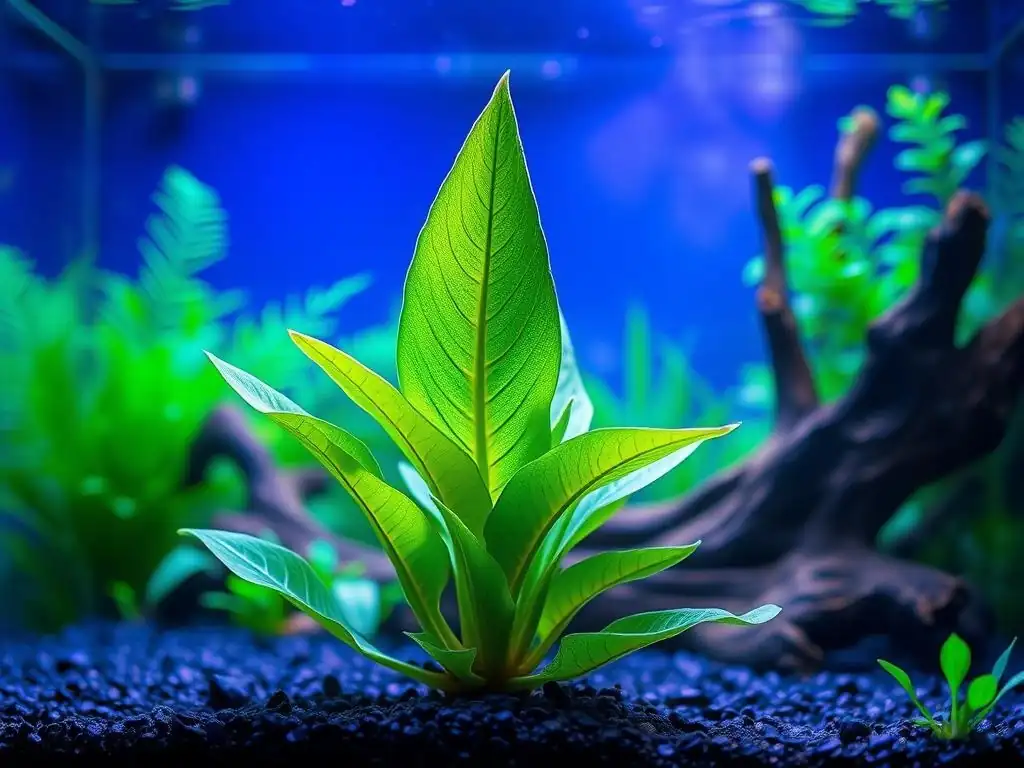
Optimizing PUR in planted aquariums involves selecting light fixtures that provide a spectrum rich in the wavelengths most efficiently absorbed by aquatic plants. This typically means prioritizing lights with strong output in the blue (450-470nm) and red (640-670nm) spectral ranges. Modern LED fixtures are particularly adept at this, as they can incorporate specific diodes for these wavelengths, allowing for precise control over the light spectrum. For example, a high-end planted tank LED might feature independent channels for deep red, royal blue, and cool white LEDs, enabling the aquarist to fine-tune the PUR output.
While a general 6,500K full-spectrum light provides a good balance for most planted tanks, supplementing with or choosing fixtures that emphasize these specific PUR-efficient wavelengths can significantly boost growth rates and enhance coloration, especially for red-pigmented plants. For instance, some specialized plant growth lights specifically target a 660nm deep red peak to promote vigorous stem growth and leaf development. This strategic approach to PUR ensures that the plants receive the most usable light energy, leading to denser foliage, stronger root systems, and a more vibrant aquascape.
Balancing PAR and PUR for Optimal Aquarium Health
Achieving optimal aquarium health hinges on a careful balance between PAR (Photosynthetically Active Radiation) and PUR (Photosynthetically Usable Radiation). PAR provides the necessary light intensity, while PUR ensures that intensity is delivered in the most efficient wavelengths.
A high PAR value is useless if the light spectrum (PUR) is poor, as much of the energy will be wasted on wavelengths not readily absorbed by plants or corals. For example, a light fixture producing 150 PAR that is heavily skewed towards green light (low PUR efficiency) might only yield the same plant growth as a 70 PAR fixture with an optimized blue/red spectrum (high PUR efficiency), highlighting the importance of spectral quality over sheer quantity.
Conversely, a light with excellent PUR but insufficient PAR will also fall short, as there simply won't be enough total energy for robust photosynthesis. For instance, a small, low-wattage LED with perfect PUR may still not provide enough PAR to support demanding SPS corals in a deep tank.
Therefore, the goal is to provide sufficient PAR values tailored to your inhabitants' needs, delivered by a light source with a high PUR efficiency. This balanced approach ensures maximum photosynthetic output, vibrant coloration, and minimizes the risk of issues like algae blooms or stunted growth, leading to a truly thriving aquatic environment.
Kelvin, PAR, & PUR Values: A Comparative Analysis
Comparing Kelvin, PAR, and PUR: Key Differences and Relationships
Kelvin, PAR, and PUR are three distinct yet interconnected concepts crucial for understanding aquarium lighting. Kelvin (K) describes the correlated color temperature, primarily influencing the aesthetic appearance of the light (e.g., warm yellow at 3,000K, natural white at 6,500K, deep blue at 20,000K). It tells us about the color of the light. PAR (Photosynthetically Active Radiation) measures the quantity of light within the 400-700nm range available for photosynthesis, indicating the overall intensity that plants and corals can use.
It's about how much usable light there is. PUR (Photosynthetically Usable Radiation) refines PAR by focusing on the quality of that light, specifically the wavelengths (blue and red) most efficiently absorbed by chlorophyll for photosynthesis. It's about how efficiently that usable light can be utilized.
The relationship between these three values is hierarchical. Kelvin describes the overall spectral distribution, which in turn determines the PAR and PUR. A light's Kelvin rating gives a general idea of its spectrum, but PAR and PUR provide the precise measurements of its utility for biological processes.
For example, a 6,500K light might appear ideal, but its actual PAR and PUR values will dictate its effectiveness for growing high-light plants. Conversely, a 20,000K light, while appearing very blue, will likely have high PUR efficiency for corals due to its strong blue spectrum, even if its overall PAR might be lower than a full-spectrum white light of similar wattage.
How Kelvin Affects PAR and PUR
Kelvin, as a measure of color temperature, is inherently tied to the spectral distribution of light, which directly influences both PAR and PUR. A light source with a specific Kelvin value emits a unique mix of wavelengths across the visible spectrum. For example, a lower Kelvin light (e.g., 3,000K) will have a higher proportion of red and yellow wavelengths, contributing to PAR but potentially having a less optimized PUR for plants that also need blue light. In contrast, a higher Kelvin light (e.g., 14,000K) will have a much greater emphasis on blue wavelengths.
This spectral emphasis directly impacts the PAR and PUR values. While the total PAR (quantity of light) might be similar between a 6,500K and a 14,000K light of the same wattage, the distribution of that PAR across the spectrum will differ significantly. The 14,000K light will have a higher percentage of its PAR concentrated in the blue wavelengths, making it more PUR-efficient for corals.
Conversely, the 6,500K light will have a more even spread across the spectrum, which is generally more PUR-efficient for a wider range of aquatic plants that benefit from both red and blue light. Thus, Kelvin provides a crucial initial indication of the spectral composition that underpins the measured PAR and PUR values.
The Interplay Between Light Spectrum and Intensity
The success of an aquarium environment hinges on the intricate interplay between light spectrum (influenced by Kelvin and refined by PUR) and light intensity (measured by PAR). It's not enough to have just one factor optimized; both must be considered in concert.
For instance, a light with a perfect PUR spectrum for plant growth (strong blue and red peaks) will still fail to support high-light demanding plants if its overall PAR output is too low. A plant like Dwarf Baby Tears requiring 60-80 PAR will simply not carpet or grow densely if the light, despite having excellent PUR, only provides 30 PAR.
Conversely, a light fixture that delivers very high PAR values but has a poor spectral distribution (low PUR efficiency) will also lead to problems. It might provide excessive energy in wavelengths that plants and corals cannot efficiently use, potentially fueling nuisance algae blooms or even causing photoinhibition and bleaching in sensitive corals.
Therefore, the optimal approach involves selecting a light that provides the appropriate PAR values for your specific inhabitants, while simultaneously ensuring that a significant portion of that PAR falls within the photosynthetically usable (PUR) wavelengths. This balance prevents both light starvation and light shock, fostering a truly thriving aquatic ecosystem.
Choosing the Right Aquarium Lighting Based on Kelvin, PAR, and PUR
Determining Your Aquarium's Lighting Needs: A Step-by-Step Guide
Choosing the right aquarium lighting involves a systematic approach, considering the specific requirements of your tank's inhabitants.
- Identify Your Aquarium Type and Inhabitants: Are you setting up a freshwater fish-only tank, a heavily planted freshwater tank, a soft coral reef, or an SPS-dominated reef? Each type has vastly different light requirements. For example, a fish-only tank might only need aesthetic lighting (focus on Kelvin), while a high-tech planted tank or an SPS reef requires precise PAR and PUR values.
- Assess Tank Dimensions: The depth of your tank is a critical factor. Light attenuates rapidly in water, so deeper tanks will require significantly higher PAR output at the surface to achieve adequate PAR at the bottom. A 24-inch deep reef tank, for instance, might need 400-500 PAR at the surface to deliver 150-200 PAR to corals at the bottom.
- Research Specific Species Requirements: Look up the ideal Kelvin, PAR, and PUR needs for the specific plants, corals, or fish you plan to keep. For instance, most beginner aquatic plants thrive at 20-40 PAR with a 6,500K spectrum, while an Acropora coral might need 300+ PAR with a 14,000K-20,000K spectrum.
- Consider Your Budget and Maintenance: High-end LED fixtures offer precise control over Kelvin, PAR, and PUR but come at a higher cost. T5s and Metal Halides are often more affordable upfront but have higher running costs and bulb replacement needs.
- Plan for Future Growth/Changes: If you anticipate upgrading to more demanding species, choose a light system that offers adjustability in intensity and spectrum.
By following these steps, you can make an informed decision that ensures your lighting setup is perfectly tailored to your aquarium's unique needs, contributing to the long-term health and beauty of your aquatic display.
Matching Light Spectrum to Your Aquarium's Inhabitants (Plants, Corals, Fish)
Effectively matching light spectrum to your aquarium's inhabitants is paramount for their health and vibrancy, going beyond just aesthetic Kelvin values to consider essential PAR and PUR values. For freshwater planted aquariums, a spectrum rich in red (around 660nm) and blue (around 450nm) wavelengths is crucial for photosynthesis.
This is often achieved with lights in the 6,500K to 7,500K range, delivering PAR values between 30-80 µmol m-2 s-1 depending on plant demand. For instance, a vibrant planted tank with red plants like Ludwigia repens will benefit from a light with strong red spectrum output and a Kelvin rating of 6500-7000K to enhance coloration and growth.
In saltwater and reef aquariums, the emphasis shifts significantly to the blue spectrum. Corals rely heavily on blue light (especially 450-470nm) for their symbiotic zooxanthellae. Therefore, lighting in the 10,000K to 20,000K range, often supplemented with dedicated actinic blue lights, is preferred.
PAR values can range from 50 µmol m-2 s-1 for soft corals to over 400 µmol m-2 s-1 for demanding SPS corals. For fish-only aquariums, the primary consideration is aesthetics and enhancing fish coloration. Lights in the 6,500K to 8,000K range are generally suitable, providing a natural appearance without the need for high PAR or specific PUR optimization.
Lighting Recommendations Based on Aquarium Type
Tailoring lighting to your specific aquarium type is crucial for success, with Kelvin, PAR, and PUR values guiding selections:
- Freshwater Fish-Only Aquariums: Focus is on aesthetics and comfortable viewing. A Kelvin range of 6,500K to 8,000K is ideal, mimicking natural daylight. PAR values can be low (10-20 µmol m-2 s-1) as no photosynthetic organisms are present.
- Low-Tech Planted Aquariums: (No CO2 injection, easy plants like Anubias, Java Fern): A 6,500K to 7,500K full-spectrum light is recommended. Target PAR values of 20-40 µmol m-2 s-1 at the substrate. PUR efficiency is important but less critical than in high-tech setups.
- High-Tech Planted Aquariums: (CO2 injection, demanding plants like Dwarf Hairgrass, Rotala): A 6,500K to 7,500K light with strong red and blue peaks for high PUR efficiency is essential. PAR values should be 50-80+ µmol m-2 s-1 at the substrate.
- Soft Coral and LPS (Large Polyp Stony) Reef Aquariums: Requires bluer light to enhance coral fluorescence and zooxanthellae photosynthesis. Kelvin values of 10,000K to 14,000K are common, often supplemented with actinic blue. Target PAR values of 50-200 µmol m-2 s-1, with a high PUR for blue wavelengths.
- SPS (Small Polyp Stony) Reef Aquariums: Demanding corals requiring intense, blue-rich lighting. Kelvin values of 14,000K to 20,000K are preferred. PAR values of 200-450+ µmol m-2 s-1 are necessary, with dominant blue PUR.
For a heavily planted 20-gallon long tank, a 24-inch LED fixture rated at 20-30 watts, providing a PAR of 50-70 at substrate level, is often sufficient when combined with CO2 and nutrient dosing.
Troubleshooting Common Aquarium Lighting Issues
Algae blooms are a common nuisance in aquariums, and often, improper lighting spectrum or intensity is a major contributing factor. If your tank is experiencing an explosion of green hair algae, for instance, it might indicate an imbalance where the light provided is more beneficial to algae than to your desired plants or corals. Algae can often utilize a broader spectrum of light, including wavelengths that are less efficient for higher plants (e.g., green and yellow light). Excess PAR values, particularly without adequate CO2 and nutrients in planted tanks, can also fuel rapid algae growth.
To address algae blooms related to light spectrum and intensity, consider the following adjustments: First, reduce your photoperiod; an 8-hour light cycle is often sufficient for many tanks, and reducing it from 10-12 hours to 6-8 hours can significantly curb algae. Second, check your light's Kelvin and PUR values; if your light is excessively strong in green or yellow wavelengths, it might be inadvertently encouraging algae.
Adjusting the spectrum towards more red/blue (for plants) or blue (for corals) can help. Lastly, lower your PAR values if they are excessively high for your tank's demands, especially if nutrient levels are also elevated, as this combination creates a perfect storm for algae proliferation.
Solving Plant Growth Problems with Optimized Lighting
Stunted growth, yellowing leaves, or leggy stems in aquatic plants are common indicators of lighting deficiencies related to PAR, PUR, or photoperiod. If your high-light demanding Glossostigma elatinoides is not carpeting or your Rotala stems are stretching significantly, it often points to insufficient PAR values, likely below 50 µmol m-2 s-1 at the substrate. Plants will attempt to grow taller to reach a higher light intensity, resulting in sparse, elongated growth. Conversely, leaves that are pale or yellowing despite adequate nutrients might indicate a lack of specific wavelengths, suggesting poor PUR efficiency in your lighting.
To solve these issues, first, measure your PAR values at the substrate level to ensure they meet the requirements of your specific plants. If PAR is too low, increase light intensity or lower the fixture closer to the water. Second, evaluate your light's spectrum (PUR).
If your plants are showing signs of nutrient deficiencies despite adequate dosing, consider if your light is providing the necessary red (around 660nm) and blue (around 450nm) wavelengths for chlorophyll production. Adjusting LED channels to boost these specific PUR values can dramatically improve plant health and coloration. Finally, ensure your photoperiod is consistent, typically 8-10 hours, as erratic or overly short durations can also hinder growth.
Dealing with Coral Bleaching Due to Inadequate PAR or PUR
Coral bleaching, characterized by corals losing their vibrant coloration and appearing white or pale, is a serious issue often directly linked to lighting problems, specifically inadequate or excessive PAR and incorrect PUR. Bleaching occurs when corals expel their symbiotic zooxanthellae algae, which are responsible for their color and a significant portion of their energy production.
A sudden, drastic increase in PAR values (e.g., moving a coral from 100 PAR to 300 PAR without acclimation) can overwhelm the zooxanthellae, leading to oxidative stress and expulsion. Conversely, prolonged periods of excessively low PAR (e.g., SPS corals receiving less than 100 PAR) will starve the zooxanthellae, causing them to die off and the coral to bleach.
Beyond intensity, an incorrect PUR spectrum can also contribute to bleaching. If the light lacks sufficient blue wavelengths (around 450-470nm), which zooxanthellae primarily utilize, corals may struggle to photosynthesize effectively, even if the overall PAR is seemingly adequate. To address bleaching, first, immediately assess and adjust PAR values to fall within the recommended range for your specific coral species, often gradually acclimating them to new light.
Second, ensure your light's Kelvin values and PUR spectrum are appropriate for reef tanks (typically 14,000K-20,000K with strong blue output). Consistent water parameters and nutrient levels are also crucial, as lighting stress can be exacerbated by other environmental factors.
Advanced Aquarium Lighting Techniques
Utilizing LED Lighting for Precise Spectrum Control
Modern LED lighting has revolutionized aquarium illumination, offering unprecedented precision in spectrum control, which is vital for optimizing Kelvin, PAR, and PUR values. High-end LED fixtures feature multiple channels of individually controllable diodes, typically including cool white (6,500K-10,000K), royal blue (450nm-470nm), deep red (660nm), green, and sometimes even UV or violet (380nm-420nm). This multi-channel capability allows aquarists to fine-tune the light spectrum to perfectly match the needs of specific plants or corals. For instance, reef keepers can emphasize blue channels to enhance coral fluorescence and growth, while planted tank enthusiasts can boost red and blue wavelengths for optimal photosynthesis.
Beyond spectrum, LEDs offer precise intensity control and programmable schedules. Users can set custom photoperiods, including gradual ramp-up and ramp-down times (e.g., 30-60 minute sunrise/sunset simulations), which reduce stress on fish and provide a more natural environment. This level of control, combined with high energy efficiency and a longer lifespan (often 50,000+ hours), makes LED lighting an invaluable tool for advanced aquarists seeking to maximize the health and aesthetic appeal of their tanks by precisely manipulating Kelvin, PAR, and PUR values.
Exploring Lighting Options: T5 and Metal Halide
While LED lighting dominates the modern aquarium market, traditional lighting options like T5 High Output (HO) fluorescent bulbs and Metal Halide (MH) fixtures still hold relevance and offer distinct advantages for certain setups. T5 HO lighting provides excellent light spread and penetration, making it a popular choice for larger planted tanks and mixed reef aquariums.
A typical 4-bulb T5 HO fixture for a 48-inch tank can deliver impressive PAR values, often ranging from 100-200 µmol m-2 s-1, with bulbs available in various Kelvin values (e.g., 6,500K, 10,000K, actinic blue) to tailor the PUR spectrum. While energy consumption is higher than LEDs (e.g., 200 watts for a 4-bulb setup), the even light distribution and proven results make them a viable option, though bulbs require replacement every 9-12 months.
Metal Halide fixtures were once the gold standard for high-light demanding reef tanks due to their immense intensity and deep penetration. A single 250-watt MH bulb can easily provide PAR values exceeding 400 µmol m-2 s-1, making them suitable for the most demanding SPS corals in deep tanks. However, MH lights generate significant heat, consume substantial energy, and have a shorter bulb lifespan (6-12 months). Despite their drawbacks, some aquarists still prefer the "shimmer" effect and raw power of MH for specific applications, often combining them with T5 or LED actinic supplementation to fine-tune the Kelvin and PUR values.
Implementing Lighting Schedules for Optimal Aquarium Health
Implementing a well-structured lighting schedule is as crucial as selecting the right Kelvin, PAR, and PUR values for your aquarium's health. Consistent photoperiods (the duration of light exposure) help regulate the circadian rhythms of fish, promoting natural behaviors, reducing stress, and supporting proper metabolism. For most freshwater planted tanks, an 8-10 hour photoperiod is optimal, providing sufficient light for photosynthesis without excessively fueling algae growth. For reef tanks, a 10-12 hour photoperiod is common, often with a "dawn and dusk" phase where only blue (actinic) lights are on for the first and last 1-2 hours.
Modern LED fixtures with programmable controllers allow for precise simulation of natural light cycles, including gradual ramp-up and ramp-down periods. These "sunrise" and "sunset" effects prevent sudden light shocks to inhabitants, which can be particularly stressful for fish and corals. Avoiding erratic light schedules, such as turning lights on and off at random times, is essential. A consistent schedule, combined with appropriate Kelvin, PAR, and PUR values, creates a stable and predictable environment that minimizes stress, maximizes photosynthetic efficiency, and contributes to the overall long-term success of your aquarium.
Conclusion: Mastering Aquarium Lighting for a Thriving Aquatic Environment
Key Takeaways: Kelvin, PAR, and PUR for Aquarium Success.
Mastering aquarium lighting is a journey that requires a comprehensive understanding of Kelvin, PAR, and PUR values. Kelvin (K) helps us understand the color temperature of light, influencing the aesthetic appeal and general spectral balance. A 6,500K light, for instance, provides a natural daylight appearance and a balanced spectrum for many aquatic plants, while 14,000K to 20,000K lights are crucial for enhancing coral coloration and growth in reef tanks.
PAR (Photosynthetically Active Radiation) measures the actual quantity of light available for photosynthesis, providing a vital metric for ensuring plants and corals receive adequate intensity. From 15-30 PAR for low-light plants to 200-450+ PAR for demanding SPS corals, knowing these values is essential for preventing light starvation or damage. Finally, PUR (Photosynthetically Usable Radiation) refines PAR by focusing on the specific wavelengths (blue and red) that are most efficiently absorbed by photosynthetic pigments. Optimizing PUR ensures that the light energy provided is utilized with maximum efficiency, leading to robust growth and minimizing wasted energy.
Ultimately, successful aquarium lighting is about finding the right balance between these three critical components for your specific aquatic ecosystem. While precise Kelvin, PAR, and PUR values provide invaluable guidelines, observing your aquarium's inhabitants and their response to the lighting is the ultimate indicator of success. By thoughtfully selecting and adjusting your lighting based on these principles, you can create a truly thriving, vibrant, and aesthetically dazzling aquatic environment.
Frequently Asked Questions
What is Kelvin in relation to aquarium lighting?
Kelvin (K) measures the color temperature of light. A lower Kelvin rating (e.g., 6500K) appears warmer (yellowish), while a higher rating (e.g., 10000K) appears cooler (bluish). This affects the overall visual appeal of your aquarium.
What does PAR stand for, and why is it important for aquariums?
PAR stands for Photosynthetically Active Radiation. It measures the amount of light available for photosynthesis in plants and corals. Higher PAR values generally mean better growth, but too much can be harmful.
How does PUR differ from PAR in aquarium lighting considerations?
PUR, or Photosynthetically Usable Radiation, refines PAR by considering which wavelengths of light are most efficiently used by aquatic organisms for photosynthesis. It gives a more accurate representation of light quality than PAR alone.
Why are Kelvin, PAR, and PUR values important when choosing aquarium lights?
Understanding these values helps ensure you provide the correct light spectrum and intensity for your specific aquarium inhabitants. This promotes healthy growth and vibrant colors in plants and corals, and affects fish behaviour.
How do I determine the ideal Kelvin, PAR, and PUR values for my aquarium?
Research the specific needs of your plants and corals. Different species have different light requirements. Consider using a PAR meter to measure light intensity at different depths in your tank and adjust accordingly.
Final Reflection: Illuminating the Depths of Understanding
The intricacies of aquarium lighting, as we've explored, are far more than just aesthetics; they are fundamental to the health and vibrancy of aquatic ecosystems within our glass walls. Understanding Kelvin, PAR, and PUR values empowers aquarists to not only create visually stunning displays but also to cultivate thriving environments that mimic the natural world, ensuring the well-being of their aquatic inhabitants.
This journey into the light spectrum underscores the profound impact of informed choices on the delicate balance of a closed ecosystem. My own fascination with aquariums stems from a deep respect for the interconnectedness of life, and the realization that even seemingly small adjustments, like selecting the right light, can have cascading effects. In the right light, at the right time, everything is extraordinary.
- Aaron Rose. This quote perfectly encapsulates the transformative power of understanding and applying the principles we've discussed, turning a simple tank into a miniature masterpiece of life.
Now, armed with this knowledge of Kelvin, PAR, and PUR, I invite you to reflect on your own aquariums, or perhaps even consider embarking on this rewarding journey. Let the understanding of light guide your choices, ensuring that your aquatic world is not only dazzling to the eye but also a haven of health and vitality for the creatures within. Embrace the power of informed decision-making and illuminate the depths of your own aquatic paradise.
Ignite Your Aquarium's Brilliance!
Thank you for diving into the fascinating world of aquarium lighting! We hope you now have a clearer understanding of how Kelvin, PAR, and PUR influence your aquatic ecosystem. Ready to put your newfound knowledge into action?
- Start today by assessing the current lighting in your aquarium. Note the Kelvin rating and research the PAR for your specific lights at various depths.
- Share this article with fellow aquarium enthusiasts to spark a conversation about optimal lighting strategies.
- Experiment with adjusting your lighting schedule to observe the effects on plant growth and algae control.
What specific lighting upgrade are you considering for your aquarium, and why?