
Why Is My Dwarf Gourami Hiding? Uncovering the Reasons

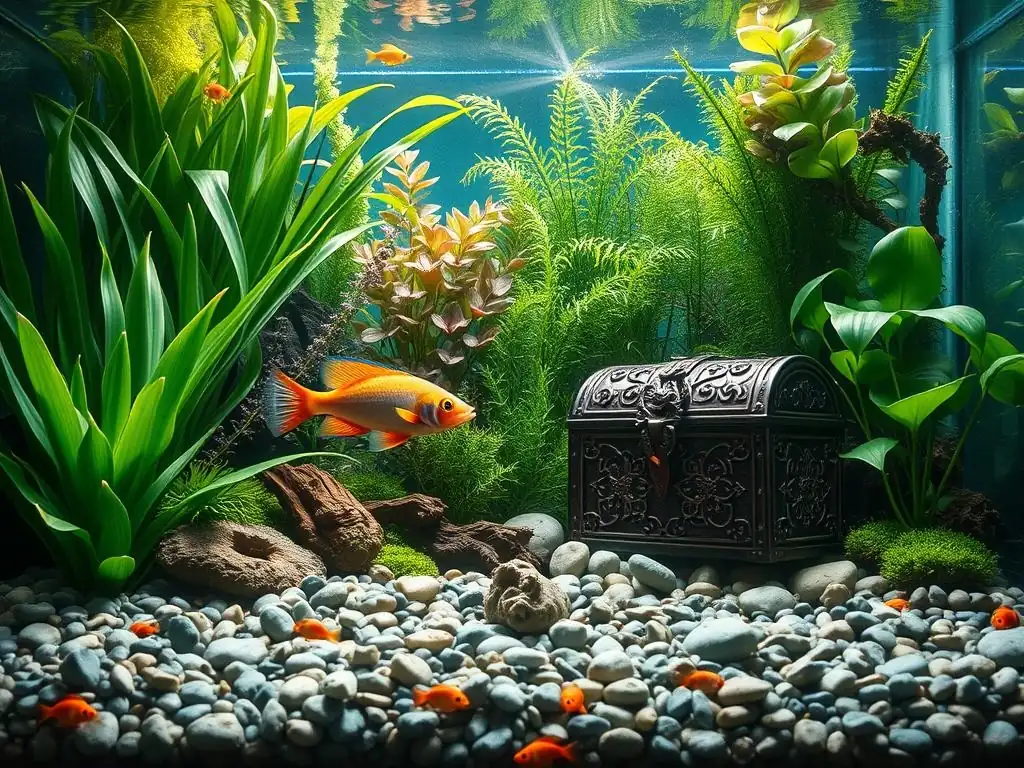
Welcome to Aquarium Mastery!
Ever wondered why your colorful Dwarf Gourami seems to prefer the shadows? Discover the surprising reasons behind your gourami's hiding behavior and unlock the secrets to creating a thriving and stress-free environment for your finned friend. Dive in to learn more and transform your aquarium into a true aquatic paradise!
- Understanding Dwarf Gourami Behavior: A Key to Recognizing Hiding Issues
- Exploring the Common Dwarf Gourami Hiding Reasons
- Diagnosing the Specific Reason for Your Dwarf Gourami's Hiding
- Solutions and Preventative Measures for Dwarf Gourami Hiding Behavior
- Creating a Stress-Free Environment for Your Dwarf Gourami
- Long-Term Dwarf Gourami Care for a Happy and Active Fish
-
Frequently Asked Questions
- Why is my Dwarf Gourami suddenly hiding all the time?
- What water parameters are most critical for a Dwarf Gourami's well-being and could lead to hiding if they are off?
- Could diseases or parasites be the reason my Dwarf Gourami is hiding?
- My tank is heavily planted. Is it possible that my Dwarf Gourami is just enjoying the cover, or is the hiding still a concern?
- What are some immediate steps I can take to help a hiding Dwarf Gourami feel more secure in my aquarium?
- Final Reflection: Beyond the Glass: Understanding Our Aquatic Companions
- Ignite Your Gourami's Happiness!
Understanding Dwarf Gourami Behavior: A Key to Recognizing Hiding Issues
Normal Dwarf Gourami Behavior vs. Cause for Concern
Normally, a healthy dwarf gourami (Colisa lalia) exhibits curious and active behavior, often swimming gracefully through the mid-to-upper levels of the aquarium. They are known for their inquisitive nature, using their modified pectoral fins (feelers) to explore their surroundings, investigate new tank features, and occasionally interact with peaceful tank mates.
While they might periodically retreat into dense foliage for a brief rest or to feel secure, this is typically short-lived and not indicative of distress. A well-adjusted dwarf gourami will also readily come to the front of the tank during feeding times, displaying vibrant coloration and a keen interest in food.
In contrast, if your dwarf gourami is consistently hiding, remaining secluded for extended periods, or only venturing out when the tank is dark or completely still, it signals a cause for concern. This excessive reclusiveness is a primary indicator that something is amiss in their environment or with their health. Unlike occasional retreats, prolonged hiding suggests chronic stress, illness, or an unsuitable living situation. Recognizing this shift from normal exploratory behavior to persistent hiding is the first critical step in identifying the underlying dwarf gourami hiding reasons and addressing them promptly.
The Importance of Observing Your Dwarf Gourami's Daily Habits
Consistent daily observation of your dwarf gourami is paramount to understanding their well-being and detecting any deviations from their normal behavior. By dedicating a few minutes each day to watch your fish, especially during feeding, you establish a baseline for what is typical for your individual gourami. This routine allows you to quickly notice subtle changes in their activity levels, coloration, swimming patterns, and interaction with their environment or tank mates. Such changes, including an increase in hiding frequency or duration, are often the earliest warnings of potential problems.
This proactive observation helps in pinpointing specific dwarf gourami hiding reasons before they escalate into severe health issues. For instance, noticing that your gourami only hides when a particular tank mate approaches, or that its colors appear duller than usual while hiding, provides crucial clues. Early detection of stress, disease, or environmental imbalances through diligent observation allows for timely intervention, significantly increasing the chances of a successful resolution and ensuring your dwarf gourami remains healthy and active.
Exploring the Common Dwarf Gourami Hiding Reasons
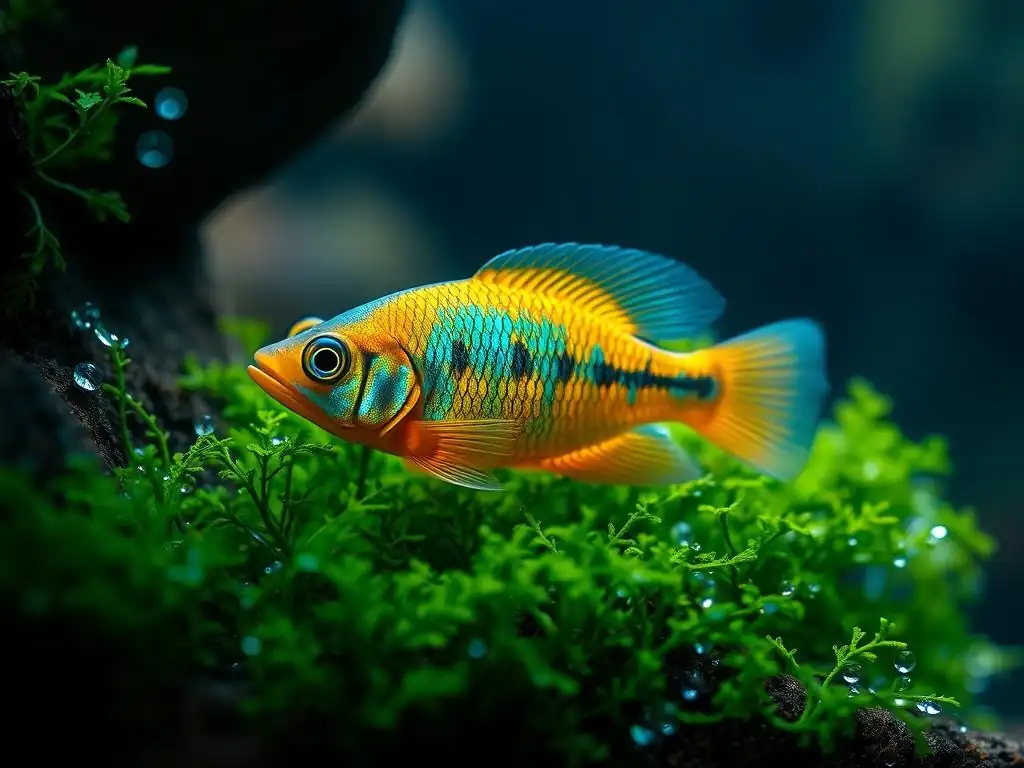
Stress is one of the most common and significant dwarf gourami hiding reasons. When a dwarf gourami experiences chronic stress, its immune system can become compromised, making it more susceptible to diseases. This stress manifests in various behavioral changes, with reclusiveness and hiding being a prominent symptom. The fish may seek refuge in decorations, dense plants, or obscure corners of the tank, attempting to escape perceived threats or uncomfortable conditions. This isn't just about feeling scared; it's a physiological response to an environment that isn't meeting their needs.
Prolonged stress, which forces a dwarf gourami to hide constantly, can lead to a decline in overall health. Beyond just physical hiding, a stressed gourami may also show reduced appetite, faded coloration, or clamped fins, further indicating its distress. Understanding the various sources of stress—ranging from water quality issues to tank mate aggression—is essential for diagnosing why your dwarf gourami is hiding and implementing effective solutions to create a more secure and thriving environment for them.
Poor Water Quality as a Stressor for Dwarf Gouramis
Poor water quality is a leading stressor for dwarf gouramis and a frequent dwarf gourami hiding reason. High levels of ammonia (should be 0 ppm), nitrite (should be 0 ppm), or elevated nitrates (ideally below 20 ppm, certainly below 40 ppm) can quickly become toxic, causing gill damage and systemic stress. Furthermore, unstable pH levels (ideal range 6.0-7.5) or rapid temperature fluctuations (optimal 72-82°F or 22-28°C) can also severely impact their health. When these parameters are out of optimal range, dwarf gouramis experience chemical irritation and physiological distress, prompting them to hide in an attempt to escape the discomfort.
The visible effects of poor water quality often include labored breathing, clamped fins, dull coloration, and a general lethargy before the fish resorts to constant hiding. Even minor, persistent deviations in water parameters can accumulate stress over time, slowly eroding the fish's vitality and leading to its reclusive behavior. Regular water testing and consistent maintenance are therefore crucial to prevent water quality from becoming a dwarf gourami hiding reason.
Inadequate Tank Size and Overcrowding: Impact on Gourami Security
An inadequate tank size or an overcrowded aquarium significantly contributes to a dwarf gourami's stress and can be a primary dwarf gourami hiding reason. While a single dwarf gourami can technically live in a 10-gallon tank, a 20-gallon long tank is often recommended for better stability and more swimming space. In smaller tanks, water parameters can fluctuate rapidly, and the limited territory can make the fish feel constantly exposed and vulnerable, leading to chronic stress and hiding.
Overcrowding exacerbates these issues by increasing the bioload, leading to faster accumulation of waste products and poorer water quality. More fish also mean increased competition for food, space, and resources, which can be highly stressful for a generally peaceful fish like the dwarf gourami. In an overcrowded environment, a dwarf gourami may hide to avoid constant interaction, perceived threats, or simply because it lacks a secure personal territory, directly contributing to its reclusive behavior.
Bullying and Aggression from Tank Mates: A Primary Cause of Hiding
Bullying and aggression from tank mates are significant dwarf gourami hiding reasons. Despite their generally peaceful nature, dwarf gouramis can be intimidated or outright harassed by more aggressive or boisterous fish. Common culprits include certain species of barbs (like Tiger Barbs), larger cichlids, or even other male gouramis in tanks that are too small or lack sufficient visual barriers. Aggressive tank mates may chase, nip at fins, or constantly assert dominance, making the dwarf gourami feel unsafe in its own environment.
Even without visible physical injury, the constant stress of being harassed forces the dwarf gourami to seek refuge and hide. This persistent intimidation prevents the gourami from feeding properly or exploring its surroundings, leading to a decline in health and vitality. Identifying and addressing aggressive tank mates, either by rehoming them or by providing more hiding spots and breaking up lines of sight, is crucial to alleviate this stress and prevent your dwarf gourami from hiding.
Illness and Disease: When Hiding Signals a Health Problem in Dwarf Gouramis
Hiding is often one of the earliest and most common indicators that a dwarf gourami is experiencing an illness or disease. A sick fish instinctively tries to isolate itself from the rest of the tank community, conserving energy and attempting to avoid further stress or aggression from tank mates. This reclusive behavior is a survival mechanism, but in an aquarium setting, it's a clear signal to the aquarist that something is wrong.
Beyond just hiding, a diseased dwarf gourami will typically exhibit other symptoms that, when combined with reclusiveness, paint a clearer picture of its health status. These can include a noticeable loss of appetite, abnormal swimming patterns (e.g., listlessness, erratic movements), dull or faded coloration, clamped fins, or visible physical abnormalities like spots, lesions, or swelling. Recognizing these accompanying signs is vital for accurately diagnosing the underlying health issue that is causing your dwarf gourami to hide.
Recognizing Symptoms of Common Dwarf Gourami Diseases
Several common diseases can cause a dwarf gourami to hide. One of the most devastating is Dwarf Gourami Disease (DGD), a viral infection (likely iridovirus) that unfortunately has a high mortality rate. Symptoms of DGD include lethargy, loss of appetite, fading colors, abdominal swelling, and eventually, open sores or lesions, all of which will make the fish hide. Other prevalent ailments include Ich (Ichthyophthirius multifiliis), characterized by small white spots resembling salt grains on the body and fins, accompanied by scratching against tank objects and hiding due to irritation.
Fin Rot, often caused by poor water quality or injury, manifests as frayed or disintegrating fins, which can lead to bacterial infections and cause the fish to hide due to discomfort and weakness. Dropsy, a symptom of underlying organ failure often caused by bacterial infections or poor water quality, results in severe body swelling and "pinecone" scales, leading to lethargy and hiding. In all these cases, the fish's reclusive behavior is a direct response to physical discomfort and the systemic stress of illness, making it a critical dwarf gourami hiding reason.
The Role of Quarantine in Preventing Disease-Related Hiding
The practice of quarantining new fish is an indispensable preventative measure against the introduction and spread of diseases in your main aquarium, thereby reducing instances of disease-related dwarf gourami hiding. A dedicated quarantine tank, typically a simple 5-10 gallon setup with a heater and filter, allows new fish to be isolated for a period of 2 to 4 weeks before being introduced to your main display tank. During this time, you can observe the new fish for any signs of illness, such as spots, lesions, abnormal swimming, or unusual hiding, without risking the health of your established inhabitants.
Quarantine serves a dual purpose: it not only prevents the transmission of pathogens but also allows the new dwarf gourami to acclimate to its new environment in a less stressful setting. This period of isolation helps them recover from the stress of transportation and adjust to new water parameters, reducing the likelihood of them developing stress-induced illnesses that could lead to hiding. By preventing disease outbreaks, quarantine significantly minimizes a common dwarf gourami hiding reason in your established tank.
Environmental Factors Affecting Dwarf Gourami Hiding Habits
An improperly set up or unstable tank environment can significantly impact a dwarf gourami's comfort and security, leading to persistent hiding. These fish thrive in specific conditions that mimic their natural habitat, and when these conditions are not met, they experience stress and discomfort. Environmental factors encompass everything from the consistency of lighting to the presence (or absence) of adequate cover within the aquarium.
A well-designed aquarium environment provides not only the necessary physical space but also psychological security for the fish. If a dwarf gourami perceives its surroundings as too exposed, overly bright, or lacking in safe retreats, it will naturally seek out any available shelter, even if it's just a corner of the tank. Addressing these environmental shortcomings is crucial for transforming a tank from a source of stress into a comfortable home, thereby eliminating a common dwarf gourami hiding reason.
Inconsistent Lighting and Temperature Fluctuations
Inconsistent lighting and significant temperature fluctuations are critical environmental stressors that can cause a dwarf gourami to hide. Dwarf gouramis prefer moderate lighting; excessively bright lights without sufficient shaded areas can make them feel exposed and vulnerable, prompting them to seek darker hiding spots. A consistent light cycle, typically 8-10 hours of light followed by 14-16 hours of darkness, is vital for maintaining their natural circadian rhythm. Erratic lighting schedules can disrupt their biological clock, leading to stress and reclusive behavior.
Similarly, stable water temperature is paramount for a dwarf gourami's health. While their ideal range is 72-82°F (22-28°C), sudden drops or spikes of even 2-3°F within a short period can be highly stressful, impacting their metabolism and immune system. Such fluctuations can occur due to faulty heaters, changes in room temperature, or large, unacclimated water changes. When experiencing thermal discomfort, a dwarf gourami may hide to conserve energy or to find a more stable microclimate within the tank, making temperature instability a clear dwarf gourami hiding reason.
Lack of Hiding Places and Insufficient Plant Cover
Dwarf gouramis are naturally shy fish that require ample hiding places and sufficient plant cover to feel secure in their environment. Without adequate visual barriers and retreats, they can feel constantly exposed and vulnerable to perceived threats, whether from tank mates or even the aquarist's presence. An empty or sparsely decorated tank offers no sanctuary, forcing the gourami into a state of chronic anxiety, which manifests as persistent hiding.
To counteract this dwarf gourami hiding reason, it's recommended to densely plant at least 50-70% of the aquarium with live or high-quality silk plants. Tall plants like Amazon Swords, Java Fern, or Vallisneria provide excellent vertical cover, while floating plants like Water Lettuce or Dwarf Water Lily offer shade and overhead security. Additionally, incorporating driftwood, rock caves, or ceramic decorations creates secure crevices and territories where the gourami can retreat and feel safe, encouraging it to explore the rest of the tank more confidently.
Diagnosing the Specific Reason for Your Dwarf Gourami's Hiding
Assessing Water Parameters: Testing for Ammonia, Nitrite, and Nitrate
When your dwarf gourami is hiding, the first and most crucial diagnostic step is to thoroughly assess your aquarium's water parameters. This involves using a reliable liquid-based test kit (e.g., an API Freshwater Master Test Kit) to measure levels of ammonia, nitrite, and nitrate, as well as pH and temperature.
Dip strips can offer a quick, rough estimate but are often less accurate than liquid tests. Perform these tests immediately and compare the results against ideal ranges: ammonia and nitrite should always be 0 parts per million (ppm), and nitrates should ideally be below 20 ppm, and certainly no higher than 40 ppm.
Elevated levels of ammonia or nitrite are highly toxic and indicate an incomplete nitrogen cycle or an overloaded filter, making them significant dwarf gourami hiding reasons. High nitrates suggest a need for more frequent or larger water changes. Documenting these readings provides concrete data about your water quality. If any parameters are out of range, it's a strong indicator that poor water conditions are stressing your gourami and causing its reclusive behavior, requiring immediate corrective action.
Observing Tank Mates: Identifying Potential Aggressors
After checking water parameters, the next diagnostic step is to carefully observe your dwarf gourami's interactions with its tank mates. Dedicate time, ideally at least 15-30 minutes, to quietly watch the aquarium, particularly during feeding times when fish activity is often heightened. Look for any signs of aggression: are certain fish chasing or nipping at your dwarf gourami? Does the gourami dart away or retreat whenever a specific tank mate approaches? Even subtle forms of intimidation, like consistent hovering or blocking access to food, can cause significant stress.
Pay close attention to whether the hiding behavior is directly correlated with the presence of particular fish. For instance, if your dwarf gourami only hides when a male Betta or a group of Tiger Barbs is nearby, you've likely identified the aggressor. Note any visible injuries, such as nipped fins, although stress from constant harassment can occur without physical damage. Identifying these aggressive interactions is vital for pinpointing a common dwarf gourami hiding reason and determining the best course of action for their safety.
Examining Your Dwarf Gourami for Signs of Illness or Injury
A thorough visual examination of your dwarf gourami is essential to rule out illness or injury as the cause of its hiding. Gently observe the fish for any physical abnormalities. Look for white spots (Ich), fuzzy patches (fungus), red streaks or sores (bacterial infections), and any signs of swelling or bloatedness (Dropsy). Check its fins for clamping, fraying, or tears, which could indicate fin rot or physical injury. Also, observe its eyes for cloudiness or bulging, and its gills for rapid movement or discoloration, which can point to respiratory distress.
Beyond physical signs, note any changes in behavior that accompany the hiding. Is it refusing food, breathing heavily, swimming erratically when it does move, or spending time at the surface gasping for air? These additional symptoms, when combined with persistent hiding, are strong indicators of a health problem. If you spot any of these signs, prompt isolation in a hospital tank and appropriate treatment are necessary to address the underlying dwarf gourami hiding reason.
Solutions and Preventative Measures for Dwarf Gourami Hiding Behavior
Improving Water Quality: Water Changes and Filtration Strategies
Improving water quality is often the most immediate and impactful solution for a dwarf gourami that is hiding due to environmental stress. Begin by performing a significant water change, typically 25-50% of the tank volume, using dechlorinated water that matches the tank's temperature as closely as possible. This dilutes harmful nitrates and replenishes essential minerals. Following this, implement a regular schedule of 25-30% weekly water changes to maintain pristine conditions and prevent the re-accumulation of toxins.
Beyond water changes, ensure your filtration system is adequate for your tank size and bioload. Over-filtering is often beneficial for dwarf gouramis. Verify that your mechanical filtration (filter floss/sponges) is effectively removing debris, your biological filtration (bio-rings/ceramic media) is converting ammonia and nitrite, and consider chemical filtration (activated carbon) to remove pollutants. Clean filter media regularly by rinsing it in old tank water to preserve beneficial bacteria, thereby ensuring consistent water quality and eliminating a major dwarf gourami hiding reason.
Optimizing Tank Environment: Adding Plants and Decorations
To encourage your dwarf gourami to come out of hiding, optimizing its tank environment by adding more plants and decorations is crucial. Incorporate a variety of live or high-quality silk plants to create dense cover, especially in the mid-to-top water column where gouramis typically reside. Tall, leafy plants like Amazon Swords, Anubias, or Vallisneria provide excellent visual barriers and places for retreat. Floating plants, such as Water Lettuce or Frogbit, offer additional overhead cover and diffuse bright lighting, making the gourami feel more secure.
Supplement plant cover with natural decorations like driftwood, rock caves, or ceramic ornaments that offer enclosed hiding spots. Arrange these elements strategically to break up lines of sight and create distinct territories, reducing open spaces that can make the gourami feel vulnerable. A well-scaped tank with ample hiding spots provides the dwarf gourami with a sense of security, encouraging it to explore and exhibit natural behaviors rather than constantly hiding due to exposure.
Managing Tank Mate Aggression: Rehoming or Tank Re-Arrangement
If tank mate aggression is identified as a primary dwarf gourami hiding reason, decisive action is required to ensure your gourami's well-being. The most effective solution for persistent or severe bullying is often to rehome the aggressive fish. If removing the aggressor isn't feasible, consider moving the dwarf gourami to a separate, peaceful tank. Never force a shy fish to coexist with a bully, as chronic stress will inevitably lead to health decline.
For milder forms of aggression or territorial disputes, re-arranging the tank décor can sometimes help. By moving plants, rocks, and driftwood, you disrupt established territories and force all fish to re-establish their boundaries, which can sometimes reduce aggression. Increasing the number of hiding spots and visual barriers can also provide the dwarf gourami with more opportunities to escape and find refuge. However, for the dwarf gourami's long-term health and to prevent it from constantly hiding, addressing severe aggression promptly is paramount.
Treating Illnesses: Identifying and Addressing Dwarf Gourami Diseases
Once an illness is identified as the dwarf gourami hiding reason, prompt and appropriate treatment is essential. The first step is typically to move the affected dwarf gourami to a separate hospital or quarantine tank. This prevents the spread of disease to other fish, allows for precise medication dosage, and reduces stress on the sick fish by isolating it. Ensure the hospital tank has a heater, a gentle filter, and stable water parameters.
Treatment will depend on the specific disease. For common issues like Ich, an Ich medication (e.g., malachite green or formalin-based treatments) combined with a slight temperature increase (if suitable for all fish) is often effective. Bacterial infections, such as fin rot or dropsy, may require broad-spectrum antibiotics or antibacterial medications administered as directed. Always follow medication instructions carefully, including dosage and duration, and maintain excellent water quality throughout the treatment period to support the gourami's recovery and help it stop hiding.
Creating a Stress-Free Environment for Your Dwarf Gourami
Selecting Appropriate Tank Mates for Peaceful Coexistence
Creating a stress-free environment for your dwarf gourami begins with the careful selection of appropriate tank mates that will promote peaceful coexistence. Dwarf gouramis are generally docile and can be easily stressed by overly aggressive, boisterous, or fin-nipping species. Ideal companions include small, peaceful schooling fish such as Neon Tetras, Harlequin Rasboras, and various species of Corydoras catfish, which occupy different areas of the tank and pose no threat. Small, peaceful plecos or Otocinclus catfish can also be good bottom-dwelling additions.
Avoid species known for aggression, territoriality, or fin-nipping, such as Tiger Barbs (unless in very large schools in a spacious tank), most cichlids, or male Betta fish, as these can relentlessly harass a dwarf gourami, making it hide constantly. Researching compatibility thoroughly before introducing any new fish is crucial. A harmonious community tank significantly reduces the likelihood of bullying, which is a major dwarf gourami hiding reason, allowing your gourami to thrive openly.
Maintaining Stable Water Parameters for Optimal Health
Maintaining stable water parameters is fundamental to creating a stress-free environment and preventing your dwarf gourami from hiding due to environmental discomfort. Consistency is key; sudden fluctuations in temperature, pH, or ammonia/nitrite/nitrate levels are highly stressful for fish. Use a reliable aquarium heater with a thermostat to keep the water temperature within the optimal range of 72-82°F (22-28°C), and monitor it daily.
Regular, scheduled water changes (e.g., 25-30% weekly) are essential for diluting nitrates and replenishing minerals, preventing gradual parameter degradation. Always treat tap water with a quality dechlorinator. Conduct weekly water tests, even if the tank appears healthy, to catch any creeping parameter issues before they become critical. By diligently maintaining consistent and optimal water conditions, you eliminate a major dwarf gourami hiding reason and foster a healthy, stable habitat where your fish feels secure.
Providing Ample Hiding Places and Visual Barriers
To ensure your dwarf gourami feels secure and is not constantly hiding, providing ample hiding places and visual barriers is paramount. These fish need places to retreat when they feel stressed, threatened, or simply want to rest. Design your aquascape with this in mind, creating multiple layers of cover throughout the tank. This includes dense plantings in the background and midground using tall, leafy live or silk plants like Amazon Swords, Java Fern, or water wisteria.
Incorporate natural decorations such as driftwood, rock caves, or ceramic logs that offer enclosed spaces for your gourami to explore and hide in. Floating plants like Water Lettuce or Frogbit are also excellent, as they provide overhead cover and dim the light, mimicking their natural shaded habitats. By breaking up the line of sight and offering numerous safe havens, you empower your dwarf gourami to choose when it wants to be seen and when it wants to retreat, significantly reducing stress and eliminating a common dwarf gourami hiding reason.
Long-Term Dwarf Gourami Care for a Happy and Active Fish
Regular Observation and Proactive Problem Solving
Long-term care for a happy and active dwarf gourami hinges on consistent, regular observation and a proactive approach to problem-solving. Make it a daily habit to spend a few minutes simply watching your fish, noting their behavior, coloration, and interactions. This routine allows you to establish a baseline for what is normal for your individual gourami and quickly identify any subtle changes that could indicate stress, illness, or environmental issues. Early detection is critical; a slight change in swimming pattern or a brief increase in hiding might signal an impending problem that can be easily rectified before it escalates.
Proactive problem-solving means not waiting for your dwarf gourami to become severely ill or constantly hide before taking action. If you notice even minor deviations in water parameters during your weekly tests, address them immediately with a water change. If you observe mild aggression, consider adding more hiding spots or re-arranging decor. By consistently monitoring your fish and tank and taking swift, preventative measures, you can avoid many of the common dwarf gourami hiding reasons and ensure a healthy, stress-free life for your aquatic companion.
Dwarf gouramis typically have a lifespan of 2 to 4 years when provided with excellent care, stable water conditions, and a suitable environment. As they approach the latter end of their lifespan, it's natural for their behavior to change. An aging dwarf gourami may become less active, spend more time resting in shaded areas, and exhibit a general decrease in energy levels compared to its younger, more vibrant self. This can sometimes be mistaken for hiding due to illness or stress, but it is often a normal part of the aging process.
It's important to distinguish between age-related slowdown and hiding due to underlying problems. An aging gourami, even if less active, will generally still maintain good coloration, show interest in food, and exhibit no other overt signs of disease like clamped fins, labored breathing, or visible lesions. If a younger dwarf gourami is constantly hiding, it almost certainly points to one of the dwarf gourami hiding reasons discussed previously. Understanding these natural life cycle changes helps aquarists provide appropriate care throughout their fish's life.
Hiding Tendencies in Powder Blue, Flame Red, and Neon Blue Dwarf Gouramis
While various color morphs of the dwarf gourami exist, such as the Powder Blue, Flame Red, and Neon Blue varieties, their fundamental care requirements and behavioral tendencies, including their predisposition to hiding, remain consistent across all strains. These captive-bred color variations are all derived from the same species, Colisa lalia, meaning their natural instincts for shyness and their environmental needs are identical to the standard wild-type dwarf gourami. Therefore, if your Powder Blue dwarf gourami is hiding excessively, the underlying dwarf gourami hiding reasons are the same as they would be for a Flame Red or Neon Blue variant.
Regardless of their striking coloration, all dwarf gouramis require stable, clean water parameters, a peaceful community of tank mates, and an abundance of secure hiding places and visual barriers to feel comfortable and thrive. The vibrant colors themselves do not make them more or less prone to stress or illness. Any persistent hiding in these beautiful morphs should be investigated using the same diagnostic steps, focusing on water quality, tank mate compatibility, environmental setup, and signs of disease, to ensure their long-term health and well-being.
Frequently Asked Questions
Why is my Dwarf Gourami suddenly hiding all the time?
Sudden hiding in Dwarf Gouramis is often linked to stressful environmental changes. This could include recent tank additions, changes in water parameters, or even bullying from tank mates. Observing your tank closely will help you identify the root cause.
What water parameters are most critical for a Dwarf Gourami's well-being and could lead to hiding if they are off?
Dwarf Gouramis are sensitive to water quality. Ammonia and nitrite levels should be at zero, and nitrate levels should be kept low. Inconsistent water temperature can also induce stress and cause them to hide.
Could diseases or parasites be the reason my Dwarf Gourami is hiding?
Yes, diseases like Dwarf Gourami Iridovirus (DGIV) or parasitic infections can weaken your fish. Weakened fish often hide as a survival mechanism. Look for other symptoms like clamped fins or unusual body conditions.
My tank is heavily planted. Is it possible that my Dwarf Gourami is just enjoying the cover, or is the hiding still a concern?
While Dwarf Gouramis appreciate hiding places, excessive hiding is still a concern. If the fish is consistently avoiding all open areas, it suggests an underlying issue, not just a preference for shade.
What are some immediate steps I can take to help a hiding Dwarf Gourami feel more secure in my aquarium?
Perform a partial water change to improve water quality and ensure adequate hiding spots with plants and decorations are available. Also, ensure there are no aggressive tank mates that could be causing stress.
Okay, here's a final reflection tailored for your article "Why Is My Dwarf Gourami Hiding? Uncovering the Reasons," designed to resonate with readers and leave a lasting impression, while also incorporating the requested Markdown formatting:
Final Reflection: Beyond the Glass: Understanding Our Aquatic Companions
The reasons a Dwarf Gourami hides, as we've explored, are often a direct reflection of their environment and well-being. Understanding these subtle cues is paramount to responsible fishkeeping and fostering a thriving aquatic ecosystem. It's not just about owning a pet; it's about creating a space where they can flourish, free from stress and fear.
This journey into the world of the Dwarf Gourami has hopefully illuminated the importance of empathy and observation in our interactions with all living creatures. Recognizing that their behavior is a language, a plea for help or a sign of contentment, allows us to become better caretakers and more attuned to the delicate balance of nature. The greatness of a nation and its moral progress can be judged by the way its animals are treated.
- Mahatma Gandhi. This quote reminds us that even the smallest creatures deserve our respect and understanding.
Now, armed with this knowledge, I invite you to look beyond the glass. Observe your own Dwarf Gourami, or any pet you may have, with renewed awareness. Are they truly thriving? Are their needs being met? Let's commit to creating environments where all creatures, great and small, can live full, happy, and visible lives.
Ignite Your Gourami's Happiness!
Thank you for exploring the fascinating world of Dwarf Gouramis with us. We hope this article shed light on the reasons behind your gourami's shyness and provided you with the knowledge to create a happier environment. Now, let's put that knowledge into action!
Here's what you can do next:
- Immediately assess your tank's environment: Check water parameters (pH, ammonia, nitrite, nitrate) and ensure they are within the ideal range for Dwarf Gouramis. This is the most crucial step!
- Observe your gourami's behavior closely for a few days. Note any specific triggers that seem to cause it to hide, and share your findings in the comments below – perhaps we can help you identify the root cause!
- Consider adding more hiding spots like driftwood or plants. Get creative and design a layout that makes your gourami feel secure.
What specific changes are you planning to make to your aquarium today to create a more welcoming space for your Dwarf Gourami?