
Is Your Oscar Lethargic? Identifying and Addressing Common Issues Fast

Welcome to Aquarium Mastery!
Is your Oscar acting a little off lately? If you've noticed signs of Oscar fish lethargy, you're in the right place. We understand the worry that comes with seeing your aquatic friend not at their best. Dive in to discover the common causes of Oscar lethargy and, more importantly, learn how to quickly identify and address these issues to get your Oscar back to its vibrant self. Let's explore the potential problems and solutions together!
- Understanding Oscar Fish Behavior and Lethargy
- Common Oscar Fish Lethargy Causes: A Deep Dive
- Diagnosing the Cause of Oscar Lethargy: A Step-by-Step Approach
- Addressing Oscar Fish Lethargy: Treatment and Prevention
- Preventing Future Lethargy in Your Oscar Fish
- Conclusion: A Healthy Oscar is an Active Oscar
-
Frequently Asked Questions
- ### What are some common signs of lethargy in Oscar fish?
- ### What are some potential water quality issues that could cause lethargy in Oscar fish?
- ### Could a parasite or disease be causing my Oscar's lethargy?
- ### How often should I be performing water changes to prevent Oscar fish lethargy?
- ### What can I do immediately if I suspect my Oscar is lethargic due to a water quality issue?
- Final Reflection: Revitalizing the Oscar's Spirit
- Ignite Your Oscar's Spark: Act Now!
Understanding Oscar Fish Behavior and Lethargy
Recognizing Normal Oscar Behavior vs. Signs of Lethargy
Normal Oscar fish (Astronotus ocellatus) are renowned for their vibrant personalities and active presence in the aquarium. A healthy Oscar typically exhibits curious and inquisitive behavior, often patrolling its territory, rearranging substrate, and enthusiastically greeting its owner, especially around feeding times. They are generally responsive to their environment, displaying strong swimming, alert fin movements, and clear, bright coloration. Observing these active behaviors regularly helps establish a baseline for what is normal for your specific Oscar.
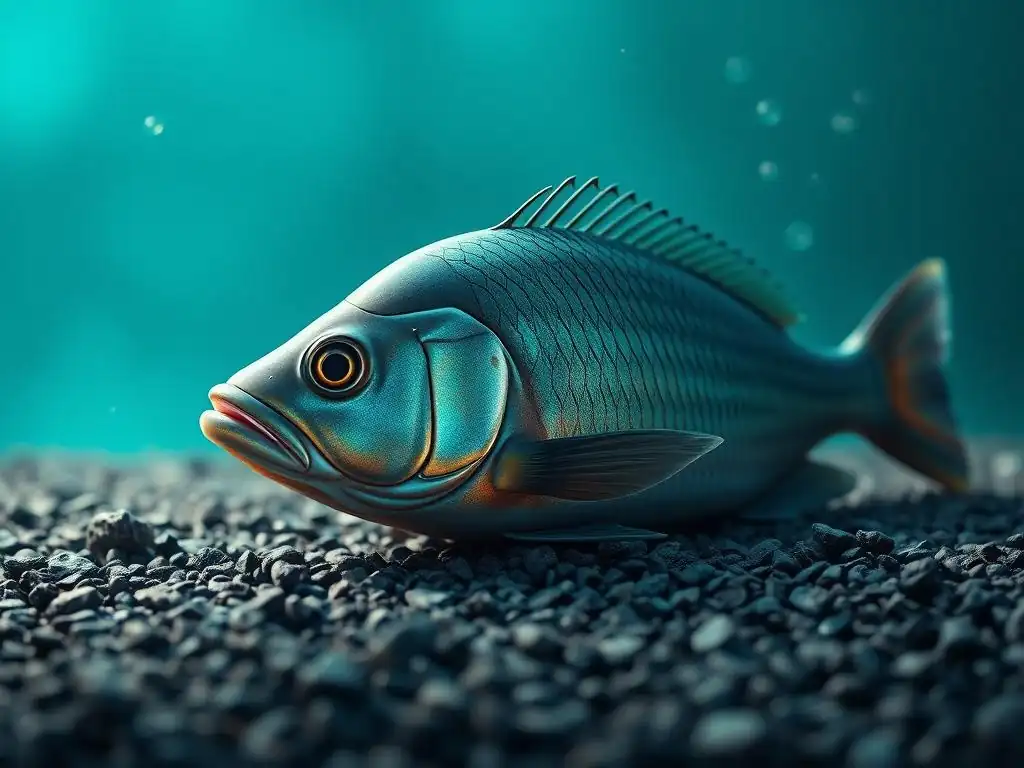
In contrast, signs of Oscar fish lethargy are distinct departures from this energetic norm. A lethargic Oscar might spend excessive time sitting motionless at the bottom of the tank, hiding behind decor, or hovering listlessly in a corner. Other indicators include clamped fins (held close to the body), a lack of interest in food, slow or labored movements, dull or faded coloration, and a general unresponsiveness to external stimuli. Recognizing these subtle shifts early is crucial, as Oscar fish lethargy is almost always a symptom of an underlying problem requiring prompt attention.
The Importance of Early Detection of Lethargy in Oscars
Early detection of Oscar fish lethargy is paramount for a successful outcome when addressing health issues. Just like with any pet, the sooner a problem is identified, the easier and more effective the intervention typically becomes. A minor issue, such as a slight dip in water quality, can quickly escalate into a severe health crisis if left unaddressed, leading to compromised organ function, increased stress, and a weakened immune system that makes the fish highly susceptible to secondary infections.
Delaying action when you notice Oscar fish lethargy can have severe consequences, including irreversible damage to gills or internal organs, chronic stress that shortens lifespan, and even fatality. For instance, an Oscar showing early signs of lethargy due to a slight ammonia spike might recover fully with a quick water change. However, if that lethargy is ignored for several days, the prolonged exposure to toxins could lead to permanent gill damage or systemic infection, making recovery significantly more challenging and costly. Prompt intervention improves the prognosis dramatically.
Common Oscar Fish Lethargy Causes: A Deep Dive
Poor Water Quality as a Primary Cause of Oscar Lethargy
Poor water quality stands as the leading cause of Oscar fish lethargy and a multitude of other health issues in aquarium fish. Oscars are large, messy eaters that produce a significant bio-load, meaning they generate a substantial amount of waste. If the aquarium filtration is inadequate or maintenance routines are neglected, harmful compounds can quickly accumulate, stressing the fish's system and weakening its immune response. This compromised state inevitably manifests as Oscar fish lethargy, often accompanied by other signs of distress.
Maintaining pristine water conditions is non-negotiable for the health and vitality of your Oscar. For example, a typical 55-gallon tank housing a single adult Oscar can see significant waste accumulation within days. Without consistent weekly water changes of 25-30% and proper filtration, the water parameters will rapidly deteriorate, creating a toxic environment. This chronic exposure to suboptimal conditions is a primary contributor to Oscar fish lethargy, making regular testing and diligent maintenance the first line of defense.
Ammonia and Nitrite Spikes: Lethargy and Their Impact on Oscars
Ammonia (NH3/NH4+) and nitrite (NO2-) are highly toxic compounds that arise from the breakdown of fish waste and uneaten food in an aquarium. In a healthy, cycled tank, beneficial bacteria convert ammonia to nitrite, and then nitrite to less harmful nitrate. However, if the nitrogen cycle is disrupted (e.g., in a new tank, after a filter crash, or due to overfeeding), ammonia and nitrite levels can spike, poisoning the fish. Ammonia burns the gills and internal tissues, while nitrite impairs the blood's ability to carry oxygen, both leading to severe physiological distress and profound Oscar fish lethargy.
The immediate effects of ammonia and nitrite poisoning are alarming and readily visible. Affected Oscars may exhibit rapid gill movement, gasp at the water surface, develop dark, clamped fins, and display extreme lethargy, often resting motionless at the bottom. Even low levels, such as 0.25 ppm of ammonia or nitrite, can cause significant stress and contribute to Oscar fish lethargy, while concentrations exceeding 1-2 ppm can be rapidly fatal if not addressed with immediate, large water changes. Regular testing to ensure 0 ppm for both ammonia and nitrite is critical for preventing these life-threatening spikes.
Nitrate Buildup: A Silent Threat Leading to Oscar Fish Inactivity
Nitrate (NO3-) is the final product of the nitrogen cycle and is significantly less toxic than ammonia or nitrite. However, chronic exposure to elevated nitrate levels can still compromise an Oscar's health and lead to Oscar fish lethargy over time. While some fish can tolerate nitrates up to 40-60 ppm, Oscars thrive best when nitrate levels are kept below 20 ppm, ideally closer to 10 ppm. High nitrates act as a cumulative stressor, gradually weakening the fish's immune system and making it more susceptible to disease.
Symptoms of nitrate buildup are often subtle and develop slowly, hence its designation as a "silent threat." An Oscar exposed to chronically high nitrates might appear dull, show a gradual loss of appetite, become increasingly inactive, and develop a general sense of malaise or Oscar fish lethargy. In a typical Oscar tank, nitrates can easily rise by 10-20 ppm per week without consistent water changes, illustrating the importance of regular dilution. This chronic stress can also manifest as increased susceptibility to fin rot, bacterial infections, and other opportunistic diseases, further contributing to their inactivity.
Maintaining Optimal Water Parameters for Active Oscars (pH, Temperature, Hardness)
Beyond the nitrogen cycle, other water parameters like pH, temperature, and hardness play a vital role in an Oscar's well-being and activity levels. Oscars prefer a slightly acidic to neutral pH, typically ranging from 6.5 to 7.5. Fluctuations outside this range, especially rapid swings of more than 0.5 pH units, can cause severe osmotic shock and stress, leading to immediate Oscar fish lethargy and potential fatality. Maintaining a stable pH is often more important than hitting a precise number within the ideal range.
Temperature is another critical factor, with Oscars thriving in warm, stable conditions between 75-80°F (24-27°C). A sudden drop of even 2-3°F below this optimal range can significantly slow an Oscar's metabolism, suppress its immune system, and directly contribute to Oscar fish lethargy. Similarly, extreme hardness levels (either too soft or too hard) can put physiological stress on the fish. While Oscars are somewhat adaptable, a general hardness (GH) of 4-12 dGH (70-200 ppm) and a carbonate hardness (KH) of 3-8 dKH (50-140 ppm) are generally recommended to ensure their comfort and prevent stress-induced inactivity.
Oscar Fish Diseases and Infections Causing Lethargy
Oscar fish lethargy is a common symptom across a wide range of diseases and infections, often signaling that the fish's body is fighting off an internal or external pathogen. Diseases can be caused by parasites, bacteria, fungi, or viruses, and their onset is frequently triggered or exacerbated by environmental stressors such as poor water quality, inadequate diet, or incompatible tank mates. When an Oscar becomes lethargic due to illness, it's typically an indication that its energy reserves are being diverted to combat the infection, leaving little for normal activity.
It's important to remember that Oscar fish lethargy might be one of the first noticeable signs of an internal issue, even before other specific symptoms become apparent. For instance, an Oscar suffering from an internal parasitic infection or a systemic bacterial disease might initially only show reduced activity and appetite. This makes careful observation and prompt investigation crucial. Identifying the specific disease affecting your Oscar is key to providing appropriate and effective treatment, improving the chances of recovery and restoring their typical energetic behavior.
Ich (White Spot Disease): Lethargy and Other Symptoms in Oscars
Ich, caused by the protozoan parasite Ichthyophthirius multifiliis, is one of the most common and recognizable parasitic infections in freshwater aquariums. The parasites embed themselves in the fish's skin and gills, feeding on their tissues. This infestation causes significant irritation and discomfort, making the Oscar fish lethargic as it struggles with the burden of the parasites and potentially compromised gill function, leading to difficulty breathing.
Beyond Oscar fish lethargy, the hallmark symptom of Ich is the appearance of small, white spots resembling grains of salt scattered across the fish's body and fins. Other common signs include flashing (rubbing against tank decorations or substrate to relieve itching), clamped fins, loss of appetite, and rapid gill movement. A severe Ich outbreak can quickly overwhelm an Oscar, with hundreds of visible spots appearing within 24-48 hours, highlighting the need for immediate treatment to prevent further distress and potential fatalities.
Hexamita (Hole-in-the-Head Disease): Lethargy and Its Progression in Oscars
Hexamita, often referred to as "Hole-in-the-Head Disease," is caused by an internal flagellate parasite, Hexamita salmonis. While the external lesions on the head and lateral line are the most recognizable symptoms, the disease often begins internally, primarily affecting the digestive tract. Oscar fish lethargy is frequently an early and significant indicator of Hexamita, as the internal infection compromises the fish's ability to absorb nutrients and maintain energy levels.
The progression of Hexamita typically starts with behavioral changes such as loss of appetite, reclusiveness, and the characteristic Oscar fish lethargy. This can be followed by the production of stringy, white feces, indicating intestinal distress. Over several weeks or even months, the external pitting lesions on the head, face, and along the lateral line pores may develop, often accompanied by erosion of the fins. An Oscar can become severely lethargic and refuse food for prolonged periods as the disease advances, making early detection and treatment vital for recovery.
Bacterial Infections: Lethargy and Identifying Secondary Symptoms
Bacterial infections are common causes of Oscar fish lethargy and can manifest in various forms, including fin rot, body ulcers, dropsy, or systemic internal infections. These infections often occur when an Oscar's immune system is weakened due by stressors such as poor water quality, improper diet, or physical injury. Once the immune system is compromised, opportunistic bacteria, naturally present in the aquarium environment, can proliferate and invade the fish's tissues, leading to general malaise and significant Oscar fish lethargy.
Identifying bacterial infections often involves looking for specific secondary symptoms in conjunction with lethargy. These can include red streaks or inflamed areas on the body and fins, ragged or deteriorating fins (fin rot), cloudy eyes, visible open sores or ulcers on the skin, bloating (often associated with dropsy), and labored breathing. For instance, a common bacterial infection like Columnaris (often mistaken for a fungal infection) can cause rapid tissue decay, white or grey patches on the skin, and severe lethargy within 24-72 hours of onset. Prompt diagnosis and treatment with appropriate antibiotics are essential.
Dietary Issues and Nutritional Deficiencies Affecting Oscar Activity
An Oscar's diet plays a fundamental role in its overall health, vitality, and activity levels. Just like any living creature, a lack of essential nutrients or an imbalance in their diet can directly impact their energy production and physiological functions, leading to significant Oscar fish lethargy. A prolonged inadequate diet can weaken the immune system, making the fish more susceptible to diseases that further contribute to their inactivity.
It is crucial to provide a varied and balanced diet that meets the specific nutritional requirements of Oscars as large, carnivorous cichlids. Relying on a single type of food, especially low-quality options, can lead to chronic nutritional deficiencies over time. Ensuring that their diet includes a proper balance of proteins, fats, vitamins, and minerals is vital for long-term health and to prevent diet-related Oscar fish lethargy, promoting their natural energetic behavior.
Inadequate Diet: Lethargy and Lack of Essential Nutrients
Feeding an Oscar an inadequate diet is a common but often overlooked cause of Oscar fish lethargy. Oscars require a high-protein diet, ideally from high-quality pellets specifically formulated for large cichlids. A diet solely consisting of feeder fish, for example, often lacks essential vitamins such as Vitamin C and Thiamine, which are crucial for immune function, collagen synthesis, and neurological health. Similarly, low-quality flake foods or generic pellets may not provide the necessary amino acids or fatty acids required for sustained energy.
The cumulative effect of these deficiencies can lead to chronic Oscar fish lethargy, poor growth, stunted development, and increased susceptibility to diseases. An Oscar consistently fed a poor diet might exhibit dull coloration, lack of appetite, and reduced activity for months before more severe symptoms like skeletal deformities or persistent infections become apparent. Ensuring a diet rich in essential vitamins (e.g., A, D, E, K, B-complex) and minerals is paramount for maintaining an Oscar's energy levels and preventing diet-induced inactivity.
Overfeeding and Digestive Problems: Lethargy and Bloating in Oscars
While underfeeding can cause lethargy, overfeeding is equally, if not more, detrimental to an Oscar's health, often leading to digestive problems and subsequent Oscar fish lethargy. Oscars are enthusiastic eaters, but their digestive system can be easily overwhelmed by excessive food or foods that are difficult to digest, such as high-fat mammalian meats or dry, expansive foods. Overfeeding not only contributes to poor water quality due to uneaten food decomposition but also puts immense strain on the fish's internal organs.
Symptoms of overfeeding and related digestive issues include an extended or bloated abdomen, difficulty swimming (especially buoyancy problems, where the fish struggles to stay upright or sinks to the bottom), loss of appetite despite the presence of food, and pronounced Oscar fish lethargy. An Oscar consuming more food than it can digest within 2-3 minutes, twice daily, is likely being overfed. Chronic overfeeding can lead to fatty liver disease or internal blockages, which can be fatal if not corrected, making proper portion control vital for their digestive health and activity.
Stress Factors Contributing to Oscar Fish Lethargy
Stress is a significant underlying factor in many cases of Oscar fish lethargy. While not a direct cause like disease or poor water quality, stress weakens an Oscar's immune system, making it highly vulnerable to illness and reducing its natural energy levels. A constantly stressed Oscar will often become withdrawn, lose its appetite, and display signs of inactivity as its body struggles to cope with the environmental pressures.
Understanding and mitigating common stressors in an Oscar's aquarium environment is essential for their long-term health. These stressors can range from physical constraints like an undersized tank to psychological pressures from incompatible tank mates or sudden environmental changes. Addressing these factors proactively can prevent the onset of stress-induced Oscar fish lethargy and promote a robust, healthy fish.
Tank Size and Overcrowding: Lethargy and Territorial Disputes
Oscars are large, active cichlids that require substantial space to thrive. An adult Oscar can grow to 12-14 inches (30-35 cm) or more and needs ample room to swim, explore, and establish territory without feeling confined. Housing an Oscar in an undersized tank is a major stressor and a significant cause of Oscar fish lethargy. While a minimum of 55 gallons is often cited for a single juvenile Oscar, a truly healthy adult Oscar ideally requires a 75-125 gallon tank or larger for optimal well-being.
Insufficient space leads to chronic stress, stunted growth, and can exacerbate aggressive behaviors, both towards tank mates and the Oscar itself (e.g., glass surfing). In an overcrowded or undersized tank, an Oscar might spend most of its time hiding, exhibiting repetitive, anxious behaviors, or simply becoming listless and inactive, indicating stress-induced Oscar fish lethargy. Providing adequate space not only allows for natural behavior but also helps maintain stable water quality by diluting waste more effectively.
Incompatible Tank Mates: Lethargy and Constant Stress
The choice of tank mates for an Oscar is critical, as Oscars are predatory and can be highly territorial. Housing them with smaller, docile fish will almost inevitably result in predation, causing stress for both the Oscar (due to hunting) and the prey (due to constant fear). Conversely, pairing an Oscar with overly aggressive cichlids of similar size can lead to constant harassment, fin nipping, and physical injury, placing the Oscar under immense stress and contributing to Oscar fish lethargy.
A constantly bullied or harassed Oscar will often exhibit signs of stress, including hiding excessively, refusing food, clamped fins, and significant Oscar fish lethargy. For example, placing an Oscar with certain highly aggressive Midas Cichlids or Red Devils might lead to continuous skirmishes, even if the tank is large. Conversely, small schooling fish like Neon Tetras will simply become expensive snacks, and the Oscar might become sluggish from overeating or the constant hunt. Compatible tank mates like Silver Dollars, large Plecos, or other robust South American cichlids of similar temperament are generally preferred to ensure a peaceful environment.
Sudden Changes in the Aquarium Environment: Lethargy and Adaptation Issues
Oscars are sensitive to abrupt changes in their environment, which can induce significant stress and lead to Oscar fish lethargy. Rapid fluctuations in water parameters, sudden changes in lighting, or drastic alterations to tank decor can all be perceived as threats by the fish. For instance, performing a large, un-temperature-matched water change can cause thermal shock, while moving an Oscar to a completely new tank without proper acclimation can overwhelm its adaptive capabilities.
The impact of sudden changes can be immediate and severe. A sudden temperature drop of just 2-3°F during a water change can shock an Oscar, leading to immediate Oscar fish lethargy and increased susceptibility to diseases like Ich. Similarly, introducing new, un-quarantined fish directly into the main tank can bring in pathogens, causing a widespread outbreak that stresses the Oscar and leads to illness. Gradual acclimation processes and maintaining stability are key to preventing stress-induced lethargy and ensuring your Oscar's well-being.
Diagnosing the Cause of Oscar Lethargy: A Step-by-Step Approach
Observing Oscar Fish Behavior and Physical Appearance for Clues
The first and most crucial step in diagnosing the cause of Oscar fish lethargy is through meticulous observation of their behavior and physical appearance. Spend dedicated time watching your Oscar for any deviations from its normal routine. Note specific changes such as a sudden lack of interest in food, prolonged hiding, sitting motionless at the bottom, or unusual swimming patterns like listing or struggling to stay upright. Pay close attention to subtle behavioral cues, such as if the lethargy is constant or intermittent, and when it first began.
Beyond behavior, a thorough physical examination can reveal vital clues. Look for any visible signs of illness: clamped fins, dull or faded coloration, white spots resembling salt grains (Ich), fuzzy patches (fungus), red streaks, open sores or ulcers, cloudy eyes, frayed fins (fin rot), or a bloated abdomen. For example, if your Oscar, which normally greets you at the glass, now ignores you and has visible white spots, it strongly suggests Ich. Keeping a mental or written log of these observations can help narrow down the potential Oscar fish lethargy causes.
Water Testing: Identifying Water Quality Issues Causing Lethargy
Once you observe Oscar fish lethargy, the immediate next step should always be a comprehensive water test. Poor water quality is by far the most common culprit behind fish illness and stress. Use a reliable liquid-based test kit (strips are often inaccurate) to measure ammonia, nitrite, nitrate, pH, and temperature. These parameters provide a snapshot of your aquarium's health and can quickly pinpoint if water quality is the primary cause of your Oscar's inactivity.
Target ranges for a healthy Oscar tank are: Ammonia 0 ppm, Nitrite 0 ppm, Nitrate below 20 ppm (ideally below 10 ppm), pH between 6.5 and 7.5, and temperature between 75-80°F (24-27°C). Any readings outside these optimal ranges are strong indicators of a problem. For instance, a nitrate reading of 60 ppm immediately suggests overdue water changes, while any detectable ammonia or nitrite points to a nitrogen cycle issue requiring urgent attention. Identifying these deviations is critical for addressing Oscar fish lethargy effectively.
Isolating the Lethargic Oscar: Quarantine and Observation
If water quality issues are ruled out or addressed, isolating the lethargic Oscar in a separate quarantine tank is a wise next step. A quarantine tank, typically 10-20 gallons for temporary isolation, serves multiple purposes: it prevents the potential spread of disease to other tank inhabitants, allows for closer observation of the affected fish without disturbance, and facilitates targeted medication without harming beneficial bacteria in the main display tank or exposing other fish to unnecessary chemicals.
Set up the quarantine tank simply with a heater, an air stone for oxygenation, and a small sponge filter (ideally seeded with beneficial bacteria from your main tank's filter). The bare-bottom setup makes it easier to observe the fish's waste and maintain cleanliness. This controlled environment reduces stress on the Oscar, allowing it to focus its energy on recovery, and enables precise dosing of medications, which is crucial when dealing with severe Oscar fish lethargy or suspected disease.
Addressing Oscar Fish Lethargy: Treatment and Prevention
Water Changes: A Crucial First Step in Reviving a Lethargic Oscar
When faced with Oscar fish lethargy, especially if water quality issues are suspected or confirmed, performing a significant water change is the most crucial and immediate first step. A 50% water change should be carried out promptly, using dechlorinated water that is matched as closely as possible in temperature and pH to the tank water. This large initial change rapidly dilutes accumulated toxins like ammonia, nitrite, and high nitrates, providing immediate relief to the stressed fish.
The benefits of a large water change are manifold: it reduces the concentration of harmful substances, introduces fresh, oxygenated water, and significantly lowers the overall stress level on the Oscar, allowing its immune system to begin recovery. If initial water tests show severely elevated parameters, continue with daily 25-30% water changes for several days following the initial large change until the water parameters stabilize within optimal ranges and the Oscar shows clear signs of improved activity and reduced Oscar fish lethargy.
Medication and Treatment Options for Common Oscar Diseases
Once water quality issues have been addressed and ruled out as the primary cause, or if specific disease symptoms are identified, medication may become necessary. It is paramount to accurately diagnose the disease before administering any medication, as using the wrong treatment can be ineffective or even harmful. Always follow the manufacturer's instructions precisely regarding dosage and duration, and remember to remove activated carbon from your filter during treatment, as it will absorb the medication.
Medication should generally be considered a last resort after environmental factors have been corrected. However, for certain diseases, it is essential. Administering medication in a quarantine tank is highly recommended to prevent affecting your main tank's biological filter or healthy inhabitants. Understanding the specific treatments for common ailments that cause Oscar fish lethargy is key to a successful recovery.
Treating Ich-Induced Lethargy in Oscars
Treating Ich-induced Oscar fish lethargy typically involves a two-pronged approach: increasing tank temperature and administering an Ich-specific medication. Slowly raising the aquarium temperature to 82-84°F (28-29°C) over 24 hours (if compatible with tank mates and not overly stressful for the Oscar) accelerates the Ich parasite's life cycle, forcing it into its free-swimming stage where it is vulnerable to medication. This temperature increase also boosts the Oscar's metabolism and immune response.
Concurrently, use an anti-parasitic medication containing ingredients like malachite green or formalin (e.g., API Super Ick Cure, Seachem Paraguard). Follow the product instructions carefully; a typical treatment might involve daily dosing for 3-7 days, often with partial water changes between doses. For example, treating a 75-gallon tank might require 5 ml of a common Ich medication per 10 gallons daily for three days, followed by a 25% water change. Continue treatment for at least 3 days after the last visible spot disappears to ensure all parasites are eradicated, preventing a recurrence of Oscar fish lethargy.
Addressing Hexamita-Related Lethargy
Addressing Hexamita-related Oscar fish lethargy requires specific anti-parasitic medications, with Metronidazole being the most common and effective treatment. This medication can be administered in two primary ways: by adding it directly to the aquarium water in a quarantine tank, or more effectively, by soaking it into the fish's food. Since Hexamita is an internal parasite affecting the digestive tract, oral administration often yields better results.
A typical treatment protocol might involve feeding food soaked in Metronidazole (e.g., Seachem Metronidazole, API General Cure) for 5-10 days. Alternatively, if the Oscar is refusing food, Metronidazole can be added to the water at a dosage of approximately 250 mg per 10 gallons every 48 hours for three doses, with a water change before each subsequent dose. Addressing underlying causes like poor water quality or nutritional deficiencies in conjunction with medication is crucial for long-term recovery and preventing future bouts of Oscar fish lethargy.
Antibiotics for Bacterial Infections Causing Oscar Inactivity
Bacterial infections that cause Oscar fish lethargy require treatment with broad-spectrum antibiotics. These medications are most effective when administered in a quarantine tank to ensure precise dosing and prevent harming the beneficial bacteria in the main display tank's filter. Common antibiotics used in aquariums include those containing ingredients like Furan-2, Maracyn, or Kanaplex.
It is crucial to use antibiotics responsibly and only when a bacterial infection is strongly suspected, as their overuse can lead to resistant strains. A typical treatment might involve adding a specific antibiotic dosage (e.g., 250 mg of Kanaplex per 20 gallons) every 24-48 hours for 5-7 days, usually with a partial water change between doses. Always complete the full course of treatment, even if the Oscar shows improvement, to prevent a relapse of Oscar fish lethargy and ensure the eradication of the infection.
Optimizing Diet and Nutrition for Energetic Oscars
Optimizing your Oscar's diet and ensuring proper nutrition are fundamental for maintaining their energy levels, boosting their immune system, and preventing future bouts of Oscar fish lethargy. A well-fed Oscar is a resilient Oscar, better equipped to fight off diseases and cope with environmental stressors. A balanced and varied diet contributes directly to their overall vitality and natural activity.
Focusing on high-quality food choices and providing dietary enrichment will significantly impact your Oscar's health. A healthy diet not only provides the necessary building blocks for growth and repair but also supplies the energy needed for their active lifestyle. This proactive approach to nutrition is a powerful tool in preventing many of the underlying Oscar fish lethargy causes.
Choosing High-Quality Oscar Fish Food
The foundation of an energetic Oscar's diet should be high-quality sinking pellets specifically formulated for large cichlids. These pellets are designed to provide a balanced nutritional profile, rich in protein (typically 40-45%) and essential fatty acids, which are crucial for growth, immune function, and energy. Brands like Hikari Cichlid Gold/Staple or Omega One Sinking Pellets are often recommended due to their superior ingredients and nutrient content.
Avoid cheap, filler-heavy foods that offer little nutritional value, as these can lead to deficiencies and contribute to Oscar fish lethargy over time. High-quality pellets are digestible and minimize waste, which also helps maintain better water quality. Feeding 2-3 small meals per day, no more than what the Oscar can consume in 2 minutes, ensures optimal digestion and nutrient absorption.
Supplementation and Vitamin Enrichment for Active Oscars
While high-quality pellets form the core, supplementing your Oscar's diet with a variety of other protein-rich foods provides essential enrichment and ensures a complete nutritional profile. Options include krill, earthworms (from a pesticide-free source), high-quality frozen foods like bloodworms, brine shrimp, or Mysis shrimp. Occasional blanched vegetables, such as shelled peas, can also aid digestion.
Liquid vitamin supplements, specifically designed for fish, can be soaked into pellets or frozen foods prior to feeding. This supplementation is particularly beneficial if you suspect your Oscar has been on a less-than-ideal diet or is recovering from illness, as it provides a concentrated boost of essential nutrients. Feeding a varied diet, perhaps 3-4 times a week with supplemental treats, significantly boosts an Oscar's vitality and helps prevent nutritional deficiencies that might manifest as Oscar fish lethargy.
Reducing Stress and Improving the Aquarium Environment
Reducing stress in your Oscar's environment is paramount to preventing Oscar fish lethargy and promoting overall health. A stress-free fish is less susceptible to disease and more likely to exhibit its natural, active behaviors. Many environmental factors can contribute to stress, and addressing them proactively is a key component of responsible Oscar care.
Creating an optimal and stable environment for your Oscar involves careful consideration of tank size, tank mate compatibility, and the way you manage changes within the aquarium. By minimizing stressors, you empower your Oscar's immune system and ensure it remains vibrant and active, rather than succumbing to stress-induced lethargy.
Upgrading Tank Size and Providing Adequate Space
For an Oscar to thrive and avoid stress-induced Oscar fish lethargy, providing an adequately sized tank is non-negotiable. A single adult Oscar requires a minimum of a 75-gallon aquarium, with a 125-gallon or larger tank being ideal for a full-grown specimen or a pair. This generous space allows for ample swimming room, reduces territorial disputes, and provides a larger volume of water to dilute waste, contributing to more stable water parameters.
In an undersized tank, an Oscar can become physically and psychologically stressed. Chronic confinement leads to stunted growth, abnormal behaviors like glass surfing, and a general lack of vigor, ultimately manifesting as Oscar fish lethargy. A 75-gallon tank, for example, offers approximately 8-10 square feet of floor space and over 200 pounds of water, which is significantly more stable than a smaller volume, directly reducing stress and promoting natural, active behavior.
Selecting Compatible Tank Mates for Oscars
Careful selection of tank mates is crucial for preventing stress and related Oscar fish lethargy. Oscars are predatory and can be aggressive, so compatibility is key. Avoid housing them with small, docile fish that will be seen as prey, or with overly aggressive cichlids that will constantly harass them. Instead, opt for large, robust, and similarly tempered South American cichlids or other large fish that can hold their own.
Compatible tank mates often include Silver Dollars, large Plecos, or other large, peaceful cichlids like Severums. These species are generally too large to be eaten and can coexist without constant conflict. A successful Oscar community tank often involves species that occupy different water columns, reducing direct competition for space and resources. A constantly bullied Oscar will often hide, refuse food, and display signs of lethargy, making careful tank mate selection a powerful preventative measure.
Gradual Acclimation to New Tank Conditions to Prevent Lethargy
Oscars are sensitive to sudden changes in their environment, which can induce significant stress and lead to Oscar fish lethargy. When introducing a new Oscar to a tank, or when performing large water changes, gradual acclimation is essential. For new fish, drip acclimation (slowly adding tank water to the transport bag over 30-60 minutes) helps the fish adjust to new water parameters like pH and hardness without shock.
For routine maintenance, always ensure that new water added during water changes is temperature-matched to within 1-2°F of the tank water. Sudden temperature drops or spikes can cause thermal shock, which severely stresses the fish and often triggers Oscar fish lethargy or susceptibility to diseases like Ich. Similarly, if you need to significantly alter pH or hardness, do so very gradually over several days. Slow, controlled changes minimize stress and allow the Oscar to adapt without becoming lethargic.
Preventing Future Lethargy in Your Oscar Fish
Regular Water Testing and Maintenance Schedules
The cornerstone of preventing future Oscar fish lethargy is establishing and strictly adhering to a regular water testing and maintenance schedule. Consistent monitoring of water parameters and routine partial water changes are the most effective ways to ensure a stable, healthy environment. Weekly testing for ammonia, nitrite, and nitrate, along with daily or every-other-day checks for pH and temperature, allows you to catch and correct issues before they become problematic.
Perform weekly 25-30% water changes without fail. This consistent dilution of nitrates and replenishment of essential minerals prevents the gradual buildup of toxins that can lead to chronic stress and Oscar fish lethargy. A routine, such as performing water changes every Sunday and conducting quick parameter checks mid-week, helps maintain stability and significantly reduces the risk of water quality-related health issues, ensuring your Oscar remains active and vibrant.
Quarantine New Fish Before Introducing Them to the Main Tank
One of the most effective ways to prevent the introduction of diseases that cause Oscar fish lethargy into your established aquarium is to quarantine all new fish. A dedicated quarantine tank, even a simple 10-gallon setup, for a period of 4-6 weeks is highly recommended. During this time, observe the new fish closely for any signs of illness, such as white spots, clamped fins, labored breathing, or abnormal behavior.
If any symptoms appear during the quarantine period, you can treat the new fish in isolation without risking the health of your main tank inhabitants, including your Oscar. This simple preventative step can save your entire tank from an outbreak of common diseases like Ich or Hexamita, which are frequent Oscar fish lethargy causes, thereby protecting your existing fish from unnecessary stress and potential fatalities.
Observing Oscar Fish Behavior and Acting Proactively
Your daily observation of your Oscar's behavior is arguably the most powerful tool for preventing future lethargy. Learn your Oscar's normal habits, personality quirks, and typical activity levels. Pay attention to how they interact with their environment, how they eat, and their usual swimming patterns. Subtle changes in these behaviors are often the earliest indicators that something is amiss.
If you notice any deviation from the norm, such as a slight decrease in appetite, less frequent interaction, or a tendency to rest more than usual, act proactively. Immediately perform a full water test to rule out water quality issues, and consider a partial water change even if parameters seem acceptable. Prompt intervention based on early behavioral cues can resolve minor issues before they escalate into severe health problems and pronounced Oscar fish lethargy, ensuring your Oscar remains robust and active for years to come.
Conclusion: A Healthy Oscar is an Active Oscar
Oscar fish lethargy is a significant red flag that demands immediate attention from any responsible aquarist. As we've explored, the causes are varied, ranging from the pervasive threat of poor water quality and specific diseases like Ich or Hexamita, to dietary imbalances and chronic environmental stress. Understanding these common Oscar fish lethargy causes is the first crucial step toward effective intervention and ensuring the well-being of your beloved pet.
Ultimately, a healthy Oscar is an active Oscar. Their natural curiosity, vibrant personality, and energetic presence are direct reflections of a well-maintained environment and diligent care. By prioritizing consistent water quality through regular testing and maintenance, providing a balanced and nutritious diet, and creating a stress-free habitat with appropriate tank size and compatible tank mates, you can prevent most instances of Oscar fish lethargy. Proactive observation and swift action at the first sign of trouble will ensure your Oscar continues to thrive, displaying its full, engaging personality for years to come.
Frequently Asked Questions
### What are some common signs of lethargy in Oscar fish?
Lethargy in Oscars can manifest as a lack of activity, reduced appetite, and decreased responsiveness to their environment. They may also spend more time at the bottom of the tank.
### What are some potential water quality issues that could cause lethargy in Oscar fish?
Poor water quality, specifically high ammonia or nitrite levels, are significant contributors. Also, unstable pH levels and inadequate oxygenation can stress Oscars.
### Could a parasite or disease be causing my Oscar's lethargy?
Yes, internal or external parasites like Hexamita (hole-in-the-head disease) or bacterial infections can cause lethargy. Look for additional symptoms like white stringy feces or skin lesions.
### How often should I be performing water changes to prevent Oscar fish lethargy?
Regular water changes are crucial. Aim for 25-50% water changes weekly, depending on your tank size and bioload, to maintain optimal water quality.
### What can I do immediately if I suspect my Oscar is lethargic due to a water quality issue?
Immediately test your water parameters (ammonia, nitrite, nitrate, pH). Perform a partial water change with dechlorinated water to help alleviate the issue and re-test soon after.
Final Reflection: Revitalizing the Oscar's Spirit
The insights shared throughout this article, focused on identifying and addressing Oscar fish lethargy, are more crucial now than ever. As aquarium keeping grows in popularity, so too does the responsibility to ensure the well-being of these magnificent creatures. Recognizing the subtle signs of distress and understanding the underlying causes of lethargy is paramount to providing Oscars with the thriving environment they deserve.
The health and vitality of our aquatic companions reflect our own commitment to responsible pet ownership. This journey into understanding Oscar lethargy has underscored the profound connection we share with these animals, reminding us that their well-being is inextricably linked to our actions. The greatness of a nation and its moral progress can be judged by the way its animals are treated.
- Mahatma Gandhi. This quote resonates deeply, highlighting the ethical imperative to provide compassionate care for all living beings under our stewardship.
Now, armed with this knowledge, I encourage you to reflect on your own aquarium practices. Are you providing the optimal environment for your Oscar to flourish? Are you vigilant in observing their behavior and addressing potential issues promptly? Let this article serve as a catalyst for proactive care, empowering you to revitalize your Oscar's spirit and ensure a long and healthy life for your finned friend.
Ignite Your Oscar's Spark: Act Now!
Thanks for diving into the world of Oscar health! Now that you're equipped to identify potential issues, let's turn that knowledge into action and ensure your Oscar thrives.
- Immediately assess your tank parameters: Test your water quality ASAP! Elevated ammonia, nitrite, or nitrate are often the root cause.
- Share your Oscar's behavior! Post a detailed description (and a picture!) on our forum to get personalized advice from experienced keepers.
- Experiment with enrichment. Rearrange tank decorations or introduce a new, safe object to pique your Oscar's curiosity and stimulate their mind.
What small change will you make today to improve your Oscar's well-being and get them back to their vibrant self?