
Identifying Stress in Severums: Early Warning Signs and Quick Solutions

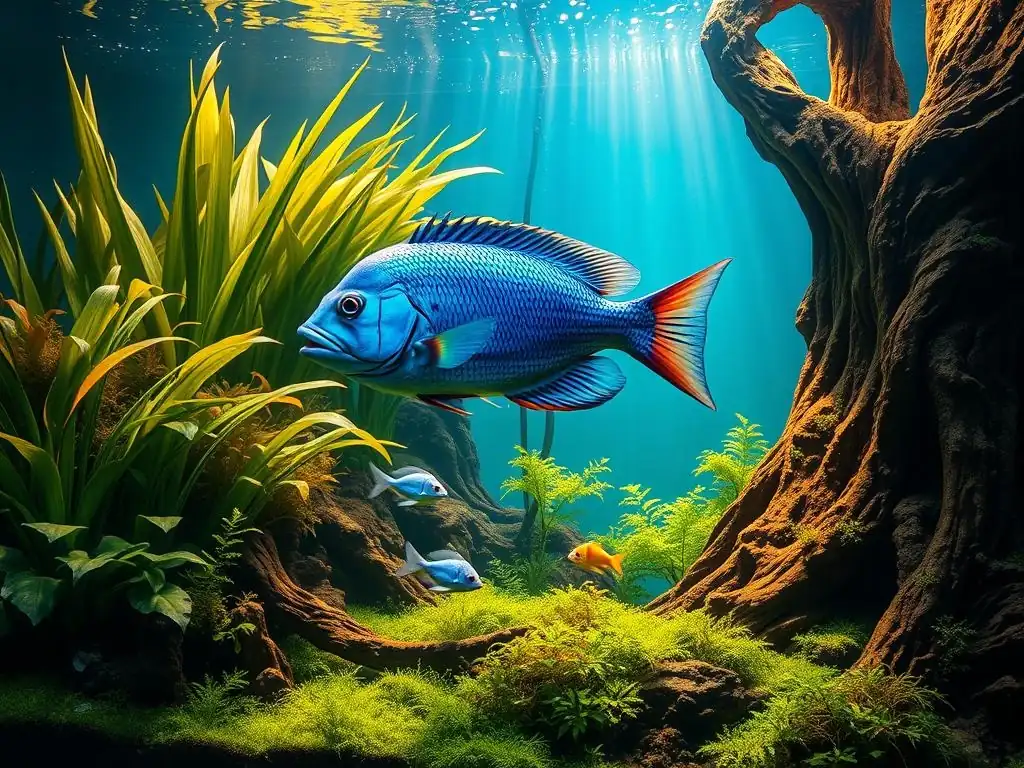
Welcome to Aquarium Mastery!
Ever wondered if your Severum is truly thriving, or silently struggling? Unlocking the secrets to their well-being starts here. Dive in to learn how to identify Severum stress symptoms and discover effective treatments to ensure a happy and healthy aquarium for your beloved fish. Let's get started!
- Understanding Severum Stress: A Vital Guide for Aquarium Keepers
- Early Warning Signs of Stress in Severums: Spotting the Problems
- Identifying the Causes of Stress in Severums: Pinpointing the Source
- Quick Solutions for Severum Stress: Treatment and Prevention
- Severum Stress Prevention: Proactive Care for Healthy Cichlids
- Ensuring a Happy and Healthy Severum: A Comprehensive Guide
-
Frequently Asked Questions
- What are some of the earliest stress symptoms to look for in Severums?
- How does poor water quality contribute to stress in Severums?
- What are some common tank mate issues that can cause stress in Severums?
- What are some treatment options for stressed Severums?
- How can I prevent stress in Severums in the long term?
- Final Reflection: Cultivating Calm in the Aquarium
- Unlock a Stress-Free Aquarium for Your Severums!
Understanding Severum Stress: A Vital Guide for Aquarium Keepers
Why Severum Stress Matters: Protecting Your Cichlids
Recognizing and addressing Severum stress symptoms treatment early is paramount for the well-being of these magnificent cichlids. Chronic stress significantly compromises a Severum's immune system, rendering them highly susceptible to a range of diseases, including common afflictions like Ich (white spot disease), bacterial infections such as fin rot, and even internal parasites. As intelligent and sensitive fish, Severums react strongly to environmental imbalances, making timely intervention crucial to prevent severe health decline.
Unaddressed stress can lead to severe long-term consequences, including stunted growth, reproductive failure (Severums may cease spawning or exhibit poor parental care), and a drastically reduced lifespan. A healthy, well-cared-for Severum can live for 10-15 years or even longer in a stable aquarium environment. In contrast, Severums subjected to persistent stress often succumb to illness within a few years, underscoring the critical need for effective Severum stress symptoms treatment to ensure their longevity and vibrant health.
The Unique Challenges of Severum Care: Stress Factors to Consider
Severums, scientifically known as Heros efasciatus or related species, are large New World cichlids that can reach impressive sizes of 8-12 inches (20-30 cm) in captivity. Their size and inherent semi-aggressive nature necessitate specific care requirements, making inadequate tank size a frequent stressor. For instance, housing a single adult Severum in anything less than the recommended 75-gallon (approximately 280-liter) tank can lead to chronic stress due to confinement and insufficient swimming space, manifesting as various Severum stress symptoms.
Beyond spatial needs, Severums are particularly sensitive to water parameters. They thrive in soft to moderately hard water with a general hardness (dH) between 5-15 and a slightly acidic to neutral pH ranging from 6.0-7.0. Fluctuations outside these optimal ranges, or sudden, drastic changes in water chemistry, are significant triggers for stress. Elevated nitrate levels, even if not immediately lethal (e.g., consistently above 40 ppm), can cause chronic stress over time, leading to a gradual decline in health and a clear need for proactive Severum stress symptoms treatment.
Early Warning Signs of Stress in Severums: Spotting the Problems
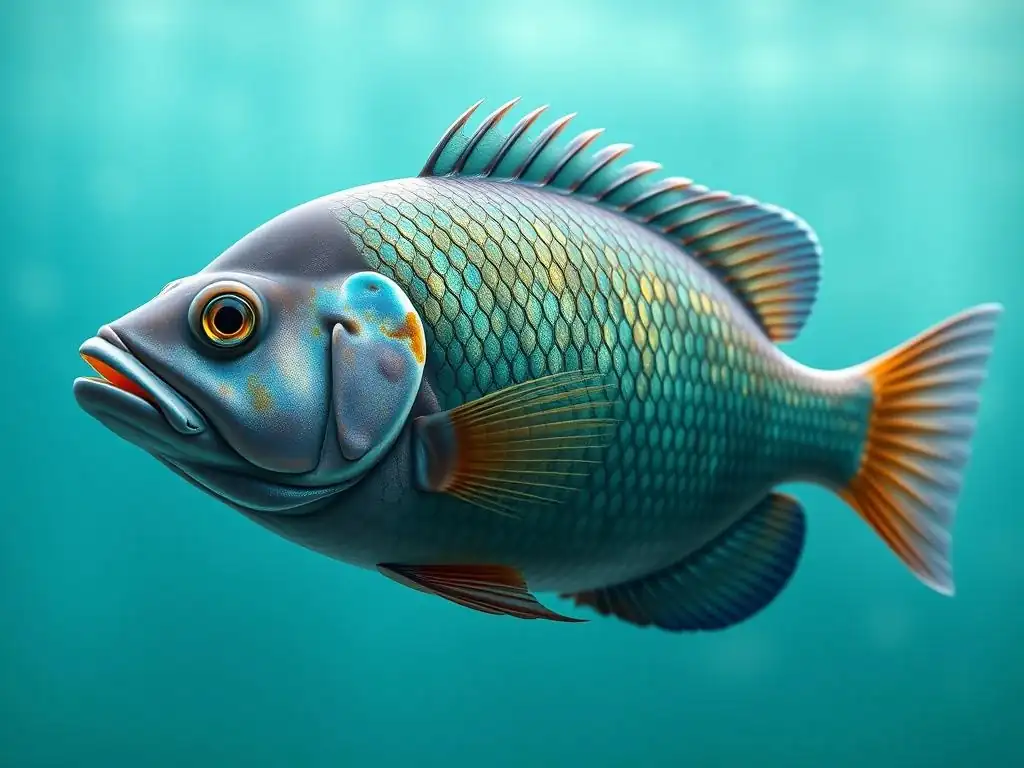
Severum Color Changes: A Key Indicator of Stress
Color changes are often among the earliest and most noticeable Severum stress symptoms. Healthy Severums display vibrant, rich coloration specific to their variant, whether it's the deep green of a Green Severum, the distinctive red spotting of a Red-spotted Severum, or the golden hue of a Gold Severum. Stress, however, can cause these natural colors to either fade dramatically or, in some cases, intensify abnormally, signaling distress within the fish.
For example, a Green Severum that typically boasts a lush, deep emerald shade might suddenly appear washed out, grayish, or dull when under stress. This immediate visual cue is a crucial first indicator for aquarists, prompting them to investigate potential stressors and consider appropriate Severum stress symptoms treatment. Observing these subtle shifts in coloration can be the key to early intervention.
Pale Coloration in Severums: What it Means
Pale coloration is a very common Severum stress symptom, frequently indicating fear, poor water quality, or general discomfort. A stressed Severum may lose its characteristic vibrancy, appearing washed out, dull, or even developing prominent vertical stress bars along its body that are usually less noticeable. This physiological response allows the fish to blend into its surroundings when it feels threatened or unwell.
Physiologically, when a fish is stressed, its energy is diverted from non-essential functions, including pigment production in the chromatophores. This paleness can be a response to a sudden perceived threat, an ammonia spike (even low levels like 0.25 ppm), persistent bullying from aggressive tank mates, or an adverse change in water temperature. Noticing persistent paleness is a critical sign that warrants immediate attention and consideration of Severum stress symptoms treatment.
Darkened Coloration: Stress or Something Else?
While often a sign of comfort, readiness to spawn, or natural adaptation to a dark substrate in cichlids, a sudden, overall darkening in Severums can also be a significant indicator of severe stress or illness. This is particularly true if the darkening is accompanied by other concerning behaviors like lethargy or isolation. For instance, a normally bright Red-spotted Severum might develop a muddy, dark hue across its body, losing its characteristic red vibrancy.
It is important to differentiate between natural darkening and stress-induced darkening. If a Severum darkens but remains active, eats normally, and interacts with its environment, it might simply be adapting to its surroundings or preparing to breed. However, if the darkening is coupled with clamped fins, rapid breathing, refusal to eat, or prolonged hiding, it strongly suggests significant stress or an underlying health issue, necessitating prompt investigation and potential Severum stress symptoms treatment.
Severum Behavior Changes: Recognizing the Signs
Behavioral alterations are highly indicative of stress in Severums and often precede physical manifestations. Healthy Severums are typically curious, active, and responsive to their environment and their keeper, often swimming to the front of the tank during feeding times. Any significant deviation from these normal behaviors can signal a problem and should be closely monitored.
These shifts can include becoming unusually aggressive towards tank mates they previously tolerated, or conversely, becoming unusually timid and withdrawn, hiding for extended periods. For example, a Severum that typically greets you at the glass might suddenly retreat and hide when you approach. Such changes in established routines are often among the earliest and most reliable Severum stress symptoms.
Loss of Appetite in Severums: A Common Stress Response
A refusal to eat, or a significant decrease in appetite, is one of the most concerning Severum stress symptoms. Healthy Severums are typically enthusiastic eaters, readily accepting a variety of foods. If a Severum rejects food for more than 24-48 hours, it is a serious indicator of stress or an underlying illness that requires immediate attention.
This loss of appetite can be attributed to various factors, including poor water quality (e.g., persistent nitrate levels above 40 ppm), internal parasitic infections, or severe social stress from bullying. For instance, a newly introduced Severum might not eat for a day or two due to acclimation stress, but prolonged refusal to feed beyond this period is a strong signal for the need for prompt Severum stress symptoms treatment.
Erratic Swimming Patterns: Identifying Stressed Severum Behavior
A stressed Severum might exhibit unusual and erratic swimming patterns, deviating from its typically graceful and deliberate movements. These behaviors can include sudden darting movements around the tank, swimming into tank walls or decor, rapid gill movements, or a peculiar side-to-side rocking motion often referred to as "shimmying." These are clear Severum stress symptoms that warrant immediate investigation.
Darting movements might indicate a perceived threat, a sudden fright, or rapidly declining water conditions. Shimmying, on the other hand, often points to osmotic stress caused by unstable water parameters, particularly rapid pH swings of 0.5 or more within a 24-hour period, or extreme temperature fluctuations. Such erratic swimming directly signals discomfort and a need for immediate Severum stress symptoms treatment.
Hiding and Isolation: Is Your Severum Stressed?
While Severums appreciate having hiding spots and territories within their aquarium, excessive hiding, especially for prolonged periods or in unusual locations (e.g., behind filters or heaters), is a strong Severum stress symptom. A healthy Severum will typically explore its tank, interact with its environment, and be visible for feeding times.
This behavior often stems from fear, persistent bullying by more aggressive tank mates, or a feeling of vulnerability due to illness. For instance, a Severum that spends days hidden in a corner, refusing to come out even for food, is clearly under significant psychological and physiological stress. Such prolonged isolation necessitates immediate attention to identify the cause and implement appropriate Severum stress symptoms treatment.
Physical Symptoms of Severum Stress: Observing Visible Clues
Beyond behavioral and color changes, physical symptoms can also manifest as Severum stress symptoms, providing direct visual clues to a fish's declining health. These signs can range from subtle alterations in posture to more overt indications of disease or discomfort. Regular visual inspection of your Severums is crucial for detecting these changes early.
The importance of daily observation cannot be overstated. Early detection of even minor physical signs can prevent minor stress from escalating into severe illness or secondary infections. Prompt identification of these physical Severum stress symptoms allows for timely intervention, significantly improving the chances of successful recovery and preventing further deterioration.
Clamped Fins in Severums: A Sign of Discomfort
Clamped fins are a very common and easily recognizable Severum stress symptom. This occurs when a Severum holds its fins (dorsal, caudal, pectoral, and pelvic) tightly against its body rather than spreading them out naturally and gracefully. It is a general indicator of discomfort, illness, or poor water conditions.
This posture is often seen in response to poor water quality (e.g., elevated ammonia or nitrite), temperatures outside their ideal range (e.g., consistently below 75°F or above 82°F), or the initial stages of parasitic infections like Ich. If a Severum consistently exhibits clamped fins, it is a strong signal that something is amiss and indicates a clear need for investigation and potential Severum stress symptoms treatment.
Increased Respiration Rate: Stress-Related Breathing Problems
Observing your Severum's gill movements is crucial for assessing its health. An increased respiration rate, characterized by rapid opening and closing of the gill covers more frequently than usual, is a critical Severum stress symptom. This indicates that the fish is struggling to take in sufficient oxygen, often due to environmental stressors.
This rapid breathing can be a response to low dissolved oxygen levels in the water (common in overcrowded tanks or those with inadequate surface agitation), high levels of toxic ammonia or nitrite (even 0.25 ppm ammonia can cause this), or the presence of gill flukes or other internal parasites. A healthy Severum typically exhibits 60-90 gill movements per minute, whereas a stressed one might exceed 120-150, signaling an urgent need for Severum stress symptoms treatment and water quality assessment.
Fin Rot and Ulcers: Possible Secondary Infections
While not direct stress symptoms, fin rot and ulcers are frequently observed as severe consequences in stressed Severums. A fish with a weakened immune system due to chronic stress is highly susceptible to opportunistic bacterial infections that healthy fish can easily ward off. These conditions are severe Severum stress symptoms consequences that demand immediate attention.
Minor fin nipping or prolonged exposure to poor water quality (e.g., consistent nitrate levels above 20 ppm) can lead to frayed or tattered fins, which then become breeding grounds for bacteria, resulting in fin rot. Ulcers, appearing as open sores or lesions on the body, are even more serious, often indicating long-term chronic stress or severe underlying health issues. Both conditions require aggressive Severum stress symptoms treatment, including addressing the primary stressor and administering appropriate medication.
Identifying the Causes of Stress in Severums: Pinpointing the Source
Poor Water Quality: A Leading Cause of Severum Stress
Poor water quality stands as the most prevalent and dangerous cause of stress in Severums. These cichlids are highly sensitive to even minor fluctuations or accumulations of toxins in their aquatic environment. The vast majority of Severum stress symptoms observed by aquarists can be directly traced back to suboptimal water conditions, highlighting the paramount importance of diligent water management.
Therefore, regular and accurate testing of key water parameters is non-negotiable for Severum health. Parameters such as ammonia, nitrite, nitrate, and pH are crucial indicators of water quality. For instance, ammonia and nitrite should always register at 0 ppm, and nitrates ideally maintained below 20 ppm for long-term health and vitality. Deviations from these benchmarks are immediate stressors.
Ammonia and Nitrite Spikes: The Dangers to Severums
Ammonia (NH3/NH4+) and nitrite (NO2-) are highly toxic compounds to fish, even in minute concentrations. Ammonia directly burns the delicate gill tissues and internal organs, impairing respiration. Nitrite, on the other hand, interferes with the fish's ability to absorb oxygen, leading to "brown blood disease" where blood can no longer carry oxygen effectively. Even levels as low as 0.25 ppm of either can cause significant Severum stress symptoms and internal damage.
Common causes of these dangerous spikes include overfeeding, insufficient or clogged filtration, an uncycled aquarium, or the decomposition of organic matter like a forgotten dead fish. A sudden, unaddressed spike can rapidly induce severe acute stress, leading to organ damage and potentially death if not immediately rectified. Recognizing these toxins as a primary cause is crucial for effective Severum stress symptoms treatment.
Unstable pH Levels: How pH Affects Severum Health
Severums prefer a stable, slightly acidic to neutral pH range, typically between 6.0 and 7.0. However, sudden or large fluctuations in pH (e.g., a drop or rise of 0.5 or more within a few hours) are extremely stressful and can lead to osmotic shock. This shock impairs the fish's ability to regulate its internal salt and water balance, causing severe physiological distress and manifesting as various Severum stress symptoms.
pH instability can be caused by insufficient buffering capacity in the water, overstocking, or large, infrequent water changes that dramatically alter the water chemistry. While hitting an exact pH number is less critical, maintaining a consistent and stable pH is far more important for Severum health than chasing an ideal figure. Consistency minimizes the physiological burden and prevents chronic Severum stress symptoms.
Inadequate Tank Size: Stress from Confinement
The importance of tank size for Severums cannot be overstated. As large cichlids, Severums require ample space for swimming, establishing territories, and avoiding constant encounters with tank mates. Housing an adult Severum in a tank smaller than the recommended 75 gallons (approximately 280 liters) for a single specimen, or 125 gallons (approximately 470 liters) for a breeding pair, inevitably leads to chronic stress from confinement.
Confinement restricts natural swimming behaviors, inhibits proper growth (leading to stunted development), and exacerbates waste accumulation, making it difficult to maintain pristine water quality. This constant environmental stress can manifest in a range of behaviors, from increased aggression towards tank mates to lethargy, hiding, and a host of other Severum stress symptoms, significantly impacting the fish's overall health and lifespan.
Aggressive Tank Mates: Bullying and Stress in the Aquarium
While Severums can be semi-aggressive, they can also become victims of bullying by more dominant or overly aggressive cichlids (e.g., certain Oscars, Flowerhorns, or larger Central American cichlids) or even by smaller, fin-nipping species. Constant harassment from tank mates is a significant and insidious source of Severum stress symptoms.
Signs of bullying include torn fins, persistent hiding, refusal to eat when other fish are present, and faded coloration. Even if no physical damage is immediately apparent, the psychological stress of being constantly chased, intimidated, or unable to establish a secure territory can severely impact a Severum's immune system and lead to chronic health issues. Identifying and addressing such social stressors is a vital part of Severum stress symptoms treatment.
Improper Diet: Nutritional Deficiencies and Stress
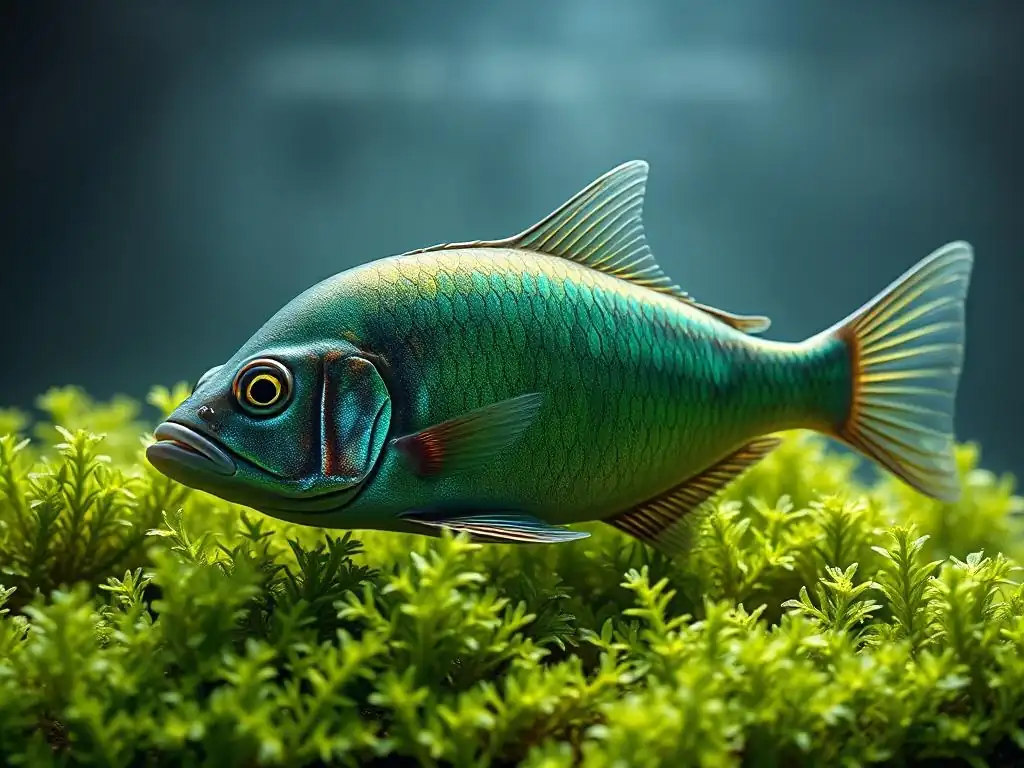
A diet lacking essential nutrients or one that is unbalanced can significantly weaken a Severum's immune system, making it more susceptible to illness and chronic stress. Severums are omnivores, requiring a varied diet that includes high-quality pellets or flakes supplemented with both vegetable matter and occasional protein sources.
For example, feeding only low-quality flakes or an exclusively protein-rich diet without adequate plant matter can lead to long-term nutritional deficiencies. A lack of essential vitamins, such as Vitamin C, can impair immune function, making the fish more vulnerable to bacterial infections and increasing the likelihood of developing various Severum stress symptoms. A balanced diet is fundamental for their vitality and resilience.
Sudden Environmental Changes: Stress from New Environments or Tank Alterations
Severums are creatures of habit and prefer a stable, consistent environment. Sudden, drastic changes to their surroundings can induce severe acute stress. This includes rapid temperature shifts (more than 2-3°F within an hour), major tank redecorations that alter their established territories, or the simultaneous introduction of many new fish.
Even the process of moving a Severum from one tank to another, or from a pet store to a home aquarium, is a major stressor. Proper acclimation, typically performed slowly over 30-60 minutes by gradually mixing tank water with the transport water, is crucial to minimize osmotic shock. Failure to acclimate properly can result in immediate Severum stress symptoms like heavy breathing and severe color loss, potentially leading to long-term health issues and increased susceptibility to disease.
Quick Solutions for Severum Stress: Treatment and Prevention
Immediate Actions for Stressed Severums
When Severum stress symptoms are observed, immediate and decisive action is crucial to prevent the escalation of the problem and to alleviate the fish's distress. The very first step, almost without exception, should be to thoroughly assess the water quality parameters and perform any necessary adjustments to bring them back within optimal ranges.
Addressing the most common and dangerous stressors – specifically poor water parameters – provides the quickest and most effective relief. This rapid intervention can prevent further deterioration of the fish's condition and often reverses early Severum stress symptoms before they lead to more severe health crises or secondary infections.
Water Changes: The First Step to Relief
If water parameters, particularly ammonia, nitrite, or high nitrates, are found to be off-kilter, a significant water change is the fastest and most effective way to dilute toxins and improve the aquatic environment. For immediate relief from high ammonia or nitrite, an initial 50% water change can be performed, followed by daily 25-30% changes until parameters stabilize at 0 ppm for ammonia/nitrite and below 20 ppm for nitrates.
When performing water changes, it is absolutely essential to ensure that the new water is thoroughly dechlorinated using a reputable water conditioner and temperature-matched to within 1-2°F (0.5-1°C) of the tank water. This prevents further thermal shock, which could exacerbate Severum stress symptoms. A large, clean water change is often the most impactful immediate Severum stress symptoms treatment.
Quarantine Tank: Isolating the Stressed Severum
If the stress is suspected to be due to bullying from aggressive tank mates, the onset of an illness, or an unknown factor that cannot be immediately rectified in the main tank, moving the stressed Severum to a separate, established quarantine tank can provide a safe haven. A quarantine tank of at least 20-30 gallons (75-115 liters) is generally suitable for a single Severum.
The quarantine tank should be equipped with basic filtration (sponge filter or small hang-on-back filter), a heater to maintain stable temperature, and adequate hiding spots to make the fish feel secure. This isolation allows for close observation, targeted medication if an illness is confirmed, and recovery without competition or aggression. This isolation is a key component of Severum stress symptoms treatment when social dynamics or disease are primary concerns.
Long-Term Solutions for a Stress-Free Severum Environment
Beyond immediate fixes for acute issues, sustained and proactive effort is required to ensure a truly stress-free and thriving environment for your Severums in the long term. Implementing consistent best practices prevents the recurrence of Severum stress symptoms and promotes robust health.
The overarching goal of these long-term solutions is to create an environment that closely mimics the natural habitat of Severums, minimizing all potential stressors. By focusing on consistent care, proper setup, and thoughtful management, aquarists can provide their Severums with the stable conditions needed to display their full beauty and natural behaviors.
Optimizing Water Quality: Regular Testing and Maintenance
Consistent, pristine water quality is the absolute cornerstone of Severum health and the most critical long-term solution for preventing stress. This involves implementing a robust and consistent maintenance schedule, including weekly or bi-weekly water changes (e.g., 25-30% of tank volume), depending on stocking levels and filtration efficiency, and daily monitoring of temperature.
Regularly use a reliable liquid test kit to monitor ammonia, nitrite, nitrate, and pH. Maintain ammonia and nitrite at 0 ppm, nitrates ideally below 20 ppm, and pH stable between 6.0-7.0. Investing in robust filtration (mechanical, biological, and chemical) is vital for processing waste and maintaining water parameters, serving as a continuous preventative measure and a foundation for any Severum stress symptoms treatment.
Choosing Compatible Tank Mates: Preventing Aggression
Careful research and selection of compatible tank mates are crucial to prevent social stress and aggression. Severums generally do best with similarly sized, semi-aggressive to peaceful cichlids from South America (e.g., Uaru, Geophagus species, or other larger peaceful cichlids) or robust schooling fish that are too large to be considered prey (e.g., Silver Dollars, large tetras). Avoid overly aggressive cichlids that could bully the Severum, as well as very small or delicate species that could become targets.
Introduce new fish carefully and observe interactions closely for several days or weeks. If persistent bullying or excessive aggression occurs, rehoming one of the fish might be necessary to prevent chronic Severum stress symptoms in the bullied individual. A general guideline is to provide at least 15-20 gallons of additional tank volume per adult Severum beyond the initial 75-gallon base when adding tank mates.
Providing a Balanced Diet: Ensuring Proper Nutrition
Providing a high-quality, varied, and balanced diet is essential for boosting a Severum's immune system and promoting overall health, thereby significantly reducing the likelihood of nutrition-related Severum stress symptoms. The diet should include a staple high-quality cichlid pellet or flake (e.g., Hikari Cichlid Gold, New Life Spectrum) supplemented with spirulina flakes, blanched vegetables (such as shelled peas or zucchini slices), and occasional protein sources like frozen bloodworms or brine shrimp.
A varied diet ensures that your Severum receives all necessary vitamins, minerals, and macronutrients. For instance, adequate Vitamin C intake is vital for immune function. Feeding small amounts 2-3 times a day rather than one large meal can also help maintain water quality by reducing the immediate waste load. Proper nutrition is a foundational element in preventing and aiding Severum stress symptoms treatment.
Maintaining a Stable Environment: Gradual Changes and Consistent Conditions
Stability is key to preventing environmental stress in Severums. Avoid sudden and drastic changes to their environment. When introducing new decor, live plants, or making significant alterations to tank parameters (e.g., adjusting pH or hardness), do so gradually over several days, not hours.
When adding new fish, always acclimate them slowly to the tank water to prevent osmotic shock. Consistent lighting schedules (e.g., 10-12 hours per day using a timer) and stable water temperatures (ideally maintained between 78-82°F or 25.5-27.8°C) are crucial. Minimizing disruption during routine tank maintenance also contributes to a stable environment, effectively preventing acute environmental Severum stress symptoms.
Severum Stress Prevention: Proactive Care for Healthy Cichlids
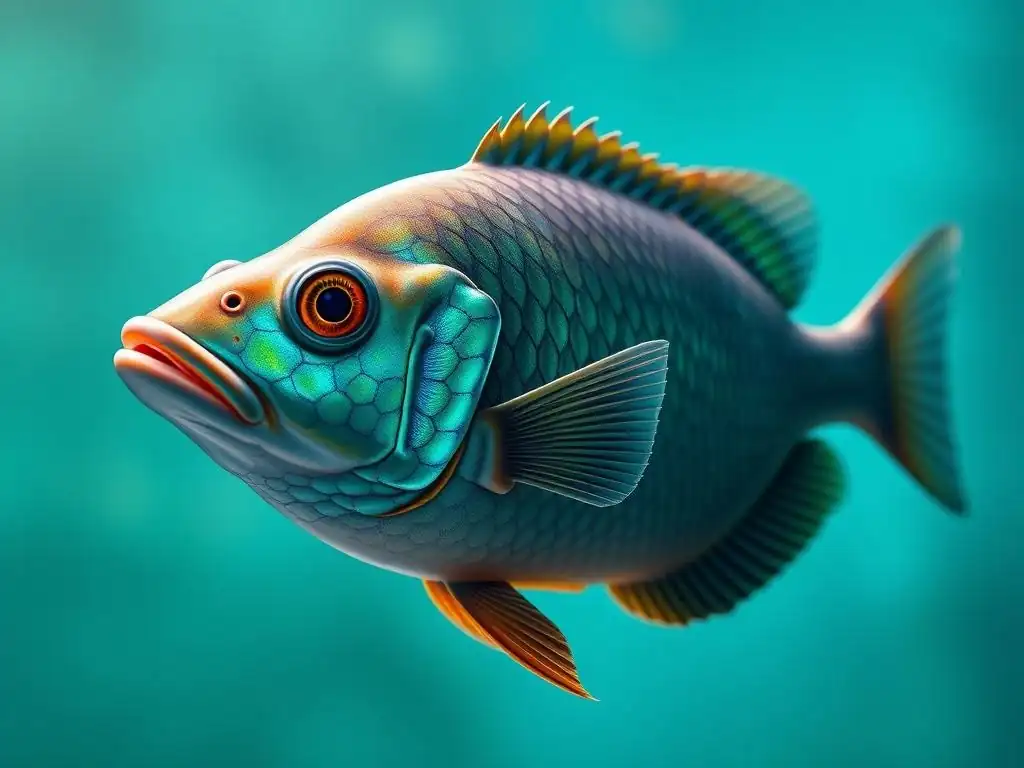
Regular Observation: Catching Problems Early
The single most effective way to prevent severe stress and illness in your Severums is through diligent, daily observation. Dedicate a few minutes each day to quietly watch your fish. Pay close attention to their behavior, coloration, swimming patterns, and physical appearance. Look for any subtle deviations from their normal routine or appearance.
Early detection of even slight Severum stress symptoms, such as a minor change in color, a slight reduction in appetite, or unusual hiding, allows for prompt investigation and intervention. This proactive approach often prevents minor issues from escalating into major health crises that require extensive Severum stress symptoms treatment, saving your fish from prolonged suffering and potentially saving its life.
Maintaining a Stress-Free Aquarium Environment: Best Practices
Maintaining a consistently stress-free aquarium environment for your Severums involves adhering to several best practices. This includes providing ample space (minimum 75 gallons for a single adult, with more for pairs or groups), offering appropriate hiding spots (caves, driftwood, dense planting), ensuring robust and oversized filtration, and strictly adhering to a consistent maintenance routine (regular water changes, gravel vacuuming, filter cleaning).
A well-planned and consistently maintained aquarium minimizes environmental stressors, allowing Severums to display their natural behaviors, vibrant colors, and full growth potential. By proactively addressing their specific needs and creating an optimal habitat, you significantly reduce the likelihood of the onset of Severum stress symptoms, fostering a thriving and resilient fish.
Recognizing and Treating Parasitic Infections
While not direct causes of stress, parasitic infections (such as Ich, also known as white spot disease, or internal parasites like Hexamita) frequently take hold when a Severum's immune system is weakened by environmental or social stress. Recognizing the specific symptoms of these infections is crucial for timely intervention. For instance, Ich presents as small white spots resembling salt grains on the body and fins, while Hexamita can cause stringy white feces, lethargy, and erosion around the head and lateral line.
If a parasitic infection is suspected, immediate and appropriate medication is necessary, following product instructions carefully. However, it is equally vital to simultaneously address the underlying stress factors that allowed the infection to take hold (e.g., improving water quality, reducing aggression, optimizing diet). Effective Severum stress symptoms treatment often involves not only treating the secondary infection but also rectifying the primary stressors to prevent recurrence and promote full recovery.
Ensuring a Happy and Healthy Severum: A Comprehensive Guide
Frequently Asked Questions
What are some of the earliest stress symptoms to look for in Severums?
Early signs of stress in Severums often include loss of appetite, hiding behavior, and faded coloration. These can indicate a problem before more serious issues arise.
How does poor water quality contribute to stress in Severums?
Poor water quality, such as high ammonia or nitrite levels, is a major stressor. It can lead to gill damage, weakened immune system, and increased susceptibility to disease.
What are some common tank mate issues that can cause stress in Severums?
Incompatible tank mates can cause stress through bullying, competition for resources, or simply by being too active or aggressive. Severums are generally peaceful but need compatible companions.
What are some treatment options for stressed Severums?
Addressing stress requires identifying and eliminating the root cause. Water changes, adjusting tank parameters, and separating aggressive tank mates are often necessary first steps.
How can I prevent stress in Severums in the long term?
Preventing stress involves maintaining stable water parameters, providing a suitable tank environment, and carefully selecting compatible tank mates. Regular observation is also key.
Final Reflection: Cultivating Calm in the Aquarium
The insights shared throughout this article highlight the crucial link between observation and action when caring for Severums. Recognizing and addressing stress in these magnificent fish is not merely about maintaining a healthy aquarium, but about fostering an environment of well-being. By understanding the subtle early warning signs, we can proactively implement solutions and prevent more serious health issues from arising.
This journey into the world of Severum care has underscored the profound responsibility we undertake when bringing these creatures into our lives. It's a constant reminder that our actions directly impact their quality of life, urging us to be more attentive and empathetic. The greatness of a nation and its moral progress can be judged by the way its animals are treated.
- Mahatma Gandhi. This quote resonates deeply, reminding us that even within the confines of our aquariums, we have the power to create a more compassionate world.
Now, armed with this knowledge of Severum stress symptoms and treatment, I encourage you to look anew at your own aquarium. Are there subtle cues you may have missed? Are there adjustments you can make to further enhance the well-being of your Severums? Take the time to observe, to learn, and to act. By doing so, you'll not only ensure the health of your fish, but also deepen your connection with the natural world and cultivate a more mindful approach to aquarium keeping.
Unlock a Stress-Free Aquarium for Your Severums!
Thank you for exploring how to keep your Severums happy and healthy! You've gained valuable insights into recognizing the early signs of stress in these beautiful fish. Now, let's put that knowledge into action.
Here's what you can do right now:
- Immediately implement one of the suggested water parameter adjustments, prioritizing a partial water change if possible. This is the single most impactful action you can take.
- Share this article with fellow aquarium enthusiasts to spread awareness and help others recognize stress in their Severums.
- Observe your Severums closely over the next 24 hours, noting any changes in behavior or appearance.
What specific environmental factor are you most eager to adjust in your Severum's aquarium to promote a stress-free environment?