
Tanganyikan Treasures: Unveiling Shell Dwellers, Featherfins & Cyprichromis

Welcome to Aquarium Mastery!
Ever been captivated by the complex social lives and vibrant colors of the African rift lakes? Dive into our comprehensive guide to Tanganyika cichlid aquarium care and discover the secrets to creating a thriving underwater world for these captivating fish. From shell dwellers to featherfins and Cyprichromis, prepare to unlock the mysteries of this incredible ecosystem and build an aquarium that's both beautiful and biologically sound. Curious to learn more? Let's explore the depths together!
- Understanding Tanganyika Cichlids: A Guide to Thriving in Your Aquarium
- Setting Up Your Tanganyika Cichlid Aquarium: A Comprehensive Guide
- Tanganyika Cichlid Care: Maintaining a Healthy Aquarium Environment
- Exploring the Diversity: Profiles of Shell Dwellers, Featherfins & Cyprichromis
- Tank Mates for Tanganyika Cichlids: Creating a Harmonious Community
- Breeding Tanganyika Cichlids: A Rewarding Experience
- Troubleshooting Common Issues in Tanganyika Cichlid Aquariums
- Resources for Tanganyika Cichlid Keepers: Further Learning
-
Frequently Asked Questions
- What are the key considerations when setting up a Tanganyika cichlid aquarium?
- What types of fish are commonly kept in a Tanganyika cichlid aquarium?
- What is the ideal diet for Tanganyika cichlids?
- How often should I perform water changes in a Tanganyika cichlid aquarium?
- What are some common diseases that affect Tanganyika cichlids and how can I prevent them?
- Final Reflection: Embracing the Tanganyikan Tapestry
- Unearth Your Own Tanganyikan Paradise!
Understanding Tanganyika Cichlids: A Guide to Thriving in Your Aquarium
Exploring the Unique Appeal of Lake Tanganyika Cichlids
Lake Tanganyika, one of the oldest and deepest freshwater lakes in the world, is a biodiversity hotspot, particularly renowned for its endemic cichlid species. These fish have evolved an astonishing array of forms, colors, and behaviors, adapting to specific niches within the lake's diverse habitats, from vast rocky shorelines to open water and sandy, shell-strewn bottoms. Their unique evolutionary paths have resulted in specialized feeding strategies, intricate social structures, and fascinating breeding patterns, making them a captivating subject for any aquarist interested in advanced freshwater aquarium care.
The lake's stable water chemistry – consistently high pH (7.8-9.0), high hardness, and warm temperatures (around 76-80°F or 24-27°C) – has played a crucial role in the development of these unique species. Unlike many other cichlids, Tanganyikan cichlids are often less aggressive towards non-cichlid tank mates, and many species exhibit complex pair-bonding or colonial behaviors that are truly mesmerizing to observe. This distinct environment means that successful Tanganyika cichlid aquarium care hinges on replicating these specific water parameters and habitat features as closely as possible.
Why Choose Tanganyikan Cichlids for Your Freshwater Aquarium?
Choosing Tanganyikan cichlids offers a unique and rewarding experience for freshwater aquarists, setting them apart from the more commonly kept African cichlids from Lake Malawi. Their behavioral diversity is a primary draw; from the diligent excavation of shell dwellers like Neolamprologus multifasciatus to the graceful schooling of Cyprichromis leptosoma in the upper water column, there's a niche for nearly every preference. Many species are also relatively smaller than their Malawian counterparts, allowing for a greater diversity of species in moderately sized aquariums, provided proper Tanganyika cichlid aquarium care is maintained.
Beyond their captivating behaviors, Tanganyikan cichlids often display stunning, albeit often more subdued, coloration compared to the vibrant hues of Malawian mbuna. Their elegance, intricate social dynamics, and the challenge of recreating their specific biotope make them an ideal choice for aquarists seeking a more specialized and engaging freshwater setup. Furthermore, their general peacefulness towards fish that do not occupy their specific niche, particularly when compared to the boisterous nature of some other cichlids, allows for more diverse community tanks within the Tanganyikan biotope.
Setting Up Your Tanganyika Cichlid Aquarium: A Comprehensive Guide
Tank Size Considerations for Tanganyika Cichlids
The ideal tank size for Tanganyika cichlids varies significantly depending on the specific species or groups you intend to keep. For instance, small shell dwellers like Neolamprologus multifasciatus can thrive in tanks as small as 10-20 gallons (approximately 38-75 liters) for a small colony, as their entire world revolves around their shells. However, for a mixed species shell-dweller tank, a 30-gallon (113-liter) or larger tank is often recommended to provide adequate territory and reduce aggression.
Larger species, such as featherfins ( Cyathopharynx furcifer) or the popular shoaling Cyprichromis species, require much more space to accommodate their active swimming habits and social structures. A minimum of a 55-gallon (208-liter) tank is typically recommended for a small group of Cyprichromis, while 75 gallons (284 liters) or larger is ideal for a mixed community of featherfins or a larger school of Cyprichromis. Providing ample swimming room and appropriate dimensions (longer tanks are generally preferred over taller ones) is crucial for their well-being and to minimize stress, which is a cornerstone of effective Tanganyika cichlid aquarium care.
Essential Equipment for a Tanganyika Cichlid Tank: Filtration, Heating, and Lighting
Effective filtration is paramount for Tanganyika cichlid aquarium care, as these fish are sensitive to water quality fluctuations. A robust filtration system, typically consisting of a powerful canister filter or multiple hang-on-back (HOB) filters, is recommended to provide both mechanical and biological filtration. For a 55-gallon tank, a filter with a flow rate of at least 200-300 gallons per hour (GPH) is a good starting point, ensuring excellent water circulation and removal of waste products. Many aquarists also opt for an air stone or powerhead to enhance oxygenation, which is beneficial given the stable, oxygen-rich conditions of Lake Tanganyika.
Maintaining a consistent water temperature between 76-80°F (24-27°C) is vital for Tanganyikan cichlids. A reliable aquarium heater, appropriately sized for your tank volume (e.g., 200-300 watts for a 75-gallon tank), is essential. For larger tanks, using two smaller heaters can provide more even heat distribution and a safeguard against complete heater failure.
Lighting, while important for aesthetics and potential plant growth (if you choose to add hardy plants like Anubias or Java Fern), is less critical for the fish themselves. Standard LED or fluorescent lights that simulate a natural daylight cycle are usually sufficient, providing enough illumination to observe your fish without promoting excessive algae growth.
Creating the Perfect Tanganyikan Biotope: Substrate, Rockwork, and Shells
Choosing the Right Substrate for Shell Dwellers
For shell-dwelling Tanganyika cichlids, the substrate is not merely decorative; it's an integral part of their habitat and behavior. A fine, soft sand substrate, such as play sand or pool filter sand, is absolutely essential. The sand should be at least 1-2 inches (2.5-5 cm) deep to allow these cichlids to exhibit their natural digging behaviors, which include burying shells, excavating pits for spawning, and creating intricate tunnels.
Using a coarse gravel or sharp substrate can injure their delicate mouths and gills as they sift through it or attempt to move shells. The ideal sand provides a natural environment for them to establish territories and reproduce, contributing significantly to their overall health and well-being. This attention to detail in substrate selection is a key aspect of optimal Tanganyika cichlid aquarium care.
Recreating Rocky Habitats for Featherfins and Cyprichromis
Many Tanganyikan cichlids, including various featherfins and some rock-dwelling species, inhabit the rocky zones of the lake. To replicate this in your aquarium, use inert rocks like limestone, slate, or lava rock to create intricate structures with numerous caves, crevices, and hiding spots. Stack the rocks securely, ensuring they are stable and cannot collapse, potentially using aquarium-safe silicone or epoxy to bond them if necessary, especially in larger setups.
These rock formations provide essential territories, spawning sites, and refuge from aggression. For open-water swimmers like Cyprichromis, the rockwork should primarily line the back and sides of the tank, leaving ample open swimming space in the foreground and mid-water column. Creating a visually appealing and functionally rich rocky landscape is crucial for the physical and psychological health of these Tanganyika cichlids, making it a critical component of their aquarium care.
The Importance of Shells for Shell-Dwelling Cichlids: Types and Placement
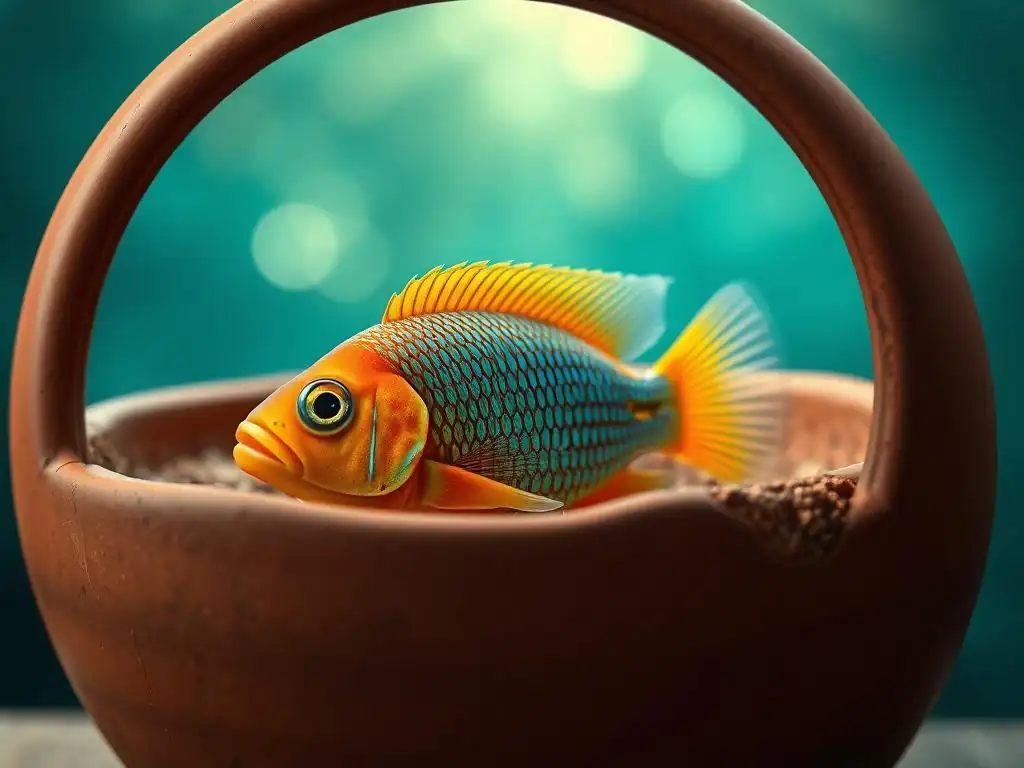
For shell-dwelling cichlids, shells are more than just decoration; they are their homes, breeding sites, and primary source of security. Without a sufficient number of appropriate shells, these fish cannot exhibit their natural behaviors, leading to stress and potential health issues. Escargot shells, readily available from culinary suppliers, are a popular and suitable choice due to their size and shape. Other options include turbo snail shells, apple snail shells, or even small conch shells, provided they are clean and free of any contaminants.
It's crucial to provide more shells than the number of fish, ideally at least two to three shells per shell dweller. This helps reduce territorial disputes and allows individuals to choose their preferred dwelling. Shells should be scattered across the sandy substrate, with some partially buried and others fully exposed, mimicking their natural habitat. Proper shell provision is non-negotiable for successful Tanganyika cichlid aquarium care for these fascinating species.
Tanganyika Cichlid Care: Maintaining a Healthy Aquarium Environment
Water Chemistry for Tanganyika Cichlids: pH, Hardness, and Alkalinity
Maintaining precise and stable water chemistry is foundational to successful Tanganyika cichlid aquarium care. Lake Tanganyika's water is characterized by its high pH, typically ranging from 7.8 to 9.0, with an ideal target for aquariums being around 8.2-8.6. Equally important are high general hardness (GH) and carbonate hardness (KH). The GH, which measures dissolved mineral content, should ideally be between 10-20 dGH (degrees of General Hardness), while KH, a measure of alkalinity and buffering capacity, should be maintained between 10-18 dKH (degrees of Carbonate Hardness).
These parameters are crucial for the long-term health of Tanganyikan cichlids. A high KH is particularly important as it acts as a buffer, preventing sudden drops in pH that can be detrimental to these fish. Regular testing of pH, GH, and KH is essential, and adjustments can be made using Tanganyika-specific buffering salts or crushed coral in the substrate/filter to help maintain stability. Avoiding rapid fluctuations is more important than hitting exact numbers, as consistency prevents stress and supports robust immune systems.
Regular Water Changes: Maintaining Optimal Water Quality
Regular water changes are arguably the most critical aspect of ongoing Tanganyika cichlid aquarium care, even with robust filtration. While filters remove solid waste and convert ammonia to less toxic nitrates, nitrates still accumulate and can become harmful in high concentrations. Performing weekly water changes of 25-30% of the tank volume is a widely recommended practice. For heavily stocked tanks or those with larger species, a 30-50% weekly change might be necessary.
When performing water changes, always use dechlorinated water that is temperature-matched to the aquarium water to prevent thermal shock. It's also beneficial to ensure the replacement water has similar pH and hardness parameters. Consistent water changes dilute nitrates, replenish essential minerals, and remove other dissolved organic compounds that can build up over time, contributing to overall water clarity and the long-term vitality of your Tanganyika cichlids. This routine is fundamental for preventing stress and disease.
Feeding Your Tanganyika Cichlids: Diet and Nutrition
Proper nutrition is vital for the health, coloration, and breeding success of your Tanganyika cichlids. Their dietary needs vary significantly between species, reflecting their diverse feeding strategies in the wild. A varied diet is always recommended to ensure they receive all necessary nutrients. Overfeeding should be avoided, as it can lead to water quality issues and health problems like bloat. Feed small amounts multiple times a day rather than one large meal.
Recommended Foods for Shell Dwellers
Shell dwellers, such as Neolamprologus multifasciatus and Lamprologus ocellatus, are primarily micro-predators and omnivores in the wild, feeding on small invertebrates and detritus. In the aquarium, their diet should consist of high-quality, small sinking pellets or flakes specifically formulated for cichlids. Due to their small mouths, finely crushed foods are often preferred.
Supplement their staple diet with small frozen or live foods like brine shrimp, daphnia, and cyclops. These provide essential proteins and fats, enhancing their coloration and promoting natural foraging behaviors. Avoid large, meaty foods that can lead to digestive issues. A balanced diet is crucial for their robust health and active digging.
Dietary Needs of Featherfins and Cyprichromis
Featherfins (e.g., Cyathopharynx furcifer) and Cyprichromis species ( Cyprichromis leptosoma) are primarily planktivores, feeding on zooplankton and phytoplankton in the open water column of Lake Tanganyika. Their aquarium diet should reflect this, focusing on high-quality foods that float or slowly sink to be consumed in the mid-to-upper water levels.
Offer small, high-protein flakes and sinking pellets designed for cichlids. Excellent supplementary foods include frozen mysis shrimp, spirulina-enriched brine shrimp, and daphnia. Some species, like Cyathopharynx, also benefit from spirulina flakes or other vegetable-based foods. Avoid feeding large, fatty foods, which can lead to digestive problems. A diet rich in protein and varied ingredients will ensure vibrant colors and active swimming.
Preventing and Treating Common Tanganyika Cichlid Diseases
Preventing diseases in your Tanganyika cichlids largely revolves around maintaining pristine water quality, providing a species-appropriate diet, and minimizing stress. Stress is often the primary precursor to illness, stemming from poor water parameters, inadequate tank size, improper tank mates, or insufficient hiding spots. Regular tank maintenance, including consistent water changes and filter cleaning, is your first line of defense in Tanganyika cichlid aquarium care.
Despite best efforts, fish can still fall ill. Common diseases include Ich (white spot disease), bloat, and bacterial infections. Ich typically manifests as small white spots on the body and fins, resembling salt grains, and can often be treated by slowly raising the water temperature to 82-84°F (28-29°C) for several days, along with appropriate medication if necessary.
Bloat, often caused by improper diet or internal parasites, causes the fish to swell and lose appetite; early intervention with medications like Metronidazole or Epsom salts can be effective. Always quarantine new fish for 2-4 weeks before introducing them to your main display tank to prevent the introduction of pathogens.
Exploring the Diversity: Profiles of Shell Dwellers, Featherfins & Cyprichromis
Shell Dweller Cichlids: Masters of the Substrate
Shell dweller cichlids, often referred to simply as "shellies," are a captivating group of small Tanganyikan cichlids renowned for their unique reliance on abandoned snail shells for shelter, breeding, and territory. These species typically grow no larger than 3 inches (7.5 cm) and exhibit fascinating social behaviors, often forming colonies in which individuals defend their chosen shell fiercely. Their small size makes them suitable for smaller aquariums, but providing ample shells and a fine sand substrate is paramount for their well-being and to observe their natural behaviors.
Their specialized lifestyle in the sandy, shell-strewn areas of Lake Tanganyika has led to unique adaptations, including streamlined bodies that allow them to quickly dart in and out of shells. Observing a colony of shell dwellers is a dynamic experience, with constant digging, shell manipulation, and territorial displays. This group perfectly exemplifies the intricate adaptations of Tanganyika cichlids to their specific environmental niches, making them a cornerstone of many Tanganyika cichlid aquarium care setups.
Neolamprologus multifasciatus: The Tiny Shell Dweller
Neolamprologus multifasciatus, often affectionately called "Multies," are perhaps the most popular and widely available shell-dwelling cichlid. These diminutive fish typically reach only about 1.5 inches (3.8 cm) in length, making them suitable for tanks as small as 10-20 gallons (38-75 liters) for a colony. Multies are highly social and form large, organized colonies in the aquarium, where a dominant pair spawns, and older juveniles often help care for subsequent broods.
They are incredibly active diggers, constantly rearranging sand and shells, which makes for fascinating observation. A single male can oversee a harem of several females, each with her own shell, and juveniles will often establish their own shells nearby. Their striped pattern and constant activity make them a delightful addition to a specialized Tanganyika cichlid aquarium, showcasing complex social structures within a small footprint.
Lamprologus ocellatus: A Territorial Shell Dweller
Lamprologus ocellatus, commonly known as the "Ocellatus" or "Ocellated Lamprologus," is another popular shell dweller, distinguished by its larger size (up to 2 inches or 5 cm for males, slightly smaller for females) and prominent "ocelli" or eye-spots on its dorsal fin. Unlike the colonial Multies, L. ocellatus tends to be more solitary and intensely territorial, with males often defending multiple shells and a larger sand territory.
These fish are known for their strong personalities and unique behavior of burying their shells almost completely in the sand, leaving only the opening exposed. They are excellent at ambushing small prey from their shell hideouts. While they can be kept in pairs, care must be taken to provide sufficient space and visual barriers to prevent excessive aggression, especially in smaller tanks. Their distinct behavior and vibrant eye-spots make them a captivating subject for Tanganyika cichlid aquarium care.
Altolamprologus Compressiceps: The Compressiceps Cichlid
While not strictly a "shell dweller" in the same sense as Multies or Ocellatus, Altolamprologus compressiceps (or "Compres") is frequently associated with shell-dwelling setups due to its unique body shape and habitat preferences. This species, reaching up to 5 inches (12.7 cm) in length, has a highly compressed, disc-like body that allows it to squeeze into tight rock crevices and even narrow shell openings to hunt for small invertebrates and fish fry.
Compressiceps are often kept in tanks with shell dwellers or other smaller Tanganyikan cichlids because they occupy a different ecological niche, primarily hunting in the rockwork rather than digging in the sand. They are known for their slow, deliberate movements and striking vertical barring. While they may occasionally use a shell for cover, their primary habitat is rocky. Their unique predatory behavior and striking appearance add a distinct dynamic to any Tanganyika cichlid aquarium, making them a fascinating subject for careful observation.
Featherfin Cichlids: Elegant Swimmers of the Open Water
Featherfin cichlids are a diverse group of Tanganyikan cichlids characterized by their elongated, often flowing dorsal and anal fins, giving them an elegant appearance. Many species in this group, such as Cyathopharynx and Ophthalmotilapia, inhabit the rocky transitional zones or open water, feeding on plankton or small invertebrates. They are known for their vibrant colors, particularly the males during breeding, and their graceful swimming motions.
Unlike the bottom-dwelling shellies, featherfins require ample open swimming space and often prefer a tank with tall rock structures that mimic their natural rocky and open-water environment. They are generally more peaceful than many other African cichlids but can be territorial, especially males defending their spawning sites. Providing a well-structured environment and maintaining pristine water quality is key to their successful Tanganyika cichlid aquarium care.
Cyathopharynx furcifer: The Forktail Featherfin
Cyathopharynx furcifer, commonly known as the Forktail Featherfin, is a stunning and sought-after Tanganyikan cichlid known for its impressive size, reaching up to 6-8 inches (15-20 cm), and the males' vibrant blue or yellow coloration and elongated, forked caudal fin. These fish are primarily pelagic planktivores, inhabiting the open waters above rocky substrates in Lake Tanganyika.
In the aquarium, Cyathopharynx furcifer thrive in large tanks (minimum 75 gallons, 284 liters) that offer plenty of open swimming space alongside some rockwork for security. They are best kept in groups of at least 5-6 individuals to encourage natural shoaling behavior and distribute aggression. Males will display magnificent colors, particularly when establishing territories and attempting to attract females. Their elegant appearance and schooling behavior make them a centerpiece in any large Tanganyika cichlid aquarium.
Ophthalmotilapia ventralis: The Butterfly Cichlid
Ophthalmotilapia ventralis, often called the "Butterfly Cichlid" due to the males' iridescent blue and yellow coloration and extended ventral fins, is another beautiful featherfin species. Males can grow up to 5-6 inches (12.7-15 cm), while females remain slightly smaller. These cichlids typically inhabit the rocky and sandy transitional zones of Lake Tanganyika, where they filter feed on small organisms from the substrate or water column.
In an aquarium, Ophthalmotilapia ventralis requires a tank of at least 55 gallons (208 liters) with a mix of open sand and rock structures. They are generally peaceful but males can be territorial, especially during breeding. Keeping them in a group with a good male-to-female ratio (e.g., one male to three females) can help diffuse aggression and encourage natural behaviors. Their vibrant colors and unique feeding habits make them a striking addition to a well-maintained Tanganyika cichlid aquarium.
Callochromis Macrops: The Callochromis
Callochromis macrops, known simply as "Callochromis," is a fascinating featherfin species that reaches about 5 inches (12.7 cm) in length. They are primarily sand-sifting cichlids, using their specialized mouths to sift through the substrate for small invertebrates and detritus. Males display impressive coloration, often a mix of blues, greens, and reds, especially when displaying to females or defending territory.
These fish require a tank of at least 55 gallons (208 liters) with a significant area of fine sand substrate, at least 2-3 inches (5-7.5 cm) deep, to facilitate their natural sifting behavior. While generally peaceful, males can be territorial over their sand pits. Keeping them in a group with multiple females per male is advisable. Their unique feeding behavior and beautiful colors make Callochromis macrops a rewarding species for dedicated Tanganyika cichlid aquarium care.
Cyprichromis: Schools of Color and Grace
Cyprichromis species are among the most elegant and unique Tanganyikan cichlids, known for their elongated, sardine-like bodies and their habit of forming large, graceful schools in the open water column. Unlike most cichlids, Cyprichromis are pelagic, meaning they primarily inhabit the upper and mid-levels of the lake, feeding on zooplankton. This behavior makes them ideal tank mates for bottom-dwelling shellies or rock-dwelling species, as they occupy different niches.
Males of Cyprichromis species display stunning, iridescent colors, particularly during breeding, while females are typically more subdued. They are mouthbrooders, with females holding the eggs and fry in their mouths for several weeks. To thrive, Cyprichromis require spacious aquariums (minimum 55 gallons, preferably 75+ gallons for a good school) with plenty of open swimming space and minimal decor in the upper water column. Maintaining a school of at least 6-10 individuals is crucial for their well-being, as it reduces stress and allows for natural schooling behaviors, a testament to proper Tanganyika cichlid aquarium care.
Cyprichromis leptosoma: The Sardine Cichlid
Cyprichromis leptosoma, often called the "Sardine Cichlid," is arguably the most popular and readily available Cyprichromis species. Reaching about 4-5 inches (10-12.7 cm) in length, they are prized for their elegant, torpedo-shaped bodies and the males' vibrant color variations, which can include electric blues, yellows, and oranges, often with contrasting fin tips. Several geographical variants exist, each with unique color patterns.
These fish are true shoalers and should always be kept in groups of at least 6-10 individuals to ensure their comfort and natural behavior. A 55-gallon (208-liter) tank is the minimum for a small school, but a 75-gallon (284-liter) or larger tank is highly recommended to provide ample swimming space. C. leptosoma are peaceful and spend most of their time gracefully swimming in the mid-to-upper levels of the aquarium, making them excellent dither fish and a captivating focal point in a Tanganyika cichlid aquarium.
Cyprichromis microlepidotus: A Stunning Shoaling Species
Cyprichromis microlepidotus is another beautiful Cyprichromis species, similar in overall form to C. leptosoma but typically growing slightly larger, up to 6 inches (15 cm). They are characterized by their more elongated body shape and often possess a more subdued yet equally stunning coloration, featuring iridescent blues, purples, and yellows, particularly in males. Like other Cyprichromis, they are pelagic shoalers.
Due to their larger adult size and active nature, C. microlepidotus requires a spacious aquarium, ideally 75 gallons (284 liters) or larger, to accommodate a healthy school of 6-10 or more individuals. They are excellent tank mates for bottom or rock-dwelling Tanganyikan cichlids, as they do not compete for territory. Their graceful movements and shimmering scales make them a truly stunning addition for aquarists dedicated to comprehensive Tanganyika cichlid aquarium care.
Cyprichromis Zonatus: The Zonatus Cichlid
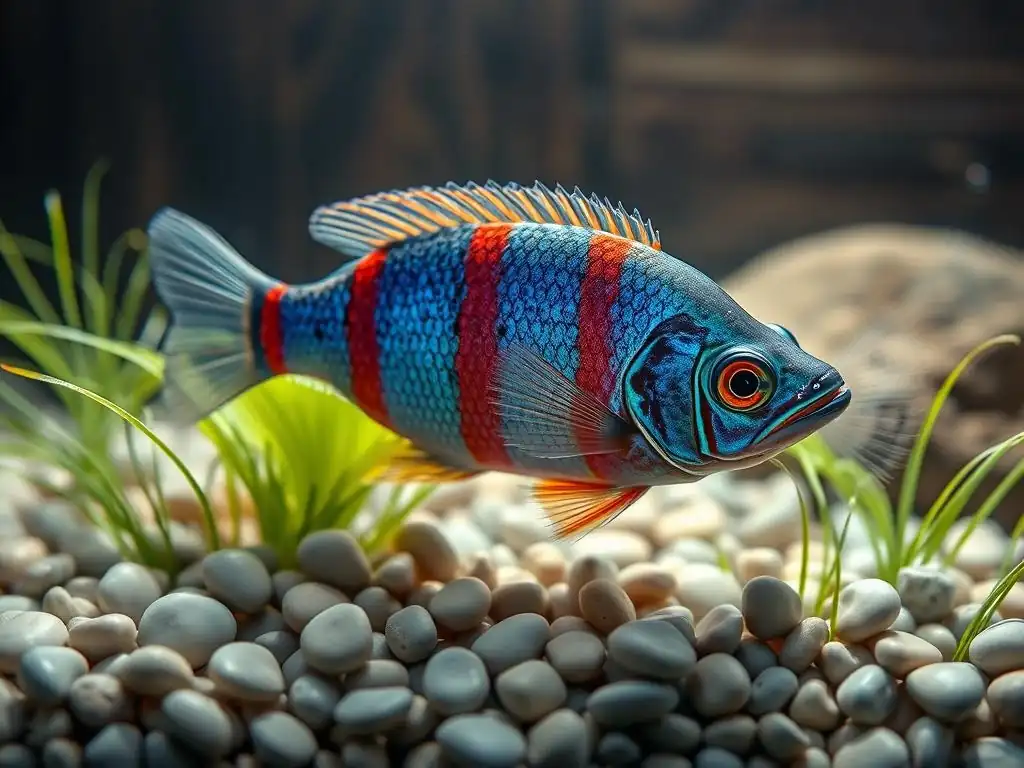
Cyprichromis zonatus is a lesser-known but equally captivating Cyprichromis species, growing to about 5 inches (12.7 cm). Its name, "zonatus," refers to the distinctive vertical banding or zoning patterns seen on the males, which can vary in intensity and color, often featuring shades of blue, black, and yellow. Like its relatives, C. zonatus is a pelagic shoaler, inhabiting the open water column.
These fish thrive in large groups (minimum 6-10 individuals) in spacious aquariums of 75 gallons (284 liters) or more, providing ample vertical and horizontal swimming space. They are generally peaceful and will readily school, exhibiting their natural behaviors when kept in appropriate numbers. The unique banding patterns of the males make C. zonatus a visually distinct and rewarding species for enthusiasts looking to diversify their Tanganyika cichlid aquarium.
Tank Mates for Tanganyika Cichlids: Creating a Harmonious Community
Compatible Species: Choosing the Right Companions
When selecting tank mates for your Tanganyika cichlids, the key is to choose species that occupy different ecological niches within the aquarium, thereby minimizing direct competition for space and resources. For example, shell dwellers (like Neolamprologus multifasciatus) are bottom-dwellers, making them excellent companions for mid-to-upper water column dwellers such as Cyprichromis species or certain featherfins. Similarly, rock-dwelling species (like Julidochromis or certain Lamprologus) can coexist with sand-dwelling species.
Other compatible non-cichlid tank mates include certain types of catfish, such as Synodontis multipunctatus or Synodontis petricola, which are native to Lake Tanganyika. These catfish are typically nocturnal and occupy the bottom of the tank, scavenging for leftover food without interfering with the cichlids' territories. When planning your Tanganyika cichlid aquarium, consider the adult size, temperament, and specific habitat requirements of each species to ensure a balanced and harmonious community.
Avoiding Aggression: Understanding Temperament and Territory
Aggression is a common concern in cichlid aquariums, and while Tanganyikan cichlids are often less aggressive than some other African cichlids, territorial disputes can still arise. Understanding the temperament and territorial needs of each species is crucial for preventing conflicts. For instance, while shell dwellers are small, males can be intensely territorial over their shells and surrounding sand. Providing plenty of shells (more than fish) and ample sand depth can help diffuse aggression.
For rock-dwelling species, creating numerous caves and visual barriers with rockwork helps define territories and allows subdominant individuals to escape. Overcrowding can paradoxically reduce aggression in some cichlids by spreading it out, but for Tanganyikan cichlids, it often leads to chronic stress and disease due to poor water quality. Instead, focus on appropriate stocking levels for your tank size and providing a well-structured environment that caters to each species' natural behavior. Observing your fish regularly for signs of stress or excessive chasing is key to proactive Tanganyika cichlid aquarium care.
Considerations for Mixed Tanganyika Cichlid Tanks
Creating a successful mixed Tanganyika cichlid tank requires careful planning and a deep understanding of species compatibility. The most effective strategy is to select species that inhabit different zones of the aquarium:
- Bottom Dwellers: Shell dwellers ( Neolamprologus, Lamprologus) and some sand sifters ( Callochromis).
- Rock Dwellers: Julidochromis, Altolamprologus, some Lamprologus species.
- Open Water/Pelagic: Cyprichromis species, some featherfins ( Cyathopharynx).
By mixing species from these different niches, you can maximize the diversity within your tank without increasing competition. For example, a tank with a colony of Neolamprologus multifasciatus on the bottom, a pair of Julidochromis transcriptus in the rockwork, and a school of Cyprichromis leptosoma in the upper water column can create a vibrant and harmonious ecosystem. Always ensure the tank is adequately sized for the adult size of all chosen species and that water parameters are suitable for the entire community. This thoughtful approach is essential for comprehensive Tanganyika cichlid aquarium care.
Breeding Tanganyika Cichlids: A Rewarding Experience
Creating Breeding Conditions for Shell Dwellers
Breeding shell-dwelling Tanganyika cichlids is often straightforward and highly rewarding, given the right conditions. The primary requirement is an abundance of appropriate snail shells (such as escargot shells), which serve as their breeding sites and nurseries. For species like Neolamprologus multifasciatus, providing a large number of shells (e.g., 2-3 shells per fish) across a fine sand substrate encourages natural colony formation and spawning.
Water parameters should be stable and within their preferred range (pH 7.8-8.6, hard water, 76-80°F or 24-27°C). A high-quality, varied diet, including live or frozen foods, will condition the fish for breeding. Once a pair or colony establishes, females will lay eggs inside a chosen shell, and the male will fertilize them. The female then guards the eggs and fry within the shell until they are free-swimming. The small size of the fry means they require very fine foods like powdered flakes or newly hatched brine shrimp.
Spawning and Raising Featherfin Fry
Breeding featherfin cichlids, such as Cyathopharynx furcifer or Ophthalmotilapia ventralis, can be more challenging than shell dwellers but is equally rewarding. Most featherfins are maternal mouthbrooders, meaning the female carries the eggs and fry in her mouth for several weeks. To encourage spawning, provide a spacious tank with stable water parameters and appropriate spawning sites, which for many featherfins are flat rocks or open sand pits.
Males will display vibrant colors and engage in elaborate courtship rituals to entice females to spawn. Once the female lays eggs, she immediately picks them up into her mouth. The male then fertilizes them. After 2-4 weeks, depending on the species and temperature, the female will release free-swimming fry. It's often advisable to move the brooding female to a separate "holding" tank to protect the fry from predation. The fry are typically larger than shell dweller fry and can be fed newly hatched brine shrimp or finely crushed flake food.
Breeding Cyprichromis: Tips for Success
Breeding Cyprichromis species is a fascinating experience, as they exhibit unique spawning behaviors for cichlids. They are pelagic mouthbrooders, meaning they spawn in the open water column, typically near the surface or mid-water. Males display intensely vibrant colors and engage in elaborate "shimmering" dances to attract females. Females will release eggs, which are then fertilized by the male, and she immediately scoops them into her mouth.
To successfully breed Cyprichromis, it's best to keep them in a group (e.g., 6-10 individuals) with multiple females per male in a large, tall tank with plenty of open swimming space. This encourages natural shoaling and breeding behaviors. Similar to featherfins, the female will hold the eggs and fry in her mouth for several weeks.
Once the fry are released, they are relatively large and can be fed newly hatched brine shrimp, finely crushed flakes, or cyclops. Providing floating plants or a sponge filter can offer the fry some refuge. Consistent, high-quality Tanganyika cichlid aquarium care with stable water conditions is crucial for successful breeding.
Troubleshooting Common Issues in Tanganyika Cichlid Aquariums
Dealing with Aggression and Territory Disputes
Aggression and territorial disputes are common challenges in Tanganyika cichlid aquariums, especially when species are not carefully chosen or the tank setup is inadequate. The first step in addressing aggression is to ensure the tank size is appropriate for the species and stocking level. A common cause of aggression is insufficient space or too few hiding spots, leading to dominant fish harassing weaker ones.
To mitigate aggression, consider rearranging the tank decor, which can disrupt established territories and force fish to re-establish new ones. Adding more rocks, caves, or shells (for shell dwellers) can provide additional hiding places and visual barriers, allowing subdominant fish to escape.
If a specific fish is overly aggressive, temporary removal to a separate tank for a few days can sometimes reset its behavior. In extreme cases, rehoming an overly aggressive individual or adjusting the male-to-female ratio (e.g., adding more females to dilute male aggression) may be necessary to maintain a peaceful environment, which is paramount for long-term Tanganyika cichlid aquarium care.
Addressing Water Quality Problems
Water quality issues, such as high nitrates, ammonia, or unstable pH, are detrimental to Tanganyika cichlids and can lead to stress, disease, and even death. The most effective way to address water quality problems is through consistent and diligent maintenance. Regularly test your water parameters (pH, ammonia, nitrite, nitrate, GH, KH) using a reliable liquid test kit. If ammonia or nitrite are present, perform immediate, large water changes (50% or more) and check your filtration system for blockages or filter media degradation.
High nitrates indicate insufficient water changes or overfeeding; increase the frequency or volume of your weekly water changes and reduce feeding amounts. For pH or hardness fluctuations, ensure your buffering capacity (KH) is stable. Adding crushed coral to the substrate or filter media can help maintain consistent high pH and hardness. Always use dechlorinated, temperature-matched water for changes. Proactive monitoring and consistent water changes are the cornerstones of successful Tanganyika cichlid aquarium care.
Identifying and Treating Fish Diseases
Early identification and prompt treatment are crucial when dealing with fish diseases in a Tanganyika cichlid aquarium. Observe your fish daily for any signs of illness, such as unusual swimming patterns, clamped fins, loss of appetite, discoloration, white spots (Ich), bloating, or frayed fins. Many diseases are stress-related, often triggered by poor water quality or improper diet.
If a fish shows signs of illness, the first step is to re-check all water parameters to ensure they are optimal. Isolate the affected fish in a separate quarantine tank if possible to prevent the spread of disease and to allow for targeted treatment without affecting the main tank's beneficial bacteria or other fish. Research the specific symptoms to identify the disease and use appropriate aquarium-safe medications, following dosage instructions carefully. For internal issues like bloat, Epsom salts or specific anti-parasitic medications may be effective. Maintaining excellent Tanganyika cichlid aquarium care practices significantly reduces the likelihood of disease outbreaks.
Resources for Tanganyika Cichlid Keepers: Further Learning
Recommended Books and Websites for Tanganyika Cichlid Information
For dedicated Tanganyika cichlid keepers, delving deeper into specialized resources can greatly enhance your understanding and success. Several comprehensive books offer in-depth information on Lake Tanganyika's cichlids, covering their natural habitats, species profiles, breeding behaviors, and detailed aquarium care. Look for titles by renowned authors in the cichlid community, often featuring stunning photography and detailed scientific information. These books often provide precise details on species-specific needs, which are invaluable for advanced Tanganyika cichlid aquarium care.
Beyond printed materials, numerous reputable websites and online databases are dedicated to Tanganyikan cichlids. These platforms often feature extensive species profiles, articles on tank setup and maintenance, and forums where experienced aquarists share their knowledge. Searching for sites maintained by scientific institutions, reputable breeders, or long-standing aquarium communities can provide accurate and current information, helping you stay abreast of best practices in Tanganyika cichlid aquarium care.
Joining Tanganyika Cichlid Communities and Forums
Engaging with the broader Tanganyika cichlid community is an invaluable resource for any aquarist, from beginner to expert. Online forums and social media groups dedicated specifically to Lake Tanganyika cichlids provide a platform to connect with other enthusiasts, share experiences, and seek advice. These communities are often rich with collective knowledge, offering practical tips on everything from sourcing rare species to troubleshooting complex aquarium issues.
By joining these communities, you can ask specific questions, share photos of your setup, and learn from the successes and challenges of others. Many forums also host classified sections where members can buy, sell, or trade fish, sometimes offering access to unique or locally bred specimens. The collaborative nature of these groups fosters continuous learning and can significantly enhance your Tanganyika cichlid aquarium care journey, providing support and inspiration from fellow hobbyists.
Frequently Asked Questions
What are the key considerations when setting up a Tanganyika cichlid aquarium?
The main concerns are water parameters, specifically maintaining a high pH (8.0-9.0) and hardness, and providing appropriate substrate and rockwork for their specific needs. You'll also need a reliable filtration system.
What types of fish are commonly kept in a Tanganyika cichlid aquarium?
Common types include shell dwellers, which require shells for breeding, featherfins with their elaborate fins, and the schooling Cyprichromis, known for their vibrant colors.
What is the ideal diet for Tanganyika cichlids?
Their diet should consist of high-quality cichlid pellets or flakes, supplemented with live or frozen foods like brine shrimp and daphnia to ensure proper nutrition and vibrant coloration.
How often should I perform water changes in a Tanganyika cichlid aquarium?
Regular water changes of 25-50% every 1-2 weeks are crucial for maintaining water quality and preventing the buildup of harmful nitrates, contributing to healthy fish and a stable environment.
What are some common diseases that affect Tanganyika cichlids and how can I prevent them?
Common diseases include Ich (white spot) and bloat. Prevention involves maintaining optimal water parameters, providing a balanced diet, and quarantining new fish before introducing them to the main tank.
Final Reflection: Embracing the Tanganyikan Tapestry
The journey into the world of Tanganyikan cichlids, as we've explored, reveals not just the intricacies of aquarium care for these unique fish, but also a profound lesson in biodiversity and the delicate balance of aquatic ecosystems. The specific needs of shell dwellers, featherfins, and Cyprichromis are a microcosm of the larger challenges facing our planet's natural wonders, demanding a mindful approach to conservation and responsible aquarium keeping.
The allure of Lake Tanganyika's inhabitants extends far beyond their vibrant colors and fascinating behaviors. These fish, in their miniature aquatic worlds, mirror the complexities of our own society, highlighting the importance of understanding and respecting diverse needs. In the end, we will conserve only what we love; we will love only what we understand; and we will understand only what we are taught.
- Baba Dioum's words resonate deeply, urging us to cultivate a deeper appreciation for these often-overlooked creatures and the fragile environment they call home.
As you embark on your own journey into the world of Tanganyikan cichlids, remember that you are not just a hobbyist, but a steward of a small piece of this incredible ecosystem. Let the knowledge gained here inspire you to create thriving environments, promote responsible breeding practices, and advocate for the preservation of Lake Tanganyika's unparalleled biodiversity. The future of these Tanganyikan treasures, and indeed, the future of our planet's aquatic wonders, rests in our collective hands.
Unearth Your Own Tanganyikan Paradise!
Thank you for diving into the captivating world of Lake Tanganyika! We hope you’ve found inspiration in the diverse beauty of its shell dwellers, featherfins, and Cyprichromis. Now it's time to bring a piece of that underwater wonderland to your own home!
- Craft your very own slice of Lake Tanganyika by starting a shell dweller aquarium. Experience the joy of watching these tiny titans build their homes and raise their families right before your eyes.
- Delve deeper! Research one fascinating fact about Cyprichromis coloration and share it with a fellow aquarium enthusiast. Spark a conversation and spread the aquatic knowledge.
- Dare to be different: Instead of the usual substrate, experiment with a fine aragonite sand bed to mimic the natural environment of these unique fish.
What unexpected discovery will you make as you embark on your Tanganyikan adventure?