
Advanced Techniques for Separating Tetra Fry by Size with Aquarium Mastery

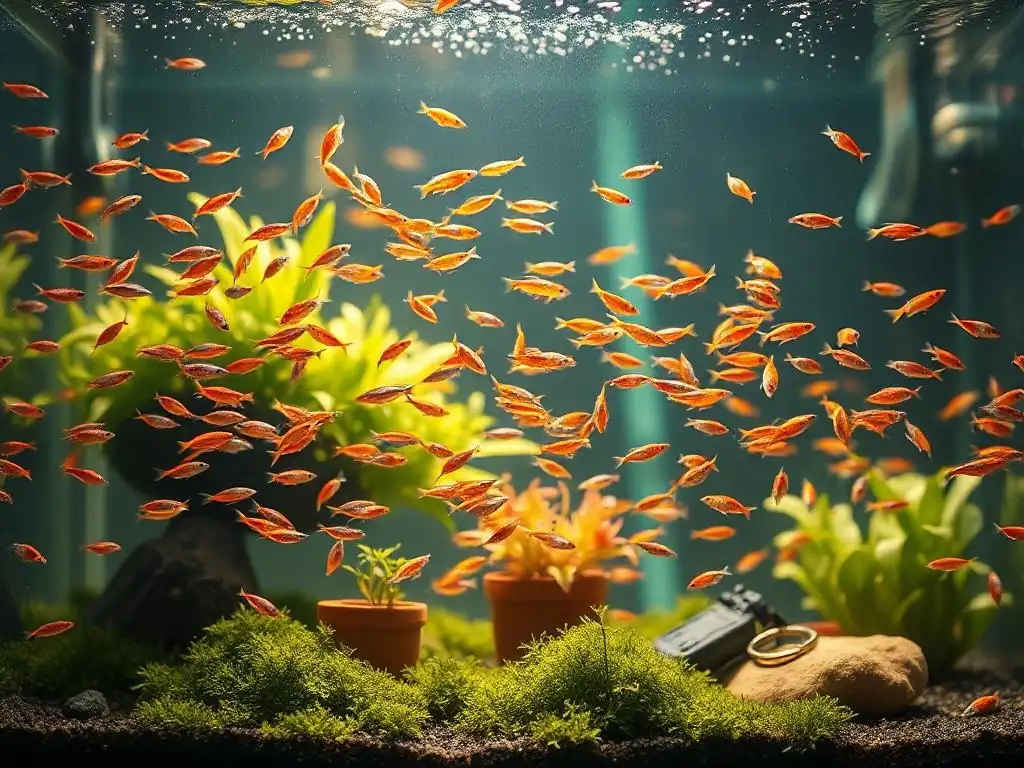
Welcome to Aquarium Mastery, where your aquatic dreams come to life!
Ever wondered how to ensure the best survival rates for your delicate Tetra fry? Discover the secrets to successful Tetra fry size separation in our comprehensive guide below. We'll unlock advanced techniques that will help you nurture a thriving community, preventing the pitfalls and maximizing the potential of your freshwater aquarium. Ready to dive in and master the art of Tetra fry care?
- Advanced Techniques for Separating Neon Tetra Fry by Size for Optimal Growth
- Understanding the Importance of Neon Tetra Fry Size Separation
-
Essential Equipment for Neon Tetra Fry Size Separation
- Selecting the Right Breeding Tank for Neon Tetra Fry (e.g., 5-10 gallon tank)
- Utilizing Fine Mesh Nets (e.g., Brine Shrimp Net) for Gentle Fry Handling
- Choosing Appropriate Grow-Out Tanks for Different Neon Tetra Fry Sizes (e.g., 10-20 gallon tanks)
- The Importance of a Reliable Magnifying Glass for Visual Inspection
- Neon Tetra Fry Size Separation Methods: A Step-by-Step Guide
- Optimizing Grow-Out Tanks After Neon Tetra Fry Size Separation
- Advanced Tips for Maximizing Neon Tetra Fry Growth and Survival Post-Separation
- Troubleshooting Common Issues in Neon Tetra Fry Size Separation
- Conclusion: Mastering Neon Tetra Fry Size Separation for Aquarium Success
- Frequently Asked Questions
- Final Reflection: Nurturing Growth, One Fry at a Time
- Ignite Your Tetra Fry Growth!
Advanced Techniques for Separating Neon Tetra Fry by Size for Optimal Growth
Understanding the Importance of Neon Tetra Fry Size Separation
Why Size Separation is Crucial for Neon Tetra Fry Survival
The practice of separating neon tetra fry by size is paramount for their overall survival and healthy development. In a typical spawn, newly hatched fry, measuring only about 2-3 millimeters, exhibit a natural variation in growth rates, even if only by slight margins. This initial disparity can quickly escalate, leading to significant differences in size within a single brood over just a few days. Without intervention, smaller, slower-growing fry are often outcompeted for vital resources such as food and swimming space.
This competition directly impacts the weaker individuals, often resulting in stunted growth or, tragically, death due to starvation. By carefully implementing tetra fry size separation techniques, aquarists can ensure that each size group receives adequate nutrition tailored to its specific needs, fostering a more uniform growth rate across the entire cohort. This method not only maximizes the number of fry that reach maturity but also contributes to the development of stronger, healthier adult fish.
Consequences of Not Separating Neon Tetra Fry by Size: Cannibalism and Uneven Growth
Failing to separate neon tetra fry by size introduces several critical risks to the entire brood. The most severe consequence is cannibalism, a common behavior among many fish species when significant size differences exist and food resources are perceived as scarce. Fry that are 20% or more larger than their siblings can, and often will, prey on the smaller individuals, drastically reducing the overall survival rate of the batch. This is particularly prevalent in the first few weeks when fry are most vulnerable.
Beyond cannibalism, the lack of tetra fry size separation leads to pronounced uneven growth. Smaller fry, constantly outmaneuvered by their larger tankmates for food, become malnourished and stressed. This chronic stress can weaken their immune systems, making them more susceptible to disease, and ultimately prevent them from ever reaching their full genetic potential, often resulting in permanently stunted fish that may only grow to half the adult size of 1.5 inches. Such uneven development compromises the health and vitality of the entire group.
The Role of Proper Husbandry in Neon Tetra Fry Success
While tetra fry size separation is a specialized technique, its success is deeply rooted in excellent general husbandry practices. A clean, stable environment is non-negotiable for the delicate fry. This includes maintaining pristine water quality, which means performing regular, small water changes—often 10-20% daily for fry tanks—to prevent the buildup of harmful ammonia and nitrites. Consistent water parameters, particularly temperature and pH, are also vital to minimize stress and promote healthy metabolism.
Proper feeding, both in terms of type and frequency, is another cornerstone of successful fry rearing. Newly hatched neon tetra fry require microscopic foods like infusoria, transitioning to microworms and then newly hatched brine shrimp as they grow. Providing these appropriate foods multiple times a day ensures that all fry, regardless of their initial size, have ample opportunity to feed. When combined with strategic tetra fry size separation, superior husbandry creates an optimal environment that significantly boosts the chances of a large, healthy yield.
Essential Equipment for Neon Tetra Fry Size Separation
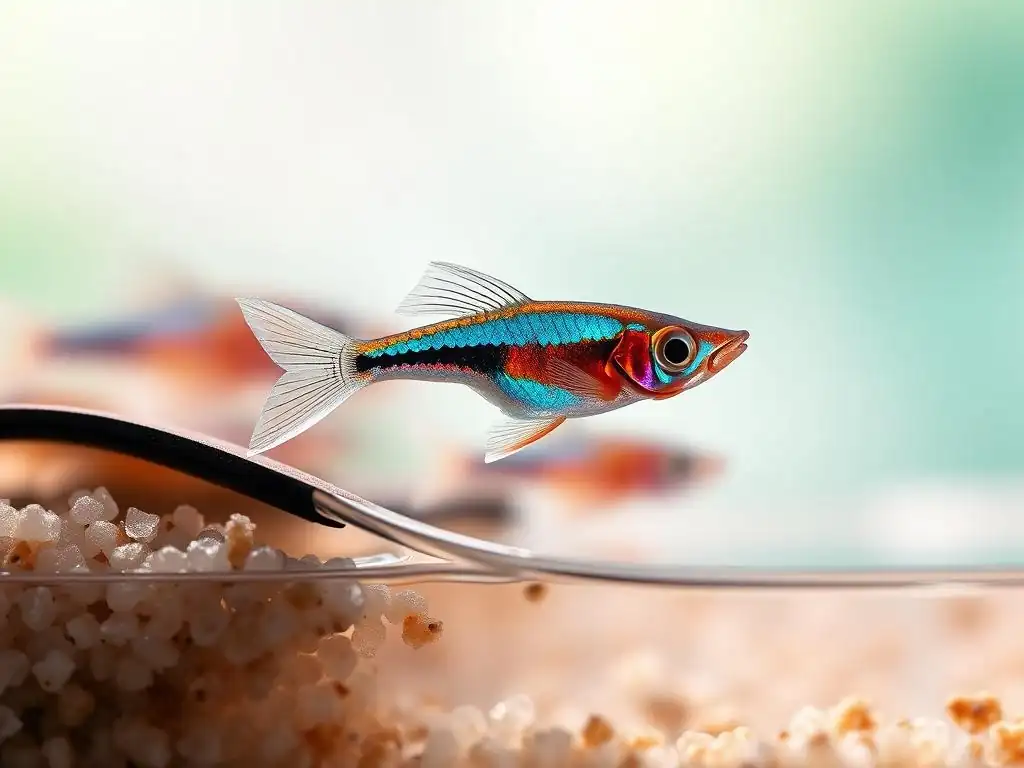
Selecting the Right Breeding Tank for Neon Tetra Fry (e.g., 5-10 gallon tank)
The initial breeding tank for neon tetra fry plays a crucial role in the ease and effectiveness of subsequent tetra fry size separation. A smaller tank, typically ranging from 5 to 10 gallons, is highly recommended over larger setups. This confined space makes it considerably easier to locate and collect the tiny, transparent fry after they hatch, as they tend to congregate in certain areas or near the bottom.
Furthermore, a smaller tank volume allows for more precise control over water parameters and makes daily maintenance tasks, such as removing uneaten food and performing small water changes, much simpler. For instance, a 5-gallon tank provides adequate space for a single breeding pair or trio to spawn, while also ensuring that the delicate eggs and newly hatched fry are easily accessible for observation and collection without undue disturbance, setting the stage for efficient size sorting.
Utilizing Fine Mesh Nets (e.g., Brine Shrimp Net) for Gentle Fry Handling
When handling the incredibly delicate neon tetra fry, the choice of netting material is critical to prevent injury. Standard aquarium nets are far too coarse and can easily damage the fry's fins, scales, or even internal organs. Instead, a very fine mesh net, such as those specifically designed for collecting brine shrimp, is indispensable. These nets typically feature a mesh size of 150-200 microns.
The fine weave of a brine shrimp net allows water to pass through freely while safely retaining even the smallest fry. This gentle approach minimizes stress and physical trauma during the tetra fry size separation process. Always ensure the net is thoroughly rinsed with dechlorinated water before and after use to prevent the transfer of contaminants or diseases between tanks.
Choosing Appropriate Grow-Out Tanks for Different Neon Tetra Fry Sizes (e.g., 10-20 gallon tanks)
Successful tetra fry size separation necessitates having multiple grow-out tanks ready to house the different size groups. As the fry are separated, they should be moved to tanks appropriate for their current size and expected growth. For a batch of approximately 100 fry, having two 10-gallon tanks is a good starting point—one for the larger fry and one for the smaller. This provides ample space, reducing competition and allowing each group to thrive.
As the fry continue to grow, these 10-gallon tanks may become too crowded. It is often necessary to upgrade to larger volumes, such as 20-gallon long tanks, particularly for the faster-growing groups. The general rule of thumb is to provide at least 1 gallon of water per 5-10 juvenile tetras as they mature, ensuring sufficient swimming space, stable water parameters, and reduced stress for optimal development.
The Importance of a Reliable Magnifying Glass for Visual Inspection
A reliable magnifying glass is an often-underestimated but essential tool for accurate tetra fry size separation. Due to the minute size of neon tetra fry, especially in their first week or two, discerning subtle differences in length and girth with the naked eye can be challenging. A good quality magnifying glass, such as a jeweler's loupe or a dedicated aquarium magnifying glass with 5x to 10x magnification, becomes invaluable.
Using a magnifying glass allows the aquarist to precisely identify fry that are perhaps only 0.5-1 millimeter larger or smaller than their siblings. This level of detail is crucial for effective sorting, ensuring that the separation is as accurate as possible and that no significantly larger or smaller individuals are left within a group, which could undermine the benefits of the entire tetra fry size separation effort.
Neon Tetra Fry Size Separation Methods: A Step-by-Step Guide
Method 1: Visual Inspection and Manual Separation
How to Identify Size Differences in Neon Tetra Fry (e.g., using a bright light)
Identifying size differences in neon tetra fry, especially when they are only a few days old, requires keen observation and the right tools. Position a bright, focused light source, such as an LED flashlight or a strong desk lamp, against the side of the tank where the fry are most visible.
The light will illuminate their transparent bodies, making it easier to discern their minute lengths and the subtle variations in their girth. For instance, fry from the same spawn might vary by 1-2 millimeters in length within their first week, with some reaching 4mm while others remain at 2mm.
Observe the fry as they swim or rest. Look for consistent patterns in size—are some noticeably longer, or do they appear more robust? It's often helpful to compare them against a fine ruler or a printed grid taped to the outside of the tank to get a sense of their actual dimensions. This precise visual assessment is the foundation of effective tetra fry size separation.
Best Practices for Minimizing Stress During Manual Separation (e.g., using a small container)
Minimizing stress during manual tetra fry size separation is critical for their survival. The delicate nature of neon tetra fry means that any rough handling can lead to injury or shock. Instead of directly netting them, which can be abrasive, use a small, smooth-edged container, such as a 100ml plastic beaker or a small, soft-sided plastic cup. Gently submerge the container and allow the fry to swim into it, or carefully scoop them up with a small amount of tank water.
Transfer the fry quickly but smoothly to their designated grow-out tank. Ensure the water in the receiving tank is at the exact same temperature and has similar parameters (pH, hardness) as the original tank to prevent thermal or chemical shock. Moving fry in small batches also reduces stress on both the fry and the aquarist, making the manual tetra fry size separation process less daunting and more successful.
Creating a Neon Tetra Fry Separation Log for Tracking Growth (e.g., noting dates and sizes)
Maintaining a detailed log is an invaluable practice for optimizing your tetra fry size separation efforts and tracking the progress of your batches. For each separation event, record the date, the approximate number of fry in each newly formed size group, and their estimated average length. For example, an entry might read: "Day 7: Group A (Larger) - approx. 50 fry, avg. 4mm; Group B (Smaller) - approx. 70 fry, avg. 3mm."
This log serves as a powerful tool for monitoring growth rates, identifying which feeding strategies are most effective for each size group, and determining when the next round of tetra fry size separation might be necessary. Over time, these records can help you refine your breeding and rearing techniques, leading to consistently better outcomes and healthier fry.
Method 2: Using Graded Sieve Systems for Efficient Sorting
Choosing the Correct Mesh Sizes for Neon Tetra Fry Separation (e.g., 500µm, 1mm, 2mm)
For larger batches of neon tetra fry, graded sieve systems offer a more efficient and less stressful method for tetra fry size separation than individual manual sorting. The key is selecting the correct mesh sizes. For very young fry, a sieve with a 500-micrometer (0.5mm) mesh can be used to separate the smallest individuals from slightly larger ones. As the fry grow, sieves with progressively larger mesh sizes become appropriate.
For example, a 1mm mesh sieve can effectively separate fry measuring 4-5mm from those that are 2-3mm. Later, a 2mm mesh sieve can be used for fry approaching 8-10mm in length. By carefully choosing and using a series of these sieves, you can quickly and accurately sort large numbers of fry into distinct size categories, significantly streamlining the tetra fry size separation process.
Building a DIY Fry Sieve System
A DIY fry sieve system can be cost-effective and tailored to your specific needs for tetra fry size separation. A common approach involves using standard PVC pipes cut into rings, onto which fine mesh screen material is securely attached. Specialized aquaculture mesh or even very fine window screen material can be used, ensuring the mesh is taut and free of wrinkles. These rings can then be stacked for sequential sorting.
Alternatively, you can modify plastic containers by drilling numerous small holes in their bottoms and then affixing the chosen mesh size over the holes. Ensure the holes are slightly smaller than the mesh openings to provide support. When using, place the sieves into a larger container of tank water, gently pour the fry in, and lift the sieve slowly. The smaller fry will pass through, while the larger ones remain, facilitating precise tetra fry size separation.
Cleaning and Maintaining Your Fry Sieve System (e.g., using a soft brush)
Proper cleaning and maintenance of your fry sieve system are essential to prevent the buildup of bacteria, algae, or fungal spores that could harm delicate fry. After each use, immediately rinse all components of the sieve system thoroughly with clean, dechlorinated water. Pay close attention to the mesh, as uneaten food particles or biological film can easily accumulate.
Use a soft-bristled brush, such as a dedicated aquarium brush or a soft toothbrush, to gently scrub the mesh and framework, ensuring all debris is removed without damaging the fine material. Allow the sieves to air-dry completely before storing them in a clean, dry place. This meticulous cleaning routine ensures that your tetra fry size separation equipment remains hygienic and ready for the next use, contributing to the overall health of your fry.
Method 3: Utilizing a Modified Turkey Baster for Gradual Separation
Designing a Neon Tetra Fry Baster-Based System for Effective Size Sorting
A modified turkey baster offers a remarkably gentle and effective method for gradual tetra fry size separation, particularly useful for smaller batches or for refining groups. A standard kitchen turkey baster can be used as is, or you can slightly widen the tip by carefully trimming it if you find it too narrow for larger fry. The key to this method lies in controlling the suction strength.
To design your system, consider using clear plastic containers or small breeder boxes within the main tank. Gently squeeze the baster bulb to create a controlled suction and carefully approach the fry. You can selectively pick up fry of a certain size by adjusting the amount of suction—a lighter squeeze for smaller fry, a firmer one for larger. This allows for precise, targeted removal of specific size individuals during tetra fry size separation.
Monitoring and Adjusting the Baster for Optimal Results
Effective use of the baster for tetra fry size separation requires continuous monitoring and adjustment. As you begin to collect fry, immediately observe the size of the individuals being drawn into the baster. If you consistently find yourself collecting fry that are either too small or too large for your target group, adjust the pressure on the bulb. A lighter touch will collect only the most active or smallest fry, while a stronger, quicker squeeze can capture larger, faster-moving individuals.
Also, vary the angle and depth at which you position the baster tip. Sometimes, approaching from above or below can make a difference in which fry are collected. Practice on a few non-critical fry first to develop a feel for the technique and the responsiveness of your specific baster. This iterative process of monitoring and adjustment ensures optimal results during tetra fry size separation.
Combining Baster Separation with Manual Separation for Refinement
For the most precise and effective tetra fry size separation, combining the baster method with visual manual separation can yield superior results. Begin by using the modified turkey baster to perform the initial bulk separation, efficiently moving the majority of the larger or smaller fry into their respective grow-out tanks. This significantly reduces the overall number of fry you need to meticulously inspect.
Once the bulk separation is complete, use the visual inspection method with a magnifying glass to meticulously go through the remaining fry in each group. This allows you to identify and manually re-sort any outliers that might have been missed by the baster, ensuring that each size group is as uniform as possible. This two-pronged approach maximizes accuracy and minimizes stress during the crucial tetra fry size separation process.
Optimizing Grow-Out Tanks After Neon Tetra Fry Size Separation
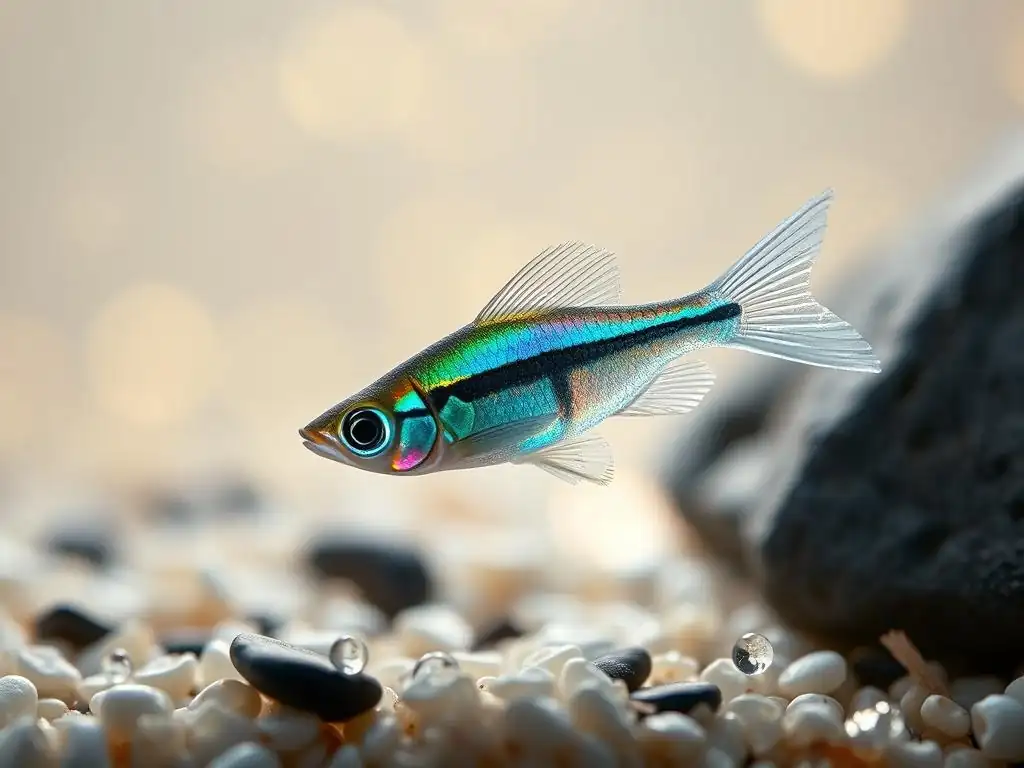
Maintaining Ideal Water Parameters for Each Size Group
Temperature and pH Considerations for Young Neon Tetra Fry (e.g., 78-80°F, pH 6.0-7.0)
After tetra fry size separation, maintaining precise water parameters in the grow-out tanks is non-negotiable for the health and rapid growth of neon tetra fry. Temperature plays a critical role, influencing metabolism and appetite. For young neon tetra fry, a stable temperature range of 78-80°F (25.5-26.7°C) is highly recommended, as it promotes faster growth rates without undue stress. Fluctuations should be avoided, ideally kept within a 1°F range.
The pH level is equally important. Neon tetras originate from soft, acidic waters, so a pH between 6.0 and 7.0 is ideal for their fry. This range minimizes osmotic stress and supports proper physiological functions. Regular testing with reliable kits (e.g., daily for ammonia/nitrite, weekly for pH/nitrate) is crucial to ensure these parameters remain within the optimal range for each separated group, contributing to successful tetra fry size separation outcomes.
Adjusting Filtration for Different Neon Tetra Fry Sizes (e.g., sponge filter)
The filtration system in fry grow-out tanks must be carefully chosen and adjusted to prevent harm to the delicate inhabitants. For all neon tetra fry size groups, sponge filters are overwhelmingly the preferred choice. They provide excellent biological filtration, housing beneficial bacteria that break down ammonia and nitrites, without creating a strong current that could exhaust or injure the tiny fry. Their porous structure also provides additional surface area for beneficial microorganisms.
As the fry grow larger, typically after a few weeks, a small hang-on-back (HOB) filter can be introduced, but only with a pre-filter sponge placed over the intake tube. This prevents fry from being sucked into the filter. The flow rate of any filtration should be gentle, ensuring the water is circulated without creating turbulence that could stress the neon tetra fry after tetra fry size separation.
Providing Appropriate Food and Feeding Schedules
Live Food Options for Newly Separated Neon Tetra Fry (e.g., infusoria, microworms)
Nutrition is the cornerstone of rapid growth for neon tetra fry, and live foods are indispensable, especially for newly separated batches. For fry in their first 5-7 days post-hatch, infusoria (microscopic aquatic organisms) are the perfect size and provide essential nutrients. These can be cultured at home using vegetable matter or specialized kits. As the fry grow, typically around day 5-14, they can transition to microworms, which are slightly larger and packed with protein.
Beyond two weeks, newly hatched brine shrimp nauplii become an excellent live food source, offering superior nutritional value and encouraging feeding behavior. The movement of live food stimulates the fry's predatory instincts, ensuring they consume enough to fuel their rapid development. Providing these varied live food options is critical for maximizing growth after tetra fry size separation.
Supplementing with Powdered Fry Food for Optimal Growth (e.g., Hikari First Bites)
While live foods are highly beneficial, supplementing with high-quality powdered fry foods can ensure a balanced diet and provide a consistent nutritional base. Products like Hikari First Bites or Sera Micron are specifically formulated with the small particle size and nutrient profile required by developing fry. These foods typically contain high protein levels, essential fatty acids, and vitamins crucial for rapid growth and development.
When feeding powdered foods, sprinkle very small amounts onto the water surface. Overfeeding can quickly foul the water, leading to dangerous ammonia spikes. It's often better to feed tiny amounts more frequently than larger amounts less often. This supplementary feeding strategy, combined with live foods, ensures that all fry in the separated groups receive comprehensive nutrition, supporting the benefits of tetra fry size separation.
Implementing a Consistent Feeding Schedule (e.g., 3-4 times per day)
A consistent and frequent feeding schedule is paramount for neon tetra fry, whose high metabolism requires a constant supply of nutrients. After tetra fry size separation, aim to feed the fry at least 3-4 times per day, or even more frequently in very small quantities, especially during their first few weeks. This ensures that food is always available to meet their rapid growth demands.
The key is "little and often." Each feeding should be small enough to be consumed within 5-10 minutes. Any uneaten food should be removed promptly to maintain water quality. Establishing a routine helps the fry anticipate feeding times and reduces stress. A consistent schedule, combined with appropriate food types, directly contributes to the success of your tetra fry size separation efforts by promoting robust growth.
Preventing Disease and Maintaining a Healthy Environment
Regular Water Changes and Tank Maintenance (e.g., 10-20% weekly)
Maintaining pristine water quality is the single most important factor in preventing disease among delicate neon tetra fry, especially after the stress of tetra fry size separation. Daily water changes of 10-20% are often necessary for fry tanks, using temperature-matched, dechlorinated water. This frequent regimen removes uneaten food, waste products, and dissolved organic compounds that can quickly degrade water quality and lead to harmful ammonia and nitrite spikes.
Beyond water changes, thorough tank maintenance is crucial. Gently siphon any debris or uneaten food from the tank bottom using a small airline tubing. Regularly wipe down the tank glass to prevent algae buildup. These diligent practices minimize the presence of pathogens and maintain a clean, stable environment that supports the health and growth of your separated fry groups.
Identifying and Treating Common Fry Diseases (e.g., Ich)
Despite best efforts, neon tetra fry can still be susceptible to common diseases, particularly due to their developing immune systems and the stress of tetra fry size separation. Ich (Ichthyophthirius multifiliis), or white spot disease, is one of the most prevalent. Symptoms include small white spots resembling salt grains on the body and fins, rapid breathing, and flashing against surfaces.
Early identification is key. If Ich is suspected, slowly raise the water temperature to 82-84°F (28-29°C) over 24 hours, as this can accelerate the Ich life cycle, making it easier to treat. Adding aquarium salt (1 teaspoon per gallon, dissolved first) gradually can also help, but always research species-specific tolerance. Mild, fry-safe medications may be considered as a last resort, but prevention through excellent water quality and minimal stress is always preferred.
Quarantine Procedures for New or Sick Fry
Implementing strict quarantine procedures is a critical preventative measure to safeguard the health of your neon tetra fry, especially when dealing with multiple separated groups or introducing new stock. Any fry showing signs of illness, such as lethargy, clamped fins, discolored patches, or erratic swimming, should be immediately isolated in a separate hospital tank. This prevents the potential spread of disease to the healthy populations in your grow-out tanks.
Similarly, if you ever introduce new fry from an outside source (though generally not recommended for breeding consistency), quarantine them for at least two weeks before integrating them into your existing groups. A small 1-2 gallon tank with minimal filtration (e.g., a small sponge filter) can serve as an effective quarantine or hospital tank. This proactive approach protects your entire breeding operation and the success of your tetra fry size separation efforts.
Advanced Tips for Maximizing Neon Tetra Fry Growth and Survival Post-Separation
Understanding the Role of Genetics in Neon Tetra Fry Size Variation
While environmental factors like water quality and feeding are paramount, it's important to understand that genetics also play a significant role in neon tetra fry size variation. Even with perfect husbandry and meticulous tetra fry size separation, some inherent differences in growth rates will persist due to genetic predispositions inherited from the parent fish. Some individuals within a spawn may simply possess genes that lead to faster or slower growth, or a slightly larger or smaller adult size.
To optimize the genetic potential of your fry, select only the healthiest, most robust, and ideally, largest adult neon tetras for breeding. Over successive generations, selective breeding can help to reduce the natural variation in size and improve overall growth rates within your lines. This genetic understanding complements your environmental control, leading to a more comprehensive approach to maximizing fry success.
Optimizing Lighting Conditions for Enhanced Growth (e.g., subdued lighting)
The lighting conditions in neon tetra fry grow-out tanks can significantly impact their comfort, feeding behavior, and ultimately, their growth. Neon tetras, being native to blackwater environments with dense overhead canopy, prefer subdued lighting. Overly bright or prolonged lighting can stress the delicate fry, making them shy and less inclined to feed actively, which directly hinders their growth.
Aim for a consistent photoperiod of 8-10 hours of subdued light per day. This can be achieved using a standard LED aquarium light on a lower setting, or by simply relying on ambient room light if the tank is in a well-lit but not directly sunlit area. Providing a period of darkness allows fry to rest and reduces stress, contributing positively to their development after tetra fry size separation.
Introducing Live Plants for Water Quality and Shelter (e.g., Java Moss)
Introducing live plants into neon tetra fry grow-out tanks offers multiple benefits that enhance water quality and provide crucial shelter. Fine-leaved plants like Java Moss ( Taxiphyllum barbieri) are particularly excellent choices. They provide abundant hiding spots, which can reduce stress for shy fry and offer a sense of security, encouraging them to explore and feed more readily.
Beyond shelter, live plants act as natural biofilters, absorbing nitrates and other waste products from the water, thus contributing to a cleaner, healthier environment. They also provide a surface for beneficial microorganisms and, in some cases, infusoria to grow, offering an additional, continuous food source for newly hatched fry. This natural integration significantly supports the overall well-being and growth of your separated neon tetra fry.
Monitoring Neon Tetra Fry Growth Rates and Adjusting Techniques Accordingly
Effective tetra fry size separation is not a one-time event but an ongoing process that requires continuous monitoring and adaptation. Regularly observe your separated fry groups, perhaps weekly, to assess their growth rates. Are they growing as expected? Is there still uneven growth within a supposedly uniform group? These observations are critical for making informed adjustments.
If you notice a particular group is not thriving, or if new size discrepancies emerge, re-evaluate your feeding regimen (type, amount, frequency), water parameters, and even tank density. It might be necessary to perform another round of tetra fry size separation if significant differences reappear. This proactive monitoring and willingness to adjust techniques based on real-time observations are hallmarks of successful advanced fry rearing.
Troubleshooting Common Issues in Neon Tetra Fry Size Separation
Fry Escaping Separation Tanks
A common and frustrating issue in tetra fry size separation is fry escaping their designated tanks. Due to their incredibly small size and ability to squeeze through tiny gaps, escapes can happen if a tank is not completely secured. The most frequent escape routes are through gaps in the lid, around filter intakes, or even through loosely fitted equipment.
To prevent this, ensure all lids are tightly fitted and cover the entire tank opening. Even a 1-2 millimeter gap can be sufficient for a tiny neon tetra fry to slip through. For filter intakes, always place a fine sponge pre-filter over the opening to prevent fry from being sucked in or swimming into the filter housing. Regularly inspect your setup for any potential openings, as fry are surprisingly adept at finding them.
Difficulty Identifying Size Differences
Difficulty identifying subtle size differences is a common challenge, especially with very young neon tetra fry (under 5 days old) or when lighting conditions are poor. Their translucent bodies and minute dimensions can make precise visual distinction arduous. This can lead to less effective tetra fry size separation, undermining the benefits of the technique.
To overcome this, use a strong magnifying glass or a jeweler's loupe (5x-10x magnification) combined with a focused, bright light source. Position the light directly on the side of the tank to illuminate the fry's bodies. If differences are still imperceptible, consider waiting an additional 24-48 hours. As fry grow, their individual growth rates often diverge more noticeably, making subsequent tetra fry size separation much easier.
High Fry Mortality Rates After Separation
Experiencing high fry mortality rates shortly after tetra fry size separation is a serious concern that points to significant underlying issues. The primary culprits are typically stress from handling, inadequate water parameters in the new grow-out tank, or insufficient food availability. Any of these factors can overwhelm the delicate fry, leading to rapid decline.
Immediately check the water parameters (temperature, pH, ammonia, nitrite, nitrate) in the new tank to ensure they are stable and match the original tank. Verify that the food being offered is appropriate in size and type, and that it is available in sufficient quantities. Re-evaluate your handling technique during separation, aiming for even gentler transfers. Addressing these core issues promptly is vital to halt further losses and ensure the success of your tetra fry size separation efforts.
Uneven Growth Despite Separation
If, despite your best efforts at tetra fry size separation, you still observe significant uneven growth within a supposedly uniform group, it indicates that further refinement is needed. This can happen for several reasons, including incomplete initial separation, some fry still outcompeting others for food, or even hidden genetic variations becoming more pronounced.
First, re-evaluate your feeding strategy. Are all fry getting enough food, or are the more aggressive eaters still dominating? Increase feeding frequency or distribute food more widely. Second, perform another round of tetra fry size separation on the problematic group, being even more meticulous in identifying outliers. Sometimes, a "bully" fry can emerge, needing isolation. Consistent monitoring and iterative adjustments are key to achieving truly uniform growth.
Conclusion: Mastering Neon Tetra Fry Size Separation for Aquarium Success
Recap of Key Techniques and Best Practices
Mastering neon tetra fry size separation is an advanced yet highly rewarding technique for any aquarist committed to maximizing the yield and health of their neon tetra spawns. The core principles revolve around understanding the crucial need for separation to prevent cannibalism and uneven growth, selecting the right specialized equipment like fine mesh nets and multiple grow-out tanks, and diligently executing proven separation methods. Whether employing meticulous visual inspection, efficient graded sieve systems, or the gentle precision of a modified turkey baster, success hinges on attention to detail.
Beyond the act of separation itself, optimizing the post-separation environment is paramount. This includes maintaining pristine and stable water parameters, providing appropriate and frequent feeding with both live and powdered foods, and implementing robust disease prevention strategies. Ultimately, successful tetra fry size separation is a harmonious blend of specialized techniques, meticulous husbandry, and continuous observation, culminating in a thriving population of healthy, uniformly grown neon tetras.
Further Resources and Learning Opportunities on Neon Tetra Fry Care
The journey of mastering neon tetra fry care, including advanced techniques like tetra fry size separation, is an ongoing process of learning and refinement. For those seeking to deepen their knowledge and troubleshoot specific challenges, a wealth of resources is available. Websites like AquariumMastery.com offer comprehensive guides on all aspects of freshwater fish care, from species-specific profiles and breeding protocols to detailed troubleshooting for common tank issues.
Exploring these resources can provide invaluable insights into water chemistry, filtration optimization, and advanced feeding strategies tailored for delicate fry. Engaging with online forums and communities dedicated to fish breeding can also offer practical advice and shared experiences from seasoned aquarists. Continuous learning and a dedication to best practices will undoubtedly lead to greater success in your neon tetra breeding endeavors and the mastery of tetra fry size separation.
Frequently Asked Questions
How important is size separation for Tetra fry survival?
Size separation is crucial for survival because larger fry can outcompete smaller ones for food. It also helps prevent cannibalism, which is more common when there's a significant size difference.
What's the best method for separating Tetra fry by size?
Using a series of breeder boxes or small tanks with varying mesh sizes or water depths is effective. This allows you to gradually move fry based on their size.
How frequently should I separate Tetra fry by size?
Initially, separating them every few days is ideal, as growth rates vary significantly at first. As they mature, the frequency can be reduced to once a week.
What are the potential problems of not separating Tetra fry by size?
Without separation, smaller fry may suffer from starvation and increased mortality rates. Uneven growth also makes it harder to provide appropriate care.
How do I prevent stress when separating Tetra fry?
Use a soft mesh net and gentle movements to minimize stress during transfer. Keep the water parameters consistent between tanks to avoid shock.
Final Reflection: Nurturing Growth, One Fry at a Time
The intricate dance of tetra fry size separation, as explored in this article, transcends mere aquarium maintenance; it mirrors the broader challenges of fostering growth and ensuring equitable opportunities within any ecosystem, be it aquatic or societal. The principles of careful observation, strategic intervention, and tailored care, so vital for the survival of these tiny creatures, resonate deeply with our responsibilities to nurture potential in all its forms.
This journey into the microscopic world of tetra fry has profoundly impacted my understanding of patience and precision. Witnessing the delicate balance required to ensure each fry thrives, regardless of size, highlights the importance of individualized attention and the potential for remarkable growth when given the right conditions. As the renowned aquarist, George Blasiola, once said: The key to successful fishkeeping is understanding the needs of your fish and providing them with the best possible environment.
This sentiment rings especially true when dealing with the vulnerable early stages of life.
Now, as you close this article, I invite you to consider how the lessons learned here – the value of meticulous care, the importance of tailored environments, and the power of patient observation – can be applied beyond the glass walls of an aquarium. Reflect on the "fry" in your own life, the nascent projects, the developing relationships, the emerging talents, and ask yourself: are you providing the conditions they need to thrive? Embrace the challenge of nurturing growth, one fry, one idea, one person at a time, and witness the extraordinary potential that unfolds.
Ignite Your Tetra Fry Growth!
Thank you for diving into the advanced world of tetra fry separation with Aquarium Mastery! We hope you found these techniques valuable for maximizing the health and growth of your tiny aquatic companions. Now, let's put that knowledge into action:
- Implement the Sequential Hatching Technique: Carefully hatch batches of fry on staggered schedules to consistently provide distinct size groups for optimal separation.
- Document Your Progress: Keep a detailed log of your separation methods, fry growth rates, and any observed behavioral changes – this data will be invaluable for future breeding endeavors.
- Share Your Success (and Challenges!): Head over to the Aquarium Mastery community forum and post pictures of your fry, describe your separation techniques, and learn from fellow aquarists.
What surprising results have you achieved experimenting with different light conditions during the fry separation process?