
Costello (January) Tetra: Aquarium Mastery on Advanced Care & Breeding This Subtle Beauty

Welcome to Aquarium Mastery, where we unlock the secrets to thriving aquatic ecosystems! Ever been captivated by the subtle shimmer of a lesser-known gem? Dive in as we explore Costello Tetra advanced care, uncovering the keys to keeping this fascinating freshwater fish happy, healthy, and even breeding in your home aquarium. Ready to master the art of Costello Tetra keeping? Let's begin!
-
Introduction to the Costello Tetra: A Jewel for the Advanced Aquarist
- Unveiling the Costello Tetra (January Tetra): Delicate beauty from the Rio Negro, known for its subtle iridescence and peaceful demeanor.
- Why the Costello Tetra Demands Advanced Care: Sensitive to water parameters, prone to specific diseases, and requires specialized feeding.
- Aquarium Mastery's Guide to Thriving Costello Tetras
-
Optimizing Your Aquarium for Costello Tetra Health and Wellbeing
- Tank Size and Setup: Creating the Ideal Habitat for January Tetras
- Water Parameters: Achieving and Maintaining Pristine Conditions for Costello Tetras
- Substrate and Decor: Mimicking the Costello Tetra's Natural Environment
- Filtration and Aeration: Essential Components for a Healthy Costello Tetra Tank
- Advanced Feeding Strategies for Costello Tetras
- Tank Mates for Costello Tetras: Compatibility and Community Dynamics
- Understanding and Managing Costello Tetra Health Issues
- Breeding Costello Tetras: A Detailed Guide to Reproduction
- Maintaining Long-Term Health and Vitality in Costello Tetras
- The Future of Costello Tetra Keeping: Conservation and Responsible Practices
-
Frequently Asked Questions
- What are the key considerations for the Costello Tetra's water parameters?
- What is the ideal tank setup for a Costello Tetra to thrive?
- What should I feed my Costello Tetra to ensure optimal health and vibrant colors?
- What are some common health problems that can affect Costello Tetras, and how can I prevent them?
- What are the key steps involved in breeding Costello Tetras in a home aquarium?
- Final Reflection: Unveiling the Costello Tetra's Potential
- Unleash the Beauty: Start Your Costello Tetra Adventure!
Introduction to the Costello Tetra: A Jewel for the Advanced Aquarist
Unveiling the Costello Tetra (January Tetra): Delicate beauty from the Rio Negro, known for its subtle iridescence and peaceful demeanor.
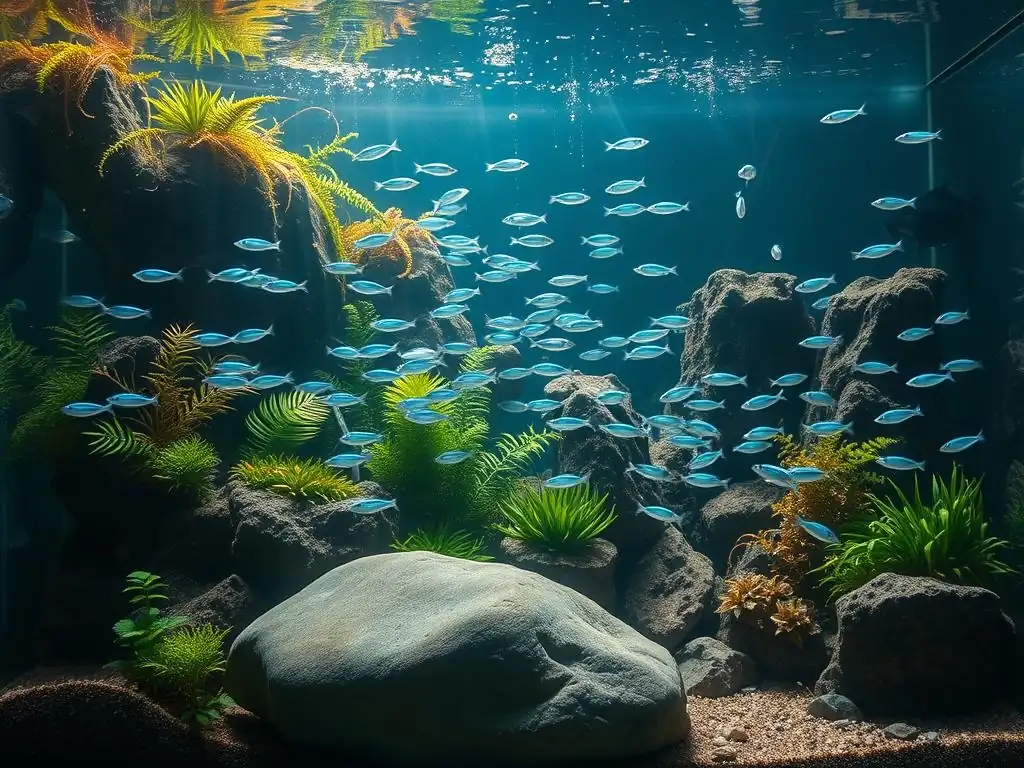
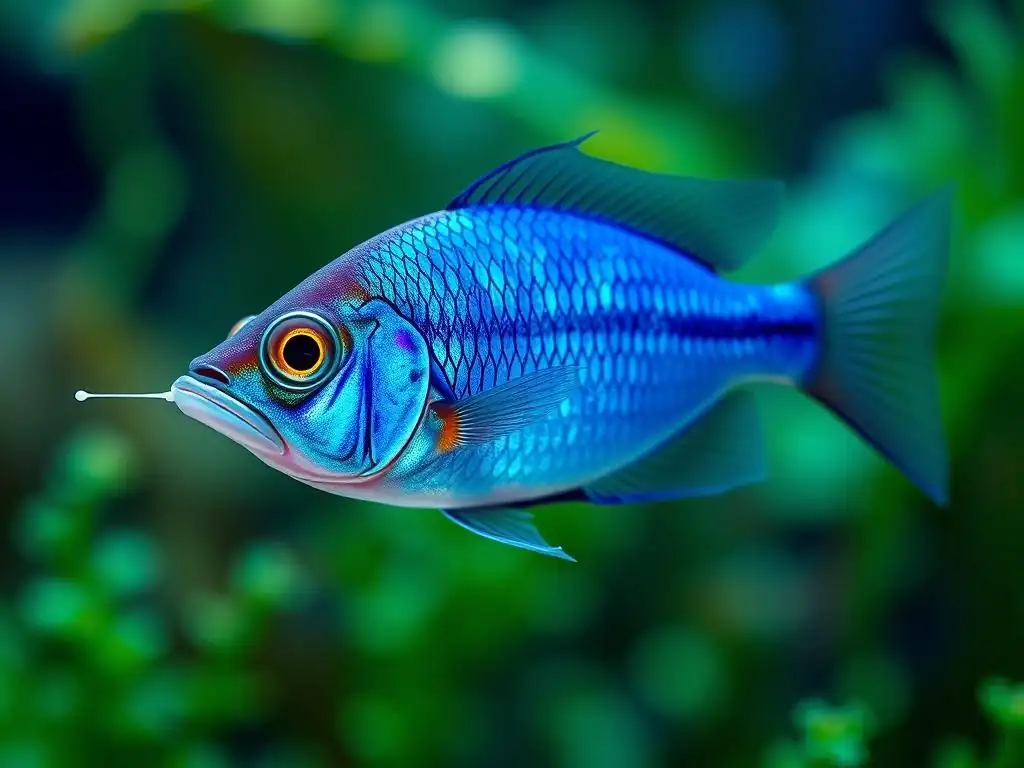
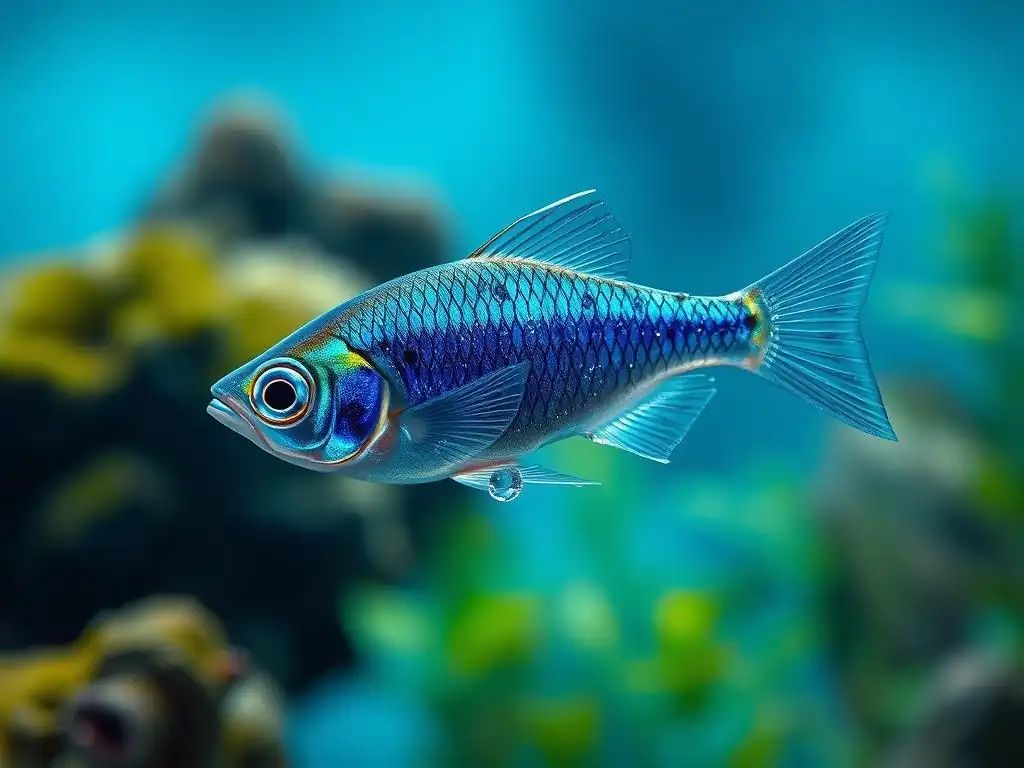
The Costello Tetra, scientifically known as Hyphessobrycon costelloi, is a captivating freshwater fish originating from the intricate blackwater tributaries of the Rio Negro basin in South America. Growing to an average size of 1.5 inches (approximately 3.8 cm), this species exhibits a subtle yet striking beauty. Its slender, silvery body is often adorned with a faint iridescent blue-green lateral line, culminating in a distinctive red spot near the base of its caudal fin. In a well-established, dimly lit aquarium, their understated iridescence becomes truly apparent, making them a mesmerizing addition.
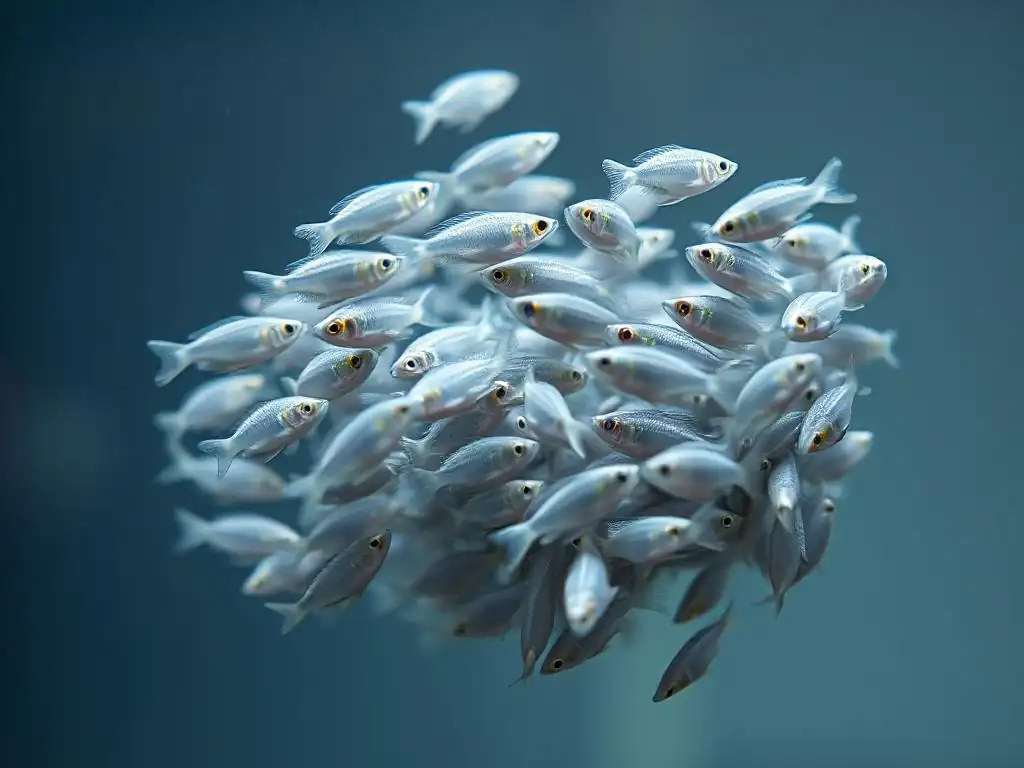
These peaceful schooling fish thrive in groups of eight to ten individuals or more, displaying their natural behaviors and reducing stress. With proper Costello tetra advanced care, including pristine water conditions and a balanced diet, they can enjoy a relatively long lifespan of three to five years, becoming a long-term highlight in a dedicated aquarist's tank. Their calm disposition makes them excellent candidates for a meticulously planned community aquarium.
Why the Costello Tetra Demands Advanced Care: Sensitive to water parameters, prone to specific diseases, and requires specialized feeding.
The Costello Tetra's delicate nature stems from its specific environmental requirements, making it a species that truly benefits from Costello tetra advanced care. They are highly sensitive to fluctuations in water parameters, particularly pH (ideal range 5.5-6.8), general hardness (dGH 1-8), and temperature (75-80°F or 24-27°C). Sudden shifts or prolonged exposure to unsuitable conditions can induce significant stress, compromising their immune system and leading to susceptibility to various ailments. Their delicate finnage is also prone to damage if water quality is not consistently maintained.
Furthermore, these tetras are susceptible to common freshwater diseases like Ich (White Spot Disease) and Columnaris if their environment is not meticulously managed or if they experience undue stress. Their nutritional needs also extend beyond standard dry flakes; they require a diverse diet including live and frozen foods to maintain their vibrant health, subtle coloration, and overall vitality, making specialized feeding a crucial aspect of their advanced care.
Aquarium Mastery's Guide to Thriving Costello Tetras
Aquarium Mastery is dedicated to providing comprehensive guidance for mastering the art of keeping these exquisite fish. This guide will delve into the intricacies of optimizing their habitat, refining feeding strategies, ensuring harmonious community dynamics, addressing health concerns, and even exploring the rewarding process of breeding Costello Tetras.
Optimizing Your Aquarium for Costello Tetra Health and Wellbeing
Tank Size and Setup: Creating the Ideal Habitat for January Tetras
For a thriving school of Costello Tetras, a minimum tank size of 20 gallons (approximately 75 liters) is recommended for a group of 8-10 individuals. However, a 30 to 40-gallon long aquarium (113-150 liters) is significantly more beneficial, providing ample horizontal swimming space and greater water volume for enhanced stability. The increased volume helps buffer against parameter fluctuations, which is crucial for the delicate health of these January Tetras. Larger tanks also allow for bigger schools, which further reduces stress and encourages more natural schooling behavior.
The ideal setup for Costello Tetras should mimic their natural blackwater environment. This involves incorporating dim lighting, which can be achieved through floating plants or by selecting lower-intensity LED fixtures. Dense planting, particularly with shade-tolerant species like Anubias, Java Fern, and various Cryptocorynes, provides essential cover and security. Driftwood and Indian almond leaves are highly recommended as they release tannins, creating the characteristic tea-stained water that lowers pH naturally and provides antibacterial benefits, closely replicating their native Rio Negro habitat.
Water Parameters: Achieving and Maintaining Pristine Conditions for Costello Tetras
The Importance of Water Chemistry for Costello Tetra Health
Maintaining precise and stable water chemistry is the cornerstone of Costello tetra advanced care. The ideal pH range for Hyphessobrycon costelloi is between 5.5 and 6.8, with a general hardness (GH) of 1-8 dGH and carbonate hardness (KH) of 0-4 dKH. The optimal temperature range is 75-80°F (24-27°C). These specific, soft, and acidic conditions are vital because they minimize osmotic stress on the fish, supporting their delicate gill function and overall metabolic processes. Deviations from these parameters, even minor ones, can lead to chronic stress, compromising their immune system and making them vulnerable to common diseases.
Furthermore, ammonia and nitrite levels must remain at an absolute zero, as these compounds are highly toxic to all fish, especially sensitive species like the Costello Tetra. Nitrate levels should be consistently kept below 10-20 ppm through regular maintenance. Elevated nitrates, even if not immediately lethal, contribute to long-term stress, reduced lifespan, and increased susceptibility to fin rot and other bacterial infections, directly impacting the long-term health and vitality of your January Tetras.
Regular Water Testing and Adjustments for Optimal Tetra Care
To ensure these critical water parameters are consistently met, regular and accurate water testing is indispensable. Weekly testing of ammonia, nitrite, nitrate, pH, and both GH and KH using reliable liquid test kits is highly recommended over less accurate test strips. Consistent monitoring allows for proactive adjustments before issues escalate. For example, if nitrates creep above 15 ppm, a larger or more frequent water change might be necessary.
Adjustments for optimal Costello tetra care often involve using reverse osmosis (RO) water or distilled water, especially if tap water is hard or alkaline. These pure water sources can be remineralized to the desired GH and KH levels using specialized aquarium salts, or naturally softened and acidified through the use of peat filtration or the addition of Indian almond leaves. Small, frequent water changes (e.g., 20-25% weekly) are preferable to large, infrequent ones, as they help maintain stability and prevent sudden parameter shifts that could shock the delicate Costello Tetras.
Substrate and Decor: Mimicking the Costello Tetra's Natural Environment
The choice of substrate plays a subtle yet significant role in the wellbeing of Costello Tetras. A fine, dark substrate such as sand or very fine gravel is ideal. This not only prevents damage to their delicate barbels and fins but also enhances their subtle coloration by reducing reflected light, which can stress these light-sensitive fish. A dark substrate mimics the silty riverbeds of their natural habitat, making them feel more secure and encouraging natural foraging behaviors.
Beyond the substrate, thoughtful decor is essential for creating a truly enriching environment. Abundant live plants, particularly fine-leaved species like Vallisneria, Cabomba, and various Myriophyllum species, provide crucial cover and security. Driftwood is invaluable, as it releases beneficial tannins that contribute to the desired blackwater conditions, lowering pH and offering mild antiseptic properties. Additionally, adding leaf litter, such as dried Indian almond leaves or oak leaves, further replicates their natural environment, providing additional tannins, hiding spots, and promoting the growth of beneficial biofilm for grazing.
Filtration and Aeration: Essential Components for a Healthy Costello Tetra Tank
For Costello Tetras, gentle yet effective filtration is paramount. Strong currents can be highly stressful for these small, delicate fish, leading to exhaustion and discomfort. Sponge filters are an excellent choice due to their gentle flow and effective biological filtration. Hang-on-back (HOB) filters can also be used, but it's advisable to reduce their flow using a pre-filter sponge or by adding a spray bar to disperse the output more gently across the tank surface. Canister filters, while powerful, should always be paired with a spray bar to ensure minimal direct current.
Adequate aeration is equally crucial, especially in warmer water temperatures where oxygen saturation is lower. While surface agitation from a gentle filter outflow can provide some aeration, an air stone connected to an air pump is often beneficial, particularly in densely planted tanks or those with a high biological load. However, balance aeration with CO2 levels if you are heavily dosing CO2 for plant growth, as excessive surface agitation can drive off beneficial CO2. The goal is to provide sufficient oxygen without creating a turbulent environment that would stress the fish.
Advanced Feeding Strategies for Costello Tetras
Nutritional Needs of the January Tetra: A Detailed Breakdown
Costello Tetras are omnivorous, but their diet in the wild consists primarily of small invertebrates and zooplankton, indicating a significant need for high-quality protein. For optimal health and vibrant coloration in the aquarium, their diet must reflect this. While they will accept dry foods, these should be supplemented heavily. Key nutritional components include high-quality animal proteins, essential amino acids for growth and tissue repair, and a balance of fats for energy.
Beyond macronutrients, a comprehensive diet must also supply vital micronutrients. Vitamins, such as Vitamin C, are crucial for immune system function and stress resistance, while various B vitamins support metabolic processes. Minerals like calcium and phosphorus are necessary for skeletal health. Deficiencies in any of these areas can manifest as faded colors, lethargy, poor growth, susceptibility to fin erosion, and a compromised immune response, highlighting the importance of a varied and rich diet in Costello tetra advanced care.
Live and Frozen Foods: Supplementing Dry Food for Enhanced Color and Health
To truly unlock the vibrant health and subtle iridescence of Costello Tetras, supplementing their diet with live and frozen foods is non-negotiable. Live foods like newly hatched brine shrimp nauplii, daphnia, micro worms, and grindal worms are excellent choices. They provide superior nutrition, stimulate natural foraging behaviors, and are highly palatable. Offering live foods two to three times a week can significantly improve their condition and breeding readiness.
Frozen foods such as bloodworms (chopped for smaller mouths), daphnia, and brine shrimp are also highly beneficial, providing a convenient source of high-quality protein and essential nutrients. While high-quality crushed flakes or micro-pellets can serve as a dietary base, relying solely on them will not provide the full spectrum of nutrients required for optimal health and color. Integrating live and frozen options ensures a more complete and enriching diet, directly contributing to their overall vitality and longevity.
Feeding Schedule: Preventing Overfeeding and Ensuring Optimal Nutrition
A precise feeding schedule is vital for the health of Costello Tetras and the overall stability of their delicate ecosystem. It is recommended to feed small amounts two to three times a day, only offering what the fish can consume within two to three minutes. This approach prevents overfeeding, which is a common cause of poor water quality due to uneaten food decaying and releasing harmful ammonia and nitrites. Overfeeding can also lead to digestive issues and bloating in the fish themselves.
Observe their feeding behavior closely; if food remains on the substrate after a few minutes, reduce the quantity at the next feeding. A consistent feeding routine also helps the fish establish a predictable pattern, reducing stress. For optimal nutrition, vary the types of food offered throughout the day and week, ensuring they receive a balanced intake of dry, live, and frozen options. This meticulous attention to feeding is a key aspect of Costello tetra advanced care.
Addressing Potential Dietary Deficiencies in Costello Tetras
Recognizing and addressing dietary deficiencies is a crucial element of advanced tetra care. Symptoms such as faded colors, chronic lethargy despite good water parameters, stunted growth, or fin erosion can often point to a lack of specific nutrients. For instance, a dulling of their subtle iridescent sheen might indicate a deficiency in carotenoids, which are often found in spirulina-enriched foods or certain frozen crustaceans like cyclops or krill.
If deficiencies are suspected, the primary course of action is to re-evaluate and diversify the diet immediately. Introduce a wider variety of high-quality live and frozen foods, ensuring they are gut-loaded or from reputable sources. If fish appear emaciated despite eating, it could also signal internal parasites or malabsorption issues, which might require specific medicated foods or treatments in a quarantine tank, emphasizing the need for keen observation and prompt action.
Tank Mates for Costello Tetras: Compatibility and Community Dynamics
Selecting Compatible Fish for a Thriving Tetra Community
Choosing appropriate tank mates is paramount for the peaceful and thriving existence of Costello Tetras. Ideal companions are similarly small, peaceful, and prefer the same soft, acidic water conditions. Excellent choices include other small, non-aggressive tetra species such as Ember Tetras ( Hyphessobrycon amandae), Green Neon Tetras ( Paracheirodon simulans), or Chili Rasboras ( Boraras brigittae). These fish are comparable in size and temperament, minimizing stress and competition.
Bottom dwellers that are equally docile also make good tank mates. Dwarf Corydoras species, such as Corydoras pygmaeus, Corydoras habrosus, or Corydoras hastatus, are perfect as they occupy a different water column and are known for their peaceful nature. Small, herbivorous catfish like Otocinclus species are also suitable, as they help with algae control without posing a threat. Maintaining a large school of Costello Tetras (preferably 15 or more) is crucial, as it makes them feel secure, reduces shyness, and discourages nipping behavior towards other species.
Avoiding Aggressive or Fin-Nipping Tank Mates
To ensure the long-term well-being of Costello Tetras, it is imperative to strictly avoid any fish species that are aggressive, territorial, or known fin-nippers. Larger, predatory fish or even moderately aggressive species, such as many types of cichlids (even some dwarf varieties if too boisterous), larger barbs (like Tiger Barbs), or some gouramis, pose a significant threat. Their delicate fins and shy nature make them easy targets for harassment and injury, leading to chronic stress and susceptibility to disease.
Furthermore, overly fast-swimming or boisterous fish should also be avoided. Species that constantly dart around the tank can stress the more sedate Costello Tetras, making them feel insecure and potentially outcompeting them for food. Examples include some larger livebearers or certain rainbowfish that, while not aggressive, can create a restless environment. A calm, unhurried tank environment is crucial for these subtle beauties to truly flourish.
Maintaining a Balanced Ecosystem in Your Costello Tetra Aquarium
Beyond selecting compatible species, maintaining a balanced ecosystem is vital for the long-term health of your Costello Tetra community. Overstocking is a common pitfall that dramatically increases the biological load, leading to rapid water quality degradation and heightened stress levels for all inhabitants. While the "one inch of fish per gallon" rule is a very rough guideline, it's far better to prioritize the specific needs of each species, ensuring adequate space and resources. For example, a 20-gallon long tank might comfortably house 10 Costello Tetras and 6 Pygmy Corydoras, leaving room for biological filtration to cope effectively.
Ensuring that all inhabitants share similar water parameter preferences is also critical. Mixing species with widely divergent pH or hardness requirements will inevitably compromise the health of at least one group. A stable, peaceful environment with appropriate decor (plenty of hiding spots and visual barriers) and a consistent maintenance schedule will significantly reduce stress for all species, contributing to overall tank health and minimizing the likelihood of disease outbreaks. This holistic approach is central to Costello tetra advanced care.
Understanding and Managing Costello Tetra Health Issues
Common Diseases Affecting Costello Tetras and Their Prevention
Like many sensitive blackwater species, Costello Tetras are particularly susceptible to diseases often triggered by environmental stress or poor water quality. Common ailments include Ich (White Spot Disease), Columnaris (Cotton Mouth), and various forms of Fin Rot. Ich, characterized by tiny white spots resembling salt grains, often appears when water temperature fluctuates or new, unquarantined fish are introduced. Columnaris presents as fuzzy white patches, often around the mouth, resembling cotton, and is typically a bacterial infection exacerbated by poor water conditions.
Prevention is the most effective form of Costello tetra advanced care. This involves maintaining consistently stable water parameters (pH, GH, KH, temperature), providing a highly varied and nutritious diet, minimizing all sources of stress (e.g., aggressive tank mates, overstocking), and, crucially, implementing a strict quarantine protocol for all new fish. For example, consistently keeping nitrate levels below 20 ppm significantly reduces the risk of bacterial infections like fin rot, while stable temperatures prevent Ich outbreaks.
Recognizing Early Signs of Illness in January Tetras
Early detection of illness is paramount for successful treatment and preventing widespread outbreaks in your Costello Tetra school. Aquarists practicing advanced tetra care should observe their fish daily for subtle changes in behavior, appearance, or swimming patterns. Look for clamped fins (held close to the body), lethargy, loss of appetite, abnormal swimming (e.g., darting, rubbing against decor, struggling to maintain buoyancy), faded or dull coloration, white spots, fuzzy growths, or any redness, erosion, or tearing on fins or body.
Any deviation from their normal active, schooling behavior should raise a red flag. For instance, a Costello Tetra isolating itself from the school or gasping at the surface could indicate significant distress or illness. Prompt identification of these early signs allows for immediate intervention, which dramatically increases the chances of successful recovery and prevents the disease from spreading to the entire school or the rest of the community tank.
Advanced Treatment Options for Sick Costello Tetras
When illness strikes, advanced treatment options are often necessary, ideally administered in a dedicated hospital tank. For parasitic infections like Ich, a common and effective treatment involves gradually raising the tank temperature to 82-84°F (28-29°C) over 24 hours, combined with the addition of aquarium salt (1 tablespoon per 5 gallons) or a commercial Ich medication containing malachite green or formalin. Ensure robust aeration, as higher temperatures reduce dissolved oxygen.
For bacterial infections such as Fin Rot or Columnaris, broad-spectrum antibiotics are typically required. Medications containing active ingredients like Furan-2 (nitrofurazone) or Maracyn (erythromycin) are often effective. These should always be administered in a separate hospital tank to avoid harming the beneficial bacteria in your main display tank's biological filter. Always follow the manufacturer's dosage instructions precisely and complete the full course of treatment, even if symptoms improve, to prevent recurrence and antibiotic resistance.
Quarantine Protocols for New and Sick Fish
A robust quarantine protocol is an indispensable aspect of Costello tetra advanced care. All new fish, regardless of their apparent health, should undergo a mandatory 2-4 week quarantine period in a separate, dedicated quarantine tank. This prevents the introduction of diseases, parasites, and unwanted pests into your established display aquarium, which can be devastating to a delicate species like the Costello Tetra. During this period, observe the fish closely, and if any signs of illness appear, treat them in the quarantine tank before they ever enter your main system.
Similarly, a hospital tank is essential for treating sick fish. This separate tank, typically 5-10 gallons, equipped with a simple sponge filter and heater, allows for targeted medication without affecting the main tank's biological filtration or healthy inhabitants. It also simplifies the treatment process by allowing for precise dosing and easier observation of the sick individual. Moving a sick fish to a hospital tank reduces stress on the main tank and allows for more intensive care.
Breeding Costello Tetras: A Detailed Guide to Reproduction
Setting Up a Dedicated Breeding Tank for Costello Tetras
Breeding Costello Tetras, while challenging, is a rewarding endeavor that requires a dedicated setup. A small, bare-bottom tank of 5-10 gallons (approximately 19-38 liters) is ideal for a single breeding pair or a trio. The bare bottom or a thin layer of marbles/mesh is crucial to protect the adhesive eggs from being consumed by the parents after spawning.
Filtration should be provided by a small, gentle sponge filter to ensure adequate biological filtration and aeration without creating strong currents that could harm delicate fry. Dim lighting or even complete darkness (except during observation) is preferred, as their eggs are light-sensitive.
Water parameters in the breeding tank must be meticulously controlled to mimic their natural spawning grounds. This means very soft water (GH 0-2 dGH), highly acidic conditions (pH 5.0-6.0), and a slightly warmer temperature of 78-80°F (25.5-27°C). Achieving these parameters often requires the use of reverse osmosis (RO) water, potentially with a small amount of peat filtration or the addition of Indian almond leaves to naturally lower the pH and provide beneficial tannins. Providing fine-leaved plants like Java Moss or spawning mops (made from synthetic yarn) offers ideal substrates for egg deposition.
Conditioning the Breeding Pair: Preparing for Spawning
Successful breeding of Costello Tetras hinges on properly conditioning the parent fish. Select a healthy, robust pair, or a group of two males to one female for optimal chances. Separate the sexes into different conditioning tanks for one to two weeks prior to introduction to the breeding tank. During this period, feed them heavily with a variety of high-quality live foods such as blackworms, daphnia, newly hatched brine shrimp, and micro worms. This protein-rich diet stimulates egg development in females and enhances male vigor.
As the female becomes conditioned, her belly will swell noticeably with eggs, appearing plumper than the males. Once both sexes are well-conditioned and displaying vibrant colors, introduce the conditioned pair(s) to the prepared breeding tank, ideally in the evening. Spawning typically occurs at dawn the following morning. Sometimes, a slight drop in water temperature (e.g., from 78°F to 76°F) followed by a gradual rise back to 78°F, or a small, cool water change, can act as a trigger, mimicking natural rainy season cues.
Spawning Behavior and Egg Care for January Tetras
Costello Tetras are egg scatterers, and their spawning behavior is often a delicate dance. The male will typically engage in a courtship display, chasing the female into the fine-leaved plants or spawning mops provided in the breeding tank. The female will then release small, adhesive eggs, usually between 50-150 per spawn, which the male promptly fertilizes. The eggs are quite small and translucent, often difficult to spot amidst the spawning medium.
Immediately after spawning is observed, it is crucial to remove the adult fish from the breeding tank. Costello Tetras, like many other tetras, are opportunistic egg eaters and will readily consume their own progeny. Once the parents are removed, cover the breeding tank to maintain darkness, as the eggs are sensitive to light and can be prone to fungusing if exposed. At a temperature of 78°F (25.5°C), the eggs typically hatch within 24-36 hours, revealing tiny, almost invisible fry.
Raising Costello Tetra Fry: From Hatching to Juvenile Stage
Feeding the Fry: First Foods and Growth Strategies
Raising Costello Tetra fry is a delicate process due to their minuscule size. Upon hatching, the fry will initially subsist on their yolk sacs for the first 3-5 days. Once the yolk sac is absorbed, they become free-swimming and require microscopic first foods. Infusoria (microscopic organisms cultured from decaying plant matter or commercial liquid infusoria solutions) or high-quality liquid fry food designed for egg-laying fish are essential during this initial period.
After the first week, as the fry grow slightly, they can be transitioned to newly hatched brine shrimp nauplii and micro worms. These live foods are critical for rapid growth and development. Feed tiny amounts multiple times a day (4-6 times) to ensure constant availability of food, as the fry have high metabolic rates. As they continue to grow, typically reaching 0.5 inches (1.2 cm) in about 4-6 weeks, they can gradually be transitioned to finely crushed high-quality flake food or micro-pellets.
Maintaining Water Quality in the Fry Tank
Maintaining pristine water quality in the fry tank is paramount for the survival and healthy development of Costello Tetra fry, as they are extremely sensitive to pollutants. Daily, small (10-15%) water changes are crucial to remove uneaten food particles and maintain stable parameters. Always use aged or reverse osmosis (RO) water that has been matched in temperature and pH as closely as possible to the tank's water to prevent shock.
A gentle sponge filter is essential for biological filtration in the fry tank, as it provides effective filtration without creating strong currents or posing a risk of sucking up the tiny fry. Meticulously monitor ammonia and nitrite levels; even trace amounts can be lethal to developing fry. Any uneaten food should be siphoned out promptly to prevent decay and subsequent water quality degradation. This diligent maintenance regimen is a cornerstone of successful Costello tetra advanced care for fry.
Troubleshooting Common Breeding Challenges
Breeding Costello Tetras can present several challenges that require careful troubleshooting. If spawning does not occur, first re-evaluate the conditioning of the parent fish: are they receiving enough high-quality live foods? Are the water parameters in the breeding tank precisely within the soft, acidic, and warm range? Sometimes, a slight drop in temperature followed by a gradual increase, mimicking a "rainy season" effect, can stimulate spawning. Ensure the breeding tank offers sufficient privacy and dim lighting, as overly bright conditions can deter spawning.
Another common issue is egg fungusing or poor fry survival. Egg fungus is often due to unfertilized eggs or, more commonly, poor water quality. Adding a few drops of methylene blue (used cautiously, as it can harm beneficial bacteria) or incorporating Indian almond leaves can help prevent fungus. Poor fry survival is almost always linked to insufficient first foods (fry starving), rapid water parameter fluctuations, or the presence of even trace amounts of ammonia/nitrite. Diligent water changes and ensuring a constant supply of appropriate microscopic food are key to overcoming these hurdles.
Maintaining Long-Term Health and Vitality in Costello Tetras
Regular Health Checks and Preventative Measures
Beyond daily casual observation, implementing a routine of regular, detailed health checks is a cornerstone of Costello tetra advanced care. At least once a week, take the time to closely observe each fish for any subtle changes in fins (clamped, torn, or frayed), body (bloating, lesions, growths, faded colors), scales (raised or missing), and behavior (isolation, difficulty swimming, gasping). Early detection of anomalies allows for prompt intervention, significantly increasing the chances of successful recovery and preventing the spread of potential diseases.
Furthermore, a robust preventative regimen is essential for maintaining robust health. This includes adhering to a consistent schedule of water changes (20-25% weekly), providing a varied and high-quality diet, maintaining stable water parameters (temperature, pH, GH, KH), and avoiding sudden environmental shifts that could cause stress. Periodically adding a small amount of Indian almond leaf extract can also offer beneficial tannins and mild antiseptic properties, further bolstering their immune system and mimicking their natural habitat.
Water Change Strategies for Mature Costello Tetra Tanks
While a weekly water change of 20-25% is an excellent baseline for Costello Tetra tanks, the precise strategy may need adjustment based on several factors, including stocking density, feeding habits, and the level of live plant growth. In heavily planted tanks with a low bioload, nitrates might accumulate more slowly, potentially allowing for slightly less frequent changes, though consistent removal of pollutants remains vital. Conversely, a tank with a higher bioload or more aggressive feeding will necessitate more frequent or larger water changes to maintain pristine conditions.
Crucially, always use dechlorinated water that is matched as closely as possible to the tank's current temperature and pH. Sudden differences in temperature or pH during a water change can induce shock in delicate fish like the Costello Tetra, leading to stress and susceptibility to disease. For larger water changes or if your tap water parameters are significantly different from your target tank parameters, consider using a drip acclimation method for the new water to minimize any potential stress on the fish.
Recognizing and Addressing Signs of Aging in Costello Tetras
As Costello Tetras approach the upper end of their 3-5 year lifespan, they may begin to exhibit natural signs of aging. These can include a gradual reduction in activity levels, slightly faded or less vibrant coloration, a subtle curvature of the spine, or increased susceptibility to minor ailments that they might have easily fended off in their prime. Their fins might also appear slightly frayed or less pristine despite good water quality.
While aging is a natural process that cannot be reversed, advanced tetra care can ensure a comfortable and dignified end-of-life for these subtle beauties. Provide extra attention to their diet, ensuring easily digestible foods are offered. Maintain impeccable water quality with consistent, gentle water changes, as older fish may be more sensitive to pollutants. Minimize any potential stressors in the tank environment, and continue to provide a peaceful, well-planted habitat. This compassionate approach ensures their final months are as comfortable as possible.
Ensuring a Stress-Free Environment for Optimal Lifespan
Stress is a silent, yet significant, factor in the health and lifespan of aquarium fish, particularly sensitive species like the Costello Tetra. A stress-free environment is paramount for optimal vitality and longevity. Common stressors include fluctuating water parameters (temperature, pH, nitrates), aggressive or unsuitable tank mates, overfeeding leading to poor water quality, underfeeding causing malnutrition, insufficient hiding spots, and, critically, an insufficient schooling number (less than 8-10 individuals).
A well-planned tank setup with subdued lighting, dense planting, plenty of driftwood, and appropriate tank mates, combined with consistent, high-quality Costello tetra advanced care practices, will significantly reduce stress. A stable environment allows their immune systems to function optimally, preventing disease outbreaks and enabling them to live out their full natural lifespan, displaying their subtle beauty and natural behaviors to their fullest.
The Future of Costello Tetra Keeping: Conservation and Responsible Practices
Supporting Sustainable Aquarium Practices
The future of Costello Tetra keeping, and indeed the entire aquarium hobby, hinges on embracing and supporting sustainable practices. Many Costello Tetras available in the trade are wild-caught from the Rio Negro basin. Therefore, it is crucial for aquarists to support suppliers and retailers who demonstrate ethical and responsible collection practices, ensuring that wild populations are not decimated and the ecosystems from which they originate are preserved. Inquire about the source of your fish and choose reputable vendors.
Furthermore, contributing to captive breeding efforts, even on a small scale, plays a vital role in reducing reliance on wild populations. Successfully breeding Costello Tetras and sharing healthy, captive-bred offspring with other aquarists helps establish self-sustaining populations within the hobby. This not only mitigates environmental impact but also often results in fish that are hardier and better adapted to aquarium life from birth, making it a key component of responsible Costello tetra advanced care.
Contributing to the Knowledge Base on Costello Tetras
The collective knowledge of the aquarium community is a powerful tool for advancing fish care. Aquarists who successfully keep and breed Costello Tetras have a valuable opportunity to contribute to this knowledge base. Documenting personal experiences with breeding attempts (both successes and challenges), detailed observations of health issues and their treatments, and insights into successful tank setups can provide invaluable data for the broader aquarist community.
Online forums, specialized fish-keeping groups, and even personal blogs are excellent platforms for sharing these experiences. By openly discussing techniques, challenges, and solutions related to Costello tetra advanced care, aquarists can help refine care guidelines, identify best practices, and promote even better welfare for these delicate and rewarding fish in home aquariums. This ongoing exchange of information is vital for the continuous improvement of the hobby.
Conclusion: Mastering the Art of Costello Tetra Care
Mastering the art of Costello Tetra care is a journey that demands dedication, patience, and a meticulous approach to aquarium husbandry. From the precise control of water parameters and the provision of a specialized, varied diet to the thoughtful selection of tank mates and vigilant health monitoring, every aspect contributes to their long-term vitality.
While these subtle beauties demand advanced care, the reward is a thriving, peaceful school that adds understated elegance and natural charm to any dedicated aquarium. By embracing these principles of Costello tetra advanced care, aquarists can ensure these delicate jewels flourish, truly embodying the spirit of Aquarium Mastery.
Frequently Asked Questions
What are the key considerations for the Costello Tetra's water parameters?
Maintaining stable and pristine water quality is crucial. Target a pH between 6.0 and 7.0, a temperature of 72-78°F (22-26°C), and ensure excellent filtration to minimize ammonia and nitrite levels.
What is the ideal tank setup for a Costello Tetra to thrive?
A planted aquarium with plenty of hiding places and subdued lighting is ideal. Use fine-leaved plants like Java moss or Hornwort to mimic their natural habitat and reduce stress.
What should I feed my Costello Tetra to ensure optimal health and vibrant colors?
Offer a varied diet of high-quality flake food, supplemented with small live or frozen foods such as daphnia or bloodworms. Regular feeding with nutritious food enhances their coloration.
What are some common health problems that can affect Costello Tetras, and how can I prevent them?
Ich and fin rot are common issues. Prevent these by maintaining excellent water quality, quarantining new fish, and promptly addressing any signs of illness with appropriate medication.
What are the key steps involved in breeding Costello Tetras in a home aquarium?
A separate breeding tank with soft, acidic water and fine-leaved plants is recommended. Condition the parents with live foods and remove them after spawning to prevent egg predation.
Final Reflection: Unveiling the Costello Tetra's Potential
The journey into Costello Tetra Advanced Care reveals more than just the intricacies of maintaining a specific fish species; it highlights the dedication and passion that drive aquarists to create thriving ecosystems within their homes. Understanding the nuances of their environment, diet, and breeding habits allows us to appreciate the delicate balance required for these subtle beauties to flourish, not just survive. This knowledge empowers us to move beyond simple fishkeeping and embrace the art of aquascaping and responsible aquatic stewardship.
The allure of the Costello Tetra, with its shimmering scales and peaceful demeanor, lies in its ability to transform a simple tank into a vibrant underwater world. My own experience with these fish has instilled in me a profound respect for the interconnectedness of life within an aquarium. It's a constant reminder that even the smallest creatures require our utmost care and attention. In the end, we will conserve only what we love; we will love only what we understand; and we will understand only what we are taught.
- Baba Dioum. This quote perfectly encapsulates the importance of sharing knowledge and fostering a deeper appreciation for the natural world, starting with the humble Costello Tetra.
As you embark on your own journey with the Costello Tetra, remember that advanced care is not merely a set of instructions, but a commitment to providing the best possible life for these fascinating creatures. Let the knowledge gained from this exploration inspire you to create a thriving aquatic environment, not just for the Costello Tetra, but for all the inhabitants of your aquarium. Embrace the challenge, celebrate the successes, and continue to learn and grow as a responsible and passionate aquarist.
Unleash the Beauty: Start Your Costello Tetra Adventure!
Thanks for diving deep into the captivating world of Costello Tetras! We hope you've gained valuable insights into caring for and breeding these stunning fish. Now, let's turn that knowledge into action!
Here's how you can take the next steps:
- Immediately implement one water parameter adjustment that we discussed to optimize the health and vibrancy of your Costello Tetras.
- Share this article with a fellow aquarium enthusiast who would appreciate learning about these amazing fish.
- Research one unusual plant species that mimics the Costello Tetra's natural habitat, then consider adding it to your tank.
Ready to transform your aquarium into a Costello Tetra paradise?