
Understanding the "Sword" Development in Male Swordtails

Welcome to Aquarium Mastery!
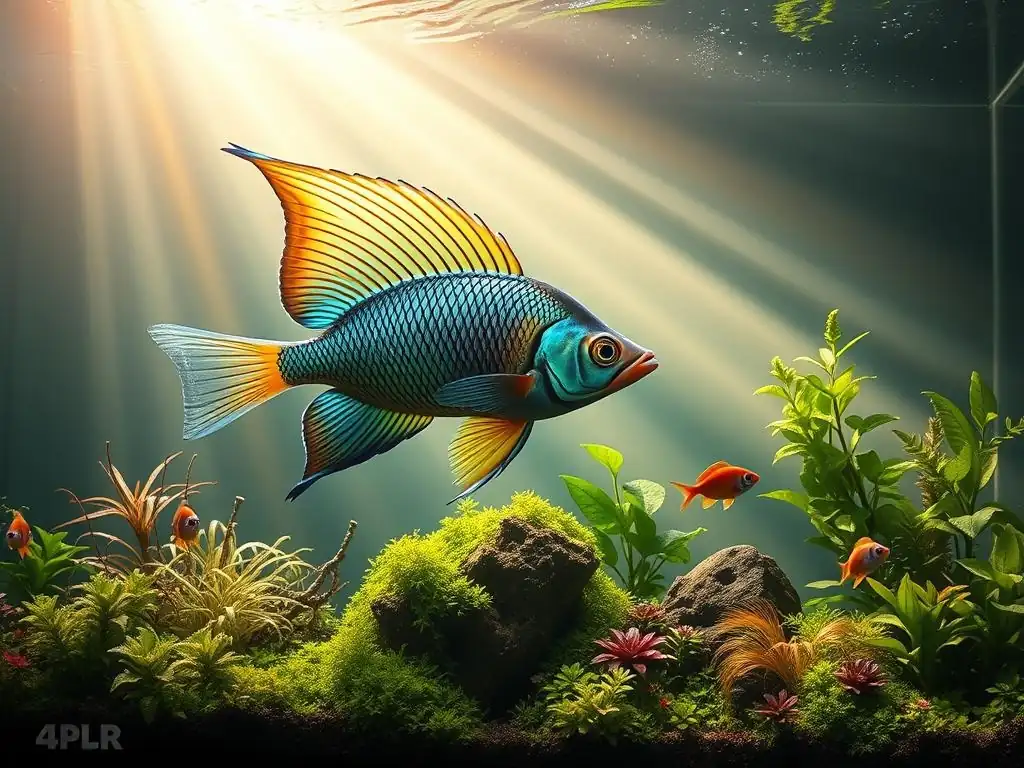
Ever wondered about the secrets behind the magnificent "sword" that distinguishes male swordtails? Understanding the "Sword" Development in Male Swordtails is more than just observing a beautiful fish; it's unlocking a window into their health, genetics, and overall well-being. Dive in to uncover the fascinating journey of this iconic fin and learn how to ensure your swordtails flourish!
- Understanding Fin Development in Male Swordtails: A Comprehensive Guide
- Introduction to Male Swordtail Fin Development
- What is the "Sword" and How Does it Develop?
- Stages of Fin Development in Male Swordtails
- Factors Influencing Fin Development
- Identifying and Addressing Problems in Fin Development
- Optimizing Fin Development in Male Swordtails
- Male Swordtail Fin Development and Behavior
- Distinguishing Swordtail Varieties by Fin Characteristics
- Conclusion: Appreciating the Beauty and Complexity of Swordtail Fin Development
-
Frequently Asked Questions
- How long does it typically take for a male swordtail to develop its characteristic "sword"?
- What factors influence the rate of sword development in male swordtails?
- Is the size of the sword a reliable indicator of a male swordtail's overall health?
- What can I do to promote healthy sword development in my male swordtails?
- Are there any potential problems or deformities that can occur during sword development?
- Final Reflection: The Elegance of Evolutionary Art
- Ignite Your Swordtail Journey!
Understanding Fin Development in Male Swordtails: A Comprehensive Guide
Introduction to Male Swordtail Fin Development
The Allure of the Swordtail: A Defining Characteristic
The swordtail, scientifically known as Xiphophorus hellerii, stands out as one of the most popular and aesthetically striking freshwater fish in the aquarium hobby. Its most distinctive feature, and the origin of its common name, is the elongated lower caudal fin ray of the male, commonly referred to as the "sword." This unique appendage, which can extend up to 50% of the fish's body length in mature specimens, makes the male swordtail an immediate focal point in any community tank and a favorite among aquarists.
This specialized caudal fin extension sets swordtails apart from their close relatives, such as platies, and has been a primary focus of selective breeding for generations. The vibrant coloration, often contrasting with the main body color, and the impressive length of the sword contribute significantly to the species' visual appeal and are key indicators of a healthy, well-developed male.
Why Understanding Fin Development Matters for Swordtail Keepers
For any dedicated swordtail keeper, understanding the nuances of male swordtail fin development is not merely an academic exercise; it is crucial for successful husbandry and breeding. Observing the progression of the sword allows aquarists to accurately identify the sex of their juvenile fish, assess their overall health and vitality, and determine when they have reached full sexual maturity for breeding purposes.
Furthermore, knowledge of typical male swordtail fin development helps in troubleshooting common issues. For instance, a stunted or malformed sword can be an early warning sign of underlying health problems, nutritional deficiencies, or suboptimal tank conditions. Proactive intervention based on this understanding can prevent more severe issues, ensuring the well-being and longevity of these magnificent fish.
What is the "Sword" and How Does it Develop?
Anatomy of the Swordtail Fin: Beyond the Obvious
The "sword" on a male swordtail is not a separate, external appendage but rather a remarkable elongation of the lower fin rays of the caudal (tail) fin. It is composed of the same cartilaginous and bony structures that support other fins, covered by a delicate fin membrane. This specialized extension grows outward and downward from the main body of the caudal fin, often tapering to a fine point.
While other fins, such as the dorsal or anal fins, primarily serve functions like propulsion, balance, and steering, the sword's main role is believed to be in sexual display. Its prominent size and often contrasting coloration (e.g., black or red on a green body) serve as a visual signal of male fitness and vigor, playing a significant role in attracting potential mates and establishing dominance within a social hierarchy.
The Genetic Basis of Sword Development in Male Swordtails
The development of the sword in male swordtails is a fascinating example of genetic control over physical traits. It is primarily a polygenic trait, meaning its expression, length, and specific shape are influenced by the interaction of multiple genes. Through generations of natural selection and, more significantly, selective breeding by hobbyists, specific gene combinations that promote longer and more elaborate swords have been favored and propagated.
While the precise genetic loci are complex, breeders have long observed that certain bloodlines consistently produce males with exceptionally long or uniquely shaped swords, such as the "double sword" or "lyretail" varieties. This indicates a strong hereditary component, where the genetic blueprint passed down from parent to offspring largely dictates the potential for male swordtail fin development.
Hormonal Influences on Sword Growth: Androgens' Role
Beyond genetics, hormonal factors play a critical role in triggering and regulating the growth of the sword. Male sex hormones, primarily androgens like testosterone, are the key physiological drivers. As a male swordtail matures, increasing levels of these hormones circulating in its bloodstream stimulate the rapid elongation of the caudal fin rays that form the sword.
Environmental conditions can indirectly impact sword development by affecting the fish's hormonal balance. For example, a male swordtail experiencing chronic stress due to poor water quality, overcrowding, or aggressive tank mates might exhibit delayed or stunted fin growth. This is often attributed to the suppression of androgen production or utilization, demonstrating the intricate interplay between a healthy environment and optimal male swordtail fin development.
Stages of Fin Development in Male Swordtails
Early Growth: Identifying Potential Males
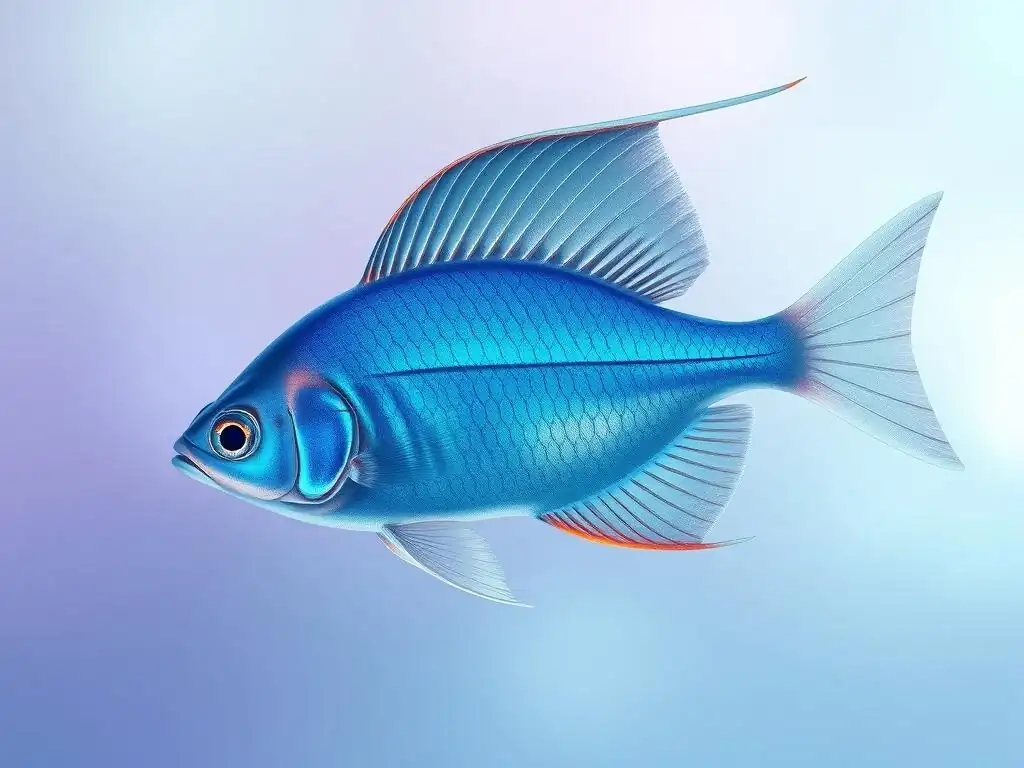
In their very early stages, swordtail fry are largely indistinguishable by sex, lacking any pronounced sword. During the juvenile phase, typically from 1 to 3 months of age, subtle indicators may begin to emerge. While the sword itself is absent, male fry might show a slightly faster growth rate or a more pointed anal fin (the precursor to the gonopodium) compared to their female counterparts.
The first true hint of the sword usually manifests as a slight, almost imperceptible elongation or darkening of the lower rays of the caudal fin. This initial stage is critical for aquarists who wish to identify and separate males early, as it marks the very beginning of the unique male swordtail fin development.
The Onset of Fin Extension: Recognizing the First Signs
Around 3 to 6 months of age, depending on the specific strain, water parameters, and nutrition, the "sword" begins to noticeably extend. This stage is characterized by a clear, albeit still relatively short, protrusion from the lower part of the caudal fin. Often, this extension is accompanied by a deepening of color in the developing sword, making it more apparent.
At this point, sexual dimorphism becomes unmistakable. Concurrently with the sword's emergence, the male's anal fin will have transformed into the distinct, rod-like gonopodium, which is used for internal fertilization. The visible sword, combined with the developed gonopodium, provides definitive identification of a male and signals the progression of male swordtail fin development towards maturity.
Maturation and Full Fin Development: Reaching Breeding Potential
By 6 to 9 months of age, most male swordtails have reached sexual maturity, and their sword development is largely complete. The sword will have attained its full length and characteristic shape, often displaying the vibrant colors (e.g., black, red, yellow) typical of its specific variety. A fully developed sword can be an impressive sight, sometimes extending several centimeters beyond the main caudal fin.
While the majority of sword growth occurs during this period, slight continued growth can occur throughout the fish's lifespan, especially under optimal conditions. A fully developed sword is a strong indicator of a healthy, mature male, ready to participate in breeding. This peak stage represents the complete manifestation of male swordtail fin development.
Factors Influencing Fin Development
Genetics and Line Breeding's Impact on Fin Length and Shape
Genetics is the cornerstone of male swordtail fin development. The inherent genetic makeup of a swordtail dictates the potential length, shape, and even color of its sword. For instance, specific bloodlines, such as those bred for show, are known to consistently produce males with exceptionally long swords, sometimes reaching 70% or more of the body length, whereas other lines might only yield swords that are 30-40% of the body length.
Line breeding, a practice where breeders selectively pair individuals with desirable traits over successive generations, is instrumental in enhancing these characteristics. Through careful selection, breeders can intensify traits like sword length, straightness, or unique patterns within the sword, demonstrating the significant human influence on male swordtail fin development.
Environmental Conditions: Water Quality and Tank Size
Optimal environmental conditions are paramount for healthy male swordtail fin development. Poor water quality, characterized by elevated levels of ammonia, nitrite, or nitrate, can severely stunt overall growth, including fin development. For example, maintaining nitrate levels consistently above 20 ppm can lead to noticeably shorter or duller swords compared to fish kept in tanks with nitrates below 10 ppm.
Tank size and stocking density also play critical roles. Overcrowding in an undersized tank (e.g., a 10-gallon tank for multiple adult swordtails) leads to chronic stress, which suppresses growth hormones and diverts energy away from non-essential features like fin elongation. A spacious environment, such as a 20-gallon long or larger for a small group, provides ample swimming room and reduces stress, promoting robust male swordtail fin development.
Nutrition and its Role in Healthy Fin Growth
A balanced and high-quality diet is fundamental for the robust growth and vibrant coloration of the sword. Protein-rich foods are essential for tissue development, while vitamins and minerals support overall health and fin integrity. High-quality flake foods should form the staple, supplemented regularly with live or frozen foods like brine shrimp, bloodworms, and daphnia.
Specific nutrients can further enhance fin health. For example, foods rich in spirulina can boost color intensity, while adequate levels of Vitamin A and D are vital for healthy fin tissue. Feeding small amounts 2-3 times a day, rather than one large meal, ensures consistent nutrient uptake, which is crucial for sustained male swordtail fin development.
Disease and Injury: Threats to Proper Fin Development
Diseases, particularly bacterial infections like fin rot, pose a significant threat to proper male swordtail fin development. Fin rot manifests as frayed, ragged, or disintegrating fin edges, often with white or reddish discoloration. If left untreated, it can quickly erode the delicate fin tissue, permanently damaging the sword and leading to secondary infections.
Physical injuries are also common. Aggressive tank mates, sharp aquarium decor, or even rough handling during netting can tear or damage the sword. While fins can regenerate to some extent, severe or repeated injury can result in deformed, stunted, or permanently shortened regrowth, impacting both the aesthetic appeal and the functionality of the male swordtail fin development.
Identifying and Addressing Problems in Fin Development
Stunted Growth: Potential Causes and Solutions
Stunted sword growth, where a male's sword is significantly shorter or less developed than expected for its age or genetic lineage, is a common problem. For instance, if a 7-month-old male from a known long-sword strain only exhibits a sword that is 10% of its body length, while its siblings from the same spawn have swords nearing 40%, stunting is highly likely. This often indicates chronic stress, poor nutrition, or inadequate environmental conditions.
Addressing stunted growth requires a comprehensive approach. Begin by meticulously checking water parameters (ammonia, nitrite, nitrate, pH, temperature) and performing regular, significant water changes (e.g., 25-30% weekly) to ensure pristine water quality. Enhance the diet with varied, high-protein live or frozen foods. Additionally, assess tank size and stocking levels to ensure adequate space and minimize stress, which can significantly improve male swordtail fin development.
Fin Rot and Damage: Preventing and Treating Fin Issues
Fin rot is a prevalent bacterial infection that can rapidly degrade a swordtail's fins, including the sword. Early signs include cloudy or ragged fin edges, which can quickly progress to severe erosion and even loss of fin tissue. It is typically triggered by poor water quality, overcrowding, or stress, which weaken the fish's immune system, making it susceptible to opportunistic bacteria.
Prevention is paramount and relies on maintaining excellent water quality and avoiding overstocking. If fin rot is detected, immediate treatment is necessary. This typically involves large water changes (50% or more), removing activated carbon from the filter, and administering broad-spectrum antibacterial medications like Furan-2 or Maracyn according to package directions. Severely damaged fins may not fully regenerate their original length or shape, highlighting the importance of early intervention in male swordtail fin development issues.
Deformities and Genetic Abnormalities: Understanding the Risks
Occasionally, a male swordtail may develop a visibly deformed sword—bent, twisted, or irregularly shaped—that is not attributable to disease or injury. Such deformities are often the result of genetic abnormalities or developmental issues during early growth. While less common than stunting or fin rot, they can occur, particularly in heavily inbred lines or those with a history of genetic issues.
Unfortunately, fin deformities caused by genetic factors cannot be "cured" through environmental improvements or medication. While often not life-threatening, they do indicate a genetic predisposition. Breeders should avoid using fish with significant fin deformities in their breeding programs to prevent passing on undesirable traits and to maintain the overall health and quality of male swordtail fin development in future generations.
Optimizing Fin Development in Male Swordtails
Optimizing Tank Conditions for Healthy Growth
Maintaining stable and optimal tank conditions is the cornerstone of healthy male swordtail fin development. Swordtails thrive in temperatures between 72-79°F (22-26°C), a pH range of 7.0-8.0, and moderately hard water (GH 10-20 dGH). Consistent 25-30% weekly water changes are essential to keep nitrate levels below 10-20 ppm, ensuring a clean and stable environment.
Adequate space is equally important. A minimum of a 20-gallon long tank is recommended for a small group of swordtails, providing ample swimming room. Incorporating plenty of live plants like Java Fern, Anubias, or Amazon Swords creates hiding spots and reduces stress, contributing to a comfortable and low-stress environment that directly supports robust fin growth and overall vitality.
Nutritional Strategies for Maximizing Fin Length and Color
A high-quality, varied diet is paramount for maximizing both the length and vibrant coloration of the sword. The staple diet should consist of premium flake food designed for livebearers, but this should be generously supplemented with protein-rich live or frozen foods. Offer bloodworms, brine shrimp, daphnia, or blackworms 2-3 times a week to provide essential amino acids and nutrients.
Consider incorporating spirulina-based foods into their diet, as spirulina is known to enhance natural colors and boost the immune system, indirectly supporting healthy fin tissue. Some aquarists also report benefits from adding specific vitamin supplements to the fish food, which can further fortify the fish's health and contribute to strong, well-developed male swordtail fin development.
Selective Breeding Techniques for Desirable Fin Traits
For enthusiasts interested in perfecting male swordtail fin development, selective breeding is key. Begin by carefully selecting parent fish that exhibit the most desirable fin traits – the longest, straightest, most vibrantly colored swords for males, and females from lines known to produce such males. For example, if aiming for a specific "lyretail" form, choose males with the most pronounced and symmetrical lyre tails.
Isolate breeding pairs or trios in a separate breeding tank to ensure controlled genetics. Meticulously record the fin development of the offspring over several generations, consistently selecting only the best specimens for future breeding. This systematic and patient approach can significantly enhance and stabilize desired male swordtail fin development characteristics within your specific swordtail line.
Male Swordtail Fin Development and Behavior
The Fin as a Display of Dominance
In a community aquarium, the male swordtail's sword serves as a powerful visual signal of dominance, health, and genetic fitness. Males with longer, more vibrant, and well-maintained swords are often perceived as stronger and healthier by rival males, which can deter aggression and help establish a pecking order. Observations frequently show that males with superior sword development claim and defend preferred territories within the tank.
During territorial disputes or confrontations, males will often flare their fins, including the sword, to appear larger and more imposing. Conversely, a male with a damaged, stunted, or dull sword may be perceived as weaker, making him a potential target for bullying or aggression from other males. This highlights the significant social role that male swordtail fin development plays in their behavior.
Courtship Rituals and the Significance of Fin Length
The sword is not just a tool for dominance among males; it plays a crucial role in courtship and mate selection. Female swordtails are often observed to exhibit a strong preference for males with longer and more elaborately developed swords. This preference is believed to be an evolutionary adaptation, as an impressive sword signals genetic fitness, good health, and the ability to thrive, making such males desirable mates.
During courtship rituals, the male will actively display his sword to the female, swimming around her, flaring his fins, and often performing a distinctive "shimmy" dance. The length, color, and overall health of the sword are key factors in a female's assessment of a potential mate, directly linking the success of male swordtail fin development to reproductive success.
Potential Drawbacks: Predation and Injury Risks
While the sword is a significant advantage in sexual selection and dominance, an excessively long sword can also present certain liabilities. In natural environments, a very long sword might make a male more conspicuous to predators, potentially reducing its ability to maneuver quickly and escape. Although aquarium environments lack natural predators, the risk of injury persists.
In an aquarium setting, an overly long sword can become snagged on sharp decor, rough rocks, or even filter intakes, leading to tears or damage. Furthermore, if housed with fin-nipping tank mates such as certain barbs or tetras, the prominent sword becomes an easy target. Such injuries can lead to stress, secondary infections, and permanently impaired male swordtail fin development, making careful tank mate selection essential.
Distinguishing Swordtail Varieties by Fin Characteristics
Red Swordtail: Classic Fin Morphology
The Red Swordtail is one of the most widely recognized and popular selectively bred varieties of Xiphophorus hellerii. Its most striking feature is its vibrant red-orange body coloration. In males, the classic fin morphology includes a distinct, elongated black "sword" that extends from the lower caudal fin. This sword is typically straight, well-defined, and can reach impressive lengths, often exceeding 50% of the fish's body length in well-bred specimens.
The black coloration of the sword is a hallmark trait, providing a sharp visual contrast against the red body. The thickness and straightness of the sword are key indicators of a prime example of this variety. Variations might include a slight red or orange tint within the black, but the overall straight, sleek profile is characteristic of the Red Swordtail's male swordtail fin development.
Green Swordtail: Variations in Fin Shape and Color
The Green Swordtail represents the wild-type coloration of Xiphophorus hellerii, characterized by a more subdued olive-green body. While its body color is less flashy than the red varieties, its sword is equally prominent and captivating. The sword typically features a distinct black stripe along its lower edge, though the overall color of the sword can vary, sometimes showing green, yellow, or even reddish hues depending on the specific lineage and lighting.
Unlike the often uniformly black sword of the Red Swordtail, the Green Swordtail's sword might have a more natural, blended appearance. The shape can also vary from a slender, needle-like extension to a slightly broader, more paddle-like form. This variety showcases the natural diversity in male swordtail fin development before extensive selective breeding for exaggerated traits.
Lyretail Swordtail: Identifying Fin Morphology
The Lyretail Swordtail is a specific fin mutation that significantly alters the morphology of all fins, not just the caudal fin. While standard swordtails have a single, elongated lower caudal fin ray forming the sword, Lyretail males exhibit an exaggerated development of multiple fin rays, particularly in the caudal, dorsal, and anal fins. The "sword" itself is often split or has multiple elongated rays, creating a flowing, harp-like or "lyre" appearance.
This unique fin morphology makes Lyretail swordtails highly prized for their elegant appearance. However, the increased surface area of these extended fins makes them more susceptible to damage from fin-nipping tank mates or rough aquarium decor. The distinctive multi-pointed caudal fin, along with the elongated dorsal and anal fins, are the defining features that set the Lyretail apart in terms of male swordtail fin development.
Conclusion: Appreciating the Beauty and Complexity of Swordtail Fin Development
The Ongoing Evolution of Swordtail Breeding
The swordtail's unique fin development, particularly the male's iconic "sword," continues to be a central focus of the aquarium hobby and a testament to the power of selective breeding. Aquarists and professional breeders alike are constantly striving to enhance sword length, refine its shape, and intensify its coloration, pushing the boundaries of what is aesthetically possible within the species.
This ongoing evolution not only enriches the diversity of available swordtail varieties—from classic reds to elaborate lyretails—but also deepens our collective understanding of fish genetics, developmental biology, and the intricate interplay between environment and expression of traits. The dynamic nature of male swordtail fin development ensures that these captivating fish will remain a cornerstone of the livebearer community for years to come.
Further Resources for Swordtail Enthusiasts
For those seeking to delve deeper into the fascinating world of swordtail care and breeding, a wealth of resources is available. Reputable online aquatic forums and specialized livebearer associations offer platforms for sharing knowledge and connecting with experienced breeders. Academic papers on Xiphophorus genetics provide in-depth scientific insights into the mechanisms behind fin development.
Additionally, consulting comprehensive aquarium care books and online databases dedicated to freshwater fish profiles can provide detailed species-specific information on optimal water parameters, dietary needs, and breeding techniques. Engaging with local aquarium clubs often provides opportunities to learn directly from seasoned hobbyists, ensuring aquarists have access to the best practices for fostering optimal male swordtail fin development and overall fish health.
Frequently Asked Questions
How long does it typically take for a male swordtail to develop its characteristic "sword"?
It varies, but generally, you'll start seeing the development of the sword around 6-8 months of age. Full development can take longer depending on genetics and tank conditions.
What factors influence the rate of sword development in male swordtails?
Several factors play a role, including genetics, diet, and water quality. Optimal conditions promote faster and more pronounced sword growth.
Is the size of the sword a reliable indicator of a male swordtail's overall health?
While a well-developed sword can indicate good health, it's not the only factor. Look for other signs like bright coloration and active behavior to assess overall health.
What can I do to promote healthy sword development in my male swordtails?
Provide a varied and nutritious diet, maintain excellent water quality, and ensure a stress-free environment. This will allow them to reach their full potential.
Are there any potential problems or deformities that can occur during sword development?
Yes, issues like bent swords or uneven growth can sometimes occur due to genetics, injury, or poor water conditions. Addressing the underlying cause is crucial.
Final Reflection: The Elegance of Evolutionary Art
The journey through understanding male swordtail fin development reveals more than just the intricacies of biological growth; it illuminates the powerful forces of sexual selection shaping life's diverse expressions. The "sword," a seemingly simple extension of the caudal fin, becomes a symbol of evolutionary artistry, a testament to the constant dance between survival and attraction that drives the natural world. This exploration, while focused on a small fish, echoes the broader themes of adaptation and beauty that resonate throughout the animal kingdom and beyond.
This fascination with the male swordtail's fin development has profoundly shaped my perspective on the subtle, yet powerful, ways in which evolution sculpts behavior and appearance. It reminds us that even the smallest details can hold immense significance, reflecting the complex interplay of genes, environment, and social dynamics. As Darwin himself observed, The sight of a feather in a peacock's tail, whenever I gaze at it, makes me sick!
– a testament to the overwhelming power of sexual selection to drive seemingly extravagant and even detrimental traits. The swordtail's fin, in its own way, evokes a similar sense of wonder and complexity.
Now, consider the implications of this intricate dance of evolution in your own life. How might the principles of adaptation and attraction, so vividly displayed in the male swordtail's fin, inform your understanding of human behavior and relationships? Take a moment to appreciate the subtle signals and displays that shape our own interactions, and perhaps, gain a deeper appreciation for the beauty and complexity that surrounds us, both in the natural world and within ourselves.
Ignite Your Swordtail Journey!
Thank you for exploring the fascinating world of swordtail development with us. We hope you've gained valuable insights into nurturing these vibrant fish. Now, it's time to put your knowledge into action!
Here are some ways to continue your swordtail adventure:
- Begin meticulous observation: Dedicate 15 minutes daily to observing your male swordtails. Note any subtle changes in their developing swords, their behavior, and their interactions with other fish. Document your findings in a journal.
- Dive deeper into genetics: Research the genetic factors that influence sword length and color in swordtails. Consider breeding experiments to observe these traits firsthand.
- Share your expertise: Join the Aquarium Mastery community forum and share your experiences, photos, and tips on raising swordtails. Help other enthusiasts unlock the secrets of these captivating fish!
What exciting changes are you noticing in your swordtails, and what questions are you eager to explore next?