
Tetras Eating Their Eggs? Aquarium Mastery's Advanced Prevention Strategies

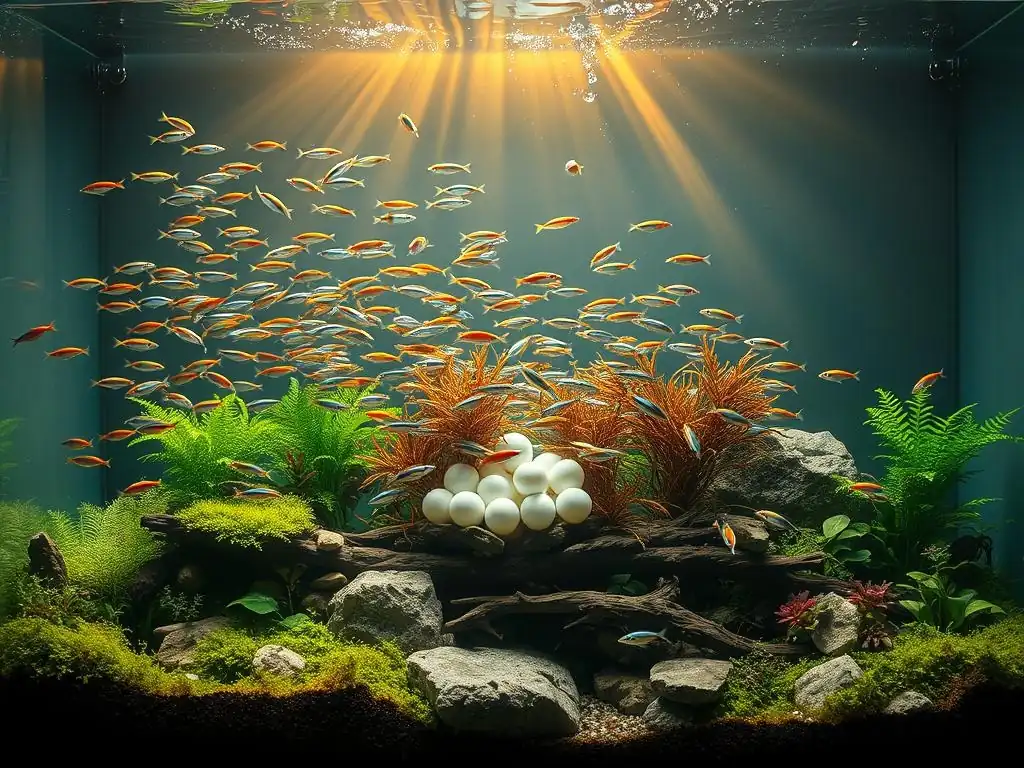
Welcome to Aquarium Mastery, your ultimate resource for all things aquatic! Ever wondered why your Tetras never seem to successfully breed? The secret to preventing those hungry mouths from gobbling up precious eggs might be simpler than you think. Dive into our guide on Tetra egg eating prevention and unlock the secrets to successfully breeding these vibrant fish. Discover proven strategies and tips to finally enjoy the rewarding experience of raising your own Tetra fry. Let's get started!
- Breeding Tetras: Advanced Strategies for Egg and Fry Survival
- Understanding Tetra Reproductive Behavior
- Advanced Egg and Fry Protection Strategies
- Post-Spawning Care: Rearing Tetra Fry
- Monitoring and Troubleshooting
- Case Studies: Successful Tetra Breeding Examples
- Conclusion: Ensuring Successful Tetra Reproduction
-
Frequently Asked Questions
- How can I tell if my Tetras are eating their eggs?
- What are some immediate steps I can take to prevent Tetras from eating their eggs?
- What type of aquarium setup is best for preventing egg eating in Tetras?
- Are there any specific plants that can help protect Tetra eggs?
- What are some long-term strategies for successful Tetra breeding and egg survival?
- Final Reflection: The Circle of Life and Aquarium Stewardship
- Safeguard Your Tetra Fry!
Breeding Tetras: Advanced Strategies for Egg and Fry Survival
Understanding Tetra Reproductive Behavior
Natural Spawning Instincts vs. Aquarium Conditions
Tetras, in their natural habitats, are predominantly scatter spawners, meaning they release their eggs indiscriminately into the water column or onto vegetation, offering no parental care. In the vastness of rivers and streams, many eggs drift away, finding safety in dense plant cover or secluded crevices, while others inevitably become food for other aquatic life. This instinctual behavior, coupled with the sheer volume of space, naturally disperses the eggs, ensuring a portion survive.
However, the confined environment of an aquarium drastically alters this dynamic. With limited space and fewer natural hiding spots, the eggs become highly vulnerable. Adult tetras, driven by an inherent instinct to consume nutrient-rich food sources, will readily devour their own eggs and newly hatched fry. This phenomenon, often termed "egg eating," is a primary challenge for aquarists attempting tetra egg eating prevention in a home setup, making it crucial to understand and mitigate this natural predisposition.
Species-Specific Spawning Habits: Optimizing for Different Tetras
While many tetras share the general characteristic of being scatter spawners, their specific preferences for spawning sites and water parameters can vary significantly, impacting tetra egg eating prevention strategies. For instance, the popular Neon Tetra (Paracheirodon innesi) and Cardinal Tetra (Paracheirodon axelrodi) typically prefer to scatter their adhesive eggs among fine-leaved plants like Java Moss or spawning mops in soft, acidic water. These species are particularly sensitive to water hardness and pH during spawning.
In contrast, Black Skirt Tetras (Gymnocorymbus ternetzi) might be less particular about water parameters and can spawn on broader leaves or even directly on the substrate, though they still benefit from dense plant cover. Understanding these species-specific nuances—such as preferred temperature ranges (e.g., 75-78°F for Neons, 72-76°F for Black Skirts), ideal pH levels (e.g., 5.5-6.5 for Cardinals, 6.0-7.5 for Serpae Tetras), and preferred spawning substrates—is essential for creating the optimal environment that encourages spawning while simultaneously facilitating egg protection.
Environmental Factors Affecting Spawning Success
The success of tetra spawning, and consequently the effectiveness of tetra egg eating prevention, is heavily influenced by a range of environmental factors. Water parameters are paramount; fluctuations in temperature, pH, and water hardness can stress fish, inhibit spawning, or lead to unfertilized eggs. For example, many delicate tetra species require very soft water (GH 1-5 dGH) and a slightly acidic pH (6.0-6.8) to successfully lay and fertilize eggs.
Beyond water chemistry, the physical environment of the tank plays a critical role. Adequate lighting, typically dim and mimicking natural dawn/dusk cycles, can encourage spawning. The presence of suitable spawning sites, whether fine-leaved plants, spawning mops, or specialized egg traps, provides the necessary substrate for egg deposition. Conversely, factors such as excessive water flow, aggressive tank mates, or a lack of secure hiding spots can induce stress, discouraging spawning and potentially increasing the likelihood of parents consuming any eggs that are laid.
Advanced Egg and Fry Protection Strategies
Dedicated Breeding Tanks: Creating Ideal Spawning Environments
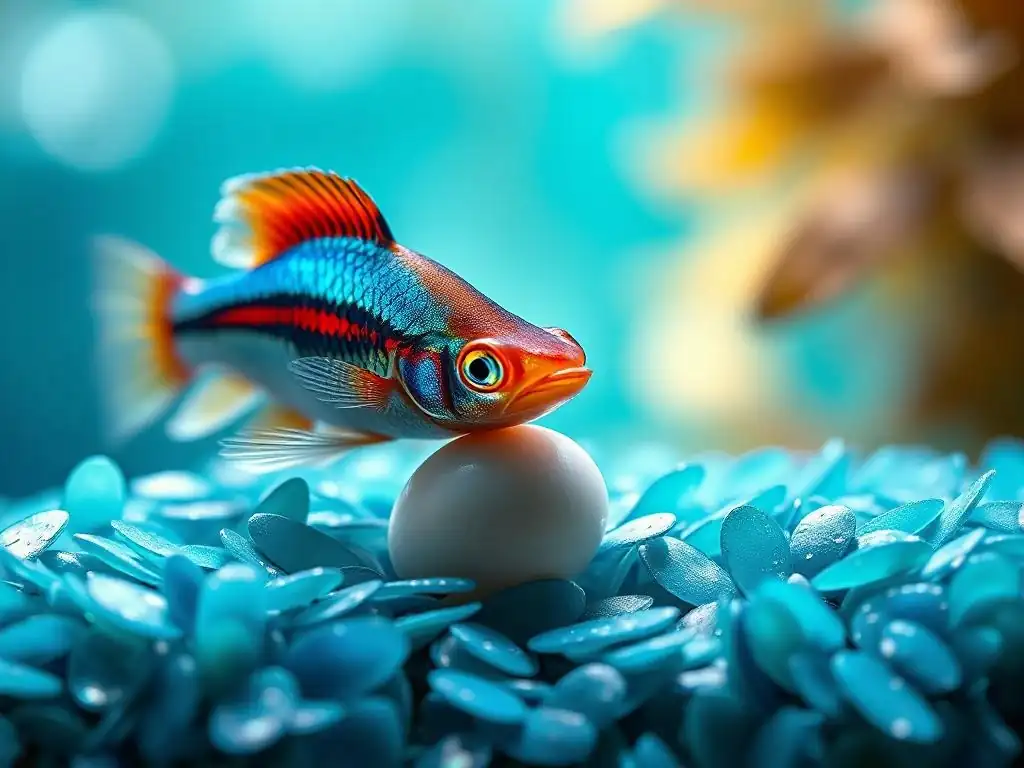
To maximize the survival rate of tetra eggs and fry, the most effective strategy for tetra egg eating prevention is the use of a dedicated breeding tank. This separate setup allows for precise control over water parameters, eliminates the threat of predation from other fish in a community tank, and provides a safe, undisturbed environment for the breeding pair. A typical size for a breeding tank for smaller tetras like Neons or Ember Tetras might be 5-10 gallons (approx. 19-38 liters), while larger species such as Congo Tetras could require 15-20 gallons (approx. 57-76 liters).
This isolation is crucial because even well-fed adult tetras will instinctively consume their own eggs if given the opportunity. The breeding tank allows for the immediate removal of the parent fish once spawning is complete, ensuring the eggs are left undisturbed to hatch. Furthermore, it simplifies the management of the delicate water parameters required for egg development and the subsequent rearing of microscopic fry, which are highly sensitive to environmental fluctuations and water quality issues prevalent in larger, more complex community setups.
Tank Setup: Size, Filtration, and Substrate
The specific setup of a dedicated breeding tank is paramount for successful tetra egg eating prevention and fry survival. For small tetras like the Neon Tetra, a 5-gallon tank (approximately 19 liters) is often ideal, providing enough space for a breeding pair while allowing for meticulous control over water conditions. Larger species like the Bleeding Heart Tetra may benefit from a 10-15 gallon tank (38-57 liters) to accommodate their size and spawning activity.
Gentle filtration is essential; air-driven sponge filters are highly recommended as they provide adequate biological filtration without creating strong currents that can damage delicate eggs or newly hatched fry. Their porous structure also offers a large surface area for beneficial bacteria.
Regarding substrate, a bare-bottom tank is frequently preferred for ease of cleaning and egg retrieval, as it prevents eggs from getting lost or decaying within gravel. However, to enhance tetra egg eating prevention, a layer of glass marbles or a fine mesh (e.g., plastic craft mesh with openings of 0.25 inches or 6mm) can be placed at the bottom. This allows eggs to fall through to a protected area, inaccessible to the adults. Some aquarists also utilize a false bottom, typically a raised screen, which creates a safe zone beneath for the eggs.
Spawning Substrates and Artificial Plants: Providing Egg Deposition Sites
Providing suitable spawning substrates is crucial to encourage tetras to lay their eggs and to aid in tetra egg eating prevention. Fine-leaved live plants, such as Java Moss (Taxiphyllum barbieri), Hornwort (Ceratophyllum demersum), or Water Sprite (Ceratopteris thalictroides), are excellent choices. They offer numerous nooks and crannies where adhesive eggs can attach and be partially hidden from adult fish. A dense mat of Java Moss, for instance, can cover 50-70% of the tank bottom, providing extensive spawning surface area.
Alternatively, artificial spawning mops, constructed from synthetic yarn, are highly effective and reusable. These mops, often 6-8 inches (15-20 cm) long, are typically weighted and floated or anchored to the bottom. Their fine strands mimic natural vegetation, providing ample sites for egg deposition. For species that prefer to spawn near the surface, floating mops are ideal. Using multiple mops or a combination of live plants and mops increases the likelihood of successful egg laying and provides more protected areas, thus significantly contributing to tetra egg eating prevention.
Optimizing Water Parameters for Egg Hatching and Fry Development
Precise control over water parameters is not only vital for stimulating spawning but also for ensuring high egg viability and successful fry development. Any deviation from optimal conditions can lead to unfertilized eggs, fungal infections, or high rates of fry mortality. This meticulous approach to water chemistry is a cornerstone of effective tetra egg eating prevention by fostering healthy, viable eggs.
Maintaining stability is as important as achieving the correct parameters. Sudden fluctuations in temperature, pH, or hardness can stress eggs and fry, leading to developmental issues or death. Regular testing with reliable aquarium test kits is indispensable to monitor and adjust water conditions proactively, creating an environment where delicate tetra eggs can thrive and hatch successfully.
Temperature, pH, and Water Hardness
For most popular tetra species, specific water parameters are critical for successful breeding and egg hatching. Temperature is a key trigger for spawning; generally, a range of 75-80°F (24-27°C) is ideal for many species, including Neon and Cardinal Tetras. For instance, a stable temperature of 78°F (25.5°C) can encourage spawning and accelerate the metabolic rate of developing eggs. Maintaining this stability, with variations of no more than 1-2°F (0.5-1°C), is crucial as significant fluctuations can stress the breeding pair and developing eggs.
pH (potential hydrogen) is also vital, with most tetras preferring slightly acidic to neutral water, typically between 6.0 and 7.0. For blackwater species like Neon and Cardinal Tetras, a pH of 6.0-6.5 is often optimal for egg fertilization and hatching. Extremely soft water, with a General Hardness (GH) of 1-5 dGH (18-90 ppm), is essential for many tetra eggs to hatch successfully.
Hard water can cause the egg membrane to become too rigid, preventing sperm penetration or the fry from breaking out. Utilizing reverse osmosis (RO) water, often remineralized to the desired hardness, is a common technique to achieve these precise conditions.
Water Quality: Ammonia, Nitrites, and Nitrates
Maintaining impeccable water quality is non-negotiable for the survival of delicate tetra eggs and fry. Ammonia (NH3/NH4+) and Nitrites (NO2-) must be at undetectable levels (0 ppm). Even trace amounts, such as 0.25 ppm ammonia, can be highly toxic, leading to significant egg mortality, deformities, or rapid fry death. A thoroughly cycled breeding tank with a well-established biological filter (like a mature sponge filter) is crucial before introducing any fish, ensuring these harmful compounds are converted.
While less acutely toxic, Nitrates (NO3-) should also be kept very low, ideally below 10-20 ppm, especially in a fry tank. High nitrate levels can stress developing eggs and inhibit fry growth. After spawning, and particularly as fry begin to grow, performing small, frequent water changes (e.g., 10-20% daily or every other day) is essential. This dilutes waste products, replenishes essential minerals, and provides fresh, oxygenated water, directly contributing to high hatching rates and successful fry development, thereby enhancing overall tetra egg eating prevention by ensuring egg viability.
Nutritional Strategies for Breeding Tetras
Proper nutrition is a cornerstone of successful tetra breeding, directly influencing the health and productivity of the parent fish, the quality of the eggs, and the survival of the fry. A well-conditioned pair is more likely to spawn and produce viable eggs, while appropriately sized and nutritious foods for fry are critical for their rapid growth and development.
This two-pronged approach to nutrition—conditioning adults and nurturing fry—is vital for maximizing breeding success and ensuring a healthy new generation of tetras. The investment in high-quality, varied foods pays dividends in terms of egg yield and fry survival rates, underscoring its importance in any tetra egg eating prevention strategy.
Conditioning Breeders with High-Quality Foods
To encourage spawning and ensure the production of healthy, viable eggs, adult tetras should be conditioned with a high-quality, varied diet for at least two to three weeks prior to their introduction into the breeding tank. This conditioning phase is essential for building up their energy reserves and nutrient stores. A diet rich in protein and essential fatty acids promotes gonadal development and improves egg quality.
Excellent conditioning foods include live options such as blackworms, microworms, and daphnia, which are highly palatable and nutritious. Frozen alternatives like bloodworms, brine shrimp, and cyclops are also highly beneficial. Supplementing with high-quality flake foods or small pellets specifically formulated for breeding fish can further enhance their diet.
Feeding small amounts multiple times a day (e.g., 3-4 times) is more effective than one large meal, as it mimics their natural foraging behavior and ensures optimal nutrient absorption without overfeeding. A well-conditioned female Neon Tetra, for instance, can lay between 60 to 130 eggs per spawn, while a larger species like a Serpae Tetra might produce 200-300 eggs, highlighting the impact of proper nutrition on egg yield.
Live Food Options: Infusoria, Micro Worms, and Newly Hatched Brine Shrimp
Once tetra fry hatch, their tiny size dictates the need for microscopic food sources. Infusoria, a collective term for various microscopic organisms like paramecia, are typically the first food offered to newly hatched fry, especially for smaller species like Neon or Ember Tetras, which are often only 2-3mm long upon hatching. These organisms are small enough for the fry's minuscule mouths and provide easily digestible nutrients. Infusoria cultures can be started easily at home days in advance.
As the fry grow, usually within 3-5 days, they can transition to slightly larger live foods. Micro worms (Panagrellus redivivus) are an excellent second-stage food, providing a higher protein content and stimulating the fry's hunting instincts. They are relatively easy to culture and remain alive in the water for several hours, allowing fry ample time to feed.
Finally, newly hatched brine shrimp (Artemia nauplii) are a universally accepted and highly nutritious food for most tetra fry once they are large enough to consume them, typically around 5-7 days post-hatch. Brine shrimp are packed with protein (approximately 50-60% dry weight) and their jerky swimming motions attract the fry. These live food options are paramount for rapid growth and high survival rates, directly supporting the effectiveness of tetra egg eating prevention by ensuring the resulting fry thrive.
Creating a Calm and Secure Breeding Environment
Stress is a significant deterrent to spawning in tetras and can exacerbate the problem of egg consumption. A calm and secure breeding environment encourages the fish to feel safe enough to reproduce and minimizes the likelihood of them predating on their own eggs due to anxiety or perceived threats. This focus on environmental tranquility is a key component of effective tetra egg eating prevention.
Maintaining a quiet, low-traffic area for the breeding tank, limiting sudden movements or loud noises, and avoiding excessive human intervention contribute significantly to reducing stress. The goal is to provide an environment where the tetras are undisturbed and feel completely at ease, allowing their natural reproductive instincts to take precedence over any stress-induced behaviors.
Lighting and Plant Cover
The lighting in a tetra breeding tank should be subdued, mimicking the dim, shaded conditions of their natural habitats. Bright, intense lighting can stress tetras, making them hesitant to spawn. A consistent light cycle of 10-12 hours of dim light, followed by a period of darkness, is generally recommended. Some breeders even suggest a complete blackout for 12-24 hours after spawning to encourage egg hatching and further reduce the visibility of eggs to the parents, thereby aiding tetra egg eating prevention.
Dense plant cover, whether through live plants like Java Moss or artificial spawning mops, is crucial. This cover provides essential hiding spots, making the breeding pair feel more secure and reducing stress. Moreover, these plants or mops serve as ideal substrates for egg deposition, offering numerous surfaces for eggs to adhere to while simultaneously providing physical barriers that make it difficult for adult tetras to locate and consume all the scattered eggs. Aim for at least 50-70% of the tank volume to be filled with such cover to maximize its protective benefits.
Minimizing Stress and Disturbances
Minimizing stress and external disturbances is paramount for successful tetra breeding and effective tetra egg eating prevention. Tetras are easily startled, and a high-stress environment can inhibit spawning or lead to the consumption of eggs. The breeding tank should be placed in a quiet area of the home, away from high-traffic zones, loud noises, or sudden vibrations. Avoid tapping on the glass or making rapid movements near the tank.
Once the breeding pair is introduced, limit human intervention to only essential tasks like feeding and brief observation. Do not perform large water changes or significant tank alterations during the spawning period. Maintaining stable water parameters and a consistent routine also contributes to a low-stress environment. A calm, undisturbed setting allows the tetras to focus on their natural reproductive behaviors, significantly increasing the chances of successful spawning and egg survival.
Post-Spawning Care: Rearing Tetra Fry
Removing Adult Tetras After Spawning
The single most critical step in tetra egg eating prevention and ensuring the survival of tetra fry is the immediate removal of the adult fish from the breeding tank once spawning has concluded. Tetras, regardless of species, are inveterate egg predators and will consume their own eggs and newly hatched fry if given the opportunity. The entire spawning process, from the initial release of eggs to the final deposition, typically occurs within a few hours, though some species may spawn intermittently over a day.
Once eggs are observed—either scattered on the substrate, clinging to plants, or within spawning mops—the parent fish should be carefully netted and returned to a separate community or grow-out tank. This swift action creates a completely safe environment for the delicate eggs to develop without the constant threat of predation, maximizing the number of eggs that will successfully hatch into free-swimming fry.
First Foods and Feeding Schedules for Fry
Tetra fry are incredibly small and have specific dietary requirements during their initial stages of life. For the first 1-3 days after hatching, most tetra fry are non-free-swimming and absorb nutrients from their yolk sac. Once they become free-swimming, typically around day 3-5, their tiny mouths necessitate microscopic food. Infusoria are the ideal first food, as they are small enough for the fry to consume easily. These can be cultured at home using simple methods, such as adding a few dried banana peels or lettuce leaves to a jar of tank water a week prior to spawning.
As the fry grow, usually within 5-7 days, they can be transitioned to slightly larger, more nutritious foods. Micro worms are an excellent next step, providing a rich protein source and encouraging active feeding. Within 7-10 days, depending on the species and growth rate, the fry will be large enough to accept newly hatched brine shrimp (Artemia nauplii). Brine shrimp are highly nutritious and their jerky movements stimulate the fry's feeding response. Feeding should be frequent, 4-6 times daily, in very small amounts to ensure a constant food supply without polluting the water.
Maintaining Water Quality for Fry Growth
Maintaining pristine water quality is absolutely paramount for the successful growth and survival of delicate tetra fry. They are far more sensitive to pollutants than adult fish, and even slight accumulations of ammonia or nitrites can be fatal. Consequently, consistent monitoring and proactive maintenance are essential for their health.
Small, frequent water changes are the cornerstone of fry tank maintenance. Daily water changes of 10-15%, using aged, temperature-matched water, are often recommended. A slow drip system or an air-line tubing siphon can be used to carefully remove and replace water, minimizing stress on the fragile fry.
Ammonia and nitrite levels must remain at zero, and nitrates should be kept below 10 ppm. A gentle sponge filter provides adequate biological filtration while minimizing current. Maintaining a stable temperature, typically around 78-80°F (25.5-27°C), also supports rapid and healthy growth, directly contributing to the overall success of tetra egg eating prevention efforts by ensuring the resulting fry thrive.
Monitoring and Troubleshooting
Identifying Signs of Egg Fungus and Infertile Eggs
Vigilant monitoring of tetra eggs in a breeding tank is crucial for identifying and addressing issues like egg fungus and infertile eggs, which can quickly jeopardize an entire spawn. Infertile eggs typically appear opaque or white, in contrast to viable, translucent, or slightly amber-colored eggs. They will not develop and are highly susceptible to fungal growth. These eggs should be removed promptly using a pipette or small baster to prevent the spread of fungus.
Egg fungus manifests as a fuzzy, white, cotton-like growth on the surface of eggs. It often originates on infertile eggs but can rapidly spread to healthy, viable eggs, suffocating them. If fungus is observed, immediate action is required. Manual removal of affected eggs is the first step.
Additionally, some aquarists opt for a very mild antifungal treatment, such as methylene blue (1-2 drops per gallon), added to the water. However, caution is advised with any chemical in a delicate fry tank, and proper dosing is critical. Regular observation, at least twice daily, allows for early detection and intervention, safeguarding the healthy eggs and supporting tetra egg eating prevention efforts by ensuring egg viability.
Addressing Fry Mortality: Common Causes and Solutions
Fry mortality is a common challenge in tetra breeding, and understanding its root causes is essential for successful rearing. High mortality rates in tetra fry are most frequently attributed to poor water quality, insufficient food, or rapid environmental changes. Even slight elevations in ammonia or nitrite (e.g., above 0.1 ppm) can be lethal to delicate fry, leading to mass die-offs. Inadequate or inappropriately sized food can cause starvation, especially for the smallest fry. Furthermore, sudden shifts in temperature (more than 2°F or 1°C per hour) or pH can induce fatal stress.
Solutions involve meticulous attention to detail. Consistent, small daily water changes (e.g., 10-15%) are paramount to maintain pristine water quality. Ensuring a constant supply of appropriate live foods (infusoria, microworms, newly hatched brine shrimp) at the correct size for the fry's mouthparts is critical. Maintaining stable water parameters within the optimal range (e.g., 78-80°F for most tetras, pH 6.0-7.0) is also vital. If disease is suspected, isolating affected fry and researching fry-safe treatments is necessary, as many common fish medications are too harsh for young fish. Addressing these factors proactively significantly improves fry survival rates.
Preventing Predation by Invertebrates
While the primary focus of tetra egg eating prevention is often the parent fish, other opportunistic inhabitants of the aquarium can also pose a significant threat to delicate eggs and fry. Small invertebrates such as hydra, planaria, and certain types of snails can prey on or outcompete newly hatched tetra fry. Hydra are tiny, freshwater polyps with stinging tentacles that can paralyze and consume fry. They often appear in tanks with excess food and can rapidly multiply.
Planaria, or flatworms, are another common pest. These worms can smother eggs and prey on very small fry, especially at night. Their presence usually indicates overfeeding.
Snails, particularly prolific species like Malaysian Trumpet Snails, can compete for food with fry and, in large numbers, may even directly harm the most vulnerable hatchlings. To prevent these issues, it is best to start with a completely snail-free and pest-free breeding tank. Reducing overfeeding, manually removing visible pests, and in severe cases, using very mild, fry-safe chemical treatments (e.g., Panacur at extremely low doses for hydra/planaria, though caution is always advised) can help mitigate these threats to the fragile fry.
Case Studies: Successful Tetra Breeding Examples
Case Study 1: Breeding Cardinal Tetras
A successful breeding project for Cardinal Tetras (Paracheirodon axelrodi) involved a dedicated 10-gallon (38-liter) bare-bottom tank, equipped with a mature, air-driven sponge filter. The water parameters were meticulously controlled using reverse osmosis (RO) water, remineralized to achieve a pH of 5.5, a General Hardness (GH) of 2 dGH, and a negligible Carbonate Hardness (KH). The temperature was consistently maintained at 78°F (25.5°C) using a submersible heater.
A carefully selected breeding pair, conditioned for three weeks on a diet of live blackworms and frozen daphnia, was introduced. Spawning occurred within 24 hours, with an estimated 80-100 adhesive eggs scattered primarily on two large, weighted spawning mops. Immediately after observing the eggs, the adult Cardinal Tetras were removed to their community tank, serving as the primary tetra egg eating prevention strategy. The eggs hatched in approximately 24-36 hours.
The fry were fed infusoria for the first four days, then transitioned to newly hatched brine shrimp. Daily 10% water changes were performed using an air-line tube to prevent siphoning out fry. By eight weeks, over 60 healthy Cardinal Tetra juveniles were successfully raised, demonstrating the effectiveness of precise environmental control and prompt adult removal.
Case Study 2: Breeding Ember Tetras
Breeding Ember Tetras (Hyphessobrycon amandae) was achieved in a 5-gallon (19-liter) tank that incorporated a unique tetra egg eating prevention design: a fine plastic mesh (approximately 0.125-inch or 3mm holes) was installed about 1 inch (2.5 cm) above the bare bottom, creating a protected egg collection area. Dense clumps of Java Moss were placed on top of the mesh as the primary spawning substrate. Water parameters were maintained at a pH of 6.0, GH of 3 dGH, and a stable temperature of 77°F (25°C).
A group of six Ember Tetras (three males, three females) was conditioned for two weeks on a diet of frozen cyclops and finely crushed high-protein flake food. The group was introduced, and spawning occurred intermittently over two days. The mesh effectively allowed the small, non-adhesive eggs to fall through to the protected area below, inaccessible to the adults. The adults were removed after 48 hours.
Eggs hatched in about three days. The extremely tiny fry were initially fed infusoria, transitioning to microworms from day five, and finally to newly hatched brine shrimp from day ten. Small, frequent water changes (5% twice daily) were crucial due to the small tank volume. This setup yielded approximately 40 healthy Ember Tetra fry, showcasing the success of a passive egg-protection mechanism combined with diligent fry care.
Conclusion: Ensuring Successful Tetra Reproduction
Key Considerations for a Thriving Tetra Population
Successfully breeding tetras and ensuring a thriving new population hinges on a multi-faceted approach that integrates a deep understanding of their natural behaviors with meticulous environmental control and proactive protection strategies. The journey from egg to free-swimming fry is delicate, requiring precision and vigilance at every stage.
Fundamentally, the most effective strategy for tetra egg eating prevention lies in the use of a dedicated breeding tank. This isolated environment allows for absolute control over water parameters, eliminates external threats, and facilitates the crucial step of immediate adult removal after spawning. This prompt action is the single most impactful measure to safeguard eggs from parental predation.
Beyond this, optimizing water quality—maintaining stable temperatures, precise pH and hardness levels, and zero ammonia/nitrites—is non-negotiable for high egg viability and robust fry development. Similarly, nutritional conditioning of breeders with high-quality, varied diets and providing appropriate live foods for fry are critical for their health and growth. Finally, continuous monitoring for issues like egg fungus or invertebrate threats, combined with a calm and secure breeding environment, significantly enhances the overall success rate, allowing aquarists to enjoy the rewarding experience of raising healthy tetra fry.
Frequently Asked Questions
How can I tell if my Tetras are eating their eggs?
You might notice a sudden decline in the number of eggs after spawning, or see the parent Tetras actively consuming the eggs. Observing their behavior closely after spawning is crucial.
What are some immediate steps I can take to prevent Tetras from eating their eggs?
Immediately after spawning, you can remove the parent Tetras from the breeding tank or move the eggs to a separate rearing tank. This will reduce the chance of them being eaten.
What type of aquarium setup is best for preventing egg eating in Tetras?
A breeding tank with a mesh bottom or marbles can help. The eggs fall through, making them inaccessible to the adult Tetras.
Are there any specific plants that can help protect Tetra eggs?
Dense fine-leaved plants like Java moss can provide a safe haven for the eggs. These plants offer hiding places where the parents can't easily reach.
What are some long-term strategies for successful Tetra breeding and egg survival?
Optimize water parameters and feeding schedules to reduce stress on the parents. A well-fed and comfortable Tetra is less likely to resort to eating its eggs.
Final Reflection: The Circle of Life and Aquarium Stewardship
The insights shared in this article, focusing on Tetra egg eating prevention, are more relevant than ever as aquarium keeping becomes both more popular and more ecologically conscious. Understanding and mitigating this natural behavior is not just about preserving a larger Tetra population; it's about fostering a deeper respect for the delicate balance within our miniature aquatic ecosystems and taking proactive steps to ensure their health and longevity.
This exploration into Tetra egg predation has profoundly influenced how I view aquarium management. It's a constant reminder that even in a controlled environment, nature's instincts prevail, and our role as keepers is to create conditions that allow for both survival and thriving. The best way to observe a fish is to become a part of its world.
This quote, though unattributed, perfectly encapsulates the dedication required to truly understand and address the complexities of aquarium life, including the challenging, yet natural, behavior of egg consumption.
Now, I invite you to reflect on your own aquarium practices. Consider how you can implement these strategies – from providing ample hiding places to optimizing feeding schedules – to create a more nurturing environment for your Tetras. By embracing proactive prevention, you not only increase the chances of successful breeding but also deepen your connection with the fascinating world you've created within your glass walls. Let's all strive to be responsible stewards of these miniature ecosystems, ensuring a vibrant and thriving future for our aquatic companions.
Safeguard Your Tetra Fry!
Thank you for diving into the fascinating world of tetra breeding! We hope you've gained valuable insights into protecting those precious eggs. Now, let's put that knowledge into action.
Here are a few steps you can take right away:
- Immediately reassess your tank setup. Is there enough hiding space for the tetras to lay their eggs safely? Consider adding more dense vegetation.
- Explore alternative breeding methods you might not have considered. Could a separate breeding tank be a viable option?
- Share your experiences and challenges with other aquarists in online forums. Your insight could help someone else!
What specific modification will you make to your aquarium setup this week to better protect your tetra eggs?