
Diet & Egg Quality in Female Tetras: An Aquarium Mastery Advanced Study


Welcome to Aquarium Mastery!
Ever wondered if you're giving your female tetras the right diet to unlock their full breeding potential? Dive into our advanced study on Female Tetra Egg Quality and discover the secrets to vibrant, healthy eggs and thriving tetra fry. We're about to explore the fascinating link between diet and reproductive success – are you ready to learn how to optimize your freshwater aquarium for breeding?
- Diet & Egg Quality in Female Neon Tetras: An Aquarium Mastery Advanced Study
- Understanding the Link Between Diet and Female Neon Tetra Egg Quality
- Key Nutrients for Optimizing Female Neon Tetra Egg Quality
- Best Foods to Enhance Female Neon Tetra Egg Quality
- Feeding Strategies for Improving Female Neon Tetra Egg Quality
- Water Quality's Role in Neon Tetra Reproduction and Egg Development
- Monitoring Female Neon Tetra Egg Quality: Signs of a Healthy Diet
- Case Studies: Diet and Breeding Success with Female Neon Tetras
- Troubleshooting Common Neon Tetra Breeding Problems Related to Diet
- Advanced Techniques for Neon Tetra Breeding: Beyond Basic Diet
- Conclusion: Achieving Aquarium Mastery Through Optimal Neon Tetra Nutrition and Egg Quality
-
Frequently Asked Questions
- How does a female tetra's diet affect her egg quality?
- What specific nutrients are most important for female tetra egg quality?
- Can poor water quality impact a female tetra's ability to produce high-quality eggs?
- How can I tell if my female tetra's eggs are of good quality?
- What are some recommended foods to improve egg quality in female tetras?
- Final Reflection: The Delicate Dance of Diet and Life
- Ignite Your Tetra Breeding Success
Diet & Egg Quality in Female Neon Tetras: An Aquarium Mastery Advanced Study
Understanding the Link Between Diet and Female Neon Tetra Egg Quality
Why Diet Matters for Neon Tetra Egg Health and Fertility
Diet serves as the foundational building block for every biological process within a female neon tetra, including the intricate and energy-intensive process of reproduction. Without a precisely tailored, nutrient-rich diet, the female's body lacks the essential raw materials required to synthesize healthy, viable eggs. This deficiency directly translates into compromised egg development, a significant reduction in egg viability, and ultimately, lower fertilization rates, severely impacting overall female tetra egg quality.
A diet lacking in critical nutrients can lead to a variety of reproductive issues, such as the production of smaller egg clutches, eggs that are not fully formed, or eggs with inadequate yolk reserves necessary for initial embryonic development. For instance, studies in various small cyprinids, similar to neon tetras, have consistently shown that maternal nutritional status directly correlates with offspring health and survival rates. This fundamental link highlights why optimizing the diet is paramount for successful breeding outcomes and robust female tetra egg quality.
The Impact of Nutrition on Neon Tetra Reproduction
Nutrition profoundly influences the entire reproductive cycle of neon tetras, from the initial development of gonads to the female's readiness to spawn. A well-nourished female neon tetra will typically mature faster, reach reproductive condition more consistently, and be capable of producing eggs more frequently. This stands in stark contrast to undernourished females, who may experience delayed maturity, irregular spawning, or even cease egg production entirely, leading to infertile or non-viable eggs.
Physiologically, the demands of oogenesis—the process of egg formation—are substantial. Adequate energy derived from carbohydrates and fats is crucial for the metabolic demands of this process, while a steady supply of high-quality proteins provides the amino acids necessary for constructing the complex structures of the egg. Furthermore, micronutrients like vitamins and minerals act as indispensable cofactors for the myriad enzymatic reactions vital for successful reproduction. This comprehensive nutritional support is directly reflected in the superior female tetra egg quality and the overall reproductive success of the fish.
Key Nutrients for Optimizing Female Neon Tetra Egg Quality
Protein Requirements for Egg Development in Neon Tetras
High-quality protein is indispensable for the development of healthy neon tetra eggs. Eggs are inherently rich in protein, and the female fish requires a continuous and abundant supply of amino acids to synthesize these vital egg proteins. For breeding tropical fish like neon tetras, a diet with a protein content typically ranging from 40% to 50% is often recommended to support optimal egg development and ensure superior female tetra egg quality.
It is crucial to understand that not all proteins are created equal. Animal-based proteins derived from sources such as fish meal, krill, and spirulina provide a more complete amino acid profile, which is essential for the complex process of neon tetra egg formation. Deficiencies in protein can manifest as smaller eggs, a reduced number of eggs per spawn, or eggs that fail to develop properly, ultimately compromising the viability of the future fry.
Essential Fatty Acids: Omega-3 and Omega-6 for Neon Tetra Egg Health
Essential Fatty Acids (EFAs), particularly the Omega-3 fatty acids DHA (docosahexaenoic acid) and EPA (eicosapentaenoic acid), are vital components for the structural integrity of cell membranes and serve as crucial energy reserves within the egg yolk. These fatty acids play a fundamental role in embryonic development and significantly influence the survival rates of newly hatched larvae. Since fish cannot synthesize these "essential" fatty acids, they must obtain them directly from their diet, making their inclusion critical for superior female tetra egg quality.
Excellent dietary sources of EFAs include newly hatched brine shrimp, daphnia, and specialized flakes or micro-pellets fortified with high-quality fish oil. Maintaining a proper ratio of Omega-3 to Omega-6 fatty acids, generally favoring Omega-3s for aquatic species, is also important for optimal health and reproductive success. A diet rich in these beneficial fats directly contributes to robust egg development and healthier fry.
Vitamins and Minerals Crucial for Neon Tetra Egg Production
While required in smaller quantities compared to proteins and fats, vitamins and minerals are indispensable co-factors for countless metabolic processes directly related to reproduction in neon tetras. These micronutrients play critical roles in enzyme function, cellular repair, and hormone synthesis, all of which are vital for successful egg production and overall reproductive health. Deficiencies in even one key micronutrient can lead to a cascade of problems, impacting not only female tetra egg quality but also the female's general health and ability to spawn consistently.
For instance, minerals like phosphorus, magnesium, and trace elements such as zinc and selenium are involved in various enzymatic pathways that support egg maturation and fertilization. A balanced and varied diet ensures that the female receives the full spectrum of these essential micronutrients, allowing her to allocate sufficient resources to robust egg production.
Vitamin E and Neon Tetra Egg Fertility
Vitamin E, specifically tocopherol, is a potent antioxidant that plays a crucial role in protecting delicate egg cells from oxidative damage. This protection is vital for maintaining the genetic integrity of the developing embryo and ensuring the viability of the egg. Studies in various fish species have demonstrated that adequate Vitamin E levels are directly linked to improved fertilization rates and significantly reduced embryo mortality, thereby enhancing overall female tetra egg quality.
Good dietary sources of Vitamin E include spirulina, wheat germ, and specialized breeding foods often enriched with this vitamin. A deficiency in Vitamin E can lead to reduced spawning frequency, a higher percentage of unfertilized eggs, and poor egg viability, making it a critical component for any breeding diet aimed at maximizing neon tetra reproductive success.
Calcium and Neon Tetra Eggshell Formation (Chorion)
While fish eggs do not possess hard, calcified shells like those of birds, they are encased in a protective outer membrane known as the chorion. Calcium, along with other minerals like phosphorus, contributes to the structural integrity and proper formation of this chorion, which is essential for protecting the delicate embryo and regulating osmotic balance.
Beyond chorion formation, calcium is also vital for the female's own skeletal health and numerous metabolic functions, especially during the demanding period of egg production. Although fish can absorb some calcium from the water, the primary source should be through their diet. Ensuring a balanced diet that provides sufficient calcium and other essential minerals is fundamental for supporting robust female tetra egg quality and the overall health of the breeding female.
Best Foods to Enhance Female Neon Tetra Egg Quality
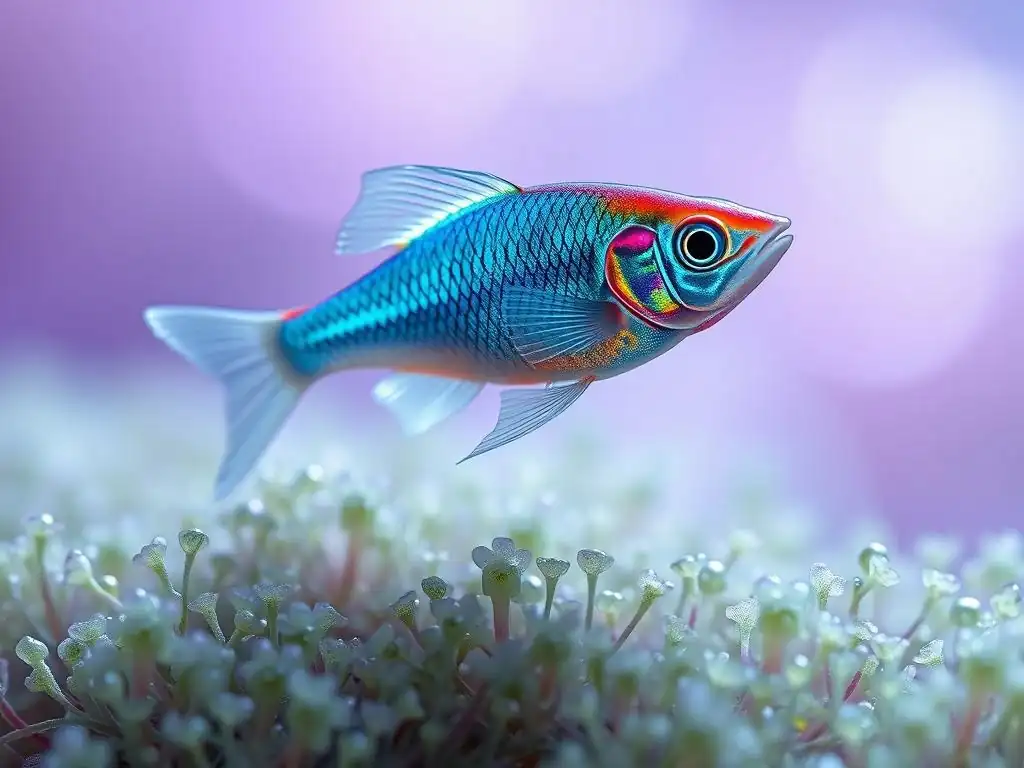
Live Foods: A Natural Source of Essential Nutrients for Neon Tetras
Live foods offer unparalleled nutritional value and are highly recommended when conditioning neon tetras for breeding. They often contain a broader spectrum of naturally occurring nutrients, enzymes, and beneficial bacteria that can be degraded or absent in processed foods. This makes them ideal for stimulating natural feeding behaviors, enhancing overall vigor, and providing the precise nutritional boost needed to optimize female tetra egg quality.
The act of hunting and consuming live foods also stimulates the fish's natural instincts, which can reduce stress and promote overall vitality. This psychological and physical conditioning indirectly contributes to reproductive success by ensuring the fish are in peak condition, both internally and externally, for spawning.
Microworms and Vinegar Eels: Boosting Neon Tetra Egg Yolk Quality
Microworms and vinegar eels are excellent, small, and highly digestible live food options that are readily consumed by small fish like neon tetras. They are particularly valued for their high protein content and are easy to culture at home, providing a continuous supply of fresh, nutritious food.
Their specific benefit for eggs lies in their ability to boost egg yolk quality, providing easily accessible and highly bioavailable energy reserves for the developing embryo. This direct nutritional input into the yolk significantly impacts the initial survival rate and developmental vigor of neon tetra fry, making them a superb choice for enhancing female tetra egg quality.
Newly Hatched Brine Shrimp (Artemia): Providing Essential Fatty Acids for Neon Tetra Reproduction
Newly hatched brine shrimp (Artemia nauplii) are a powerhouse of nutrition, especially renowned for being rich in essential fatty acids (EFAs) such as DHA and EPA. These fatty acids are absolutely critical for early larval development and provide the necessary building blocks for healthy cellular growth in the developing embryo.
Their small size makes them perfectly suited not only for newly hatched neon tetra fry but also for conditioning adult females. Feeding these EFA-rich nauplii directly contributes to superior female tetra egg quality and promotes the subsequent health and robust growth of the fry. For even greater nutritional value, brine shrimp can be "gut-loaded" by feeding them spirulina or other nutrient-rich solutions before being offered to the fish.
High-Quality Micro-Pellet Foods for Female Neon Tetras
While live foods offer exceptional benefits, high-quality micro-pellet foods serve as a convenient and nutritionally complete staple for daily feeding. When selecting pellets for breeding neon tetras, it is crucial to choose brands specifically formulated for small tropical fish, paying close attention to the ingredient list. These pellets provide a consistent and balanced nutritional base to support sustained female tetra egg quality.
The best micro-pellets for neon tetras are typically slow-sinking and appropriately sized, ensuring that all fish can consume them without significant waste. This minimizes uneaten food decaying in the tank, which could otherwise compromise water quality. Such pellets should be considered a consistent foundation in the diet, complementing occasional live or frozen food offerings.
Choosing the Right Neon Tetra Food for Optimal Egg Development
To ensure optimal egg development, aquarists should scrutinize the ingredient list of any dry food. Look for formulations where high-quality protein sources such as fish meal, krill, spirulina, or other marine proteins are listed among the first few ingredients. Avoid foods that contain excessive fillers like corn starch or artificial colors, which offer little nutritional value.
Furthermore, prioritize foods that are fortified with essential vitamins (particularly Vitamin E and Vitamin C) and minerals, and ideally, those with added Omega-3 fatty acids. These "nutritionally complete" formulations are designed to support the demanding physiological requirements of breeding fish, directly contributing to superior female tetra egg quality. Reading reviews and selecting reputable brands known for their commitment to fish nutrition can also be beneficial.
Supplementing Neon Tetra Diets for Enhanced Egg Quality
While a well-chosen staple diet is crucial, targeted supplementation can provide an additional boost, particularly when actively preparing neon tetras for breeding or addressing specific nutritional gaps. Supplements can ensure that the females receive an optimal concentration of micronutrients that might be less abundant in their primary food sources.
These supplements come in various forms, including liquid vitamins, carotenoid enhancers, and specialized breeding conditioners. They are designed to fortify the diet, ensuring that the female has all the necessary building blocks for producing the highest possible female tetra egg quality. However, it's important to use them judiciously and as directed, as over-supplementation can also be detrimental.
Astaxanthin and Beta-Carotene: Improving Neon Tetra Egg Color and Nutrient Content
Astaxanthin and beta-carotene are potent carotenoids, natural pigments that not only enhance the vibrant coloration of fish but also function as powerful antioxidants. These compounds play a vital role in protecting cellular structures from oxidative damage, thereby improving overall fish health and vitality.
For eggs, these carotenoids offer specific benefits: they can improve the richness and vibrancy of the egg yolk color, which is often an indicator of good health and nutrient density. More importantly, they provide crucial antioxidant protection for the developing embryo, contributing directly to the visual assessment of healthy female tetra egg quality and supporting the embryo's early development. Excellent sources include spirulina, krill, and specialized color-enhancing foods.
Multivitamin Supplements and Dosage Recommendations
Liquid multivitamin supplements specifically formulated for aquarium fish are an effective way to ensure a broad spectrum of essential vitamins is delivered. These supplements can be conveniently soaked into dry foods (flakes or pellets) or added directly to live foods before feeding, ensuring maximum absorption by the fish.
A general dosage recommendation is often a few drops per feeding portion, applied 2-3 times per week, or as per the specific product instructions. It is critical to adhere to the recommended dosage and avoid over-supplementation, as excessive vitamin intake can also be harmful. These supplements are intended to complement, not replace, a balanced and varied diet, serving as an important tool for achieving optimal female tetra egg quality.
Feeding Strategies for Improving Female Neon Tetra Egg Quality
Frequency and Quantity: Establishing a Feeding Schedule for Breeding Neon Tetras
When conditioning neon tetras for breeding, establishing a precise feeding schedule is paramount. Frequent, small feedings throughout the day are generally more beneficial than one large feeding, as this mimics their natural foraging behavior and minimizes uneaten food. Feeding 2-3 small portions per day is often recommended to maintain consistent nutrient levels and support continuous egg production.
Regarding quantity, feed only what the fish can consume within 2-3 minutes. Overfeeding is a common pitfall that rapidly degrades water quality, leading to increased ammonia and nitrite levels. Poor water quality directly stresses fish, weakens their immune system, and can cause them to reabsorb eggs or cease spawning, thereby severely impacting female tetra egg quality and overall reproductive success.
Target Feeding: Ensuring Female Neon Tetras Receive Adequate Nutrition
In a community aquarium setting, ensuring that specific breeding females receive adequate nutrition can be challenging due to competition from other tank inhabitants. Target feeding is a strategic method to ensure that these key individuals receive the intended high-quality foods without being outcompeted by faster or more aggressive tank mates.
Methods for target feeding include using a pipette or long tweezers to deliver food directly to the female, or, if practical, temporarily isolating the breeding pair in a separate container during feeding times. This focused approach guarantees that the female receives the precise nutritional support needed to optimize female tetra egg quality and prepare her for spawning.
Avoiding Overfeeding: Maintaining Water Quality and Neon Tetra Health
The dangers of overfeeding cannot be overstated. Uneaten food quickly decays in the aquarium, leading to a rapid increase in ammonia, followed by nitrite, and eventually elevated nitrate levels. These nitrogenous waste products severely degrade water quality, creating a toxic environment for fish.
Poor water quality directly stresses fish, making them more susceptible to diseases and inhibiting their natural reproductive behaviors. In severe cases, it can cause females to reabsorb their eggs, preventing spawning entirely, or result in the production of non-viable eggs. Therefore, maintaining pristine water quality through responsible feeding practices is as crucial as the diet itself for supporting female tetra egg quality and overall fish health.
Water Quality's Role in Neon Tetra Reproduction and Egg Development
The Importance of Pristine Water Parameters for Female Neon Tetra Health
No matter how perfect the diet, it cannot compensate for substandard water quality. Pristine water parameters are the fundamental bedrock for the health and well-being of all aquarium fish, and this is especially true for the sensitive physiological processes involved in reproduction and egg development. Optimal water conditions minimize stress on the fish, allowing them to channel their energy into reproductive activities rather than fighting adverse environmental conditions.
Stable and appropriate water parameters signal to the fish that their environment is safe and conducive for spawning. This environmental stability reduces physiological stress, which can otherwise inhibit gonad development and egg maturation. A healthy, stress-free female is far more likely to produce high-quality eggs consistently, directly supporting superior female tetra egg quality.
Ammonia, Nitrite, and Nitrate Levels: Impact on Neon Tetra Egg Viability
Ammonia and nitrite are highly toxic to fish, even at very low concentrations. They can cause severe gill damage, respiratory distress, and immune suppression, ultimately leading to death. While nitrates are less acutely toxic, chronically elevated levels (e.g., above 20 ppm, and ideally below 10 ppm for breeding tanks) can still suppress immune function, inhibit spawning, and contribute to overall fish stress.
These nitrogenous waste products directly impact egg viability. They can damage the delicate chorion (outer membrane) of the egg, reduce oxygen uptake by the developing embryo, or even prevent successful fertilization. Maintaining undetectable levels of ammonia and nitrite (0 ppm) and very low nitrates is absolutely crucial for maximizing female tetra egg quality and ensuring the successful development and survival of neon tetra fry.
Regular Water Changes: Supporting Optimal Neon Tetra Reproduction
Regular partial water changes are the most effective and fundamental method for maintaining pristine water quality in an aquarium. This practice dilutes accumulated pollutants, such as nitrates and other dissolved organic compounds, and replenishes essential trace elements that are vital for fish health and reproductive processes.
For breeding neon tetras, a consistent schedule of 25-30% weekly water changes is generally recommended, or even more frequent smaller changes if the tank is heavily stocked or actively breeding. This consistent replenishment of fresh, conditioned water creates a stable and healthy environment, which is paramount for encouraging successful spawning and ensuring robust female tetra egg quality.
Monitoring Female Neon Tetra Egg Quality: Signs of a Healthy Diet
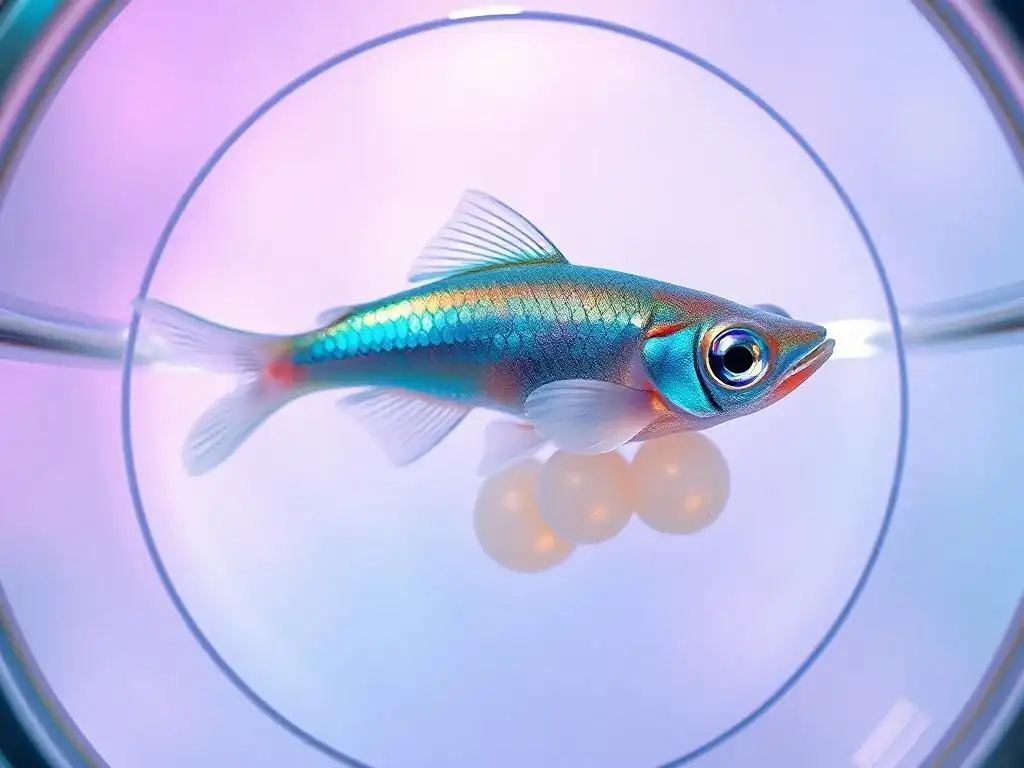
Observing Neon Tetra Egg Size, Color, and Quantity
When assessing female tetra egg quality, close observation of the eggs immediately after spawning can provide valuable insights into the female's nutritional status. Healthy neon tetra eggs are typically quite small, measuring approximately 1 millimeter in diameter, and should appear clear, translucent, and uniform in size within a given clutch.
The quantity of eggs laid can also be an indicator. A healthy, well-conditioned female neon tetra can lay anywhere from 60 to 130 eggs per spawn, though this number can vary depending on her size and age. Consistently lower egg counts or a wide variation in egg sizes within a single clutch can often point towards underlying nutritional deficiencies impacting overall female tetra egg quality.
Recognizing Signs of Nutritional Deficiencies in Neon Tetra Eggs
Eggs exhibiting signs of poor health often indicate nutritional deficiencies in the spawning female. Unhealthy eggs may appear opaque, cloudy, or turn milky white within hours of being laid, which typically signifies they are unfertilized or have succumbed to fungal infection due to a compromised chorion. Irregular shapes or excessively small sizes for the species are also red flags.
A high percentage of non-developing or opaque eggs within a clutch can strongly suggest a lack of essential fatty acids, specific vitamins (like Vitamin E), or crucial minerals required for initial embryonic development and chorion integrity. These visual cues serve as direct feedback on the effectiveness of the female's diet and her overall female tetra egg quality.
Visual Examples of Healthy vs. Unhealthy Neon Tetra Eggs
Healthy neon tetra eggs are typically clear, almost invisible against a dark substrate, with a tiny, developing embryo visible as a speck inside after a few hours post-spawn. Their translucency allows light to pass through, indicating proper hydration and structural integrity of the chorion. These eggs will often adhere slightly to surfaces, appearing robust and well-formed.
Unhealthy eggs, conversely, frequently turn milky white within hours of being laid, indicating they are infertile or have succumbed to fungal infection due to poor viability or a weakened outer membrane. They may also appear shriveled, discolored, or lack the characteristic clear, plump quality of viable eggs, often detaching easily from surfaces. This stark visual difference underscores the impact of proper nutrition on female tetra egg quality.
Case Studies: Diet and Breeding Success with Female Neon Tetras
Case Study 1: Using a Specific Diet to Improve Egg Hatch Rates in Neon Tetras
Consider a hobbyist, John, who consistently struggled with low hatch rates, often below 20%, from his otherwise seemingly healthy neon tetra spawns. His staple diet for the breeding pair was a basic, generic flake food. Despite maintaining good water parameters, the eggs would often turn white or simply fail to develop.
John decided to overhaul his breeding females' diet. He introduced a regimen consisting of 50% newly hatched brine shrimp (fed daily), 30% high-protein micro-pellets (with spirulina and krill as primary ingredients), and 20% frozen bloodworms, supplemented with liquid multivitamins three times a week. Within two months of this dietary change, his subsequent spawns consistently yielded hatch rates of over 70%, demonstrating a direct correlation between an enhanced, varied diet and significantly improved female tetra egg quality and viability.
Case Study 2: Overcoming Infertility Issues with Dietary Adjustments in Neon Tetras
Sarah had a mature pair of neon tetras that would spawn regularly, sometimes weekly, but almost all the eggs would turn white within 24 hours, indicating a pervasive infertility issue. Her current diet for them was primarily limited to freeze-dried bloodworms and a standard tropical fish flake.
Recognizing a potential nutritional gap, Sarah introduced live daphnia (rich in essential fatty acids) and spirulina-enriched flakes to their diet, ensuring they received a broader spectrum of essential fatty acids and carotenoids. She also added a Vitamin E supplement to their food twice a week. After approximately four weeks on this revised, more diverse diet, her subsequent spawns showed a dramatic improvement, with over 60% of the eggs remaining clear and developing. This case highlights the critical role of specific nutrients in resolving female tetra egg quality issues related to infertility.
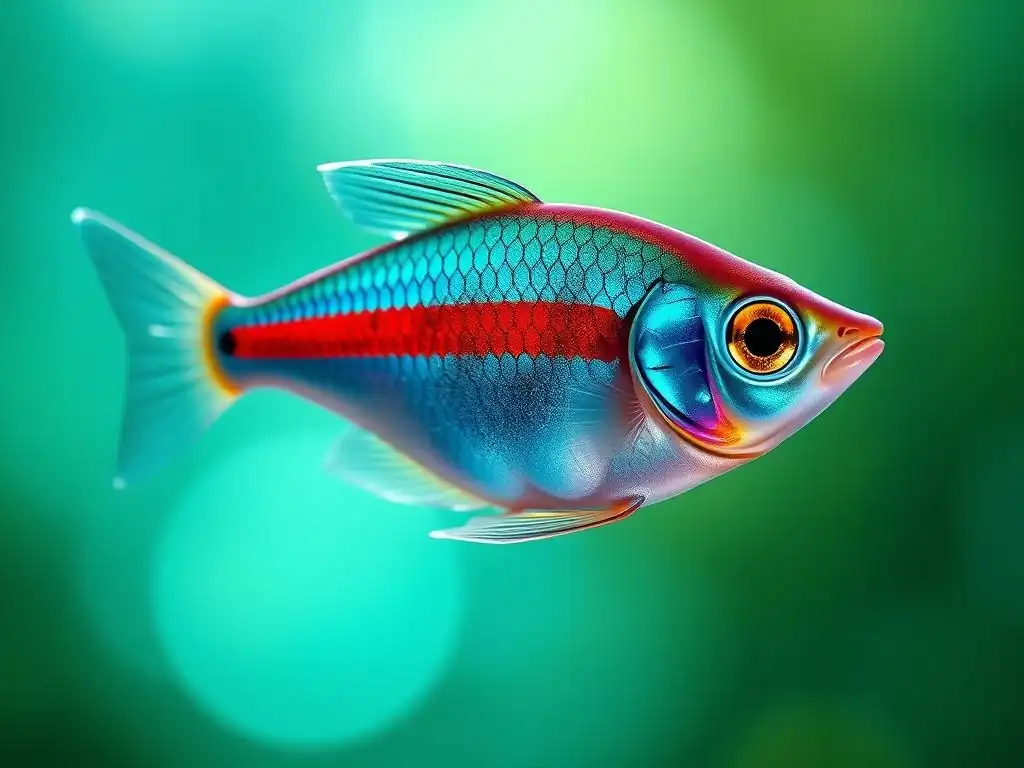
Addressing Egg Fungus and Low Hatch Rates
Egg fungus is a common issue in neon tetra breeding, often stemming from unfertilized eggs or poor water quality. However, a weak or compromised chorion (the outer layer of the egg) due to nutritional deficiencies in the female can make eggs more susceptible to fungal infections. Similarly, consistently low hatch rates, even from seemingly fertilized eggs, can point to poor egg viability.
To address these issues, first ensure optimal water quality, as pristine conditions are paramount. Simultaneously, thoroughly review the female's diet for sufficient high-quality protein, essential fatty acids (especially Omega-3s), and a full spectrum of vitamins, particularly Vitamin E. A robust, nutrient-dense egg, a direct product of superior female tetra egg quality, is inherently more resistant to fungal attack and possesses a higher intrinsic chance of successful development and hatching.
Identifying and Correcting Nutritional Deficiencies in Female Neon Tetras
Identifying nutritional deficiencies in breeding females often requires careful observation. Observable signs in the female herself might include dull coloration, lethargy, emaciation despite regular feeding, or a consistent inability to produce eggs or spawn. In the eggs, key indicators include consistently small size, irregular shapes, or an unusually high rate of opaqueness or non-development.
Corrective actions involve a gradual but significant upgrade to the diet. Introduce a wider variety of high-quality foods, including live options like newly hatched brine shrimp, microworms, or daphnia, and high-protein frozen foods. Consider incorporating specific supplements such as liquid multivitamins or foods rich in carotenoids and Vitamin E. Monitor the female's health and the subsequent female tetra egg quality over several weeks to assess the effectiveness of the dietary adjustments.
Advanced Techniques for Neon Tetra Breeding: Beyond Basic Diet
Water Parameter Manipulation for Optimal Spawning (pH, Temperature, Hardness)
While diet is a primary driver of female tetra egg quality, precise manipulation of water parameters serves as a crucial environmental trigger and facilitator for optimal spawning. Neon tetras, originating from the soft, acidic waters of the Amazon basin, prefer specific conditions to encourage breeding. Ideal ranges for spawning typically include a pH between 5.5 and 6.5, very soft water with a General Hardness (GH) of 1-5 dGH (approximately 17.9-89.5 ppm), and a stable temperature around 75-78°F (24-25.5°C).
These specific parameters signal to the fish that environmental conditions are ideal for reproduction, reducing stress and encouraging the release of eggs. For instance, a slight drop in pH and hardness, mimicking seasonal changes in their natural habitat, can often stimulate spawning activity. When combined with a superior diet that ensures optimal female tetra egg quality, these precise water adjustments create the perfect synergy for consistent and successful breeding outcomes.
Conclusion: Achieving Aquarium Mastery Through Optimal Neon Tetra Nutrition and Egg Quality
The journey to mastering neon tetra breeding, and indeed the reproduction of any aquarium fish, fundamentally begins with a deep understanding and implementation of optimal nutrition for the female. A well-rounded, nutrient-rich diet is not merely about ensuring the fish's survival; it is about enabling them to thrive, reach peak reproductive condition, and consistently produce the highest possible female tetra egg quality. Every essential nutrient, from high-quality proteins and vital essential fatty acids to crucial vitamins and minerals, plays an indispensable role in the intricate process of egg development and viability.
By prioritizing a diverse, high-quality feeding regimen, incorporating live foods, and understanding the critical interplay between diet and pristine water parameters, aquarists can significantly enhance female tetra egg quality. This holistic approach leads directly to higher fertilization rates, improved hatch rates, and the development of robust, healthy fry. Ultimately, by meticulously focusing on the nutritional needs of breeding females, aquarists can unlock the full reproductive potential of their neon tetras, truly achieving Aquarium Mastery in their breeding endeavors.
Frequently Asked Questions
How does a female tetra's diet affect her egg quality?
A female tetra's diet directly impacts egg quality. A nutrient-rich diet, especially one high in protein and vitamins, contributes to the development of healthy and viable eggs. Insufficient nutrition can lead to smaller clutches and lower hatch rates.
What specific nutrients are most important for female tetra egg quality?
Protein is crucial, as it's the building block for egg development. Vitamins like vitamin E and vitamin D3 also play a vital role. A balanced diet with these key nutrients will help improve egg quality.
Can poor water quality impact a female tetra's ability to produce high-quality eggs?
Yes, absolutely. Poor water quality creates stress, which can negatively impact a female tetra's overall health and reproductive capabilities. Maintaining optimal water parameters is essential for successful breeding and egg quality.
How can I tell if my female tetra's eggs are of good quality?
Good quality tetra eggs are typically clear and plump. Poor quality eggs may appear cloudy, misshapen, or infertile. Observe your tetras and their eggs carefully for these signs.
What are some recommended foods to improve egg quality in female tetras?
Offer a variety of high-quality foods, including live or frozen foods like daphnia and brine shrimp. Supplement with a high-protein flake food designed for egg-laying fish. This will give them the nutrition they need.
Final Reflection: The Delicate Dance of Diet and Life
The intricate connection between diet and egg quality in female tetras, as explored in this study, underscores a fundamental truth that resonates far beyond the confines of our aquariums: nurturing inputs directly shape the potential for life. This understanding, meticulously documented through observation and analysis, highlights the profound responsibility we bear, not just as aquarists, but as stewards of life in all its forms. The health and vitality of these tiny creatures serve as a microcosm of the larger ecosystems we inhabit and influence.
The impact of this seemingly niche topic ripples outwards, influencing our understanding of responsible animal care and the interconnectedness of biological systems. This study, while focused on tetras, reminds us that even the smallest details can have significant consequences, and that mindful observation and informed action are crucial for fostering thriving environments. The quality of our attention determines the quality of our lives.
This quote, often attributed to various thinkers, perfectly encapsulates the essence of this investigation, emphasizing that our focused care and understanding are the key to unlocking the potential for vibrant life, whether in a tetra's egg or in our own endeavors.
Now, consider the lessons learned from this exploration of female tetra egg quality. How can you apply this understanding of the power of nurturing inputs to other areas of your life? Reflect on the "diet" – both literal and metaphorical – that you are providing to the things you wish to see flourish. Are you providing the necessary nutrients, the right environment, and the focused attention needed for growth and vitality? Let this study inspire you to cultivate a more mindful and nurturing approach, fostering life and potential wherever you find it.
Ignite Your Tetra Breeding Success
Thank you for delving into the fascinating world of tetra diet and egg quality! We hope this exploration has armed you with valuable insights to elevate your aquarium mastery. Now, let's translate this knowledge into action and witness the vibrant rewards.
Here’s how you can take the next step:
- Implement a targeted diet: Experiment with different food combinations, focusing on nutrient-rich options like live foods or high-quality flakes specifically designed for breeding fish. Closely monitor the effect on your tetras' egg production.
- Share your observations! Head over to our Aquarium Mastery forum and share your diet experiments, successes, and challenges.
- Ready for more? Dive deeper into genetics! Research specific tetra species' breeding behaviors and genetics for highly targeted success.
What innovative diet adjustments will you implement to unlock your tetras' breeding potential?