
Heater Controllers: Precision Temperature Management for Sensitive Species (Setup & Review)

Welcome to Aquarium Mastery!
Ever wondered how to maintain the perfect temperature in your aquarium, especially for those ultra-sensitive species? This is where a precise aquarium heater controller becomes essential. Dive in to discover how these devices can revolutionize your tank's stability and ensure a thriving aquatic ecosystem. Ready to unlock the secrets to flawless temperature management? Let's get started!
- Aquarium Heater Controllers: Ensuring Stable Temperatures for Aquatic Life (Setup & Review)
- The Importance of Stable Aquarium Temperatures
- What is an Aquarium Heater Controller?
- Benefits of Using an Aquarium Heater Controller
- Types of Aquarium Heater Controllers
- Choosing the Right Controller for Your Aquarium
- Setting Up Your Aquarium Heater Controller
- Aquarium Heater Controller Reviews: Inkbird ITC-308
- Aquarium Heater Controller Reviews: Finnex HC-810M
- Troubleshooting Common Issues
- Maintaining Your Aquarium Heater Controller
- Optimizing Temperature Control
- Conclusion: Achieving Optimal Aquarium Health Through Temperature Control
-
Frequently Asked Questions
- How does a precise aquarium heater controller benefit sensitive fish species?
- What are the key features to look for in a precise aquarium heater controller?
- How do precise aquarium heater controllers differ from standard aquarium heaters?
- How do I set up a precise aquarium heater controller correctly?
- What are some common problems associated with precise aquarium heater controllers and how can I troubleshoot them?
- Final Reflection: The Delicate Dance of Thermal Harmony
- Unlock Optimal Care: Take Control of Your Aquarium's Temperature!
Aquarium Heater Controllers: Ensuring Stable Temperatures for Aquatic Life (Setup & Review)
The Importance of Stable Aquarium Temperatures
Why Consistent Water Temperature is Crucial for Aquatic Health
Consistent water temperature is paramount for the health and vitality of nearly all aquatic life. Fish, invertebrates, and plants are poikilothermic, meaning their internal body temperature is regulated by their external environment. Stable temperatures directly influence their metabolic rates, immune system function, and overall well-being. For instance, most common tropical freshwater fish, such as Neon Tetras or Guppies, thrive in a narrow range of 75-80°F (24-27°C), while sensitive species like Discus demand an even tighter range, typically 82-86°F (28-30°C), with minimal fluctuations.
Any deviation from an organism's ideal temperature range can lead to significant physiological stress, impacting their ability to fight off disease and process food efficiently. A precise aquarium heater controller plays a critical role in maintaining this delicate balance, ensuring that the water temperature remains within the optimal parameters required for your specific aquatic inhabitants. This unwavering consistency supports robust health, active behavior, and vibrant coloration, indicative of a thriving aquatic ecosystem.
Risks Associated with Temperature Swings in Aquariums
Rapid or significant temperature swings in an aquarium pose severe risks to its inhabitants. A sudden drop in temperature, even by a few degrees Fahrenheit, can induce thermal shock, suppressing fish immune systems and making them highly susceptible to common parasitic diseases like Ich (white spot disease). Conversely, an uncontrolled temperature spike can lead to oxygen depletion, increased metabolic rate, and organ damage, potentially causing irreversible harm or death.
Consider a 55-gallon tank experiencing a heater malfunction, causing the temperature to plummet from a stable 78°F to 70°F overnight. This 8-degree drop can decimate a population of sensitive shrimp or trigger an Ich outbreak among fish within days. Such fluctuations are often beyond the capabilities of standard heaters with basic thermostats. This underscores why a precise aquarium heater controller is not merely a convenience but a vital safeguard, actively preventing the dangerous thermal instability that can compromise your entire aquatic environment.
What is an Aquarium Heater Controller?
Defining "Controller": Accuracy and Functionality in Temperature Management
An aquarium heater controller is an external device designed to precisely monitor and regulate the water temperature in an aquarium by cycling a connected heater (or chiller) on and off. Unlike a standard heater's internal thermostat, which can be prone to drift or failure, a dedicated temperature controller employs a highly accurate external probe that continuously measures the water temperature. This probe sends real-time data to the controller's internal circuitry, which then activates or deactivates the heater to maintain a user-defined set point within a very tight tolerance, often as precise as ±0.1°F to ±0.5°F.
The core functionality of a precise aquarium heater controller lies in its ability to act as an independent "brain" for your heating system. Most models offer a digital display for easy temperature setting and monitoring, along with programmable high and low temperature alarms. This advanced level of monitoring and control ensures that the aquarium environment remains consistently within the narrow, ideal range for sensitive aquatic species, significantly reducing the risk of temperature-related stress or catastrophe.
Distinguishing Controllers from Standard Aquarium Heaters
While both standard aquarium heaters and temperature controllers play roles in maintaining water temperature, their functions and levels of precision differ significantly. A standard aquarium heater is an all-in-one unit that generates heat and typically includes a basic, internal bimetallic strip thermostat. This thermostat has a built-in differential, meaning it allows the temperature to fluctuate several degrees (e.g., 2-4°F) above and below the set point before kicking on or off. Moreover, these internal thermostats can degrade over time, leading to inaccurate readings or, worse, becoming stuck in the "on" position, potentially cooking your tank.
In contrast, a precise aquarium heater controller is a separate, external device that does not generate heat itself. Instead, it acts as an intelligent intermediary, plugging into the wall outlet and providing a controlled power outlet for your heater. The controller's remote temperature probe offers far greater accuracy and responsiveness than an internal heater thermostat.
This separation of heating element and control unit provides a crucial layer of redundancy and safety. If a standard heater fails and gets stuck on, the controller will detect the rising temperature and cut power to prevent overheating, making it an indispensable component for serious aquarists.
Benefits of Using an Aquarium Heater Controller
Maintaining Optimal Conditions for Fish, Invertebrates, and Plants
A precise aquarium heater controller is instrumental in maintaining the narrow, optimal temperature ranges essential for the health of diverse aquatic life. Many fish species, such as marine clownfish or freshwater Discus, require highly stable temperatures, often within a 1-2°F window, for peak health and activity. Invertebrates like sensitive corals (e.g., Acropora species) in reef tanks thrive best when water temperatures are consistently held between 78-80°F (25.5-26.7°C), as even slight deviations can cause stress, bleaching, or reduced growth.
For aquatic plants, consistent temperatures promote stable metabolic rates, optimizing their ability to absorb nutrients and perform photosynthesis. Fluctuations can lead to stunted growth, melt, or increased susceptibility to algae overgrowth. By providing unwavering temperature stability, a precise aquarium heater controller creates an environment where all inhabitants can flourish, exhibiting natural behaviors, vibrant colors, and robust growth, directly contributing to a healthier and more beautiful aquarium.
One of the most significant benefits of deploying a precise aquarium heater controller is its ability to mitigate temperature-related stress and prevent disease outbreaks. Stress, often induced by unstable environmental conditions, weakens the immune systems of fish and invertebrates, making them highly vulnerable to pathogens. A sudden temperature drop, for example, is a common trigger for Ich (white spot disease), a highly contagious parasitic infection that can decimate an entire tank within days.
By maintaining a consistent set temperature, the controller eliminates these stressful fluctuations. This stability allows the immune systems of your aquatic inhabitants to function optimally, enhancing their natural defenses against common ailments. For instance, a tank maintained consistently at 78°F (25.5°C) by a reliable controller will see significantly fewer instances of stress-induced illnesses compared to a tank where the temperature might swing between 75°F and 82°F due to an unreliable heater thermostat.
Promoting Consistent Plant Growth
Aquatic plants, much like their terrestrial counterparts, are highly sensitive to their environment, and water temperature plays a crucial role in their growth and overall health. Optimal temperatures ensure efficient nutrient uptake, stable CO2 solubility, and consistent photosynthetic rates. Most popular aquatic plants, such as Cryptocoryne or Anubias, thrive in a stable range of 72-78°F (22-25.5°C). Even minor, prolonged deviations can slow growth, cause leaf melt, or lead to nutrient deficiencies.
A precise aquarium heater controller prevents these detrimental fluctuations, ensuring that plants are consistently exposed to their preferred temperature. This stability directly translates to more vigorous and consistent growth, denser foliage, and reduced susceptibility to common plant issues like algae outbreaks, which often capitalize on stressed or struggling plants. Aquarists aiming for lush, vibrant planted tanks will find a reliable temperature controller an indispensable tool for achieving their horticultural goals.
Enhancing Breeding Success
For aquarists interested in breeding, a precise aquarium heater controller can be a game-changer. Many fish species, particularly those from tropical regions, require very specific and stable temperature conditions to trigger spawning behaviors and ensure successful egg development. For instance, some Tetras might require a slight, controlled temperature drop followed by a gradual rise to simulate seasonal changes that induce breeding. Discus, on the other hand, often need very stable, elevated temperatures, typically around 84-86°F (29-30°C), for optimal breeding success and fry survival.
The ability of a controller to maintain exact temperatures, or even execute precise, gradual temperature changes, significantly increases the likelihood of successful spawning. Furthermore, stable conditions ensure proper development of eggs and fry, which are extremely sensitive to environmental shifts. By providing this level of environmental control, a precise aquarium heater controller moves breeding from a hopeful endeavor to a more scientifically managed process, dramatically improving yields and the viability of young fish.
Types of Aquarium Heater Controllers
Digital Controllers: Features and Precision
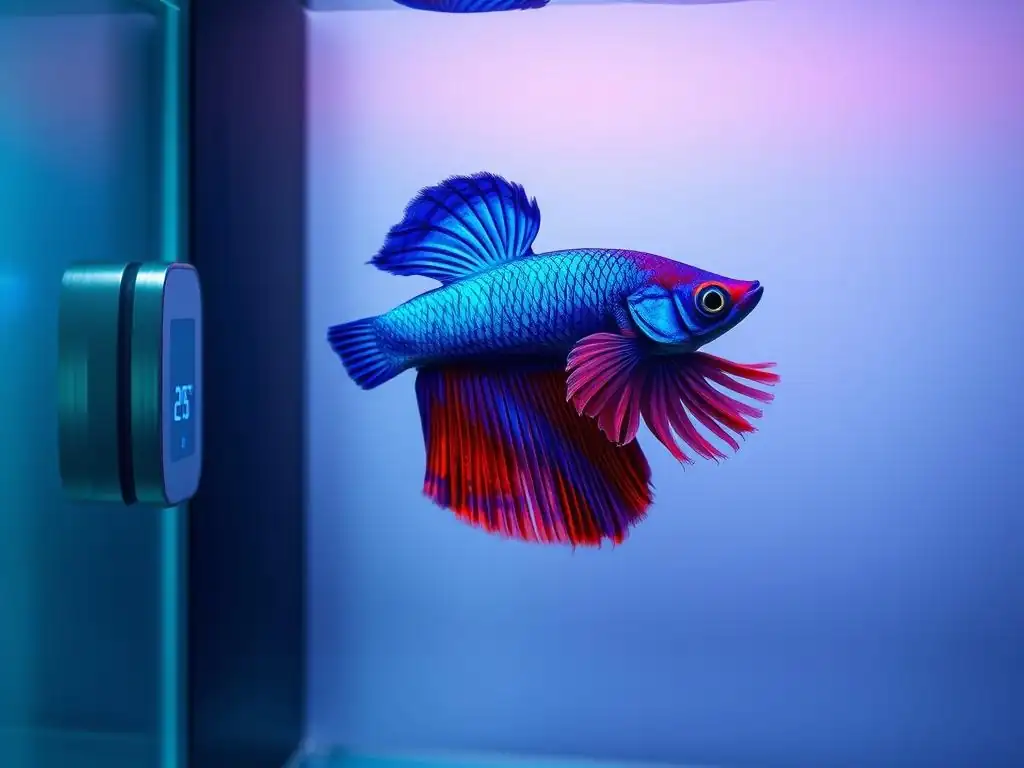
Digital aquarium heater controllers are the most common and popular type available, characterized by their electronic displays and precise temperature setting capabilities. These controllers typically feature an LCD or LED screen that shows the current water temperature and allows users to set the desired temperature with high accuracy, often in increments of 0.1°F or 0.1°C. Many models, such as the Inkbird ITC-308, include dual outlets for both heating and cooling devices, audible alarms for temperature deviations, and a programmable differential to prevent rapid cycling of the heater.
The key advantage of a digital precise aquarium heater controller lies in its superior accuracy and user-friendliness. Their advanced microprocessors ensure that the temperature probe readings are highly reliable, and the set point is maintained within very tight tolerances, typically ±0.5°F or better. This precision is invaluable for sensitive aquatic ecosystems, providing aquarists with confidence that their tank's temperature is constantly monitored and perfectly regulated, minimizing stress on delicate fish and invertebrates.
Analog Controllers: Simplicity and Cost-Effectiveness
Analog aquarium heater controllers represent a more basic and often more affordable option compared to their digital counterparts. These controllers typically feature a dial or knob for setting the desired temperature, and they lack a digital display for precise readings. The temperature differential, or the range within which the heater cycles, is usually fixed and less precise than digital models, often allowing for fluctuations of ±1-2°F around the set point.
While an analog precise aquarium heater controller may not offer the pinpoint accuracy of a digital unit, it can still provide a valuable layer of safety and control, particularly for less sensitive aquarium setups or as a backup system. Their simplicity makes them easy to operate, and their lower cost can be attractive for budget-conscious aquarists. However, for tanks housing delicate species or those requiring extremely stable conditions, the limited precision of an analog controller might not suffice, making a digital option a more prudent investment.
Wi-Fi Enabled Controllers: Remote Access and Monitoring
Wi-Fi enabled aquarium heater controllers represent the cutting edge of temperature management, offering unparalleled convenience and peace of mind. These advanced units connect to your home Wi-Fi network, allowing users to monitor and control their aquarium's temperature remotely via a smartphone app. Beyond basic temperature setting, these controllers often provide features like real-time temperature graphs, historical data logging, push notifications for temperature alarms (e.g., if the tank overheats or cools too much), and even integration with other smart home systems.
For the busy aquarist or those with highly valuable or sensitive livestock, a Wi-Fi enabled precise aquarium heater controller is an invaluable tool. Imagine receiving an alert on your phone if your tank temperature drops while you're at work, allowing you to react quickly. Brands like Neptune Systems (Apex) or GHL (Profilux) offer comprehensive controllers with Wi-Fi capabilities that extend far beyond just heating, providing a complete ecosystem for aquarium automation and monitoring. While these units come at a higher price point, the enhanced control, data insights, and remote access they offer justify the investment for many dedicated hobbyists.
Choosing the Right Controller for Your Aquarium
Aquarium Size and Wattage Requirements
When selecting a precise aquarium heater controller, the size of your aquarium and the total wattage of your heaters are critical considerations. Each controller has a maximum wattage rating it can safely handle, typically ranging from 500W to 1500W. It's crucial to ensure that the combined wattage of all heaters you intend to plug into the controller does not exceed this limit. For example, if you have two 300W heaters in a large tank, you'll need a controller rated for at least 600W.
A general guideline for heater wattage is 3-5 watts per gallon for typical tropical tanks, though this can vary based on ambient room temperature and tank insulation. A 75-gallon tank might require one 300W heater or two 150W heaters. Always err on the side of caution and choose a controller with a slightly higher wattage capacity than your total heater load to ensure safe and efficient operation. Overloading a controller can lead to malfunctions, fire hazards, or premature failure, undermining its ability to provide precise temperature control.
Species-Specific Temperature Needs
The specific temperature requirements of your aquarium inhabitants should heavily influence your choice of a precise aquarium heater controller. For common, hardy species like Guppies or Zebra Danios, a controller with an accuracy of ±0.5°F might be perfectly adequate. However, if you keep highly sensitive fish like Discus, specific types of marine corals (e.g., SPS corals), or delicate invertebrates such as certain shrimp species, pinpoint accuracy is paramount.
For these demanding setups, investing in a controller capable of maintaining temperature within ±0.1°F is highly recommended. These high-precision units minimize even the slightest temperature swings, which can be critical for preventing stress, disease, or even death in vulnerable species. Researching the ideal temperature range for each of your tank's inhabitants is essential to selecting a controller that meets their specific physiological needs, thereby ensuring their long-term health and well-being.
Budgetary Considerations
Aquarium heater controllers vary widely in price, from basic analog models costing around $30 to advanced Wi-Fi enabled units that can exceed $150. Your budget will naturally play a role in your decision, but it's important to view a precise aquarium heater controller as an investment in the health and safety of your aquatic environment, rather than just an expense. The cost of replacing valuable fish or corals due to a heater malfunction often far outweighs the price of a quality controller.
For entry-level aquarists or those with less sensitive setups, an affordable yet reliable digital controller like the Inkbird ITC-308 offers excellent value. However, if you have a high-value reef tank or a collection of rare, delicate fish, allocating a larger portion of your budget to a more sophisticated controller with advanced features like remote monitoring and superior accuracy is a wise decision. Balancing cost with the required level of precision and safety features will help you make the most appropriate choice for your specific aquarium.
Key Features: Accuracy, Reliability, and Safety Features
When selecting a precise aquarium heater controller, several key features beyond basic functionality warrant close attention. Accuracy is paramount; look for specifications indicating precision in tenths of a degree Fahrenheit (e.g., ±0.1°F or ±0.5°F). Reliability is also crucial; research brand reputation and user reviews to ensure the unit has a proven track record of consistent performance without frequent failures or calibration drift. A controller that malfunctions or provides inaccurate readings defeats its purpose entirely.
Safety features are non-negotiable. Essential safety features include audible and/or visual alarms for both over-temperature and under-temperature conditions, providing immediate alerts if the tank deviates from the set range. Some advanced controllers offer separate outlets for heating and cooling devices, allowing you to manage both extremes. Additionally, look for models with robust probes (some are fully submersible for better placement flexibility) and built-in fuse protection. These features collectively ensure that your precise aquarium heater controller not only maintains ideal temperatures but also acts as a critical failsafe against potential equipment failures.
Setting Up Your Aquarium Heater Controller
Step 1: Unboxing and Inspection
Upon receiving your new precise aquarium heater controller, the first step is to carefully unbox all components and conduct a thorough visual inspection. Remove the controller unit, temperature probe, and any accompanying accessories like suction cups or mounting brackets from the packaging. Check for any visible signs of damage, such as cracks in the casing, frayed wires, or bent pins on the plugs. Ensure that all listed components, as per the product manual, are present.
It is highly recommended to read the user manual before proceeding with installation. Each controller model may have specific instructions regarding its setup, calibration, and safety warnings. Familiarizing yourself with these details from the outset will prevent potential errors during installation and ensure you maximize the functionality of your precise aquarium heater controller.
Step 2: Positioning the Temperature Probe
Proper placement of the temperature probe is critical for ensuring the precise aquarium heater controller receives accurate readings of your tank's water temperature. The probe should be positioned in an area of the aquarium with good water flow, ideally away from direct contact with the heater itself. Placing it on the opposite side of the tank from the heater, or near the outflow of a filter, ensures it measures the average bulk water temperature rather than just localized heat.
Avoid placing the probe in stagnant areas, directly exposed to air bubbles, or where it might be affected by direct sunlight, as these conditions can lead to inaccurate readings. Secure the probe using its suction cup or mounting bracket to prevent it from floating or being dislodged by curious fish. An improperly placed probe can render even the most precise aquarium heater controller ineffective, leading to temperature inconsistencies despite its advanced features.
Step 3: Connecting the Heater
Once the temperature probe is securely positioned, the next step is to connect your aquarium heater(s) to the precise aquarium heater controller. Locate the controller's "heating" outlet (some models also have a "cooling" outlet for chillers). Plug your heater's power cord directly into this designated outlet on the controller. If you are using multiple heaters, ensure their combined wattage does not exceed the controller's maximum load capacity.
Crucially, you must set your aquarium heater's internal thermostat (if it has one) to a temperature higher than your desired tank temperature, or to its maximum setting. This ensures that the heater's internal thermostat does not interfere with the controller's operation. The controller will then take full command, powering the heater on and off as needed to maintain your precise set point, effectively bypassing the heater's less accurate built-in thermostat.
Step 4: Setting the Target Temperature
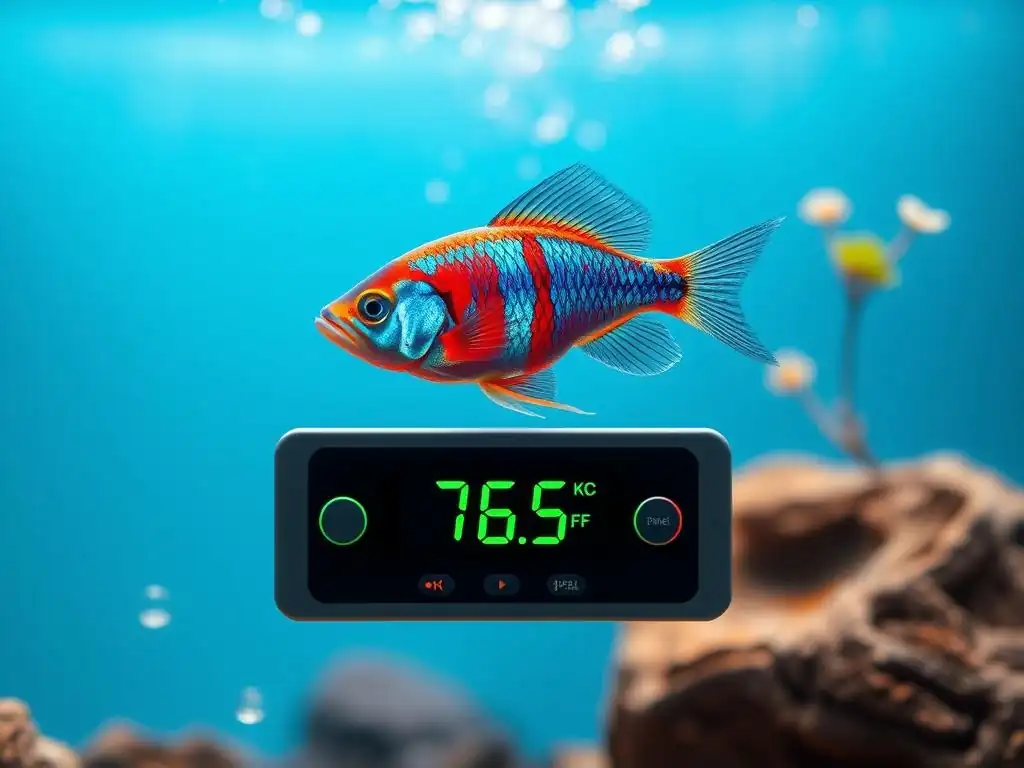
With the probe and heater connected, the next essential step is to program your desired target temperature into the precise aquarium heater controller. Most digital controllers feature intuitive buttons and a display screen to navigate the settings. Consult your specific model's manual for precise instructions, but generally, you will use "set" or "mode" buttons to enter the temperature setting menu and "up/down" arrows to adjust the desired temperature (e.g., 78.0°F).
In addition to the target temperature, many controllers allow you to set high and low temperature alarm limits. These are crucial safety features that will trigger an alert if the temperature deviates beyond your acceptable range (e.g., a low alarm at 76°F and a high alarm at 80°F). Setting these parameters correctly ensures that your precise aquarium heater controller not only maintains stability but also provides immediate notification in case of an unexpected thermal event.
Step 5: Calibration (If Applicable)
Some high-end or advanced precise aquarium heater controller models offer a calibration feature, allowing you to fine-tune the controller's temperature reading against a known, highly accurate thermometer. While many controllers are factory-calibrated, environmental factors or slight manufacturing variances can sometimes lead to minor discrepancies. To calibrate, place a laboratory-grade or highly accurate digital thermometer in your aquarium near the controller's probe and allow both to stabilize for at least 30 minutes.
Compare the reading on your reference thermometer with the temperature displayed on your controller. If there's a difference, follow your controller's manual to adjust its reading to match the accurate reference thermometer. This step, though not always necessary, ensures that your precise aquarium heater controller is providing the most accurate possible temperature data, giving you absolute confidence in your tank's thermal environment.
Step 6: Monitoring and Adjustments
After setting up your precise aquarium heater controller, the initial 24 to 48 hours are crucial for careful monitoring. Do not assume everything is perfect immediately. Use a separate, reliable thermometer placed in a different part of the tank to cross-reference the controller's readings. Observe how frequently the heater cycles on and off, and ensure the temperature remains stable within your desired range.
You may need to make minor adjustments to the controller's set point or differential settings (the range within which the heater cycles) to achieve optimal stability for your specific tank and heater combination. For instance, if you notice slight temperature swings, you might need to narrow the differential. Continuous monitoring, especially during the first few days, will help you fine-tune your precise aquarium heater controller for peak performance and ensure the long-term well-being of your aquatic inhabitants.
Aquarium Heater Controller Reviews: Inkbird ITC-308
Overview of Inkbird ITC-308 Features and Specifications
The Inkbird ITC-308 is one of the most widely recognized and popular precise aquarium heater controller models on the market, renowned for its affordability and reliable performance. This digital controller features a dual relay output, meaning it can simultaneously control both a heating device and a cooling device (like a chiller), each with its own separate power outlet. It offers a broad temperature control range, typically from -58°F to 210°F (-50°C to 99°C), making it suitable for a wide variety of aquarium and even terrarium applications.
Key specifications include an accuracy of ±1°F (±0.5°C), though many users report observed performance closer to ±0.5°F or even ±0.2°F in stable conditions. It supports a maximum load of 10A, which translates to approximately 1100W for 110V systems, ample for most home aquarium heaters. The ITC-308 also includes programmable high and low temperature alarms, a compressor delay protection for cooling devices, and a clear digital display for easy temperature monitoring and setting. Its plug-and-play design makes it exceptionally user-friendly for aquarists of all experience levels.
Performance Testing: Accuracy and Stability
In numerous independent tests and widespread user reports, the Inkbird ITC-308 consistently demonstrates impressive accuracy and stability for its price point, solidifying its reputation as a reliable precise aquarium heater controller. While its stated accuracy is ±1°F, real-world performance often shows it holding temperature within a tighter range, frequently observed between ±0.2°F and ±0.5°F, depending on tank size, heater wattage, and ambient conditions. This level of precision is more than adequate for the vast majority of freshwater and saltwater aquariums, including those housing moderately sensitive species.
The controller exhibits rapid response times to temperature changes, quickly engaging or disengaging the heater to prevent significant overshoots or undershoots. Its ability to maintain a tight temperature differential (often adjustable down to 0.1°C or 0.2°F) minimizes temperature swings, providing a very stable environment. This consistent performance underscores why the Inkbird ITC-308 is frequently recommended as an excellent entry-level yet highly effective solution for maintaining precise aquarium heater controller functionality.
Pros and Cons of Inkbird ITC-308
The Inkbird ITC-308 offers a compelling set of advantages that contribute to its popularity as a precise aquarium heater controller. Its primary pros include its exceptional affordability, making advanced temperature control accessible to a broad audience. The dual heating and cooling outlets provide versatile functionality, allowing for comprehensive climate control. Its simple, intuitive interface ensures easy setup and programming, even for beginners. Furthermore, its audible alarm system provides a crucial safety net, alerting users to significant temperature deviations.
However, the ITC-308 does have a few drawbacks. The temperature probe, while accurate, is not fully submersible at the cable entry point, requiring careful placement to avoid water ingress at the connection. The audible alarm, while present, is relatively quiet and might not be heard from another room. Additionally, the standard ITC-308 lacks remote monitoring capabilities; for Wi-Fi functionality, users would need to opt for the ITC-308-WIFI model, which comes at a higher price point. Despite these minor limitations, its overall value proposition remains very strong.
User Experiences with Inkbird ITC-308
User experiences with the Inkbird ITC-308 consistently highlight its reputation as a highly reliable and indispensable precise aquarium heater controller. Many aquarists credit this device with preventing catastrophic heater failures, citing instances where their old heaters became stuck in the "on" position, and the Inkbird safely cut power, saving their entire tank from overheating. It's frequently praised for its "set it and forget it" reliability once properly configured.
Hobbyists commonly utilize the ITC-308 in various setups, from small quarantine tanks and breeding setups to larger display tanks and even sensitive reef aquariums. Its ability to maintain tight temperature stability, often within half a degree Fahrenheit, is a recurring theme in positive reviews. While some users might wish for a louder alarm or a fully submersible probe, the overwhelming consensus is that the Inkbird ITC-308 offers exceptional value, providing professional-grade precise aquarium heater controller functionality at a budget-friendly price point.
Aquarium Heater Controller Reviews: Finnex HC-810M
Overview of Finnex HC-810M Features and Specifications
The Finnex HC-810M is another highly regarded precise aquarium heater controller, particularly popular among aquarists who value a sleek design and a fully submersible probe. This digital controller features a clear LED display and intuitive buttons for setting the desired temperature. It boasts a temperature control range typically from 32°F to 99°F (0°C to 37°C), suitable for most aquatic applications.
A key distinguishing feature of the HC-810M is its robust, fully submersible temperature probe, which allows for more flexible and discreet placement within the aquarium. It has a stated accuracy of ±0.5°F (±0.3°C) and can handle a maximum heater load of 800W. Like the Inkbird, it offers separate outlets for heating and cooling devices, making it a versatile option for comprehensive temperature management. Its compact size and durable construction contribute to its appeal as a reliable temperature controller.
Performance Testing: Accuracy and Stability
Performance tests and user observations generally confirm the Finnex HC-810M's ability to act as a reliable precise aquarium heater controller, consistently holding temperatures within its stated ±0.5°F accuracy. While it might not offer the ultra-fine 0.1°F increment adjustments of some higher-end units, its stability is commendable, preventing significant temperature swings in well-matched setups. The controller demonstrates good responsiveness, engaging the heater promptly when the temperature drops below the set point and cutting power efficiently to prevent overheating.
Some users have noted that the HC-810M might have a slightly wider temperature differential compared to some competitors, meaning it allows for a slightly larger swing before activating, but this is usually within acceptable limits for most aquatic species. Overall, the Finnex HC-810M delivers consistent and stable temperature control, making it a trustworthy choice for aquarists seeking a dependable precise aquarium heater controller for their tanks.
Pros and Cons of Finnex HC-810M
The Finnex HC-810M presents several compelling advantages as a precise aquarium heater controller. Its standout feature is the fully submersible temperature probe, which offers greater flexibility in placement and a cleaner aesthetic within the tank compared to probes that require the cable entry point to remain dry. The unit's compact size and robust build quality are also frequently praised, suggesting good durability. Its dual heating/cooling outlets provide comprehensive temperature management for various scenarios.
On the downside, the HC-810M has a lower maximum wattage capacity (800W) compared to some competitors like the Inkbird ITC-308 (1100W), which might limit its suitability for very large tanks or setups with multiple high-wattage heaters. Unlike many digital controllers, it typically lacks an audible alarm for temperature deviations, relying solely on visual indicators. Furthermore, it tends to be at a slightly higher price point than the Inkbird, which might be a consideration for budget-conscious hobbyists.
User Experiences with Finnex HC-810M
User experiences with the Finnex HC-810M generally reflect satisfaction with its performance as a precise aquarium heater controller. Many aquarists appreciate the robust, fully submersible probe, noting its convenience and reliability compared to less durable alternatives. It's often chosen for its clean design and its ability to blend seamlessly into a tank setup. Users commonly report that the controller reliably maintains their desired temperature, providing a stable environment for their aquatic inhabitants.
While some users occasionally mention the lack of an audible alarm as a minor inconvenience, the overall consensus is positive regarding its accuracy and durability. It is frequently recommended for small to medium-sized tanks (up to approximately 75 gallons with a single appropriately sized heater) where its 800W capacity is sufficient. For those prioritizing a submersible probe and a compact, reliable unit, the Finnex HC-810M remains a strong contender in the market for a precise aquarium heater controller.
Troubleshooting Common Issues
Temperature Fluctuations: Diagnosis and Solutions
If your precise aquarium heater controller is installed but you're still observing significant temperature fluctuations, several factors could be at play. First, check the probe placement: if it's too close to the heater, it might be reading localized heat rather than the tank's average temperature, causing the controller to cycle improperly. Relocate the probe to an area with good water flow, ideally opposite the heater. Second, ensure your heater wattage is adequate for your tank size and ambient room temperature; an undersized heater will struggle to maintain stability, especially in cooler rooms.
Another common cause is an excessively wide temperature differential setting on the controller itself. While a small differential prevents rapid cycling, a differential set too wide (e.g., 2°F or more) will naturally allow for larger temperature swings. Adjusting this setting to a tighter range (e.g., 0.5°F) can significantly improve stability. Lastly, ensure proper water circulation throughout the tank; dead spots can lead to temperature stratification, where different areas of the tank have varying temperatures, regardless of how precise aquarium heater controller is.
Controller Malfunctions: Identifying and Resolving Issues
Controller malfunctions can manifest in various ways, from the heater not turning on at all to the controller displaying erratic temperature readings or constantly cycling on and off. If your heater isn't receiving power, first verify that the controller itself is plugged into a live outlet and its display is active. Check the power cord connection from the heater to the controller's outlet. If the display is showing an error code or nonsensical readings, consult your controller's manual; these codes often indicate a probe error or internal fault.
For constant on/off cycling, ensure the temperature differential is not set too narrowly, as this can cause the heater to switch rapidly, potentially shortening its lifespan. If the controller seems entirely unresponsive or consistently provides inaccurate data despite troubleshooting, a reset (if available) might resolve minor software glitches. However, if the issue persists, especially after verifying all connections and settings, it might indicate a faulty internal component, requiring replacement of the precise aquarium heater controller.
Heater Problems: Troubleshooting and Replacement
Even with a precise aquarium heater controller in place, the heater itself can be the source of temperature issues. If your tank is consistently too cold, and the controller indicates it's sending power to the heater (e.g., its indicator light is on), the heater itself might be faulty. First, ensure the heater's internal thermostat is set higher than your controller's set point, so the controller maintains command.
Then, carefully remove the heater and test it by plugging it directly into a wall outlet (ensure it's submerged in water for safety). If it still doesn't heat up, it has likely failed and needs replacement.
Conversely, if the tank is overheating and the controller is showing a high temperature alarm but the heater remains on, the heater's internal thermostat might be stuck in the "on" position, or the controller itself is faulty. In this scenario, immediately unplug the heater from the controller. Heaters are consumable items and can fail over time, often after 1-3 years of continuous use. Regular inspection for cracks, discoloration, or internal condensation can help identify a failing heater before it causes a major problem, ensuring your precise aquarium heater controller has a reliable heating element to manage.
Probe Errors: Ensuring Accurate Readings
The temperature probe is the "eyes" of your precise aquarium heater controller; if it's not functioning correctly, the entire system's accuracy is compromised. Common probe errors include displaying highly erratic readings, showing extreme temperatures that are clearly incorrect, or triggering an "open circuit" or "sensor fault" error message on the controller's screen. The first step is to ensure the probe is fully submerged in water and that its connection to the controller unit is secure and free of corrosion.
Inspect the probe's cable for any kinks, cuts, or signs of damage. If the probe is not fully submersible, ensure the connection point where the cable enters the probe housing remains dry. Biofilm or algae buildup on the probe tip can also insulate it, leading to slightly inaccurate readings; gently wipe it clean. If, after these checks, the probe continues to provide erroneous data, it likely needs to be replaced. Most precise aquarium heater controller manufacturers offer replacement probes, which is often a more cost-effective solution than replacing the entire unit.
Maintaining Your Aquarium Heater Controller
Regular Cleaning of the Temperature Probe
To ensure your precise aquarium heater controller continues to provide accurate temperature readings, regular cleaning of its temperature probe is essential. Over time, biofilm, algae, and mineral deposits can accumulate on the probe's surface. This buildup acts as an insulating layer, causing the probe to read the water temperature inaccurately, often showing a slightly lower temperature than the actual tank temperature. This can lead the controller to over-heat the tank in an attempt to reach its set point.
During your routine aquarium maintenance, such as weekly or bi-weekly water changes, gently wipe down the probe with a soft cloth or sponge. Avoid using harsh chemicals or abrasive materials, which could damage the probe's delicate sensor. A clean probe ensures direct contact with the water, allowing your precise aquarium heater controller to maintain its optimal accuracy and provide reliable temperature regulation for your aquatic environment.
Checking Connections
Periodic inspection of all connections associated with your precise aquarium heater controller is a vital maintenance step. Over time, plugs can become loose, or electrical contacts can corrode, leading to intermittent power supply or unreliable readings. At least once a month, during your aquarium maintenance routine, visually inspect the power cord connecting the controller to the wall outlet, the heater's plug into the controller's outlet, and the temperature probe's connection to the controller unit.
Ensure all plugs are firmly seated and that there are no signs of fraying wires, discoloration, or corrosion on the metal prongs. Loose connections can lead to inconsistent power delivery to the heater, causing temperature fluctuations, or even pose a fire hazard. By regularly checking these connections, you ensure your precise aquarium heater controller operates safely and efficiently, maintaining the critical temperature stability for your aquatic inhabitants.
Periodic Calibration
Even if your precise aquarium heater controller was factory-calibrated or you performed an initial calibration, periodic re-calibration or cross-referencing is a good practice to ensure long-term accuracy. Over several months or a year, minor drifts in sensor readings can occur due to aging components or environmental factors. It's recommended to check your controller's reading against a trusted, high-quality reference thermometer (e.g., a laboratory-grade mercury or highly accurate digital thermometer) every 3 to 6 months.
Place the reference thermometer in the tank near the controller's probe and allow both to stabilize. If you notice a consistent discrepancy greater than 0.5°F, and your controller offers a calibration feature, follow the manual to adjust its reading. If calibration isn't possible or the discrepancy is significant, it might indicate that the probe or even the controller itself needs replacement. This proactive approach ensures your precise aquarium heater controller continues to provide the exact temperature control your sensitive aquatic species require.
Optimizing Temperature Control
Integrating with Other Aquarium Monitoring Systems
For the ultimate in temperature management and overall aquarium health, consider integrating your precise aquarium heater controller with a more comprehensive aquarium monitoring system. Advanced Wi-Fi enabled controllers, or dedicated aquarium automation platforms like Neptune Systems' Apex or GHL's Profilux, allow for a centralized hub of environmental data. These systems can log temperature data over time, generate graphs, and send detailed alerts via email or push notifications if any parameter, including temperature, deviates from your set ranges.
This integration provides a holistic view of your aquarium's conditions, enabling you to correlate temperature fluctuations with other factors like pH, salinity, or lighting cycles. Such a setup enhances proactive troubleshooting and allows for sophisticated automation, such as automatically shutting off heaters if a chiller fails, or triggering a text message if the temperature exceeds a critical threshold. This level of oversight significantly elevates the precision and safety provided by a standalone precise aquarium heater controller.
Utilizing the Controller for Gradual Changes
A significant advantage of using a precise aquarium heater controller is its ability to facilitate gradual temperature changes, which are far less stressful for aquatic inhabitants than abrupt shifts. For instance, if you need to slowly raise the tank temperature to treat Ich (which often requires temperatures around 82-86°F for several weeks) or to acclimate new fish to a slightly different environment, the controller allows you to increase the set point by small increments, such as 0.5°F or 1°F per day.
Similarly, if you are moving fish from a warmer quarantine tank to a cooler display tank, you can use the controller to slowly decrease the quarantine tank's temperature over several days, minimizing thermal shock. This controlled adjustment capability, a hallmark of a truly precise aquarium heater controller, mimics the slow environmental changes that occur in natural habitats, leading to better outcomes for fish health and successful acclimation.
Temperature Management for Different Aquarium Types
Optimizing temperature control requires understanding the specific needs of different aquarium types, where a precise aquarium heater controller proves invaluable. For a general tropical freshwater tank, maintaining a stable 75-80°F (24-27°C) is typically sufficient. However, a Discus biotope, for example, demands a consistent 82-86°F (28-30°C), with minimal daily swings to prevent stress and disease. Goldfish or Koi ponds, on the other hand, require cooler, more temperate conditions, often in the 65-75°F (18-24°C) range, where overheating can be a concern.
Saltwater reef tanks typically thrive within a very narrow window of 78-80°F (25.5-26.7°C). Corals, especially sensitive SPS (Small Polyp Stony) corals, are highly susceptible to temperature spikes, which can lead to bleaching and death. In these setups, a precise aquarium heater controller is non-negotiable, often paired with a chiller to manage heat generated by powerful lighting and pumps. Understanding these specific needs and configuring your controller accordingly is key to fostering a thriving and specialized aquatic environment.
Conclusion: Achieving Optimal Aquarium Health Through Temperature Control
Investing in a Controller for a Healthy Aquarium
Investing in a precise aquarium heater controller is one of the most impactful decisions an aquarist can make for the long-term health and stability of their aquatic ecosystem. While standard heaters offer basic temperature regulation, they often lack the accuracy, reliability, and critical safety features that a dedicated controller provides. The ability to maintain a consistent temperature, often within a fraction of a degree, significantly reduces stress on fish, invertebrates, and plants, bolstering their immune systems and preventing common diseases like Ich outbreaks.
Beyond mere stability, a quality temperature controller acts as an indispensable failsafe, preventing catastrophic overheating or chilling due to a stuck heater or power outage. For the relatively modest investment, the peace of mind and the tangible benefits of a thriving, healthy aquarium far outweigh the cost. A precise aquarium heater controller is not just an accessory; it is a foundational piece of equipment for any serious aquarist committed to providing the best possible environment for their aquatic inhabitants.
Resources for Further Learning
To further enhance your understanding and mastery of aquarium temperature control, AquariumMastery.com offers a wealth of resources. We encourage you to explore our detailed species profiles to pinpoint the exact temperature requirements for your specific fish and invertebrates. For those with advanced setups, delve into our guides on integrating chillers with your precise aquarium heater controller to manage warmer environments, or explore comprehensive aquarium automation systems that offer multi-parameter monitoring.
Additionally, our articles on troubleshooting common aquarium issues, including those related to heating and cooling, can provide practical solutions for maintaining optimal conditions. By continuously learning and applying best practices in temperature management, you empower yourself to create and sustain a vibrant, resilient, and healthy aquatic environment for years to come.
Frequently Asked Questions
How does a precise aquarium heater controller benefit sensitive fish species?
A precise aquarium heater controller ensures a stable and accurate water temperature, which is crucial for sensitive species. Fluctuations can cause stress and illness, making a controller a vital investment.
What are the key features to look for in a precise aquarium heater controller?
Look for accurate temperature settings, a reliable temperature sensor, and a user-friendly interface for easy monitoring and adjustments. Some models also offer alarm systems for temperature deviations.
How do precise aquarium heater controllers differ from standard aquarium heaters?
Standard heaters often lack the precise temperature control offered by controllers. Controllers use a separate thermostat and relay to manage the heater, resulting in more consistent and accurate temperature regulation.
How do I set up a precise aquarium heater controller correctly?
Connect the temperature sensor to the aquarium and the heater to the controller's relay. Set the desired temperature on the controller and monitor the temperature closely for the first 24 hours to ensure it's stable.
What are some common problems associated with precise aquarium heater controllers and how can I troubleshoot them?
Common issues include inaccurate temperature readings, which can be solved by recalibrating the sensor. Also, check the relay's connections if the heater isn't turning on/off, and ensure the controller is properly grounded.
Final Reflection: The Delicate Dance of Thermal Harmony
The exploration of precise aquarium heater controllers underscores a crucial truth: even the smallest ecosystems demand meticulous care and attention to detail. We've seen how these devices, often overlooked, are vital for maintaining the delicate balance necessary for the well-being of sensitive aquatic species. This isn't just about technology; it's about responsibility and the profound impact we have on the lives entrusted to our care.
This journey into temperature management has deeply resonated with the understanding that our actions, however seemingly insignificant, ripple outwards, shaping the environments around us. The pursuit of precision in aquarium keeping mirrors a broader desire for harmony and control in a world often defined by chaos. As the renowned marine biologist Sylvia Earle once said: Even if you never have the chance to see or touch the ocean, the ocean touches you with every breath you take, every drop of water you drink, every bite you consume. Everyone, everywhere is inextricably connected to and utterly dependent upon the existence of the sea.
This quote reminds us that our actions, even within the confines of a glass tank, have far-reaching consequences.
Now, consider the lessons learned. How can you apply this dedication to precision and care to other aspects of your life? Embrace the challenge of creating environments, both literal and metaphorical, where delicate life can flourish. Let the pursuit of a "Precise aquarium heater controller" inspire you to become a more mindful and responsible steward of the world around you, one carefully controlled degree at a time.
Unlock Optimal Care: Take Control of Your Aquarium's Temperature!
Thank you for diving into the world of precise temperature management for your sensitive aquatic species. Now that you understand the importance of stable temperatures for a thriving aquarium, it's time to put that knowledge into action!
- Invest in a high-quality heater controller tailored to the specific needs of your aquarium. Research models, read reviews, and choose one with a proven track record for reliability and accuracy.
- Share your experiences! Join our Aquarium Mastery community forum and discuss your heater controller setup, challenges, and successes with fellow aquarists.
- Explore advanced aquarium monitoring systems. Consider integrating real-time temperature alerts to your smartphone to proactively address potential issues before they impact your aquatic life.
What specific temperature challenges are you facing with your aquarium, and what steps will you take this week to improve stability?