
The Ultimate Buyer's Guide to Choosing an AllInOne Aquarium Controller System

Welcome to Aquarium Mastery! Ever dreamed of having complete control over your aquarium's ecosystem?
Imagine effortlessly managing temperature, lighting, and water parameters with a single, powerful device. Our comprehensive guide, " The Ultimate Buyer's Guide to Choosing an All-In-One Aquarium Controller System," dives deep into the world of these game-changing devices. Are you ready to unlock the full potential of your aquarium and simplify your life? Let's explore the best all-in-one aquarium controller system to elevate your aquatic haven! Dive in and discover the future of aquarium management!
- Understanding All-In-One Aquarium Controller Systems: A Comprehensive Guide
- Factors to Consider When Selecting Your Aquarium Controller
- Top All-In-One Aquarium Controller Systems on the Market
-
Setting Up Your All-In-One Aquarium Controller: A Step-by-Step Guide
- 1. Unboxing and Inventory: Ensuring You Have Everything You Need
- 2. Connecting Sensors and Probes: Proper Placement for Accurate Readings
- 3. Configuring the Controller: Setting Up Your Desired Parameters
- 4. Calibrating Sensors: Ensuring Accuracy and Reliability
- 5. Testing and Monitoring: Verifying Proper Functionality
- Maximizing the Benefits of Your Aquarium Controller
- Troubleshooting Common Issues with All-In-One Aquarium Controllers
- Conclusion: Investing in an All-In-One Aquarium Controller for a Thriving Ecosystem
-
Frequently Asked Questions
- What exactly is an All-In-One Aquarium Controller System?
- Why should I consider using an All-In-One Aquarium Controller System?
- What are the key features I should look for in an All-In-One Aquarium Controller System?
- Are All-In-One Aquarium Controller Systems difficult to install and use?
- How much does an All-In-One Aquarium Controller System typically cost?
- Final Reflection: Embracing the Future of Reefkeeping
- Elevate Your Aquarium Game!
Understanding All-In-One Aquarium Controller Systems: A Comprehensive Guide
What is an All-In-One Aquarium Controller & Why Do You Need One?
An all-in-one aquarium controller system is a sophisticated electronic device designed to centralize the monitoring and control of various critical parameters within your aquarium. It acts as the brain of your aquatic ecosystem, allowing hobbyists to automate tasks, track water conditions, and manage equipment like heaters, chillers, lights, and pumps from a single interface. This integration simplifies the often complex and time-consuming process of maintaining a thriving aquatic environment.
The necessity for an integrated aquarium management system arises from the delicate balance required for aquatic life, especially in advanced setups like reef tanks or heavily planted freshwater aquariums. Manually checking parameters such as temperature, pH, and salinity, and then adjusting equipment accordingly, can consume several hours per week. A robust all-in-one aquarium controller system drastically reduces this manual labor, enhances stability by minimizing human error, and provides peace of mind through continuous monitoring and immediate alerts for deviations, safeguarding your valuable inhabitants.
Key Benefits of Using an Integrated Aquarium Management System
-
Improved Water Quality Management
An all-in-one aquarium controller system continuously monitors vital water parameters like temperature, pH, ORP (Oxidation-Reduction Potential), and salinity. When deviations occur, the system can automatically trigger corrective actions, such as activating a dosing pump to adjust pH or turning on a heater to stabilize temperature. For instance, if the pH in a reef tank suddenly drops from 8.2 to 7.8, the controller can send an immediate alert and, if configured, dose a buffer solution, preventing stress or potential death for sensitive corals and fish.
-
Automated Lighting Control for Optimal Coral Growth
These systems offer precise control over aquarium lighting, allowing for programmable schedules that simulate natural light cycles, including dawn, dusk, and even lunar phases. This automation ensures your photosynthetic inhabitants receive the optimal light intensity and duration. For example, programming a 12-hour light cycle with a 2-hour ramp-up and 2-hour ramp-down period for LED fixtures can significantly benefit SPS corals, which thrive under stable, natural light transitions, promoting better color and growth.
-
Precise Temperature Regulation for a Healthy Ecosystem
Maintaining a stable temperature is paramount for aquarium inhabitants. An all-in-one aquarium controller system meticulously regulates heaters and chillers to keep the water within a very narrow, ideal range, often within 0.5°F (0.3°C). For a sensitive reef tank, where the ideal temperature might be 78.5°F (25.8°C), even a fluctuation of just 2 degrees can induce significant stress on corals and fish. The controller ensures this stability, preventing thermal shock and promoting a robust ecosystem.
-
Early Problem Detection and Alerts
One of the most critical advantages of an all-in-one aquarium controller system is its ability to detect problems early and notify the aquarist. Customizable alarms can be set for out-of-range parameters (e.g., high/low temperature, abnormal pH, power outage) and deliver notifications via email, SMS, or mobile app push alerts. If a heater fails and the tank temperature drops below a critical threshold like 75°F (23.9°C), the system sends an immediate alert, allowing for timely intervention before significant damage or loss of livestock occurs.
-
Reduced Manual Maintenance
By automating routine tasks such as automatic top-off (ATO), water changes, and the precise dosing of supplements, an all-in-one aquarium controller system significantly reduces the manual effort required. This not only frees up valuable time for the hobbyist but also minimizes human error, ensuring consistent and stable water parameters. Automating the daily dosing of trace elements like calcium and alkalinity, which might otherwise take 10-15 minutes of manual measurement and addition each day, allows hobbyists to focus more on observing and enjoying their aquatic world.
Factors to Consider When Selecting Your Aquarium Controller
1. Tank Size and System Requirements: Matching the Controller to Your Setup
-
Small Tank Considerations (Under 30 Gallons)
For smaller aquariums, the requirements for an all-in-one aquarium controller system are generally less complex. Basic temperature control and simple lighting automation are often the primary needs. An affordable unit like an Inkbird ITC-308 WiFi temperature controller, typically costing around $50-70, might suffice, controlling a heater and a single light fixture. These systems offer essential monitoring and control without the extensive features (and cost) of larger setups.
-
Medium Tank Considerations (30-120 Gallons)
As tank size increases, so does the complexity of the system and the need for more advanced features. For medium-sized aquariums, hobbyists often require pH monitoring, ORP (Oxidation-Reduction Potential) readings, and multiple power outlets to manage various pumps, heaters, and specialized equipment. A basic setup from brands like GHL ProfiLux Mini or an entry-level Neptune Apex Jr. system, capable of managing pH, temperature, and several power outlets, typically falls within the $300-600 range, offering a balance of features and cost.
-
Large Tank Considerations (Over 120 Gallons)
Large and complex aquariums, particularly advanced reef systems, demand a comprehensive all-in-one aquarium controller system with extensive monitoring capabilities, numerous probe inputs, and advanced automation features like automatic water changes and multi-channel dosing. Scalability, a high number of controllable outlets, and robust software are crucial. Full-featured systems such as the Neptune Apex A3 Apex Pro or the GHL ProfiLux 4, often bundled with multiple energy bars and specialized modules, can cost upwards of $800-$2000+, providing unparalleled control and monitoring for intricate aquatic environments.
2. Essential Features: What to Look for in an Aquarium Controller
-
Temperature Control: Maintaining Stable Water Temperature
-
Heater Control Capabilities
A critical function of any all-in-one aquarium controller system is precise heater control. It should allow you to set a target temperature and maintain it within a narrow range, often 0.5°F (0.3°C). Look for controllers that support multiple heaters and offer overheat protection, automatically cutting power if a heater malfunctions and causes the temperature to spike dangerously, preventing thermal shock to inhabitants.
-
Chiller Control Integration
For aquariums in warmer climates or those with high-wattage lighting, chiller integration is essential. The controller should be able to activate a chiller when the water temperature rises above a set threshold, ensuring the tank remains within its optimal temperature range. This is especially vital for sensitive corals and fish that cannot tolerate prolonged exposure to elevated temperatures.
-
-
pH Monitoring and Control: Ensuring Optimal pH Levels
-
pH Probe Accuracy and Calibration
Accurate pH monitoring is vital for most aquariums, especially planted freshwater and reef systems. The all-in-one aquarium controller system should support a high-quality pH probe and provide clear instructions for regular calibration, typically every 3-6 months, using fresh calibration solutions. pH probes generally have a lifespan of 1-2 years, and understanding replacement costs (around $50-100) is part of long-term planning.
-
CO2 Dosing System Compatibility (for Planted Tanks)
For heavily planted freshwater aquariums, precise CO2 dosing is crucial for plant growth and pH stability. An advanced all-in-one aquarium controller system should integrate with CO2 solenoid valves, allowing for automated, pH-based CO2 injection. This ensures optimal CO2 levels for plants while preventing dangerous pH crashes that could harm fish.
-
-
ORP Monitoring: Understanding Water Quality and Redox Potential
ORP (Oxidation-Reduction Potential) is an indicator of water cleanliness and oxidative capacity. While not strictly essential for all setups, an ORP probe can provide valuable insight into overall water quality and the effectiveness of filtration. A healthy reef tank typically exhibits ORP readings between 300-450 mV. Some advanced all-in-one aquarium controller systems can even use ORP readings to control ozone reactors, further enhancing water clarity and reducing organic pollutants.
-
Salinity Monitoring (for Saltwater Aquariums): Maintaining Proper Salt Levels
For saltwater aquariums, stable salinity is non-negotiable. An all-in-one aquarium controller system with a salinity probe provides continuous, real-time readings, typically expressed in specific gravity (e.g., 1.025-1.026) or parts per thousand (e.g., 35 ppt). Even a small drift in salinity, such as 0.002, can significantly stress corals and invertebrates, making continuous monitoring a vital feature for reef keepers.
-
Lighting Control: Simulating Natural Light Cycles
-
Programmable Light Schedules
Advanced lighting control allows you to program intricate light schedules, including ramp-up and ramp-down periods for dawn/dusk effects, storm simulations, and even lunar cycles. This naturalistic approach reduces stress on inhabitants and promotes healthier growth in corals and plants.
-
Dimming Capabilities
The ability to dim lights precisely is crucial for acclimating new inhabitants and fine-tuning light intensity for optimal growth. Look for an all-in-one aquarium controller system that offers smooth dimming transitions to avoid shocking sensitive corals or fish.
-
Integration with Popular LED Fixtures
Many modern LED light fixtures (e.g., EcoTech Marine Radion, Kessil, AI Hydra) offer advanced control options. Ensure your chosen all-in-one aquarium controller system can integrate with these fixtures, often via 0-10V ports or specific communication protocols, to unlock their full potential.
-
-
Water Level Monitoring: Preventing Overflows and Dry Runs
Water level sensors, typically float switches or optical sensors, are essential for preventing catastrophic events. They can trigger alarms for low water levels (preventing pump burnout) or high water levels (preventing overflows). This feature is particularly useful for controlling automatic top-off (ATO) systems, ensuring consistent water levels due to evaporation.
-
Automatic Water Changes: Automating a Crucial Maintenance Task
For the ultimate in automation, some high-end all-in-one aquarium controller systems can manage automatic water changes. This feature requires multiple pumps and reservoirs for new and old saltwater, but it allows for programmable volumes and frequencies, ensuring pristine water quality with minimal manual effort. Performing a small, daily automated water change, such as 5 gallons on a 100-gallon system, can maintain unparalleled water quality.
-
Dosing Pump Control: Precise Nutrient and Supplement Dosing
Dosing pumps are critical for reef aquariums to maintain stable levels of elements like calcium, alkalinity, and magnesium. An all-in-one aquarium controller system can precisely control multi-channel dosing pumps, automating the addition of these supplements at specific times and volumes. For instance, daily dosing of 20ml of a two-part solution can maintain target alkalinity levels of 8.0 dKH in a reef tank, crucial for coral calcification.
-
Cloud Connectivity and Remote Access: Monitoring and Controlling Your Aquarium from Anywhere
-
Mobile App Compatibility (iOS and Android)
The convenience of monitoring and controlling your aquarium remotely via a mobile app is a significant benefit. A well-designed app provides real-time data, allows for parameter adjustments, and offers peace of mind while away from home.
-
Email and SMS Alerts
In addition to app notifications, email and SMS alerts are critical for immediate notification of serious issues, such as power outages or critical parameter deviations. This ensures you are aware of problems even if you don't have the app open, allowing for prompt action and safeguarding your aquatic investment.
-
3. Ease of Use and Setup: A User-Friendly Interface is Key
-
Intuitive Interface and Navigation
A complex all-in-one aquarium controller system can be daunting without a user-friendly interface. Look for systems with clear menus, logical navigation, and an intuitive dashboard that displays all critical parameters at a glance, similar to a car's dashboard. An easy-to-understand interface significantly reduces the learning curve and makes daily management enjoyable.
-
Simple Setup and Configuration Process
The initial setup of an all-in-one aquarium controller system should be as straightforward as possible. Systems that offer wizard-style setup processes, plug-and-play components, and minimal need for complex coding or extensive troubleshooting are highly desirable. Many modern controllers can get basic monitoring and control running in under an hour, minimizing frustration for new users.
-
Available Customer Support and Documentation
Even the most intuitive systems can present challenges. Strong customer support, comprehensive online documentation (manuals, wikis), and active user forums are invaluable resources. Brands like Neptune Systems and GHL have extensive online communities and detailed wikis, providing solutions to common setup, programming, and operational queries, which is crucial for long-term satisfaction.
4. Budget and Value: Finding the Right Balance
-
Initial Investment Costs
The cost of an all-in-one aquarium controller system can vary widely, from basic temperature controllers costing around $50 to high-end, comprehensive systems exceeding $2000. When evaluating the initial investment, consider what's included in the base package (e.g., probes, energy bars, power supplies) and what additional modules you might need to purchase separately. A comprehensive system with multiple probes and power outlets typically starts from $400-500.
-
Ongoing Maintenance and Calibration Costs
Beyond the initial purchase, consider the ongoing costs associated with your all-in-one aquarium controller system. Probes for pH, ORP, and salinity typically need replacement every 1-2 years, with individual probe costs ranging from $50-100. Calibration solutions, which are essential for maintaining probe accuracy, usually need to be replaced annually and cost about $10-20. These small recurring costs are crucial for ensuring the system's continued reliability.
-
Long-Term Value and Reliability
Investing in a reputable all-in-one aquarium controller system known for its durability, robust construction, and strong warranty can provide significant long-term value. While a higher upfront cost might seem daunting, it often translates to greater reliability, fewer malfunctions, and better software support with future updates and new features. A cheaper unit that fails within a year can end up costing more in replacement parts and potential livestock loss than a reliable, higher-priced alternative.
Top All-In-One Aquarium Controller Systems on the Market
1. Neptune Systems Apex: The Industry Standard
The Neptune Systems Apex is widely regarded as the industry standard for an all-in-one aquarium controller system, particularly among serious reef keepers. Its modular design allows for extensive customization and scalability, making it suitable for a wide range of tank sizes and complexities. The Apex offers comprehensive control over nearly every aspect of an aquarium, including temperature, pH, ORP, salinity, lighting, pumps, and dosing.
Its robust cloud connectivity and intuitive Fusion mobile app provide real-time monitoring and control from anywhere. The Apex A3 Apex Pro, for example, can manage up to 8 energy bar outlets, multiple probe inputs, and seamlessly integrate with various third-party devices, offering unparalleled control for even the most complex reef systems.
2. GHL ProfiLux: German Engineering at its Finest
GHL ProfiLux controllers, hailing from Germany, are renowned for their exceptional precision, robust build quality, and highly customizable software. They offer a level of granular control and sensor accuracy that appeals to aquarists who demand the utmost reliability for sensitive parameters. Similar to the Apex, GHL systems provide extensive monitoring and control capabilities for all major aquarium equipment. The ProfiLux 4, a flagship all-in-one aquarium controller system from GHL, features high-resolution analog inputs and sophisticated control algorithms, making it a preferred choice for hobbyists who prioritize exact parameter management and deep customization options.
3. Hydros WaveEngine: A More Affordable Option
The Hydros WaveEngine, while part of a broader Hydros Control system, stands out for its strong focus on advanced flow control and a growing ecosystem of smart devices at a competitive price point. While it offers general monitoring and control features, its primary strength lies in its ability to manage multiple powerheads from different brands simultaneously, creating complex and naturalistic flow patterns within the aquarium.
This all-in-one aquarium controller system is particularly appealing to aquarists who prioritize dynamic water movement for their corals and fish and are looking for a cost-effective entry into smart aquarium automation, potentially saving significant money compared to dedicated, proprietary flow solutions.
4. Inkbird ITC-308 WiFi Temperature Controller: A Budget-Friendly Temperature Solution
For aquarists primarily concerned with precise temperature regulation without the need for extensive multi-parameter control, the Inkbird ITC-308 WiFi Temperature Controller is an excellent budget-friendly option. While not a full all-in-one aquarium controller system in the same vein as Apex or ProfiLux, it reliably controls one heating and one cooling device, preventing dangerous temperature swings.
Its WiFi connectivity allows for remote monitoring and alerts via a mobile app, providing peace of mind for one of the most critical aquarium parameters. Priced typically under $60, the Inkbird ITC-308 WiFi is a simple yet effective solution for beginners or those with smaller tanks, preventing common issues like temperature fluctuations that can stress fish.
Setting Up Your All-In-One Aquarium Controller: A Step-by-Step Guide
1. Unboxing and Inventory: Ensuring You Have Everything You Need
Before beginning the setup process, carefully unbox your all-in-one aquarium controller system and verify that all components are present against the packing list. This typically includes the main controller unit, one or more energy bars (e.g., an EB832 for Neptune Apex), various probes (temperature, pH, ORP, salinity), and all necessary cables and power supplies. Confirming the presence of all parts ensures a smooth installation and avoids frustrating delays due to missing items.
2. Connecting Sensors and Probes: Proper Placement for Accurate Readings
Proper placement of your sensors and probes is crucial for accurate readings. Temperature probes should be positioned in an area with good water flow, away from direct heater elements or powerhead outflows, to ensure they read the average tank temperature. pH and ORP probes should also be placed in stable, well-circulated areas, avoiding air bubbles or areas of stagnant water. Securely connect all probes to their designated ports on the all-in-one aquarium controller system, ensuring cables are managed neatly to prevent tangles and accidental disconnections.
3. Configuring the Controller: Setting Up Your Desired Parameters
Once the hardware is connected, the next step involves configuring your all-in-one aquarium controller system via its web interface or mobile app. This is where you'll set your desired parameters, such as target temperature, pH range, and lighting schedules. You'll also define alarm thresholds for each parameter, ensuring the system notifies you if conditions deviate from your set points. For example, you might program the controller to maintain a temperature of 78.0°F (25.5°C) with a 0.5°F (0.3°C) deadband, and set an alarm to trigger if the temperature deviates by more than 1.0°F (0.5°C).
4. Calibrating Sensors: Ensuring Accuracy and Reliability
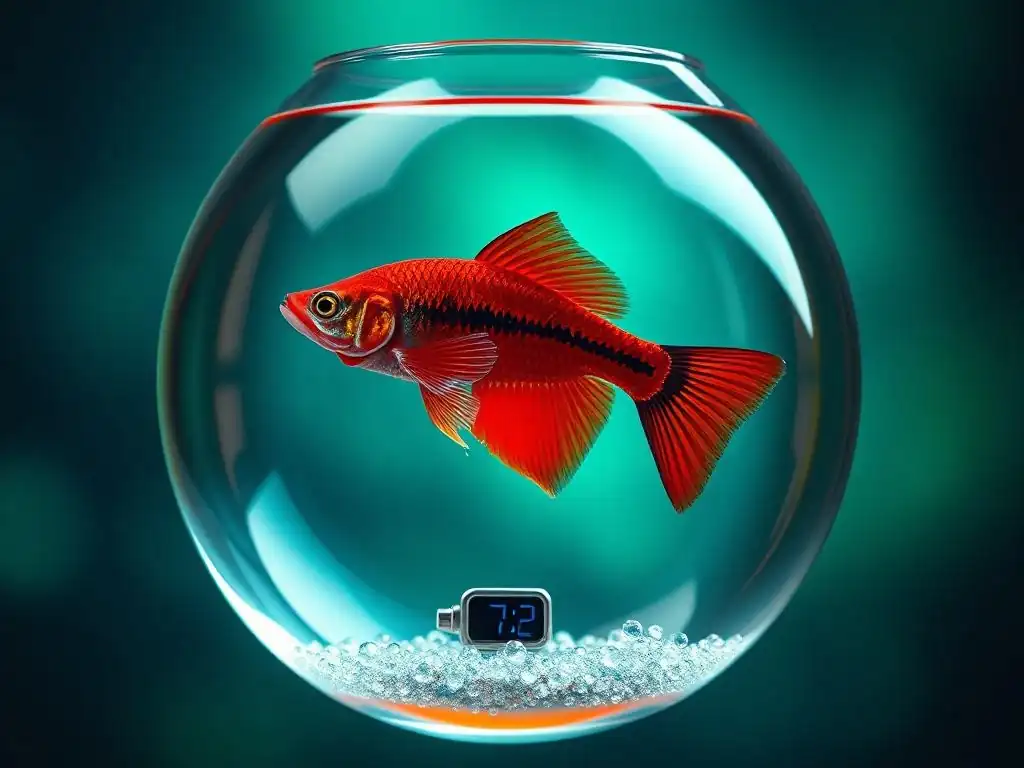
Calibration is a critical step for pH, ORP, and salinity probes to ensure they provide accurate and reliable readings. Always use fresh, unexpired calibration solutions specifically designed for your probes. Follow the manufacturer's specific instructions meticulously, as the process can vary between brands. For instance, calibrating a pH probe typically involves using pH 7.0 and pH 10.0 calibration solutions. This process ensures the probe provides readings accurate to within +/- 0.05 pH units, which is critical for maintaining the delicate balance in a reef tank.
5. Testing and Monitoring: Verifying Proper Functionality
After initial setup and calibration, it's essential to thoroughly test your all-in-one aquarium controller system's functionality. This involves simulating various conditions to observe how the system responds. For example, you might manually raise the tank temperature slightly to verify that the controller correctly activates the chiller, or unplug a heater to confirm that the system identifies the change and triggers the appropriate alarm. Regularly checking the system's logs and data graphs will help you verify proper operation and quickly identify any anomalies, ensuring everything is running as expected before fully relying on its automation.
Maximizing the Benefits of Your Aquarium Controller
Utilizing Alarms and Notifications for Early Problem Detection
To truly leverage the power of your all-in-one aquarium controller system, customize its alarm and notification settings meticulously. Configure thresholds for every monitored parameter that, if crossed, indicate a potential issue (e.g., pH dropping below 7.9 or temperature exceeding 80°F). Crucially, set up multiple notification methods, including email, SMS, and push notifications to your mobile app. For instance, configuring a notification for power outage detection can alert you within minutes if the main power to your all-in-one aquarium controller system is interrupted, allowing you to take immediate action to protect your aquatic life.
Automating Routine Tasks for a Healthier Aquarium
The automation capabilities of an all-in-one aquarium controller system can transform your aquarium maintenance. Schedule automatic top-off (ATO) to replenish evaporated water, ensuring stable salinity and water levels. Program dosing pumps for precise, consistent delivery of essential supplements like calcium, alkalinity, and magnesium. If your system supports it, automate small, frequent water changes. For example, scheduling daily top-offs using an ATO system controlled by the all-in-one aquarium controller can replenish evaporated water with precision, maintaining stable salinity and water levels without constant manual intervention, significantly reducing human error and promoting a healthier, more stable environment.
Optimizing Lighting Schedules for Plant and Coral Growth
Beyond simple on/off cycles, an all-in-one aquarium controller system allows for sophisticated lighting optimization. Experiment with photoperiods, intensity ramps (dawn/dusk), and even integrate lunar cycles or cloud simulations to mimic natural conditions. This fine-tuning can significantly impact the growth, color, and overall health of your plants and corals. For optimal SPS coral growth, for instance, implementing a "photo-period" of 10 hours with 2 hours of ramp-up and 2 hours of ramp-down ensures a total of 14 hours of light exposure with varying intensity, closely mimicking natural sunlight and promoting robust development.
Maintaining Your Controller: Regular Maintenance and Calibration
To ensure your all-in-one aquarium controller system remains accurate and reliable, regular maintenance is crucial. Periodically clean your probes according to manufacturer guidelines to prevent biofilm buildup, which can skew readings. Replace calibration solutions annually, as they degrade over time, and always check their expiration dates. Regularly inspect all power cords and connections for wear or corrosion. For example, replacing pH and ORP probes every 12-18 months and using fresh calibration fluids every 6 months ensures the all-in-one aquarium controller system continues to provide highly accurate readings, preventing misdiagnoses of water parameters that could lead to serious tank issues.
Troubleshooting Common Issues with All-In-One Aquarium Controllers
Sensor Malfunctions and Replacement
One of the most common issues with an all-in-one aquarium controller system involves sensor malfunctions, which manifest as inaccurate or erratic readings. Symptoms include a pH reading that doesn't match a reliable test kit, or an ORP reading that constantly fluctuates wildly. First, try cleaning the probe with distilled water and then recalibrating it with fresh calibration solutions.
If the issue persists, especially after several months of use, the probe likely needs replacement. For example, if a pH probe consistently reads 0.5 pH units lower than a manual test kit, even after thorough cleaning and calibration, it strongly indicates the probe has aged and requires replacement, typically costing around $60-100.
Connectivity Problems and Solutions
Connectivity issues, such as the all-in-one aquarium controller system appearing offline or the mobile app failing to connect, are often related to network problems. Begin by checking your home Wi-Fi signal strength near the controller. Ensure your router is functioning correctly and consider rebooting both your router and the controller unit.
Verify that the controller's firmware is up to date, as updates often include connectivity improvements. A common scenario is the controller losing Wi-Fi connection after a power flicker; in many cases, simply rebooting the home router and the all-in-one aquarium controller system unit resolves the problem within minutes, restoring full remote access.
Calibration Issues and Best Practices
Calibration issues can lead to highly inaccurate readings, undermining the reliability of your all-in-one aquarium controller system. Symptoms include failed calibration attempts or readings that drift quickly after calibration. The primary cause is often using expired or contaminated calibration solutions; always use fresh solutions and store them properly.
Ensure probes are thoroughly rinsed with distilled water between different calibration solutions. Calibrate probes in a stable environment, away from strong air currents or temperature fluctuations. For instance, using expired pH calibration solutions can lead to wildly inaccurate probe readings; always check the expiration date on bottles, as they typically have a shelf life of 6-12 months once opened, and discarding old solutions is a crucial best practice for accurate results.
Conclusion: Investing in an All-In-One Aquarium Controller for a Thriving Ecosystem
Investing in an all-in-one aquarium controller system is a pivotal step towards achieving a more stable, healthier, and ultimately more enjoyable aquarium. These sophisticated devices transform complex, time-consuming manual tasks into automated, precise operations, significantly reducing the risk of human error and providing unparalleled peace of mind.
From maintaining pinpoint temperature and pH levels to automating lighting cycles and dosing, an integrated aquarium management system empowers hobbyists to create an optimal environment for their aquatic inhabitants, allowing them to thrive and display their full beauty. The initial investment is quickly justified by the enhanced stability, reduced livestock loss, and the sheer convenience it brings to the demanding world of aquarium keeping.
The Future of Aquarium Automation and Control
The landscape of aquarium automation is continuously evolving, promising even more advanced capabilities for the all-in-one aquarium controller system. Future developments are likely to include deeper integration with artificial intelligence (AI) and machine learning, enabling predictive maintenance that can analyze historical data from your all-in-one aquarium controller system to anticipate potential equipment failures or nutrient deficiencies before they become critical issues.
We can also expect more seamless integration with a wider array of third-party smart devices and enhanced user interfaces that make these powerful systems even more accessible and intuitive for hobbyists of all levels. This ongoing innovation will further simplify aquarium management, allowing aquarists to focus even more on the beauty and wonder of their aquatic ecosystems.
Frequently Asked Questions
What exactly is an All-In-One Aquarium Controller System?
An All-In-One Aquarium Controller System is a centralized device that monitors and controls various aspects of your aquarium, such as temperature, pH, and lighting. It aims to automate tasks and maintain a stable environment.
Why should I consider using an All-In-One Aquarium Controller System?
These systems offer convenience and precision in aquarium management. They help prevent fluctuations and automate crucial functions, potentially saving you time and preventing livestock losses.
What are the key features I should look for in an All-In-One Aquarium Controller System?
Consider features like temperature control, pH monitoring, salinity monitoring (for saltwater), lighting control, and alert systems. Also, check for compatibility with your existing equipment.
Are All-In-One Aquarium Controller Systems difficult to install and use?
While some systems can be complex, many modern controllers are designed for user-friendliness. Look for systems with intuitive interfaces and step-by-step guides.
How much does an All-In-One Aquarium Controller System typically cost?
The price varies depending on features and brand, but expect to pay anywhere from a few hundred to over a thousand dollars. Consider it an investment in the long-term health of your aquarium.
Final Reflection: Embracing the Future of Reefkeeping
The journey to a thriving reef aquarium is paved with dedication, knowledge, and, increasingly, sophisticated technology. As we've explored the landscape of all-in-one aquarium controller systems, it's clear that these devices are no longer a luxury, but a vital tool for ensuring the long-term health and stability of our underwater ecosystems. The ability to monitor, automate, and react to changes in real-time empowers aquarists to create truly exceptional environments for their aquatic inhabitants.
The impact of these systems extends beyond simple convenience; they represent a fundamental shift in how we interact with our aquariums. They foster a deeper understanding of the complex interplay of parameters within the tank and allow for more informed decision-making. This level of control not only improves the well-being of our livestock but also elevates the hobby to a new level of scientific exploration. The future belongs to those who believe in the beauty of their dreams,
- Eleanor Roosevelt. This quote resonates deeply with the spirit of reefkeeping, where dedication and innovation converge to create breathtaking underwater landscapes.
Now, armed with the knowledge from this guide, I encourage you to reflect on your own reefkeeping journey. Consider how an all-in-one aquarium controller system could transform your approach, allowing you to spend less time troubleshooting and more time appreciating the beauty and wonder of your reef. Embrace the future of reefkeeping, and unlock the full potential of your aquatic world.
Elevate Your Aquarium Game!
Thanks for diving into our comprehensive guide on aquarium controllers! We hope you've gained a clear understanding of how these systems can revolutionize your aquatic hobby. Now, let's put that knowledge into action!
Here's how you can take the next step:
- Dive Deeper: Start by identifying the 3 most important parameters you want to monitor and control in your aquarium.: This will help you narrow down the options and choose a controller that perfectly fits your needs.
- Share your experiences! If you already use an aquarium controller, share your tips and tricks with fellow hobbyists in the comments below.
- Explore the hidden gems: Research lesser-known brands or DIY solutions for aquarium control. You might discover a system that's perfect for your unique setup!
Ready to take control of your aquarium's destiny and create the thriving aquatic environment you've always dreamed of?