
Reef Tank Chemistry: The Critical Balance of Calcium, Alkalinity & Magnesium

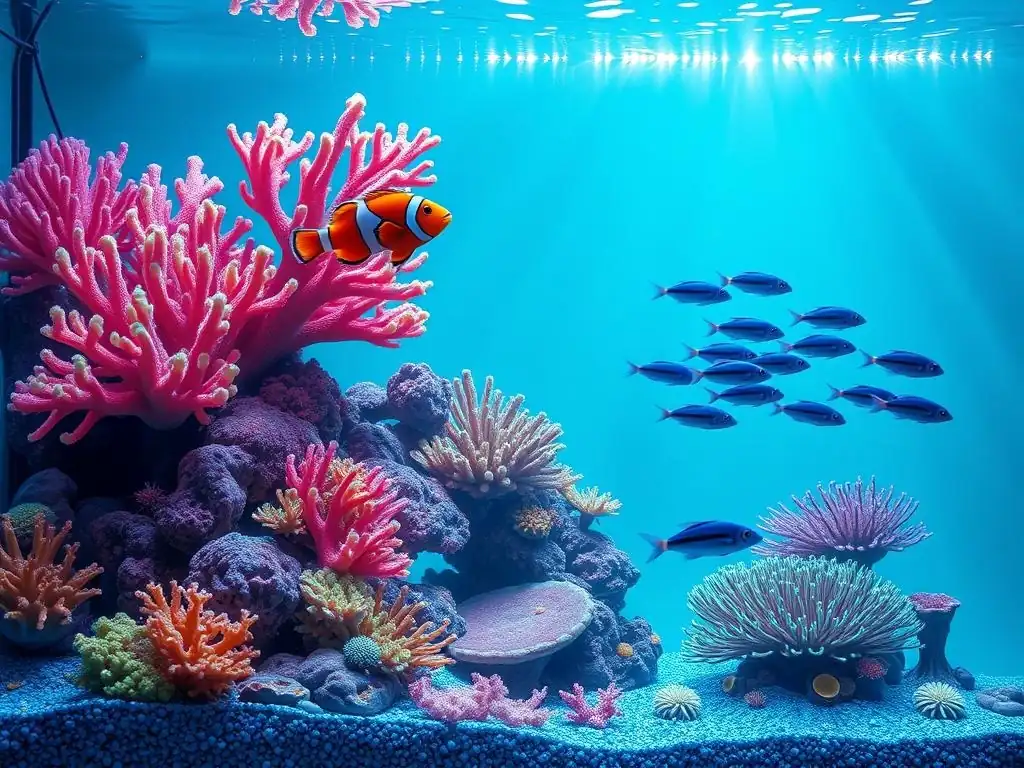
Welcome to Aquarium Mastery!
Ever wondered how to unlock the secrets to a thriving reef tank? Understanding the delicate dance of calcium, alkalinity, and magnesium is key. Dive in to discover how to maintain this critical balance and create a vibrant, healthy ecosystem for your coral and marine life. Ready to master your reef?
- Understanding the Importance of Reef Tank Water Chemistry
- Calcium in Reef Tanks: Building Blocks for Coral Growth
- Alkalinity's Crucial Role in Reef Tank Stability
- Magnesium: The Unsung Hero of Reef Chemistry
- The Calcium, Alkalinity, Magnesium Relationship: A Delicate Balance
- Methods for Maintaining Calcium, Alkalinity, and Magnesium Levels
- Troubleshooting Common Problems in Reef Tank Chemistry
- Monitoring and Adjusting Your Reef Tank Chemistry
- Advanced Reef Chemistry Concepts
-
Frequently Asked Questions
- How do calcium, alkalinity, and magnesium relate to each other in a reef tank?
- What are the ideal levels of calcium, alkalinity, and magnesium in a reef tank?
- Why is it important to test calcium, alkalinity, and magnesium levels regularly?
- What are some common causes of imbalances in calcium, alkalinity, and magnesium levels?
- How can I adjust calcium, alkalinity, and magnesium levels if they are out of range?
- Final Reflection: The Enduring Symphony of Reef Chemistry
- Dive Deeper: Unlock the Secrets of Reef Chemistry!
Understanding the Importance of Reef Tank Water Chemistry
Why Calcium, Alkalinity, and Magnesium are Essential for a Thriving Reef
Corals, particularly stony corals (SPS and LPS), are the primary builders of intricate reef structures. They extract calcium ions (Ca2+) and carbonate ions (CO3 2-) from the surrounding water to form their calcium carbonate skeletons through a process called calcification. Without sufficient and stable levels of these essential ions, coral growth can become stunted, cease entirely, or even lead to tissue recession, jeopardizing the long-term health and aesthetic appeal of a reef aquarium.
Beyond direct incorporation into coral skeletons, alkalinity provides the necessary carbonate ions and acts as a vital buffer against pH fluctuations, which can severely stress corals and other invertebrates. Magnesium, while not directly incorporated into the coral skeleton in large quantities, plays a crucial supporting role by ensuring that calcium and alkalinity remain soluble and readily available for coral uptake, preventing their premature precipitation out of the water column. A balanced Reef tank calcium alkalinity magnesium triad is therefore paramount for a truly thriving reef ecosystem.
The Interconnectedness of Ca, Alk, and Mg in Reef Aquariums
These three fundamental parameters—calcium, alkalinity, and magnesium—are not independent variables; they are intricately linked and profoundly influence one another within the complex chemistry of a reef aquarium. If one parameter is out of balance, it can directly or indirectly impact the others, making it challenging to maintain overall stability. For instance, if magnesium levels are too low, calcium and alkalinity can precipitate out of the water as insoluble calcium carbonate, making them unavailable for corals even if your test kits initially show adequate levels.
Consider them as critical components of a finely tuned engine; if one component is malfunctioning or missing, the entire system cannot operate efficiently. For reef aquarists, understanding this interconnectedness is key to diagnosing issues and implementing effective solutions. Successfully managing the Reef tank calcium alkalinity magnesium relationship ensures that corals can efficiently utilize available nutrients, leading to robust growth, vibrant coloration, and a resilient aquatic environment, often evidenced by stony corals growing several millimeters per month in optimal conditions.
Calcium in Reef Tanks: Building Blocks for Coral Growth
The Role of Calcium in Coral Skeleton Formation
Scleractinian, or stony corals, are colonial animals that build their hard, protective skeletons primarily from calcium carbonate (CaCO3). They absorb calcium ions (Ca2+) and carbonate ions (CO3 2-) from the surrounding seawater, combining them through a complex biological process known as calcification. This calcification is not merely about structural support; it is fundamental to the coral's very existence, allowing it to grow, expand its colony, and provide shelter for its symbiotic algae (zooxanthellae).
Without adequate calcium, corals are unable to properly form or maintain their skeletons, leading to a range of detrimental effects. Growth can slow dramatically or stop entirely, coral bases may appear pale or recede, and existing skeletons can become brittle and prone to breakage. For example, a healthy Acropora coral might exhibit growth rates of 1-2 centimeters per month under optimal calcium levels (e.g., 420 ppm), whereas levels consistently below 350 ppm can reduce this growth to negligible rates, highlighting calcium's indispensable role.
Maintaining Optimal Calcium Levels in Your Reef Tank
The ideal calcium level for most reef tanks housing stony corals typically ranges from 400 to 450 parts per million (ppm). Some advanced aquarists may aim for slightly higher levels, up to 480 ppm, depending on their specific coral species and desired growth rates. However, consistency within this range is often more crucial than hitting an exact number. Regular testing, ideally 2-3 times per week for active reef tanks, is essential to monitor consumption and guide supplementation.
Calcium is continuously consumed by calcifying organisms within the aquarium, including stony corals, coralline algae, and some invertebrates. The rate of consumption is directly proportional to the biomass and growth rate of these organisms. A densely populated SPS (Small Polyp Stony) coral tank with rapid growth might consume 10-20 ppm of calcium daily, whereas a soft coral or fish-only tank would see minimal daily drops, making precise monitoring of Reef tank calcium alkalinity magnesium vital.
Common Calcium Deficiency Symptoms in Reef Aquariums
Low calcium levels can manifest in several noticeable ways within a reef aquarium. Stony corals, particularly fast-growing SPS species, may exhibit significantly slowed or completely halted growth. Their tips might appear pale, or their bases could show signs of tissue recession as they struggle to produce new skeletal material. Coralline algae, which also rely heavily on calcium for their growth, may also stop encrusting new surfaces or begin to fade in color.
Prolonged calcium deficiency weakens coral skeletons, making them more susceptible to physical damage, disease, and overall stress. For instance, a reef tank consistently maintained below 350 ppm calcium might lead to SPS corals developing brittle branches that easily snap, contrasting sharply with the robust, dense skeletons observed in tanks maintained at optimal levels of 420-450 ppm. This underscores the critical importance of a stable Reef tank calcium alkalinity magnesium balance.
Alkalinity's Crucial Role in Reef Tank Stability
What is Alkalinity and Why is it Important?
Alkalinity, often measured in dKH (degrees of carbonate hardness), refers to the water's capacity to resist changes in pH. It primarily comprises carbonate (CO3 2-) and bicarbonate (HCO3 -) ions, which are not only essential building blocks for coral skeletons alongside calcium but also act as the primary buffering system in reef aquariums. It is a measurement of the total concentration of bases (mainly carbonate and bicarbonate) that can neutralize acids in the water.
Beyond its role as a building block for calcification, alkalinity acts as a critical buffer, preventing drastic pH swings that can severely stress corals and other sensitive invertebrates. Without sufficient alkalinity, the pH in a reef tank can fluctuate significantly, particularly during the day-night cycle due to photosynthesis and respiration. Maintaining a stable pH, ideally between 8.0 and 8.4, is paramount for the metabolic health, calcification rates, and overall well-being of all reef inhabitants.
Buffering Capacity: How Alkalinity Prevents pH Swings
The buffering action of alkalinity is vital for maintaining a stable pH in a reef aquarium. When acids are introduced into the water—whether from the respiration of tank inhabitants, the decomposition of organic matter, or the dissolution of carbon dioxide from the air—the carbonate and bicarbonate ions readily neutralize these acids. This process converts strong acids into weaker ones, which consumes alkalinity but effectively prevents drastic drops in pH.
To illustrate, consider a tank with low alkalinity: a slight increase in CO2 from overnight respiration could cause the pH to plummet from 8.2 to 7.8, inducing significant stress on corals. In contrast, a tank with stable alkalinity (e.g., 8 dKH) under the same conditions might only experience a minimal pH drop from 8.2 to 8.1, demonstrating its superior buffering capacity. This highlights why a robust Reef tank calcium alkalinity magnesium system is essential for pH stability.
Ideal Alkalinity Range for Reef Tanks
For most mixed reef aquariums and those dominated by stony corals, an alkalinity level between 7.0 and 9.0 dKH is generally considered ideal. While some aquarists successfully maintain slightly higher levels (up to 10-11 dKH), consistency within this recommended range is far more critical than hitting an exact number. Fluctuations in alkalinity, even if within the "ideal" range, can be more detrimental to corals than a slightly lower or higher but stable level.
Levels below 6.5 dKH can lead to significant pH instability and severely inhibit coral calcification, essentially starving corals of the necessary carbonate ions. Conversely, excessively high alkalinity (above 12 dKH) increases the risk of calcium carbonate precipitation, which can manifest as a fine white "snowstorm" in the tank or a film on equipment. This precipitation removes both calcium and alkalinity from the water, making them unavailable to corals, even if initial test results appeared high, disrupting the Reef tank calcium alkalinity magnesium balance.
Troubleshooting Alkalinity Issues: Low and High Alkalinity
Low alkalinity is a common issue in actively growing reef tanks, primarily caused by high calcification rates by corals and coralline algae coupled with insufficient supplementation. Symptoms include corals showing signs of stress, such as pale tips or slower growth, and test results consistently showing low alkalinity despite regular dosing. Solutions involve increasing the dose of alkalinity supplements, checking the efficiency of a calcium reactor, or increasing water change frequency. For example, if your alkalinity drops by 0.5 dKH per day, you need to adjust your dosing to consistently replenish that amount daily.
High alkalinity is less common but can occur from accidental overdosing of supplements or a calcium reactor running too efficiently. The primary solution is to cease or reduce supplementation and perform small, frequent water changes until levels stabilize. It is crucial never to try to rapidly lower alkalinity, as sudden drops can shock corals. Patience and gradual adjustments are key to safely restoring and maintaining the Reef tank calcium alkalinity magnesium balance.
Magnesium: The Unsung Hero of Reef Chemistry
Magnesium's Influence on Calcium and Alkalinity Availability
Magnesium (Mg2+) is often referred to as the "unsung hero" of reef chemistry because its vital role is frequently underestimated. Its primary function is to prevent the premature precipitation of calcium carbonate. Without sufficient magnesium, calcium and alkalinity ions in the water tend to bind together and fall out of solution, forming insoluble calcium carbonate that coats heaters, pumps, and substrate. This precipitation makes these essential elements unavailable for coral uptake, even if your test kits indicate their presence in the water.
Chemically, magnesium ions interfere with the crystal lattice formation of calcium carbonate. They effectively occupy binding sites on the surface of nascent calcium carbonate crystals, inhibiting further growth of the precipitate. This "anti-precipitation" effect ensures that calcium and carbonate ions remain dissolved and accessible for corals to utilize for their skeletal growth, thereby directly impacting the efficiency of calcification and the overall stability of the Reef tank calcium alkalinity magnesium system.
Preventing Calcium Carbonate Precipitation with Magnesium
In a reef aquarium, the concentrations of calcium and carbonate ions are often intentionally kept at supersaturated levels to promote rapid coral growth. This supersaturation naturally drives the formation of calcium carbonate precipitates. Magnesium acts as a crucial "inhibitor" to this process, allowing higher concentrations of calcium and alkalinity to remain dissolved without forming unsightly and problematic deposits.
If magnesium levels drop below approximately 1100 ppm, even if calcium is at a healthy 420 ppm and alkalinity is at 8 dKH, you might start to observe visible precipitation, often appearing as a fine white dust on rockwork and equipment. Maintaining magnesium within its optimal range (e.g., 1250-1350 ppm) significantly reduces this risk, ensuring that the calcium and alkalinity you dose are actually available for your corals. This demonstrates magnesium's pivotal role in the Reef tank calcium alkalinity magnesium dynamic.
Maintaining Proper Magnesium Levels in Your Reef Tank
The ideal magnesium concentration for most reef aquariums is typically between 1250 and 1350 ppm, closely mimicking natural seawater levels. Some experienced aquarists may aim for slightly higher levels, up to 1400 ppm, especially in tanks with very high calcification rates or those struggling with precipitation issues. Magnesium is consumed much slower than calcium or alkalinity, with typical drops of only a few ppm per week in a well-established tank.
Magnesium levels are usually maintained through regular water changes using a high-quality reef salt mix, supplemented by targeted dosing as needed. Unlike calcium and alkalinity, which often require daily or continuous dosing, magnesium supplements might only be needed once or twice a week, or even less frequently, depending on the tank's specific consumption rate. Always test your magnesium level before dosing and calculate the required amount precisely to avoid overdosing, which can be detrimental to corals and fish.
Magnesium Deficiency and Its Impact on Corals
When magnesium levels are too low (e.g., consistently below 1100 ppm), the most immediate and noticeable effect is often a struggle to maintain stable calcium and alkalinity levels. Even if you are diligently dosing calcium and alkalinity, they might appear to drop rapidly or precipitate out of solution, leading to persistently low test results despite your efforts. This is because the buffering and anti-precipitation effects of magnesium are compromised.
While corals don't directly incorporate large amounts of magnesium into their skeletons, its deficiency indirectly hampers their ability to calcify efficiently. Corals may exhibit slower growth, poor coloration, and general signs of stress. For instance, if you're battling persistently low alkalinity despite adequate calcium dosing and a healthy coral population, low magnesium is a prime suspect, as it directly impacts the solubility and availability of carbonate ions, thereby disrupting the crucial Reef tank calcium alkalinity magnesium equilibrium.
The Calcium, Alkalinity, Magnesium Relationship: A Delicate Balance
The "Seesaw Effect": Understanding the Interplay
Imagine calcium and alkalinity on opposite ends of a seesaw, with magnesium acting as the pivot or fulcrum that keeps them balanced. If alkalinity rises too high, it increases the likelihood of calcium precipitating out of solution. Conversely, if calcium is excessively high, it can make it harder to maintain stable alkalinity, as the increased calcium concentration can drive carbonate precipitation. This delicate equilibrium is fundamental to a healthy reef tank.
Magnesium's role as the fulcrum is crucial: it ensures that both calcium and alkalinity remain soluble and available for coral uptake. If magnesium levels are too low, the "seesaw" becomes unstable, and calcium and alkalinity can easily precipitate, effectively removing them from the water column even if they were initially present in sufficient quantities. This intricate interplay is precisely why monitoring all three Reef tank calcium alkalinity magnesium parameters simultaneously is absolutely crucial for successful reef keeping.
Achieving and Maintaining the Correct Ratios
While absolute numbers for calcium, alkalinity, and magnesium are important, the ratios between these elements are equally critical for long-term stability and optimal coral health. A commonly cited target ratio in reef aquaria is approximately 1:3 for calcium to magnesium (e.g., 420 ppm Ca to 1260 ppm Mg), with stable alkalinity maintained around 8 dKH. Significant deviations from these natural seawater ratios can make it challenging to maintain overall water chemistry stability.
If calcium is too high relative to alkalinity, or vice versa, the solution becomes supersaturated, and precipitation is highly likely. If magnesium is too low, it exacerbates this problem, allowing calcium carbonate to fall out of solution more readily. For instance, if your calcium is at 500 ppm and alkalinity is at 10 dKH, precipitation is almost inevitable without sufficient magnesium (e.g., at least 1350 ppm) to keep them dissolved, emphasizing the importance of the Reef tank calcium alkalinity magnesium ratio.
Testing Your Reef Tank Water: Calcium, Alkalinity, and Magnesium Test Kits
Regular and accurate testing is the cornerstone of maintaining a healthy and thriving reef tank. High-quality, reliable test kits for calcium, alkalinity (measured in dKH), and magnesium are indispensable tools for any serious reef aquarist. These kits typically employ titration methods, providing precise readings that allow for informed adjustments to your supplementation regimen. Investing in quality test kits is one of the most important steps a reef keeper can take.
For established tanks with active coral growth, a minimum of weekly testing for all three parameters is a good starting point. Tanks with very high coral biomass or rapid growth might benefit from testing alkalinity daily or every other day, as it is often the most rapidly consumed element. Keeping a detailed log of your test results helps identify trends, understand consumption rates, and anticipate supplementation needs for optimal Reef tank calcium alkalinity magnesium levels.
Methods for Maintaining Calcium, Alkalinity, and Magnesium Levels
Water Changes: A Basic Method for Replenishing Elements
Regular water changes using high-quality, pre-mixed saltwater are the simplest and most fundamental method for replenishing consumed trace elements, including calcium, alkalinity, and magnesium, while simultaneously diluting undesirable substances. Most commercially available reef salt mixes are formulated to contain these elements at or near natural seawater concentrations (e.g., ~420 ppm Ca, ~8 dKH, ~1300 ppm Mg), providing a baseline replenishment.
While essential for overall water quality, water changes alone are often insufficient for tanks with significant coral biomass and rapid calcification rates. For example, a 10% weekly water change might only replenish a fraction of the daily calcium and alkalinity consumed in a densely populated SPS tank, necessitating additional, targeted supplementation to maintain optimal Reef tank calcium alkalinity magnesium levels consistently.
Calcium Reactors: Advanced Calcium and Alkalinity Supplementation
Calcium reactors are advanced, automated devices designed to dissolve calcium carbonate media (such as crushed coral or aragonite) by lowering the pH within the reactor chamber through the controlled injection of carbon dioxide (CO2). This process releases calcium, alkalinity (in the form of bicarbonate), and various trace elements back into the aquarium water, effectively replenishing the ions consumed by calcifying organisms.
Reactors are highly efficient and provide a stable, continuous supply of elements, making them ideal for large, heavily stocked reef tanks with high calcification demands. They significantly reduce the need for manual dosing and can maintain very stable Reef tank calcium alkalinity magnesium levels. However, they require precise tuning of CO2 injection rates and effluent drip rates, and their initial setup costs can range from $300 to over $1000 for a complete system, including the reactor, CO2 tank, and regulator.
Two-Part Dosing Systems (Calcium and Alkalinity Supplements)
Two-part dosing systems involve adding separate, concentrated liquid solutions of calcium chloride (for calcium) and sodium bicarbonate/carbonate (for alkalinity) to the aquarium water. These solutions are typically dosed daily, either manually or, more commonly, via automated dosing pumps, to precisely match the tank's daily consumption rates of these elements.
Two-part systems are popular among hobbyists for their simplicity, affordability, and effectiveness, making them suitable for a wide range of reef tanks, from nano to large systems. They allow for very precise control over calcium and alkalinity levels. For example, a medium-sized reef tank might consume 20-30 ml of each part daily to maintain optimal parameters, requiring consistent monitoring of Reef tank calcium alkalinity magnesium levels to adjust dosing volumes.
Magnesium Supplements: Addressing Magnesium Deficiencies
Magnesium supplements, typically formulated from magnesium chloride or magnesium sulfate, are used to increase and maintain magnesium levels independently of calcium and alkalinity. Since magnesium is consumed at a much slower rate than calcium and alkalinity, these supplements are generally dosed less frequently, often weekly or bi-weekly, depending on the tank's specific needs.
When dosing magnesium, it is crucial to raise levels slowly to avoid shocking tank inhabitants; increases of no more than 50-100 ppm per day are recommended. Overdosing magnesium can be detrimental to corals and fish, leading to lethargy or even death. Always test your magnesium level before dosing and carefully calculate the required amount based on the product's instructions to reach your desired Reef tank calcium alkalinity magnesium target.
Troubleshooting Common Problems in Reef Tank Chemistry
Rapid Alkalinity Consumption
Rapid alkalinity drops are a common occurrence in heavily stocked reef tanks, particularly those dominated by fast-growing SPS (Small Polyp Stony) corals. This indicates a very high rate of calcification by corals and coralline algae. Symptoms include corals showing signs of stress, such as pale tips or slower growth, and test results consistently showing low alkalinity despite regular dosing.
The primary solution for rapid alkalinity consumption is to increase alkalinity supplementation, either by increasing the daily dose of your two-part system or by adjusting the CO2 injection and effluent drip rate of your calcium reactor. It's also crucial to ensure your magnesium levels are adequate, as low magnesium can make it harder to maintain alkalinity by promoting precipitation. For example, if your alkalinity is consistently dropping by 1 dKH daily, you need to adjust your dosing to consistently replenish that 1 dKH.
Unstable Calcium Levels
Unstable calcium levels can be attributed to several factors, including fluctuating or inconsistent dosing, erratic water change schedules, or issues with a calcium reactor's performance. Symptoms might include erratic coral growth, poor skeletal integrity, or even visible signs of precipitation if calcium levels swing too high and then crash due to imbalance with alkalinity.
To address unstable calcium, review your dosing schedule and method for consistency. If using a calcium reactor, meticulously check the CO2 flow and effluent drip rate to ensure steady output. Confirm that your test kits are accurate and not expired. If magnesium is low, address that first, as it directly impacts calcium solubility and stability. Aim for consistent daily dosing rather than large, infrequent additions to maintain stable Reef tank calcium alkalinity magnesium levels.
Maintaining a Stable Reef Environment
Maintaining a stable reef environment extends far beyond merely hitting target numbers for calcium, alkalinity, and magnesium. It encompasses consistency in all aspects of tank husbandry: stable temperature, stable salinity (specific gravity), consistent feeding, and regular mechanical maintenance. These factors collectively reduce stress on corals and allow them to efficiently utilize the available elements for growth and health.
Sudden and drastic changes in water parameters are often more detrimental to reef inhabitants than slightly off but stable parameters. For instance, a rapid pH swing of 0.3 units in an hour can cause more stress to corals than a steady pH of 7.9. Gradual adjustments, consistent testing, and a proactive approach to supplementation are crucial for long-term success in balancing Reef tank calcium alkalinity magnesium and fostering overall tank health and resilience.
Monitoring and Adjusting Your Reef Tank Chemistry
Regular Testing Schedule for Ca, Alk, and Mg
Consistency in testing is paramount for effective reef tank management. For a new or growing reef tank, testing alkalinity daily for the first few weeks can help establish your tank's baseline consumption rate. Once the tank is established and stable, a minimum of weekly testing for calcium, alkalinity, and magnesium is a good starting point. Tanks with heavy coral loads or very rapid growth might benefit from bi-weekly or even daily alkalinity checks, as it is often the most rapidly consumed parameter.
Regular testing allows you to track consumption trends, understand the impact of new additions, and make small, proactive adjustments before parameters deviate significantly. It helps identify issues early, such as a malfunctioning dosing pump or a sudden coral growth spurt, before they negatively impact the reef. This proactive approach is key to consistently maintaining optimal Reef tank calcium alkalinity magnesium levels and preventing problems.
Gradual Adjustments: Avoiding Parameter Shocks
When adjusting calcium, alkalinity, or magnesium levels, it is critically important to do so gradually. Rapid increases or decreases in any of these parameters can cause severe osmotic shock and stress to corals and other invertebrates, potentially leading to tissue recession, bleaching, or even death. For instance, never attempt to raise alkalinity by more than 0.5-1 dKH per day, or calcium by more than 20-30 ppm per day.
The principle of "less is more" applies strongly to reef chemistry adjustments; it is always safer to slightly under-dose and re-test than to overdose and cause a crash. If your Reef tank calcium alkalinity magnesium levels are significantly off, spread the adjustment over several days or even a week, monitoring closely with your test kits. Patience is a virtue in reef keeping, especially when it comes to fine-tuning water chemistry.
Keeping a Log of Your Reef Tank's Water Chemistry
Maintaining a detailed log of your test results is an invaluable practice for any serious reef aquarist. This log should include the date, time, readings for calcium, alkalinity, magnesium, pH, temperature, salinity, and notes on any supplements added or significant tank events (e.g., new coral additions, large water changes). Many hobbyists use simple notebooks, spreadsheets, or dedicated aquarium management apps for this purpose.
By analyzing your log, you can easily visualize trends over time, understand your tank's specific consumption patterns, and troubleshoot problems effectively. For example, if your log shows alkalinity consistently dropping by 0.8 dKH daily after adding several new SPS frags, you know precisely how much more supplement is needed to compensate. This data-driven approach allows for precise adjustments and ensures the long-term stability of your Reef tank calcium alkalinity magnesium parameters.
Advanced Reef Chemistry Concepts
Beyond the core Reef tank calcium alkalinity magnesium triad, advanced reef chemistry delves into a broader spectrum of important parameters and trace elements. These include elements like strontium, potassium, iodine, boron, and various other essential trace elements. While not directly involved in calcification in the same primary way as calcium and alkalinity, these elements are vital for coral coloration, enzyme function, skeletal integrity, and overall metabolic processes.
Understanding these advanced concepts often involves utilizing high-precision testing methods such as ICP-OES (Inductively Coupled Plasma Optical Emission Spectrometry) testing. This laboratory-grade analysis provides a comprehensive elemental breakdown of your tank water, allowing aquarists to identify specific deficiencies or excesses of elements that might be impacting coral health, growth, or coloration. This goes beyond the basic Reef tank calcium alkalinity magnesium parameters, enabling highly targeted supplementation and a deeper level of fine-tuning for the aquatic environment.
Frequently Asked Questions
How do calcium, alkalinity, and magnesium relate to each other in a reef tank?
These three elements are interconnected in the reef tank environment. Maintaining a proper balance is crucial because they directly impact the ability of corals and other invertebrates to build their skeletons. Imbalances can lead to stunted growth or even coral death.
What are the ideal levels of calcium, alkalinity, and magnesium in a reef tank?
While specific levels can vary slightly, generally aim for calcium around 400-450 ppm, alkalinity between 8-11 dKH, and magnesium between 1250-1350 ppm. Regular testing is essential to maintain these parameters.
Why is it important to test calcium, alkalinity, and magnesium levels regularly?
Regular testing allows you to monitor and adjust these parameters before imbalances cause problems. Early detection of fluctuations can prevent stress on your corals and help you maintain a healthy reef ecosystem.
What are some common causes of imbalances in calcium, alkalinity, and magnesium levels?
Common causes include inadequate water changes, overstocking, and the use of supplements that are not properly balanced. Also, some corals consume more calcium and alkalinity than others, leading to depletion over time.
How can I adjust calcium, alkalinity, and magnesium levels if they are out of range?
You can use calcium chloride, sodium bicarbonate (or carbonate), and magnesium chloride (or sulfate) supplements to raise these levels. It's important to make small, gradual adjustments and retest frequently to avoid shocking the system.
Final Reflection: The Enduring Symphony of Reef Chemistry
The delicate interplay of calcium, alkalinity, and magnesium, as explored throughout this article, isn't merely a technical exercise for reef tank enthusiasts; it's a microcosm of the fragile balance that sustains life itself. Understanding and maintaining this equilibrium is more crucial than ever, as our natural coral reefs face unprecedented threats from climate change and pollution. The lessons learned within the confines of our glass boxes can inform broader efforts to protect these vital ecosystems.
This intricate dance of elements has profoundly shaped my own understanding of reef keeping, transforming it from a hobby into a deeply rewarding pursuit. The constant need for observation, adjustment, and learning fosters a sense of responsibility and connection to the natural world that I find incredibly enriching. In the end, we will conserve only what we love; we will love only what we understand; and we will understand only what we are taught.
- Baba Dioum. This quote perfectly encapsulates the journey of reef keeping, highlighting the power of knowledge in fostering a deep appreciation and commitment to conservation.
Now, I invite you to consider the principles discussed here not just as guidelines for maintaining a thriving reef tank, but as a metaphor for the interconnectedness of all things. Take a moment to reflect on the delicate balances in your own life, and how you can contribute to a more harmonious world. Strive to be mindful of your impact, and embrace the continuous learning that allows us to better understand and protect the precious ecosystems, both large and small, that sustain us all.
Dive Deeper: Unlock the Secrets of Reef Chemistry!
Thanks for exploring the delicate balance of calcium, alkalinity, and magnesium in reef tanks. We hope you now have a clearer understanding of these critical parameters. Ready to take your reef-keeping skills to the next level?
Here are some ways to put your newfound knowledge into action:
- Master the testing! Order a reliable test kit today and start monitoring your reef tank's calcium, alkalinity, and magnesium levels weekly for optimal health.
- Join the Aquarium Mastery community forum and share your testing results and challenges. Let's learn from each other!
- Research less common, but potentially beneficial, trace elements for your reef. Could a small adjustment unlock explosive coral growth?
What surprising insight did you gain about reef chemistry, and how will you apply it to your tank this week?