
Severum Care 101: Your Complete Guide to Thriving Heros Cichlids

Welcome to Aquarium Mastery!
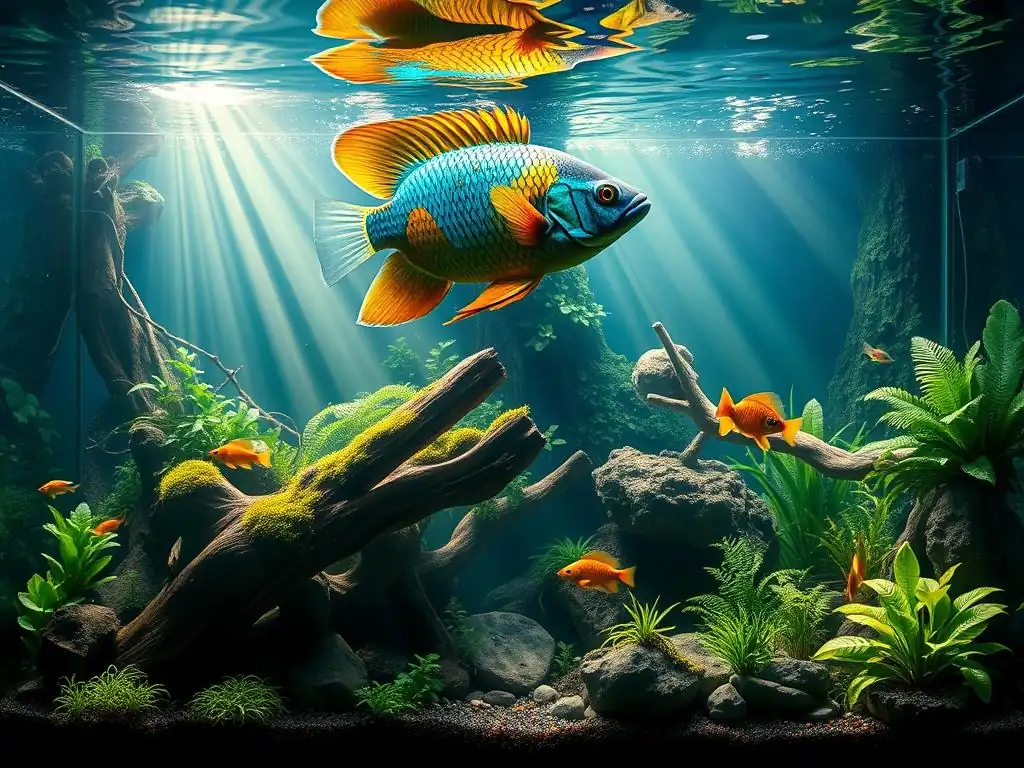
Ever been captivated by the intelligent gaze of a Severum Cichlid? Curious about how to unlock their full potential in your home aquarium? You've come to the right place! Dive into our Severum Care 101 guide and discover the secrets to keeping these fascinating freshwater fish happy, healthy, and thriving. Let's embark on a journey to master the art of Severum care, and create a truly stunning aquatic environment together!
- Introduction to Severums: A Gentle Giant of the Aquarium
- Essential Severum Care Guide Basics: Creating the Ideal Habitat
- Severum Diet and Feeding: Promoting Growth and Vibrant Colors
- Severum Tank Mates: Compatibility and Community Tank Options
- Severum Health and Disease Prevention: Recognizing and Treating Common Ailments
- Severum Breeding: Encouraging Reproduction in Captivity
- Advanced Severum Care Tips: Taking Your Fish Keeping to the Next Level
- Conclusion: Mastering Severum Care for a Rewarding Aquarium Experience
-
Frequently Asked Questions
- What are the basic requirements for a Severum aquarium setup?
- What is the ideal diet for Severum cichlids?
- What are the optimal water parameters for Severum care?
- What are some common health issues to watch out for in Severums?
- Can Severums be kept in a community tank? If so, what tank mates are suitable?
- Final Reflection: The Enduring Allure of the Severum
- Ignite Your Severum's Spark!
Introduction to Severums: A Gentle Giant of the Aquarium
Understanding Severum Cichlids: Overview of the Heros Genus
The Heros genus, commonly known as Severum cichlids, originates from the slow-moving, warm waters of South America, particularly within the vast Amazon River basin and its tributaries across countries like Brazil, Guyana, and Venezuela. These fascinating fish are part of the larger Cichlidae family, renowned for their intelligence and complex behaviors. Severums are often mistaken for Discus due to their somewhat flattened, disc-shaped bodies, but they are distinctly different in their care requirements and temperament, generally being hardier and more adaptable.
Severums typically grow to an impressive size of 8 to 10 inches (20 to 25 cm) in a well-maintained aquarium, with some individuals potentially exceeding this. They exhibit a remarkable variety of color morphs, including the popular "Rotkeil" (red-shoulder), gold, green, and various red-spotted patterns, making them a visually stunning addition to any large freshwater setup. With diligent Severum care guide basics, these fish can live for an impressive 10 to 15 years, offering a long-term commitment and a rewarding experience for aquarists.
Why Choose Severums for Your Freshwater Aquarium? Highlighting their Temperament and Beauty
Severums are often dubbed the "gentle giants" of the cichlid world, a reputation they largely earn due to their relatively peaceful temperament compared to many other New World cichlids. While they can exhibit some territoriality, especially during breeding, they are generally less aggressive than species like Oscars or Flowerhorns. This makes them a more suitable candidate for a carefully planned community tank, allowing aquarists to enjoy the dynamic behaviors of cichlids without the intense aggression often associated with the family. Their interactive nature and intelligence mean they often recognize their owners and display unique personalities.
Beyond their amiable disposition, Severums are undeniably beautiful fish. Their vibrant coloration, which can range from deep greens and golds to striking reds, combined with their elegant, disc-shaped bodies and graceful swimming, makes them a captivating centerpiece in a large aquarium. The distinct patterns and potential for a nuchal hump in mature males add to their unique aesthetic appeal. The combination of their manageable temperament and stunning visual presence makes a comprehensive Severum care guide basics resource invaluable for anyone looking to add these magnificent fish to their freshwater collection.
Essential Severum Care Guide Basics: Creating the Ideal Habitat
Setting Up the Perfect Severum Tank: Size and Dimensions
Establishing an appropriately sized aquarium is paramount for the health and longevity of Severum cichlids. Due to their significant adult size and active swimming habits, insufficient space can lead to a multitude of problems, including stunted growth, increased stress, heightened aggression, and a rapid decline in water quality. A larger tank provides more stable water parameters, which is a critical foundation of Severum care guide basics.
The spaciousness of the tank also allows for better diffusion of waste products and provides ample room for the fish to establish territories without constant conflict, even in a single-specimen setup. Investing in a larger tank from the outset is often more cost-effective and beneficial in the long run than upgrading later as your Severum grows.
Recommended Tank Size for a Single Severum: 75 Gallons
For a single adult Severum, a minimum tank size of 75 gallons (approximately 48 inches long x 18 inches wide x 21 inches high) is strongly recommended. This volume provides adequate swimming space for a fish that can reach 8-10 inches in length and helps maintain stable water parameters by diluting the metabolic waste produced by a fish of this size. A 75-gallon tank also allows for sufficient filtration and decor placement to create a comfortable environment.
Tank Size for a Community of Severums: 125 Gallons for 5-6 Severums
If you plan to keep a group of Severums, or a community of Severums with other compatible species, a significantly larger tank is required to prevent territorial disputes and stress. For a group of 5-6 adult Severums, a tank of 125 gallons or more (approximately 72 inches long x 18 inches wide x 21 inches high) is advisable. This increased footprint provides ample room for each fish to establish its own personal space and helps to diffuse any potential aggression among the group, making it a cornerstone of advanced Severum care guide basics.
Water Parameters for Thriving Severums: Ensuring Optimal Health
Maintaining stable and appropriate water parameters is arguably the most critical aspect of Severum care guide basics. Severums, like all cichlids, are sensitive to sudden fluctuations in water chemistry, which can lead to severe stress, compromised immune systems, and susceptibility to various diseases. Consistent water quality directly impacts their health, coloration, and overall lifespan.
Regular water testing is not just a recommendation but a necessity. Using reliable test kits to monitor ammonia, nitrite, nitrate, pH, and temperature weekly will allow you to detect and correct issues before they become life-threatening. These parameters mimic the soft, acidic to neutral water conditions found in their native South American habitats.
Ideal Temperature Range for Severum Cichlids: 78-84°F (25.5-29°C)
Severums thrive in warm, tropical water, reflecting their natural origins. Maintaining a consistent temperature between 78-84°F (25.5-29°C) is crucial for their metabolic processes, digestion, and immune system function. Temperatures below this range can lead to lethargy, susceptibility to common diseases like Ich, and reduced appetite. Conversely, excessively high temperatures can decrease dissolved oxygen levels and stress the fish. A high-quality, reliable aquarium heater with a thermostat is essential to maintain this stable range.
pH Levels for a Healthy Severum Environment: 6.0-7.5
Severums prefer slightly acidic to neutral water conditions, with an ideal pH range of 6.0-7.5. While they can adapt to a small degree outside this range, stability is far more important than hitting an exact number. Wild Severums are often found in waters with a pH closer to the lower end of this range. Sudden and drastic pH swings are highly detrimental and can cause pH shock, leading to severe stress and even death. Regular monitoring and gradual adjustments, if necessary, are key.
Maintaining Water Quality: Filtration and Water Changes
Given their size and the amount of waste they produce, Severums require robust filtration. High-capacity external canister filters are often the preferred choice, as they provide excellent mechanical, chemical, and biological filtration. Ensure the filter is rated for a tank size significantly larger than your actual tank to handle the bioload effectively. Proper filtration removes particulate matter, toxins like ammonia and nitrite, and helps maintain beneficial bacteria colonies.
Regular water changes are indispensable for maintaining pristine water quality. A weekly water change of 25-30% of the tank volume is generally recommended, though larger tanks with lower stocking densities might allow for slightly less frequent changes, and heavily stocked tanks may require more. These changes remove accumulated nitrates, replenish essential trace minerals, and ensure the water remains healthy for your Severums, forming a critical part of Severum care guide basics. Always use a reliable water conditioner to neutralize chlorine and chloramines in tap water.
Substrate and Decor for Severum Tanks: Replicating Their Natural Habitat
The choice of substrate and decor is not merely aesthetic; it plays a vital role in the well-being and natural behavior of Severum cichlids. A thoughtfully designed tank setup provides security, reduces stress, and encourages natural behaviors like exploring and sifting. It also contributes to the overall stability of the tank environment.
When selecting decor, prioritize safety. Ensure all items are smooth, free of sharp edges, and aquarium-safe. Severums are known to be active fish that can sometimes rearrange decor, so secure any heavy items to prevent them from toppling over and injuring the fish or damaging the tank.
Choosing the Right Substrate: Sand
For Severum tanks, a substrate of fine sand or very fine, smooth gravel is highly recommended. Severums are natural substrate sifters, often foraging for food particles by taking mouthfuls of sand and expelling it through their gills. A fine substrate allows them to engage in this natural behavior without damaging their delicate mouths or gills. Coarse gravel can be abrasive, trap excess food waste, and be difficult for the fish to sift through effectively. A dark-colored sand can also help to bring out the vibrant colors of your Severums.
Decorating Your Severum Tank: Plants, Rocks, and Driftwood
Decorating your Severum tank should focus on creating a natural, stimulating environment with plenty of hiding spots and visual barriers.
- Plants: While Severums are known to nibble at or uproot some plants, hardy, rooted species are often successful. Consider robust options like Anubias species, Java Fern, or larger Amazon Swords. Attaching plants to driftwood or rocks with fishing line until they root can prevent them from being uprooted. Floating plants can also provide shade and a sense of security.
- Rocks: Use smooth, non-abrasive rocks such as river rocks, slate, or basalt to create caves, crevices, and visual breaks. Arrange them to form hiding spots where Severums can retreat when feeling stressed or territorial. Ensure rocks are stable and cannot be easily dislodged by the fish's movements.
- Driftwood: Cured driftwood is an excellent addition. It provides natural hiding places, visual barriers, and releases beneficial tannins that can slightly lower pH and tint the water, mimicking their natural blackwater habitats. This also adds natural aesthetic appeal and provides surfaces for beneficial biofilm to grow, enhancing overall Severum care guide basics.
Severum Diet and Feeding: Promoting Growth and Vibrant Colors
What Do Severums Eat? A Comprehensive Dietary Guide
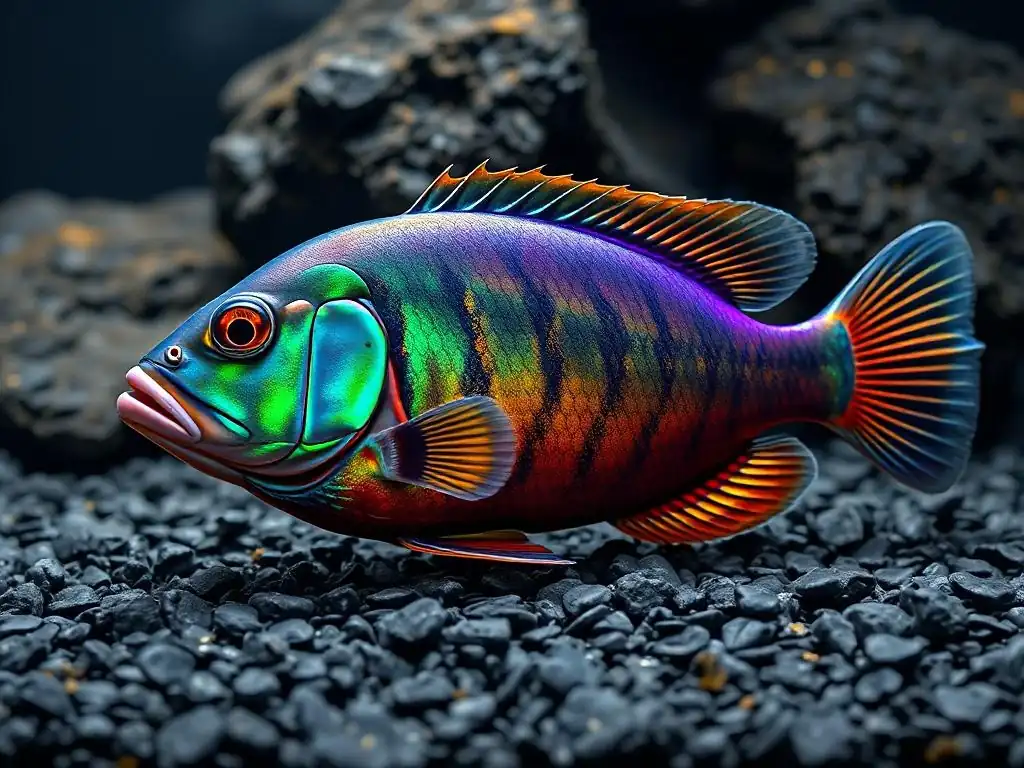
Severum cichlids are omnivores, meaning their natural diet consists of both plant matter and small invertebrates. In the wild, they would graze on algae, detritus, and plant material, while also consuming insects, small crustaceans, and worms. Replicating this varied diet in the aquarium is crucial for their long-term health, robust growth, and the development of their vibrant coloration. A diet lacking in essential nutrients can lead to stunted growth, dull coloration, a weakened immune system, and increased susceptibility to disease, highlighting the importance of a well-rounded Severum care guide basics approach to feeding.
Providing a diverse diet not only ensures complete nutrition but also offers enrichment, encouraging natural foraging behaviors. Avoid feeding the same type of food repeatedly; variety is key to keeping your Severums healthy and engaged.
High-Quality Flake Food and Pellets for Severums
The cornerstone of a Severum's diet in captivity should be a high-quality cichlid-specific flake food or pellet. Look for products that are formulated for omnivorous cichlids and contain a good balance of protein (around 35-45%) and significant vegetable matter, often including spirulina. Spirulina is particularly beneficial for enhancing coloration and providing essential vitamins. Pellets are often preferred for larger Severums as they sink, allowing the fish to feed more naturally at different water levels. Choose pellet sizes appropriate for your fish to prevent choking or difficulty consuming.
Supplementing with Live and Frozen Foods: Brine Shrimp, Bloodworms, and Vegetable Matter
To supplement their staple diet and provide essential nutrients, live and frozen foods are highly beneficial.
- Protein-rich options: Frozen or live brine shrimp, bloodworms, Mysis shrimp, and chopped earthworms can be offered 2-3 times a week. These provide vital proteins and fats, boosting their energy and promoting growth. Ensure live foods are sourced from reputable suppliers to minimize the risk of introducing parasites or diseases.
- Vegetable matter: Given their omnivorous nature with a strong plant component, vegetable supplements are crucial. Blanched and shelled peas, blanched spinach, zucchini slices, and specific vegetable-based flakes or wafers should be included in their diet several times a week. This helps with digestion, prevents issues like bloat, and contributes to their overall vitality, solidifying a balanced Severum care guide basics.
Feeding Frequency and Portion Control: Avoiding Overfeeding
Adult Severums generally benefit from being fed once or twice a day. Younger, rapidly growing Severums may require 2-3 smaller feedings daily to support their development. The key principle for portion control is to feed only what your Severums can consume within 2-3 minutes. Any uneaten food should be removed promptly to prevent it from decaying and fouling the water.
Overfeeding is a common mistake in aquarium keeping and can lead to several problems: it pollutes the water, contributing to high nitrate levels and algae growth, and it can cause health issues for the fish, such as fatty liver disease or digestive problems like bloat. By adhering to proper feeding frequencies and portion control, you ensure your Severums receive adequate nutrition without compromising water quality, a vital aspect of effective Severum care guide basics.
Severum Tank Mates: Compatibility and Community Tank Options
Best Tank Mates for Severums: Peaceful and Compatible Species
While Severums are generally considered one of the more peaceful cichlids, their size and potential for territorial behavior, especially during breeding, necessitate careful selection of tank mates. The goal is to create a harmonious environment where all fish can thrive without undue stress or aggression. Compatible tank mates should be of a similar size or large enough not to be considered food, and possess a temperament that can coexist with a sometimes assertive cichlid.
It is crucial to avoid overly aggressive species that might bully your Severums, as well as very small or delicate fish that could be seen as prey or easily intimidated. A well-researched approach to tank mate selection is a critical component of successful Severum care guide basics.
Suitable Fish for a Severum Community Tank: Corydoras Catfish, Plecos, and Tetras
When choosing tank mates for Severums, consider species that occupy different levels of the water column or have a calm, robust disposition.
- Corydoras Catfish: Various species of Corydoras catfish, such as Corydoras sterbai or Corydoras aeneus, are excellent bottom-dwelling tank mates. They are peaceful, remain relatively small, and do not compete directly with Severums for space. They also help keep the substrate clean by scavenging for leftover food.
- Plecos (Plecostomus species): Larger, peaceful plecos like the Bristlenose Pleco ( Ancistrus spp.) or even a Common Pleco (if the tank is exceptionally large, 150+ gallons, due to their adult size of 18-24 inches) can coexist well. They are primarily herbivorous, helping with algae control, and generally mind their own business. Ensure they have plenty of driftwood for grazing.
- Large, Robust Tetras: Species like Congo Tetras ( Phenacogrammus interruptus) or Silver Dollars ( Metynnis argenteus) can make good dither fish. They are active, schooling fish that can make Severums feel more secure and less prone to shyness. Avoid very small or fin-nipping tetra species. Other suitable large, peaceful South American cichlids, such as certain Geophagus species (e.g., Geophagus altifrons), can also be compatible in very large aquariums (180+ gallons), provided there's ample space and hiding spots for all.
Incompatible Fish for Severums: Aggressive Cichlids and Small, Delicate Fish
Certain fish should be avoided entirely in a Severum tank due to their aggressive nature or vulnerability.
- Aggressive Cichlids: Highly aggressive New World cichlids like Oscars, Flowerhorns, or Midas Cichlids are generally incompatible. They will outcompete Severums for food and territory, leading to constant stress, injury, or even death for the Severums. Even other territorial cichlids from the same region, if too aggressive or similarly sized, can be problematic in all but the largest, most expertly managed tanks.
- Small, Delicate Fish: Tiny community fish such as Neon Tetras, Guppies, or Endler's Livebearers are likely to be viewed as food by an adult Severum. Their small size and delicate fins make them easy targets for harassment or predation. Avoid any fish that could fit into a Severum's mouth.
Introducing New Tank Mates: A Gradual Approach
Introducing new tank mates to an established Severum aquarium requires a gradual and thoughtful approach to minimize stress and potential aggression.
- Quarantine: Always quarantine new fish in a separate tank for 2-4 weeks. This prevents the introduction of diseases or parasites to your main Severum population, a crucial step in maintaining healthy Severum care guide basics.
- Rearrange Decor: Before introducing new fish, consider slightly rearranging the existing tank decor. This disrupts established territories, making it easier for new fish to integrate without immediately challenging the existing hierarchy.
- Introduce at Night: Adding new fish when the tank lights are off or dimmed can help reduce initial stress and aggression from established residents, allowing the newcomers to explore and find hiding spots more calmly.
- Monitor Closely: Observe the tank closely for the first few days and weeks after introduction. Be prepared to remove any fish that are showing signs of excessive aggression or stress.
Severum Health and Disease Prevention: Recognizing and Treating Common Ailments
Common Severum Diseases: Identification and Treatment
Maintaining excellent water quality, providing a balanced and nutritious diet, and minimizing stress are the most effective preventative measures against disease in Severums. However, even with the best Severum care guide basics, fish can occasionally fall ill. Early detection and prompt treatment are crucial for successful recovery. Daily observation of your Severums for any changes in behavior, appetite, coloration, or physical appearance is vital. Lethargy, clamped fins, rapid breathing, refusal to eat, or visible spots/lesions are all indicators that something may be wrong.
Always have a basic first-aid kit for your aquarium, including a quarantine tank, aquarium salt, and general medications for common ailments. Understanding the symptoms of prevalent diseases allows for quicker identification and targeted treatment, significantly improving the prognosis for your fish.
Identifying Ich (White Spot Disease) in Severums
Ichthyophthirius multifiliis, commonly known as Ich or White Spot Disease, is one of the most prevalent parasitic infections in freshwater aquariums. It is highly contagious and often appears when fish are stressed due to poor water quality, sudden temperature changes, or the introduction of new, infected fish.
- Symptoms: Small, distinct white spots resembling grains of salt on the body, fins, and gills. Infected fish may also "flash" or rub themselves against tank decor to relieve itching, exhibit rapid breathing (especially if gills are affected), and become lethargic or refuse to eat.
- Treatment:
- Increase Temperature: Gradually raise the tank temperature to 82-84°F (28-29°C) over 24 hours. This speeds up the parasite's life cycle, making it more vulnerable to treatment. Ensure adequate aeration at higher temperatures.
- Aquarium Salt: Add non-iodized aquarium salt at a concentration of 1 tablespoon per 5 gallons of water. Dissolve it completely before adding to the tank.
- Medication: Use a commercial Ich medication according to the manufacturer's instructions. Products containing malachite green or formalin are common.
- Duration: Continue treatment for at least 7-10 days, even if symptoms disappear, to ensure all life stages of the parasite are eradicated. Perform daily partial water changes before re-dosing medication.
Treating Fin Rot and Other Bacterial Infections
Fin Rot is a common bacterial infection often caused by poor water quality, bullying, or physical injury, which allows opportunistic bacteria to take hold. Other bacterial infections can manifest as cloudy eyes, red streaks on the body or fins, or general body sores.
- Symptoms: Frayed, ragged, or disintegrating fins (which may appear white, black, or reddish at the edges), cloudy eyes, lethargy, loss of appetite, and sometimes red sores or inflammation on the body.
- Treatment:
- Water Quality: Perform an immediate large water change (50%) and maintain pristine water conditions with excellent filtration. This is often the most crucial step.
- Antibacterial Medication: Use a broad-spectrum antibacterial medication designed for aquariums. Follow dosage instructions carefully. Common active ingredients include erythromycin or furan-2.
- Address Underlying Cause: Identify and rectify the underlying cause, whether it's poor water quality, aggression from tank mates, or inadequate nutrition.
Preventing Internal Parasites in Severums
Internal parasites can be insidious, often leading to chronic health issues and emaciation if left untreated. They are frequently introduced through live foods or new, infected fish.
- Symptoms: Weight loss despite eating well, stringy white feces, lethargy, sunken belly, dark coloration, and sometimes bloated appearance if the infection is severe.
- Prevention: Quarantining new fish is the most effective preventative measure. Avoid feeding live foods from unreliable sources.
- Treatment: Specific anti-parasitic medications are required. For flagellates (e.g., Hexamita, causing Hole-in-the-Head), metronidazole is often effective. For worms (e.g., nematodes, cestodes), praziquantel or fenbendazole are typically used. Administer medicated food or directly to the water as per product instructions.
Quarantine Procedures for New Fish: Protecting Your Severum Population
Implementing a strict quarantine procedure for all new fish before introducing them to your main Severum tank is a non-negotiable aspect of responsible fish keeping and a vital element of Severum care guide basics. This simple step can prevent the devastating spread of diseases and parasites to your established fish.
- Quarantine Tank Setup: A 10-20 gallon tank is usually sufficient for quarantining a few new fish. Equip it with a separate filter (sponge filter or small HOB), a heater, and a few hiding spots. Do not use substrate, as it can harbor parasites and make cleaning difficult.
- Observation Period: Keep new fish in the quarantine tank for a minimum of 2-4 weeks. During this time, observe them closely for any signs of illness, unusual behavior, or parasites.
- Prophylactic Treatment (Optional): Some aquarists choose to prophylactically treat new fish with a broad-spectrum anti-parasitic or antibacterial medication during quarantine, even if no symptoms are present. However, this should be done carefully to avoid unnecessary stress or medication resistance.
- Water Changes: Perform regular water changes in the quarantine tank to maintain excellent water quality. Do not use the same equipment (nets, siphons) between the quarantine tank and the main tank without thorough disinfection.
Severum Breeding: Encouraging Reproduction in Captivity
Sexing Severums: Identifying Males and Females
Sexing Severum cichlids can be challenging, especially when they are young or not in breeding condition. There are no definitive external sexual characteristics that are obvious at all times. However, as they mature, certain subtle differences often emerge that can help distinguish males from females.
- Male Characteristics: Mature male Severums often display more intense and vibrant coloration, particularly during breeding periods. Many males will develop a nuchal hump, a fatty lump on their forehead, which becomes more pronounced with age and during spawning. Their dorsal and anal fins tend to be longer and more pointed, sometimes extending past the caudal fin. Males may also grow slightly larger than females.
- Female Characteristics: Females generally have a rounder, fuller body shape, especially when gravid (carrying eggs). Their coloration may be less intense compared to males. Their dorsal and anal fins are typically shorter and more rounded. The most reliable way to sex Severums is during breeding, when the female's ovipositor (a blunt, tube-like structure used for laying eggs) and the male's genital papilla (a smaller, pointed structure) become visible. Observing their behavior, particularly pairing off, is also a strong indicator.
Setting Up a Breeding Tank for Severums
While Severums can occasionally breed in a large, well-maintained community tank, success rates are significantly higher in a dedicated breeding tank. This provides a controlled environment, reduces stress from other tank inhabitants, and protects the fry from predation.
- Tank Size: A 55-75 gallon tank is suitable for a breeding pair.
- Decor: Provide several flat, smooth surfaces for egg laying, such as large pieces of slate, flat rocks, or even broad plant leaves (e.g., large Anubias). A few pieces of driftwood or PVC pipes can offer additional hiding spots for the pair.
- Filtration: Use gentle filtration, such as a sponge filter or a baffled hang-on-back filter, to avoid strong currents that could disturb eggs or fry. Ensure excellent biological filtration to maintain pristine water quality.
- Privacy: Dim lighting and covering the sides of the tank can help reduce stress for the breeding pair.
Water Parameters for Successful Severum Breeding
Specific water parameters can act as triggers for Severum spawning, mimicking the conditions of their natural breeding grounds.
- Temperature: Gradually raise the temperature to the higher end of their preferred range, around 82-84°F (28-29°C). This warmer water often stimulates spawning behavior.
- pH and Hardness: Slightly lower the pH to 6.0-6.5 and soften the water to a general hardness (GH) of 4-8 dGH. This can be achieved through the use of reverse osmosis (RO) water mixed with tap water, or by adding peat to the filter.
- Water Changes: Perform frequent, small (10-15%) water changes with slightly cooler, soft, and acidic water. This simulates the influx of fresh rain in their natural habitat, often acting as a strong spawning trigger. Ensure all water is thoroughly dechlorinated and conditioned.
Caring for Severum Fry: From Hatching to Independence
Once Severums spawn, the parents will typically guard the eggs and fry diligently.
- Egg Hatching: Severum eggs usually hatch within 3-5 days after spawning, depending on temperature. The newly hatched fry, known as "wrigglers," will remain attached to the spawning site or be moved by the parents to a pre-dug pit in the substrate.
- Free-Swimming Fry: After another 4-7 days, the fry will absorb their yolk sacs and become free-swimming. At this stage, they require their first foods.
- Initial Feeding: Newly hatched brine shrimp nauplii are an ideal first food due to their small size and high nutritional content. Microworms are another suitable alternative. Feed small amounts several times a day to ensure all fry get enough.
- Growth and Progression: As the fry grow, typically after a week or two, they can be gradually introduced to finely crushed high-quality flake food or specialized fry pellets. Continue to supplement with brine shrimp.
- Parental Care: Severums are excellent parents and will protect their fry. However, in a community tank, other fish (or even the parents if they become stressed) may predate on the fry. Many breeders choose to remove the parents or the eggs/fry to a separate grow-out tank for maximum survival rates.
- Water Quality for Fry: Maintaining pristine water quality is paramount for fry development. Perform small, daily water changes (10-15%) using a siphon that won't suck up the tiny fry. Ensure the water is temperature-matched and conditioned. Overfeeding and poor water quality are the leading causes of fry mortality, making meticulous Severum care guide basics essential during this delicate stage.
Advanced Severum Care Tips: Taking Your Fish Keeping to the Next Level
Enhancing Severum Colors: Diet and Lighting Strategies
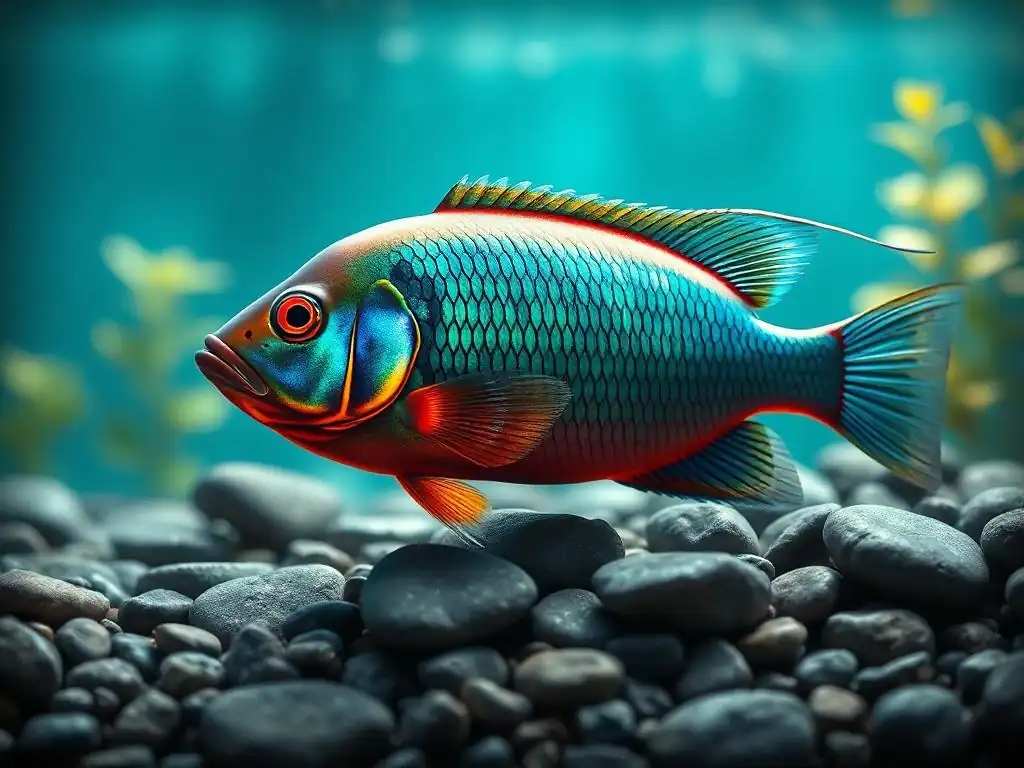
Maximizing the vibrant coloration of your Severums goes beyond basic nutrition; it involves a strategic approach to diet and lighting. Healthy, well-fed Severums will naturally display better colors, but specific inputs can truly make them "pop."
- Dietary Enhancers: Incorporate foods rich in natural color-enhancing pigments such as astaxanthin, spirulina, and carotenoids. These pigments are found in certain high-quality cichlid pellets and flakes. Frozen foods like krill, Mysis shrimp, and bloodworms are also excellent sources of color-boosting compounds. Blanched vegetables like spinach and carrots (in moderation) can also contribute. For instance, a diet consistently including krill-based pellets can significantly deepen the reds and oranges in "Rotkeil" Severums. Aim for a varied diet with these elements offered several times a week.
- Lighting: Full-spectrum LED lighting designed to enhance fish colors can make a dramatic difference. Look for lights that provide a balanced spectrum, often with a slight emphasis on red and blue wavelengths, which can intensify the natural pigments in your Severums. A consistent photoperiod of 10-12 hours daily is typical. Avoid prolonged periods of darkness or overly bright, direct sunlight, which can stress fish and promote undesirable algae growth.
Managing Aggression in Severum Tanks: Solutions and Strategies
While generally peaceful for cichlids, Severums can exhibit territorial aggression, especially as they mature or during breeding. Effective management strategies can minimize conflicts and maintain a harmonious tank environment.
- Ample Space and Visual Barriers: Ensure your tank is sufficiently large, providing enough space for each Severum to establish a small territory without constant encroachment. Incorporate plenty of visual barriers using driftwood, rocks, and hardy plants. These break up lines of sight, preventing one fish from constantly seeing and harassing another. Caves and hiding spots allow subordinate fish to retreat and feel secure.
- Group Dynamics: If keeping multiple Severums, aim for a group of 5-6 or more. This "safety in numbers" approach helps diffuse aggression, as the aggression is spread among more individuals rather than concentrated on one or two. Avoid keeping just two Severums, as this often leads to one becoming dominant and constantly bullying the other.
- Adequate Feeding: Ensure all fish are well-fed and that food is distributed evenly. Food-related aggression can be common if fish feel they are competing for resources. Feeding at multiple points in the tank can help.
- Introducing New Fish: When adding new Severums or tank mates, rearrange the tank decor slightly. This disrupts existing territories, forcing all fish to establish new ones, which can reduce initial aggression towards newcomers.
Troubleshooting Common Severum Care Issues: A Quick Reference Guide
Even with the best Severum care guide basics, issues can arise. Knowing how to quickly identify and address common problems can prevent minor issues from escalating.
- Loss of Appetite:
- Possible Causes: Poor water quality (ammonia, nitrite, high nitrate), incorrect temperature, stress, internal parasites, or other diseases.
- Solution: Test water parameters immediately. Perform a water change if necessary. Check heater function. Observe for other disease symptoms. Offer a varied diet to tempt them.
- Dull Coloration:
- Possible Causes: Stress (from poor water quality, bullying, overcrowding), inadequate diet, or illness.
- Solution: Check water parameters and perform a water change. Evaluate tank mates for aggression. Ensure the diet includes color-enhancing foods. Observe for other signs of disease.
- Fin Nipping:
- Possible Causes: Incompatible tank mates (either too aggressive or Severums themselves are nipping smaller fish), or overcrowding causing stress.
- Solution: Re-evaluate tank mate compatibility. If Severums are nipping, consider if the tank is overcrowded or if there are insufficient hiding spots. Increase tank size or separate aggressive individuals if necessary.
- Hiding Constantly:
- Possible Causes: Stress (due to new environment, bullying, bright lights, lack of hiding spots), or illness.
- Solution: Check water parameters. Ensure plenty of secure hiding spots are available. Evaluate tank mates. Dim lighting if too bright. Observe for other signs of disease.
Conclusion: Mastering Severum Care for a Rewarding Aquarium Experience
Mastering the Severum care guide basics is an enriching journey that culminates in a vibrant, healthy, and engaging aquarium. By providing a spacious and meticulously maintained environment, adhering to precise water parameters, offering a diverse and nutritious diet, and carefully selecting compatible tank mates, you lay the foundation for these "gentle giants" to truly thrive. Their intelligence, striking beauty, and relatively peaceful demeanor make them a truly rewarding species for dedicated aquarists.
The longevity of Severums, often exceeding a decade, means that the commitment to their well-being is a long-term endeavor. Continuous observation, prompt troubleshooting, and a willingness to adapt your care regimen as your fish mature are all part of the process. With diligence and passion, you will not only witness the full splendor of your Heros cichlids but also gain a deeper appreciation for the intricate world of freshwater aquariums, making every moment of Severum care a truly fulfilling experience.
Frequently Asked Questions
What are the basic requirements for a Severum aquarium setup?
Severums need a large tank (at least 55 gallons for one, more for a community), good filtration, and stable water parameters. A well-cycled tank is absolutely essential to their health.
What is the ideal diet for Severum cichlids?
They are omnivores, so a varied diet is best. Offer high-quality cichlid pellets or flakes supplemented with live or frozen foods like bloodworms, brine shrimp, and vegetable matter.
What are the optimal water parameters for Severum care?
Maintain a temperature between 75-82°F, a pH between 6.0-7.5, and keep the water clean and well-oxygenated. Regular water changes are crucial for maintaining these parameters.
What are some common health issues to watch out for in Severums?
Be vigilant for signs of Ich (white spot disease), fin rot, and other bacterial infections. Proper water quality and a balanced diet are key to preventing most illnesses.
Can Severums be kept in a community tank? If so, what tank mates are suitable?
Yes, but choose tank mates carefully. Avoid aggressive or overly boisterous fish. Suitable companions include larger tetras, peaceful catfish, and other similarly sized, non-aggressive fish.
Final Reflection: The Enduring Allure of the Severum
The journey of understanding and providing optimal Severum care extends far beyond the confines of a fish tank. It's a testament to our capacity for empathy and dedication to the well-being of another living creature, mirroring our broader responsibilities within the natural world. The principles outlined in this guide, from water parameters to dietary needs, are not merely technical instructions, but rather a pathway to fostering a thriving ecosystem within our homes and a deeper appreciation for the intricate beauty of these Heros cichlids.
The Severum, with its captivating personality and vibrant colors, has woven its way into the hearts of aquarists worldwide. This connection, this shared responsibility for their well-being, highlights the profound impact even seemingly small acts of care can have. The greatness of a nation and its moral progress can be judged by the way its animals are treated.
- Mahatma Gandhi. This quote resonates deeply when we consider the dedication required to provide a Severum with a life of comfort and enrichment, reflecting a broader commitment to compassion and respect for all life.
As you embark on, or continue, your journey with these magnificent fish, remember that the "Severum care guide basics" are just the beginning. Let the knowledge gained here inspire you to further explore the wonders of the aquatic world, to continuously refine your understanding of their needs, and to share your passion with others. Your dedication not only ensures the well-being of your Severums but also contributes to a greater appreciation for the delicate balance of our planet's ecosystems.
Ignite Your Severum's Spark!
Thank you for diving into the world of Severum care! We hope this guide has equipped you with the knowledge to create a vibrant and healthy environment for your Heros Cichlids. Now, let's put that knowledge into action:
- Take the Plunge: Commit to re-evaluating your Severum's tank setup based on the optimal parameters discussed. This is the most impactful step you can take right now.
- Share the Knowledge: Spread the word! Share this guide with other aquarium enthusiasts who might benefit from Severum care tips.
- Get Creative: Design a custom background for your Severum's tank inspired by their natural Amazonian habitat and share a picture on our community forum!
What specific change will you implement in your Severum's tank this week to ensure their long-term happiness?