
The Truth About "Wet Pets": Exploring the Unique Personalities of Oscars and Severums

Welcome to Aquarium Mastery!
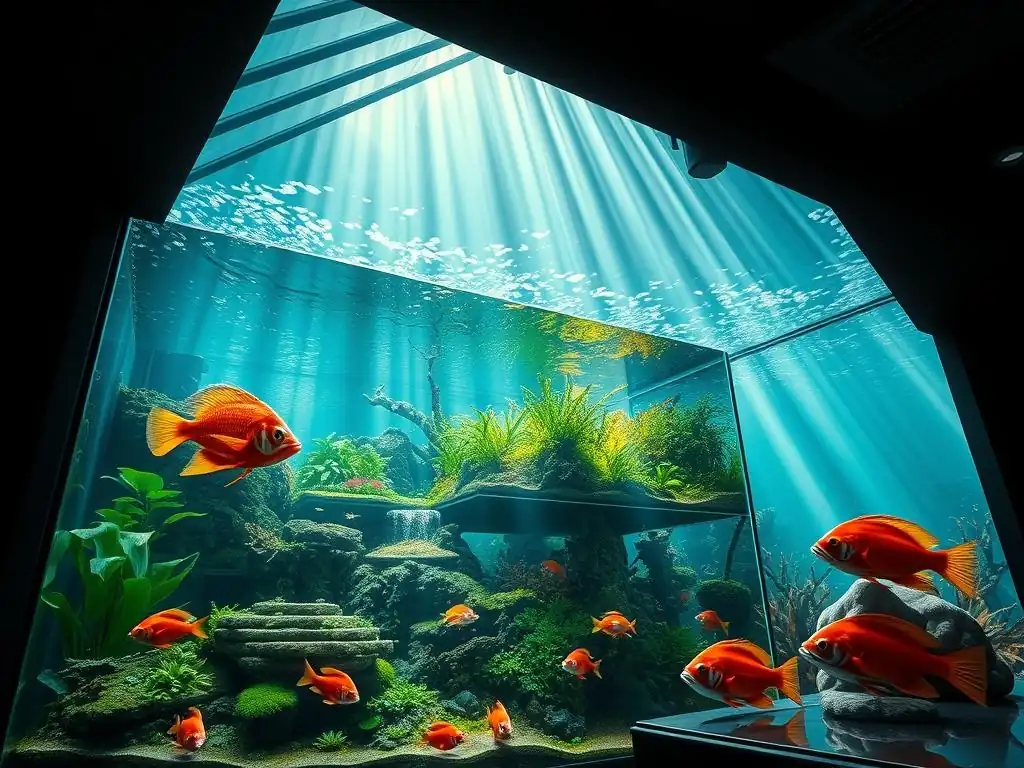
Ever wondered if your fish has a personality? Dive into the fascinating world of freshwater giants and explore the unique and often surprising character traits of popular cichlids. This week, we're unlocking the secrets behind Oscar and Severum personalities, revealing what makes these "wet pets" so captivating. Are they truly as intelligent and interactive as some aquarists claim? Read on to discover the truth and learn how to create the perfect environment to nurture their individual quirks!
- Understanding Oscar and Severum Fish Personalities: A Deep Dive
- Oscar Fish Personality: More Than Just a Pretty Face
- Severum Personality: The Gentle Giant of the Cichlid World
- Oscar vs. Severum: A Comparative Analysis of Their Personalities
- Creating an Ideal Environment to Foster Positive Oscar and Severum Behaviors
- Recognizing and Addressing Problematic Oscar and Severum Behaviors
- Enhancing the Bond with Your Oscar or Severum: Building Trust and Interaction
-
Frequently Asked Questions
- What are the primary differences in personality between Oscars and Severums in an aquarium setting?
- How do Oscars and Severums react to tankmates, and how does this relate to their individual personalities?
- Can an aquarist predict the personality of an Oscar or Severum based on its appearance or coloration?
- What are some common personality traits observed in Oscars that new aquarists should be aware of?
- How does the personality of a Severum make it a suitable or unsuitable choice for certain aquarium setups?
- Final Reflection: Unveiling the Depths of Aquatic Companionship
- Ignite Your Passion: Dive Deeper into the World of Cichlids!
Understanding Oscar and Severum Fish Personalities: A Deep Dive
What Makes Oscar and Severum Behavior So Fascinating?
The allure of keeping Oscars and Severums lies not just in their striking appearance but profoundly in their complex and engaging behaviors. Unlike many smaller, schooling fish that exhibit predictable, group-oriented movements, these New World cichlids demonstrate remarkable individuality and cognitive abilities. Their actions go beyond mere instinct; they appear to engage with their environment and even their human caretakers in ways that captivate aquarists. Observing an Oscar rearrange its tank decor or a Severum meticulously sift through substrate reveals a depth of character rarely seen in aquatic pets.
Furthermore, their relatively long lifespans—Oscars often live for 10 to 15 years, and Severums for 8 to 10 years with proper care—allow aquarists ample time to observe the full development and nuances of their Oscar and severum personalities. This extended period enables owners to witness their fish grow from timid juveniles into confident, interactive adults, fostering a unique bond.
The subtle shifts in their daily routines, their reactions to new stimuli, and their consistent responses to familiar faces make them far more than just "wet pets"; they become integral members of the household, each with a distinct and evolving temperament.
Why Oscar and Severum Personalities Stand Out in the Aquarium World
Oscar and severum personalities truly distinguish them within the diverse realm of aquarium inhabitants. While many fish are appreciated for their schooling patterns or vibrant colors, Oscars and Severums offer a level of interaction and individual recognition that elevates the aquarist experience. For instance, an Oscar might greet its owner by splashing at the surface or following their movements outside the tank, a behavior that is rare among most freshwater species. This capacity for individual recognition extends to learning feeding routines and even responding to specific visual cues, making them feel more like traditional pets.
Their unique behaviors also include distinct methods of communication and problem-solving. Severums, while generally more placid than Oscars, will display subtle fin movements or color changes to signal mood or territorial claims within their social structure. Oscars, on the other hand, are known for their boisterous displays, such as digging extensively or relocating tank decorations, indicating their comfort and dominance within their territory. These overt and subtle expressions of their Oscar and severum personalities provide endless fascination, convincing many enthusiasts that these cichlids possess genuine character and emotional depth.
Oscar Fish Personality: More Than Just a Pretty Face
Oscar Fish Intelligence: Do Oscars Recognize Their Owners?
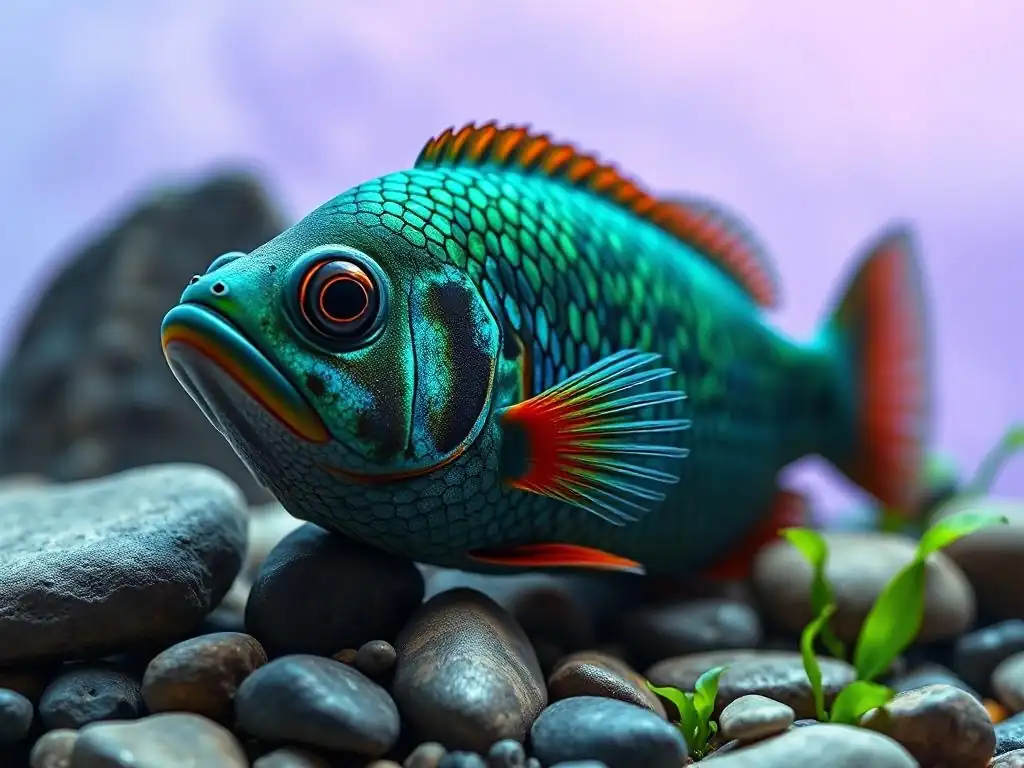
Oscar fish are widely regarded as one of the most intelligent freshwater aquarium species, displaying a remarkable capacity for learning and recognition that often surprises new owners. Anecdotal evidence from aquarists around the globe overwhelmingly suggests that Oscars can indeed recognize their owners.
This recognition is typically demonstrated through specific behaviors: when their owner approaches the tank, an Oscar might swim excitedly to the front, wiggle its body, or even splash water as a form of greeting or to solicit food. Conversely, they may remain indifferent or even hide when strangers are near the glass, indicating a clear distinction between familiar and unfamiliar individuals.
This perceived intelligence extends to their ability to learn routines and even simple "tricks." Many Oscars quickly learn to associate the presence of their owner with feeding time, displaying anticipatory behaviors such as rising to the surface or positioning themselves at the feeding spot. Some aquarists have successfully trained their Oscars to jump for food, follow a finger, or even allow gentle petting, showcasing their capacity for classical conditioning and their responsiveness to consistent interaction. This high level of cognitive function makes observing Oscar and severum personalities a truly engaging experience, as their reactions are often personalized and dynamic.
Oscar Fish Behavior Patterns: Aggression, Playfulness, and More
The Oscar fish personality is a rich tapestry of behaviors, ranging from boisterous playfulness to assertive territoriality. One of their most notorious traits is their tendency to rearrange tank decor; it's not uncommon for an Oscar to meticulously dig up substrate, push rocks, or even move small pieces of driftwood overnight. This behavior is partly exploratory and partly an instinctual drive to create a suitable territory or spawning site. While often amusing, it necessitates anchoring decorations securely to prevent damage or injury.
Beyond their redecorating habits, Oscars exhibit a variety of other fascinating patterns. They can be incredibly playful, sometimes appearing to "play dead" by lying on their side at the bottom of the tank, only to spring back to life when approached. Aggression, however, is also a significant aspect of their Oscar and severum personalities, particularly if housed in tanks that are too small (under 75 gallons for a single adult) or with incompatible tank mates.
This aggression typically manifests as fin nipping, chasing, or territorial disputes, especially during breeding periods. Their curiosity is also boundless; they will often investigate new objects introduced to the tank with great interest, sometimes even attempting to mouth them.
Decoding Oscar Body Language: Interpreting Fin Position and Color Changes
Understanding an Oscar's body language is crucial for deciphering its mood, health, and intentions, providing valuable insight into their complex Oscar and severum personalities. One of the most telling indicators is fin position. When an Oscar feels confident, dominant, or is displaying aggression, its dorsal and anal fins will often be fully erect and flared, making the fish appear larger and more imposing.
Conversely, clamped fins—held tightly against the body—are a classic sign of stress, illness, or submission. Rapid gilling, where the operculum (gill cover) moves quickly, can indicate poor water quality, high stress levels, or a respiratory issue, often exceeding 60 breaths per minute.
Color changes are another significant aspect of Oscar communication. A healthy, confident Oscar typically displays vibrant, rich colors appropriate to its genetic strain. However, when stressed, frightened, or submissive, an Oscar may rapidly lose its color, becoming pale or washed out. During periods of heightened aggression or excitement, such as territorial disputes or feeding frenzies, their colors can intensify, and their black patterns may become more pronounced. Observing these subtle yet rapid shifts in coloration and fin posture allows aquarists to gain a deeper understanding of their Oscar's well-being and their dynamic Oscar and severum personalities.
Severum Personality: The Gentle Giant of the Cichlid World
Severum Temperament: Are Severums Really Peaceful Tank Mates?
Severums are often lauded as the "gentle giants" of the cichlid world, a reputation that generally holds true, especially when compared to their more boisterous relatives like the Oscar. Their temperament is typically more placid and less overtly aggressive, making them a popular choice for aquarists seeking a large, personable cichlid that can coexist with a wider range of tank mates.
However, it's important to understand that "peaceful" for a cichlid is relative; while they rarely engage in destructive behavior or unprovoked attacks, Severums can still exhibit territoriality, particularly during breeding cycles or if their living space is too confined.
A single adult Severum, which can grow to 8-10 inches, requires a minimum of a 55-gallon tank to thrive and maintain its calm demeanor. In smaller tanks or when housed with unsuitable companions, even a Severum can become stressed and display nipping or chasing behaviors. They are generally less prone to rearranging tank decor than Oscars, preferring to sift through substrate for food. This overall calmer disposition contributes significantly to their unique Oscar and severum personalities, allowing them to be integrated into carefully selected community tanks, provided their size and specific needs are met.
Severums exhibit interesting social dynamics that contribute to their distinct Oscar and severum personalities. While they can be kept singly, they often thrive in small groups or as a bonded pair in sufficiently large aquariums. In a group setting, a subtle hierarchy typically forms, with dominant individuals establishing preferred territories, though overt aggression is usually minimal compared to other cichlid species. If keeping a group, it's generally recommended to have at least five or more individuals in a very spacious tank (125 gallons or more) to help diffuse any potential aggression and allow for natural schooling behaviors.
When it comes to compatibility, Severums are generally good tank mates for other large, robust, and relatively peaceful fish. Suitable companions might include other non-aggressive cichlids of similar size, large tetras (like Congo Tetras), gouramis, or various plecostomus species. They typically do well with fish that are too large to be considered food and too docile to challenge them aggressively. Avoiding very small or overly aggressive species is key to maintaining a harmonious environment and preventing stress that could negatively impact their naturally calm Oscar and severum personalities.
Observing Severum Interactions: How They Communicate Within the Tank
Observing Severum interactions within the tank reveals a sophisticated, albeit often subtle, communication system that shapes their Oscar and severum personalities. Unlike the overt displays of some cichlids, Severums communicate through a combination of body posturing, fin movements, and slight color changes. For instance, during mild territorial disputes or courtship, a Severum might flare its fins slightly or display a more vibrant coloration, signaling its intentions without resorting to physical confrontation. A head-down posture can indicate submission or a desire to avoid conflict.
Beyond these visual cues, Severums also engage in behaviors that are communicative in a broader sense. Their characteristic substrate sifting, where they take mouthfuls of sand or gravel and expel it through their gills, is not only a foraging technique but also a sign of comfort and contentment within their environment.
This gentle, methodical exploration contrasts sharply with the more disruptive digging of Oscars. By paying close attention to these nuanced behaviors—from the subtle flick of a fin to their methodical foraging—aquarists can gain a deeper appreciation for the intricate social lives and unique Oscar and severum personalities of these captivating fish.
Oscar vs. Severum: A Comparative Analysis of Their Personalities
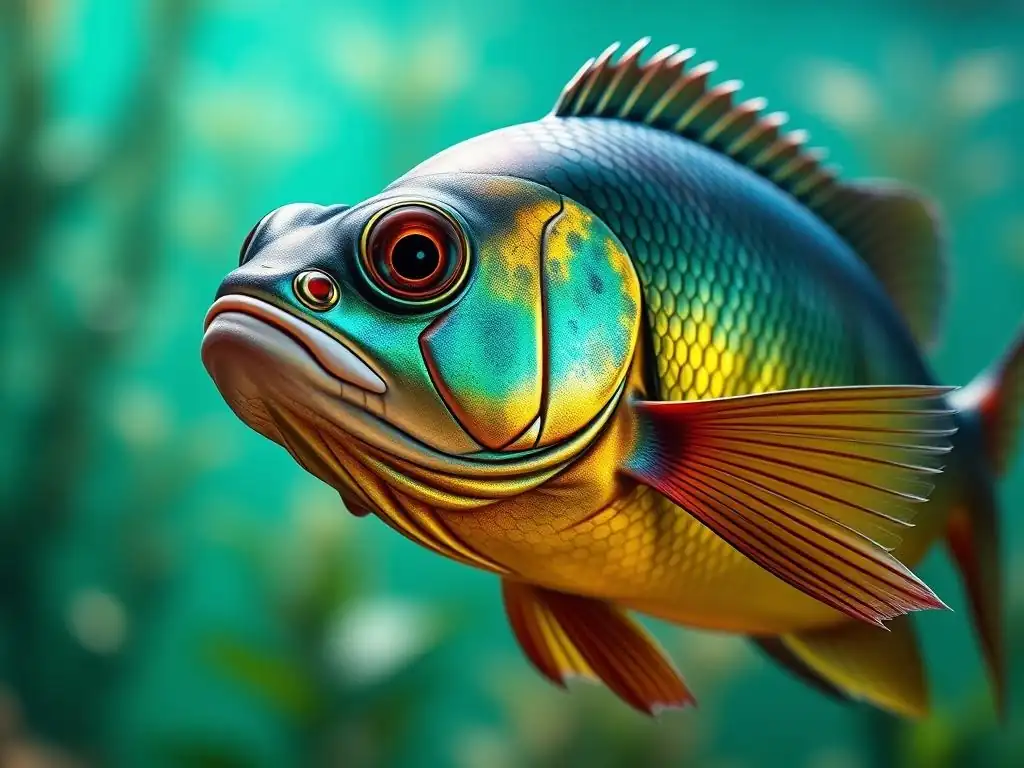
When comparing Oscar and severum personalities, their temperaments represent two distinct ends of the cichlid spectrum, particularly concerning aggression levels and social needs. Oscars are renowned for their bold, assertive, and often territorial nature. An adult Oscar, which can reach 10-14 inches, typically requires a minimum of 75 gallons for a single specimen, and 125 gallons or more for a pair, to mitigate aggression.
They are prone to challenging tank mates and rearranging decor, and their aggression can escalate if they feel cramped or threatened. While they can be kept singly, they are often content with just their owner's attention.
Severums, in contrast, are considerably more placid and less prone to overt aggression, earning them the moniker "gentle giants." Growing to 8-10 inches, a single Severum can thrive in a 55-gallon tank, with pairs requiring 90 gallons or more. Their territorial displays are usually more ritualistic than combative, and they are generally better suited for community tanks with other large, peaceful-to-semi-aggressive fish. Severums also tend to be more social, often preferring to be kept in small groups (in very large aquariums, 125+ gallons) or as a pair, where their social dynamics contribute to their calmer Oscar and severum personalities.
Oscar and Severum Intelligence: Problem-Solving Skills and Learning Abilities
Both Oscars and Severums are highly intelligent fish, but their problem-solving skills and learning abilities manifest in different ways, shaping their unique Oscar and severum personalities. Oscars are often seen as the "brainier" of the two in terms of direct interaction and rapid learning.
They quickly learn to associate their owner's presence with food, can be trained to perform simple "tricks" like jumping for food or following a finger, and frequently display curiosity by investigating new objects or changes in their environment. Their problem-solving often involves manipulating their surroundings, such as moving decorations to suit their preferences or escaping perceived confines.
Severums, while equally intelligent, tend to exhibit their cognitive abilities in a more subtle, observational manner. They are adept at learning routines and recognizing their owners, often coming to the front of the tank when a familiar face approaches. Their problem-solving is less about overt manipulation and more about adapting to their environment and social structure.
For instance, they might meticulously explore new hiding spots or learn efficient foraging techniques within their tank. While they may not perform "tricks" with the same overt enthusiasm as an Oscar, their consistent recognition and calm responsiveness underscore their significant intelligence and contribute to their distinct Oscar and severum personalities.
Contrasting Oscar and Severum Behavior: Feeding Habits and Tank Interactions
The contrasting feeding habits and tank interactions between Oscars and Severums further highlight the differences in their Oscar and severum personalities. Oscars are famously voracious eaters, often displaying an almost frantic eagerness at feeding time. They will typically rush to the surface, frequently splashing water as they eagerly gulp down pellets, flakes, or frozen foods.
Their feeding behavior is often accompanied by intense begging, where they will stare intently at their owner or follow their movements, demonstrating their strong association between humans and food. Their interactions with tank decor are also quite boisterous; Oscars are notorious for digging extensively, uprooting plants, and moving rocks, sometimes displacing items weighing several pounds overnight.
Severums, conversely, exhibit a more refined and methodical approach to feeding. While they are enthusiastic eaters, they tend to feed more calmly, often sifting through substrate to pick up food particles or gently taking food from the surface. Their foraging behavior involves meticulous exploration, making them less prone to the chaotic splashing seen with Oscars. In terms of tank interactions, Severums are significantly less destructive. They may sift substrate, but they rarely rearrange heavy decor or aggressively uproot plants. This distinction in their daily habits underscores the fundamental differences in their active versus calm Oscar and severum personalities.
Creating an Ideal Environment to Foster Positive Oscar and Severum Behaviors
Tank Size and Setup for Oscar and Severum Wellbeing
Providing the appropriate tank size and setup is paramount to fostering positive Oscar and severum personalities and ensuring their overall wellbeing. For a single adult Oscar, a minimum tank size of 75 gallons is essential, with 125 gallons or more recommended for a pair. These fish are large, active, and produce a significant bioload, necessitating ample swimming space and robust filtration.
The setup should include sturdy, smooth decorations like large rocks and driftwood that are too heavy for the Oscar to easily move, along with a substrate that can withstand their digging habits, such as large gravel or sand. Open swimming areas are crucial, as Oscars are powerful swimmers.
Severums, while also large, have slightly different space requirements. A single adult Severum needs at least a 55-gallon tank, and a pair benefits greatly from 90 gallons or more. Their setup should provide more hiding spots and visual barriers than an Oscar tank, as they appreciate secure places to retreat.
This can include caves, driftwood, and if possible, hardy plants that can tolerate some sifting. While they are less destructive than Oscars, a secure setup is still important. Adequate tank size directly correlates with reduced stress and aggression, allowing their unique Oscar and severum personalities to flourish in a comfortable and stimulating environment.
Choosing the Right Tank Mates to Minimize Aggression and Stress
Selecting appropriate tank mates is a critical factor in minimizing aggression and stress, thus preserving the positive aspects of Oscar and severum personalities. For Oscars, given their size and assertive nature, compatible tank mates must be equally large, robust, and semi-aggressive. Good choices often include large plecos (like Common Plecos or Sailfin Plecos), Silver Dollars, or other large cichlids in very spacious aquariums (e.g., a 200+ gallon tank for a multi-species cichlid community).
Small, docile, or slow-moving fish are entirely unsuitable and will likely become targets or food. The goal is to choose fish that can hold their own without escalating conflict.
Severums offer more flexibility due to their generally milder temperament. They can coexist peacefully with a wider range of large, peaceful to moderately aggressive fish. Suitable companions include other large, non-aggressive cichlids, large gouramis, various species of Synodontis catfish, and robust schooling fish like Congo Tetras.
It's important to avoid very small fish that could be seen as prey, as well as highly aggressive species that might bully the Severum. Careful consideration of size, temperament, and swimming levels of potential tank mates is key to creating a harmonious environment that allows the inherent calm of Severum Oscar and severum personalities to shine.
Water Quality and Its Impact on Oscar and Severum Personality
Pristine water quality is absolutely fundamental to the health and temperament of both Oscars and Severums, directly impacting their Oscar and severum personalities. Both species thrive in stable water conditions, typically preferring a pH range of 6.0 to 7.5, with soft to moderately hard water. The most critical parameters to monitor are ammonia and nitrites, which must always be 0 parts per million (ppm), and nitrates, which should be kept below 20 ppm. High levels of these nitrogenous wastes are toxic and will quickly lead to stress, illness, and a significant decline in activity and vibrancy.
Maintaining optimal water quality necessitates robust filtration—canister filters or large hang-on-back filters with excellent mechanical, biological, and chemical media are highly recommended due to the bioload these fish produce. Regular weekly water changes of 25-50%, depending on the tank's stocking level and filtration efficiency, are also crucial for diluting nitrates and replenishing essential minerals. Fish subjected to poor water quality will often display lethargy, clamped fins, faded colors, and increased susceptibility to disease, all of which directly suppress their natural Oscar and severum personalities, turning vibrant, interactive fish into listless shadows of their potential.
Recognizing and Addressing Problematic Oscar and Severum Behaviors
Identifying Signs of Stress or Illness in Oscars and Severums
Recognizing the subtle and overt signs of stress or illness is crucial for maintaining the wellbeing and vibrant Oscar and severum personalities of your fish. Both species, when unwell or stressed, will often exhibit a range of symptoms.
Common indicators include a loss of appetite, where the fish refuses to eat or shows little interest in food, and changes in coloration, such as faded or darkened patterns. Behavioral changes are also telling: clamped fins (held close to the body), rapid gilling (respiration rate significantly higher than 60 breaths per minute), constant hiding, or rubbing against tank decorations are all red flags.
Beyond these physical signs, a change in their typical Oscar and severum personalities can also signal trouble. An usually active Oscar becoming lethargic, or a normally calm Severum showing uncharacteristic aggression, warrants immediate investigation. Other signs might include erratic swimming, labored breathing, or the appearance of visible external parasites (like white spots from Ich) or fungal growths. Prompt identification and addressing the underlying cause—whether it's poor water quality, incompatible tank mates, or disease—are essential for a swift recovery and the return of their healthy, engaging behaviors.
Dealing with Aggression in Oscars: Causes and Solutions
Aggression is a common, though manageable, aspect of the Oscar fish personality, often stemming from specific environmental or social factors. The primary causes of aggression in Oscars include insufficient tank size, leading to territorial disputes (a 75-gallon tank is minimal for one, 125+ for two); a lack of adequate hiding spots or visual barriers within the tank; and the presence of incompatible or much smaller tank mates. Breeding periods can also trigger heightened aggression, even towards previously tolerated fish. In some cases, an inadequate diet lacking essential nutrients can also contribute to irritability.
Addressing Oscar aggression typically involves several strategies. The most effective solution is to ensure the tank is of appropriate size and not overcrowded. Rearranging the tank decor can help break up established territories and create new visual boundaries, potentially diffusing tension.
Adding more sturdy hiding spots or large pieces of driftwood can provide retreats for less dominant fish. If aggression persists despite these measures, or if a pair becomes overly aggressive during spawning, separating the aggressive individual or rehoming incompatible tank mates may be necessary. Ensuring a balanced and nutritious diet can also contribute to overall well-being and a more stable Oscar and severum personalities.
Addressing Picky Eating Habits in Severums: Tips and Tricks
While generally good eaters, Severums can occasionally develop picky eating habits, which can be a sign of stress or an unsuitable diet, impacting their Oscar and severum personalities. Common causes include poor water quality, a new or unstable environment causing stress, or simply being offered food that is unappealing or difficult for them to consume. Unlike Oscars, who are often less discerning, Severums appreciate variety and can sometimes turn their noses up at a monotonous diet.
To address picky eating in Severums, a multifaceted approach is often required. First, meticulously check all water parameters (ammonia, nitrite, nitrate, pH, temperature) to ensure they are optimal, as poor water quality is a frequent culprit for appetite loss. Next, offer a varied diet that includes high-quality cichlid pellets or flakes, supplemented with frozen foods like bloodworms, brine shrimp, and Mysis shrimp.
Severums also benefit from blanched vegetables such as peas, spinach, or zucchini. Try offering food at different times of the day or in different forms (e.g., sinking pellets versus flakes) to stimulate interest. In some cases, a short 24-hour fasting period can help to re-stimulate their appetite, allowing their natural Oscar and severum personalities to return.
Enhancing the Bond with Your Oscar or Severum: Building Trust and Interaction
Training Your Oscar: Teaching Tricks and Encouraging Interaction
Enhancing the bond with your Oscar can be a deeply rewarding experience, as their high intelligence and responsiveness make them surprisingly trainable. Their unique Oscar and severum personalities thrive on interaction. The key to training an Oscar lies in consistency and using positive reinforcement, primarily through food rewards. Start with simple actions: for instance, holding your hand near the tank at feeding time until the Oscar associates your presence with food, gradually encouraging it to come to the front.
More advanced "tricks" can then be attempted. Many aquarists successfully teach their Oscars to "jump" for food by holding a pellet just above the water surface, encouraging the fish to break the surface to grab it. Target training, where the Oscar learns to touch a specific object (like a finger or a stick) for a reward, is also achievable.
Some Oscars even learn to allow gentle petting, though this requires significant trust and should always be approached with caution and respect for the fish's comfort. These training sessions not only provide mental stimulation for the Oscar but also deepen the unique connection with their owner, highlighting their remarkable Oscar and severum personalities.
Hand-Feeding Your Severum: Establishing a Connection
Hand-feeding your Severum is an excellent way to establish a strong bond and build trust, showcasing the gentler aspects of their Oscar and severum personalities. Unlike the often aggressive snatching of an Oscar, Severums typically approach hand-feeding with a more delicate and deliberate manner, making it a calm and rewarding interaction. Begin by offering food from tongs or tweezers, slowly lowering it into the water near the fish. As the Severum becomes accustomed to your hand's presence, you can gradually transition to holding the food directly between your fingers.
This process requires patience and gentle movements to avoid startling the fish. Once a Severum trusts you enough to take food directly from your hand, it signifies a significant level of comfort and recognition. Hand-feeding not only provides a unique interactive experience but also allows for closer observation of your fish's health and appetite. It reinforces their recognition of you as a provider and a safe presence, fostering a strong connection that highlights the nuanced and engaging Oscar and severum personalities.
Understanding the Lifespan and Personality Changes of Oscars and Severums Over Time
Understanding the lifespan and the evolutionary changes in Oscar and severum personalities over time is crucial for long-term care and appreciation. Both species are relatively long-lived, with Oscars typically living 10 to 15 years and Severums 8 to 10 years, sometimes longer with exceptional care. This extended lifespan allows aquarists to witness their fish mature through distinct developmental stages, each bringing new facets to their character.
As juveniles, both Oscars and Severums tend to be more timid and focused primarily on growth, often displaying less vibrant coloration. During adolescence, typically between 6 months and 2 years, their true Oscar and severum personalities begin to emerge. Oscars become more boisterous, territorial, and interactive, while Severums develop their calm, exploratory nature and establish social hierarchies.
In adulthood, these traits solidify; Oscars become confident and demanding, often recognizing their owners with great enthusiasm, while Severums maintain their gentle demeanor, becoming more set in their routines and interactions. In their senior years, activity levels might decrease slightly, and colors may fade, but their recognition of and bond with their owners often remain strong, a testament to the enduring and adaptable nature of Oscar and severum personalities throughout their lives.
Frequently Asked Questions
What are the primary differences in personality between Oscars and Severums in an aquarium setting?
Oscars are generally known for being more bold and interactive, often displaying curiosity and even begging for food. Severums, on the other hand, tend to be more peaceful and reserved, preferring a calmer environment.
How do Oscars and Severums react to tankmates, and how does this relate to their individual personalities?
Oscars can be aggressive towards smaller or less assertive tankmates, reflecting their dominant nature. Severums are generally more compatible with a wider range of fish, showcasing their more docile temperament.
Can an aquarist predict the personality of an Oscar or Severum based on its appearance or coloration?
While coloration can indicate the fish's health and species, it's not a reliable indicator of individual personality. Environmental factors and individual temperament are more influential.
What are some common personality traits observed in Oscars that new aquarists should be aware of?
New Oscar owners should be prepared for their fish to be highly interactive, sometimes destructive (moving decorations), and potentially aggressive towards certain tankmates.
How does the personality of a Severum make it a suitable or unsuitable choice for certain aquarium setups?
Severums' calm and peaceful nature makes them well-suited for community tanks with similarly tempered fish. However, their relatively large size needs to be considered when choosing tank mates.
Final Reflection: Unveiling the Depths of Aquatic Companionship
The exploration of Oscar and Severum personalities, as we've seen, transcends mere fishkeeping; it reveals a profound connection with creatures often underestimated. The insights shared throughout this article highlight the remarkable intelligence and individuality present within these "wet pets," challenging preconceived notions and fostering a deeper appreciation for the aquatic world. This understanding is particularly crucial today, as responsible pet ownership demands a recognition of the complex needs and inherent worth of all living beings, regardless of their species.
The impact of recognizing Oscar and Severum personalities extends beyond the aquarium. It encourages us to question our assumptions about animal sentience and to cultivate empathy towards all forms of life. This shift in perspective is vital for promoting ethical treatment and conservation efforts. The greatness of a nation and its moral progress can be judged by the way its animals are treated.
- Mahatma Gandhi. This quote resonates deeply, reminding us that our interactions with animals reflect our own humanity.
Now, consider the implications of this newfound understanding. How can you, as a reader, apply this knowledge to your own interactions with animals, both aquatic and terrestrial? Perhaps it's about observing more closely, listening more attentively, and responding with greater compassion. Let this exploration of Oscar and Severum personalities inspire you to cultivate a deeper connection with the natural world and to champion the well-being of all creatures, great and small.
Ignite Your Passion: Dive Deeper into the World of Cichlids!
Thanks for exploring the fascinating world of Oscars and Severums with us. We hope you've gained a new appreciation for the unique personalities these "wet pets" possess. Now, let's translate that newfound knowledge into action!
- Take the plunge and start researching tank setups tailored specifically for either Oscars or Severums, focusing on recreating their natural habitat.
- Share this article with fellow aquarium enthusiasts to spread awareness about the intelligence and individuality of these often-misunderstood fish.
- Challenge yourself: Identify three specific personality traits you can look for when choosing your next cichlid to ensure a good fit for your aquarium!
Ready to create a thriving environment for your future "wet pet," or, if you have them, for the once you already own?