
Peaceful Coexistence: Ideal Tank Mates for Tanganyikan Shell Dwellers


Welcome to Aquarium Mastery!
Ever wondered if your Tanganyika fish tank could be a bustling community of peaceful cohabitants? Discover the secrets to harmonious coexistence in your aquarium! Delve into our latest article, "Peaceful Coexistence: Ideal Tank Mates for Tanganyikan Shell Dwellers," and unlock the keys to creating a thriving and balanced aquatic ecosystem. Ready to learn which species play nice? Let's dive in!
- Understanding Tanganyikan Shell Dweller Compatibility in Your Aquarium
-
Top 5 Tanganyika Fish Tank Mates for Shell Dwellers
- 1. Cyprichromis leptosoma: Adding Grace and Color
- 2. Synodontis lucipinnis (Dwarf Petricola): Bottom-Dwelling Companions
- 3. Julidochromis transcriptus: A Cichlid with a Different Niche
- 4. Paracyprichromis nigripinnis: A Peaceful Mid-Water Swimmer
- 5. Neolamprologus multifasciatus: Coexisting Shell Dwellers
- Fish to Avoid: Incompatible Tank Mates for Tanganyikan Shell Dwellers
- Setting Up a Tanganyika Community Tank: Essential Tips
- Feeding Your Tanganyikan Community Tank
- Monitoring and Maintaining a Healthy Tanganyikan Community Aquarium
- Troubleshooting Common Issues in a Tanganyikan Community Tank
-
Frequently Asked Questions
- What are Tanganyikan shell dwellers and why is choosing their tank mates important?
- What are some ideal tank mates for Tanganyikan shell dwellers?
- What types of fish should I avoid keeping with Tanganyikan shell dwellers?
- How many shell dwellers should I keep in a tank with other Tanganyikan fish?
- How does water chemistry affect the compatibility of Tanganyikan fish?
- Final Reflection: Harmony in the Reef
- Unleash the Harmony: Dive Deeper into Shell Dweller Companionship!
Understanding Tanganyikan Shell Dweller Compatibility in Your Aquarium
What are Tanganyikan Shell Dwellers? A Brief Overview
Tanganyikan shell dwellers are a fascinating group of small cichlids endemic to Lake Tanganyika in East Africa. These unique fish, such as Neolamprologus multifasciatus (Multies) and Lamprologus ocellatus (Ocellatus), are renowned for their intricate relationship with empty snail shells, primarily those of the Neothauma tanganyicense snail. They utilize these shells for shelter, breeding, and protection, creating complex micro-territories on the sandy lakebed. Their diminutive size, typically ranging from 1 to 2.5 inches, and specialized behavior make them distinct from other cichlids and a unique subject for aquarists seeking ideal Tanganyika fish tank mates.
In their natural habitat, shell dwellers thrive in vast shell beds found at depths ranging from a few meters to over 100 meters. Their social structures vary from colonial (like N. multifasciatus, forming large communities) to pair-bonded (like L. brevis). Despite their small stature, they are highly territorial around their chosen shells, fiercely defending their space from perceived threats. Understanding this inherent territoriality and their specific environmental needs is crucial when selecting suitable Tanganyika fish tank mates to ensure a harmonious and thriving aquarium environment.
Key Considerations for Choosing Tanganyika Fish Tank Mates
When selecting Tanganyika fish tank mates for shell dwellers, the primary consideration is water chemistry. Lake Tanganyika boasts incredibly stable and unique parameters: a high pH typically between 7.8 and 9.0, and very hard water with a general hardness (GH) often ranging from 10 to 20 dGH (175-350 ppm). Any potential tank mate must not only tolerate but thrive in these specific hard, alkaline conditions. Beyond water parameters, temperament is paramount; overly aggressive species will stress or harm the small shell dwellers, while overly timid fish might be outcompeted for food or become targets for even mild bullying.
Another vital aspect is niche partitioning. Ideal Tanganyika fish tank mates should occupy different parts of the water column or different microhabitats within the aquarium to minimize direct competition for space and resources. For instance, fish that swim in the upper or mid-water column, or those that inhabit rocky crevices, are generally more compatible than other bottom-dwelling cichlids that would directly compete for shell territories. Considering the adult size of potential tank mates is also essential; anything significantly larger than 3-4 inches could potentially predate on or intimidate the small shell dwellers, disrupting their natural behaviors.
Top 5 Tanganyika Fish Tank Mates for Shell Dwellers
1. Cyprichromis leptosoma: Adding Grace and Color
Why Cyprichromis are Good Tank Mates for Shell Dwellers
Cyprichromis leptosoma, often referred to as "Sardine Cichlids," are exceptional Tanganyika fish tank mates for shell dwellers due to their distinct ecological niche. These elegant, schooling cichlids primarily inhabit the open water column, usually in the upper to mid-levels of the tank. This spatial separation means they do not compete with the bottom-dwelling shell dwellers for territory or food resources at the substrate level. Their peaceful nature and graceful schooling behavior add a dynamic and visually appealing element to the aquarium without disturbing the intricate world of the shell dwellers below.
Furthermore, Cyprichromis are planktivorous, meaning their diet consists mainly of small invertebrates and zooplankton in the wild. This dietary preference also ensures minimal competition with the more carnivorous or insectivorous shell dwellers. Their relatively small mouths prevent them from posing a threat to even the smallest shell dweller fry. By providing a vibrant, active presence in the water above, Cyprichromis can also act as dither fish, making the shell dwellers feel more secure and encouraging them to exhibit more natural behaviors in the open.
Cyprichromis Care Requirements: A Quick Guide
To thrive, Cyprichromis leptosoma require a tank of at least 48 inches in length, typically a 55-gallon or 75-gallon aquarium, to accommodate a healthy school of at least six individuals. Keeping them in groups is crucial for their well-being, as it reduces stress and encourages their natural schooling behavior. Water parameters should mirror those of Lake Tanganyika: pH 7.8-9.0, hard water (GH 10-20 dGH), and a temperature range of 75-80°F (24-27°C). Pristine water quality, maintained through efficient filtration and regular water changes, is paramount.
Their diet should consist of high-quality, small-particle foods. Fine flakes, micro-pellets, and small frozen foods like cyclops, daphnia, or baby brine shrimp are ideal. Feed small amounts multiple times a day to simulate their natural feeding habits. While they prefer open swimming space, providing some tall rock structures or a few hardy plants (if compatible with Tanganyikan water) can give them a sense of security. Avoid introducing aggressive or overly boisterous tank mates that could intimidate these peaceful fish.
2. Synodontis lucipinnis (Dwarf Petricola): Bottom-Dwelling Companions
The Role of Synodontis Catfish in a Tanganyikan Aquarium
Synodontis lucipinnis, often known as the Dwarf Petricola Catfish, is an excellent addition to a Tanganyikan shell dweller tank, playing a crucial role as a bottom-dwelling scavenger. These small, nocturnal catfish help maintain tank cleanliness by consuming uneaten food particles that settle on the substrate. While shell dwellers primarily inhabit and defend their immediate shell territories, Synodontis catfish are more transient, exploring the entire substrate area and rockwork. Their armored bodies also provide a degree of protection, making them less susceptible to nips from territorial cichlids.
Unlike many larger Synodontis species, S. lucipinnis remains relatively small, reaching an adult size of approximately 3-4 inches. This modest size ensures they do not pose a threat to adult shell dwellers or their fry, and they do not directly compete for the shell territories. They are also perfectly adapted to the hard, alkaline water conditions of Lake Tanganyika, making their care requirements entirely compatible with those of shell dwellers. Their calm demeanor and unique appearance add diversity to the tank's lower strata, complementing the shell dwellers' activities without causing conflict.
Selecting the Right Synodontis Species for Your Shell Dweller Tank
It is crucial to select the correct Synodontis species when considering Tanganyika fish tank mates. Synodontis lucipinnis (Dwarf Petricola) or the true Synodontis petricola dwarf form are the most suitable choices due to their small size and peaceful nature. Larger Synodontis species, such as Synodontis multipunctatus (Cuckoo Catfish) or the "Giant Petricola" (often a misidentified S. polli), can grow to 8 inches or more and are known to prey on smaller fish or their fry, making them entirely unsuitable for a shell dweller community.
For Synodontis lucipinnis, a group of at least three to five individuals is recommended to promote natural schooling behavior and reduce shyness. They require ample hiding spots within the aquascape, such as small caves, rock crevices, or even PVC pipes, where they can retreat during the day. While they will scavenge, supplementing their diet with sinking pellets, algae wafers, and frozen bloodworms or brine shrimp, especially fed after lights out, will ensure they receive adequate nutrition. A minimum tank size of 30 gallons is generally sufficient for a small group alongside shell dwellers.
3. Julidochromis transcriptus: A Cichlid with a Different Niche
Understanding Julidochromis and Shell Dweller Interactions
Julidochromis transcriptus, commonly known as the Masked Julie, is a rock-dwelling cichlid from Lake Tanganyika that can make a compatible tank mate for shell dwellers, provided certain conditions are met. Unlike shell dwellers, Julidochromis species primarily inhabit rocky areas, navigating through crevices and caves. They occupy a different ecological niche, typically found in the lower to mid-water column but firmly associated with structured rockwork, rather than the open sand and shells. Their diet also differs, consisting mainly of small invertebrates and algae scraped from rocks.
While Julidochromis are territorial, their aggression is usually directed towards conspecifics or other fish that attempt to invade their specific rock-based territories. They generally leave the smaller, differently-shaped shell dwellers alone, as the shell dwellers operate in an entirely separate habitat. This distinct habitat preference minimizes direct competition for space and resources. When adequate rockwork is provided, Julidochromis will establish their own territories, allowing them to coexist peacefully with shell dwellers in a well-designed community tank, making them unique Tanganyika fish tank mates.
Maintaining Harmony Between Julidochromis and Shell Dwellers
To successfully house Julidochromis transcriptus with shell dwellers, ample and well-structured rockwork is essential. Create distinct rock formations with numerous caves and crevices for the Julidochromis to claim as their territory. A tank size of at least 30-40 gallons is recommended for a pair of Julidochromis alongside a colony of shell dwellers, ensuring sufficient spatial separation. The rockwork should be placed in a way that creates visual barriers, breaking up sightlines and reducing potential conflicts.
Monitor the fish closely, especially during initial introduction and breeding periods. While generally compatible, individual personalities can vary. Ensure both species have access to their preferred food sources without direct competition; Julidochromis will graze on rocks and take sinking pellets, while shell dwellers prefer food on the substrate. Providing multiple feeding spots can help. If aggression becomes problematic, adding more rockwork or shells, or even rearranging the aquascape, can sometimes diffuse tension by resetting territories.
4. Paracyprichromis nigripinnis: A Peaceful Mid-Water Swimmer
Why Paracyprichromis are Compatible with Shell Dwellers
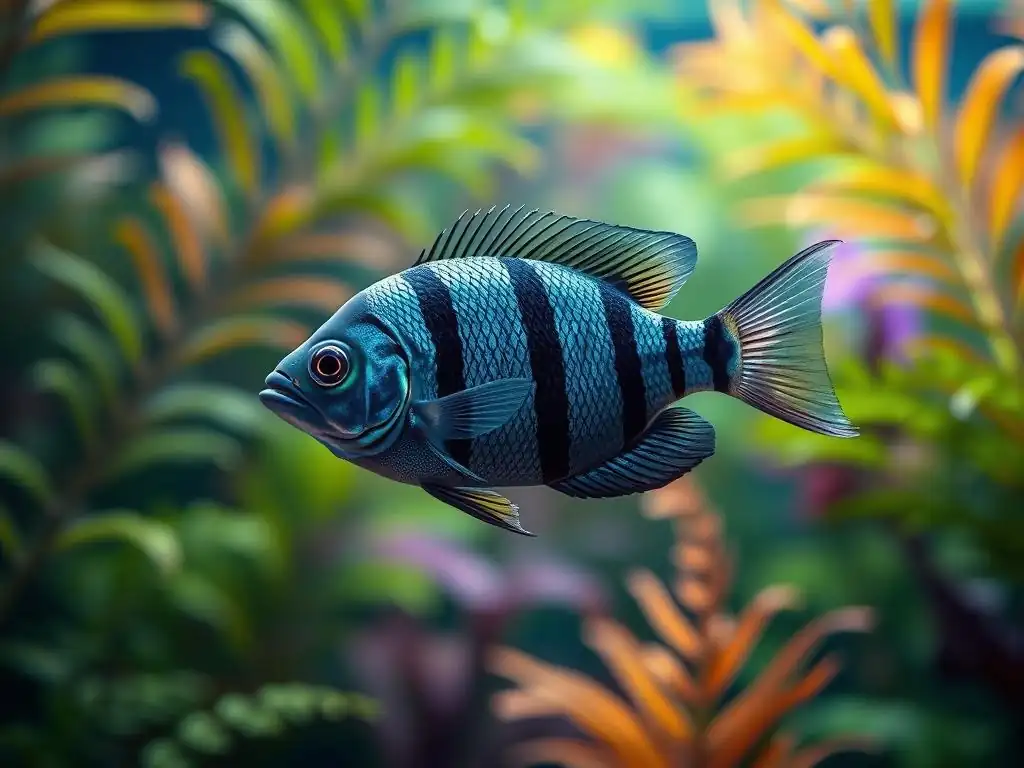
Paracyprichromis nigripinnis, often called the "Blue Flash" or "Blackfin Paracyprichromis," are another excellent choice for Tanganyika fish tank mates for shell dwellers. Similar to Cyprichromis, these cichlids are open-water, planktivorous species that inhabit the mid to upper water column, far removed from the shell dwellers' sandy territories. They are known for their calm and serene demeanor, elegant swimming style, and beautiful, often iridescent, coloration. Their peaceful nature ensures they pose no threat to the smaller, bottom-dwelling shell dwellers.
Their small mouths and planktivorous diet mean they will not predate on shell dwellers or their fry, nor will they compete for the same food sources on the substrate. Paracyprichromis nigripinnis typically form loose schools, adding a graceful and active dimension to the upper half of the aquarium. This spatial separation and non-aggressive feeding behavior make them highly compatible, allowing both species to thrive in their respective niches without conflict, contributing to a balanced and visually appealing Tanganyikan community tank.
Paracyprichromis Care Tips for a Thriving Aquarium
To accommodate a thriving school of Paracyprichromis nigripinnis, a tank of at least 48 inches in length (e.g., a 55-gallon or 75-gallon aquarium) is recommended. They should be kept in groups of at least six to eight individuals to encourage natural schooling behavior and reduce stress. Like other Tanganyikan cichlids, they require stable water parameters: pH 7.8-9.0, hard water (GH 10-20 dGH), and a temperature range of 75-80°F (24-27°C). Excellent filtration and consistent water changes are crucial for their health.
Their diet should consist of high-quality, small-particle foods, such as finely crushed flakes, micro-pellets, and small frozen foods like cyclops, daphnia, or spirulina brine shrimp. They appreciate some vertical rockwork or tall, sturdy decorations in the mid-water column to orient themselves around, mimicking their natural habitat near rocky cliffs. Avoid sudden movements or overly aggressive tank mates that could startle or stress these delicate and peaceful fish.
5. Neolamprologus multifasciatus: Coexisting Shell Dwellers
The Benefits of Coexisting Shell Dwellers in a Setup
While Neolamprologus multifasciatus (Multies) are quintessential shell dwellers themselves, the concept of coexisting shell dwellers refers to housing them with other, generally smaller and less aggressive, shell-dwelling species. In larger tanks (e.g., 40 gallons or more), it is possible to create a mixed shell-dweller community with species like Lamprologus ocellatus (Ocellatus) or Lamprologus brevis (Brevis). This approach offers a unique opportunity to observe the subtle differences in social structures, breeding behaviors, and territorial defense mechanisms among various shell-dwelling cichlids.
The primary benefit lies in creating a more diverse and educationally rich microcosm of Lake Tanganyika's shell beds. For example, N. multifasciatus are known for their colonial nature and rapid reproduction, forming large, bustling communities. In contrast, L. brevis are typically pair-bonded and less prolific, often sharing a single shell. Observing these distinct strategies within the same tank provides a deeper understanding of the ecological adaptations of Tanganyika fish tank mates that share a similar niche. This setup can be incredibly rewarding for dedicated aquarists.
Choosing the Right Shell Dweller Species for a Tanganyikan Tank
Careful species selection is paramount when attempting a mixed shell dweller tank. Neolamprologus multifasciatus are highly prolific and can quickly dominate an aquarium, especially smaller ones.
If coexisting, choose other shell dwellers that are either equally small and robust (like Lamprologus ocellatus, which are quite feisty for their size) or those with a very different social structure and lower aggression (like the pair-bonding Lamprologus brevis). It is crucial to avoid larger, more aggressive shell dwellers such as Lamprologus callipterus (Snail Shell Cichlid), which can reach 5 inches and are known to be highly predatory towards smaller fish and even other shell dwellers.
Provide an abundance of shells – significantly more than the number of fish – to ensure every individual or pair has multiple housing options and to diffuse territorial disputes. For a mixed shell dweller setup, a tank of at least 40 gallons with a large footprint is advisable to allow for distinct territorial zones for each species. Closely monitor interactions, particularly during breeding periods, as aggression can escalate. Be prepared to separate fish if conflicts become too severe, as maintaining harmony among these Tanganyika fish tank mates requires vigilance.
Fish to Avoid: Incompatible Tank Mates for Tanganyikan Shell Dwellers
Aggressive Cichlids: Why They Don't Mix with Shell Dwellers
Many of Lake Tanganyika's cichlids are highly territorial and aggressive, making them entirely unsuitable as Tanganyika fish tank mates for the small and relatively delicate shell dwellers. Species such as Tropheus cichlids are known for their intense intraspecific and interspecific aggression, often requiring species-specific tanks due to their specialized diets and territorial nature. Similarly, Neolamprologus brichardi (Fairy Cichlid) or Neolamprologus pulcher (Daffodil Cichlid), while beautiful, can be notoriously aggressive and harassing, constantly nipping at and stressing smaller, slower-moving fish like shell dwellers.
Mixing these highly territorial and often larger cichlids with shell dwellers will inevitably lead to a hostile environment. The constant stress of being bullied, fin-nipped, or chased will prevent shell dwellers from exhibiting natural behaviors, reduce their feeding, and significantly shorten their lifespan. Such combinations often result in injury, disease, and ultimately, the death of the shell dwellers. These aggressive species simply do not belong in a community tank with fish that occupy a different, more vulnerable niche.
Large, Predatory Fish: A Threat to Shell Dweller Safety
Any large, predatory fish from Lake Tanganyika poses a significant threat to the safety and well-being of shell dwellers. Given that most shell dwellers are between 1 and 2.5 inches in length, they are easily viewed as prey by larger cichlids.
Examples of such unsuitable Tanganyika fish tank mates include larger Altolamprologus species like some variants of A. compressiceps or A. calvus, which, despite their generally slow movements, can and will consume small fish. Even very large species like Cyphotilapia frontosa (Frontosa Cichlids), while primarily piscivores, are too large and imposing for a tank with small shell dwellers, and juveniles or smaller shell dwellers could become accidental meals.
Beyond direct predation, the sheer size and imposing presence of large fish can induce chronic stress in small shell dwellers. This constant fear can lead to hiding, refusal to eat, and a general decline in health. To ensure the safety and natural behavior of your shell dwellers, it is critical to avoid any fish species that could potentially prey on them, even if only occasionally, or those that create an overwhelming presence in the tank.
Setting Up a Tanganyika Community Tank: Essential Tips
Tank Size and Dimensions for a Community Setup
For a thriving Tanganyikan community tank featuring shell dwellers and a selection of compatible Tanganyika fish tank mates, a minimum tank size of 40-55 gallons is highly recommended. While shell dwellers can be kept in smaller tanks (e.g., 10-20 gallons) as a species-only setup, a community tank requires more space to accommodate the territorial needs of multiple species. A tank with a longer footprint, such as a 36-inch or 48-inch long aquarium (e.g., a 40-gallon breeder or 55-gallon standard tank), is preferable over a taller, narrower tank.
The increased length provides essential horizontal space for shell dwellers to establish their territories on the substrate and allows mid-water and upper-water column dwellers sufficient swimming room without direct conflict. For instance, a 48-inch long, 55-gallon tank offers an excellent balance, allowing for distinct territorial zones for shell dwellers, ample open swimming areas for schooling fish like Cyprichromis, and dedicated rockwork for species like Julidochromis. Adequate space is the foundation for minimizing aggression and promoting natural behaviors among all inhabitants.
Water Parameters: Maintaining Ideal Conditions for All Species
Maintaining stable and precise water parameters is paramount for a Tanganyikan community tank, as all Tanganyika fish tank mates must thrive in these specific conditions. The pH should be consistently high, ranging from 7.8 to 9.0. The water should be very hard, with a General Hardness (GH) between 10-20 dGH (175-350 ppm) and a Carbonate Hardness (KH) of 10-15 dKH (175-260 ppm) to ensure buffering capacity and pH stability. The ideal temperature range is 75-80°F (24-27°C).
Regular monitoring of these parameters using reliable test kits (e.g., API Freshwater Master Test Kit) is essential, ideally on a weekly basis. Lake Tanganyika is an ancient and geologically stable body of water, and its inhabitants are sensitive to sudden fluctuations. Consistent, precise water changes with appropriately conditioned water (often requiring buffering agents like crushed coral or aragonite in the substrate or filter) are crucial to maintain these ideal, stable conditions, which are key to preventing stress and disease.
Aquascaping: Creating Territories and Minimizing Aggression
Effective aquascaping is vital for minimizing aggression and promoting natural behaviors in a Tanganyikan community tank. For shell dwellers, a fine sand substrate (such as pool filter sand or aragonite sand) is essential, as they dig and bury their shells. Provide an abundance of empty snail shells (e.g., escargot shells, Neothauma replicas, or even craft shells) scattered across the substrate and in small clusters. This offers multiple choices for territory and breeding, reducing competition for housing.
For rock-dwelling or mid-water Tanganyika fish tank mates, incorporate various rock formations using inert rocks like limestone, lace rock, or slate. These formations should create numerous caves, crevices, and visual barriers. Breaking up sightlines is crucial, as it prevents fish from constantly seeing each other, thereby reducing territorial disputes and stress. Strategic placement of rockwork allows different species to establish their own distinct territories, whether it's a Julidochromis pair claiming a cave or Cyprichromis schooling around a tall rock structure, ensuring harmonious coexistence.
Feeding Your Tanganyikan Community Tank
Providing a Varied Diet for Shell Dwellers and Tank Mates
A varied and high-quality diet is essential to meet the nutritional needs of all Tanganyika fish tank mates in a community setup. Shell dwellers are primarily carnivorous/insectivorous; they thrive on high-quality cichlid pellets or flakes designed for small carnivorous cichlids. Supplement their diet with frozen foods such as brine shrimp, mysis shrimp, cyclops, and daphnia. Feed small amounts two to three times a day, ensuring the food sinks to the bottom where shell dwellers can access it.
Mid-water species like Cyprichromis and Paracyprichromis are planktivores. They require small-particle foods that remain suspended or slowly sink, such as finely crushed flakes, micro-pellets, and small frozen foods like cyclops or daphnia. Bottom dwellers like Synodontis catfish are scavengers but also benefit from sinking pellets or wafers, especially fed after the main lights are off to cater to their nocturnal nature. Providing a diverse diet ensures all inhabitants receive appropriate nutrition tailored to their specific feeding habits.
Avoiding Overfeeding: Maintaining Water Quality
Overfeeding is a common pitfall in aquarium keeping and a primary cause of poor water quality. Uneaten food quickly decomposes, releasing harmful ammonia and nitrites into the water, which are highly toxic to fish. To prevent this, feed only what your Tanganyika fish tank mates can consume within 2-3 minutes. Observe your fish closely during feeding to gauge their appetite and adjust quantities accordingly. Any uneaten food should be promptly removed from the tank to prevent decomposition.
Maintaining pristine water quality is paramount in a Tanganyikan setup, as these fish are highly sensitive to pollutants. Overfeeding not only compromises water parameters but can also lead to obesity, digestive issues, and weakened immune systems in the fish, making them more susceptible to disease. A clean substrate, efficient mechanical and biological filtration, and responsible feeding practices work hand-in-hand to ensure a healthy and stable environment for your Tanganyikan community.
Monitoring and Maintaining a Healthy Tanganyikan Community Aquarium
Regular Water Changes: A Must for a Stable Environment
Regular water changes are the single most important maintenance practice for a healthy Tanganyikan community aquarium. Perform weekly water changes of 20-30% of the tank volume. During this process, use a gravel vacuum to thoroughly clean the sand substrate, removing accumulated detritus and uneaten food. Always use a high-quality dechlorinator (e.g., Seachem Prime) to neutralize chlorine and chloramines in tap water. Crucially, ensure the temperature and pH of the new water closely match those of the tank water to prevent thermal or chemical shock to your Tanganyika fish tank mates.
Consistent water changes dilute nitrates, which accumulate over time and can become toxic at high levels. They also replenish essential minerals and trace elements that are utilized by the fish and buffering capacity, thereby helping to maintain the stable water chemistry that Tanganyikan cichlids require. Neglecting water changes is a primary cause of stress, weakened immune systems, disease outbreaks, and increased aggression in these sensitive fish, making them an indispensable part of routine care.
Observing Fish Behavior: Identifying Potential Problems Early
Daily observation of your Tanganyika fish tank mates is a powerful tool for early detection of potential problems. Spend at least 5-10 minutes each day watching your fish. Look for any changes in their normal behavior: listlessness, darting movements, fin clamping, unusual spots or growths on their bodies, faded or abnormal coloration, or a refusal to eat. These subtle signs are often the first indicators of stress, illness, or deteriorating water quality.
Pay close attention to inter-species interactions. Increased aggression, persistent bullying of one fish by another, or excessive hiding behavior can signal territorial disputes, incompatibility issues, or stress from an overcrowded environment. Early identification of these problems allows for prompt intervention. This might involve adjusting the aquascape, modifying feeding routines, or, in severe cases, rehoming a particular fish. Proactive observation can prevent minor issues from escalating into major health crises for your entire community.
Troubleshooting Common Issues in a Tanganyikan Community Tank
Dealing with Aggression: Strategies for Reducing Conflicts
Aggression, while natural for cichlids, can become problematic in a community tank. If aggression escalates, first assess if the tank is overcrowded or if there are insufficient hiding spots and territories. Adding more shells, rockwork, or creating additional visual barriers can help break up sightlines and provide escape routes, often diffusing tension. Sometimes, a complete rearrangement of the aquascape can "reset" territories, forcing fish to establish new boundaries and potentially reducing existing conflicts.
If a specific fish is consistently bullying others, despite environmental adjustments, it may be necessary to remove and rehome that individual. Another strategy, particularly for general aggression from territorial cichlids, is the introduction of dither fish like a larger school of Cyprichromis. Their active presence in the open water can make the territorial cichlids feel safer and more secure, diverting their attention and sometimes reducing their aggression towards other Tanganyika fish tank mates.
Preventing and Treating Diseases: Maintaining Fish Health
Prevention is the cornerstone of disease management in a Tanganyikan community tank. This involves maintaining pristine water quality through consistent water changes and robust filtration, providing a varied and high-quality diet, and avoiding sudden temperature or pH swings that can stress fish. A critical preventive measure is quarantining all new fish for 2-4 weeks in a separate tank before introducing them to the main aquarium. This practice helps prevent the introduction of parasites, bacteria, and viruses into your established community.
Despite best efforts, diseases can sometimes occur. Common issues include Ich (white spots on the body and fins), bloat (swollen abdomen, often caused by diet or internal parasites), and various bacterial infections. If disease is suspected, promptly diagnose the condition and initiate treatment with appropriate medications. Always follow medication instructions carefully, and remember to remove activated carbon from your filter during treatment, as it will absorb the medication. Ultimately, a stable, low-stress environment is the best defense against illness for your Tanganyika fish tank mates.
Frequently Asked Questions
What are Tanganyikan shell dwellers and why is choosing their tank mates important?
Tanganyikan shell dwellers are small cichlids that live and breed in empty snail shells. Choosing suitable tank mates is crucial to prevent aggression and ensure a peaceful environment in the aquarium.
What are some ideal tank mates for Tanganyikan shell dwellers?
Good tank mates include other smaller, peaceful Tanganyikan cichlids, such as Cyprichromis leptosoma or Paracyprichromis nigripinnis. Avoid large or aggressive fish that may bully or predate on the shell dwellers.
What types of fish should I avoid keeping with Tanganyikan shell dwellers?
Avoid large predatory fish, such as Frontosa, as they may view the shell dwellers as food. Also, avoid highly active or boisterous species that may disrupt the shell dwellers' habitat.
How many shell dwellers should I keep in a tank with other Tanganyikan fish?
The number of shell dwellers depends on the tank size, but it's important to provide sufficient shells and territory for each individual. Overcrowding can lead to increased aggression and stress.
How does water chemistry affect the compatibility of Tanganyikan fish?
Maintaining appropriate water parameters (pH, hardness, alkalinity) is vital for all Tanganyikan fish. Ensuring that all fish in the tank have similar water requirements is crucial for their health and well-being.
Final Reflection: Harmony in the Reef
The exploration of compatible tank mates for Tanganyikan shell dwellers underscores the importance of understanding ecological balance even within the confines of our aquariums. Just as these delicate ecosystems thrive on carefully considered interactions, so too does our understanding of the natural world depend on recognizing the interconnectedness of all living things. This knowledge, applied thoughtfully, allows us to create not just visually appealing tanks, but also thriving miniature ecosystems.
The delicate dance of life within a Tanganyikan aquarium, with its shell dwellers and their chosen companions, reflects a broader truth: successful coexistence requires empathy, understanding, and a commitment to creating a harmonious environment. In nature, nothing exists alone.
- Rachel Carson. This quote resonates deeply when considering the intricate web of relationships that define a healthy aquarium, and indeed, a healthy planet. The choices we make, both in our aquariums and in our lives, ripple outwards, impacting the world around us.
As you contemplate the possibilities for your own Tanganyikan aquarium, remember that you are not merely assembling a collection of fish, but rather curating a community. Consider the needs of each individual, strive to create a balanced environment, and allow yourself to be inspired by the beauty and resilience of the natural world. Let the lessons learned from these tiny ecosystems guide you towards fostering peaceful coexistence in all aspects of your life, creating a world where harmony and understanding prevail.
Unleash the Harmony: Dive Deeper into Shell Dweller Companionship!
Thanks for exploring the captivating world of Tanganyikan shell dwellers! We hope you've gained valuable insights into creating a thriving and peaceful community aquarium. Now, let's turn that knowledge into action:
- Strategically expand your colony! Carefully consider introducing a small group of peaceful dither fish like Synodontis lucipinnis to enhance shell dweller behavior.
- Share your newfound expertise! Post your tank setup plans and photos on our forum and get feedback from fellow enthusiasts.
- Surprise yourself: Try to breed your shell dwellers and other tank mates! Can you document the entire process and write an article about it?
What unique combination of shell dwellers and tank mates will you create to unlock the full potential of your Tanganyikan paradise?