
The Interactive Oscar: Training and Bonding With Your Pet Fish


Welcome to Aquarium Mastery, your ultimate guide to creating thriving aquatic ecosystems!
Ever wondered if you could actually train your Oscar fish? Dive in! This article explores fascinating and practical Oscar fish training tips, revealing how to build a deeper bond with your finned friend. Get ready to unlock the secrets to a more interactive and enriching aquarium experience. Explore the article for valuable insights and take your Oscar keeping to the next level!
- The Interactive Oscar: Training and Bonding With Your Pet Oscar Fish
- Understanding Oscar Fish Intelligence and Trainability
- Essential Oscar Fish Training Tips: Building a Positive Relationship
- Optimizing Your Oscar Tank for Training and Enrichment
- Advanced Oscar Fish Training Techniques and Considerations
- The Benefits of Training and Interacting with Your Oscar Fish
- Maintaining a Long-Term Training Program for Your Oscar
- Frequently Asked Questions
- Final Reflection: The Enduring Bond of Understanding
- Dive Deeper: Nurture Your Aquatic Bond!
The Interactive Oscar: Training and Bonding With Your Pet Oscar Fish
Understanding Oscar Fish Intelligence and Trainability
Oscar Fish Cognitive Abilities: More Than Just a Pretty Face
Oscar fish (Astronotus ocellatus) are renowned among aquarists for their striking appearance and engaging personalities, but beneath their vibrant scales lies a surprising level of intelligence. These New World cichlids exhibit complex cognitive abilities, including problem-solving, memory retention, and even the capacity for individual recognition. For instance, many Oscar owners report their fish recognizing their presence, often swimming to the front of the tank or engaging in unique behaviors when their primary caretaker approaches, a clear indication of their memory and ability to differentiate between individuals.
Observations suggest that Oscar fish can remember specific routines and even associate certain objects or sounds with particular outcomes, such as feeding time or the start of a training session. Their ability to navigate intricate tank setups, remember the location of hiding spots, and even learn to manipulate certain tank elements for their benefit underscores their mental acuity. This inherent intelligence makes them prime candidates for various Oscar fish training tips, allowing owners to tap into their natural curiosity and build a deeper connection.
Setting Realistic Expectations for Oscar Fish Training
While Oscar fish are intelligent and trainable, it’s crucial to set realistic expectations for what can be achieved. Training an Oscar is not akin to training a dog or a cat; they operate on a different behavioral framework. The goal of Oscar fish training tips is primarily to establish positive reinforcement loops that encourage specific, simple behaviors, fostering a stronger bond and providing mental stimulation for the fish. This process relies on consistency, patience, and understanding the fish's natural instincts.
Achievable training goals for an Oscar often include hand-feeding, target training (getting the fish to touch a specific object), and even simple "tricks" like following a finger or swimming through a hoop. Complex sequences or abstract commands are generally beyond their cognitive scope. Success in training is measured by the fish's responsiveness, reduced shyness, and increased interaction with its owner, rather than performing elaborate routines. It's about enriching their lives and enhancing the aquarium experience for both the fish and the aquarist.
Building a Bond: The Importance of Interaction with Your Oscar
Building a bond with your Oscar fish through consistent interaction is not just a rewarding experience for the owner; it significantly contributes to the fish's well-being. Regular, positive engagement helps reduce stress and promotes a more confident and active fish. An Oscar that feels secure and recognizes its owner is less likely to exhibit shy or aggressive behaviors, often becoming more vibrant and responsive within its environment. This interaction transforms the aquarium from a mere display into a dynamic, living relationship.
Furthermore, consistent interaction allows the owner to closely observe their Oscar's health and behavior patterns. Subtle changes in appetite, swimming patterns, or coloration that might indicate stress or illness can be more readily noticed when there's an established routine of engagement. This proactive approach to care is one of the most valuable Oscar fish training tips, as it turns observation into a key component of preventative health, ensuring your pet enjoys a long and healthy life.
Essential Oscar Fish Training Tips: Building a Positive Relationship
Hand Feeding Techniques for Oscar Fish: A Foundation for Trust
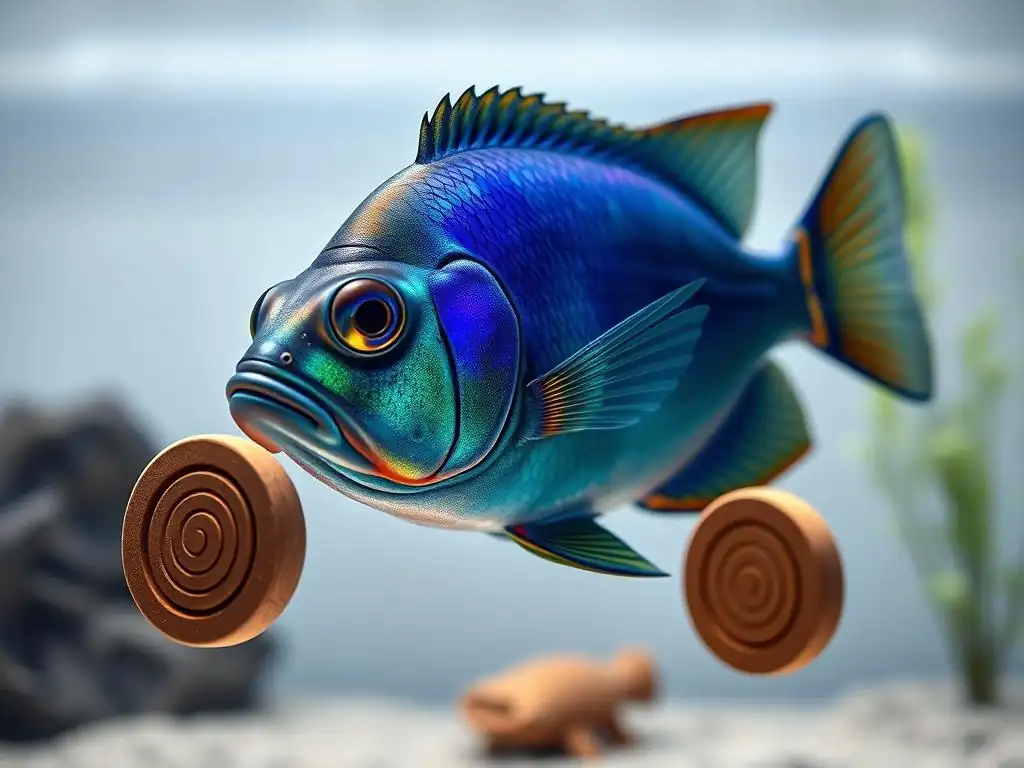
Hand feeding is perhaps the most fundamental and rewarding of all Oscar fish training tips, serving as a cornerstone for building trust and comfort between you and your pet. To begin, ensure your hands are clean and free of soaps or lotions that could harm the fish. Start by offering small, high-quality pellets or freeze-dried krill directly into the water near the fish's mouth. Initially, the Oscar might be hesitant, perhaps darting away or ignoring the food. Patience is paramount; hold still and wait for the fish to approach.
Once the Oscar begins to take food from the surface near your fingers, gradually try to lower your hand further into the water, always moving slowly and deliberately. Offer a consistent treat – perhaps a single earthworm or a larger pellet – that the fish associates with your hand. With repeated positive experiences, your Oscar will learn to associate your presence with a rewarding meal, eventually taking food gently from your fingertips. This process can take anywhere from a few days to several weeks, depending on the individual fish's personality and previous experiences.
Target Training Your Oscar: Using a Target Stick Effectively
Target training is a highly effective method for teaching your Oscar fish to follow specific cues, providing mental stimulation and control during tank maintenance or observation. The basic premise involves teaching the fish to touch a designated target object in exchange for a reward. A simple target stick, such as a chopstick or a thin, non-toxic plastic rod, works well. The first step is to introduce the target stick into the tank, holding it near the fish without making sudden movements.
Once the fish shows curiosity, even nudging the stick slightly, immediately offer a small, high-value food reward. Repeat this process multiple times in short, consistent sessions (e.g., 5-10 minutes, once or twice daily). The Oscar will quickly learn that touching the target stick leads to a treat. As the fish becomes proficient, you can begin to move the target stick to different locations in the tank, guiding the Oscar to follow it. This technique forms the basis for more advanced Oscar fish training tips, allowing you to direct your fish's movements with precision.
Teaching Your Oscar Fish Simple Tricks: Following, Fetching, and Weaving
Once your Oscar is proficient in hand feeding and target training, you can advance to teaching more complex, yet still simple, tricks. These activities not only demonstrate your Oscar's intelligence but also provide valuable enrichment. For "following," use your target stick to guide the fish along the length of the tank, rewarding it each time it tracks the stick's movement. Start with short distances and gradually increase the length, ensuring the fish consistently follows before advancing.
"Fetching" is a more challenging trick but achievable for some Oscars. Start by dropping a small, non-toxic, buoyant object (like a small, clean ping-pong ball or a floating pellet that doesn't dissolve quickly) into the tank. When the Oscar nudges or pushes the object, immediately reward it. Over time, you can encourage the fish to push the object towards a specific point, like your hand or the side of the tank.
"Weaving" involves setting up two or three small, stable obstacles (e.g., smooth, heavy rocks or fake plants) in a line. Use your target stick to guide the Oscar in a figure-eight pattern around these obstacles, rewarding it after each successful weave. Patience, positive reinforcement, and short, engaging sessions are key to success with these Oscar fish training tips.
Optimizing Your Oscar Tank for Training and Enrichment
Tank Size and Setup: Creating a Suitable Environment for Oscar Fish
The foundation for successful Oscar fish training tips and overall well-being begins with providing an appropriately sized and well-designed habitat. A single adult Oscar fish requires a minimum of a 55-gallon aquarium, though a 75-gallon tank or larger is highly recommended to provide ample swimming space and accommodate their rapid growth. For a pair of Oscars, a 125-gallon tank or more is essential. Adequate space reduces stress and aggression, making the fish more receptive to training.
Beyond size, the tank setup should include a substrate of fine gravel or sand, as Oscars enjoy digging and rearranging their environment. Provide sturdy decorations like large, smooth rocks or driftwood that are securely placed to prevent them from being knocked over. While Oscars appreciate hiding spots, ensure there is also plenty of open swimming area at the front of the tank where training sessions can comfortably take place. A well-filtered tank with strong biological and mechanical filtration is also crucial, as Oscars are messy eaters and produce a significant bio-load.
Enrichment Activities for Oscar Fish: Beyond Training
While formal training sessions are excellent for mental stimulation, incorporating a variety of enrichment activities outside of structured training can significantly enhance your Oscar's quality of life and receptiveness to learning. Varying the tank decor periodically by rearranging rocks or adding new, safe ornaments can provide novel exploration opportunities. Be cautious, as Oscars are known to move items around themselves. Introducing floating objects, such as small, clean ping-pong balls or special "fish toys" designed to float, can provide hours of entertainment as the Oscar nudges and interacts with them.
Food-based enrichment is another effective strategy. Instead of simply dropping food in, consider using a feeding ring to concentrate food in one area, or even a slow-release feeder that requires the fish to investigate to get its meal. Some aquarists have successfully used clear, perforated containers with a few pellets inside, allowing the Oscar to push and manipulate the container to release the food. These activities stimulate their natural foraging behaviors and prevent boredom, making them more engaged and responsive during dedicated Oscar fish training tips sessions.
Water Quality and Oscar Fish Behavior: Maintaining a Healthy Habitat
Maintaining pristine water quality is paramount for the health, vitality, and trainability of your Oscar fish. Poor water conditions directly lead to stress, weakened immune systems, and lethargy, making any Oscar fish training tips ineffective. Oscars are sensitive to ammonia and nitrite, which should always be at 0 parts per million (ppm). Nitrates should be kept below 20 ppm, ideally even lower. A stable pH between 6.0 and 7.5 is generally suitable, along with a water temperature of 74-81°F (23-27°C).
Regular partial water changes are non-negotiable for Oscar tanks, typically 25-30% weekly, sometimes more depending on the tank size and stocking density. Over-filtration with powerful external filters or sumps is highly recommended to handle their substantial waste production. When water parameters are optimal, Oscars are more active, display brighter coloration, and are more curious and responsive to their environment and their owner. A healthy, comfortable fish is a happy fish, and a happy fish is far more receptive to learning and interaction.
Advanced Oscar Fish Training Techniques and Considerations
Clicker Training for Oscar Fish: A Powerful Communication Tool
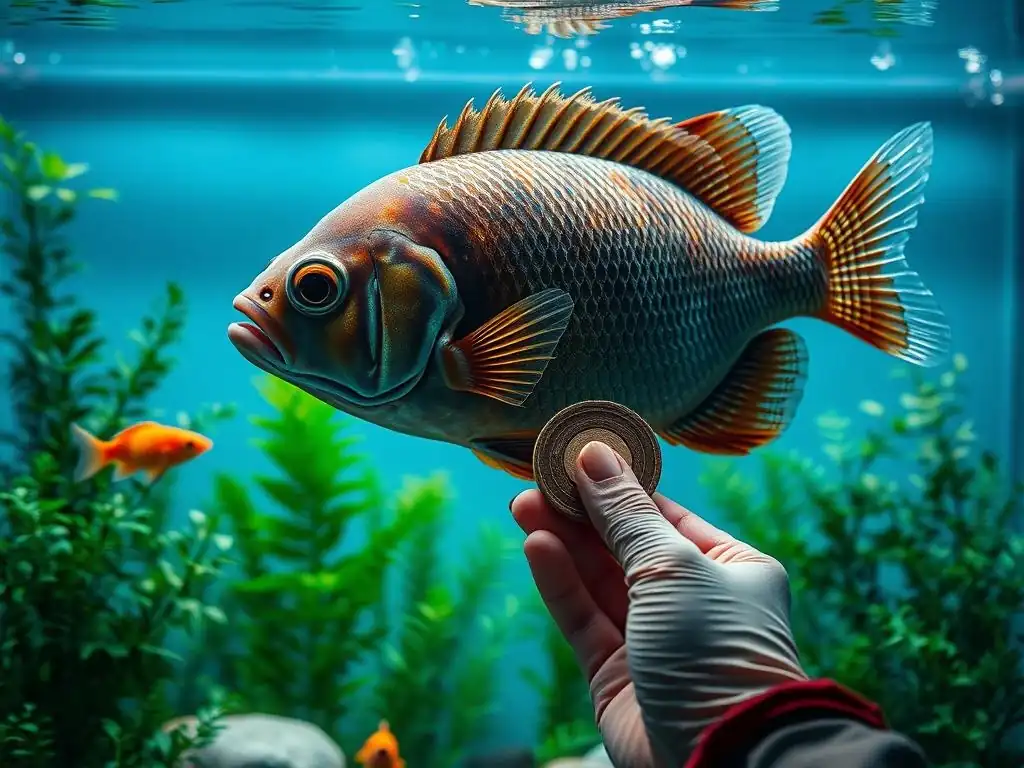
Clicker training, a technique widely used with dogs and other intelligent animals, can also be highly effective for Oscar fish, offering a precise way to communicate desired behaviors. The principle is simple: a distinct sound (the "click") is paired with a reward, creating a clear marker for the exact moment the fish performs the correct action. To begin, "charge" the clicker by clicking and immediately offering a high-value treat multiple times. This teaches the Oscar that the click always precedes a reward.
Once the clicker is charged, you can apply it to specific Oscar fish training tips. For instance, if target training, click precisely when the Oscar's nose touches the target stick, then immediately offer the reward. The click acts as a bridge, signaling to the fish, "That's it! That's what I wanted!" This precision helps the fish understand what behavior is being reinforced, accelerating the learning process for more complex actions. Consistency in timing the click and delivering the reward is crucial for success.
Addressing Common Oscar Fish Training Challenges: Aggression, Food Begging, and Shyness
Even with the best Oscar fish training tips, owners may encounter common behavioral challenges. Aggression, particularly towards tank mates or even the owner's hand, can be addressed by ensuring the tank is adequately sized (e.g., a 75-gallon tank for a single Oscar is far better than a 55-gallon for reducing stress) and that any tank mates are appropriate. If aggression is directed at the hand during feeding, use tongs initially and slowly reintroduce hand-feeding with very gentle movements.
Excessive food begging, characterized by frantic swimming and "glass surfing" whenever an owner approaches, is often a learned behavior from overfeeding or inconsistent feeding schedules. Establish a strict feeding routine (e.g., 1-2 times daily, only what they can consume in 2-3 minutes) and stick to it. Ignore begging outside of feeding times. Shyness, on the other hand, requires immense patience. Avoid sudden movements, maintain consistent positive interactions, and ensure the fish has ample hiding spots to retreat to if it feels overwhelmed. Over time, a shy Oscar will often gain confidence and become more outgoing.
The Role of Diet in Oscar Fish Training and Behavior
The quality and type of diet play a significant role in your Oscar fish's overall health, energy levels, and responsiveness to Oscar fish training tips. A high-quality, varied diet ensures the fish is well-nourished, energetic, and less prone to stress or disease, all factors that directly influence its willingness and ability to learn. Oscars are carnivorous and require a diet rich in protein. Premium cichlid pellets formulated for large cichlids should form the staple, providing essential vitamins and minerals.
Supplementing the diet with occasional live or frozen foods like bloodworms, brine shrimp, earthworms, or krill can provide valuable nutrients and serve as high-value rewards during training sessions. Using these preferred treats specifically for training helps to motivate the fish and reinforce desired behaviors. Avoid overfeeding, as this can lead to digestive issues, poor water quality, and lethargy, making the fish less engaged in training. A healthy, balanced diet is fundamental to a responsive and trainable Oscar.
The Benefits of Training and Interacting with Your Oscar Fish
Enhanced Bonding and Reduced Stress for Your Oscar
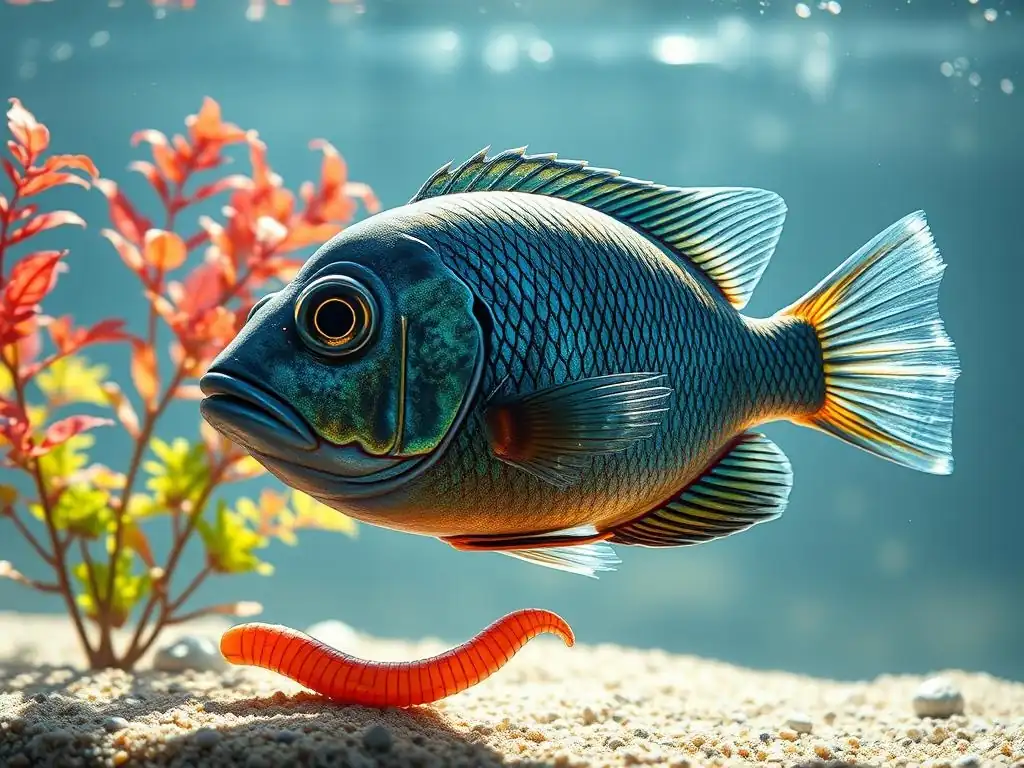
Engaging in Oscar fish training tips and regular interaction significantly strengthens the bond between an owner and their pet. This consistent, positive engagement provides mental stimulation for the Oscar, preventing boredom and encouraging natural behaviors. When an Oscar recognizes its owner and associates their presence with positive experiences (like food or play), it often exhibits reduced stress levels. This is manifested through more stable coloration, calm swimming patterns, and a general sense of comfort within its environment.
A well-bonded Oscar is more likely to approach the front of the tank, follow commands, and even display unique personality quirks that might otherwise remain hidden. This interaction transforms the aquarium from a static display into a dynamic relationship, where the fish actively participates in its own enrichment. The mental and emotional well-being derived from this bond contributes to a longer, healthier, and more fulfilling life for your aquatic companion.
Improved Water Quality Monitoring Through Observation
One often overlooked benefit of actively training and interacting with your Oscar fish is the enhanced ability to monitor its health and, by extension, the water quality. When you regularly engage with your fish through Oscar fish training tips, you become intimately familiar with its normal behaviors, appetite, and energy levels. Any deviation from this baseline – a sudden refusal to eat during a hand-feeding session, a lack of interest in a target stick, or unusual lethargy – becomes immediately noticeable.
These subtle changes can be early indicators of declining water quality (e.g., rising ammonia or nitrates), the onset of illness, or environmental stress. For example, an Oscar that typically responds enthusiastically to training but suddenly becomes withdrawn or develops clamped fins might be signaling a problem with the water parameters. This close observation allows for prompt intervention, enabling you to test water, adjust filtration, or seek veterinary advice before issues escalate, ultimately contributing to a healthier tank environment.
A More Engaging and Rewarding Aquarium Experience
For many aquarists, the allure of keeping fish lies in the beauty and tranquility they bring. However, incorporating Oscar fish training tips elevates this experience from passive observation to active participation. Training your Oscar transforms your pet into a responsive, interactive companion, showcasing their surprising intelligence and unique personality. Witnessing your Oscar follow a target stick, take food from your hand, or even perform a simple trick is incredibly rewarding and deepens the connection to your aquatic pet.
This active engagement fosters a greater appreciation for the complex behaviors and capabilities of fish, breaking down the misconception that they are merely decorative. The satisfaction derived from successfully teaching an Oscar a new behavior, or simply enjoying their recognition and interaction, makes the entire aquarium hobby more dynamic and personally fulfilling. It turns daily tank maintenance into opportunities for bonding, making every interaction a testament to the remarkable nature of these fascinating cichlids.
Maintaining a Long-Term Training Program for Your Oscar
Consistency is Key: Establishing a Regular Training Schedule
Consistency is the single most important factor in the long-term success of any Oscar fish training tips and behavioral program. Just like any pet, Oscars thrive on routine and predictability. Establishing a regular training schedule, even for short durations, reinforces learned behaviors and prevents them from regressing. Aim for 5-10 minute sessions, two to three times a day, at roughly the same times each day. This helps your Oscar anticipate the training and be more receptive.
Regular reinforcement is crucial. Even once a behavior is learned, continue to practice it periodically to keep it fresh in the fish's mind. Skipping sessions for extended periods can lead to the Oscar forgetting commands or becoming less responsive. Think of it as maintaining a skill; consistent practice keeps the bond strong and the behaviors sharp. This dedication to routine not only solidifies training but also contributes to a more stable and less stressed environment for your fish.
Adapting Your Training as Your Oscar Fish Grows
As your Oscar fish grows from a small juvenile to a large, powerful adult, it's important to adapt your Oscar fish training tips and approach. A young Oscar might be more easily startled or shy, requiring extra patience and gentleness. As they mature, their confidence often increases, and they become more robust, capable of more complex interactions. You might need to adjust the length of your target stick to comfortably reach them in a larger tank, or use slightly larger food rewards.
Furthermore, an adult Oscar's personality might become more pronounced. Some may become more assertive, while others remain gentle. Be observant and adjust your training to suit their individual temperament. Introducing new challenges or variations on learned behaviors as they grow can keep them mentally stimulated and prevent boredom. For instance, if they've mastered following a target stick in a straight line, try guiding them through a more intricate path or around new obstacles.
Recognizing Signs of Stress or Boredom in Your Oscar
Maintaining a long-term training program also requires vigilance in recognizing signs of stress or boredom in your Oscar fish. A stressed Oscar might exhibit clamped fins, rapid breathing, fading or dull coloration, excessive hiding, or erratic, nervous swimming. These signs indicate that something in their environment or routine needs adjustment, and pushing training at this point would be counterproductive. Immediately check water parameters, tank temperature, and look for any potential stressors in their environment.
Boredom, on the other hand, can manifest as lethargy, a lack of interest in food or their surroundings, or repetitive, aimless swimming (e.g., constantly rubbing against the tank glass without purpose). If your Oscar shows these signs, it might be time to introduce new enrichment activities or vary your Oscar fish training tips to add novelty. Perhaps try a new trick, introduce a new floating toy, or rearrange some tank decor. A responsive and engaged Oscar is a happy Oscar, and paying close attention to their behavioral cues is key to their long-term well-being and continued trainability.
Frequently Asked Questions
How receptive are Oscar fish to training?
Oscar fish are surprisingly intelligent and highly receptive to basic training. With patience and consistent effort, you can teach them simple tricks and behaviors, which can strengthen your bond.
What kind of training methods work best for Oscar fish?
Positive reinforcement, using food as a reward, is the most effective method. Avoid any form of punishment; focus on rewarding desired behaviors with their favorite treats like small pieces of fish or pellets.
Can Oscar fish recognize their owners?
Yes, Oscar fish are known to recognize their owners. They often exhibit excitement, such as swimming to the front of the tank, when they see the person who usually feeds them, demonstrating a clear recognition.
What are some simple training exercises I can try with my Oscar?
Start with simple tasks like hand-feeding or getting them to follow your finger. Gradually introduce more complex behaviors, such as jumping for food or swimming through hoops, rewarding them immediately after success.
How long does it typically take to train an Oscar fish?
The time it takes to train an Oscar fish varies depending on the fish's individual personality and the complexity of the trick. However, with consistent daily training sessions, you can see noticeable progress within a few weeks, leading to a stronger connection.
Final Reflection: The Enduring Bond of Understanding
The journey of understanding and training an Oscar fish, as explored in this article, transcends mere pet ownership and speaks to a deeper human desire for connection. This pursuit of interspecies communication, even with a seemingly simple creature, highlights our innate capacity for empathy and the rewarding experience of building a relationship based on mutual understanding. The tips and techniques shared are not just about teaching tricks; they're about fostering a bond that enriches both the fish's life and the owner's.
This connection, however subtle, has a profound impact on our lives. The act of patiently observing and responding to an Oscar's unique personality teaches us valuable lessons in patience, attentiveness, and the appreciation of individuality. Until one has loved an animal, a part of one's soul remains unawakened.
- Anatole France. This quote resonates deeply when we consider the unexpected joy and fulfillment that can be found in nurturing a relationship with an animal, even one as seemingly unconventional as an Oscar fish.
Now, consider the possibilities. Armed with these insights and practical Oscar fish training tips, I invite you to reflect on the potential for connection in all aspects of your life. Whether it's with a pet, a friend, or a stranger, embrace the challenge of understanding and building meaningful relationships. The rewards, as you've seen, are immeasurable.
Dive Deeper: Nurture Your Aquatic Bond!
Thank you for exploring the enriching world of pet fish companionship with us! We hope you’ve discovered new ways to connect with your finned friend and enhance their well-being. Now, let's turn those insights into action.
- Start Today: Dedicate 15 minutes to engaging in interactive feeding or training with your Oscar. Observe their responses and adjust your approach for optimal engagement.
- Share your experience! Post a video or photo of your interactive session on social media using #AquariumMastery and #OscarBonding. Let's inspire others to connect with their aquatic pals.
- Explore the Aquarium Mastery forums! Join discussions on fish training techniques and share your successes (and challenges!) with the community.
What's the most surprising thing you've learned about your Oscar's personality through interactive training?