
Do Danios Jump? Essential Tank Lid Considerations for Your Active Fish

Welcome to Aquarium Mastery, your ultimate guide to thriving aquatic ecosystems!
Ever wondered why your energetic Danios seem determined to become airborne? Do Danios jump? It's a question many aquarists face, and the answer might surprise you. Dive into our comprehensive article to uncover the reasons behind this behavior and discover essential tank lid considerations to keep your Danios safe and sound. Get ready to create a secure and happy home for your finned friends – let's explore the secrets of a thriving Danio aquarium together!
- Understanding Danio Behavior: Why Do Danios Jump?
- The Importance of a Tank Lid for Danio Aquariums
- Choosing the Right Tank Lid for Your Danio Aquarium
- Preventing Danio Jumping: Tank Setup and Management Tips
- Creating a Safe Environment for Your Danios
- Addressing Jumping Issues: What To Do If Your Danio Jumps
- Conclusion: Keeping Your Danios Safe and Happy with a Proper Tank Lid
- Frequently Asked Questions
- Final Reflection: Securing the Leap of Joy
- Unleash the Danio Keeper Within!
Understanding Danio Behavior: Why Do Danios Jump?
Natural Jumping Instincts in Danios
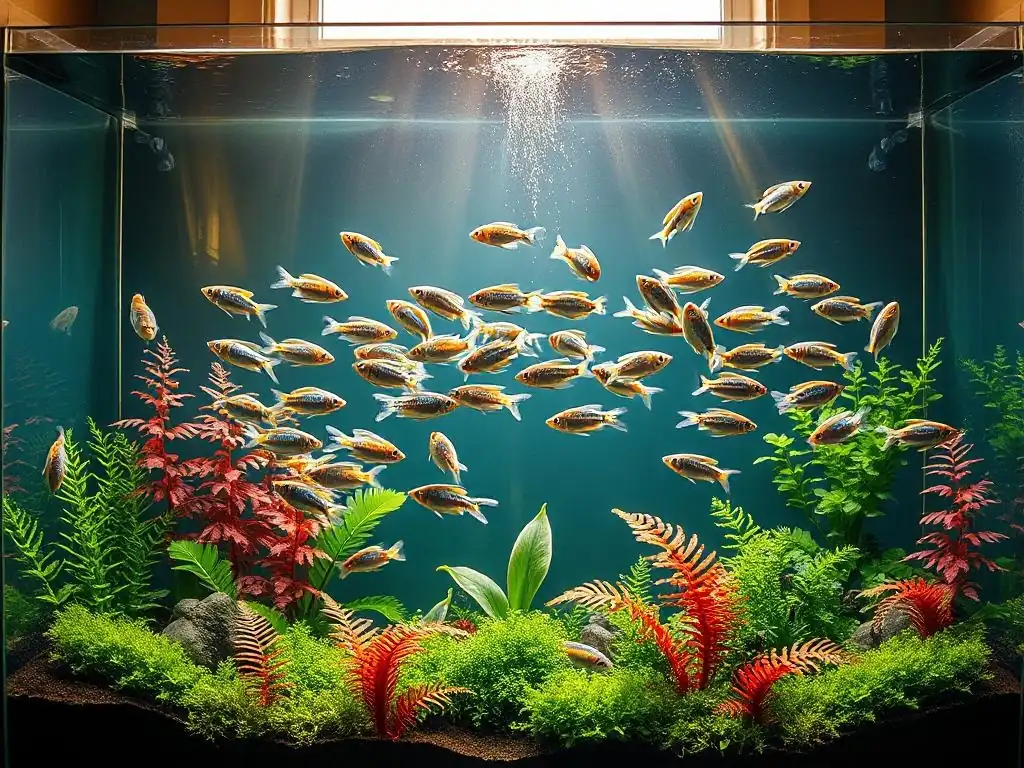
Danios, particularly popular species like the Zebra Danio ( Danio rerio), are renowned for their high energy levels and constant activity within the aquarium. This energetic nature is not merely a quirk but a reflection of their natural instincts honed in their native habitats, which often include fast-flowing streams and rivers in South Asia.
In these wild environments, jumping can serve various crucial survival purposes, such as escaping predators or navigating between temporary pools during periods of flood or drought. This innate behavior, while vital in the wild, translates into a tendency to jump in captive environments, making a secure Danios jumping tank lid an absolute necessity for their safety.
Their schooling behavior, where they dart and chase each other, further contributes to sudden, explosive movements that can propel them out of the water. Even within a well-maintained aquarium, a sudden fright, a quick turn during play, or an unexpected disturbance can trigger this natural escape response. Understanding that this behavior is deeply ingrained helps aquarists anticipate and mitigate the risks associated with Danios' propensity for aerial excursions.
Stress Factors Leading to Jumping in Danios
While jumping is a natural instinct, increased frequency or intensity of jumping often signals underlying stress within the aquarium environment. One significant stressor is an inadequate tank size or insufficient schooling numbers. Danios are social creatures that thrive in groups of at least six individuals; keeping fewer can lead to increased anxiety and aggression among the few, prompting individuals to attempt escape. Furthermore, a tank that is too small, such as a 5-gallon tank for a school of Danios, does not provide enough swimming space for these active fish, leading to cramped conditions and elevated stress levels.
Other environmental stressors include sudden movements outside the tank, loud noises, or even aggressive tank mates. For instance, a tank located in a high-traffic area of a home, where people frequently pass by or loud sounds are common, can keep Danios in a constant state of alert. Similarly, if Danios are housed with fin-nipping or overly boisterous species, they may feel threatened and attempt to jump to escape perceived danger.
Poor Water Quality and Danio Jumping
Poor water quality is a paramount stressor for all aquarium fish, and Danios are no exception; it can be a primary catalyst for their jumping behavior. When dissolved waste products such as ammonia, nitrite, or high levels of nitrate accumulate in the water, they create a toxic environment that fish instinctively try to escape. Even subtle fluctuations in pH or temperature outside their ideal range can cause significant discomfort and lead to frantic swimming or attempts to leap from the tank.
For example, an ammonia spike above 0.25 ppm or nitrite levels exceeding 0.5 ppm are highly toxic and can cause immediate distress, prompting fish to gasp at the surface or jump. Similarly, a sudden temperature drop of more than 3-4°F (1.5-2°C) or a pH swing of 0.5 units or more can trigger a stress response. Regular water testing and consistent maintenance are crucial to prevent these parameters from becoming hazardous and encouraging a Danio to try and jump out of its aquatic home.
Aggression and Its Effect on Danio Jumping Behavior
Aggression, whether from within the Danio school itself or from incompatible tank mates, is another significant factor contributing to their jumping tendencies. While Danios are generally peaceful schooling fish, they can exhibit nipping behavior or chase each other, especially if their school size is too small (fewer than 6-8 individuals) or if the tank is overcrowded. In such scenarios, a targeted individual may feel constantly harassed and seek to escape the perceived threat by jumping.
If Danios are housed with larger, more aggressive, or fin-nipping species, the constant stress of being chased, bullied, or having their fins nipped can lead to extreme anxiety. For instance, a Danio constantly harassed by a nippy Barbus species might repeatedly attempt to jump from the water as a desperate escape mechanism. This constant state of fear can severely compromise their immune system and overall well-being, making a secure Danios jumping tank lid even more vital to prevent fatal escapes.
The Importance of a Tank Lid for Danio Aquariums
Preventing Danio Escapes with a Secure Lid
The most immediate and critical reason for a secure tank lid on a Danio aquarium is to prevent escapes. Danios are notorious for their ability to jump, and even a small gap can be an invitation for disaster. Their slender bodies allow them to slip through surprisingly narrow openings, such as those around filter intakes, heater cords, or even small gaps where a lid might not perfectly meet the tank rim. An uncovered tank, or one with an ill-fitting lid, presents a clear and present danger to these active fish.
Countless aquarists have experienced the unfortunate discovery of a dried-out Danio on the floor next to their tank. A well-fitting lid acts as a physical barrier, effectively containing these energetic jumpers within their aquatic environment. It's not just about covering the main opening; attention must be paid to every potential exit point, ensuring that your chosen Danios jumping tank lid offers comprehensive security.
Maintaining Water Quality: The Lid's Role
Beyond preventing escapes, a tank lid plays a significant role in maintaining stable water quality within the aquarium. An open-top tank is susceptible to various external contaminants, including dust, airborne particles, pet hair, and even household cleaning aerosols. These foreign substances can settle on the water surface, potentially altering water parameters, increasing the organic load, and contributing to algae growth or bacterial blooms.
A lid acts as a protective barrier, significantly reducing the amount of external debris that enters the water. This not only keeps the water cleaner but also lessens the burden on your filtration system, allowing it to function more efficiently and prolonging the life of filter media. For example, a tank with a lid can reduce the ingress of airborne dust by up to 70%, contributing to a more stable and pristine aquatic environment for your Danios.
Controlling Water Temperature with a Tank Lid
Temperature stability is crucial for the health and well-being of Danios, which thrive in consistent water temperatures typically ranging from 70-78°F (21-26°C). An uncovered tank is highly susceptible to heat loss through evaporation and convection, especially if the ambient room temperature fluctuates or is cooler than the desired tank temperature. This constant heat loss forces the aquarium heater to work harder and more frequently to maintain the set temperature, leading to higher energy consumption and potential stress for the fish due to temperature swings.
A tank lid acts as an insulating barrier, significantly reducing heat transfer from the water surface to the surrounding air. This helps to maintain a more consistent water temperature with less effort from the heater. In an average home, a covered tank can maintain its target temperature with up to 10-15% less energy consumption compared to an identical open-top tank, providing both environmental stability for your Danios and a noticeable saving on electricity bills.
Minimizing Evaporation and Maintaining Stable Water Parameters
Evaporation is a natural process, but in an open-top aquarium, it can lead to significant water loss over time. This constant loss of water necessitates frequent top-offs, which, if not done carefully, can introduce sudden changes in water chemistry. As water evaporates, dissolved minerals and salts are left behind, leading to a gradual increase in the concentration of these substances in the remaining water. This can cause the pH, GH (general hardness), and KH (carbonate hardness) to creep upwards, stressing sensitive fish like Danios.
A well-fitting tank lid dramatically reduces the rate of evaporation. For instance, an uncovered 20-gallon tank might lose 1-2 gallons of water per week, whereas the same tank with a lid might only lose 0.2-0.5 gallons. This reduced evaporation means fewer top-offs are required, and the water parameters remain much more stable over time, creating a more consistent and less stressful environment for your Danios. This stability is key to preventing the kind of environmental stress that can lead to a Danio attempting to jump from its tank.
Choosing the Right Tank Lid for Your Danio Aquarium
Types of Aquarium Lids: Glass, Mesh, and Plastic
When selecting a Danios jumping tank lid, aquarists typically encounter three main types: glass, mesh, and plastic hoods. Each type offers distinct advantages and disadvantages. Glass lids, often hinged, are highly durable, provide excellent clarity for viewing, and are effective at reducing evaporation and maintaining temperature due to their insulating properties. However, they can be heavy and may require specific cutouts for equipment.
Mesh lids, typically made from fine, durable netting stretched over a frame, are lightweight and offer superior ventilation. They are highly customizable, as the mesh can be easily cut to accommodate filters, heaters, and other equipment without compromising the barrier. While excellent for preventing escapes, they offer less insulation and don't reduce evaporation as much as glass. Plastic hoods, often integrated with lighting fixtures, provide a complete top cover and are generally lightweight, but they can sometimes yellow over time and may limit light penetration, especially if the plastic is not high-quality or becomes scratched.
Factors to Consider When Selecting a Lid
Choosing the ideal Danios jumping tank lid involves considering several factors beyond just material. Fit is paramount: the lid must cover the entire opening of the tank with minimal gaps to prevent escape, especially given Danios' agility. Durability is also important, as a lid should withstand regular handling and tank maintenance without cracking or warping. Ease of cleaning is another practical consideration, as lids can accumulate mineral deposits and algae.
Compatibility with existing aquarium equipment, such as hang-on-back filters, heaters, and lighting, is crucial. Some lids come with pre-cut openings or removable sections, while others may require custom modifications. Finally, budget plays a role, with mesh lids generally being the most economical, followed by glass, and then integrated plastic hoods which can vary widely in price depending on features like built-in LED lighting.
Lid Material and Its Impact on Light Penetration
The material of your tank lid significantly affects the amount and quality of light that reaches your aquarium. This is particularly important if you have live plants or specific lighting requirements for your fish. Clear glass lids offer the best light transmission, allowing approximately 95-98% of light to pass through, ensuring that aquatic plants receive the full spectrum and intensity needed for photosynthesis. This also provides an unhindered view of your Danios.
In contrast, plastic hoods, especially those made from lower-quality acrylic or polycarbonate, can absorb or scatter light, potentially reducing light penetration by 5-15% or more. Over time, some plastics may yellow or become scratched, further diminishing light quality and intensity. Mesh lids, due to their open structure, allow for virtually unhindered light penetration, which is excellent for planted tanks but offers less diffusion. When choosing a lid, consider your lighting needs and how the material will affect the overall aesthetic and biological health of your Danio aquarium.
Ensuring Proper Ventilation Under the Lid
While a secure lid is essential for preventing Danio escapes, it's equally important to ensure adequate ventilation beneath it. A completely sealed lid can impede proper gas exchange between the water surface and the air, which is vital for maintaining healthy dissolved oxygen levels and preventing the buildup of CO2, especially in planted tanks without additional CO2 injection. Insufficient ventilation can lead to lower oxygen levels, stressing fish and potentially causing them to gasp at the surface.
Most aquarium lids are designed with small gaps, cutouts for equipment, or hinged sections that allow for some degree of air circulation. For instance, a glass lid with a small gap for a hang-on-back filter often provides sufficient air exchange. If using a custom-cut lid or a tight-fitting design, ensure there are small, intentional gaps or consider adding an air stone to agitate the surface and promote gas exchange. This balance between security and ventilation is key to creating a safe and healthy environment for your Danios.
Preventing Danio Jumping: Tank Setup and Management Tips
Optimizing Water Parameters to Reduce Stress
Consistently optimizing and maintaining stable water parameters is one of the most effective ways to reduce stress in Danios and, consequently, minimize their jumping behavior. Unstable or incorrect water chemistry is a leading cause of fish distress. Regular testing for ammonia, nitrite, nitrate, pH, and temperature is not just a recommendation but a necessity. Ammonia and nitrite should always be at 0 ppm, as even trace amounts are toxic. Nitrate levels should be kept below 20 ppm through regular water changes, as higher concentrations are a common stressor.
For example, a sudden nitrate spike to 40 ppm or higher can trigger frantic swimming and jumping attempts. Similarly, maintaining the pH within their preferred range of 6.5-7.5 and the temperature between 70-78°F (21-26°C) prevents physiological stress. Small, frequent water changes (e.g., 20-25% weekly) are generally better than large, infrequent ones, as they help maintain stability without causing drastic shifts in water chemistry.
Providing Adequate Hiding Places for Danios
Even active fish like Danios need places to retreat and feel secure. A lack of adequate hiding spots can make them feel exposed and vulnerable, leading to chronic stress and an increased likelihood of jumping. Providing ample vegetation, driftwood, and small caves offers Danios a sense of security and reduces their perceived threat level from tank mates or external disturbances.
Live plants like Java Fern, Anubias, or even floating plants such as Dwarf Water Lettuce or Frogbit, are excellent choices. They provide not only cover but also help with water quality by absorbing nitrates. A tank with at least 50% plant coverage can significantly reduce stress-related behaviors, including frantic darting and jumping. These visual barriers allow Danios to escape aggressive encounters or simply rest in a secluded spot, making them feel safer and more comfortable in their environment.
Maintaining a Balanced Ecosystem to Discourage Jumping
A balanced ecosystem within the aquarium is crucial for the long-term health and stability of your Danios. This involves proper stocking levels, efficient biological filtration, and a consistent maintenance routine. Overstocking is a common mistake that quickly leads to poor water quality, increased aggression, and heightened stress levels among fish. Each fish contributes to the bioload, and exceeding the tank's capacity for biological filtration will inevitably result in ammonia and nitrite spikes, prompting escape attempts.
Ensuring your tank has a mature nitrogen cycle is fundamental. This means the beneficial bacteria are well-established and capable of converting toxic ammonia and nitrite into less harmful nitrates. Regular tank cleaning, including gravel vacuuming and filter maintenance, prevents the buildup of organic waste that can overwhelm the filter. A stable, well-maintained ecosystem where all elements are in harmony creates a low-stress environment, significantly discouraging the need for Danios to jump from the tank.
Ideal Water Parameters: Temperature, pH, Ammonia, Nitrite, Nitrate
To provide an optimal environment that minimizes the risk of Danios jumping due to water quality issues, maintaining specific parameters is critical. These parameters directly impact their physiological well-being:
- Temperature: 70-78°F (21-26°C). Consistency is more important than being at the exact middle of the range; sudden fluctuations can be highly stressful.
- pH: 6.5-7.5. While Danios are adaptable, rapid changes outside this range or within it can cause distress.
- Ammonia (NH3/NH4+): 0 ppm. Any detectable ammonia indicates a problem with the biological filter or overfeeding.
- Nitrite (NO2-): 0 ppm. Nitrite is highly toxic and should never be present in a cycled tank.
- Nitrate (NO3-): Below 20 ppm. While less toxic than ammonia or nitrite, high nitrate levels are a chronic stressor. Regular water changes are key to managing this.
Maintaining stable water parameters is paramount for the health and stress reduction of Danios. Fluctuations of even 0.5 pH units or 2-3°F (1-1.5°C) can cause significant stress in sensitive fish like Danios, often manifesting in erratic swimming or jumping behaviors.
Creating a Safe Environment for Your Danios
Tank Size and Schooling Requirements for Danios
Providing an appropriately sized tank and adhering to schooling requirements are fundamental to creating a safe and stress-free environment for Danios, thereby reducing their inclination to jump. While Danios are small, their active nature and schooling instincts demand more space than one might initially assume. A minimum of a 10-gallon tank is often cited for a small school of 5-6 Danios. However, a 20-gallon long tank (typically 30 inches in length) is significantly better for a school of 8-10, providing ample horizontal swimming space for their energetic darting and chasing behaviors.
Keeping Danios in a school of at least six individuals is crucial. When kept in smaller numbers, they can become stressed, timid, or even aggressive towards each other, as their natural schooling instincts are not met. A larger school not only makes them feel more secure but also allows them to exhibit their fascinating natural behaviors, reducing individual stress and the likelihood of a panicked jump.
Compatible Tank Mates to Minimize Stress
The choice of tank mates plays a pivotal role in maintaining a peaceful environment for your Danios. Incompatible tank mates can be a constant source of stress, leading to a Danio attempting to jump from its tank. Avoid housing Danios with aggressive, fin-nipping, or very large fish that might intimidate or harm them. Similarly, very timid or slow-moving fish might be stressed by the Danios' high energy.
Ideal tank mates are peaceful, similarly sized fish that occupy different levels of the water column or have similar temperaments. For instance, bottom-dwelling Corydoras catfish are excellent companions as they don't compete for the same swimming space. Other peaceful, small schooling fish that can tolerate similar water parameters, such as Harlequin Rasboras or Ember Tetras, can also coexist harmoniously with Danios, contributing to a diverse yet calm community.
Avoiding Sudden Changes in Water Chemistry
Danios, like most aquarium fish, are sensitive to sudden and drastic changes in water chemistry. Such abrupt shifts can induce severe stress, weakening their immune system and potentially triggering frantic behaviors, including jumping. Common culprits include large, infrequent water changes where the new water's parameters (temperature, pH, hardness) differ significantly from the tank water, or rapid changes due to improper use of chemicals.
When performing water changes, ensure the new water is dechlorinated and matched as closely as possible to the tank's temperature, ideally within 1-2°F (0.5-1°C). If you need to adjust pH or hardness, do so gradually over several days. Introduce new fish slowly using drip acclimation to allow them to adjust to your tank's specific water parameters. Consistency and gradual adjustments are key to maintaining a stable environment that keeps your Danios calm and healthy within their well-secured tank.
Compatible Tank Mates: Other Peaceful Cyprinids, Corydoras Catfish
Expanding on the previous point, selecting appropriate tank mates is a cornerstone of preventing stress-induced jumping in Danios. Focus on species that share similar water parameter requirements and temperament, and ideally, those that occupy different areas of the tank to minimize competition.
- Other Peaceful Cyprinids: Danios belong to the Cyprinidae family, and many other small, peaceful cyprinids make excellent companions.
- Cherry Barbs (Puntius titteya): Peaceful, colorful, and occupy the mid-water column.
- Rosy Barbs (Pethia conchonius): While some varieties can get larger, smaller, peaceful strains are suitable.
- White Cloud Mountain Minnows (Tanichthys albonubes): These are particularly good if you keep your tank at the cooler end of the Danio temperature range.
- Bottom Dwellers: These fish typically stay at the bottom, avoiding direct competition with the active, mid-to-top dwelling Danios.
- Corydoras Catfish (various species, e.g., Panda Cory, Bronze Cory): Peaceful, schooling bottom dwellers that are constantly sifting through substrate.
- Otocinclus Catfish (Otocinclus affinis): Small, peaceful algae eaters that will not bother Danios.
- Small Tetras: Many small, peaceful tetra species can also co-exist.
- Neon Tetras (Paracheirodon innesi): Vibrant and peaceful, but ensure tank size is adequate for both schools.
- Ember Tetras (Hyphessobrycon amandae): Tiny, peaceful, and add a splash of color without overwhelming the tank.
By choosing these types of tank mates, you contribute to a harmonious community that reduces stress and the likelihood of a Danio attempting to jump from its tank.
Addressing Jumping Issues: What To Do If Your Danio Jumps
First Aid for a Jumped Danio
Discovering a Danio on the floor outside the tank can be distressing, but quick and calm action can often save the fish. The immediate priority is to return the fish to water as soon as possible. Gently scoop the Danio with wet hands or a wet, soft net; avoid dry hands as this can damage their protective slime coat, making them vulnerable to infection. Place the fish back into the aquarium, ideally into a secluded, dimly lit area or a breeding box if you have one, to reduce further stress.
Once back in the water, observe the Danio closely for signs of injury, such as damaged fins, missing scales, or cloudy eyes. If it appears severely injured or stressed, consider treating the main tank or a separate quarantine tank with a mild aquarium salt solution (e.g., 1 tablespoon per 5 gallons) to help with slime coat regeneration and prevent secondary bacterial or fungal infections. Keep the lights dim and minimize disturbances to aid recovery.
Identifying and Correcting the Root Cause of Jumping
After a Danio has jumped, it's crucial to identify and address the underlying cause to prevent future incidents. This requires a systematic review of your aquarium setup and maintenance practices. A jumped Danio is often a symptom of an unsuitable environment or stressor.
- Test water parameters immediately: Check ammonia, nitrite, nitrate, pH, and temperature. Any deviation from ideal ranges (0 ppm for ammonia/nitrite, <20 ppm for nitrate, stable pH 6.5-7.5, temp 70-78°F) can be a trigger.
- Observe tank for aggression or unusual behavior: Watch for bullying from tank mates, or if Danios are chasing each other excessively due to insufficient schooling numbers.
- Check for sudden external disturbances: Consider if loud noises, sudden lights, or fast movements near the tank could be startling your fish.
- Review feeding schedule and diet: Ensure fish are not overfed (leading to poor water quality) or underfed (leading to stress).
- Assess tank decor and space: Is there enough swimming space? Are there adequate hiding places?
Preventing Future Jumping Incidents
Once the root cause of a Danio jumping incident has been identified, implementing preventative measures is key to ensuring long-term safety. The most immediate and non-negotiable step is to ensure your Danios jumping tank lid is perfectly secure, covering all possible escape routes. This might involve replacing a ill-fitting lid or adding covers to filter and heater cutouts.
Beyond the lid, focus on optimizing the entire environment. This includes maintaining pristine and stable water parameters through consistent testing and regular, moderate water changes. Ensure your Danio school consists of at least 6-8 individuals to satisfy their schooling needs and reduce internal aggression. Provide ample hiding places and visual barriers using live plants or decor to make them feel secure. For example, adding more floating plants can provide overhead cover, which often makes Danios feel significantly safer and less prone to jumping. Minimizing sudden disturbances around the tank also contributes to a calmer environment.
Emergency Procedures: Re-acclimation and Observation
If a Danio has jumped and is found quickly, re-acclimation is a critical step, especially if it was out of water for more than a few seconds or appears distressed. Gently place the fish back into the tank. Observe it closely for the next 24-48 hours. Look for signs of recovery (swimming normally, eating) or signs of continued distress or injury (listlessness, clamped fins, gasping, white patches, or fungal growth).
If the fish appears severely injured or is being harassed by other tank mates immediately upon return, consider isolating it in a separate, clean container or a net breeder box within the main tank. This provides a safe space for recovery without further stress. Maintain pristine water conditions in the main tank, and if signs of infection appear, consider a mild broad-spectrum medication or aquarium salt treatment. Regular, gentle observation is paramount, as a jumped fish is often vulnerable to secondary infections due to damage to its protective slime coat.
Conclusion: Keeping Your Danios Safe and Happy with a Proper Tank Lid
Danios are captivating, energetic fish that bring vibrant life to any freshwater aquarium. However, their natural instinct to jump, combined with various environmental stressors, makes them prone to escaping an open tank. Understanding the reasons behind their jumping behavior—from natural instincts and stress to poor water quality and aggression—empowers aquarists to create a safer habitat.
The single most effective measure to safeguard your Danios is the installation of a secure and well-fitting Danios jumping tank lid. Beyond preventing escapes, a proper lid plays a crucial role in maintaining stable water temperatures, reducing evaporation, and keeping external contaminants out, all of which contribute to a healthier and more stable aquatic environment.
By combining a secure lid with optimal tank setup, consistent water parameter management, adequate hiding places, and compatible tank mates, you can significantly reduce the likelihood of jumping incidents. Prioritizing these aspects ensures your active Danios remain safe, thriving, and happily contained within their aquatic home for years to come.
Frequently Asked Questions
Do Danios Commonly Jump Out of Aquariums?
Yes, Danios are known jumpers due to their active and energetic nature. This behavior is often triggered by stressful water conditions or feeling threatened. A secure tank lid is crucial.
Why Do Danios Jump Out of Their Tank?
Danios jump primarily due to stress. This can stem from poor water quality, aggression from tank mates, or a sudden change in their environment. They may also jump when startled by loud noises or sudden movements.
What Type of Tank Lid is Best to Prevent Danios from Jumping?
A securely fitted lid is essential. Glass or acrylic lids are ideal as they fully cover the tank. Mesh lids can work, but ensure the holes are small enough to prevent even small Danios from squeezing through.
What Water Parameters Can Cause Danios to Jump?
Poor water quality, specifically high levels of ammonia, nitrite, or nitrate, can stress Danios and cause them to jump. Maintaining a stable pH and temperature is also vital for their well-being.
What Else Can I Do to Prevent Danios from Jumping, Besides a Lid?
Ensure your tank is appropriately sized and that your Danios have plenty of hiding places like plants and decorations. Minimize stressors such as overly bright lights or aggressive tank mates.
Final Reflection: Securing the Leap of Joy
The exploration of whether Danios jump and the necessity of tank lids isn't merely about preventing aquatic escapes; it's a testament to responsible fishkeeping and understanding the natural behaviors of our finned companions. Recognizing the potential for these active fish to leap from their environment underscores the importance of creating a safe and enriching habitat, ensuring their well-being and longevity.
This topic has profoundly influenced how we perceive the responsibility of aquarium ownership, moving beyond simple aesthetics to encompass a deeper understanding of animal behavior and welfare. The realization that a seemingly simple addition like a tank lid can significantly impact a Danio's life highlights the interconnectedness of our actions and their consequences. The greatness of a nation and its moral progress can be judged by the way its animals are treated.
- Mahatma Gandhi. This quote, while broad, speaks to the core of our responsibility to provide the best possible lives for the creatures in our care.
So, as you consider the vibrant energy of your Danios, remember that a secure tank lid is more than just a barrier; it's a symbol of your commitment to their safety and happiness. Let this knowledge inspire you to reflect on the broader implications of responsible pet ownership and to create an environment where your Danios can thrive, leaping with joy within the safe confines of their aquatic home.
Unleash the Danio Keeper Within!
Thanks for diving into the world of Danios with us! We hope you’ve gained valuable insights into their jumping behavior and the importance of a secure aquarium setup. Now, let's put that knowledge into action:
- Prioritize your Danios' safety: Inspect your aquarium lid today to ensure it's securely in place and covers all possible escape routes.
- Dive deeper into the danio world: Explore other fascinating articles on Aquarium Mastery about their behavior, diet, and optimal tank mates.
- Share your experiences: Post a picture of your danio tank setup on social media with #AquariumMastery and tag us @AquariumMastery
What creative DIY solutions have you implemented to prevent your Danios from jumping?