
Moray Eels and Tank Filtration: Keeping Their Water Crystal Clean

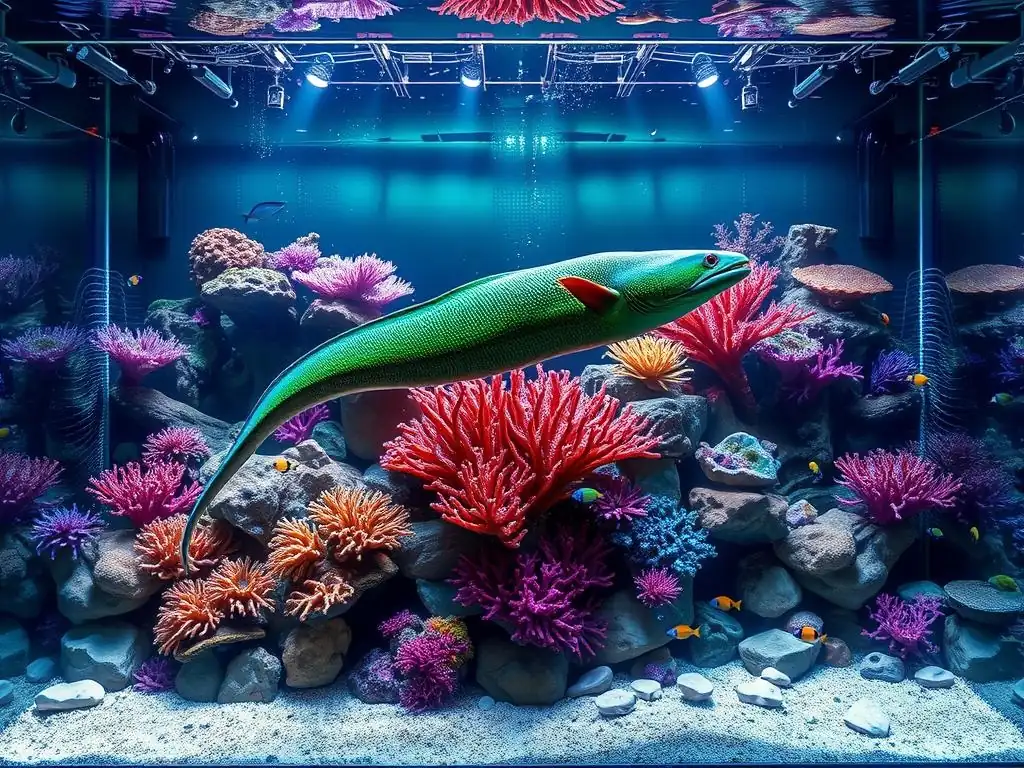
Welcome to Aquarium Mastery!
Ever wondered how to maintain pristine water conditions for the fascinating, yet demanding, moray eel? Dive in as we unravel the secrets to Moray Eel Tank Filtration. Discover the crucial steps to keeping their environment healthy and vibrant, ensuring your slippery friend thrives. Ready to master the art of clear water for your moray eel? Let's get started!
- Snowflake Eel and Tank Filtration: Keeping Their Water Pristine
- Understanding Snowflake Eel Needs and Their Impact on Tank Water Quality
- The Importance of Effective Snowflake Eel Tank Filtration
- Choosing the Right Filtration System for Your Snowflake Eel Tank
- Essential Filtration Components for Snowflake Eel Aquariums
- Sizing Your Filtration System for Snowflake Eels: A Practical Guide
- Maintaining Your Snowflake Eel Tank Filtration System
- Troubleshooting Common Filtration Problems in Snowflake Eel Tanks
- Advanced Filtration Techniques for Snowflake Eel Aquariums
- Selecting the Right Filter Media for Snowflake Eel Tanks
- Case Studies: Successful Snowflake Eel Tank Filtration Setups
- Tips for Achieving Crystal Clear Water in Your Snowflake Eel Aquarium
- Conclusion: Ensuring a Healthy Environment for Your Snowflake Eel Through Proper Filtration
-
Frequently Asked Questions
- How important is filtration for a Moray Eel tank?
- What type of filtration system is best for a Moray Eel aquarium?
- How often should I perform water changes in a Moray Eel tank?
- What role does a protein skimmer play in Moray Eel tank filtration?
- Can I use live rock for filtration in a Moray Eel aquarium?
- Final Reflection: The Unseen Depths of Moray Eel Wellbeing
- Dive Deeper: Transform Your Moray's Tank Today!
Snowflake Eel and Tank Filtration: Keeping Their Water Pristine
Understanding Snowflake Eel Needs and Their Impact on Tank Water Quality
The Unique Challenges of Keeping Snowflake Eels in Aquariums
Snowflake eels (Echidna nebulosa), while captivating with their distinct patterns and active foraging behaviors, present unique challenges for aquarium keepers, particularly concerning water quality. Unlike many reef fish, these eels are significant waste producers due to their carnivorous diet of meaty foods like krill, silversides, and shrimp. This high-protein diet results in a substantial bio-load, leading to a greater accumulation of organic waste in the aquarium system. Their burrowing nature and tendency to disturb substrate can also stir up detritus, further impacting water clarity and potentially overloading less robust filtration systems.
Furthermore, Snowflake eels are known for their remarkable ability to squeeze through small openings, making tank security a paramount concern. This escape artistry often necessitates tightly sealed lids or specialized aquarium setups, which can sometimes limit surface gas exchange. Coupled with their high metabolic rate and waste production, this can contribute to lower dissolved oxygen levels and a faster accumulation of harmful compounds if the Snowflake eel tank filtration system isn't exceptionally efficient. Therefore, understanding these inherent characteristics is the first step in designing an effective filtration strategy for their long-term health.
Why Snowflake Eels Demand Superior Filtration Systems
The demanding nature of Snowflake eels necessitates filtration systems that go beyond the standard requirements for typical saltwater inhabitants. Their substantial waste output, including uneaten food and fecal matter, rapidly elevates ammonia levels if not processed efficiently. Ammonia, even at concentrations as low as 0.25 parts per million (ppm), can cause severe stress, gill damage, and ultimately be fatal to marine life. This rapid bio-load increase means that a robust biological filter is not just beneficial but absolutely essential for any Snowflake eel tank filtration setup.
Beyond ammonia, the breakdown of organic waste generates nitrites and then nitrates. While nitrates are less toxic than ammonia or nitrites, persistently high levels (above 20-40 ppm for most marine tanks, and ideally much lower for sensitive species) can still lead to long-term health issues, including suppressed immune systems and fin rot. Given the Snowflake eel's size—often reaching 24 to 30 inches in captivity—and their active metabolism, the sheer volume of waste they produce demands an oversized and highly efficient filtration system capable of continuously converting and exporting these nitrogenous compounds, ensuring a healthy and stable environment.
The Importance of Effective Snowflake Eel Tank Filtration
Maintaining Water Clarity for Snowflake Eel Health and Viewing
Maintaining crystal clear water in a Snowflake eel aquarium is crucial for both the eel's well-being and the aquarist's viewing pleasure. Cloudy or murky water is often a symptom of ineffective mechanical filtration or an overload of organic particles. These suspended particles not only obscure the view of the eel's fascinating movements and patterns but also contribute to the overall bio-load. As organic matter breaks down, it consumes dissolved oxygen and releases undesirable compounds, further stressing the aquatic environment.
Effective Snowflake eel tank filtration, particularly the mechanical component, removes these particulate wastes before they can decompose. This prevents the water from becoming cloudy and significantly reduces the amount of dissolved organic carbon (DOCs) in the water. Clear water also allows for better light penetration, which is important if the tank contains corals or live rock that relies on photosynthesis. Ultimately, a visually pristine environment is a strong indicator of a healthy and balanced ecosystem, vital for the long-term vitality of your Snowflake eel.
Preventing Ammonia and Nitrite Buildup in Snowflake Eel Aquariums
The prevention of ammonia and nitrite buildup is arguably the most critical aspect of Snowflake eel tank filtration. Both ammonia (NH3/NH4+) and nitrite (NO2-) are highly toxic to marine fish, including Snowflake eels. Ammonia, a direct product of fish waste and decaying organic matter, can burn gills and internal organs. Nitrite, the product of ammonia's initial breakdown, interferes with oxygen uptake in the blood, leading to a condition similar to suffocation. For a healthy marine tank, both ammonia and nitrite levels must consistently read 0 ppm.
Given the Snowflake eel's significant bio-load, a robust biological filtration system is paramount to prevent these toxic spikes. This system relies on beneficial bacteria that colonize porous surfaces within the filter media, converting ammonia to nitrite (Nitrosomonas bacteria) and then nitrite to less toxic nitrate (Nitrobacter bacteria). Without sufficient biological filtration, even a well-maintained tank can quickly become lethal for a Snowflake eel, especially after feeding. Therefore, the capacity and efficiency of the biological filter are the cornerstones of successful Snowflake eel tank filtration.
Choosing the Right Filtration System for Your Snowflake Eel Tank
Mechanical Filtration for Snowflake Eel Tanks: Removing Solid Waste
Mechanical filtration is the first line of defense in any effective Snowflake eel tank filtration setup, serving to physically remove particulate matter from the water column. This includes uneaten food, fish waste, and other detritus. Common mechanical filter media include filter socks, sponges, filter floss, and filter pads. For a Snowflake eel tank, which generates a considerable amount of solid waste, a high-capacity mechanical filter is crucial to prevent organic material from breaking down and polluting the water.
It is important to regularly clean or replace mechanical filter media, often several times a week for a heavily stocked Snowflake eel aquarium. If left uncleaned, these media can become saturated with waste, leading to anaerobic conditions and the release of trapped pollutants back into the water. A well-designed mechanical filter ensures that larger particles are removed before they can clog biological or chemical media, thereby maintaining the overall efficiency of the Snowflake eel tank filtration system and contributing significantly to water clarity.
Biological Filtration for Snowflake Eel Tanks: Establishing a Healthy Bacteria Colony
Biological filtration is the heart of any marine aquarium's life support system, and for Snowflake eel tanks, its importance cannot be overstated. This type of filtration relies on beneficial nitrifying bacteria that colonize highly porous media such as bio-balls, ceramic rings, marine pure blocks, or live rock. These bacteria perform the crucial process of nitrification, converting toxic ammonia into less toxic nitrite, and then nitrite into relatively harmless nitrate. Given the substantial bio-load of a Snowflake eel, an expansive surface area for these bacteria to thrive is essential.
When setting up Snowflake eel tank filtration, ensure that the biological media provides ample space for bacterial colonization, typically measured in square feet per gallon. Live rock, when properly cured, is an excellent natural biological filter, providing vast surface area within its porous structure. Supplemental biological media in a sump or canister filter can further enhance this capacity. A well-established biological filter ensures stable water parameters, preventing fatal ammonia and nitrite spikes, which are particularly dangerous for sensitive predatory fish like Snowflake eels.
Chemical Filtration for Snowflake Eel Tanks: Controlling Nitrates and Other Pollutants
Chemical filtration plays a vital supporting role in Snowflake eel tank filtration by removing dissolved organic compounds, phosphates, nitrates, and other undesirable substances that mechanical and biological filtration cannot address. Activated carbon is a widely used chemical filter media, effectively removing odors, discoloration, and various organic pollutants that can accumulate in the water, contributing to clear water and improved water quality. It's particularly useful for absorbing compounds that can lead to yellowing of the water.
Another common chemical media is GFO (Granular Ferric Oxide), which is highly effective at binding phosphates, a primary nutrient for nuisance algae growth. For nitrate control, specialized nitrate-removing resins or biopellets can be employed, especially in tanks with a high bio-load like those housing Snowflake eels. While chemical filtration doesn't replace the need for regular water changes, it significantly helps in maintaining pristine water conditions by polishing the water and targeting specific pollutants, thereby enhancing the overall health and stability of the Snowflake eel's environment.
Essential Filtration Components for Snowflake Eel Aquariums
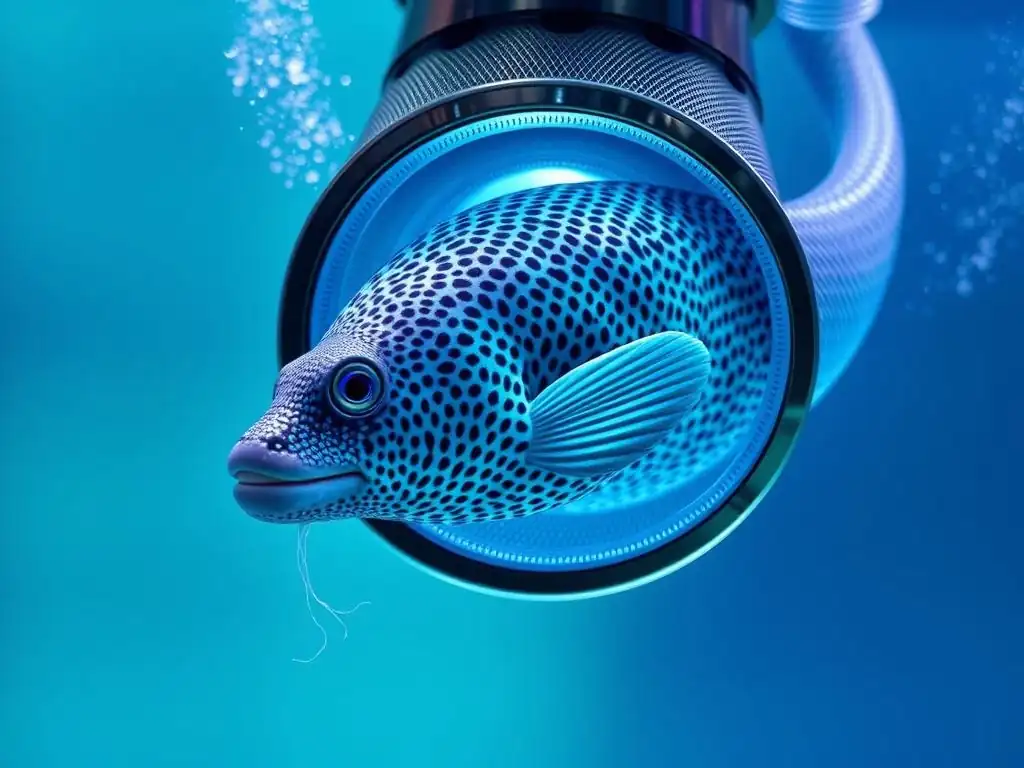
Protein Skimmers: A Must-Have for Snowflake Eel Tank Filtration
For any saltwater aquarium, and especially for a Snowflake eel tank, a protein skimmer is not just recommended but considered an indispensable piece of equipment. Protein skimmers work by creating a column of fine air bubbles that attract and bind with dissolved organic compounds (DOCs), proteins, and other waste products before they can break down into ammonia and nitrite. These waste-laden bubbles rise to the top of the skimmer, forming a dark, foamy "skimmate" that is collected in a removable cup.
The efficiency of a protein skimmer in removing organic waste directly reduces the workload on the biological filter and helps maintain stable water parameters. For Snowflake eel tank filtration, where the bio-load is significant, a high-quality, oversized protein skimmer can drastically improve water clarity, reduce nitrate accumulation, and increase dissolved oxygen levels. It is one of the most effective ways to export pollutants from the system, preventing them from decomposing and contributing to poor water quality.
Canister Filters: Providing Robust Filtration for Snowflake Eels
Canister filters are external, self-contained filtration units that offer versatile multi-stage filtration, making them a popular choice for many aquarists, including those housing Snowflake eels. These filters typically house mechanical, biological, and chemical media in separate baskets or compartments, allowing for comprehensive water purification. Their closed design prevents water evaporation and offers powerful flow rates, circulating a significant volume of water through the filter media multiple times per hour.
For Snowflake eel tank filtration, a large-capacity canister filter can provide excellent mechanical and biological filtration, helping to manage the substantial waste produced by these eels. Many models feature adjustable flow rates and large media baskets, allowing aquarists to customize the media to suit their specific needs, such as adding extra biological media for increased nitrification capacity or specialized chemical media for nutrient export. Regular maintenance, including cleaning the filter and replacing media, is crucial to prevent nitrate buildup within the filter itself.
Sump Systems: Maximizing Water Volume and Filtration Capacity for Snowflake Eels
Sump systems represent the pinnacle of Snowflake eel tank filtration, offering unparalleled flexibility, water volume, and filtration capacity. A sump is a secondary aquarium or container located below the main display tank, connected by an overflow system. Water drains from the main tank into the sump, passes through various filtration stages (mechanical socks, protein skimmer, refugium, biological media, chemical media), and is then pumped back into the display tank. This setup significantly increases the total water volume of the system, providing greater stability for water parameters.
The primary advantage of a sump for Snowflake eel tank filtration is the ability to incorporate multiple, often oversized, filtration components. A large protein skimmer can operate optimally in a sump, and there's ample space for a dedicated refugium, a large volume of biological media, and various chemical reactors. This comprehensive approach effectively handles the high bio-load of Snowflake eels, maintaining pristine water conditions and offering easy access for maintenance without disturbing the main display.
Sizing Your Filtration System for Snowflake Eels: A Practical Guide
Calculating Flow Rate for Your Snowflake Eel Aquarium
Calculating the appropriate flow rate is a critical step in designing effective Snowflake eel tank filtration. The flow rate, typically measured in gallons per hour (GPH), refers to how many times the entire volume of the tank is circulated through the filter per hour.
For marine aquariums, a general rule of thumb is to aim for a turnover rate of 5 to 10 times the tank volume per hour. However, for active, high-bio-load inhabitants like Snowflake eels, leaning towards the higher end of this range, or even exceeding it slightly, is often beneficial to ensure adequate waste removal and oxygenation.
For example, a 75-gallon Snowflake eel tank should ideally have a filtration system capable of circulating at least 375 GPH (75 gallons x 5) to 750 GPH (75 gallons x 10). When selecting pumps or filters, remember that manufacturer-stated GPH ratings are often for ideal conditions; actual flow rates can be reduced by head pressure (vertical lift), tubing bends, and dirty filter media. Therefore, it's often wise to choose a pump or filter with a slightly higher GPH rating than your calculated minimum to account for these real-world losses and ensure optimal Snowflake eel tank filtration.
Over-Filtration vs. Under-Filtration: Striking the Right Balance
When it comes to Snowflake eel tank filtration, the concept of "over-filtration" is generally a misnomer; it's almost impossible to have too much filtration, especially biological and mechanical. Under-filtration, however, is a common and detrimental mistake. An under-filtered tank will struggle to process the significant waste produced by a Snowflake eel, leading to chronic high ammonia, nitrite, and nitrate levels, which severely compromise the eel's health and shorten its lifespan. Symptoms of under-filtration include cloudy water, persistent algae blooms, and stressed fish.
Conversely, while "over-filtration" isn't harmful in terms of water quality, it can sometimes refer to excessive water flow that stresses the eel or unnecessary equipment that complicates maintenance. The goal is to strike a balance where the filtration system is sufficiently robust to handle the eel's bio-load with a comfortable margin, but not so powerful that it creates turbulent currents unsuitable for the eel's natural behavior.
For Snowflake eels, this means prioritizing powerful mechanical and biological filtration, often in combination (e.g., a large canister filter with a protein skimmer, or a sump system), ensuring the water is consistently pristine without creating a washing machine effect.
Maintaining Your Snowflake Eel Tank Filtration System
Regular Filter Cleaning and Maintenance for Optimal Performance
Regular cleaning and maintenance of your Snowflake eel tank filtration system are absolutely critical for its optimal performance and the health of your eel. Mechanical filter media, such as filter socks, sponges, and floss, should be cleaned or replaced weekly, or even more frequently depending on the feeding habits and bio-load. Neglecting this leads to trapped detritus breaking down and releasing nitrates back into the water, effectively turning your mechanical filter into a nitrate factory.
Biological filter media, conversely, should be handled with care and only cleaned if absolutely necessary, and then only gently rinsed in old tank water during a water change to preserve the beneficial bacterial colonies. Chemical media like activated carbon or GFO have a finite lifespan and typically need to be replaced every 2-4 weeks as they become saturated and lose their effectiveness. Consistent, scheduled maintenance of all components ensures that your Snowflake eel tank filtration system continues to function efficiently, preventing water quality issues before they arise.
Monitoring Water Parameters for Snowflake Eel Health
Consistent monitoring of water parameters is an indispensable part of successful Snowflake eel tank filtration and overall aquarium husbandry. Regular testing for ammonia, nitrite, and nitrate is paramount. Ammonia and nitrite levels should always be 0 ppm. Nitrate levels should be kept as low as possible, ideally below 20 ppm, though some aquarists aim for less than 10 ppm for optimal health. Other important parameters include salinity (specific gravity 1.023-1.025), pH (8.1-8.4), and temperature (74-78°F or 23-26°C).
Testing should be performed weekly, especially in new setups or when adding new inhabitants or increasing feeding. Any deviation from ideal parameters indicates an issue with the filtration system or husbandry practices. For instance, rising nitrate levels might suggest insufficient chemical filtration, an overloaded biological filter, or a need for more frequent water changes. By diligently monitoring these parameters, aquarists can proactively identify and address problems, ensuring the Snowflake eel tank filtration system is effectively maintaining a stable and healthy environment.
Water Changes: An Essential Part of Snowflake Eel Tank Maintenance
While robust Snowflake eel tank filtration systems are crucial, they are not a substitute for regular water changes. Water changes are essential for removing accumulated nitrates, phosphates, and other dissolved organic compounds that even the most efficient filters cannot fully export. They also replenish essential trace elements that are naturally depleted over time, contributing to the overall health and stability of the marine ecosystem. For a Snowflake eel aquarium, a weekly or bi-weekly water change of 10-20% of the tank's volume is generally recommended.
The frequency and volume of water changes depend on the tank's bio-load, nitrate levels, and the efficiency of the filtration system. In a well-filtered tank with a single Snowflake eel, a 10% weekly change might suffice. However, in a tank with multiple fish or higher nitrate readings, a 20% bi-weekly change might be more appropriate. Always use properly mixed saltwater with the correct salinity and temperature to minimize stress on the eel. Regular water changes, in conjunction with effective Snowflake eel tank filtration, are the bedrock of long-term success.
Troubleshooting Common Filtration Problems in Snowflake Eel Tanks
Cloudy Water: Identifying and Addressing the Cause
Cloudy water in a Snowflake eel tank can be a frustrating and concerning issue, often signaling an underlying problem with the filtration system or husbandry. The most common causes include a bacterial bloom (often seen in new tanks or after a major disturbance), excessive particulate matter due to insufficient mechanical filtration, or an accumulation of dissolved organic compounds. A bacterial bloom usually presents as a milky white haze and typically resolves as the biological filter matures.
If the cloudiness is particulate (looks like dust or fine debris), it indicates that the mechanical Snowflake eel tank filtration is inadequate or clogged. Check and clean/replace filter floss, sponges, or filter socks immediately. If the water has a yellowish tint, it often points to an excess of dissolved organic compounds, suggesting the protein skimmer might not be operating efficiently or chemical filtration (like activated carbon) needs replacement. Addressing the specific cause through targeted filtration adjustments and regular maintenance is key to restoring crystal clear water.
High Nitrate Levels: Strategies for Reduction in Snowflake Eel Aquariums
Persistently high nitrate levels (above 20-40 ppm) in a Snowflake eel aquarium are a common problem and indicate that the nitrogen cycle is completing but waste is accumulating faster than it's being removed. The primary strategies for reduction revolve around improving nutrient export. First, increase the frequency and volume of water changes; for example, from 10% weekly to 20% weekly. This directly removes nitrates from the system.
Secondly, ensure your mechanical Snowflake eel tank filtration is highly efficient and regularly cleaned. Old, dirty filter media can contribute significantly to nitrate buildup. Third, optimize your protein skimmer; ensure it's properly sized, cleaned, and producing consistent dark skimmate. Fourth, consider employing chemical filtration such as specialized nitrate-removing resins or biopellets. Lastly, reducing the bio-load (if possible) or decreasing feeding amounts can also help. A deep sand bed or refugium (discussed later) can also contribute to natural nitrate reduction.
Filter Clogging: Preventing and Resolving Issues
Filter clogging is a common operational issue that can severely impede the efficiency of any Snowflake eel tank filtration system. It occurs when mechanical filter media (like sponges, floss, or filter socks) become saturated with detritus, uneaten food, and other particulate matter, restricting water flow and reducing filtration capacity. Symptoms include reduced flow from the filter's output, decreased skimmer performance, and potentially cloudy water.
Prevention is key: regularly inspect and clean/replace mechanical filter media, ideally weekly or even every few days in a heavily stocked tank. For canister filters, follow the manufacturer's recommended cleaning schedule, typically monthly or bi-monthly, ensuring all media are rinsed (biological media in old tank water only). If a filter is severely clogged, a thorough manual cleaning of all components may be necessary. By staying ahead of clogging, you ensure continuous, effective Snowflake eel tank filtration, preventing detrimental impacts on water quality and eel health.
Advanced Filtration Techniques for Snowflake Eel Aquariums
Deep Sand Beds (DSB): Natural Filtration for Snowflake Eels
Deep Sand Beds (DSBs) offer an advanced, natural approach to Snowflake eel tank filtration, particularly for nitrate reduction. A DSB typically consists of a 4-6 inch layer of fine aragonite sand (sugar-fine grain size) in a section of the main display tank or, more commonly, within a dedicated compartment in a sump. The magic of a DSB lies in its ability to create anoxic (low oxygen) zones beneath the surface.
In these anoxic zones, a different type of beneficial bacteria thrives: anaerobic bacteria. These bacteria perform denitrification, converting nitrates (NO3-) into harmless nitrogen gas (N2), which then off-gasses from the water. This process directly removes nitrates from the system, reducing the reliance on frequent water changes for nitrate control. While a DSB can be highly effective for Snowflake eel tank filtration, it requires careful setup to avoid disturbing the anoxic layers and should be established gradually to allow the necessary bacterial colonies to develop.
Refugiums: Providing Additional Filtration and Food Source for Snowflake Eels
A refugium is a specialized area, typically part of a sump system, designed to cultivate beneficial macroalgae (like Chaetomorpha or Caulerpa) and microfauna (copepods, amphipods). It serves as an additional biological filter, a nutrient exporter, and a natural food source for the main display tank, making it an excellent addition to Snowflake eel tank filtration. Macroalgae consume nitrates and phosphates directly from the water, effectively competing with nuisance algae in the display tank.
The macroalgae in a refugium grow rapidly, absorbing excess nutrients. When the macroalgae are periodically harvested, these absorbed nutrients are physically removed from the system, contributing significantly to nitrate and phosphate control. Furthermore, a refugium provides a safe haven for copepods and amphipods to breed and flourish, which can then be periodically released into the main tank, offering a natural, supplemental food source for the Snowflake eel. This advanced technique enhances water quality and biodiversity, creating a more robust and stable environment.
Selecting the Right Filter Media for Snowflake Eel Tanks
Choosing Mechanical Filter Media for Debris Removal
The selection of mechanical filter media is crucial for effective Snowflake eel tank filtration, as it's the first stage of debris removal. The most common options include filter floss, filter pads, and filter socks. Filter floss and pads are highly versatile and can be cut to fit various filter compartments. They come in different densities, allowing for progressive filtration from coarse to fine, trapping larger particles first and then smaller ones.
Filter socks, typically used in sumps, offer superior mechanical filtration due to their fine mesh, capable of trapping very small particulate matter. They are highly effective but also clog quickly due to the high bio-load of Snowflake eels, requiring frequent cleaning (every few days to weekly). Using a combination of these, such as a coarse sponge followed by fine filter floss, can optimize mechanical Snowflake eel tank filtration, ensuring efficient debris removal and preventing larger particles from reaching and clogging subsequent biological or chemical media.
Selecting Biological Filter Media for Nitrification
The choice of biological filter media is paramount for establishing a robust nitrification process in Snowflake eel tank filtration. The primary goal is to provide maximum surface area for beneficial bacteria to colonize. Live rock is considered the gold standard, offering an immense porous surface area and contributing to overall tank stability. Beyond live rock, various synthetic and natural media are available.
Ceramic rings, bio-balls, and marine pure blocks are popular choices for use in sumps or canister filters. Marine pure blocks, for example, boast an incredibly high surface area-to-volume ratio, with some products claiming up to 150,000 square feet per liter, providing ample space for nitrifying bacteria. When selecting biological media for Snowflake eel tank filtration, prioritize materials that are inert, durable, and offer a highly porous structure to support a thriving bacterial colony, which is essential for converting toxic ammonia and nitrite into safer nitrates.
Chemical Filter Media Options for Specific Water Quality Issues
Chemical filter media are selected to address specific water quality issues that mechanical and biological filtration cannot resolve, making them important components of comprehensive Snowflake eel tank filtration. Activated carbon is widely used for removing dissolved organic compounds, odors, and water discoloration, resulting in crystal clear water. It should be replaced every 2-4 weeks as its adsorptive capacity diminishes.
For phosphate control, Granular Ferric Oxide (GFO) is highly effective. Phosphates, often introduced through food or tap water, fuel nuisance algae growth. GFO binds with phosphates, effectively removing them from the water column. Other specialized resins are available for nitrate removal, particularly useful in heavily stocked tanks or those with persistent nitrate issues. Zeolite can also be used for ammonia adsorption, primarily in emergency situations or new tank cycling. By strategically employing these chemical media, aquarists can fine-tune their Snowflake eel tank filtration to maintain optimal water parameters.
Case Studies: Successful Snowflake Eel Tank Filtration Setups
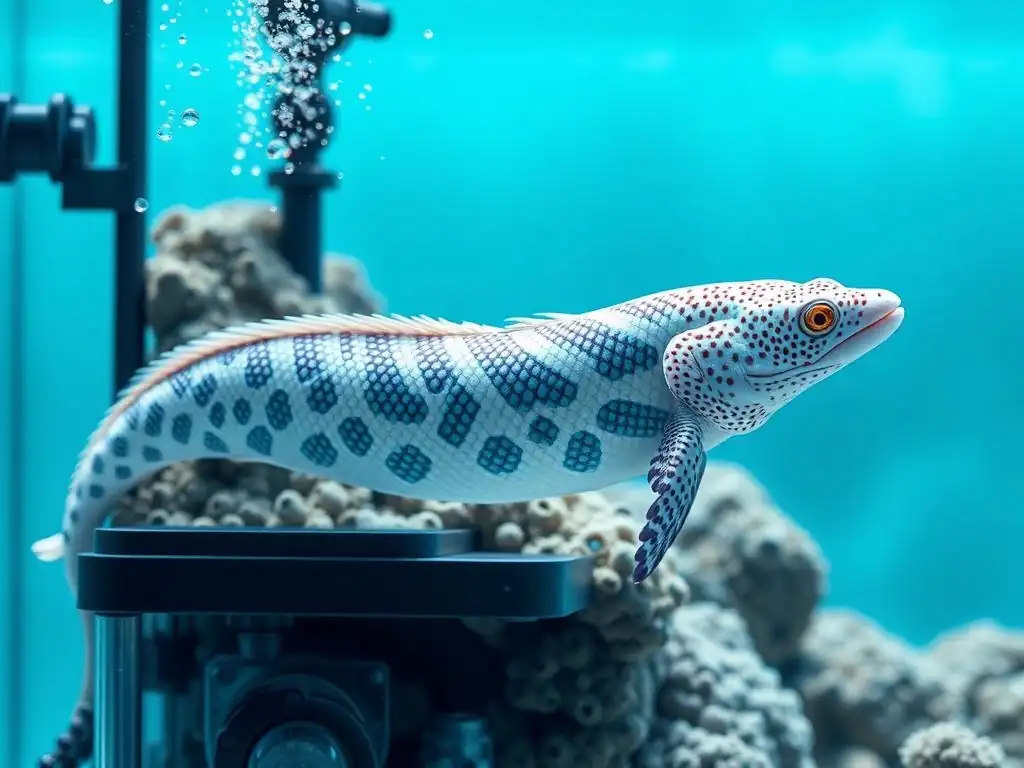
A Dedicated 75-Gallon Snowflake Eel Setup with Canister Filtration
A successful setup for a single Snowflake eel in a 75-gallon aquarium often relies on robust external filtration. One such case involved a Fluval FX6 canister filter, known for its high flow rate (up to 925 GPH) and large media capacity (up to 5.6 liters). The filter was loaded with a combination of mechanical media (coarse sponges, fine filter floss), biological media (Fluval Bio-Foam and ceramic rings), and chemical media (activated carbon and a small amount of GFO).
To augment this, a powerful hang-on-back protein skimmer rated for 100-gallon tanks was also employed, running 24/7. Regular weekly water changes of 15 gallons (approximately 20% of the tank volume) were performed. This combination of oversized canister filtration, effective protein skimming, and consistent water changes successfully maintained ammonia and nitrite at 0 ppm, and nitrates consistently below 10 ppm, providing a stable and pristine environment for the Snowflake eel over several years.
A 125-Gallon Community Reef Tank Featuring a Snowflake Eel and Sump Filtration
In a more complex scenario, a 125-gallon community reef tank housing a Snowflake eel alongside corals and other fish utilized a comprehensive sump-based filtration system. The sump, a 40-gallon breeder tank, was divided into multiple compartments. The first section housed two 200-micron filter socks for mechanical filtration, which were changed every 2-3 days due to the heavy bio-load.
The second compartment contained an oversized protein skimmer rated for a 200-gallon tank, vigorously pulling out organic waste. The third section was a dedicated refugium, lit by a grow light, cultivating a dense bed of Chaetomorpha macroalgae, which was harvested bi-weekly to export nitrates and phosphates. The final chamber held a large volume of marine pure biological media and a reactor running GFO. This multi-faceted Snowflake eel tank filtration approach, combined with bi-weekly 25-gallon water changes, ensured all parameters remained ideal, supporting both the eel and the sensitive coral inhabitants.
Tips for Achieving Crystal Clear Water in Your Snowflake Eel Aquarium
Optimizing Water Flow for Efficient Filtration
Optimizing water flow is a critical, yet often overlooked, aspect of achieving crystal clear water in your Snowflake eel aquarium and maximizing your Snowflake eel tank filtration. Adequate flow ensures that all areas of the tank are well-oxygenated and that particulate waste is efficiently transported to the mechanical filter. Dead spots, areas with little to no water movement, allow detritus to settle and decompose, contributing to poor water quality and cloudy conditions.
Aim for a gentle, yet thorough, circulation that sweeps debris into the overflow or filter intakes without creating excessive turbulence that might stress the eel. This can be achieved using appropriately sized return pumps from sumps, powerheads, or the flow from canister filters. Positioning these flow devices strategically to create a circular or turbulent pattern that minimizes dead spots will significantly improve the efficiency of your mechanical filtration and prevent the accumulation of unsightly detritus, leading to consistently clear water.
Controlling Feeding to Minimize Waste
Controlling feeding is one of the most impactful, yet simplest, ways to minimize waste and maintain crystal clear water in your Snowflake eel aquarium. Overfeeding is a common mistake that directly contributes to poor water quality. Uneaten food rapidly decomposes, releasing ammonia and increasing the overall bio-load on your Snowflake eel tank filtration system. This can quickly lead to cloudy water, elevated nitrates, and even ammonia/nitrite spikes if the filtration cannot keep up.
Feed your Snowflake eel only what it can consume within a few minutes, typically once every 2-3 days for adult eels. Observe their eating habits closely and adjust feeding amounts accordingly. If you notice uneaten food settling on the bottom, reduce the portion size. Thawing frozen foods in a separate container and discarding the nutrient-rich meltwater before feeding can also significantly reduce the amount of dissolved organics introduced to the tank. Mindful feeding practices are fundamental to maintaining a clean and healthy environment.
Choosing Compatible Tank Mates to Reduce Bio-Load
While Snowflake eels are fascinating inhabitants, choosing compatible tank mates carefully can significantly impact the overall bio-load and, consequently, the effectiveness of your Snowflake eel tank filtration. Adding too many or too large tank mates, especially those that are also heavy waste producers, will quickly overwhelm even a robust filtration system, leading to rapid deterioration of water quality.
When selecting tank mates for a Snowflake eel, consider species that are peaceful, similarly sized or too large to be considered prey, and have a moderate bio-load. Examples might include certain triggerfish, large groupers, or lionfish, provided the tank is sufficiently large (e.g., 125 gallons or more). Avoiding highly active, messy eaters or excessive numbers of fish will help keep the total waste production manageable. A lower bio-load translates directly to less strain on your Snowflake eel tank filtration, making it easier to maintain pristine water conditions and a healthy habitat for your eel.
Conclusion: Ensuring a Healthy Environment for Your Snowflake Eel Through Proper Filtration
Frequently Asked Questions
How important is filtration for a Moray Eel tank?
Filtration is absolutely crucial for Moray Eels. They produce a lot of waste, and poor filtration leads to a build-up of harmful substances like ammonia and nitrites, which can be fatal to these sensitive creatures.
What type of filtration system is best for a Moray Eel aquarium?
A powerful combination of mechanical, chemical, and biological filtration is recommended. This often includes a sump system with a protein skimmer, filter socks, and plenty of biological media to support beneficial bacteria.
How often should I perform water changes in a Moray Eel tank?
Regular water changes are essential, typically 20-25% weekly. This helps to remove nitrates and other accumulated toxins, maintaining a stable and healthy environment for the eels.
What role does a protein skimmer play in Moray Eel tank filtration?
Protein skimmers are highly beneficial as they remove organic waste before it breaks down, reducing the burden on the biological filter. This helps to maintain water clarity and prevents the build-up of harmful pollutants.
Can I use live rock for filtration in a Moray Eel aquarium?
Yes, live rock is a great addition. It provides a natural biological filtration system, offering a surface area for beneficial bacteria to colonize. However, it's important to ensure adequate water flow through the rock.
Final Reflection: The Unseen Depths of Moray Eel Wellbeing
The intricacies of maintaining pristine water quality for moray eels, as explored in this article, extend far beyond mere aesthetics. They represent a commitment to the health and well-being of these fascinating creatures in our care, mirroring a broader responsibility we have to understand and replicate their natural environment as closely as possible. The success of a moray eel's life in captivity hinges directly on our ability to provide a stable and healthy aquatic ecosystem.
The impact of effective filtration on the lives of moray eels is profound, influencing everything from their immune system to their vibrant coloration. My own journey researching this topic has deepened my appreciation for the delicate balance required to sustain life in a closed aquatic system. In the end, we will conserve only what we love; we will love only what we understand; and we will understand only what we are taught.
- Baba Dioum. This quote resonates deeply, reminding us that understanding the specific needs of moray eels is the first step towards ensuring their long-term survival and thriving in our aquariums.
Now, consider the lessons learned here and how they might apply to other areas of your life. Just as a well-maintained filtration system ensures a healthy environment for moray eels, so too does careful attention to detail and proactive problem-solving lead to a healthier and more fulfilling life for ourselves. Reflect on the systems you have in place, both internal and external, and ask yourself: are they truly supporting your well-being and allowing you to thrive? Embrace the challenge of creating a cleaner, clearer, and more vibrant future, both for yourself and for the creatures that share our planet.
Dive Deeper: Transform Your Moray's Tank Today!
Thanks for exploring the fascinating world of moray eel tank filtration with us! We hope you've gained some valuable insights into keeping your slippery friend happy and healthy. Now, let's put that knowledge into action.
Here are a few things you can do right now:
- Rigorously examine your current filtration system. Consider if it meets the high standards necessary for a moray eel, particularly its biological filtration capacity.
- Share this article with other aquarium enthusiasts who might be struggling with water quality in their predator tanks. A clean tank is a happy tank!
- Try a DIY filtration experiment! Consider adding a small refugium section to your sump to increase the biodiversity of the tank.
What specific adjustments will you make to your filtration setup to ensure pristine water quality for your moray eel?