
Breeding Banggai Cardinalfish: A StepbyStep Guide to Mouthbrooding Success

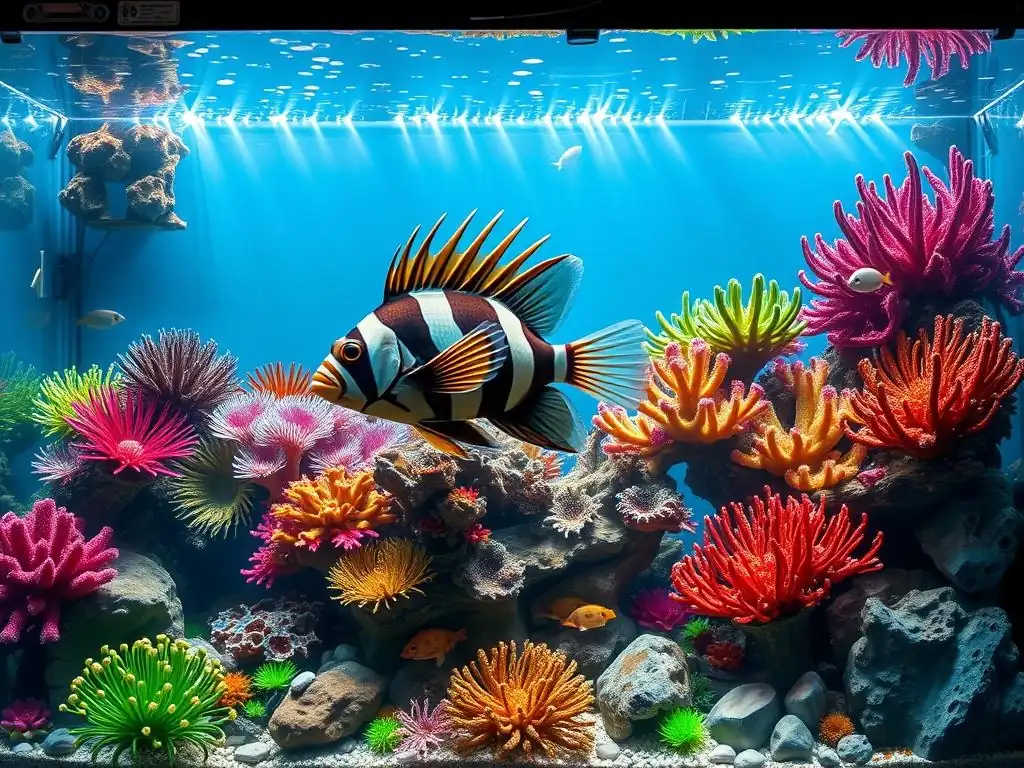
Welcome to Aquarium Mastery, your ultimate guide to thriving aquatic ecosystems! Ever wondered how to achieve true success in breeding delicate saltwater species? Dive in and discover our secrets to Banggai Cardinalfish Mouthbrooding Success. This comprehensive guide will unlock the mysteries, providing you with a step-by-step approach to nurture and witness this fascinating process firsthand. Ready to embark on this incredible journey? Let's get started!
- Introduction to Banggai Cardinalfish Breeding
- Setting Up Your Banggai Cardinalfish Breeding Tank
- Selecting a Healthy Banggai Cardinalfish Breeding Pair
- The Banggai Cardinalfish Breeding Process: A Step-by-Step Guide
- Raising Banggai Cardinalfish Fry: From Mouth to Tank
- Common Challenges and Solutions in Banggai Cardinalfish Breeding
- Achieving Banggai Cardinalfish Mouthbrooding Success: Tips and Tricks
- Conclusion: The Satisfaction of Breeding Banggai Cardinalfish
-
Frequently Asked Questions
- How can I tell if my Banggai Cardinalfish are ready to breed?
- What are the ideal water parameters for Banggai Cardinalfish breeding?
- How long does the male Banggai Cardinalfish typically hold the eggs in his mouth?
- What should I feed the fry once they are released from the male's mouth?
- How can I improve the survival rate of Banggai Cardinalfish fry?
- Final Reflection: Nurturing Life, Sustaining Hope
- Dive Deeper: Turn Knowledge into Banggai Breeding Success!
Introduction to Banggai Cardinalfish Breeding
Why Breed Banggai Cardinalfish? The Rewards of Mouthbrooding
Breeding Banggai Cardinalfish ( Pterapogon kauderni) offers a profoundly rewarding experience for marine aquarists, extending beyond mere hobby enjoyment to contribute significantly to conservation efforts. These captivating fish are listed as Endangered by the IUCN Red List, primarily due to over-collection for the aquarium trade and habitat degradation in their native Banggai Archipelago in Indonesia. Successful captive breeding reduces the demand for wild-caught specimens, alleviating pressure on their dwindling natural populations. Furthermore, tank-bred fish are generally hardier, healthier, and more accustomed to aquarium life, adapting better to diverse tank conditions compared to their wild counterparts.
The unique mouthbrooding behavior exhibited by male Banggai Cardinalfish is a central and fascinating aspect of their reproductive cycle, making the breeding process particularly engaging. Witnessing the male diligently hold and protect the developing eggs and then release miniature versions of the adults is a remarkable spectacle.
This intimate parental care, where the male abstains from eating for nearly a month to safeguard his offspring, provides an unparalleled sense of accomplishment and a deeper connection to the aquatic world for the dedicated aquarist. The satisfaction of contributing to the species' survival while observing such intricate natural behavior is truly immense.
Understanding Banggai Cardinalfish (Pterapogon kauderni) Biology for Breeding
Understanding the core biology of the Banggai Cardinalfish is fundamental to achieving Banggai Cardinalfish Mouthbrooding Success. Native to the shallow, sheltered waters around the Banggai and Sula Islands of Indonesia, these fish typically inhabit seagrass beds ( Enhalus acoroides), coral reefs, and rocky rubble areas, often associating with long-spined urchins ( Diadema setosum) for protection. They are relatively small, reaching an average adult size of about 3 inches (7.5 cm), with a lifespan of 2 to 3 years in a well-maintained captive environment. Their distinctive black and white striped pattern makes them easily recognizable.
Banggai Cardinalfish are primarily carnivorous, feeding on small crustaceans and zooplankton in their natural habitat. In captivity, a varied diet of enriched frozen foods is essential for conditioning them for breeding. Socially, while they can be found in schools in the wild, they form monogamous pairs for breeding purposes. The male plays the exclusive role in mouthbrooding, carrying the fertilized eggs in his buccal cavity until they hatch and develop into free-swimming fry. This unique reproductive strategy minimizes predation on the eggs and early-stage fry, making them excellent candidates for captive breeding if environmental conditions are met.
Setting Up Your Banggai Cardinalfish Breeding Tank
Choosing the Right Tank Size for Banggai Cardinalfish Breeding Pairs
Selecting an appropriately sized aquarium is a critical first step for fostering Banggai Cardinalfish Mouthbrooding Success. For a single breeding pair, a minimum tank size of 20 to 30 gallons (approximately 75-115 liters) is recommended. This provides sufficient space for the pair to establish a territory, engage in courtship, and allows the male adequate room to maneuver while mouthbrooding without feeling overly confined. For example, a standard 20-gallon long tank (30" x 12" x 12") offers more horizontal swimming space than a 20-gallon high, which is beneficial for these fish.
While a 20-30 gallon tank is suitable for a single pair, consider a larger aquarium, such as a 40-gallon breeder or even a 50-gallon tank, if you plan to house multiple individuals or want to reduce potential aggression between the pair or with other tank mates. A larger footprint allows for more intricate aquascaping, providing additional hiding spots and visual barriers that can minimize stress and facilitate natural pairing behavior. For instance, a 40-gallon breeder (36" x 18" x 16") provides nearly double the floor space of a 20-gallon long, significantly enhancing the environment for a breeding project.
Essential Equipment for a Successful Banggai Breeding Setup
Filtration for Banggai Cardinalfish Fry
Effective and gentle filtration is paramount for a successful Banggai Cardinalfish breeding setup, particularly when considering the delicate fry. Standard power filters or sumps with strong overflows can easily suck in and harm tiny fry. Instead, sponge filters are highly recommended for breeding tanks. These filters provide excellent mechanical and biological filtration while creating minimal current and posing no threat to the fry. For a 20-gallon breeding tank, a medium-sized air-driven sponge filter, capable of filtering up to 30 gallons, would be ideal.
Alternatively, a small hang-on-back (HOB) filter can be used if its intake tube is covered with a fine-mesh pre-filter sponge, such as a Fluval Edge pre-filter or a custom-cut piece of filter foam. This modification prevents fry from being drawn into the impeller. Regardless of the choice, ensuring gentle water movement is key. A flow rate of approximately 5-10 times the tank volume per hour is generally adequate, preventing stagnation without creating turbulence that could stress the mouthbrooding male or dislodge newly released fry.
Maintaining Optimal Water Parameters for Breeding
Maintaining stable and optimal water parameters is non-negotiable for Banggai Cardinalfish Mouthbrooding Success. The temperature should be consistently kept between 78-82°F (25.5-27.7°C), as fluctuations can stress the fish and hinder breeding. Salinity levels are crucial, with a specific gravity of 1.023-1.025 being ideal, closely mimicking their natural marine environment. A reliable refractometer should be used for accurate measurements.
The pH should be stable within the range of 8.0-8.4, and alkalinity (dKH) should be maintained between 8-12 dKH. Ammonia and nitrite must always be at 0 ppm, while nitrates should be kept below 10 ppm. To achieve these stable conditions, regular small water changes are essential. Performing weekly 10-15% water changes using high-quality reverse osmosis/deionized (RO/DI) water mixed with a reputable marine salt mix will help replenish trace elements and export nitrates, creating a pristine environment conducive to breeding.
Lighting Considerations for Banggai Cardinalfish
Lighting plays a subtle yet important role in the Banggai Cardinalfish breeding environment. These fish are naturally found in shaded areas, often among seagrasses or near rock crevices in relatively shallow waters. Consequently, intense, direct lighting can be a significant source of stress. Moderate, diffused lighting that mimics their natural habitat is ideal. A standard LED fixture designed for reef aquariums can be used, but its intensity should be dialed down, or it should be placed further from the water surface.
A natural day/night cycle, typically 10-12 hours of light followed by 12-14 hours of darkness, is beneficial for establishing regular breeding rhythms. Avoid sudden changes in lighting, as this can startle and stress the fish. For instance, a simple timer-controlled LED light with a low to moderate output, such as a 10-watt LED fixture for a 20-gallon tank, would be more than sufficient. The goal is to provide enough light for observation and any live rock or plants, without overwhelming the fish.
Creating a Suitable Environment for Banggai Cardinalfish Pair Bonding
Live Rock Placement and Aquascaping for Breeding
Thoughtful live rock placement and aquascaping are vital for encouraging Banggai Cardinalfish pair bonding and providing a secure environment for breeding. Banggai Cardinalfish appreciate ample hiding spots and territories. Arrange live rock to create caves, overhangs, and crevices that offer security and privacy for the pair. For example, stacking two or three pieces of live rock to form a small cave with multiple openings can serve as an ideal spawning site and refuge.
While creating these secure zones, it's also important to ensure there are open swimming areas. The layout should provide visual breaks to help reduce aggression between the pair or from other tank inhabitants if it's a community tank (though a species-specific breeding tank is highly recommended). Consider mimicking their natural association with long-spined urchins ( Diadema setosum) by placing one or two in the tank. While not strictly necessary for breeding, these urchins provide a natural sense of security and mimic their wild habitat, potentially making the pair feel more at ease.
Selecting a Healthy Banggai Cardinalfish Breeding Pair
Identifying Male and Female Banggai Cardinalfish
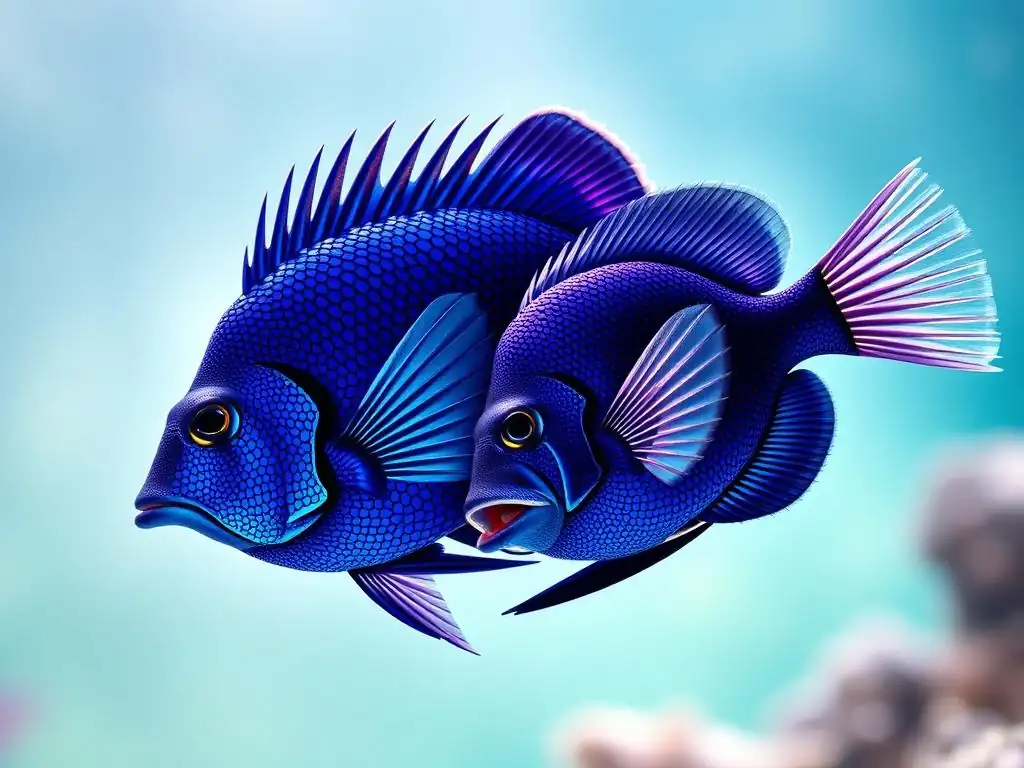
Accurately identifying male and female Banggai Cardinalfish is crucial for successful breeding, though it can be challenging, especially with juvenile fish. The most reliable physical characteristic is the shape of the second dorsal fin: males generally have a more pointed and elongated second dorsal fin, whereas females tend to have a rounder or more truncated one. This difference becomes more pronounced as the fish mature and when they are in breeding condition.
Behavioral cues are also key indicators. Males, particularly when nearing spawning, may display a more angular jawline or a slightly more robust appearance due to the developing buccal cavity for mouthbrooding. During courtship, the male will often be the one actively pursuing the female and displaying. Ultimately, the definitive identification of a male is when he begins to mouthbrood eggs. Observing multiple individuals over time can help discern these subtle differences.
Choosing Compatible Banggai Cardinalfish for Breeding
Choosing compatible Banggai Cardinalfish is paramount for Banggai Cardinalfish Mouthbrooding Success. The most effective method is to acquire a small group of juvenile Banggai Cardinalfish, ideally four to six individuals, and allow them to pair off naturally. As they mature, they will typically form a monogamous pair. Introducing them simultaneously to the breeding tank can help reduce initial aggression and territorial disputes.
When selecting individuals from a group, look for fish that exhibit healthy, active behavior. They should be alert, have clear eyes, intact fins, and no visible signs of disease such as white spots, clamped fins, or labored breathing. Avoid fish that appear lethargic, withdrawn, or have any physical deformities. Once a pair has naturally formed, they will often swim together, exhibiting synchronized movements and occasionally engaging in gentle nips or chases as part of their bonding ritual.
Quarantine and Acclimation of Your Breeding Pair
Quarantine and proper acclimation are indispensable steps for ensuring the health and longevity of your Banggai Cardinalfish breeding pair, thereby safeguarding your breeding project. All new fish, regardless of their source, should be quarantined in a separate tank for a minimum of three to four weeks. This isolation period allows you to observe them for any signs of disease, such as marine ich ( Cryptocaryon irritans), velvet ( Amyloodinium ocellatum), or bacterial infections, without risking contamination of your main breeding tank. During quarantine, ensure stable water parameters and feed a high-quality, varied diet to bolster their immune systems.
Once the quarantine period is complete and the fish appear healthy, a slow and careful acclimation process is crucial before introducing them to the breeding tank. Drip acclimation is highly recommended for Banggai Cardinalfish, as it gradually matches the water parameters (temperature, salinity, pH) between the transport bag and the target tank, minimizing stress from sudden environmental shifts. This process typically takes 1 to 2 hours, allowing the fish to slowly adjust to their new home and significantly increasing their chances of thriving and breeding successfully.
The Banggai Cardinalfish Breeding Process: A Step-by-Step Guide
Conditioning Your Banggai Cardinalfish for Breeding
Optimizing Diet and Feeding Schedule for Breeding
Optimizing the diet and feeding schedule is a cornerstone of conditioning Banggai Cardinalfish for successful breeding and ensuring Banggai Cardinalfish Mouthbrooding Success. A high-quality, varied diet provides the essential nutrients and energy needed for egg production and male conditioning. Feed your breeding pair small, frequent meals, typically 2-3 times per day, rather than one large meal. This mimics their natural feeding behavior and helps maintain water quality by reducing the amount of uneaten food.
Include a diverse range of nutritious frozen foods such as enriched mysis shrimp, finely chopped krill, and enriched brine shrimp. Frozen foods should be thawed before feeding to prevent digestive issues. Supplementing with high-quality marine pellet or flake foods formulated for carnivores can also provide a balanced nutritional profile.
For an extra boost, live foods like enriched copepods or newly hatched brine shrimp can stimulate breeding behaviors and provide a natural feeding experience. For instance, feeding a mix of Hikari Mysis Shrimp and Ocean Nutrition Formula Two pellets twice daily has been shown to yield positive results in many breeding programs.
Observing Courtship Behavior in Banggai Cardinalfish
Observing the courtship behavior of Banggai Cardinalfish is an exciting precursor to successful spawning. As a pair prepares to breed, their interactions will become more pronounced and synchronized. The male will typically initiate courtship by flaring his fins, particularly the dorsal and anal fins, and swimming in a distinctive figure-eight or circular pattern around the female. This display aims to impress the female and signal his readiness to breed.
The pair will spend increasing amounts of time together, often near a chosen spawning site, such as a secluded cave, a crevice in the live rock, or even under the protection of a long-spined urchin. Gentle nipping or chasing may occur as part of the pair-bonding ritual, but excessive aggression should be monitored. A healthy, well-conditioned pair will exhibit these behaviors consistently, indicating that spawning is imminent and paving the way for Banggai Cardinalfish Mouthbrooding Success.
Witnessing the Mouthbrooding Process: From Egg Laying to Holding
Witnessing the mouthbrooding process is the culmination of successful conditioning and courtship, leading directly to Banggai Cardinalfish Mouthbrooding Success. The actual egg-laying event is usually brief and discreet, often occurring in a secluded area of the tank, such as a cave or under an overhang. The female will typically lay a cluster of eggs, which are relatively large, translucent, and yellowish, varying in number from 20 to 50, though some successful spawns have yielded up to 70-80 eggs.
Immediately after the eggs are laid, the male Banggai Cardinalfish will swiftly move in to fertilize them externally and then meticulously gather every egg into his buccal cavity (mouth). He will then hold these eggs for the entire incubation period, which typically lasts around 25 to 30 days, depending on water temperature. During this time, the male's throat and lower jaw will appear noticeably distended as he diligently ventilates and protects the developing embryos, abstaining from food for the entire duration.
Caring for the Mouthbrooding Male Banggai Cardinalfish
Minimizing Stress During Mouthbrooding
Caring for the mouthbrooding male Banggai Cardinalfish is critical to ensuring the successful incubation and release of healthy fry, thereby securing Banggai Cardinalfish Mouthbrooding Success. The male will not eat during the entire mouthbrooding period, which can last up to 30 days.
To minimize stress, it is often beneficial to gently net and transfer the mouthbrooding male to a separate, smaller "brooding tank," such as a 5-10 gallon aquarium, that is already set up with stable water parameters and gentle filtration (e.g., a sponge filter). This isolation prevents harassment from the female or other tank mates, allowing him to focus solely on his parental duties.
In the brooding tank, maintain pristine water quality with consistent temperature (78-80°F) and salinity (1.024 SG). Avoid any sudden movements or bright lights that could startle the male and cause him to prematurely release or even swallow the eggs. Do not attempt to force the male to open his mouth or inspect the eggs, as this can lead to extreme stress and loss of the clutch. Provide a quiet, dimly lit environment, and simply observe him from a distance, allowing him to perform his natural role undisturbed.
Raising Banggai Cardinalfish Fry: From Mouth to Tank
Releasing the Fry: When and How to Separate the Fry
The release of Banggai Cardinalfish fry marks a significant milestone in the breeding process. Fry are typically released by the male around 25-30 days post-spawning, depending on water temperature. They are released as fully formed, miniature versions of the adults, capable of immediate independent swimming and feeding. The male will gradually release the fry over several hours or even a day, often at dawn or dusk.
If the mouthbrooding male was isolated in a separate brooding tank, the fry will simply swim out of his mouth and populate the tank. If the male remained in the main display tank, careful observation is required. As the fry are released, they will be vulnerable to predation from tank mates, including the female Banggai Cardinalfish. Gently net the newly released fry using a fine-mesh net and transfer them immediately to a dedicated fry grow-out tank. This timely separation is crucial for maximizing fry survival rates and achieving Banggai Cardinalfish Mouthbrooding Success.
Setting Up a Fry Grow-Out Tank
A dedicated fry grow-out tank is essential for raising Banggai Cardinalfish fry successfully. A 10-20 gallon (38-75 liter) aquarium is typically sufficient for a single batch of fry. The tank should be set up with a gentle sponge filter to provide biological filtration without risking the delicate fry being sucked in. An air stone can also be added to ensure adequate oxygenation and gentle water circulation.
Provide small hiding places within the grow-out tank, such as small PVC pipes, short sections of plastic tubing, or even fine-leafed artificial plants. These structures offer security for the fry, reducing stress and potential aggression among siblings. Maintain a bare bottom or use a very thin layer of fine sand to facilitate easy cleaning and prevent detritus buildup, which can quickly degrade water quality. For instance, a 10-gallon tank with two 1-inch diameter PVC elbows provides ample cover for 30-50 fry.
First Foods for Banggai Cardinalfish Fry
Banggai Cardinalfish fry are relatively large upon release and are capable of consuming live foods immediately, making the selection of their first foods critical for their survival and growth. Newly hatched brine shrimp ( Artemia nauplii) are considered the gold standard and primary food source for newly released Banggai Cardinalfish fry. These are highly nutritious and provide the necessary protein and lipids for rapid development. It is crucial to hatch brine shrimp daily to ensure a constant supply of fresh, nutritious nauplii.
Feed the fry small amounts 3-4 times per day, ensuring that there is always a small amount of food available but not so much that it fouls the water. As the fry grow, typically within 1-2 weeks, you can begin to introduce other finely chopped frozen foods, such as enriched mysis shrimp or copepods, gradually transitioning them to a more varied diet. For example, a feeding schedule might involve newly hatched brine shrimp three times a day, supplemented with a small amount of finely crushed high-quality marine flake food or pellet after the first week.
Maintaining Water Quality in the Fry Tank
Maintaining pristine water quality in the fry grow-out tank is paramount for the survival and health of Banggai Cardinalfish fry. Due to their high metabolic rate and the frequent feeding required, water parameters can degrade rapidly. Ammonia and nitrite levels must remain at 0 ppm, and nitrates should be kept below 5 ppm. Daily small water changes are non-negotiable; performing 10-20% water changes each day using properly mixed and temperature-matched RO/DI saltwater is crucial.
During these water changes, carefully siphon out any uneaten food, detritus, and waste from the bottom of the tank using a small airline tubing or a turkey baster. This prevents the buildup of harmful compounds that can lead to disease outbreaks or stunted growth. Regularly test the water parameters using reliable test kits to ensure stability. Consistent water quality is a primary factor in achieving high fry survival rates and overall Banggai Cardinalfish Mouthbrooding Success.
Preventing Diseases in Banggai Cardinalfish Fry
Preventing diseases in Banggai Cardinalfish fry is primarily achieved through stringent husbandry practices, as young fish are particularly vulnerable. The cornerstone of disease prevention is maintaining impeccable water quality. As mentioned, daily small water changes and diligent siphoning of waste are essential to keep ammonia, nitrite, and nitrate levels at zero or very low. Any deviation from optimal parameters can stress the fry and make them susceptible to pathogens.
Beyond water quality, providing a highly nutritious and varied diet boosts the fry's immune systems. Ensure that newly hatched brine shrimp are enriched (e.g., with Selcon or other fatty acid supplements) before feeding. Observe the fry daily for any signs of distress, such as lethargy, clamped fins, rapid breathing, or white spots. Early detection allows for prompt intervention. Strict quarantine of any new fish introduced to the same water system, even if not directly with the fry, is also vital to prevent the introduction of common marine parasites like ich ( Cryptocaryon irritans).
Common Challenges and Solutions in Banggai Cardinalfish Breeding
Addressing Aggression Issues in Breeding Pairs
Aggression can sometimes be a challenge in Banggai Cardinalfish breeding pairs, potentially hindering Banggai Cardinalfish Mouthbrooding Success. While generally peaceful, established pairs can exhibit aggression, particularly if the tank is too small or if one fish is not receptive to breeding. The most common form of aggression is the male chasing the female, or vice-versa, which can lead to stress, fin nipping, or even physical injury.
To mitigate aggression, ensure the breeding tank is adequately sized (at least 20-30 gallons for a single pair) and provides ample hiding places and visual barriers using live rock or PVC pipes. These structures allow the fish to retreat and break line of sight, reducing direct confrontation. If aggression becomes severe, consider temporarily separating the fish using a tank divider for a few days, or moving the more aggressive individual to a different tank to allow them to calm down before reintroduction. A well-fed and conditioned pair is generally less prone to aggression.
Dealing with Unsuccessful Breeding Attempts
Unsuccessful breeding attempts are a common hurdle for aquarists aiming for Banggai Cardinalfish Mouthbrooding Success, but they offer valuable learning opportunities. If your pair isn't spawning, or if the male is releasing eggs prematurely, review your tank setup and husbandry practices systematically. First, rigorously test your water parameters (temperature, salinity, pH, ammonia, nitrite, nitrate, alkalinity) to ensure they are consistently within optimal ranges (e.g., Temp: 78-82°F, SG: 1.023-1.025, pH: 8.0-8.4, Nitrates <10 ppm). Even minor fluctuations can deter breeding.
Next, assess their diet. Are you providing a high-quality, varied diet of enriched frozen foods multiple times a day? Nutritional deficiencies are a common cause of breeding reluctance or poor egg quality. Also, consider potential stress factors: Is the tank too busy? Are there aggressive tank mates? Is the lighting too intense? Patience is often key; it can take several weeks or even months for a new pair to acclimate and begin breeding consistently. Sometimes, simply giving them more time in a stable, quiet environment is all that's needed.
Managing Water Quality Problems During Breeding
Managing water quality problems during breeding is paramount, as poor water conditions can lead to stress, disease, and failed breeding attempts. During the breeding cycle, especially with increased feeding for conditioning, ammonia and nitrite levels can spike, and nitrates can accumulate. Regularly test your water parameters using reliable test kits, ideally daily or every other day, to catch any issues early.
If ammonia or nitrite levels are detected, perform immediate small water changes (e.g., 10-20%) until levels return to zero. For elevated nitrates, consistent weekly water changes of 15-20% are crucial. Ensure your filtration system (e.g., sponge filter) is adequately sized and maintained. Overfeeding is a common culprit for water quality issues; feed smaller, more frequent meals that can be consumed within a few minutes. A stable environment with consistent water parameters is fundamental to achieving Banggai Cardinalfish Mouthbrooding Success.
Recognizing and Treating Diseases in Banggai Cardinalfish
Recognizing and treating diseases in Banggai Cardinalfish is vital to protect your breeding stock and ensure Banggai Cardinalfish Mouthbrooding Success. These fish are generally hardy but can be susceptible to common marine ailments if water quality is poor or stress levels are high. Look for symptoms such as white spots on the body or fins (indicative of marine ich, Cryptocaryon irritans), a dusty or velvet-like appearance (suggesting velvet, Amyloodinium ocellatum), clamped fins, labored breathing, lethargy, or loss of appetite.
Upon recognizing symptoms, prompt action is necessary. Isolate affected fish in a dedicated hospital tank to prevent the spread of disease to the breeding tank. Treatment options for common parasitic infections often include copper-based medications (used strictly according to instructions and never in a reef tank with invertebrates) or hyposalinity (gradually reducing specific gravity to 1.009-1.010). For bacterial infections, broad-spectrum antibiotics may be required. However, prevention through rigorous quarantine of new fish and maintaining pristine water quality and a stress-free environment remains the most effective strategy.
Achieving Banggai Cardinalfish Mouthbrooding Success: Tips and Tricks
Optimizing Water Parameters for Higher Fry Survival Rates
Optimizing water parameters is a critical factor directly influencing higher fry survival rates and overall Banggai Cardinalfish Mouthbrooding Success. While general ranges are provided, consistency and stability are far more important than hitting exact numbers. Maintain a stable temperature between 78-80°F (25.5-26.7°C), as slight shifts can stress delicate fry. Salinity should be kept constant at 1.024-1.025 specific gravity, which is slightly higher than some general fish-only recommendations but aligns well with their natural reef environment.
Regularly test your pH (8.1-8.3) and alkalinity (8-10 dKH) to ensure they remain stable. Ammonia and nitrite must always be zero, and nitrates should be kept below 5 ppm in the fry grow-out tank. This often necessitates daily small water changes (10-15%) using high-quality RO/DI water mixed with a good marine salt. Using a reliable heater with an accurate thermometer and investing in high-quality test kits will help maintain these crucial parameters with precision.
Providing Adequate Hiding Places for Fry
Providing adequate hiding places for Banggai Cardinalfish fry is a simple yet highly effective trick for significantly boosting their survival rates. Once released, the fry are naturally skittish and vulnerable. Offering numerous small, secure retreats reduces stress and provides protection from any potential predation (even from their own siblings in a crowded grow-out tank) or aggressive interactions.
Small PVC pipes (1-2 inches in diameter, cut into 3-4 inch lengths), small pieces of live rock with crevices, or even fine-leafed artificial plants can serve as excellent hiding spots. Arrange these elements to create a complex environment where fry can dart into cover quickly. For example, placing several small PVC elbows or T-fittings randomly on the tank bottom allows for multiple escape routes and territories. This mimics the protective structures they would seek in their natural habitat, contributing to robust Banggai Cardinalfish Mouthbrooding Success.
Maintaining a Stable and Stress-Free Environment
Maintaining a stable and stress-free environment is perhaps the most encompassing tip for achieving consistent Banggai Cardinalfish Mouthbrooding Success. Any sudden changes in the aquarium can severely impact breeding behavior, egg development, and fry survival. Minimize fluctuations in lighting; avoid turning tank lights on or off abruptly, and consider a gradual dawn/dusk cycle if your lighting system allows. Temperature swings should be prevented with a reliable heater and consistent room temperature.
Keep tank maintenance routines consistent and gentle. Avoid major aquascaping changes or introducing new, potentially aggressive tank mates during breeding cycles. Place the breeding tank in a quiet area of your home, away from high traffic or loud noises that could startle the fish. A calm, predictable environment reduces anxiety in the breeding pair, encouraging natural behavior and providing the best possible conditions for the male to successfully mouthbrood and release healthy fry.
Conclusion: The Satisfaction of Breeding Banggai Cardinalfish
Breeding Banggai Cardinalfish offers an incredibly fulfilling journey for the dedicated marine aquarist, culminating in the profound satisfaction of contributing to the conservation of an endangered species while witnessing one of nature's most intricate parental behaviors. From the meticulous setup of the breeding tank and the careful selection of a compatible pair to the delicate art of conditioning and the vigilant care of mouthbrooding males, each step builds towards the ultimate reward: the release of vibrant, miniature Banggai Cardinalfish fry.
Achieving Banggai Cardinalfish Mouthbrooding Success is a testament to patience, attention to detail, and a deep understanding of their unique biology. The ongoing commitment to maintaining pristine water quality, providing optimal nutrition, and creating a stress-free environment are the pillars upon which consistent breeding and high fry survival rates are built. This rewarding endeavor not only enhances your aquarist skills but also provides a unique opportunity to directly impact the future of these magnificent fish, making every successful hatch a truly remarkable achievement.
Frequently Asked Questions
How can I tell if my Banggai Cardinalfish are ready to breed?
Look for courtship displays such as circling, fin flicking, and side-to-side movements. The male's mouth will also visibly enlarge in preparation for mouthbrooding.
What are the ideal water parameters for Banggai Cardinalfish breeding?
Maintain a stable salinity between 1.024-1.026 specific gravity, a temperature of 78-82°F (25-28°C), and excellent water quality with minimal nitrates and nitrites.
How long does the male Banggai Cardinalfish typically hold the eggs in his mouth?
The incubation period is usually between 20-30 days. During this time, the male will not eat and will appear withdrawn.
What should I feed the fry once they are released from the male's mouth?
Offer small, nutritious foods like newly hatched brine shrimp or rotifers several times a day. Ensure the fry are able to easily access the food.
How can I improve the survival rate of Banggai Cardinalfish fry?
Provide a dedicated grow-out tank with ample hiding places and gentle filtration. Consistent water changes and a varied diet are also crucial for their development.
Final Reflection: Nurturing Life, Sustaining Hope
The journey of Banggai Cardinalfish mouthbrooding success extends far beyond the confines of a home aquarium. It represents a tangible connection to the delicate balance of our marine ecosystems, a microcosm of the larger responsibility we hold in safeguarding biodiversity. This seemingly small act of nurturing life, of understanding and replicating the natural processes of these captivating fish, resonates deeply with the urgent need for conservation in a world facing unprecedented environmental challenges.
This endeavor has profoundly influenced my perspective, highlighting the interconnectedness of our actions and the health of our planet. Witnessing the dedication and patience required to successfully breed these fish underscores the importance of empathy and understanding in all our interactions with the natural world. In the end, we will conserve only what we love; we will love only what we understand; and we will understand only what we are taught.
- Baba Dioum. This quote perfectly encapsulates the driving force behind sharing this knowledge and inspiring others to participate in conservation efforts, even on a small scale.
Now, I invite you to reflect on your own connection to the natural world. Consider how you can apply the principles of patience, observation, and dedication learned in the context of Banggai Cardinalfish mouthbrooding to other areas of your life. Let this guide be more than just a set of instructions; let it be a catalyst for fostering a deeper appreciation for the intricate beauty of our oceans and a commitment to protecting it for generations to come.
Dive Deeper: Turn Knowledge into Banggai Breeding Success!
Thank you for exploring the fascinating world of Banggai cardinalfish breeding with us! We hope you've gained valuable insights into successfully raising these captivating mouthbrooders. Now, let's put that knowledge into action!
- Start Planning Your Banggai Breeding Setup: It's time to transform your dream into reality. Assess your current tank and equipment, and strategically map out your Banggai breeding setup.
- Research local breeders and connect with experienced Banggai enthusiasts in your area for advice and support. Their hands-on experience will prove invaluable.
- Share this guide with fellow aquarium keepers! Help spread the knowledge and encourage more people to explore the rewarding experience of breeding Banggai cardinalfish.
What's the very first step you'll take this week to begin your Banggai breeding journey? Let us know in the comments!