
Aquarium Mastery: From Fry to Juvenile – Optimizing Saltwater GrowOut Systems

Welcome to Aquarium Mastery!
Ready to unlock the secrets to raising healthy, thriving saltwater fish from fry to juvenile? Dive in! This article focuses on the intricacies of a successful Saltwater Growout System Setup, offering the keys to accelerating growth and maximizing survival rates. Curious how to create the perfect environment for your young charges? Let's explore!
- Clownfish Growout: From Hatchling to Juvenile – Optimizing Systems
- Introduction to Clownfish Growout Systems
-
Frequently Asked Questions
- How does a saltwater growout system differ from a standard saltwater aquarium?
- What are the key components of a saltwater growout system setup?
- What types of fish are best suited for a saltwater growout system?
- How often should I perform water changes in a saltwater growout system?
- What are some common challenges in maintaining a saltwater growout system?
- Final Reflection: Nurturing the Future of Reefs
- Unleash Your Reef-Keeping Potential!
Clownfish Growout: From Hatchling to Juvenile – Optimizing Systems
Introduction to Clownfish Growout Systems
Understanding the Importance of Growout Systems in Clownfish Breeding
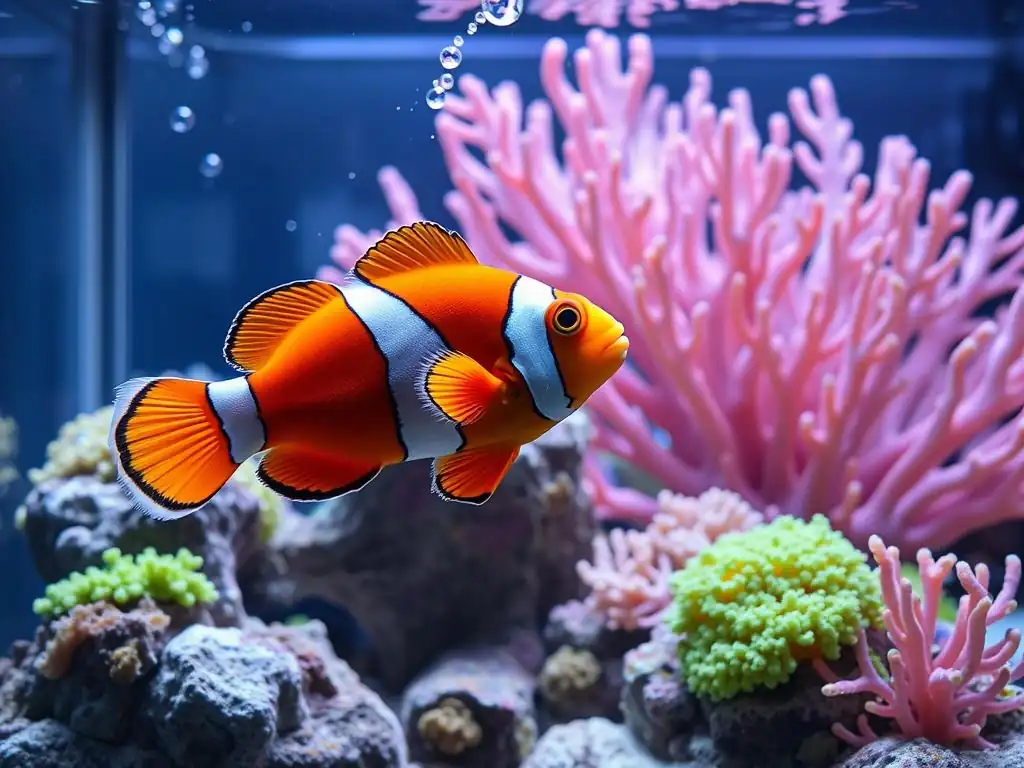
A dedicated growout system is not merely an option but a critical necessity for successfully raising clownfish fry from their delicate larval stage to robust juveniles. Immediately after hatching, clownfish larvae are incredibly fragile, measuring only a few millimeters and possessing undeveloped digestive systems and sensory organs.
Without a specialized environment that caters to their unique needs for pristine water quality, specific feeding regimens, and protection from predation or competition, mortality rates can easily exceed 90% in general display tanks. This specialized saltwater growout system setup provides the controlled conditions essential for their survival and initial development, significantly improving the yield of healthy, viable fish.
Furthermore, a well-designed growout system acts as a crucial bridge between the intensive larval rearing phase and the eventual transition to a community or display aquarium. It allows aquarists to fine-tune environmental parameters, such as salinity, temperature, and pH, which are vital for the rapid growth and development of clownfish fry.
By isolating the fry, breeders can implement precise feeding schedules with live foods like rotifers and newly hatched artemia, ensuring each tiny fish receives adequate nutrition without being outcompeted by larger tank inhabitants or losing food to filtration. This controlled environment is paramount for fostering strong, healthy clownfish that are resilient enough for eventual sale or integration into a larger reef system.
Key Considerations Before Setting Up Your Clownfish Growout Tank
Before embarking on the creation of your clownfish growout system, a thorough planning phase is essential to ensure long-term success and efficiency. The primary considerations include available space, budget allocation, and the significant time commitment required for daily care.
While a simple 10-gallon (approximately 38-liter) tank can suffice for a small batch of a few dozen Ocellaris clownfish fry, larger batches or more demanding species like the Maroon clownfish might necessitate multiple tanks or larger volumes, potentially 20-30 gallons (75-113 liters), to prevent overcrowding as the fry grow. Planning the saltwater growout system setup involves not just the tank itself but also the associated equipment and the necessary space for live food culture.
Moreover, ensuring environmental stability within the growout tank is paramount, demanding careful attention to equipment reliability and the consistent availability of resources. Reliable heaters, air pumps for gentle aeration, and simple, effective filtration are non-negotiable components. Perhaps most critically, a steady supply of appropriate live foods, such as rotifers for newly hatched fry and artemia nauplii for older fry, must be established before the fry hatch.
Without this consistent food source, even the most perfectly designed growout tank will fail. A proactive approach to sourcing and culturing these foods, alongside maintaining a stable water parameter testing routine, lays the foundation for a thriving clownfish growout operation.
Frequently Asked Questions
How does a saltwater growout system differ from a standard saltwater aquarium?
A growout system is specifically designed for rapid growth and high-density stocking of juvenile fish. Unlike display tanks, growout tanks prioritize functionality over aesthetics, focusing on efficient filtration and feeding.
What are the key components of a saltwater growout system setup?
Essential components include a large tank for ample swimming space, a robust filtration system to handle high bioloads, and a protein skimmer to remove organic waste. Also important are adequate heating and lighting for optimal growth.
What types of fish are best suited for a saltwater growout system?
Fast-growing, commercially valuable species like clownfish, dottybacks, and certain angelfish are often raised in growout systems. These fish benefit from the controlled environment and optimized feeding schedules.
How often should I perform water changes in a saltwater growout system?
Due to the high fish density, frequent water changes are crucial. Aim for at least 25-50% water changes per week to maintain water quality and prevent the buildup of harmful substances like nitrates.
What are some common challenges in maintaining a saltwater growout system?
Common issues include disease outbreaks due to stress from overcrowding, maintaining stable water parameters with high bioloads, and preventing algae blooms from excess nutrients. Proactive monitoring and regular maintenance are key.
Final Reflection: Nurturing the Future of Reefs
The journey from fragile fry to robust juvenile, as explored in this article, underscores the critical role of dedicated saltwater growout systems in the future of reef keeping. Understanding and implementing optimal growout techniques is no longer just a hobbyist pursuit; it's a vital contribution to the sustainability and resilience of our beloved marine ecosystems, especially as wild populations face increasing pressures.
This commitment to nurturing life, to providing the ideal conditions for growth and development, resonates far beyond the confines of our aquariums. It speaks to a deeper responsibility we have to protect and preserve the delicate balance of the natural world. We are tied to the ocean. And when we go back to the sea, whether it is to sail or to watch it, we are going back from whence we came.
- John F. Kennedy. This sentiment reminds us that our actions, even within the seemingly small world of reef keeping, have profound and lasting consequences.
As you consider the principles and practices outlined in this article, I encourage you to reflect on your own role in this vital endeavor. How can you apply these insights to enhance your own growout systems, to contribute to the health and vitality of our reefs, and to inspire others to join this important mission? The future of our oceans depends on the collective efforts of passionate individuals like you, committed to nurturing life and safeguarding the beauty of our underwater world.
Unleash Your Reef-Keeping Potential!
Thank you for exploring the fascinating world of saltwater grow-out systems! We hope this article has sparked new ideas and provided valuable insights for nurturing your future reef inhabitants. Now, it's time to put that knowledge into action!
- Take the plunge and meticulously plan your own custom grow-out system, focusing on the specific needs of your chosen species. Don't be afraid to sketch it out and research the necessary equipment!
- Share your biggest takeaway from this article on our community forum – let's learn from each other's successes and challenges.
- Surprise a fellow aquarist with a piece of coral from your first successful grow-out – spread the reef-keeping joy!
What's one small adjustment you can make to your current system today to improve your grow-out success?