
Phytoplankton Factories: A Breeder's Comprehensive Guide to Growing Live Algae

Welcome to Aquarium Mastery!
Ever wondered how the pros achieve vibrant, thriving saltwater tanks? The secret often lies in mastering the art of cultivating your own live algae. Dive in and unlock the secrets to creating your own phytoplankton factory with our comprehensive guide. We'll walk you through everything you need to know, from setup to harvesting, ensuring your saltwater ecosystem flourishes! Are you ready to become a true Aquarium Master?
- Introduction to Live Algae Culturing for Saltwater Fish Breeding
- Setting Up Your Phytoplankton Culture System: The Algae Breeder's Toolkit
- Mastering Phytoplankton Nutrition: Feeding Your Algae Culture
- Maintaining a Sterile Environment: Preventing Contamination in Algae Cultures
- Harvesting and Utilizing Your Live Algae Culture
- Troubleshooting Common Issues in Live Algae Culturing
- Scaling Up Your Phytoplankton Production: From Small Batch to Large-Scale Algae Breeding
- Advanced Techniques in Live Algae Breeding
- Conclusion: Mastering the Art of Live Algae Culturing for Aquarium Success
-
Frequently Asked Questions
- What is the primary benefit of using a live algae breeding guide for aquariums?
- What are the key components needed to create a successful live algae breeding setup?
- What are the most common live algae species used in aquariums, and why?
- How often should I harvest and re-culture my live algae culture?
- What are some common problems encountered when breeding live algae, and how can I prevent them?
- Final Reflection: Cultivating Life's Foundation
- Cultivate Your Own Microscopic Marvels!
Introduction to Live Algae Culturing for Saltwater Fish Breeding
Why Live Algae is Crucial for Saltwater Larval Rearing
Live algae, specifically phytoplankton, serve as the indispensable foundation for successfully rearing many saltwater fish larvae. Unlike adult fish, which can often consume prepared foods, the microscopic larvae of species like clownfish ( Amphiprioninae), mandarinfish ( Synchiropus splendidus), and various gobies require live, motile prey during their critical initial feeding stages.
Phytoplankton acts as the primary food source for zooplankton such as rotifers ( Brachionus plicatilis) and copepods (e.g., Tisbe and Tigriopus species), which are, in turn, the perfect size and nutritional profile for newly hatched marine fish larvae. Without a consistent and high-quality supply of these live foods, larval survival rates plummet dramatically, often falling below 5-10%.
The nutritional value transferred from phytoplankton to zooplankton, and subsequently to larval fish, is paramount. Phytoplankton are rich in essential fatty acids (EFAs) like docosahexaenoic acid (DHA) and eicosapentaenoic acid (EPA), along with various amino acids, vitamins, and pigments that are vital for larval development, organ formation, and immune function.
Studies have shown that marine fish larvae fed on zooplankton enriched with specific phytoplankton strains demonstrate significantly higher survival rates, often exceeding 60-70% in well-managed systems, compared to those fed on unenriched live foods or artificial diets. This direct nutritional pathway underscores why a dedicated "live algae breeding guide" is essential for any serious marine fish breeder.
Understanding the Role of Phytoplankton in the Marine Food Web
Phytoplankton are microscopic, single-celled algae that inhabit the sunlit surface layers of oceans and freshwater bodies. They are the primary producers in most aquatic ecosystems, converting sunlight into organic matter through photosynthesis. This process not only forms the base of the entire marine food web but also contributes significantly to the Earth's oxygen supply, estimated at around 50% of global oxygen production. In a natural marine environment, billions of phytoplankton cells float freely, serving as the initial energy source for a vast array of organisms.
The marine food web operates on a principle of trophic transfer, where energy moves from one level to the next. Phytoplankton are consumed by herbivorous zooplankton, which are then eaten by larger zooplankton, small fish larvae, and filter feeders. These smaller organisms, in turn, become prey for larger fish and marine animals.
In an aquarium breeding setting, this natural chain is replicated: the home aquarist cultivates phytoplankton, which is then used to enrich or directly feed zooplankton, thereby ensuring that the larval fish receive the necessary nutrition to thrive. Mastering this "phytoplankton production" cycle is a core skill for advanced aquarists.
Benefits of Culturing Your Own Live Algae for Aquarium Use
Culturing your own live algae offers several significant advantages over purchasing commercial preparations, making it a cornerstone of a comprehensive "live algae breeding guide." Firstly, it provides an unparalleled level of freshness and nutritional control. Commercially bottled algae, while convenient, often degrades in nutritional value over time, especially after opening. Home-cultured algae can be harvested just hours before feeding, ensuring maximum vitality and nutrient content for your rotifers, copepods, and larval fish.
Secondly, culturing live algae at home is remarkably cost-effective in the long run. While there's an initial investment in equipment, the ongoing cost of fertilizer and electricity is minimal. A single 1-liter bottle of concentrated commercial live algae might cost between $25-40, yet a home setup can produce gallons of equally, if not more, nutritious algae for just pennies per liter once established.
This dramatically reduces the recurring expense associated with large-scale larval rearing. Furthermore, it provides a consistent, reliable supply, eliminating concerns about stock availability from suppliers and reducing the risk of introducing external pathogens that could jeopardize delicate larval cultures.
Setting Up Your Phytoplankton Culture System: The Algae Breeder's Toolkit
Choosing the Right Culture Vessels for Algae Growth
The selection of appropriate culture vessels is a fundamental step in establishing your "phytoplankton factories." For beginners and small-scale operations, readily available and inexpensive options like clear 2-liter soda bottles are excellent starting points. Their narrow neck helps minimize contamination, and their transparency allows for easy visual assessment of algae density. Many hobbyists successfully run 3-5 such bottles in parallel to ensure a continuous supply. For larger volumes or more dedicated setups, specialized vessels like 1-gallon glass carboys, 5-gallon water cooler bottles, or food-grade plastic buckets (transparent or translucent) are suitable.
When choosing vessels, prioritize clear, non-toxic, and easily cleanable materials. Glass is ideal for its inertness and ease of sterilization, though it is fragile. Food-grade plastics like polycarbonate or HDPE are durable but can scratch over time, potentially harboring bacteria. The size of the vessel should match your anticipated daily consumption of algae; for example, a breeder raising a single batch of clownfish might need 1-2 liters of dense algae daily to feed their rotifers, which could be supplied by a single 5-gallon culture or several 2-liter bottles.
Essential Equipment: Lighting, Air Pumps, and Sterilization
Effective "live algae culturing" relies on a few key pieces of equipment. Lighting is paramount, as phytoplankton are photosynthetic organisms. Full-spectrum LED grow lights or standard 6500K daylight LED strips are highly efficient and provide the necessary wavelengths for robust algae growth. A good rule of thumb is to provide 15-20 watts of LED lighting per 5 gallons of culture volume, positioned close enough to penetrate the entire vessel. A timer set for 16-24 hours of continuous light is standard, maximizing photosynthetic activity.
Aeration is equally critical for gas exchange and preventing cell settling. A standard aquarium air pump, connected to an air line and an airstone or rigid air tube, provides the necessary continuous bubbling.
This ensures uniform distribution of nutrients, prevents the algae from settling at the bottom, and facilitates the exchange of CO2 (consumed by algae) and O2 (produced by algae). Finally, sterilization equipment is vital to prevent contamination: either a large pot for boiling vessels and equipment (for 15-20 minutes), or a bleach solution (1 part unscented bleach to 9 parts water for 30 minutes, followed by thorough rinsing with RO/DI water and air drying) for effective disinfection.
Selecting the Best Algae Starter Culture for Your Needs [Species: Nannochloropsis oceanica]
For most home aquarists venturing into "live algae breeding guide" practices, Nannochloropsis oceanica is the gold standard for a starter culture. This particular species is highly favored due to several key characteristics: it is extremely robust and tolerant of a wide range of conditions (e.g., salinities from 1.015 to 1.030 SG and temperatures from 68-82°F or 20-28°C), making it forgiving for beginners.
Crucially, Nannochloropsis is rich in eicosapentaenoic acid (EPA), an essential fatty acid vital for the healthy development of marine fish larvae. Its small cell size, typically 2-5 microns, makes it perfectly sized for consumption by rotifers and many copepod species, which are the primary live foods for larval fish.
When sourcing your starter culture, always choose a reputable aquaculture supplier to ensure you receive a clean, vigorous, and correctly identified strain. Starting with a contaminated culture can lead to immediate failure and frustration.
A typical starter volume of 100-250 ml is sufficient to inoculate several liters of new culture. While other strains like Tetraselmis chuii (larger, good for copepods and bivalves) or Isochrysis galbana (very high in DHA, excellent for enriching rotifers for more sensitive larvae) exist, Nannochloropsis oceanica provides the best balance of ease of culture, rapid growth, and excellent nutritional profile for the general needs of marine fish breeding.
Mastering Phytoplankton Nutrition: Feeding Your Algae Culture
Understanding Algae Nutrients: Macronutrients and Micronutrients
Just like terrestrial plants, phytoplankton require a balanced array of nutrients for optimal growth and reproduction. These nutrients are broadly categorized into macronutrients and micronutrients. Macronutrients are needed in larger quantities and primarily include nitrogen (N), phosphorus (P), and potassium (K). Nitrogen is a crucial component of proteins, nucleic acids (DNA, RNA), and chlorophyll, essential for cell structure and photosynthetic machinery. Phosphorus is vital for energy transfer (ATP), cell membranes, and genetic material. While potassium is less directly emphasized in basic algae formulas, it plays a role in enzyme activation and osmotic regulation.
Micronutrients, also known as trace elements, are required in much smaller amounts but are equally indispensable. These include iron (Fe), manganese (Mn), zinc (Zn), copper (Cu), cobalt (Co), molybdenum (Mo), and boron (B). Iron, for instance, is a critical component of chlorophyll and electron transport chains during photosynthesis. Manganese is involved in oxygen evolution during photosynthesis, while zinc acts as a cofactor for many enzymes. Even a slight deficiency in any of these micronutrients can severely stunt growth, reduce cell density, or even cause a culture crash, highlighting the precision required in "live algae culturing."
Preparing and Administering Algae Fertilizer: A Step-by-Step Guide
The most widely used and effective fertilizer for marine phytoplankton is Guillard's F/2 medium. This formula provides a balanced blend of all necessary macro and micronutrients in concentrations optimized for marine algae. While individual components can be sourced and mixed, it is far more convenient and reliable to purchase pre-made concentrated F/2 solution from aquaculture suppliers. To prepare your culture water, first, use reverse osmosis/deionized (RO/DI) water and mix it with marine salt to achieve your desired salinity (e.g., 1.019-1.025 SG or 30-35 ppt). Sterilize this saltwater by boiling or bleaching the vessel before adding the F/2.
Once the sterile saltwater has cooled, add the F/2 concentrate. The standard dosage for F/2 is typically 1 ml of concentrate per liter of culture water. For example, if you have a 2-liter bottle, you would add 2 ml of F/2. Shake or swirl the vessel gently to ensure the fertilizer is evenly distributed.
After adding the fertilizer, inoculate the sterile, fertilized saltwater with your clean starter culture (e.g., 100-200 ml of dense starter per 2-liter bottle). Place the culture under strong light and ensure constant aeration. Consistency in measurement and sterile technique during this "algae breeding" step is key to avoiding contamination and ensuring robust growth.
Maintaining Optimal Nutrient Levels for Healthy Algae Growth
Maintaining optimal nutrient levels is crucial for sustained "phytoplankton production." In a healthy, rapidly growing algae culture, you will observe the water gradually changing from clear to a vibrant, opaque green. This visual cue indicates that the algae are actively consuming nutrients and multiplying. If the culture starts to turn pale green, yellowish, or even brownish, it can be a sign of nutrient depletion, particularly nitrogen and phosphorus, or potentially contamination. A very dense, dark green culture that stops growing or starts to lighten might also be nutrient-limited, as the algae have consumed all available food.
For home breeders, precise nutrient testing of the culture water is often impractical. Instead, a successful strategy involves regular partial harvesting and replenishment. When your culture reaches peak density (dark green and opaque, typically 5-7 days after inoculation), harvest 25-50% of the volume. Immediately replenish the harvested volume with fresh, sterile, fertilized saltwater. This "semi-continuous" method ensures a constant supply of nutrients to the remaining algae, allowing them to continue growing without crashing due to starvation. This approach minimizes the need for complex monitoring and keeps your "live algae breeding guide" efforts productive.
Maintaining a Sterile Environment: Preventing Contamination in Algae Cultures
Sterilization Techniques for Culture Vessels and Equipment
Maintaining a sterile environment is perhaps the most critical factor in successful "live algae culturing." Contamination, primarily from bacteria, ciliates, or other unwanted algae species, can quickly crash an entire culture. The most common and effective sterilization methods for home aquarists involve heat or chemical disinfection. For glass vessels and durable plastic equipment (like air lines and airstones), boiling in a large pot of water for 15-20 minutes is highly effective. Ensure all parts are fully submerged.
Alternatively, a bleach solution can be used for both glass and most plastic vessels. Prepare a solution of 1 part unscented household bleach (sodium hypochlorite) to 9 parts water. Submerge all vessels and equipment for at least 30 minutes.
After soaking, it is absolutely crucial to rinse everything thoroughly with RO/DI water multiple times to remove all traces of bleach, which is highly toxic to algae. Allow all equipment to air dry completely, as any residual chlorine will evaporate. For larger operations, autoclaving offers the most complete sterilization, but it's generally beyond the scope of a typical home "phytoplankton factory."
Identifying and Addressing Common Algae Culture Contaminants [Examples: Ciliates, Bacteria]
Even with rigorous sterilization, contaminants can occasionally sneak into "phytoplankton production" systems. Two of the most common and problematic contaminants are ciliates and bacteria. Ciliates are microscopic protozoa that appear as fast-moving specks under magnification, or as a general "cloudiness" that isn't green. They consume algae cells rapidly, causing the culture to clear quickly and often leave a brownish residue. If you observe ciliates, the culture is compromised and should be discarded immediately to prevent them from spreading to other cultures or, worse, to your delicate larval tanks.
Bacterial contamination is often indicated by a culture that becomes cloudy, develops an off-color (e.g., grey, brown, or even purplish), or emits a foul, putrid odor. Unlike a healthy green culture, a bacterial bloom can cause the algae to turn pale and crash within hours. Bacteria compete with algae for nutrients and can produce toxins harmful to larval organisms.
If a culture shows signs of bacterial contamination, it is generally unrecoverable and should be discarded. The vessel and all associated equipment must be re-sterilized thoroughly before attempting a new batch, emphasizing the importance of a strict "live algae breeding guide" protocol.
Best Practices for Maintaining a Clean and Stable Algae Culture
Beyond initial sterilization, ongoing best practices are essential for maintaining a clean and stable algae culture. Always work in a clean area, ideally away from the main aquarium to minimize airborne contaminants. Use dedicated equipment (bottles, air lines, pipettes) solely for algae cultures, and never use them for anything else, especially not for handling aquarium water or fish. This prevents cross-contamination from fish waste, uneaten food, or pathogens present in your display tank.
When transferring starter cultures or harvesting, minimize the time the culture vessel is open to the air. Consider using a sterile transfer pipette or pouring quickly. Always start new cultures from a small, known-clean, vigorous starter culture rather than trying to rejuvenate an old or questionable batch. Finally, maintain consistent environmental parameters such as temperature (e.g., 72-78°F or 22-26°C) and salinity (e.g., 1.019-1.025 SG). Stress on the algae due to fluctuating conditions can weaken their defenses and make them more susceptible to contamination, leading to a potential crash in your "algae breeding" efforts.
Harvesting and Utilizing Your Live Algae Culture
Determining the Optimal Time for Algae Harvest
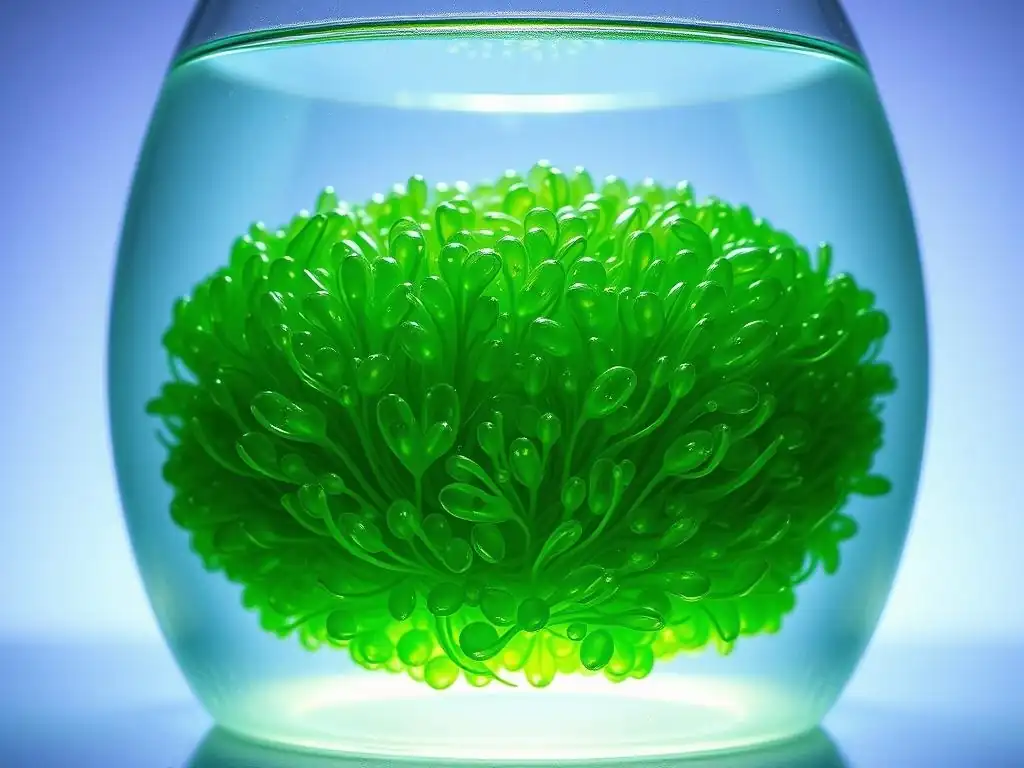
Knowing when to harvest your live algae culture is crucial for maximizing yield and maintaining the health of your ongoing "phytoplankton production." The optimal time for harvest is when the culture reaches its peak density, often referred to as the "logarithmic growth phase" or stationary phase. Visually, this means the culture will be a very dark, opaque green. If you hold the culture vessel up to a light source, you should find it difficult to see the light bulb through the dense green liquid.
Typically, with a good starter culture, proper lighting, and nutrient levels, a batch of Nannochloropsis will reach harvest density within 5-7 days of inoculation. Harvesting at this point ensures the algae are at their most nutritionally robust and before they begin to decline due to self-shading or nutrient depletion. Overly dense cultures can crash quickly as the algae exhaust their resources and begin to die off, turning pale or brown. Regularly checking the opacity and color of your cultures will help you determine the perfect harvest window for your "live algae breeding guide" setup.
Harvesting Methods: From Simple Pouring to Centrifugation
For the home aquarist, the simplest and most common harvesting method is partial decanting. Once the culture is at peak density, carefully pour 25-50% of the dense green liquid into a clean collection vessel. Immediately after harvesting, replenish the original culture vessel with fresh, sterile, fertilized saltwater. This semi-continuous method allows the remaining algae to continue growing, providing a consistent supply without needing to restart cultures from scratch every time. This approach is highly efficient for maintaining a steady "phytoplankton factory."
For those seeking to concentrate their algae, perhaps for storage or specific feeding applications, more advanced methods exist. Micro-filtration using a fine filter cloth or a 1-micron filter sock can remove some of the water, resulting in a more concentrated slurry. For highly concentrated algae paste, centrifugation is used.
While professional centrifuges are expensive, some hobbyists have adapted household salad spinners or even modified drill-mounted centrifuges for larger volumes. These methods yield a thick, nutrient-dense paste that can be stored in the refrigerator for up to 1-2 weeks, significantly extending the shelf life of your "live algae breeding guide" output.
Using Live Algae to Feed Rotifers and Other Live Foods
The primary use of home-cultured live algae in marine fish breeding is to feed and enrich zooplankton, particularly rotifers ( Brachionus plicatilis). Rotifers are the ideal first food for many newly hatched marine fish larvae due to their small size (typically 50-200 microns) and slow swimming speed. To maintain a healthy rotifer culture, they must be fed continuously with dense phytoplankton.
A typical 1-gallon rotifer culture might consume 50-100 ml of dense Nannochloropsis culture daily, depending on rotifer density and temperature. Feeding live algae ensures the rotifers are gut-loaded with essential fatty acids (DHA, EPA) and other vital nutrients, which are then transferred directly to the larval fish.
Beyond rotifers, live algae also serve as food for various copepod species commonly cultured for larval fish, such as Tisbe and Tigriopus. While some copepods are predatory, many species are herbivorous or omnivorous, grazing on phytoplankton. Providing a constant supply of live algae to your copepod cultures ensures they are well-fed and nutritionally robust before being introduced to larval tanks. This "phytoplankton production" directly impacts the nutritional quality of the live foods your larvae consume, leading to healthier, faster-growing fry.
Direct Feeding of Live Algae to Saltwater Larvae
While most marine fish larvae primarily consume zooplankton, direct feeding of live algae can be beneficial for certain species or as a supplemental food source. Larvae of filter-feeding organisms like clams and some bivalves directly consume phytoplankton. Additionally, some larger marine fish larvae, or those with very small mouths, may benefit from the presence of live algae in their rearing water. The algae contribute to water quality by consuming excess nutrients (like nitrates and phosphates) that can build up from larval waste or uneaten food, effectively acting as a living filter.
When directly feeding live algae to larval tanks, the goal is to maintain a slight "green tint" to the water. This usually translates to dosing small amounts (e.g., 5-10 ml of dense culture per 10 gallons of larval tank water) several times throughout the day. Monitor the water clarity: if the water clears too quickly, indicating the larvae or other organisms are consuming the algae rapidly, increase the dosage.
If the water remains too cloudy, reduce the dosage to prevent fouling. Direct feeding of live algae, as part of a comprehensive "live algae breeding guide," provides an additional layer of nutrition and water quality management for delicate larval systems.
Troubleshooting Common Issues in Live Algae Culturing
Identifying and Correcting Slow Algae Growth
Slow algae growth is a common frustration in "live algae culturing" and can be attributed to several factors. The most frequent causes include insufficient light, nutrient depletion, incorrect temperature, or inadequate aeration. If your culture remains pale green or doesn't darken significantly after several days, first check your lighting. Ensure the lights are on for at least 16-24 hours daily and are strong enough to penetrate the entire culture volume. A dim or aging light source will severely limit photosynthetic activity.
Next, consider nutrient levels. If the culture was initially dark green and then lightened, it likely consumed all available fertilizer. Adding a fresh dose of F/2 (e.g., 0.5-1 ml per liter) can often revive it. Temperature also plays a role; Nannochloropsis thrives in temperatures between 72-78°F (22-26°C). Temperatures too far outside this range can significantly slow growth. Finally, ensure your air pump is providing vigorous bubbling. Insufficient aeration leads to CO2 limitation and cell settling, both of which hinder growth. Addressing these parameters systematically will usually resolve issues with slow "phytoplankton production."
Addressing Algae Culture Crashes: Prevention and Recovery
An algae culture crash is a sudden and often complete collapse of the culture, turning it from vibrant green to clear, pale, or even brownish, often accompanied by a foul odor. The primary causes of crashes are severe contamination (bacterial blooms, ciliate infestations), extreme temperature fluctuations, or sudden, complete nutrient depletion. A bacterial crash can occur rapidly, sometimes overnight, as bacteria outcompete algae for resources and produce toxins.
Prevention is paramount: strict sterilization of all equipment, maintaining consistent environmental parameters, and starting new cultures from known-clean, vigorous stock are your best defenses. Unfortunately, once an algae culture crashes, recovery is rarely possible. The best course of action is to discard the entire crashed culture, thoroughly sterilize the vessel and all associated equipment (air lines, airstones), and start fresh with a new, clean starter culture. Always maintain at least one small "backup" culture, perhaps stored in a refrigerator for short-term preservation, to ensure you have a clean inoculum should a crash occur in your main "algae breeding" system.
Managing pH and Salinity in Algae Cultures
Maintaining stable pH and salinity is important for the long-term health and productivity of your "phytoplankton factories." As algae photosynthesize, they consume carbon dioxide (CO2) from the water, which can cause the pH of the culture to rise, sometimes from an initial 8.0 to as high as 8.5-9.0 in very dense cultures. This pH fluctuation is generally normal and not harmful to the algae within this range. However, a sudden, significant drop in pH (e.g., below 7.5) can indicate a bacterial contamination or insufficient aeration, leading to CO2 buildup from bacterial respiration.
Salinity is also a critical parameter. Most marine phytoplankton strains, including Nannochloropsis oceanica, thrive within a specific salinity range, typically 1.019-1.025 SG (specific gravity) or 30-35 ppt (parts per thousand). Use a reliable refractometer to monitor salinity. Evaporation will increase salinity over time, so periodically top off your culture vessels with fresh RO/DI water to maintain the target specific gravity. Too high or too low salinity can stress the algae, reducing growth rates and making them more susceptible to disease or contamination, jeopardizing your "live algae breeding guide" efforts.
Scaling Up Your Phytoplankton Production: From Small Batch to Large-Scale Algae Breeding
Optimizing Your System for Increased Algae Biomass
Once you've mastered small-batch "live algae culturing," scaling up involves increasing vessel size and optimizing environmental conditions to produce a larger biomass. Instead of multiple 2-liter bottles, consider moving to 5-gallon carboys, 20-gallon food-grade trash cans, or even custom-built cylindrical culture vessels. For larger volumes, ensure adequate light penetration by increasing light intensity or using multiple light sources. For example, a 20-gallon culture might require 60-80 watts of LED lighting.
Aeration also needs to be scaled up. A larger air pump with multiple airstones or rigid air tubes will be necessary to ensure vigorous bubbling throughout the increased volume. In very large vessels, consider using air-lift pumps, which provide both aeration and circulation, preventing settling and ensuring uniform nutrient distribution. Consistency in temperature across all larger cultures, perhaps achieved with a dedicated culture room or individual submersible heaters, is also vital for maximizing "phytoplankton production."
Implementing Automated Systems for Nutrient Dosing and Monitoring
For truly large-scale "algae breeding," manual nutrient dosing and monitoring become labor-intensive and prone to inconsistencies. Implementing automated systems can significantly improve efficiency and stability. Dosing pumps, commonly used in reef aquariums, can be programmed to deliver precise amounts of F/2 fertilizer at scheduled intervals, ensuring a continuous and optimal supply of nutrients without daily manual intervention. This consistency minimizes nutrient depletion and maximizes growth rates.
Advanced setups can also incorporate automated monitoring systems. pH probes can continuously track the culture's pH, providing real-time data on CO2 consumption and potential issues. Temperature sensors can alert you to dangerous fluctuations. While more complex, optical density sensors can even measure algae density, allowing for automated harvesting triggers or adjustments to nutrient delivery. These automated solutions reduce labor, improve consistency, and allow for finer control over the "phytoplankton factory" environment.
Considerations for Commercial-Scale Live Algae Production
Commercial-scale "live algae breeding guide" operations involve considerations beyond just biomass production. The focus shifts to efficiency, cost-effectiveness, and product consistency. Bioreactors, often closed systems with precise environmental controls, internal lighting, and CO2 injection, are commonly employed for high-density commercial production. These systems minimize contamination risk and maximize yield per unit volume.
Key considerations for commercial ventures include market demand, quality control, and logistics. A consistent supply of specific, high-quality algae strains is crucial for aquaculture farms, public aquariums, and retail hobbyists. This requires stringent quality control measures, including regular microscopic analysis for purity and nutritional profiling. Packaging, refrigeration, and shipping logistics for live, perishable products also become paramount. Commercial "phytoplankton production" aims to produce a reliable, economically viable, and nutritionally superior product to meet the needs of a demanding market.
Advanced Techniques in Live Algae Breeding
Exploring Different Algae Strains and Their Nutritional Profiles
While Nannochloropsis oceanica is excellent for general purposes, advanced "live algae culturing" involves exploring other strains to meet specific nutritional requirements of delicate or specialized larvae. Isochrysis galbana, for instance, is highly valued for its exceptionally high docosahexaenoic acid (DHA) content, an Omega-3 fatty acid critical for neural and retinal development in many marine fish larvae. Enriching rotifers with Isochrysis before feeding them to sensitive fry (e.g., certain dottybacks or angelfish) can significantly improve survival and reduce deformities.
Another valuable strain is Tetraselmis chuii. This larger, motile green alga (typically 8-12 microns) is robust and a good food source for larger copepods and some bivalve larvae. It also has a good nutritional profile, though generally lower in DHA than Isochrysis. Understanding the specific fatty acid, protein, and vitamin profiles of different algae strains allows an advanced "algae breeding" enthusiast to tailor the diet of their live foods, providing optimal nutrition for the most challenging larval species. This targeted approach elevates the success rate beyond basic "live algae breeding guide" protocols.
Optimizing Light Spectrum for Enhanced Algae Growth
While standard 6500K daylight LEDs are effective for "phytoplankton production," optimizing the light spectrum can further enhance growth rates and biomass. Phytoplankton primarily utilize wavelengths in the blue (approximately 400-500 nm) and red (approximately 600-700 nm) regions of the spectrum for photosynthesis. Chlorophyll a and b, the main photosynthetic pigments, absorb strongly in these ranges. Using LED grow lights specifically designed for plants, which often feature a significant proportion of blue and red diodes, can theoretically boost photosynthetic efficiency.
Beyond spectrum, photoperiod also plays a role. While continuous light (24 hours) often maximizes growth, it can also lead to higher pH in the culture as CO2 is continually consumed. Some advanced breeders opt for a 16:8 light:dark cycle, allowing the culture to "rest" and for CO2 levels to replenish during the dark period, which can help maintain a more stable pH and prevent photoinhibition in very dense cultures. Experimenting with different light intensities and durations, alongside specific spectrums, allows for fine-tuning your "phytoplankton factories" for peak performance.
CO2 Supplementation for Increased Algae Production
In very dense "live algae culturing" systems, atmospheric carbon dioxide (CO2) can become a limiting factor for growth, even with vigorous aeration. Algae consume CO2 during photosynthesis, and in highly productive cultures, the rate of consumption can exceed the rate of atmospheric diffusion into the water. Supplementing with CO2 can significantly increase growth rates and biomass yields, sometimes by 20-50% or more, especially in closed or semi-closed bioreactor setups.
CO2 supplementation typically involves using a pressurized CO2 cylinder, a regulator, and a diffuser to bubble CO2 directly into the culture. The dosage should be carefully controlled; start with a slow bubble rate (e.g., 1 bubble per second per 5 gallons of culture volume) and monitor the pH. As CO2 dissolves, it forms carbonic acid, which will lower the pH. Maintain the pH above 7.5 to avoid stressing the algae. CO2 injection, while adding complexity and cost, can dramatically increase the output of your "phytoplankton factories," making it a valuable advanced technique for high-volume "algae breeding."
Conclusion: Mastering the Art of Live Algae Culturing for Aquarium Success
The Importance of Continuous Learning and Experimentation in Algae Breeding
Mastering "live algae culturing" is an ongoing journey that requires continuous learning and a willingness to experiment. While this comprehensive "live algae breeding guide" provides a solid foundation, every aquarist's setup, local water conditions, and specific goals will present unique challenges and opportunities. Understanding the basic principles of algae biology and nutrient requirements is crucial, but applying this knowledge effectively often involves trial and error.
Do not be discouraged by setbacks, such as a crashed culture. Each failure offers valuable lessons in sterilization, nutrient management, or environmental control. Documenting your parameters—temperature, salinity, light cycle, fertilizer dosage, and observations of growth or decline—will allow you to identify patterns and refine your techniques over time. The most successful "phytoplankton factories" are those maintained by breeders who are keen observers and persistent problem-solvers, always striving to optimize their methods.
Resources for Further Learning about Phytoplankton and Live Foods
The world of phytoplankton and live foods is vast and continuously evolving. To deepen your understanding and further refine your "live algae breeding guide" skills, numerous resources are available. University extension programs, particularly those focused on aquaculture (e.g., Florida Sea Grant, NOAA aquaculture publications), offer a wealth of scientifically vetted information on various algae strains, culture techniques, and nutritional profiles. Academic papers published in journals of aquaculture and marine biology provide cutting-edge research.
Beyond formal academic resources, vibrant online forums and communities dedicated to marine aquaculture and fish breeding are invaluable. Websites like Reef Central, Marine Breeders Initiative (MBI) forums, and dedicated Facebook groups provide platforms for sharing experiences, asking questions, and learning from the successes and failures of fellow enthusiasts. Joining a local aquarium club that has members involved in marine breeding can also provide hands-on learning opportunities and direct mentorship, enriching your journey into "phytoplankton production."
Contributing to the Future of Sustainable Aquarium Practices Through Algae Culturing.
By mastering the art of "live algae culturing," you are not only enhancing your personal success in marine fish breeding but also contributing significantly to the future of sustainable aquarium practices. The ability to reliably produce live food sources for delicate larval fish reduces the hobby's reliance on wild-caught fish, many of which are collected unsustainably. When you successfully breed a species in captivity, you lessen the demand on wild populations, thereby supporting conservation efforts.
The knowledge and techniques gained from running your own "phytoplankton factories" are a cornerstone of responsible aquaculture. As more species become available through captive breeding, the pressure on natural coral reef ecosystems diminishes. Your dedication to this aspect of the hobby helps push the boundaries of what is possible in home aquaculture, inspiring others and fostering a community committed to ethical and sustainable practices. Your journey in "algae breeding" is a tangible step towards a more sustainable and vibrant future for the entire aquarium hobby.
Frequently Asked Questions
What is the primary benefit of using a live algae breeding guide for aquariums?
The primary benefit is to provide a consistent food source for filter feeders and larval fish. This leads to improved water quality and healthier aquarium inhabitants.
What are the key components needed to create a successful live algae breeding setup?
Essential components include a sterile culturing vessel, appropriate lighting, and a nutrient-rich media specifically designed for algae growth. Maintaining proper temperature control is also critical.
What are the most common live algae species used in aquariums, and why?
Nannochloropsis and Tetraselmis are popular due to their high nutritional value and relatively easy cultivation. They also provide a good food size for many aquarium creatures.
How often should I harvest and re-culture my live algae culture?
Harvesting and re-culturing frequency depends on the species and growth rate, but generally, you should harvest when the culture reaches peak density. This prevents the culture from crashing and ensures consistent production.
What are some common problems encountered when breeding live algae, and how can I prevent them?
Common problems include contamination and nutrient depletion. Prevent these by using sterile techniques and following a strict nutrient schedule.
Final Reflection: Cultivating Life's Foundation
The journey into phytoplankton cultivation, as explored in this guide, is more than just a scientific endeavor; it's a connection to the very foundation of life on our planet. Understanding and mastering the techniques outlined here allows us to not only support aquatic ecosystems but also to actively participate in the delicate balance that sustains them. The ability to cultivate these microscopic powerhouses empowers us to contribute to a healthier, more vibrant world, one drop of algae at a time.
This exploration of live algae breeding has profoundly influenced my understanding of the interconnectedness of life. Witnessing the exponential growth of these tiny organisms, fueled by simple nutrients and light, is a powerful reminder of the potential for growth and resilience that exists within all living things. It underscores the importance of responsible stewardship and the profound impact even the smallest actions can have. The good thing about science is that it's true whether or not you believe in it.
- Neil deGrasse Tyson. This quote resonates deeply, reminding us that the principles of algae cultivation, based on scientific observation and experimentation, offer a tangible pathway to positive change, regardless of individual beliefs.
Now, I invite you to reflect on the potential within these "phytoplankton factories" you can create. Consider how you can apply this knowledge, not only to nurture your own aquatic ecosystems, but also to inspire others to appreciate the vital role these microscopic organisms play in the grand tapestry of life. Embrace the opportunity to become a steward of this essential resource, and let your own "live algae breeding guide" become a testament to the power of knowledge and the beauty of sustainable practices.
Cultivate Your Own Microscopic Marvels!
Thank you for diving into the fascinating world of phytoplankton cultivation! Now that you're equipped with the knowledge to nurture your own "green water," let's put that knowledge into action and unlock the potential of these microscopic powerhouses.
Here are a few ways to get started:
- Start Your Culture Today: Dedicate a small, sterile space and begin your first phytoplankton culture using the techniques outlined in this guide. Experiment with different strains to see what thrives best in your setup.
- Share Your Success: Document your phytoplankton journey – the challenges, the triumphs, and the mesmerizing green blooms. Spread your expertise and inspiration with fellow aquarium enthusiasts online!
- Join the Community: Engage in discussions about live food cultivation! Expand your knowledge and share innovative approaches to nurture healthy and vibrant ecosystems in your tank.
What specific improvements or unique setups are you envisioning for your phytoplankton cultivation, and how will you measure your success?